-
-
Meet RePro!
-
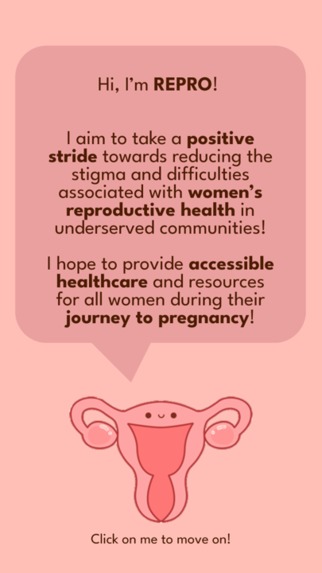
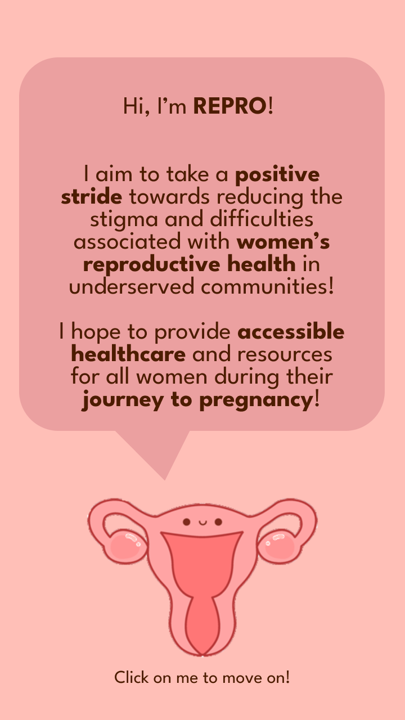
Information About RePro
-
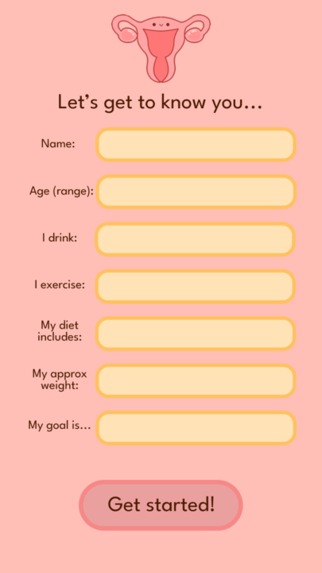
Sign Up Page
-
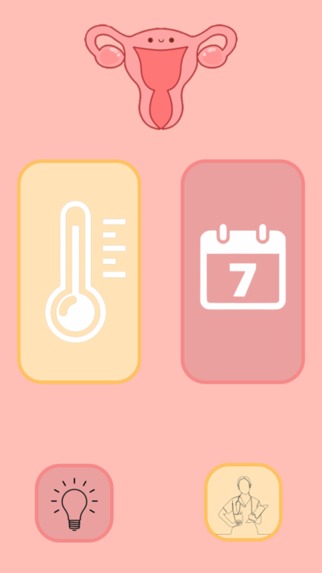
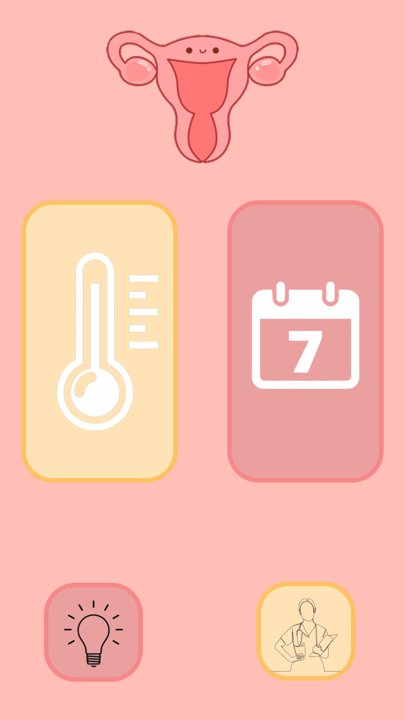
Main Page for Users
-
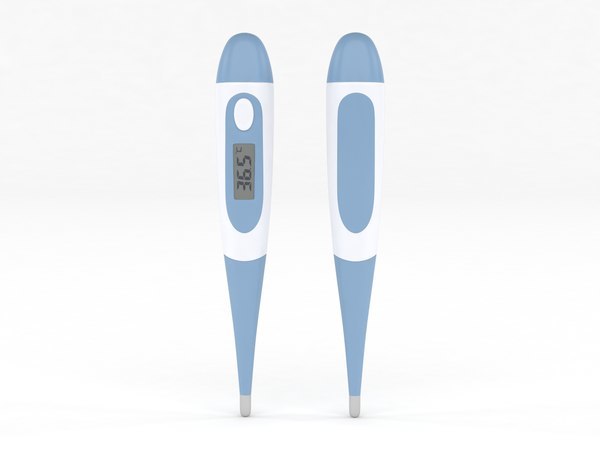
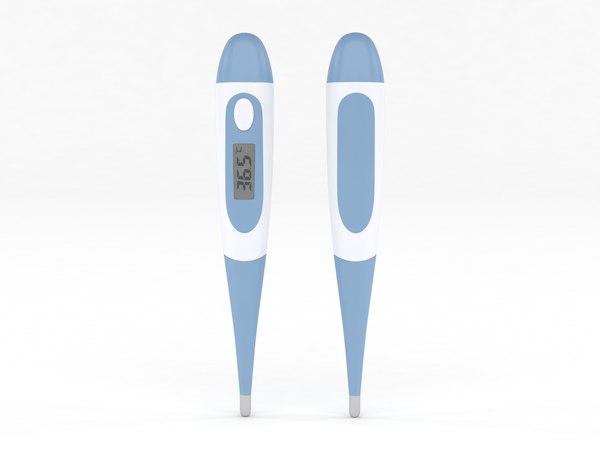
Bluetooth Thermometer Used

Inspiration
Intersectionality helps understand prejudice but it can obstruct free will. As minorities and immigrants growing up in Western society, we have often contemplated the influence of intersectionality on not just our own, but others' experiences. Underserved communities, especially African American and Indigenous communities, often see the devastating impacts of intersectionality when looking through the lens of reproductive health. With the increasing rates of unintended pregnancy rates and a blanket taboo on the topic of fertility, women in underserved communities are increasingly facing disparities in their journey to and before pregnancy. What we need is a shift in the way we approach reproductive health - a shift that begins with technology.
What it does
RePro is a platform that creates both a structured approach to fertility and a welcoming community for individuals who may not otherwise have one.
- Upon launching the app, the user is greeted by our lovely companion, RePro. She introduces herself and her job is to walk the user through the application.
- Initially, RePro collects an individual's personal information including their name, age, weight and exercise habits.
- Subsequently, leveraging our proprietary basal temperature sensor, the app automatically captures daily temperature fluctuations in sync with the user's preferences. Additionally, users have the option to manually input temperature data. Regular notifications prompt users to maintain consistent tracking, while our intuitive interface showcases ovulation periods through an interactive calendar, providing valuable insights once sufficient data is accumulated. ** An individual's ovulation period is the time at which an individual is ready to reproduce. **
- In addition to this integrated platform, RePro also has connections to health professionals to answer any questions that women have via a chat-based system.
How we built it
We first started the project by brainstorming ideas of potential projects and topics we were interested in creating an app that empowers marginalized communities. After intensive thinking, we decided upon an idea to create a web app that supports women who lack the resources of a professional doctor and established healthcare systems, specifically focusing on reproductive health. After deciding on our project, we created a flow chart, mapping the screens that would be displayed after certain actions. For most of the design, Figma was used to design the pages and create a prototype that imitated the app we then created with HTML, CSS and JS. We started researching how to develop websites using HTML, specifically looking at the integration of web apps and our previous coding experience in Java and limited HTML/CSS. CSS was used to customize our fonts and style of buttons to find the intended design and create a project that sufficiently appealed to the users. We then used JavaScript to process the data in the forms and buttons and stored them locally to predict temperature change. There was a lot of research conducted to learn the function of each line of code before we were able to easily use the code to our advantage.
Challenges we ran into
Like all innovative technology, our journey found many challenges along the way. Despite having an incredible group, most of our members had only dabbled in coding - with only surface level understanding of HTML, CSS and JS. At the beginning, our most memorable challenge was staying up trying to create a button on our main page that refused to work. When we finally fixed the error at midnight on Friday, not only had we gained immense coding skills, our team had grown and learned together. Throughout our journey, we began to encounter more and more and challenges - including misconstrued attempts at responsive web design, lopsided borders on our buttons, and confusion about our thermometers. Through each of these challenges, our skills in HTML/CSS/JS grew in addition to our problem solving and ability to persevere when given a challenge. Incredible change can come out of working from the ground up and in doing so, recognize our own power and abilities.
Accomplishments that we're proud of
As mentioned previously, it was through our challenges that we emerged the most victorious and proud. Our quantitative accomplishments that we are the most proud of would be our design that we spent hours on, the buttons (we struggled!), integration in our main page between our thermometer and calendar and the intricate form we created. But moreso, we are proud of our qualitative accomplishments - of the team work that we displayed and the incredible work ethic that surprised each of us. Despite not knowing each other that well beforehand, our team worked impressively well and created an app that has surprised us and made us proud to be presenting it.
What we learned
As this was the first hackathon for most of our team, we had little to no experience when it comes to web app development and the skills needed. First, we had to familiarize ourselves with the brainstorming process. We used tools like Figma to visually represent our ideas to bring them to life. Next, we learned about the different functions of HTML, CSS and JavaScript in order to build the different components of the website, such as incorporating buttons to navigate across the different files, adding images from Figma as well as reading inputs from the forms to save it on the cloud. Not only did we learn much about software tools, we also learned much about the stigmatization of women reproductive health, and challenges that underrepresented women face in life, which we can hopefully make a difference about. In sum, soft skills like teamwork were developed as well as developing our programming skills.
What's next for RePro
In our pursuit of equitable healthcare, we aim to expand the accessibility of every individual’s reproductive journey. For example, Repro will have additional options to cater to varying needs and demographics. Firstly, for women already on their pregnancy journey, we intend to establish a supportive space, encompassing resources like "Breastfeeding Buddies" and baby dental plans, facilitated through an online forum. This approach not only cultivates a tightly-knit community but also ensures access to essential resources for all. There will also be an option to chat with professionals (e.g gynecologist) throughout their pregnancy. Furthermore, we seek to empower women who wish to avoid pregnancy by introducing a "Pill Reminder" feature. This becomes pivotal as the leading cause of birth control pill failure stems from improper usage. While most contraceptive pills necessitate daily intake for optimal efficacy, lapses in adherence are commonplace. Within this option, we’d also put an option, where users may text and contact professionals (e.g health services), this way they would be able to obtain their contraceptive options.By destigmatizing contraceptive usage through this approach, we aim to actively encourage safe reproductive health.


Log in or sign up for Devpost to join the conversation.