-
-
-
-
-
-
-
-
-
-
-
-
-
-
-
-
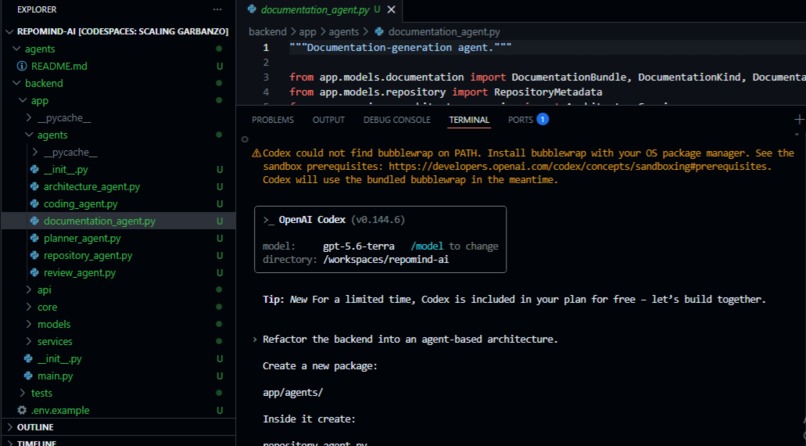
Codex cli

Inspiration
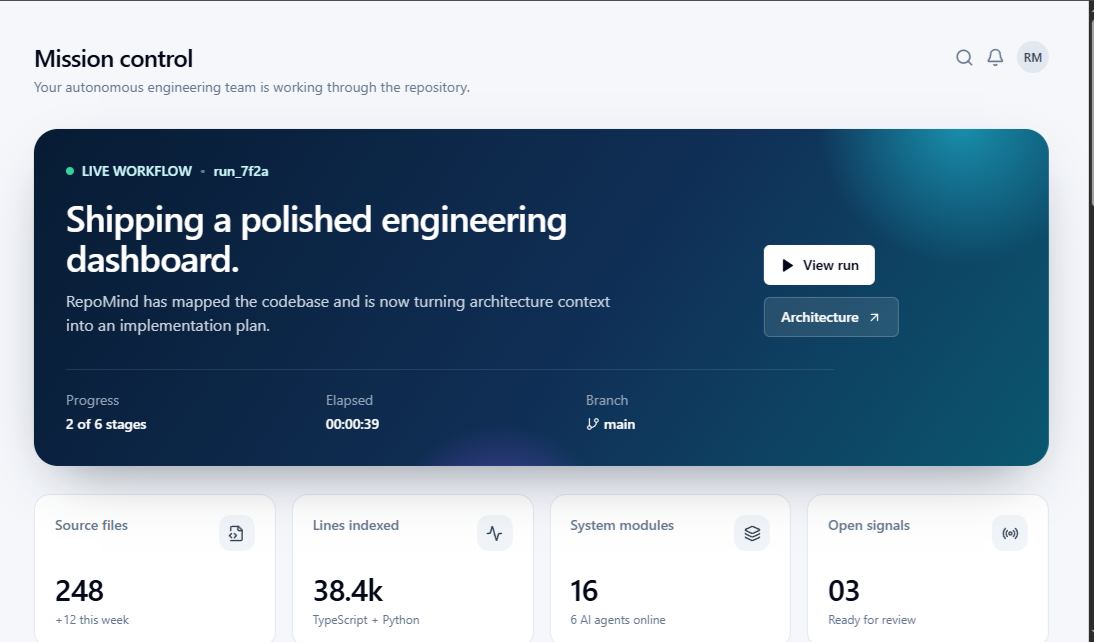
Understanding an unfamiliar codebase is absolute pain. Whether you’re joining a new team, picking up an open-source project, or trying to touch legacy code someone else wrote two years ago, you always end up doing the same thing: wasting hours bouncing between folders, reading outdated READMEs, and trying to trace functions by hand. I wanted to build something that actually fixes this somehting like an AI engineering teammate that plugs into a repo, figures out how all the pieces fit together, and breaks it down in a single workspace. I named it RepoMind AI because the goal was simple that is give the codebase a "mind" so it can explain itself and help you get to work faster.
What it does
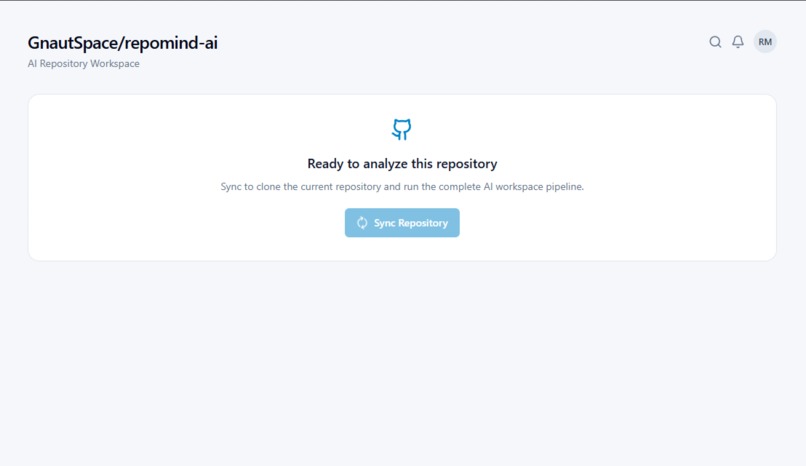
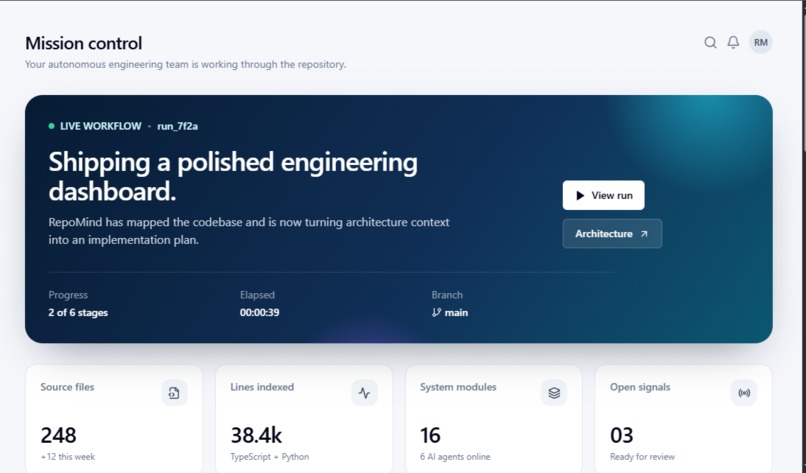
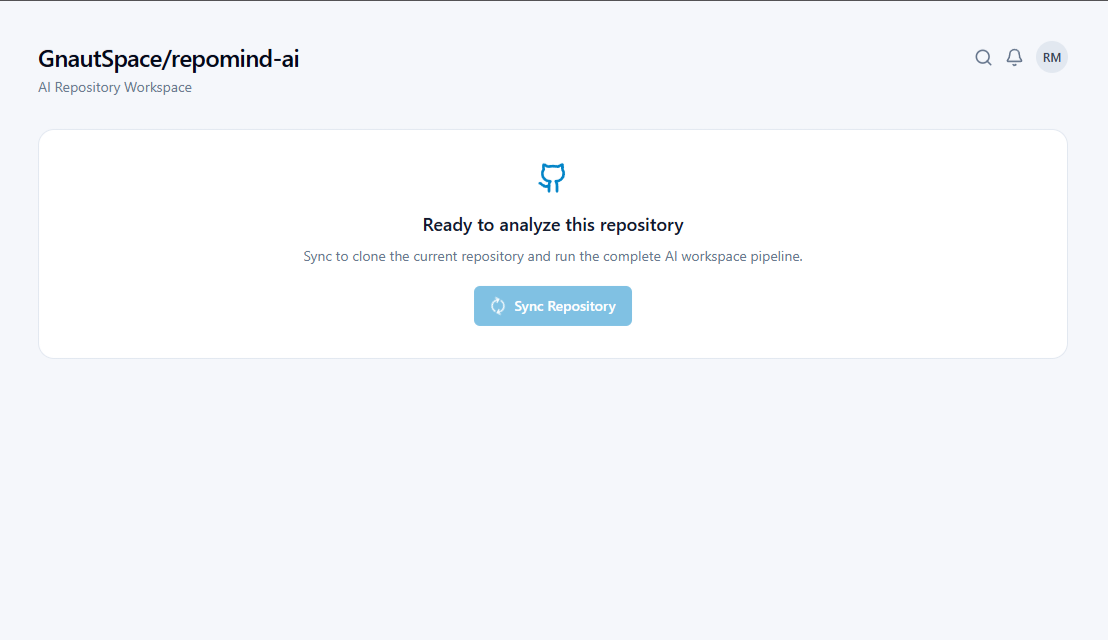
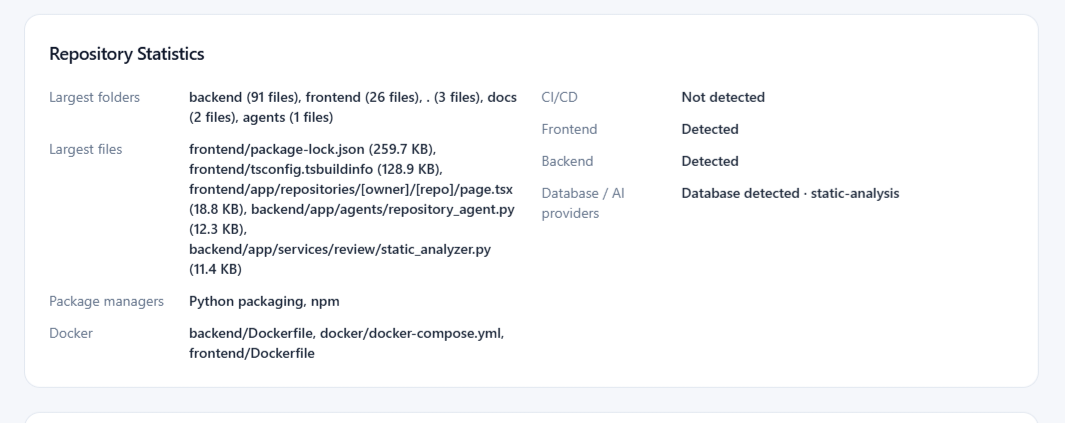
Instead of manually clicking through hundreds of files, RepoMind AI gives you a clear mental map of any GitHub repo in minutes. Here’s what it handles:
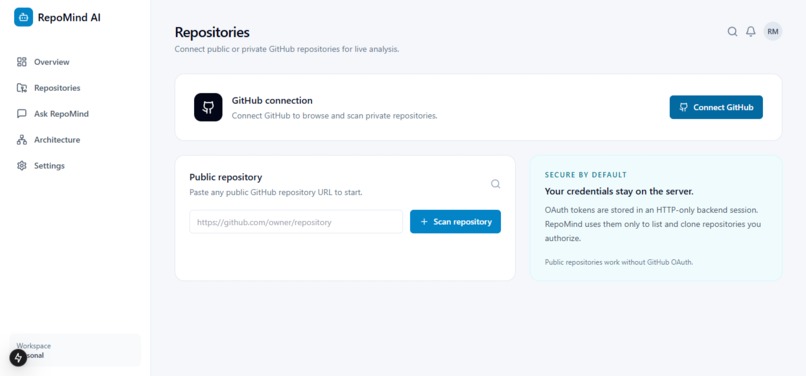
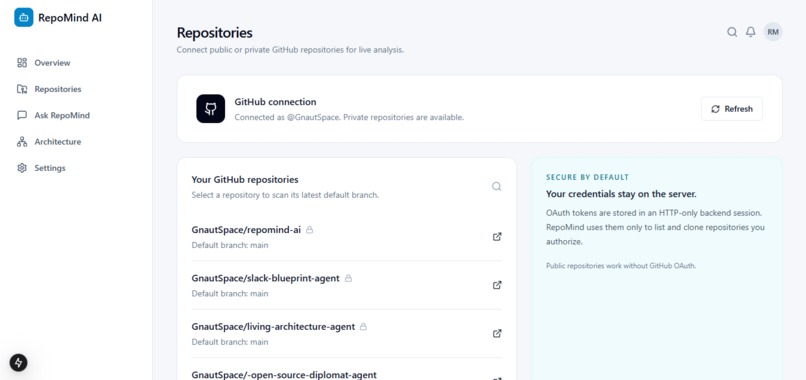
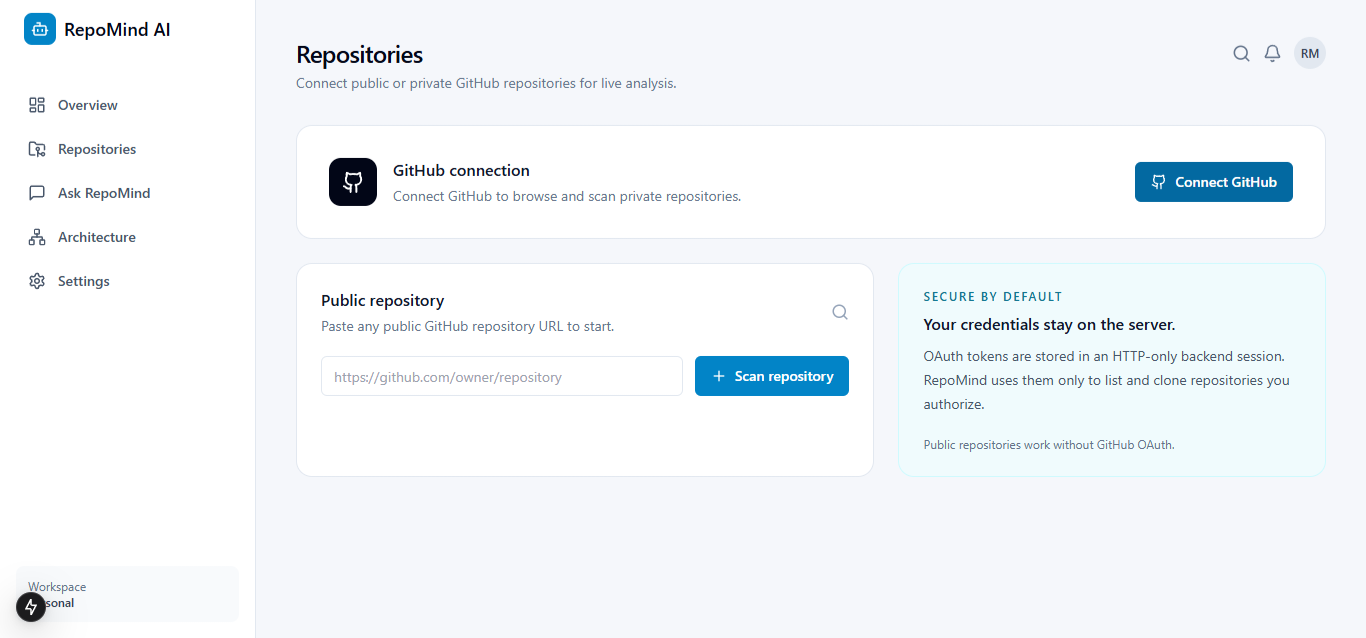
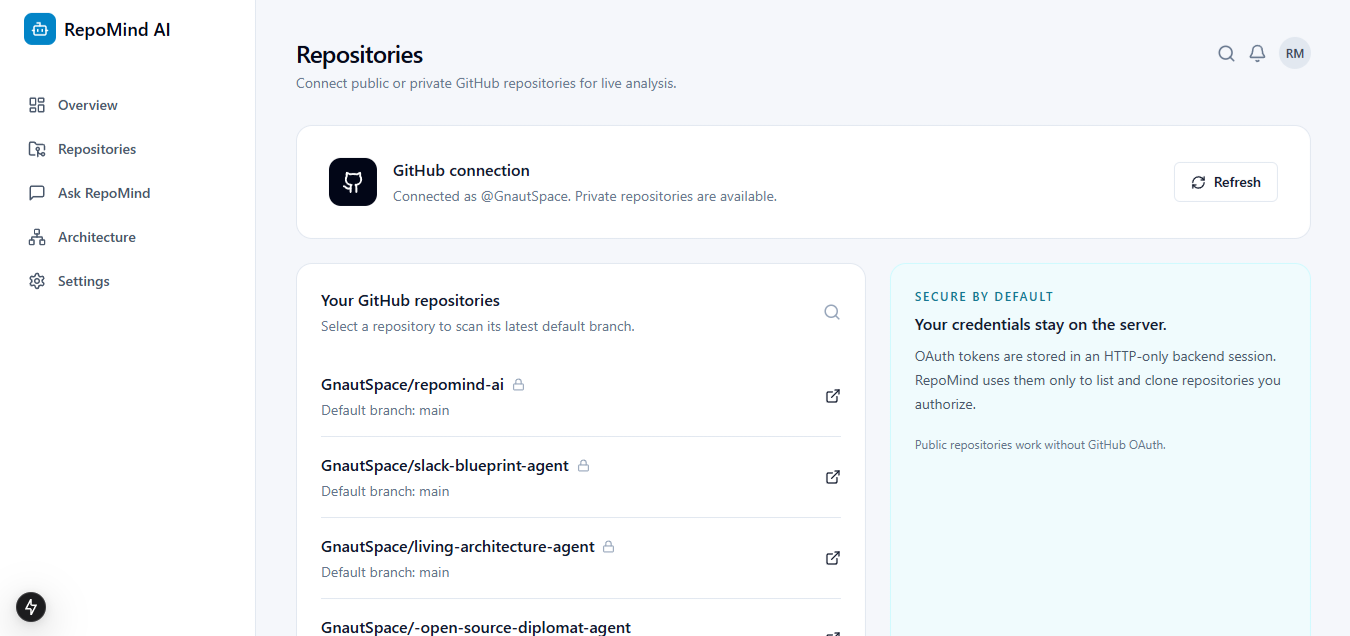
- Pulls in repos securely via GitHub OAuth
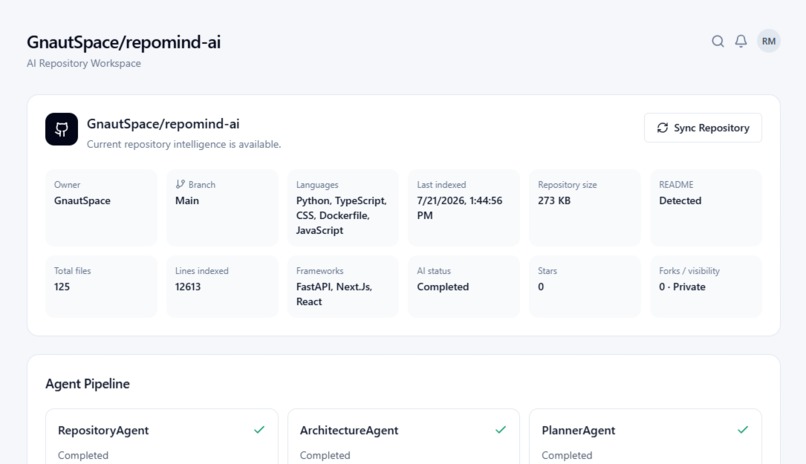
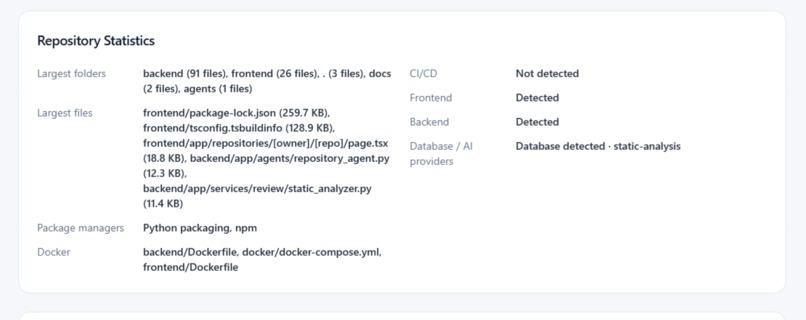
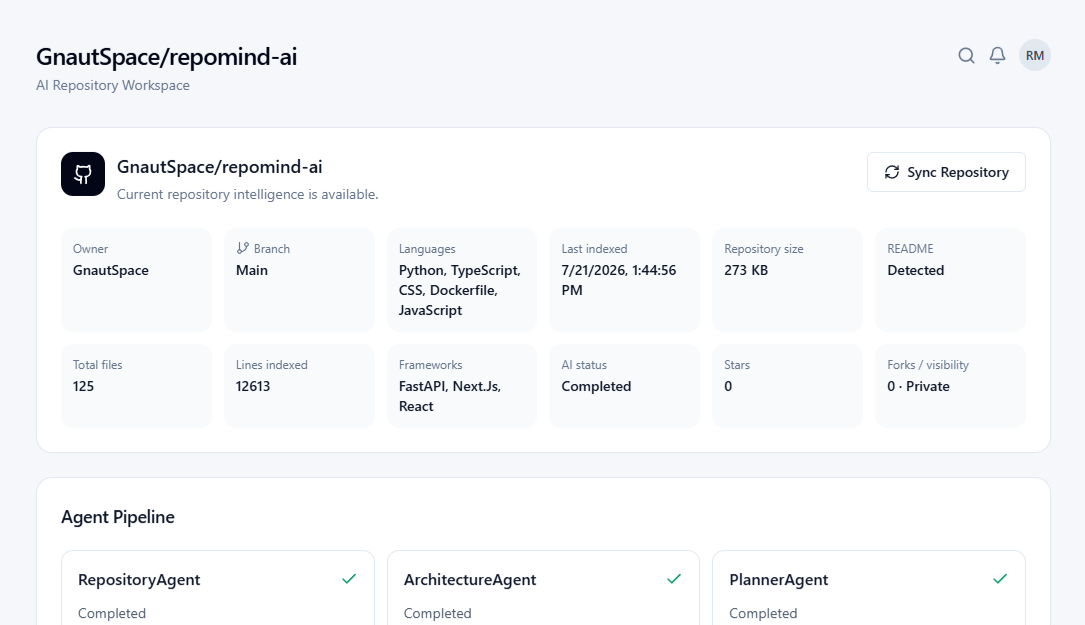
- Analyzing repository structure and metadata
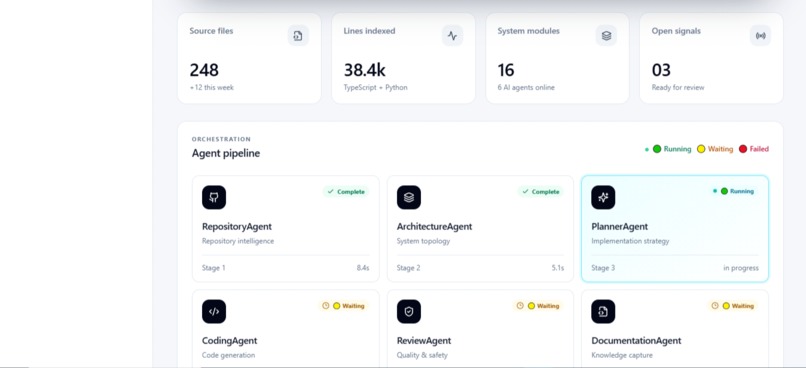
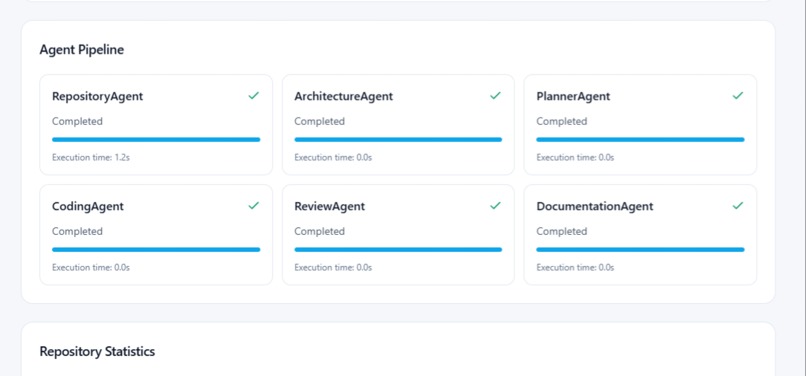
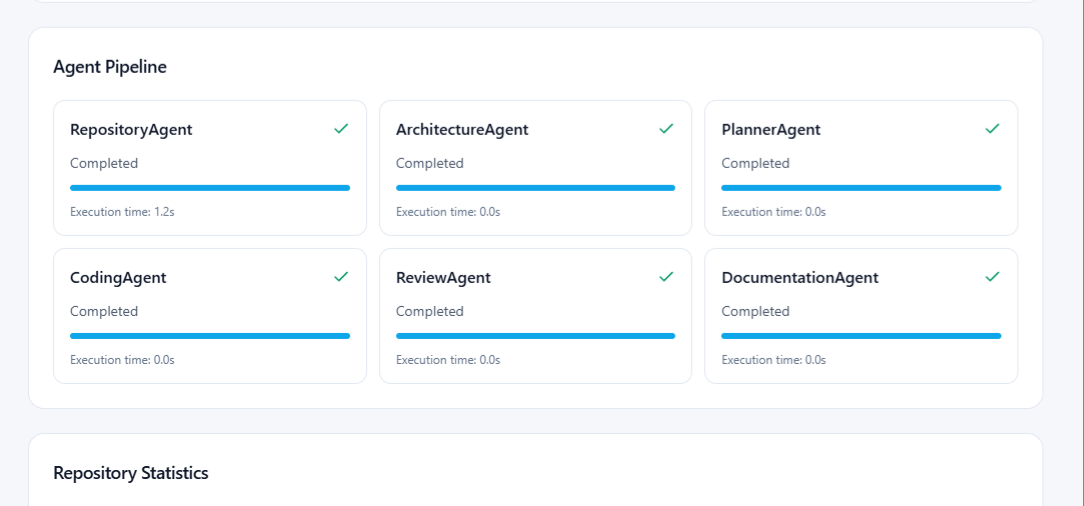
- Coordinating multiple specialized AI agents
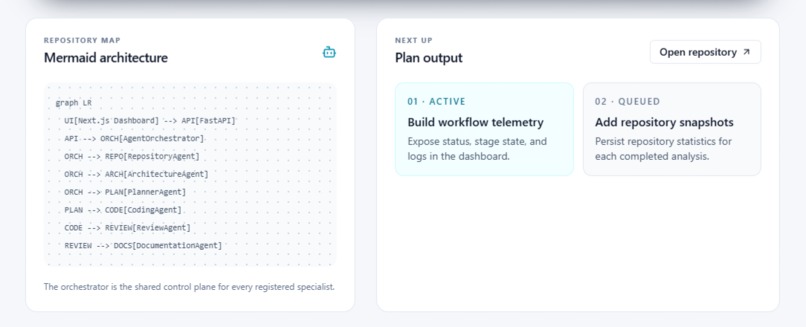
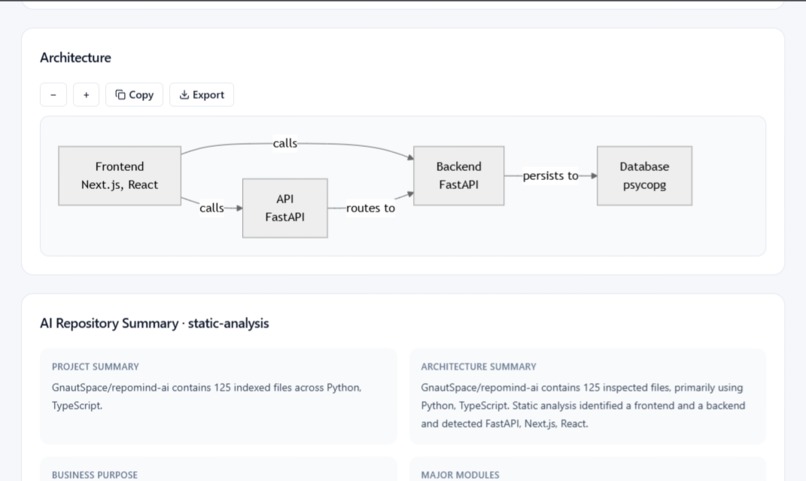
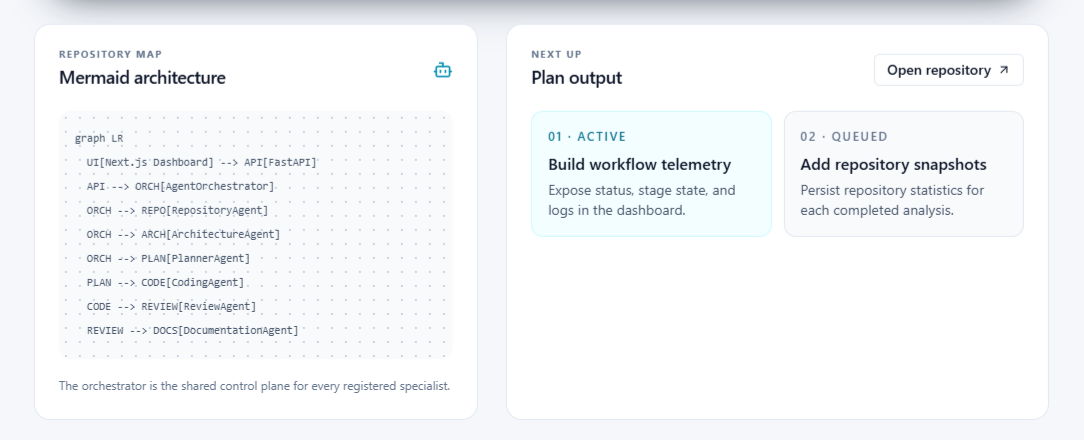
- Generating architecture overviews
- Producing repository summaries
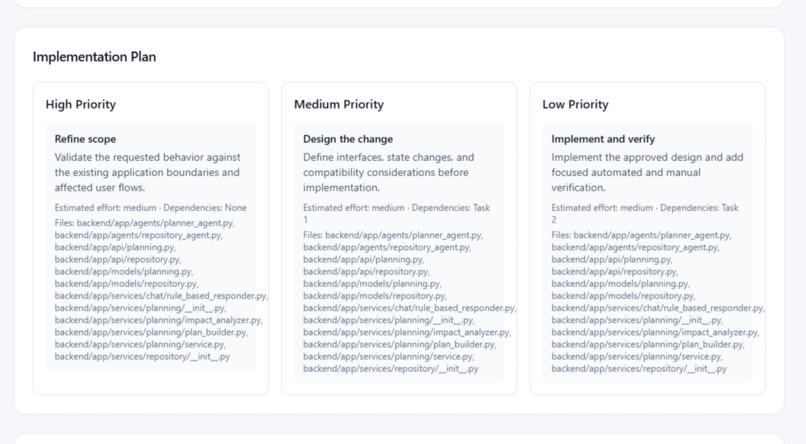
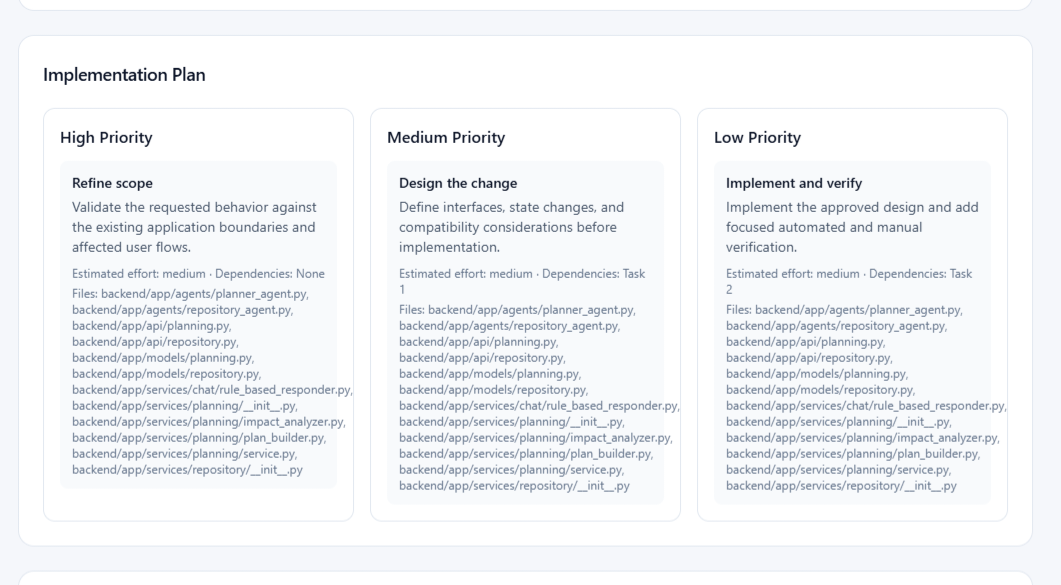
- Creating implementation plans
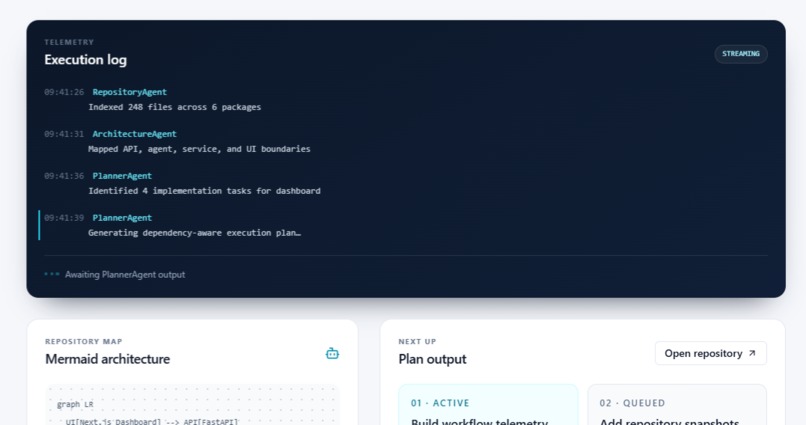
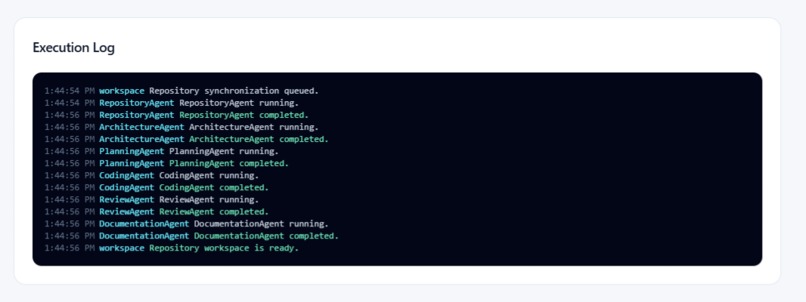
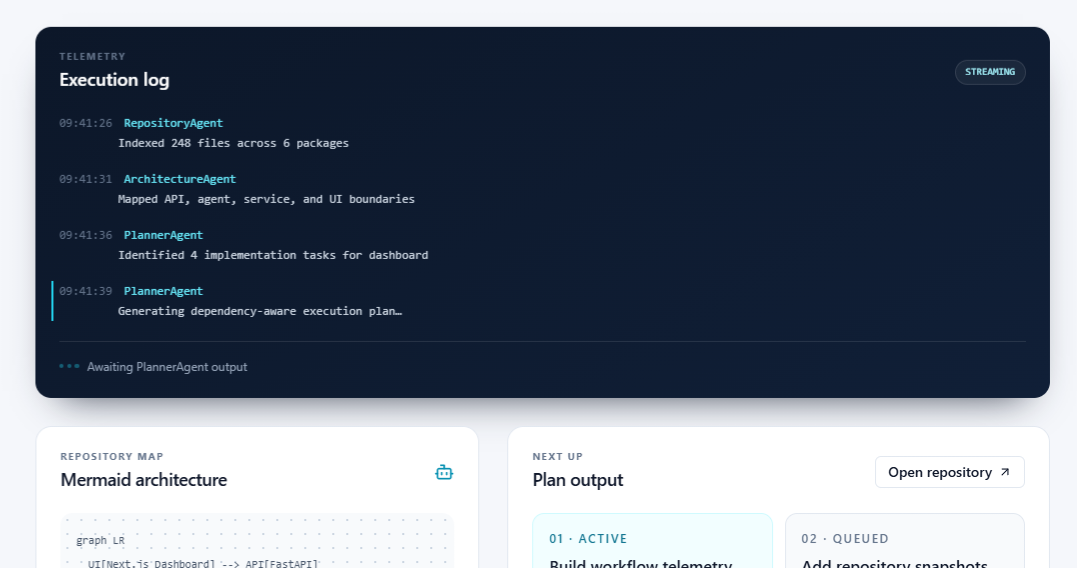
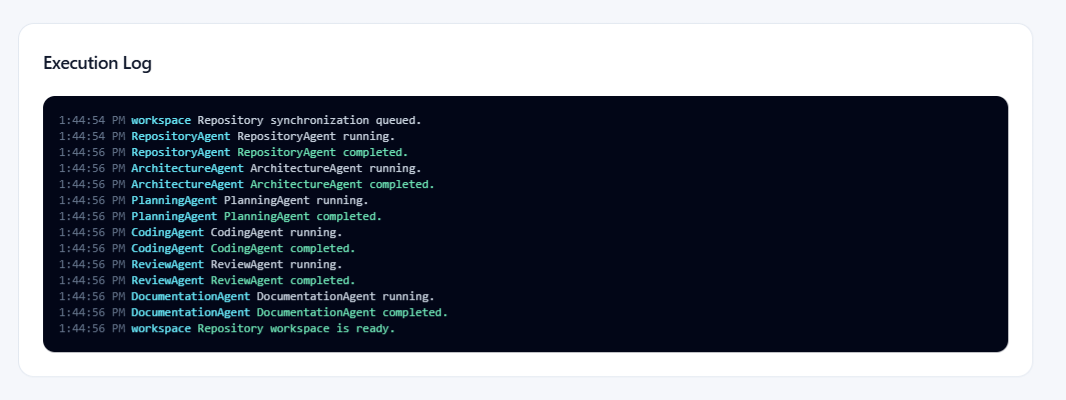
- Shows its work with live execution logs, so you aren't just staring at a black-box spinner guessing what the AI is doing.
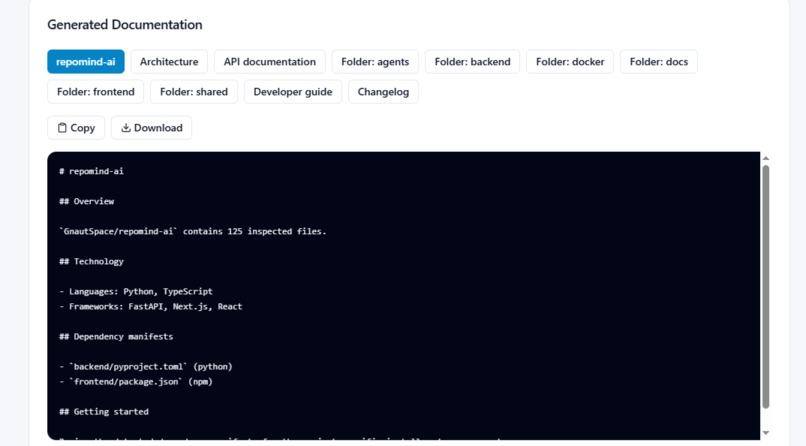
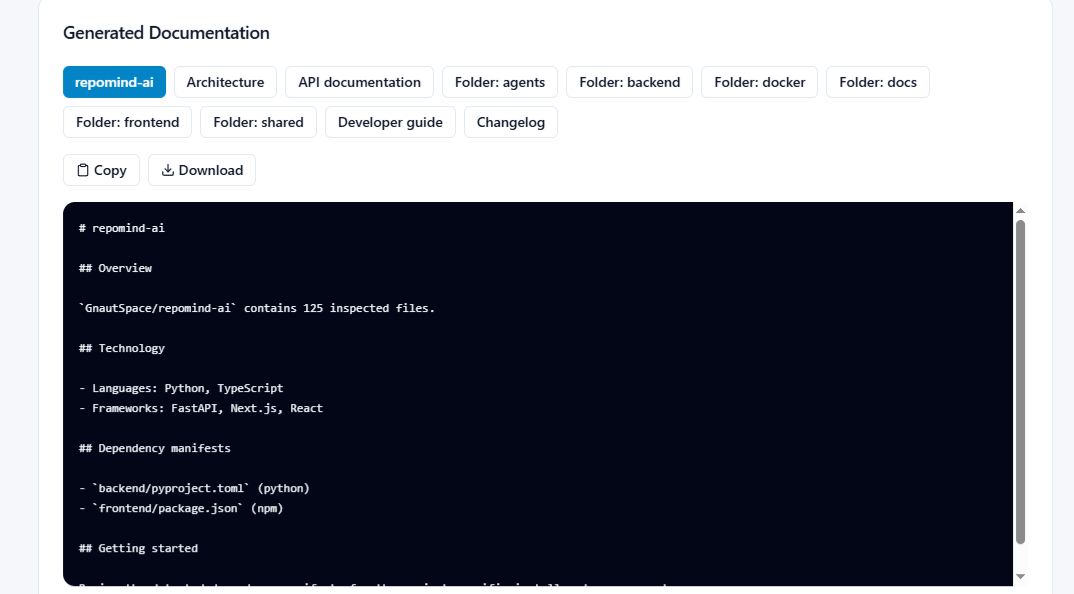
- Generates documentation to accelerate onboarding
How we built it
I went with a full-stack setup split cleanly between a Next.js UI and a Python backend, with an orchestrator running the show.
- Frontend: Built with Next.js 15, React, TypeScript, Tailwind CSS, and Lucide Icons for a clean dev dashboard.
Backend: FastAPI + Python with Pydantic for validation, GitHub OAuth for auth, and a modular REST API.
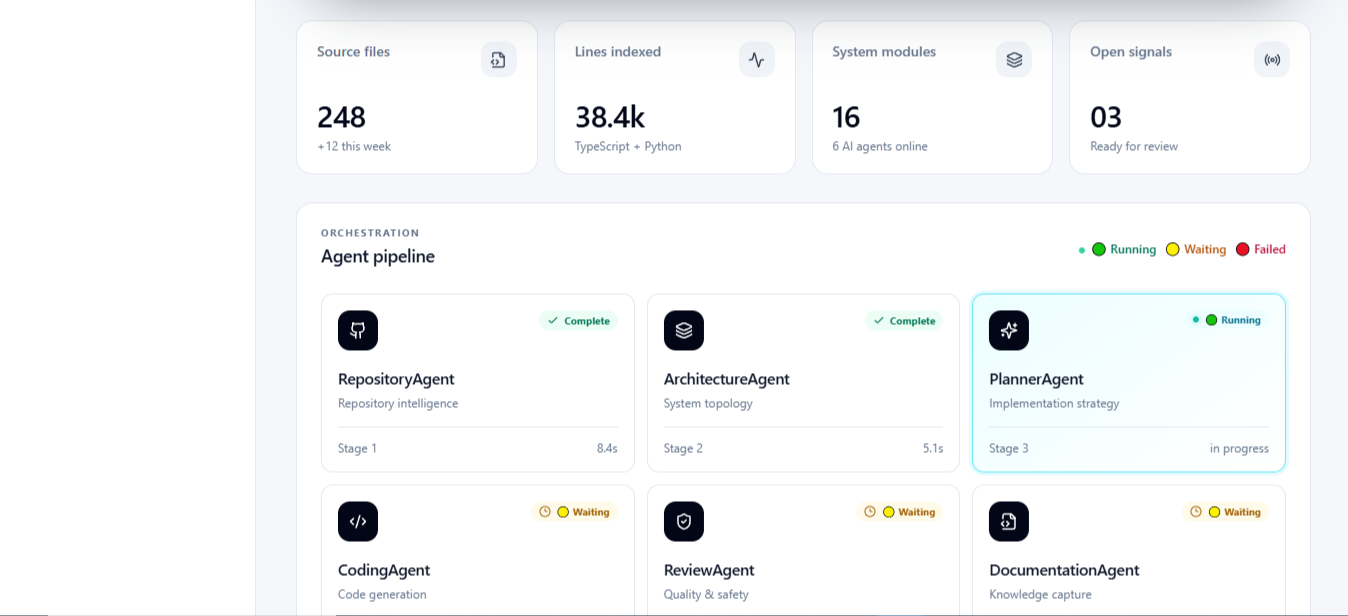
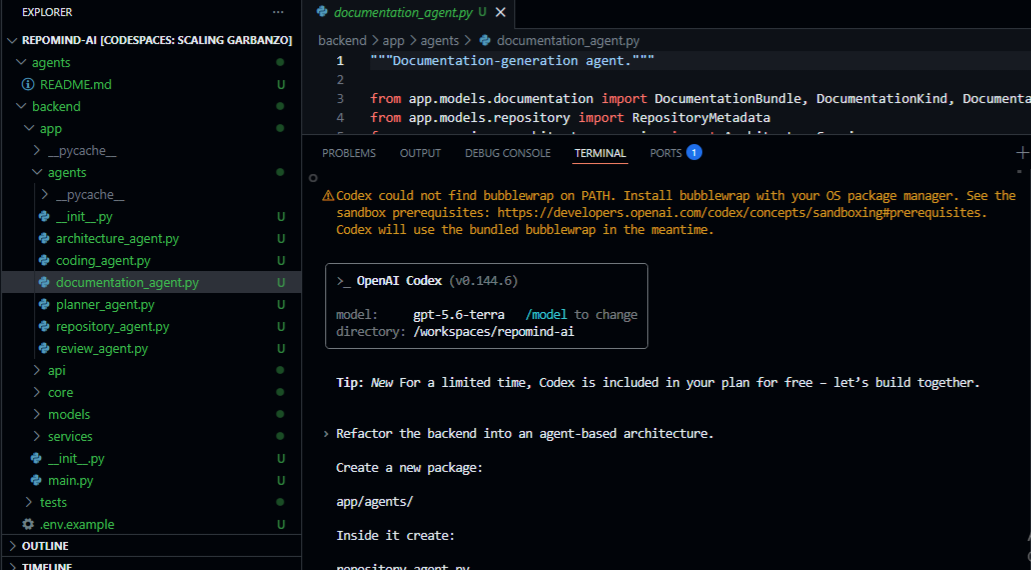
AI Architecture: Instead of relying on one massive prompt, I set up a multi-agent pipeline where individual agents handle specific tasks like Repository, Architecture, Planner, Coding, Review, and Documentation. An orchestrator runs them in sequence so each agent builds on the previous one's output.
Note on dev process: I used OpenAI Codex heavily throughout the hackathon. It saved me a ton of time generating initial boilerplate, refactoring agent logic, and debugging issues on the fly.
Challenges we ran into
Agent dependency nightmares: Getting six autonomous agents to pass state back and forth cleanly without creating a tangled mess of tightly coupled code took a lot of refactoring(also couldn't claim codex openai credits)
Dev environment quirks: Networking inside GitHub Codespaces gave me headaches with port forwarding and API routing between FastAPI and Next.js (used codespaces for faster easier setup)
Real-world edge cases: Rate limits on GitHub’s API hit fast during testing, and sorting out Docker deployment bugs right before the deadline was a fun(also scary).
Accomplishments that we're proud of
- It actually works together: Getting multi-agent coordination, real-time log streaming, and architecture mapping into one snappy interface felt great (though I was skeptical if I would finish it as I started just 3 days ago)
- Transparency: Building execution logs directly into the UI makes the AI's thought process visible, which builds way more trust than just returning a final chunk of text.
- Solid base: The backend is built modularly so dropping in new specialized agents down the line won't require a total rewrite (gotta make it cooler with Slack or discord integration)
What we learned
LLMs need structure->prompting a single model isn't enough for complex tasks giving distinct agents tight, single-responsibility roles makes the output infinitely more reliable
UX matters just as much as model quality-> An AI tool is only as good as how easily a dev can read and use the output(interface needs few advanced details)
The unglamorous stuff takes the longest->OAuth flows, rate limits, and async API management took just as much effort as the AI orchestration itself.
What's next for Repomind-AI
I want to turn RepoMind AI from a hackathon project into a full-fledged dev platform. On the roadmap:
- Interactive repo chat so you can ask specific questions about the codebase with full context.
- Live visual architecture diagrams that update dynamically. 3. Automated PR reviews, security scanning, and test generation.
- Deeper integrations with GitLab/Bitbucket, issue trackers, and long-term memory so the AI remembers context across sessions.
- Slack or discord integration
- Teams collaboration to work on the repo discussion
- Ui enhancements
Built With
- codex
- docker
- fastapi
- next.js
- pydantic
- python
- tailwindcss
- typescript

Log in or sign up for Devpost to join the conversation.