-
-
home
Inspiration
RepoChief was inspired by the recent wave of AI-generated HTML artifacts: visual specs, diagrams, and planning pages that are easier to read than long Markdown docs. I wanted to bring that same energy to codebases, but make it feel native to repo exploration and feature planning.
What it does
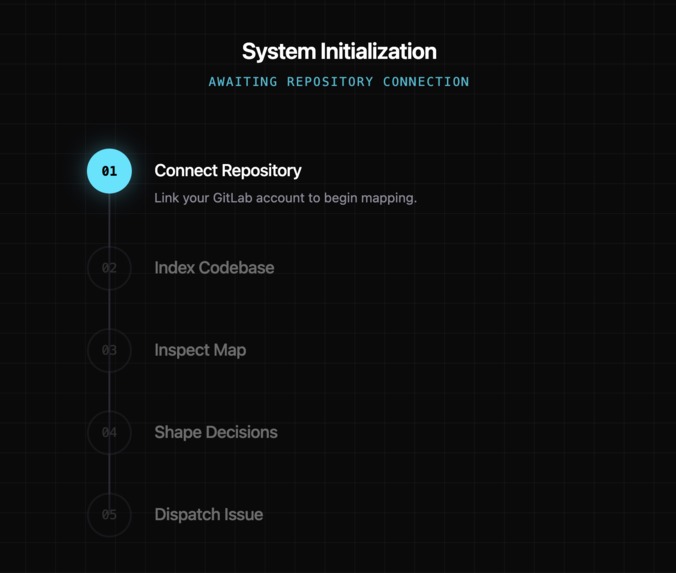
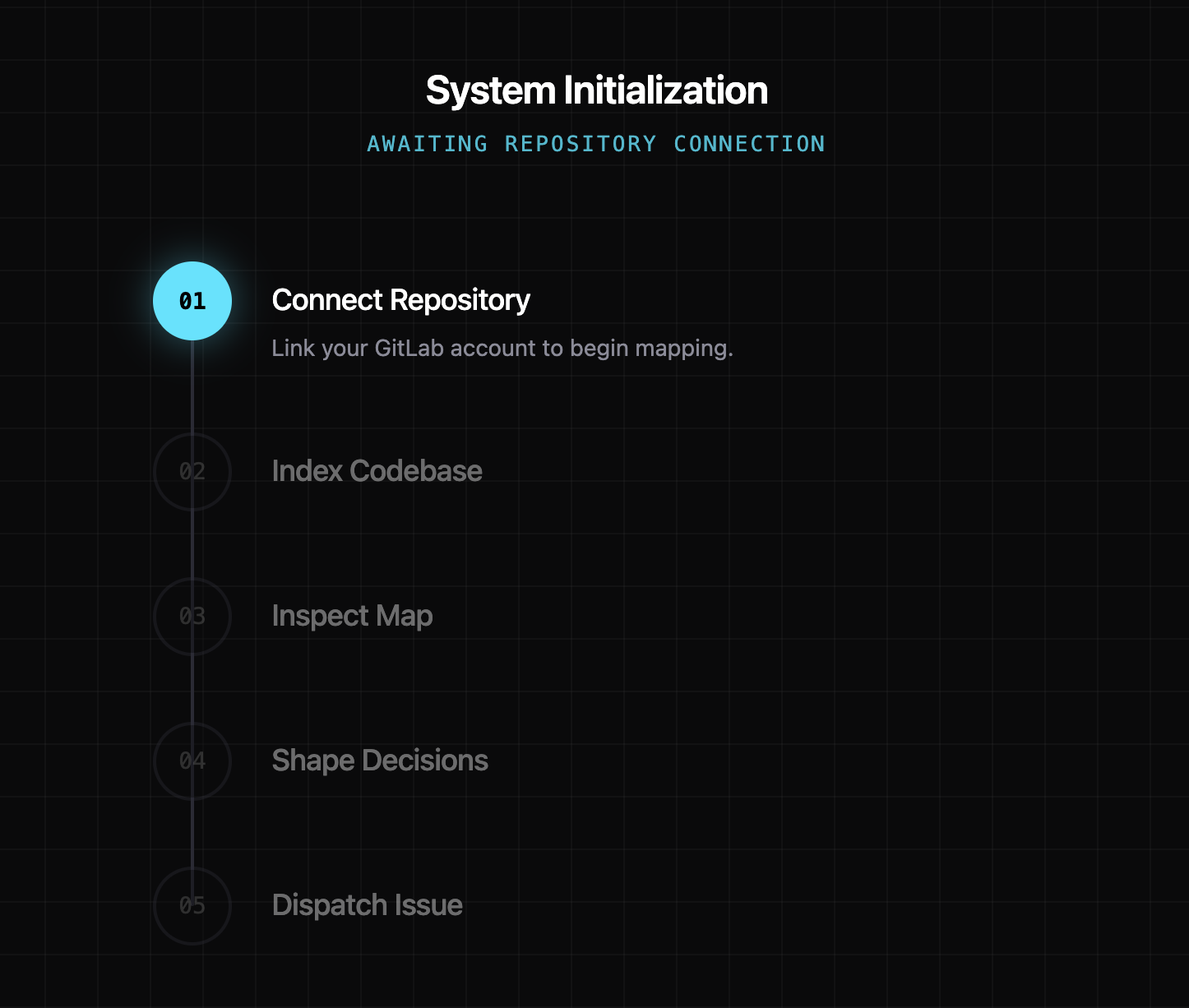
RepoChief connects to GitLab, pulls in your repositories, and indexes the selected project. It generates an interactive architecture diagram so you can explore the repo visually and expand nodes to go deeper into the codebase.
From there, you can start a planning flow. Gemini asks follow-up questions, generates interactive decision workbenches, captures the choices you apply, and turns everything into a final implementation plan. RepoChief can then create a GitLab issue designed to be ready for Duo Agent.
How we built it
The frontend is a Vite, React, and TypeScript app with a full-screen workbench UI. Generated workbenches run in a sandboxed iframe and send typed events back to the parent app.
The backend is a TypeScript Node API built for Google Cloud. It handles GitLab OAuth, repo indexing, Gemini calls, workbench validation, planning state, and GitLab issue creation. MongoDB stores repo memory and planning runs so the app can keep context across the flow.
Challenges we ran into
Repo indexing was the biggest challenge. A repo has a lot of structure, and the app needs to turn that into useful memory without dumping the whole codebase into one giant prompt.
Making the diagrams consistently good was also hard. The output needed to be accurate enough to trust, but also visual enough that someone could understand the architecture quickly. The planning feature added another layer because the generated workbenches had to capture real user choices and turn them into a useful final plan.
Accomplishments that we're proud of
I’m proud of the diagrams RepoChief can generate. They make a repo feel much easier to understand at a glance, especially when you can expand parts of the architecture and keep exploring.
I’m also proud of the interactive planning flow. It feels more useful than a normal chat because the user can make concrete choices, apply them, and end with a GitLab issue that has real context for Duo Agent.
What we learned
I learned that repo understanding needs structure before generation. Indexing, summaries, and repo memory make the generated diagrams and plans much better than asking the model to reason from raw files all at once.
I also learned that visual planning works best when the user stays in control. Gemini can propose options and generate workbenches, but the important part is letting the user pick the direction before creating the issue.
What's next for repochief
Next, RepoChief should make indexing faster and more incremental, so changed repos can be refreshed without rebuilding everything from scratch.
I also want to improve the Duo Agent handoff, add better plan history, support pull request context, and keep improving the generated diagrams and planning workbenches.

Log in or sign up for Devpost to join the conversation.