-
-
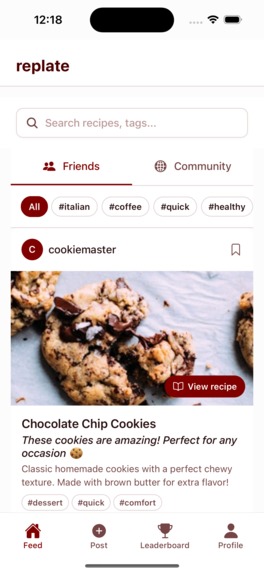
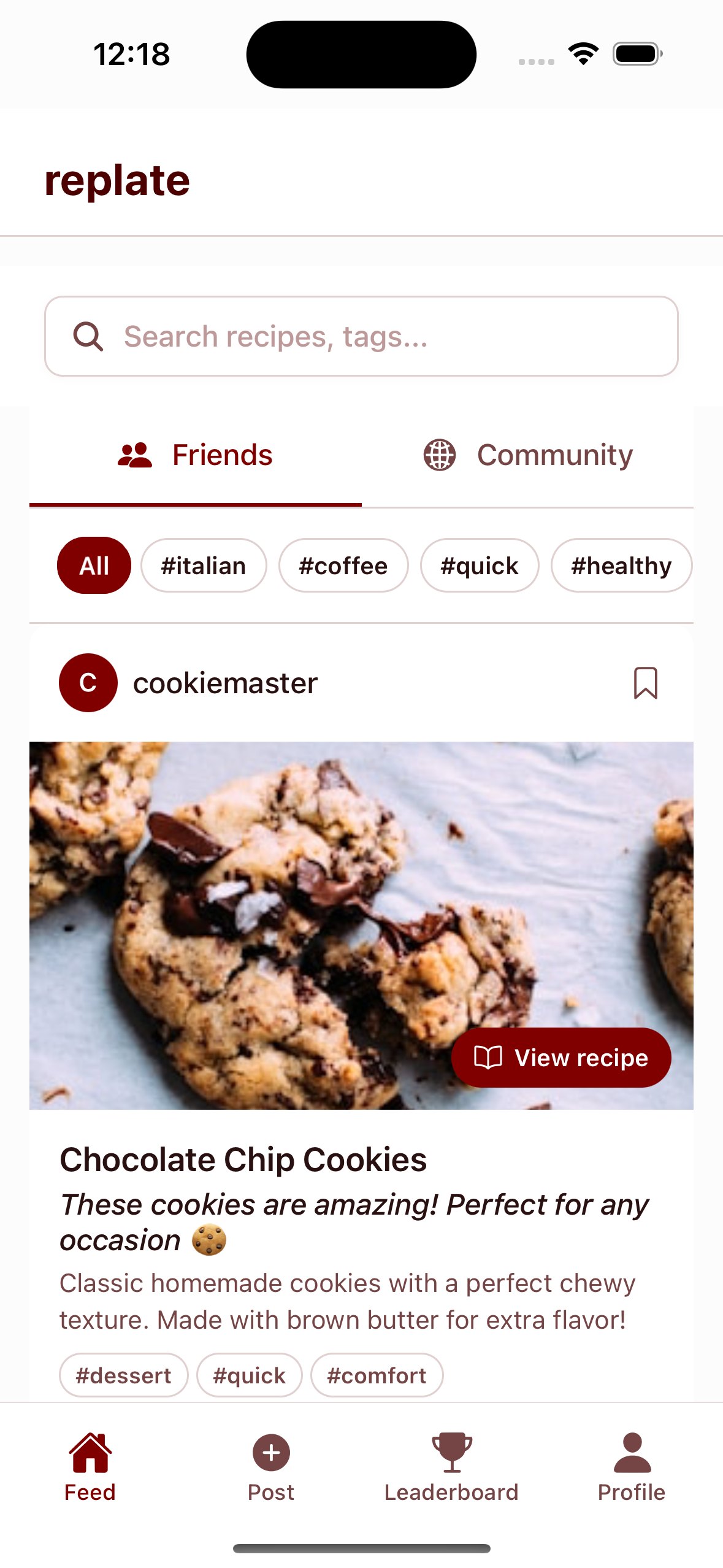
feed screen
-
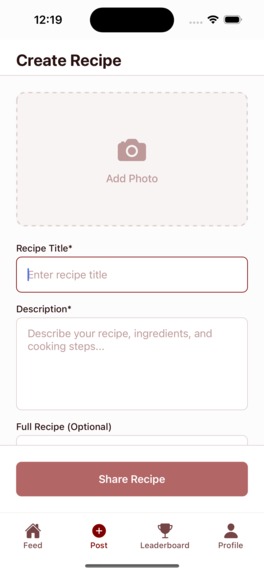
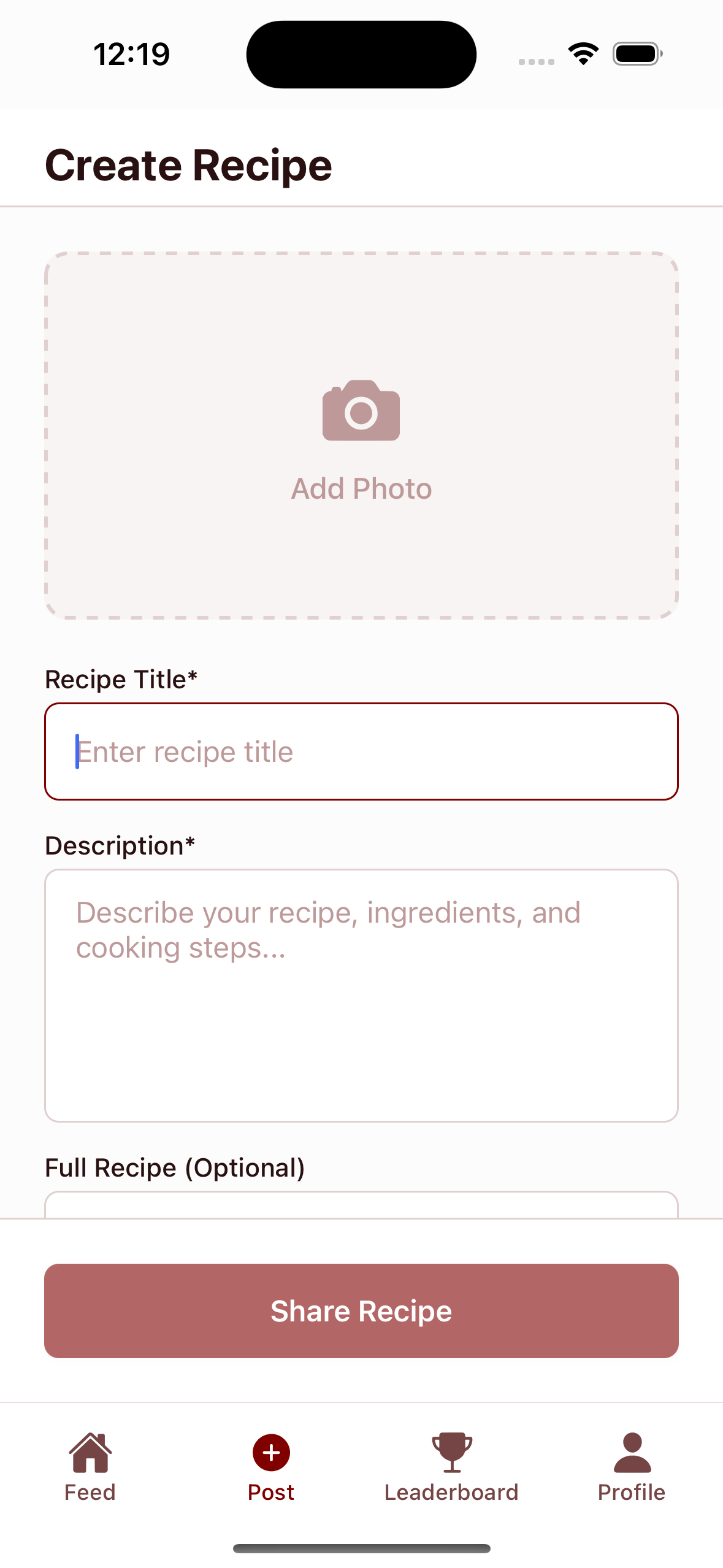
post screen
-
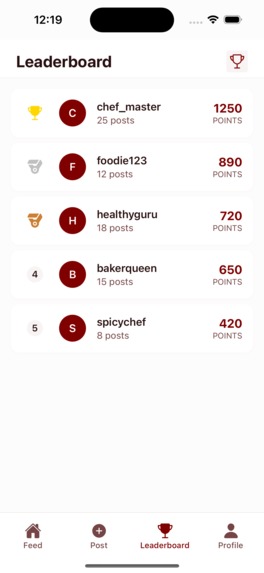
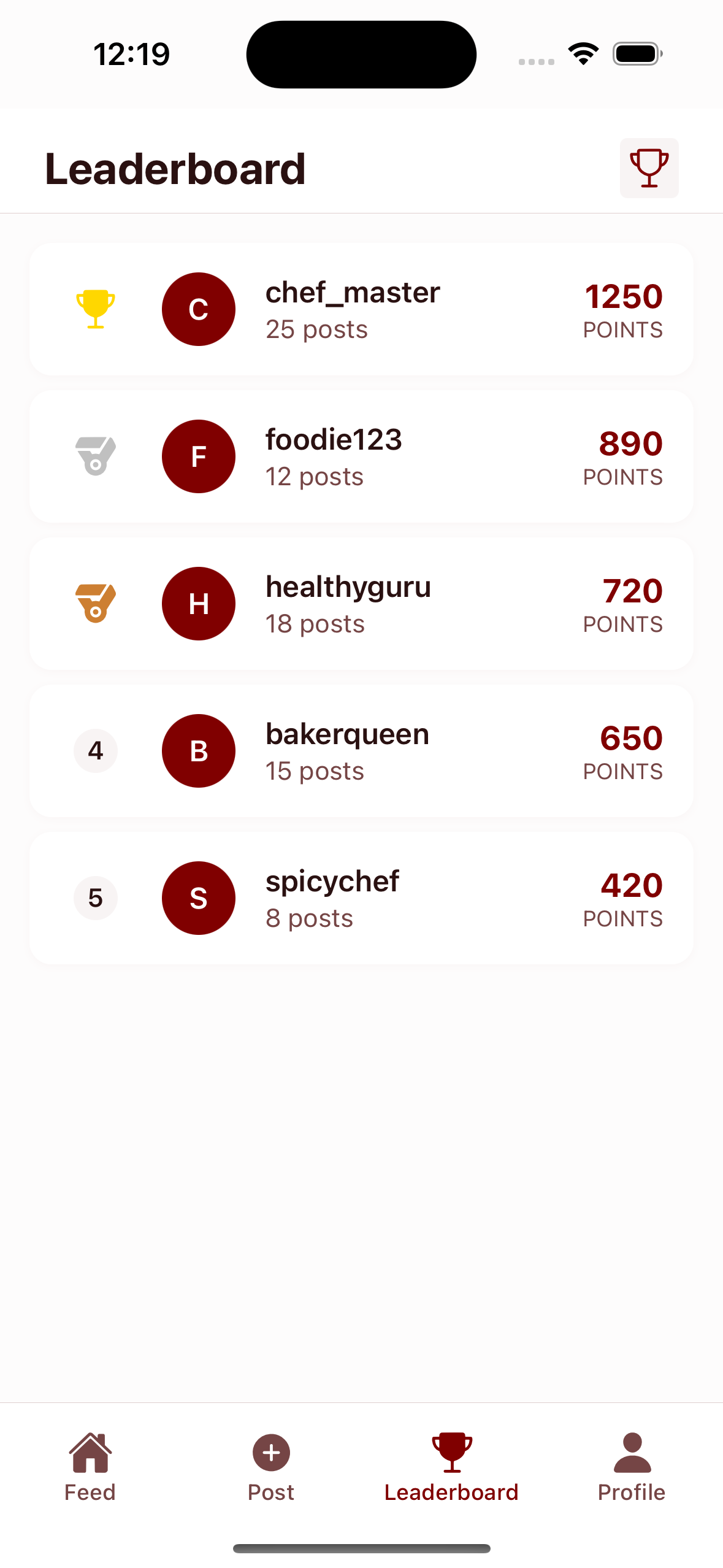
leaderboard screen
-
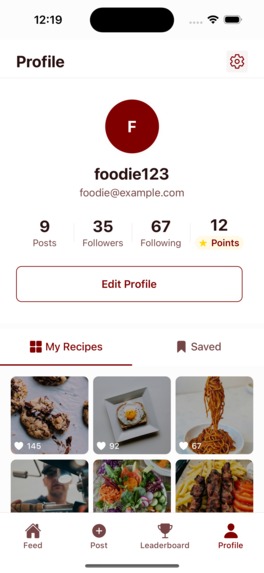
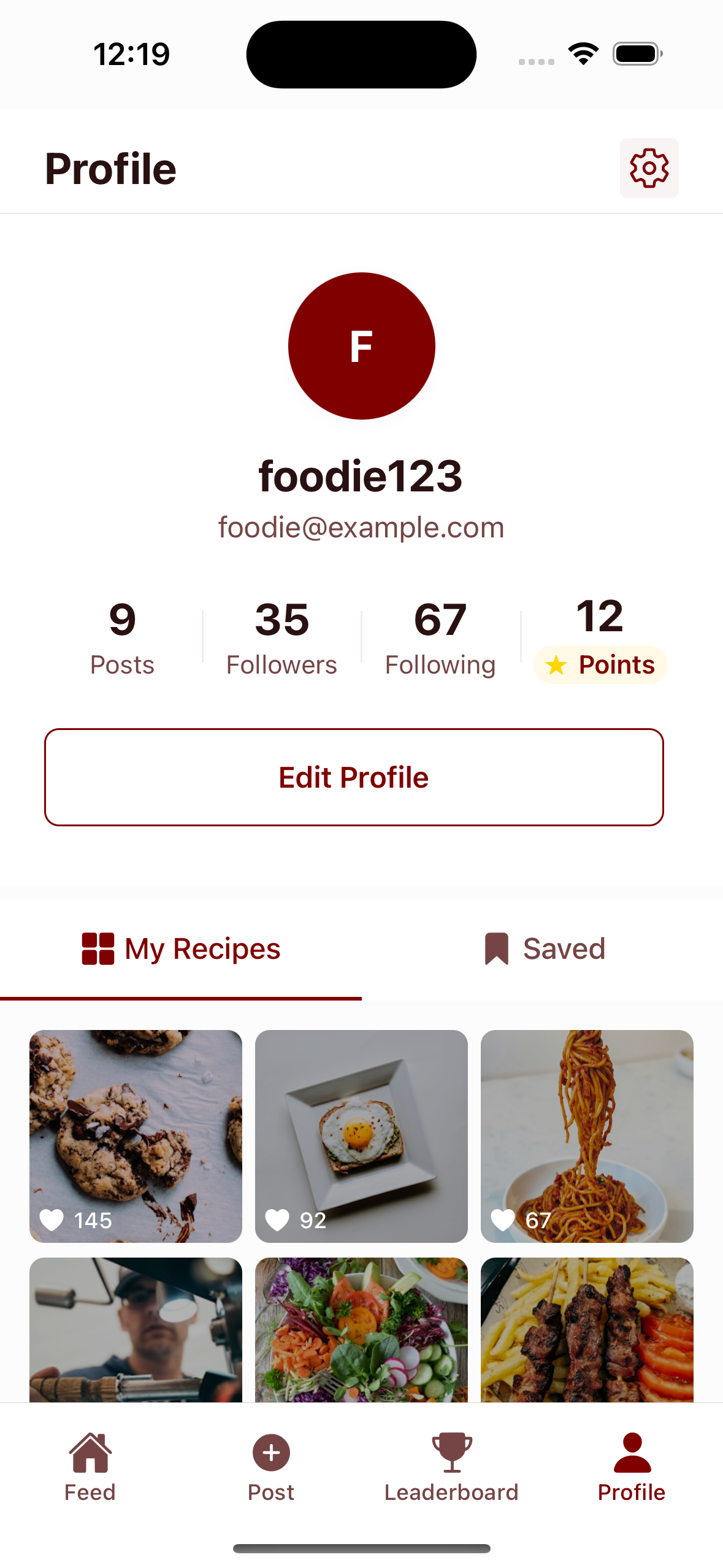
profile screen
Inspiration
At the beginning of MHacks, we wanted to build an AI-powered productivity tool, like an AI course scheduler or smart calendar system. We kept trying to make our AI more useful, more helpful, more understanding of the human experience. As we discussed, however, we realized that instead of trying to replicate human connection with AI, why not facilitate genuine human connection around something we do every day?
The inspiration for Replate came from observing a disconnect in how people experience cooking digitally versus in real life. While cooking is inherently social (we share meals, exchange family recipes), most cooking apps and blogs treat it as a solitary experience. We were inspired by the success of community-first apps like Strava, GoodReads, Substack, and Beli, which transformed individual activities into social experiences. For young people in their 20s, finding recipes we actually want to cook is difficult. Traditional websites have elaborate dishes that require too many ingredients and hours of preparation. Instead, we want to see what our classmate made for dinner last night, or our friend-of-a-friend’s weekly meal prep. Replate bridges this gap by creating a feed of recipes from your actual social circle and peers in similar life stages.
How we built it and What it does
We wanted Replate to be cross-platform, so we built it using React Native with Expo. We implemented a tab based navigation system using Expo Router, creating four sections: Feed, Post, Leaderboard, and Profile. For the visual design, we used a warm maroon and white. We wanted this app to feel sophisticated so we added pull-to-refresh functionality and hashtag-based filtering. For interaction, we have four main features: like, comment, save, and Replate! The save function lets you bookmark recipes you want to try later, and the "Replate" feature allows you to share that you've actually cooked someone’s recipe. You get points for every post or Replate you have.
Challenges we ran into
We hit a road block in trying to figure out the best way to store posts for the users’ feed. While we had an understanding of how to store followers, following, and points, we struggled with storing the posts for the feed. To solve this, we learned a lot about how social media apps store their feeds, and discussed implementing a push or pull method of storage. A push method updates users “feed table” whenever one of their followers creates a post, whereas a pull method pulls the posts from all a user’s followers every time a user opens the app. We ultimately decided to utilize the pull method because we are aiming for the followers/following of this app to be more for the users' friends and less of an influencer app with millions of followers.
What's next for Replate
Our next steps would be making Replate a fully functional social platform. This includes implementing proper user authentication, designing standardized recipe templates, and building a feed storage system that can handle real-time posts and user interactions. Once these foundational elements are in place, we'll integrate a proper backend to replace our current mock data with persistent user accounts and recipe storage, followed by beta testing with college students to refine our social features.
Built With
- expo-go
- express.js-(node.js)
- javascript
- react-native


Log in or sign up for Devpost to join the conversation.