Inspiration and Motivation
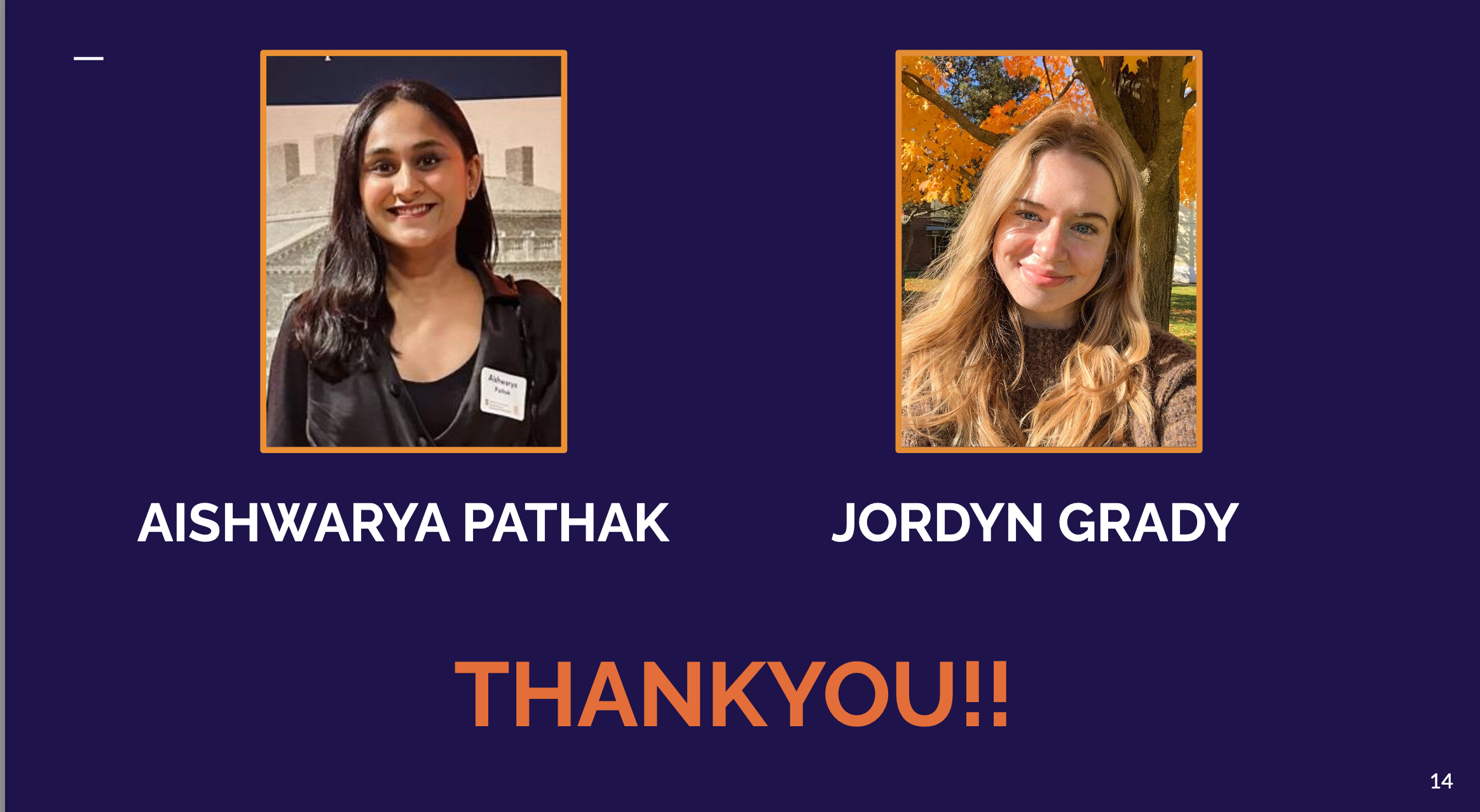
As an international student from New Delhi, India, my journey in Syracuse has been both enriching and challenging. My experience as a renter, particularly dealing with a leaking sink that took weeks to repair, opened my eyes to the critical issues faced by tenants—especially those affected by absentee landlords. The frustration of waiting for repairs and the feeling of being unheard ignited a passion within us to advocate for better housing conditions in Syracuse. We became acutely aware of how an absentee landlord’s negligence can significantly diminish a renter’s quality of life, prompting us to seek out data that could inform and improve local housing policies - Aishwarya.
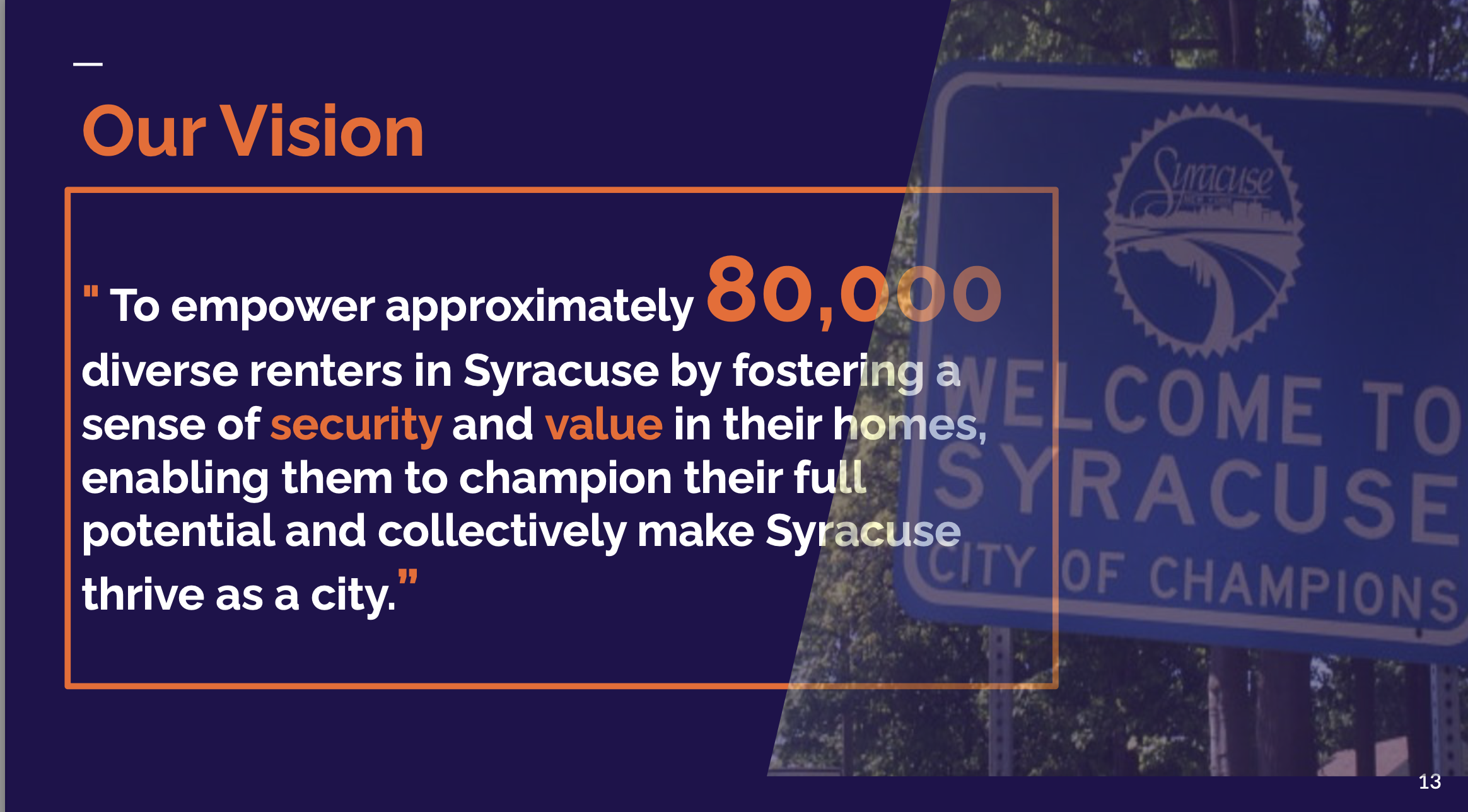
Born and raised in Syracuse, I am deeply attached to my city. As a renter myself, I have seen first hand how code violations and poor living conditions degrade quality of living for Syracuse residents. Landlords that fulfill their responsibilities and upkeep their properties have a positive impact on both renters and members of the community. I love my city and the people who live within it. To cultivate Syracuse, it's imperative we live in healthy and safe environments.
Building the Project
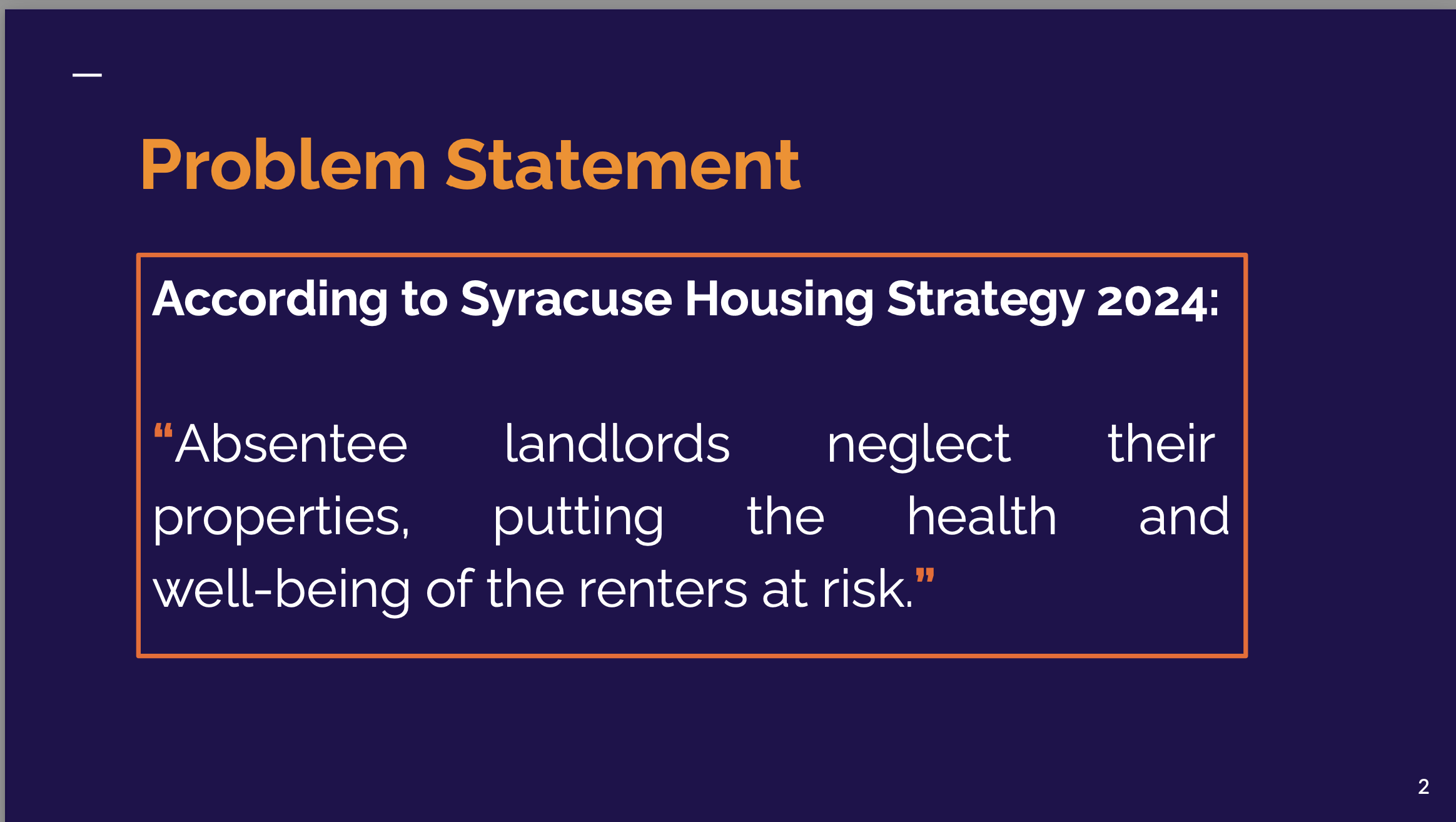
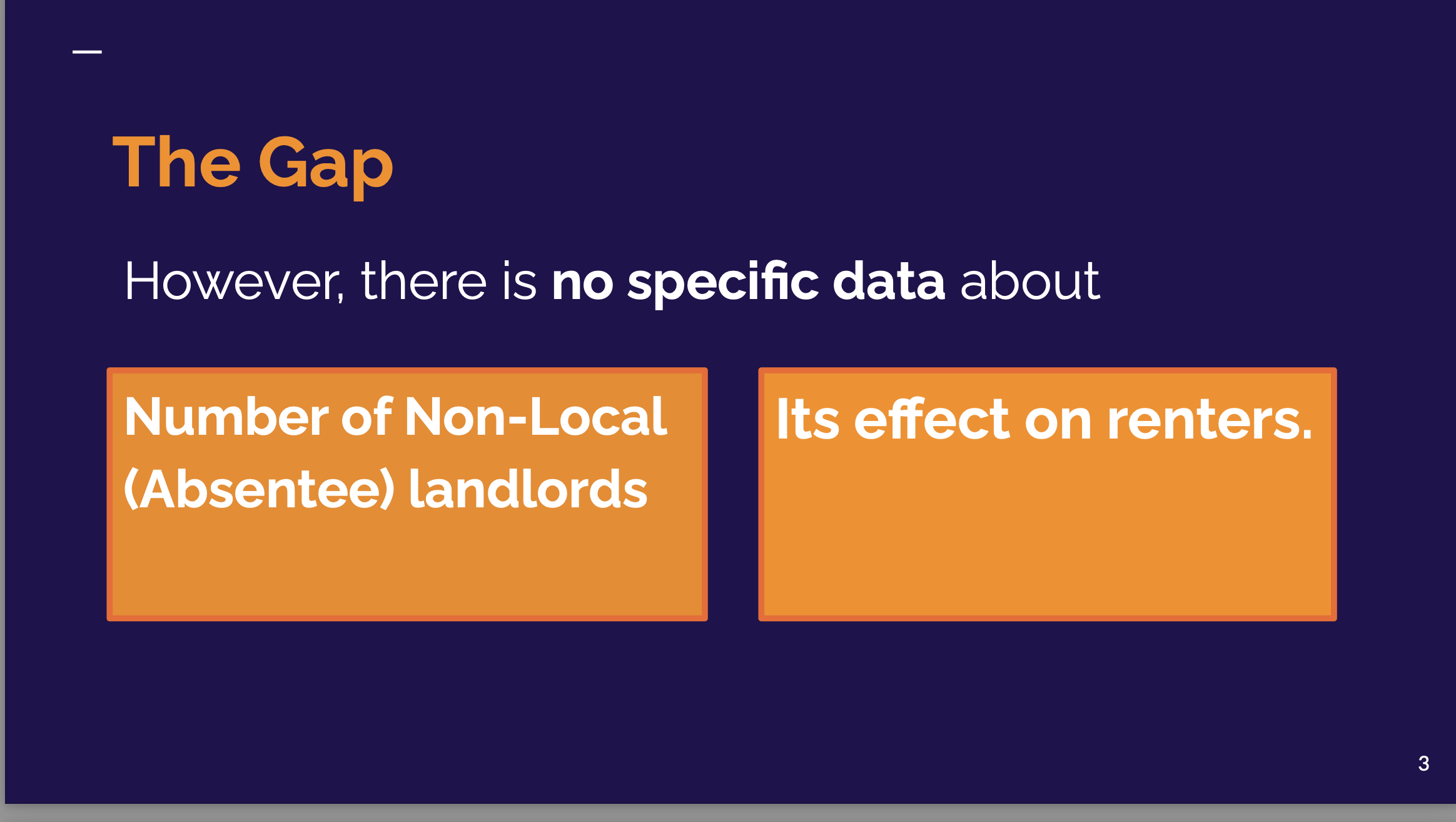
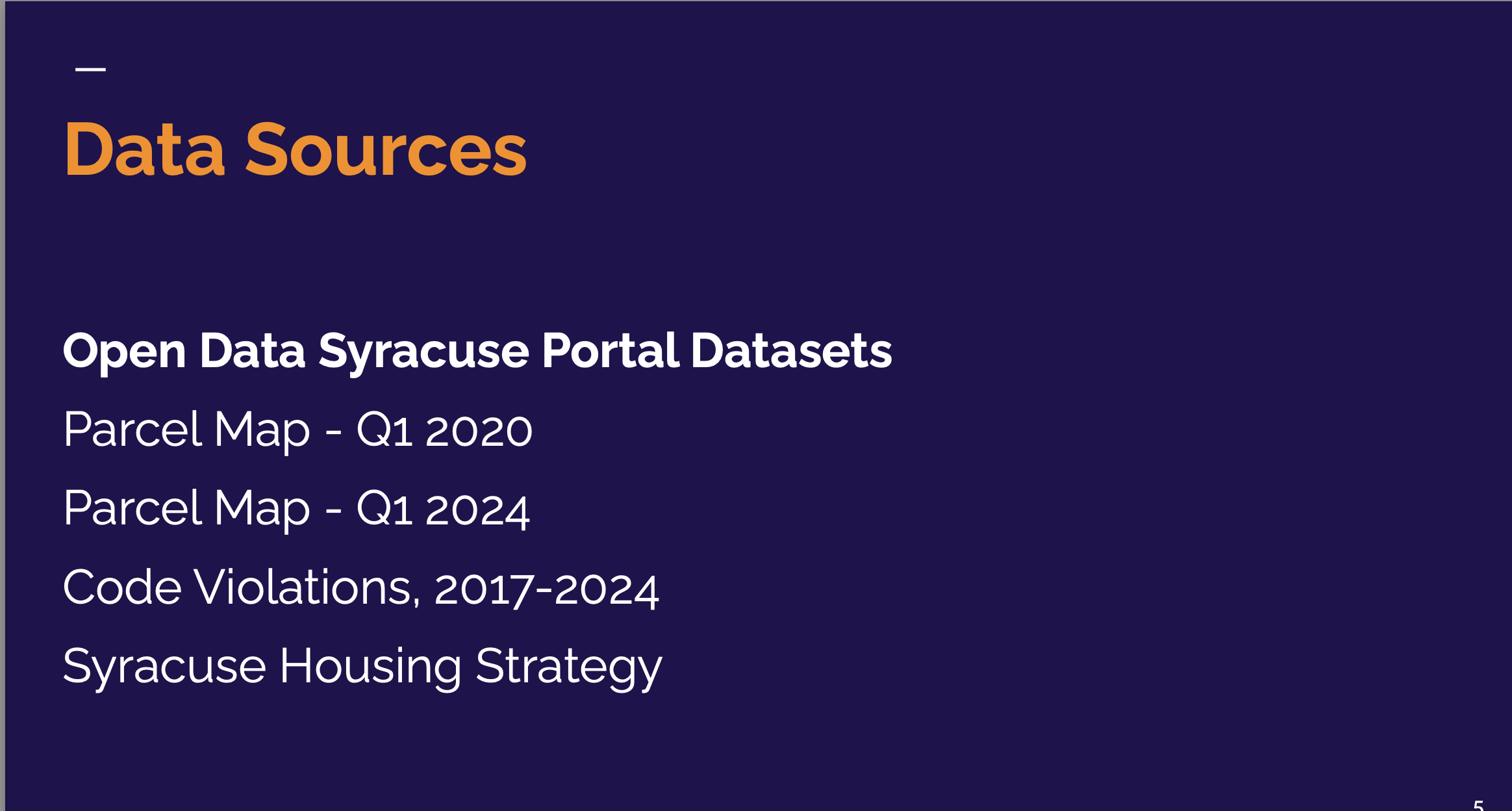
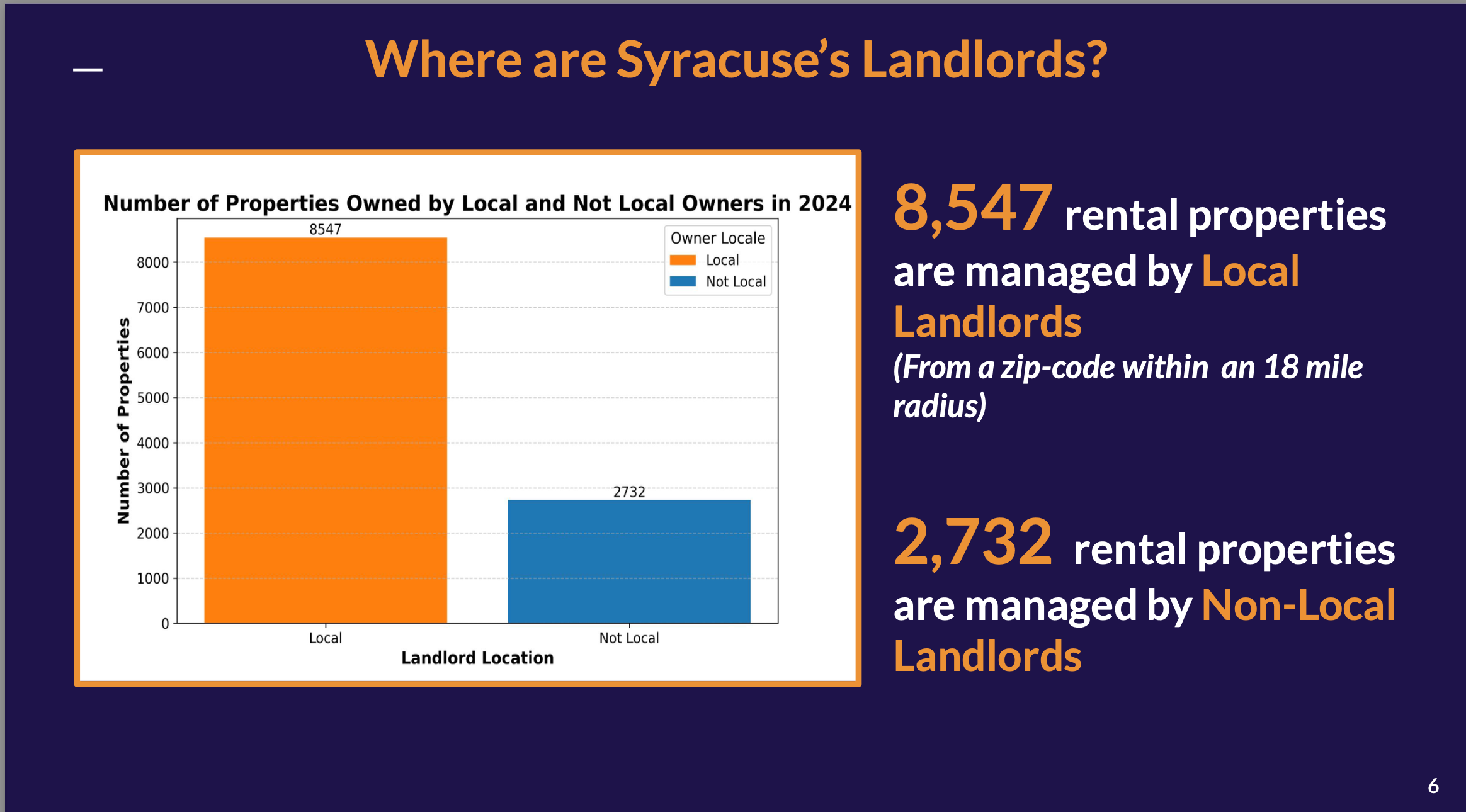
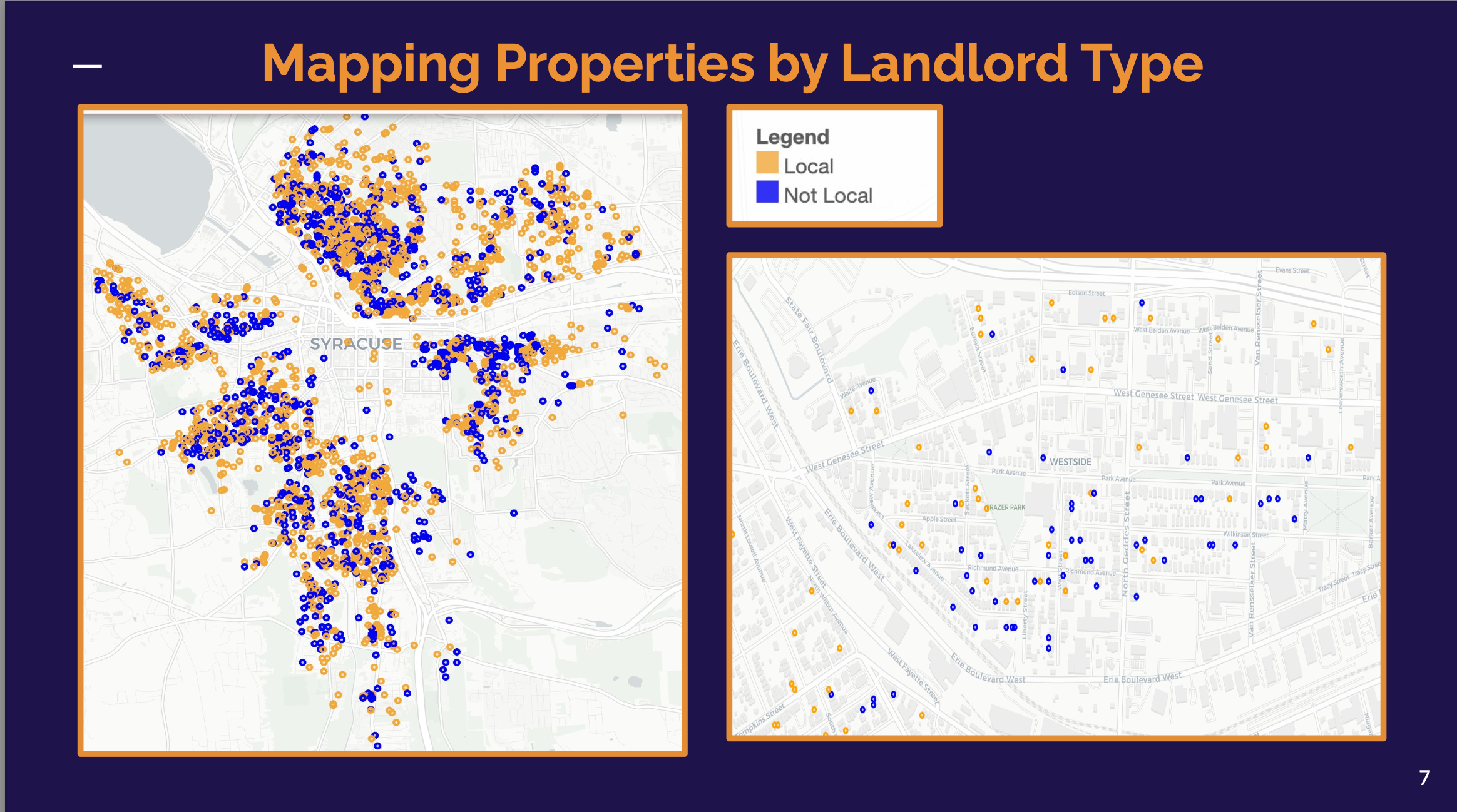
Our project began with extensive research into the Syracuse Housing Strategy 2024, which identified absentee landlords as a threat to tenant well-being. However, the strategy lacked comprehensive data on the number and impact of these landlords. To address this gap, we embarked on a detailed analysis of the rental properties in Syracuse. We collected data on approximately 11,200 actively rented properties, categorizing them by the location of their owners—local residents, landlords from within New York State, and absentee landlords living out of state or even out of the country.
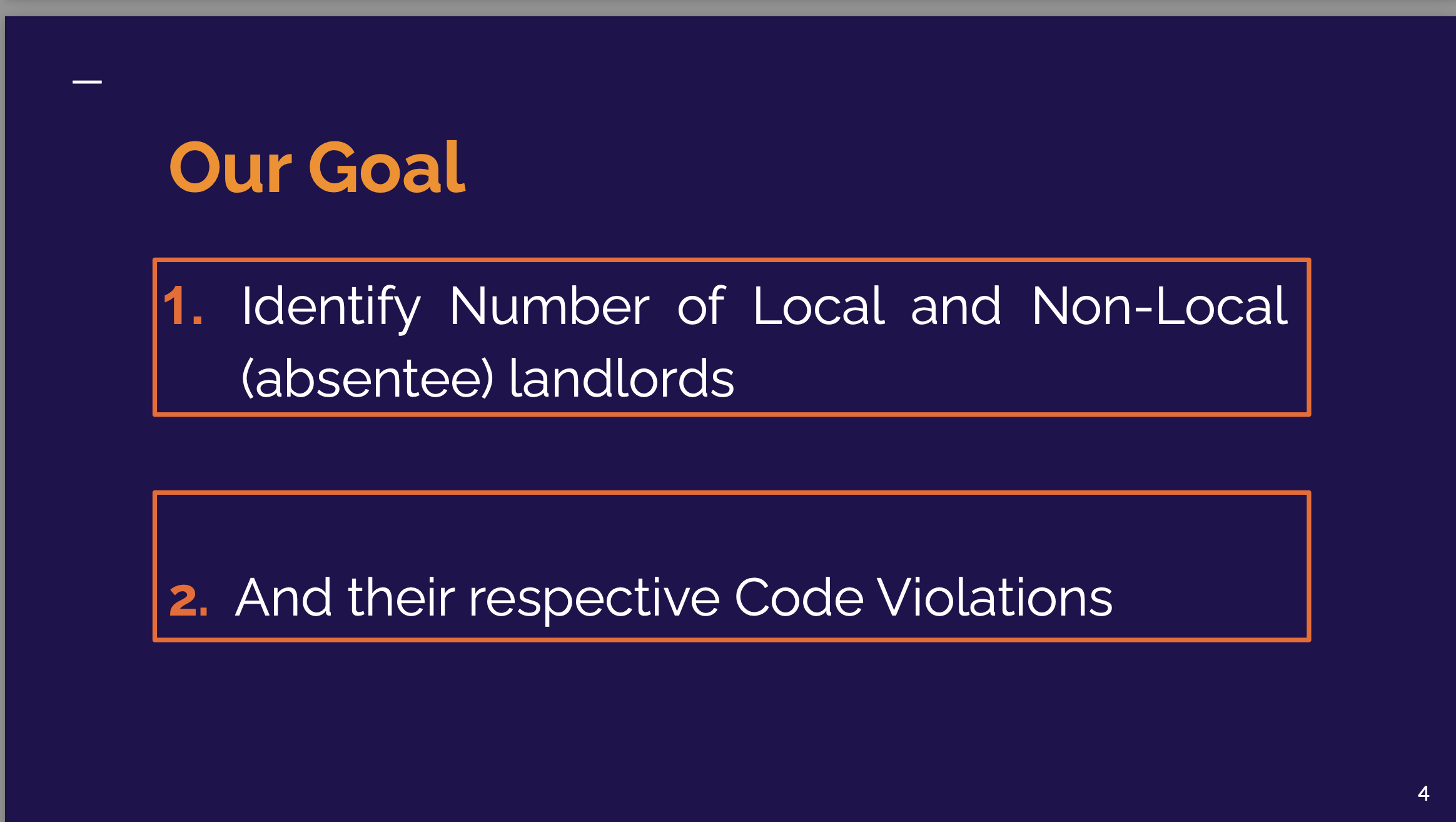
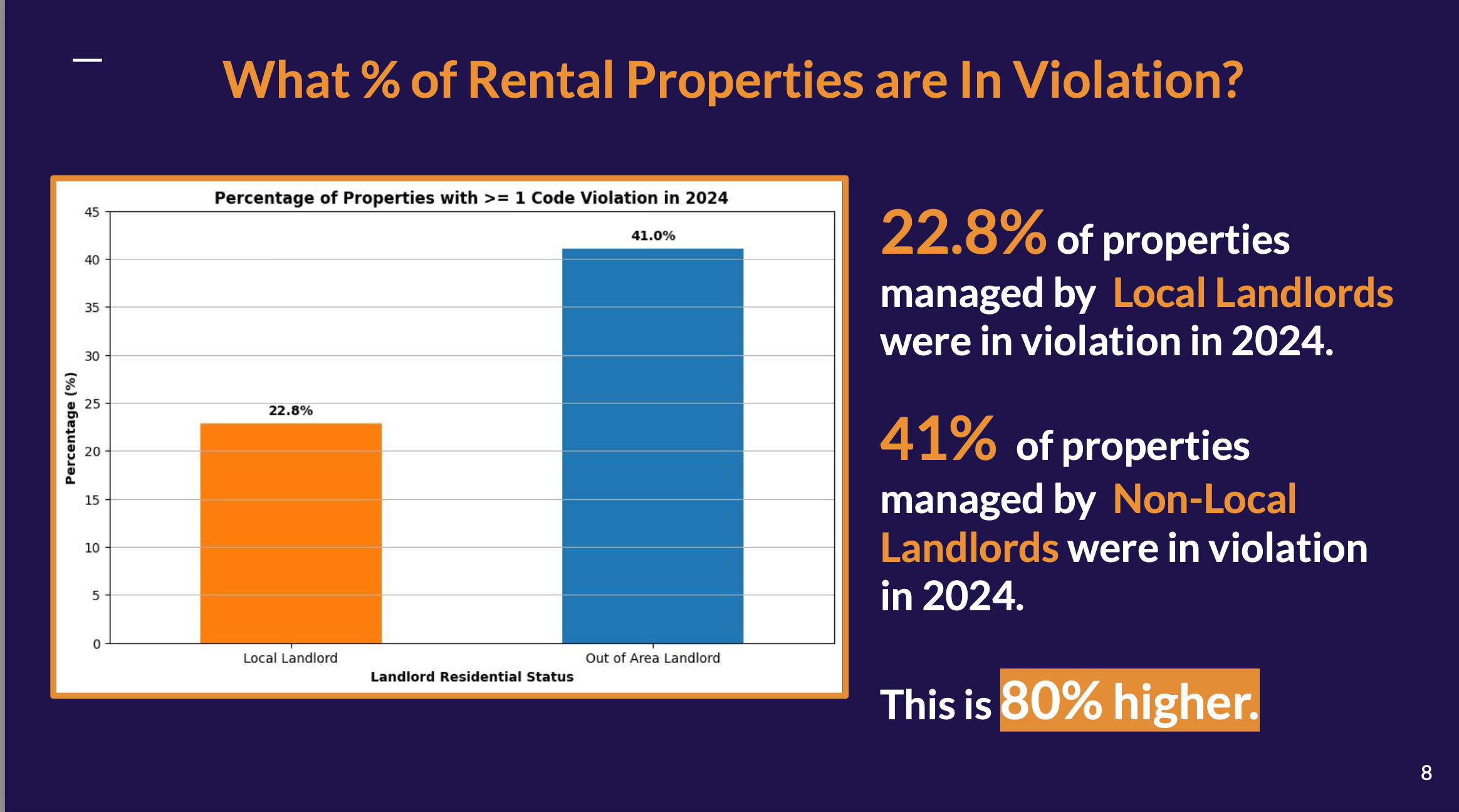
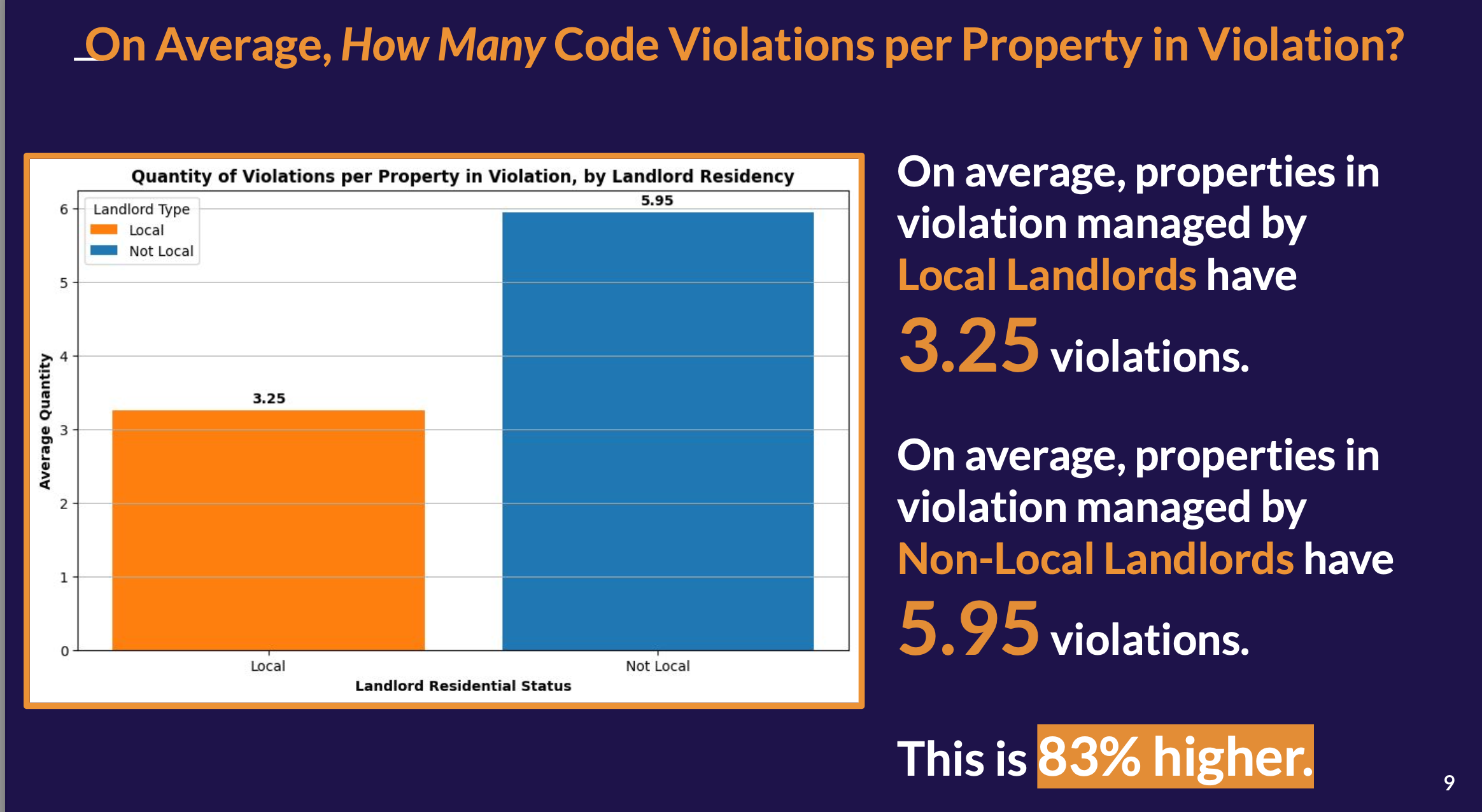
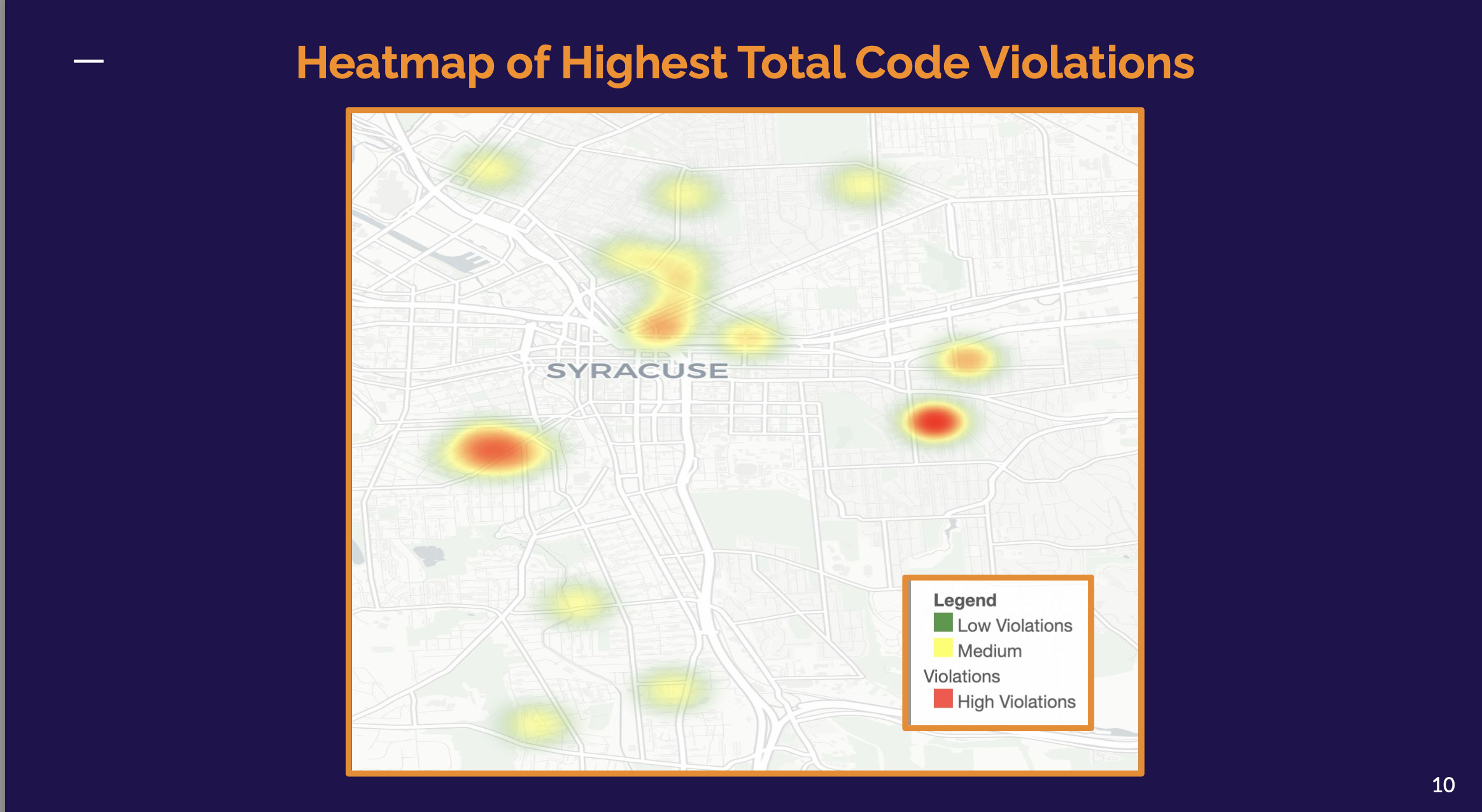
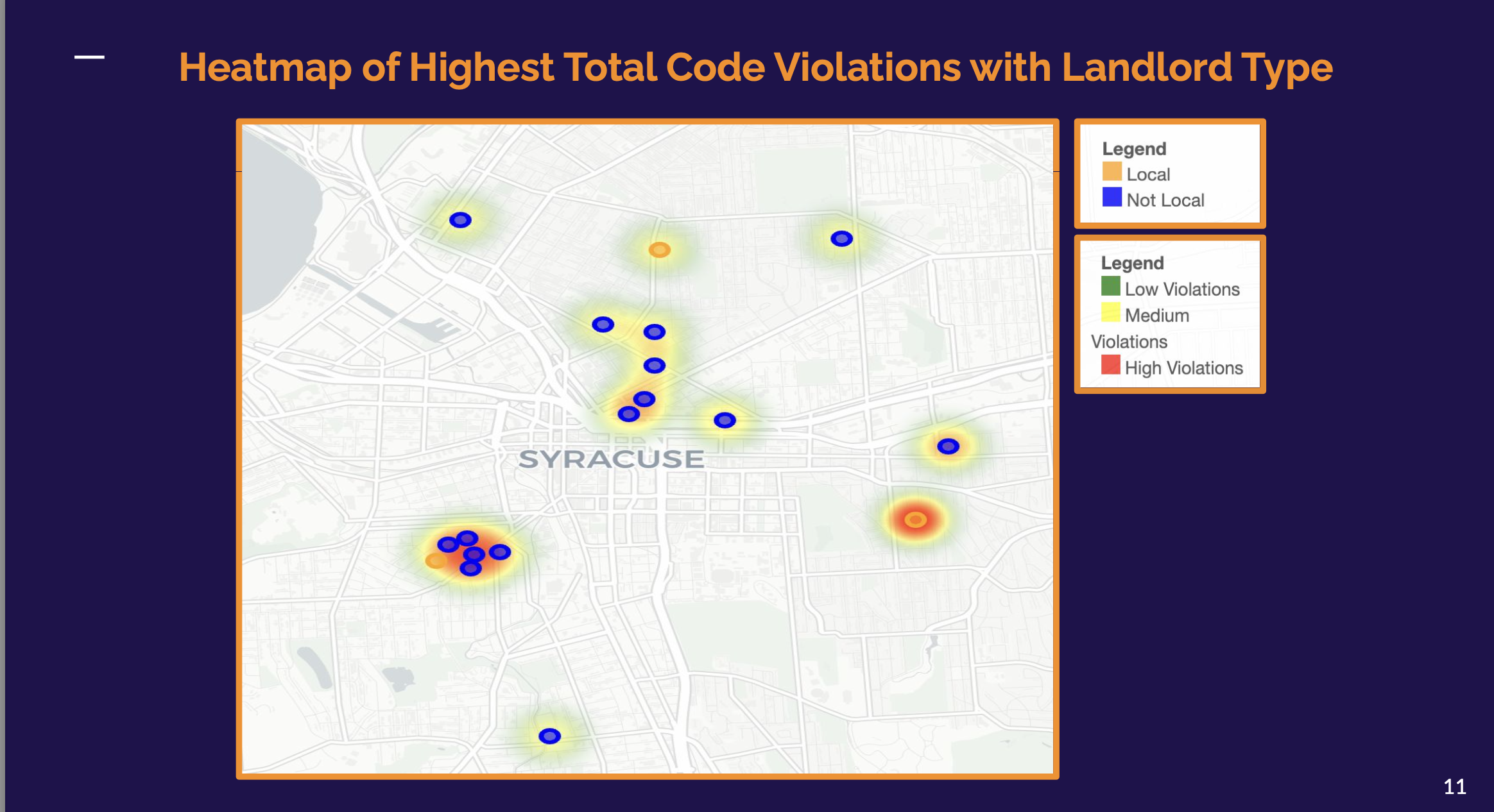
Using this data, We analyzed the number of local and non-local landlords and the frequency of their code violations. This analysis was backed by the thought to understand how the distance of landlords from their properties could affect their level of engagement and responsiveness to tenants' needs. Throughout this process, we employed various python libraries analyse data and present our findings clearly and compellingly, ensuring that the insights could be easily understood by policymakers and community stakeholders.
Lessons Learned
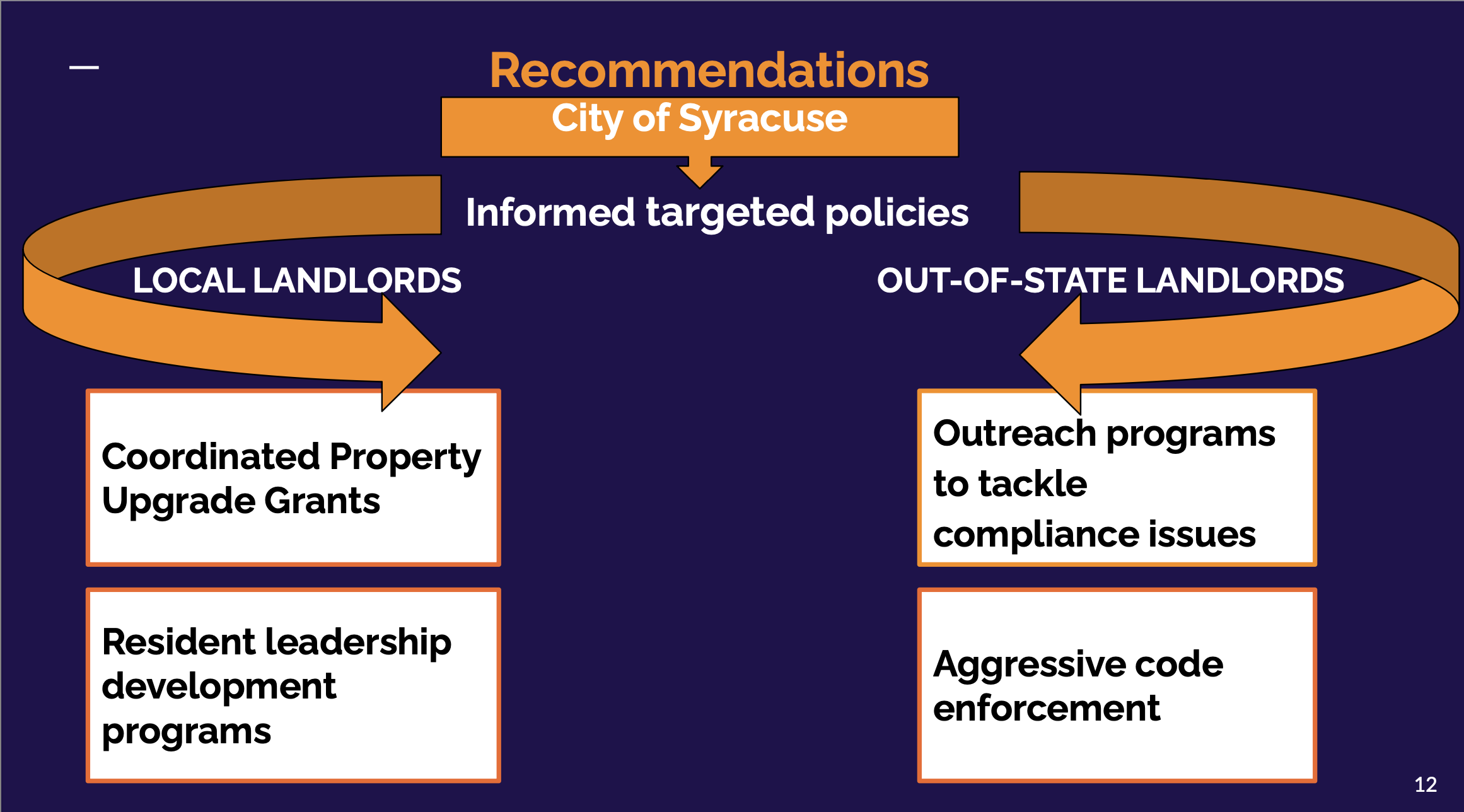
This project taught us the significance of data-driven decision-making in addressing complex social issues. We learned how to utilize Python for data analysis and visualization, and we gained practical experience in interpreting data to inform actionable recommendations. Additionally, we developed a deeper understanding of the housing landscape in Syracuse, particularly the challenges faced by tenants in neighborhoods with high concentrations of absentee landlords. This knowledge reinforced our commitment to advocating for tenants' rights and the need for targeted interventions.
Challenges Faced
Despite the progress made, the journey was not without its challenges. One of the significant hurdles was obtaining accurate and comprehensive data on rental properties and their owners. Navigating various databases and ensuring the data’s reliability required persistence and attention to detail.

Log in or sign up for Devpost to join the conversation.