Inspiration
The inspiration behind Renewable Rush came from the pressing need to address global energy sustainability and climate change. As a computer science enthusiast, I wanted to create a project that combines technology with real-world challenges. The game simulates how renewable energy can be used to power communities and drive economic growth while balancing environmental concerns. The goal was to explore how renewable energy management can be fun and educational.
What it does
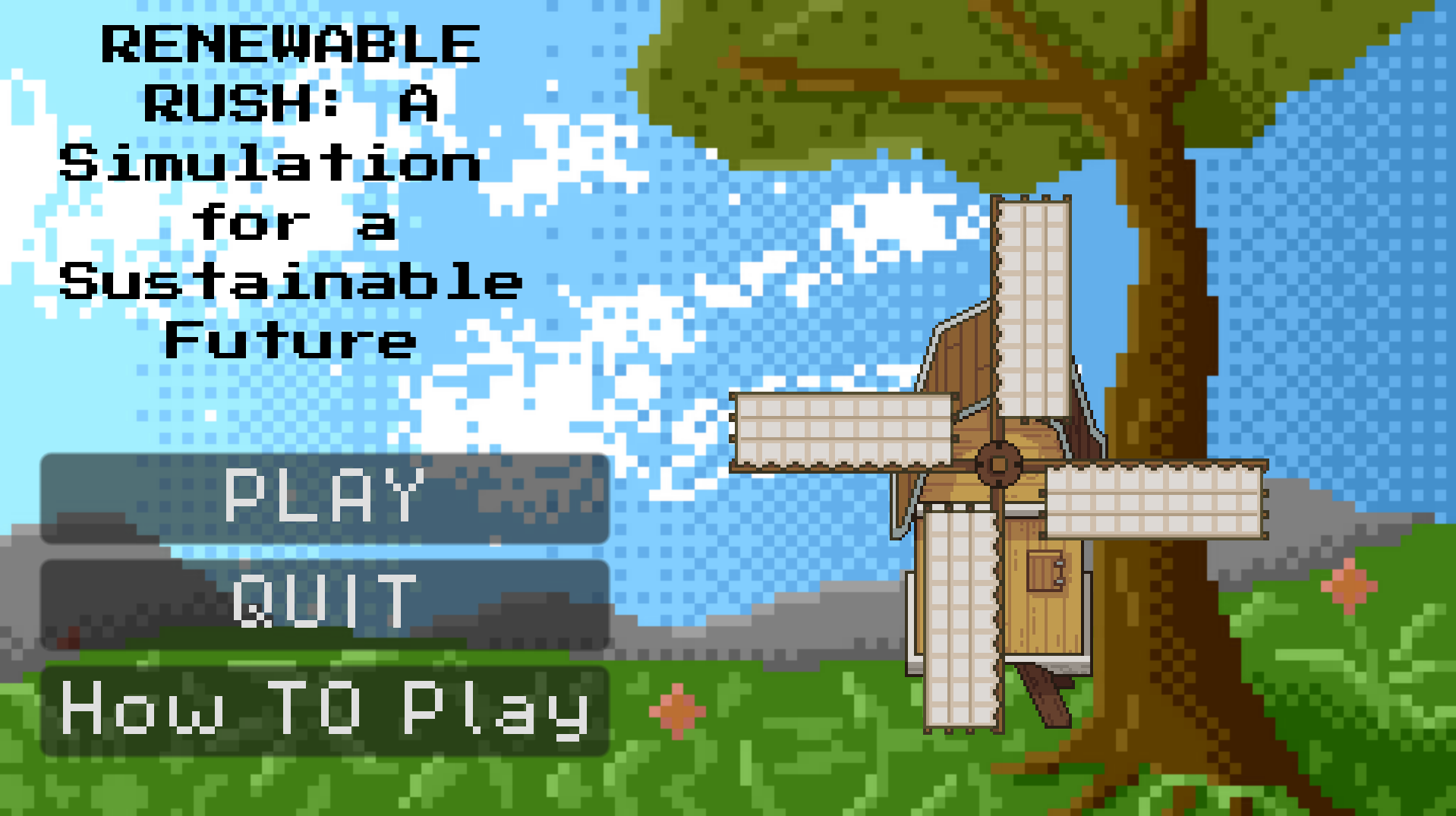
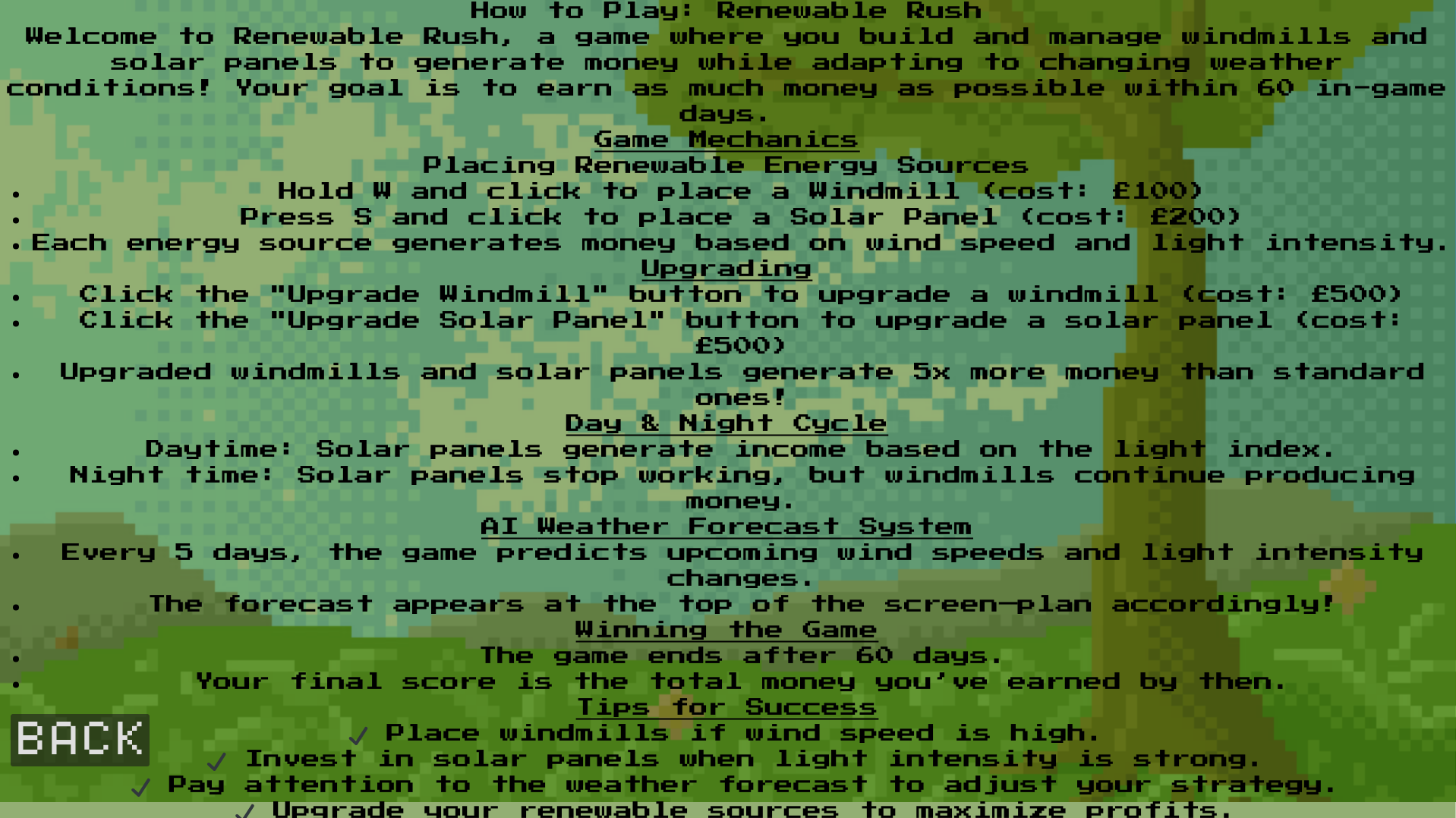
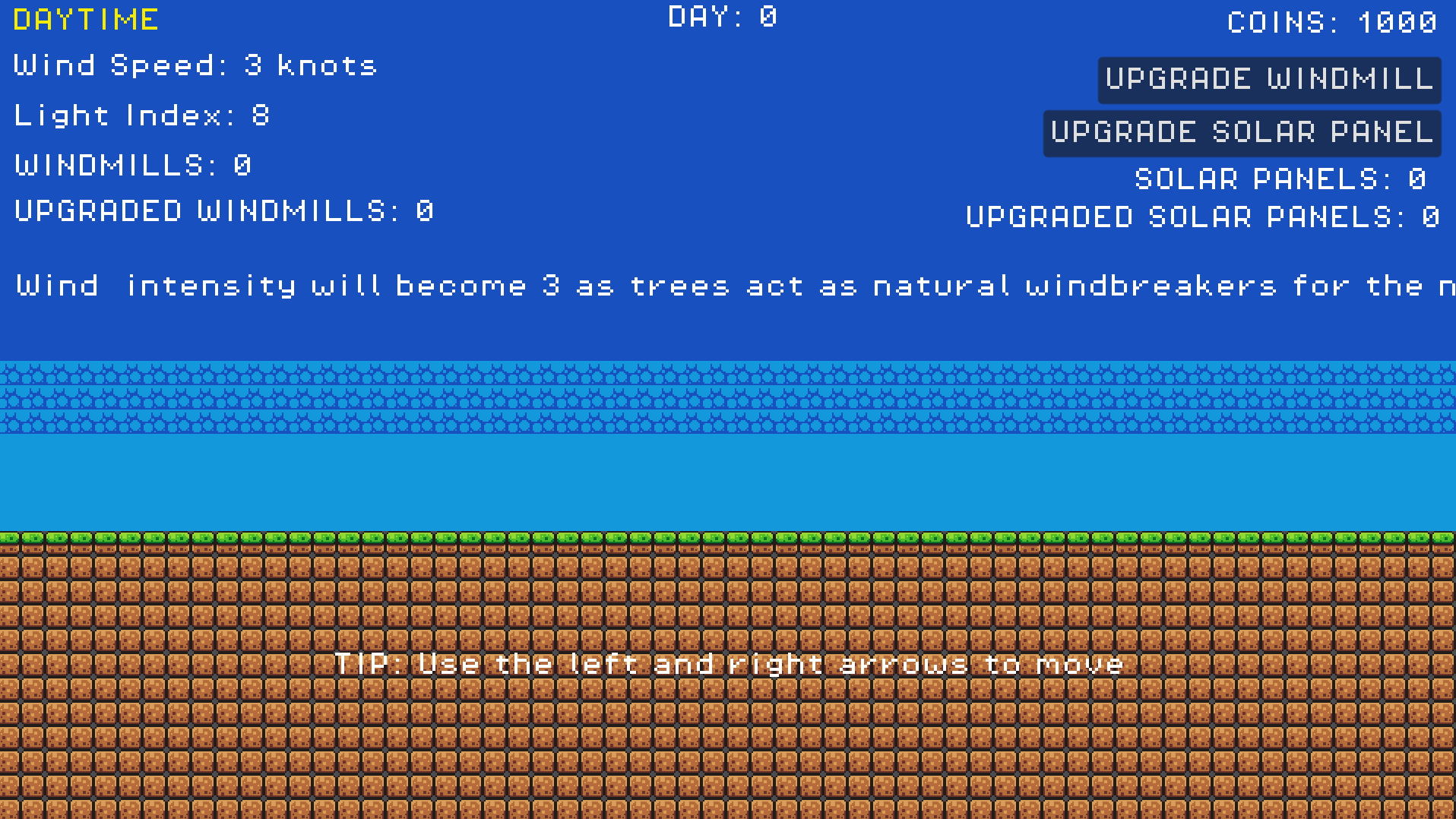
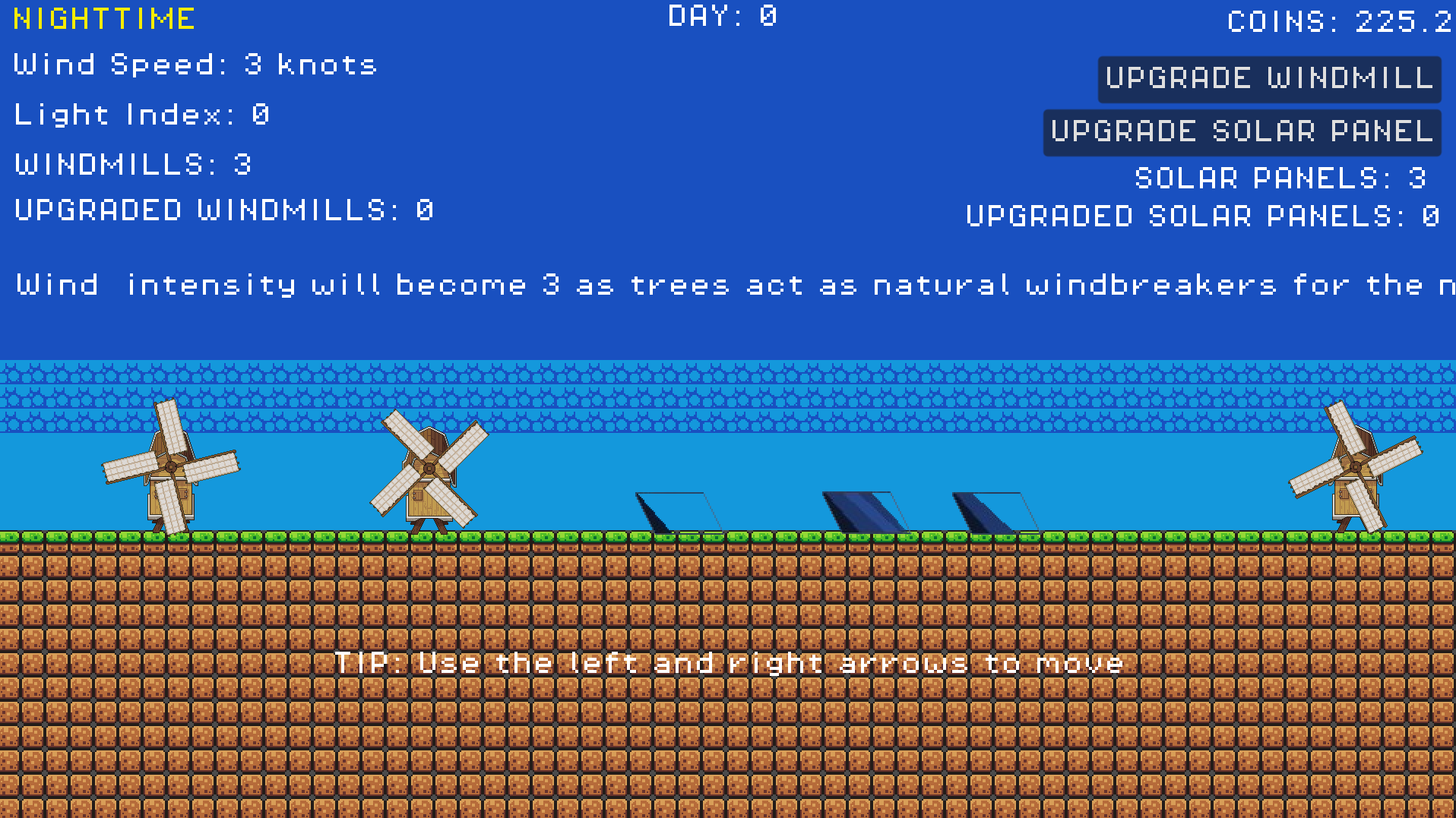
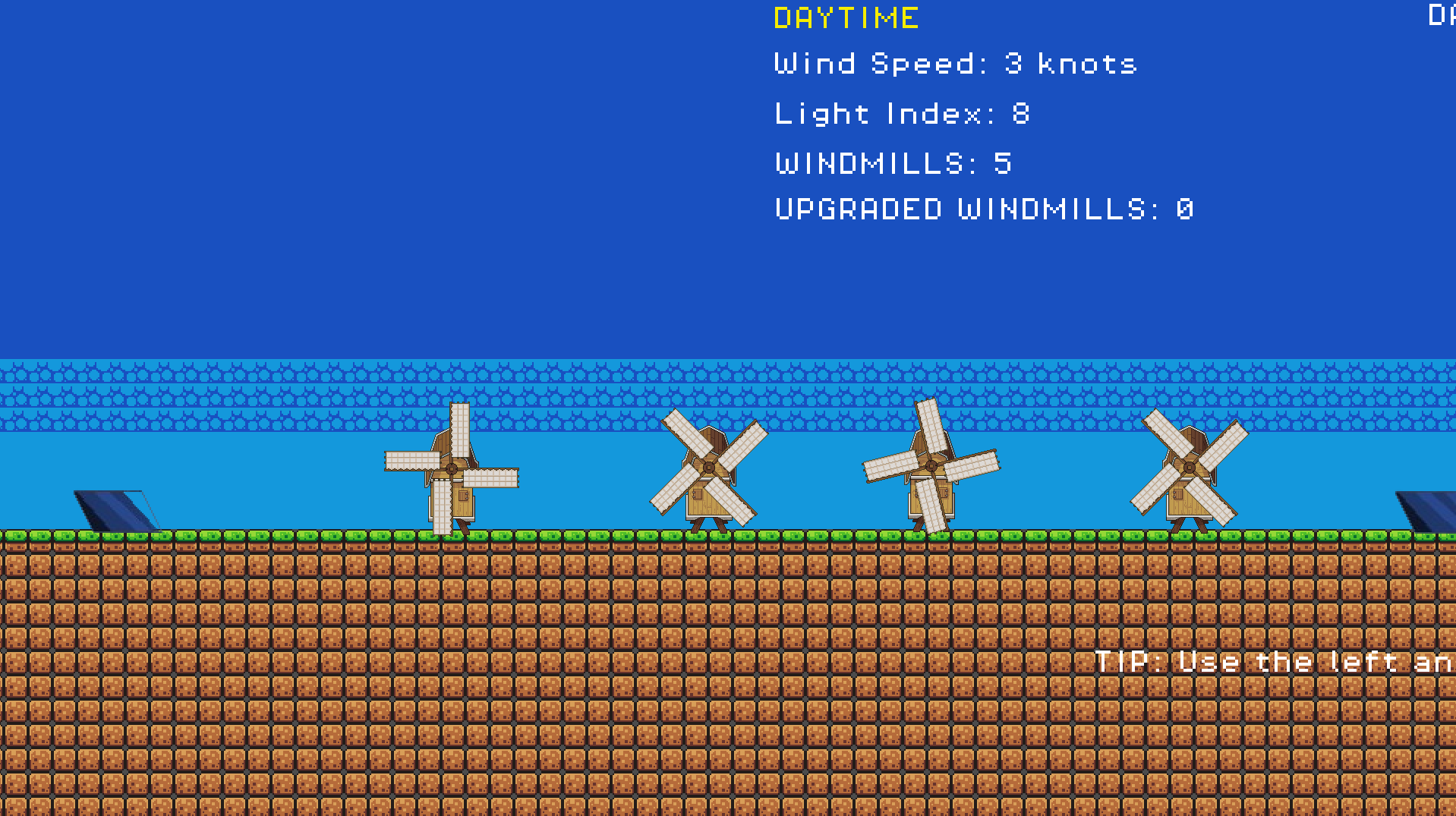
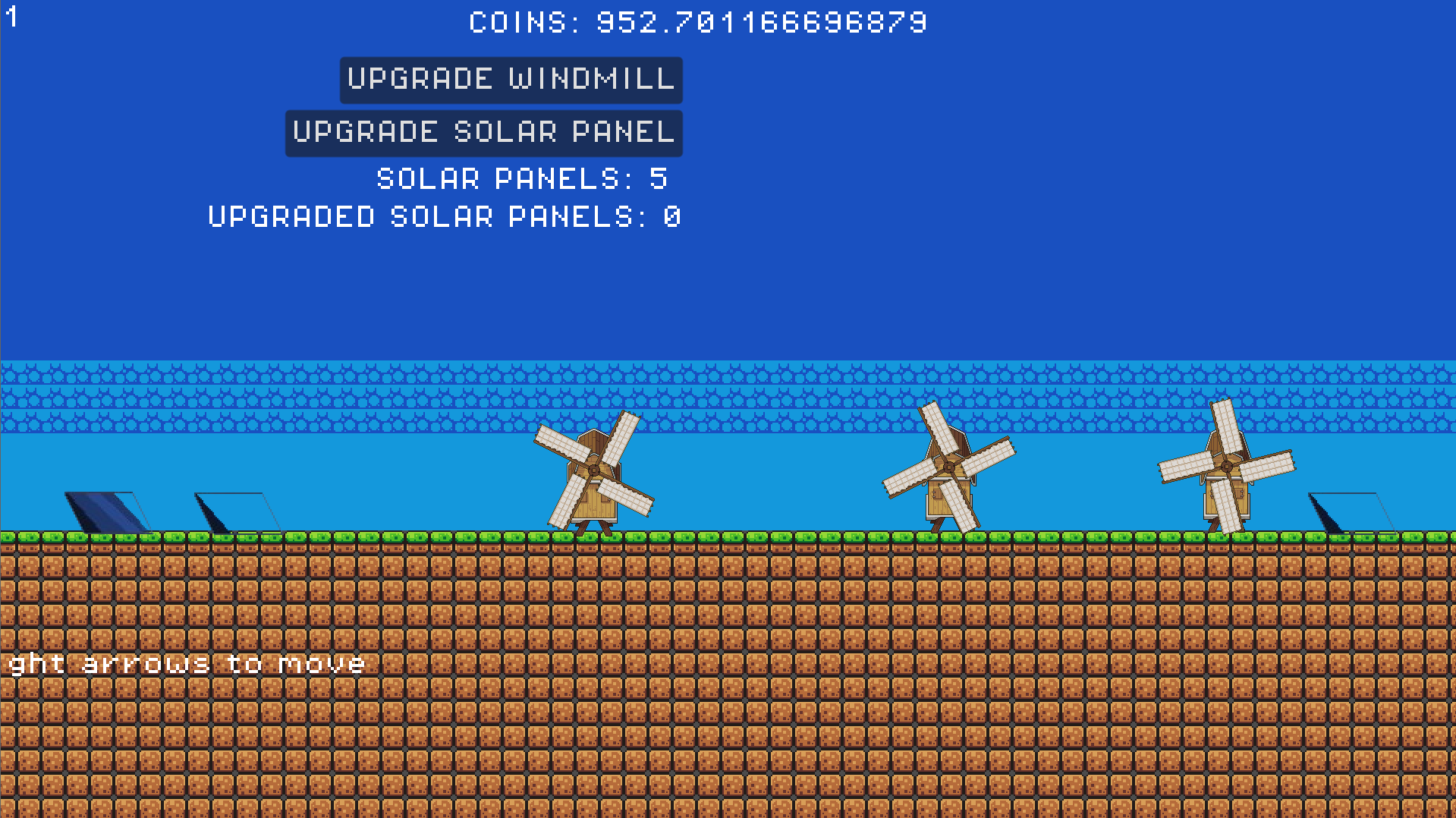
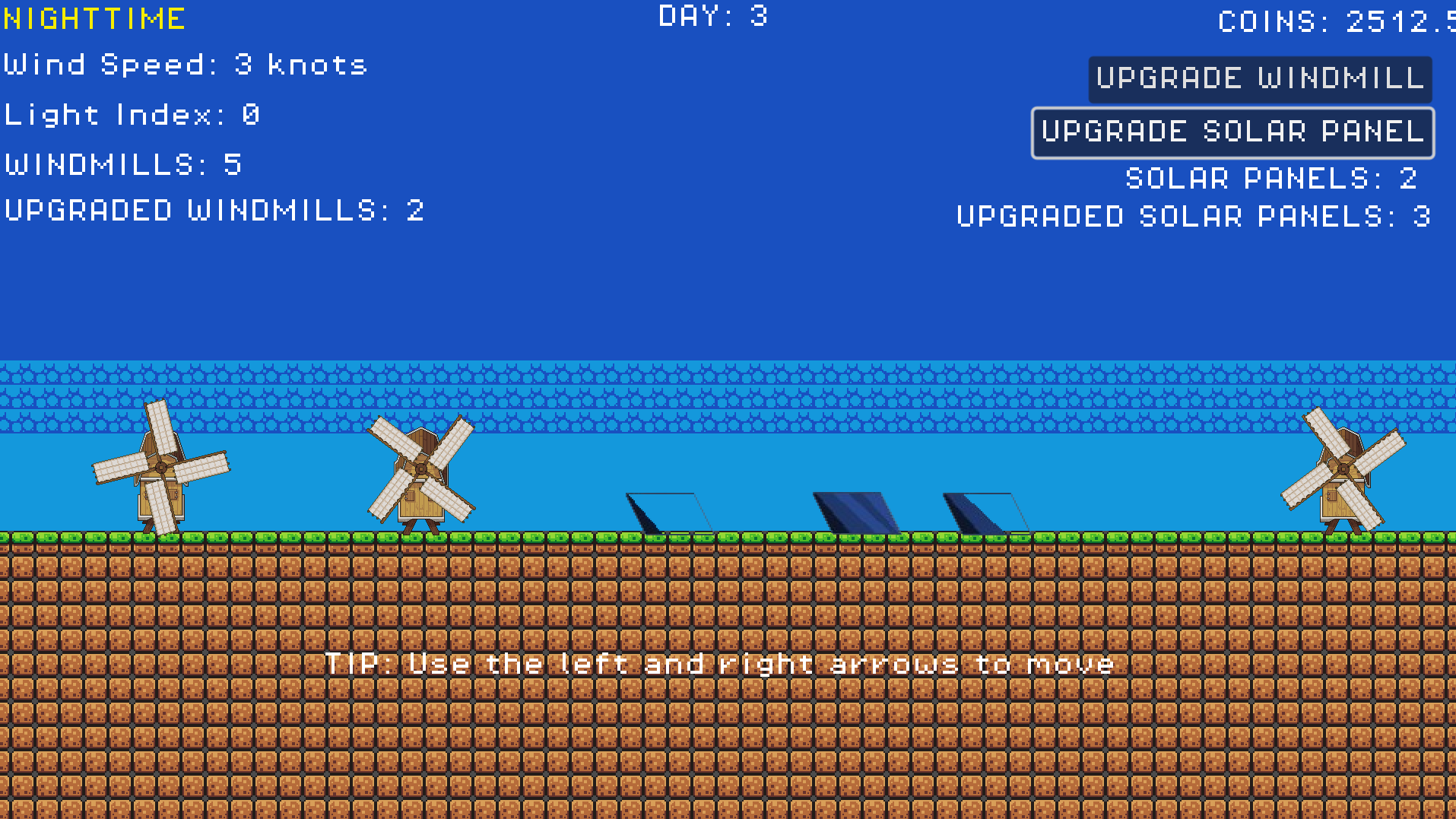
Renewable Rush is a 2D strategy game where players manage an energy grid powered by renewable energy sources like solar panels and wind turbines. Players must optimize energy production while handling fluctuating energy demands, weather conditions, and budget constraints. The game includes a basic AI forecast system, simulated using a random function, to help players predict energy needs and make decisions about balancing resources and growing their energy grid.
How I built it
- Game Development Platform: Built using Godot for the 2D game engine.
- Scripting: Written in GDScript to implement game logic and mechanics.
- AI Simulation: Created a simple AI forecast system using the random function to simulate energy demand and help guide player decisions.
- Assets: Used free online resources for sprites and UI elements to integrate into the game.
The game’s logic revolves around creating a sustainable energy grid and optimizing resource allocation to maintain a balance between energy production and demand.
Challenges I ran into
- Simple AI Forecast: Simulating an AI forecast using random values was tricky. It was important to create a system that was random enough to be dynamic but still provided useful data to players for decision-making.
- Balancing Complexity and Fun: The concept of renewable energy management can be complex. Simplifying this for the game while maintaining its educational value was a challenge.
- Performance Optimization: Incorporating multiple renewable energy sources and forecasting systems required performance optimizations to keep the gameplay smooth without lag.
- Art and Design: I did not create the sprites or UI elements myself, so sourcing free resources and ensuring they fit into the game’s overall style was a challenge.
Accomplishments that we're proud of
- Successfully simulating an energy management system where players make meaningful decisions about renewable energy.
- Creating a simple AI forecast system that models energy demand using randomness, which mimics how real-world forecasts could work.
- Designing an intuitive game interface with a cohesive visual style, despite not creating the art assets from scratch.
The game is educational, engaging, and demonstrates how technology can help optimize renewable energy systems.
What we learned
Through this project, I gained experience in:
- Game development using Godot and GDScript.
- Simulation techniques for modeling real-world scenarios like energy management and forecasting.
- AI concepts, specifically in simulating forecasts using random functions.
- Balancing complexity with fun to ensure the game is both challenging and accessible.
I also learned how sustainability and economic growth can be intertwined in game mechanics, offering a deeper understanding of both fields.
What's next for Renewable Rush
Future updates could include:
- Improved AI: Replacing the random forecast with a more advanced system that incorporates actual weather data or more sophisticated predictions.
- New Renewable Energy Sources: Adding more energy sources such as geothermal and biomass for deeper gameplay complexity.
- Expanded Game Mechanics: Introducing new challenges like fluctuating market prices or government policies to make the game more dynamic.
- Mobile Release: Optimizing the game for mobile platforms to reach a wider audience.
The goal is to continuously improve the game and make it a fun, educational tool for players to learn about sustainability and energy management.
Built With
- gdscript
- godot

Log in or sign up for Devpost to join the conversation.