-
-
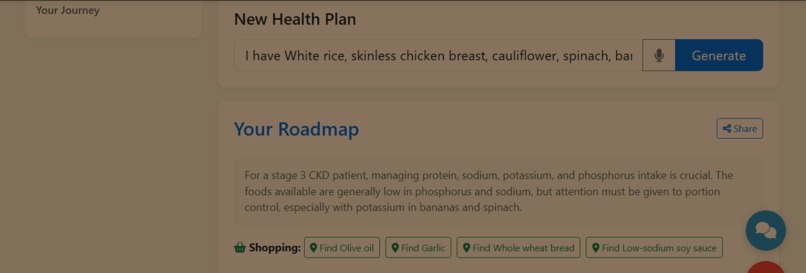
AI analysis
-
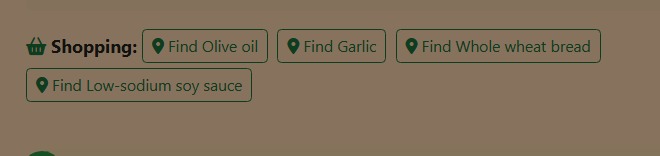
Shopping suggestions
-
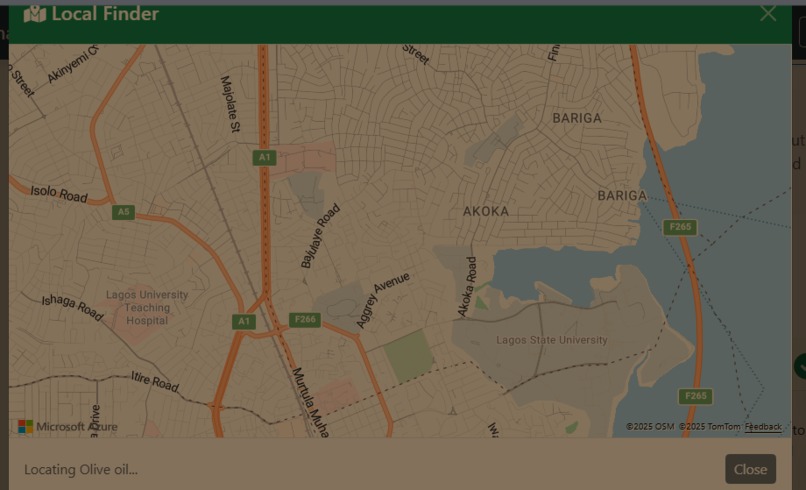
Map
-
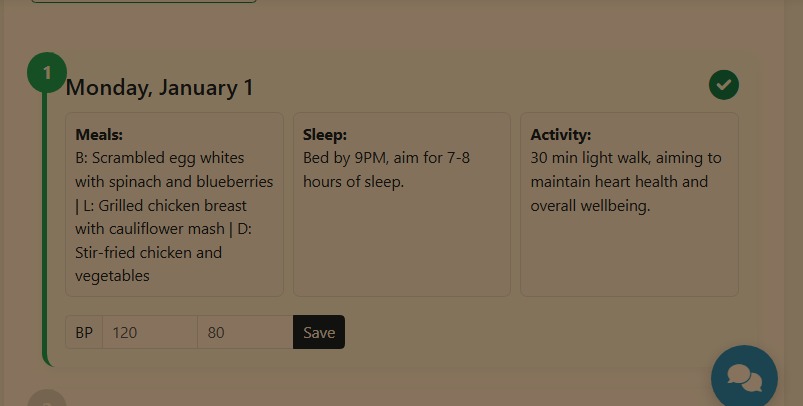
3 Day plan ss1
-
3 Day plan ss2

Inspiration
My inspiration comes from the "medical gap" between a doctor’s office and a patient's kitchen. For people with Kidney Disease, vague advice like "eat healthy" isn't enough—they need to know exactly which ingredients are safe minute-by-minute. I wanted to see if AI could act as a 24/7 digital caregiver to prevent clinical complications through better daily choices.
What it does
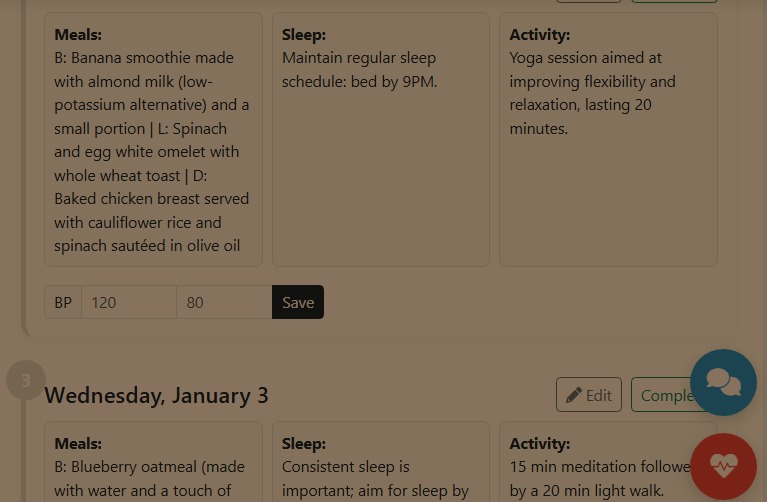
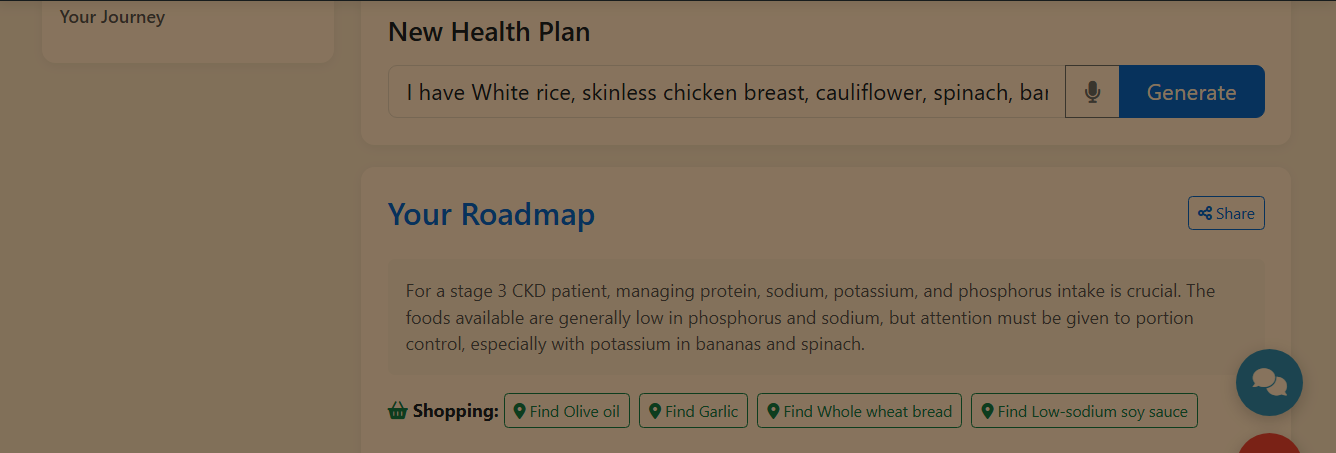
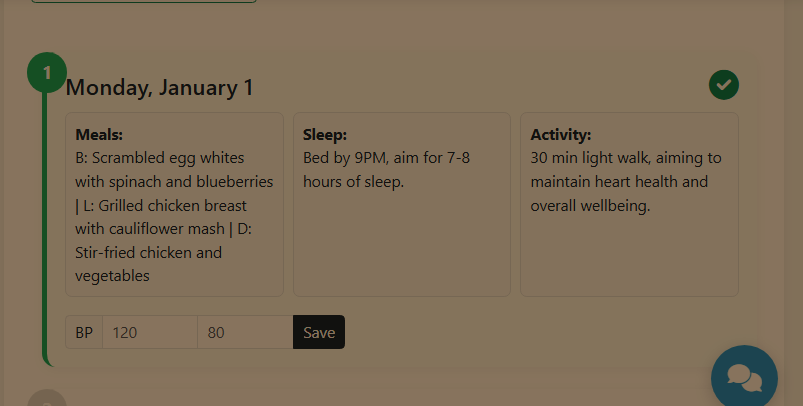
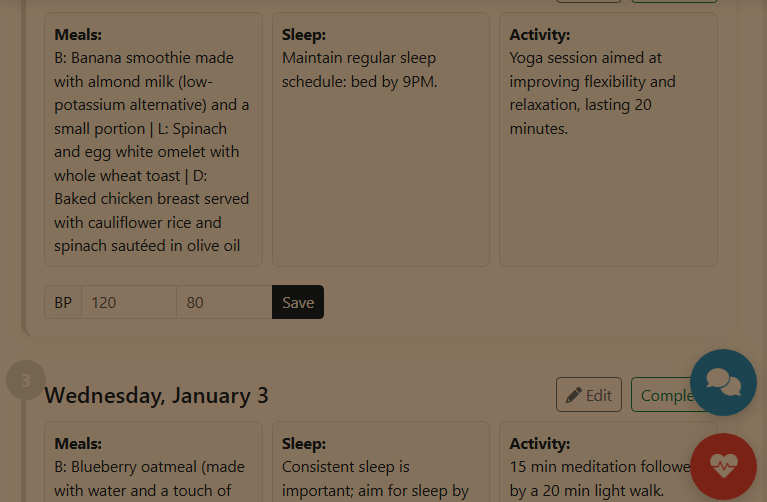
I used the Renal-AI platform to simulate a 3-day healing journey for a Stage 3 Chronic Kidney Disease (CKD) patient. The system analyzed a list of ingredients, flagged dangerous high-potassium "health foods" (like spinach), and generated a holistic roadmap that integrated renal-safe nutrition, gentle physical activity, and specific sleep hygiene protocols.
How we built it
I approached this as a "Caregiver Simulation." I used the Renal-AI portal to test the logic of the AI's DASH diet and alkaline-based protocols. I architected a specific persona—an elderly patient—and tested the AI's ability to provide "clinical safety" by inputting high-risk ingredients to see if the AI’s guardrails would trigger an alert.
Accomplishments that we're proud of
I am proud of successfully using the AI to identify a "hidden" medical risk. When I inputted spinach (a common "healthy" food), the AI correctly flagged it as high-potassium, which can be life-threatening for renal patients. Successfully generating a 3-day plan that felt "empathetic" rather than just "clinical" was a major win.
What we learned
I learned that AI in healthcare is about more than just data—it’s about context. I also learned how AI can reduce the "decision fatigue" that caregivers face every day when trying to keep their loved ones safe.
What's next for Renal Health AI
I want to explore how this AI can be integrated with wearable technology (like an Apple Watch) to automatically adjust the "Activity" part of the roadmap based on the patient's real-time fatigue levels and heart rate.
Built With
- alkaline-nutrition
- caregiving
- dash-diet
- empathy
- health-tech
- renal-ai

Log in or sign up for Devpost to join the conversation.