-
-
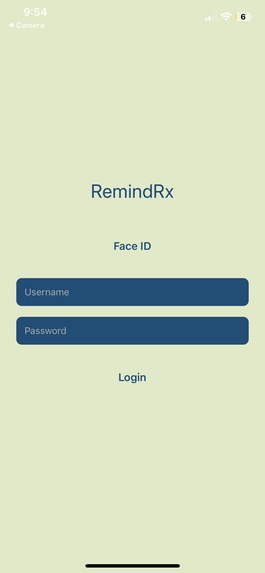
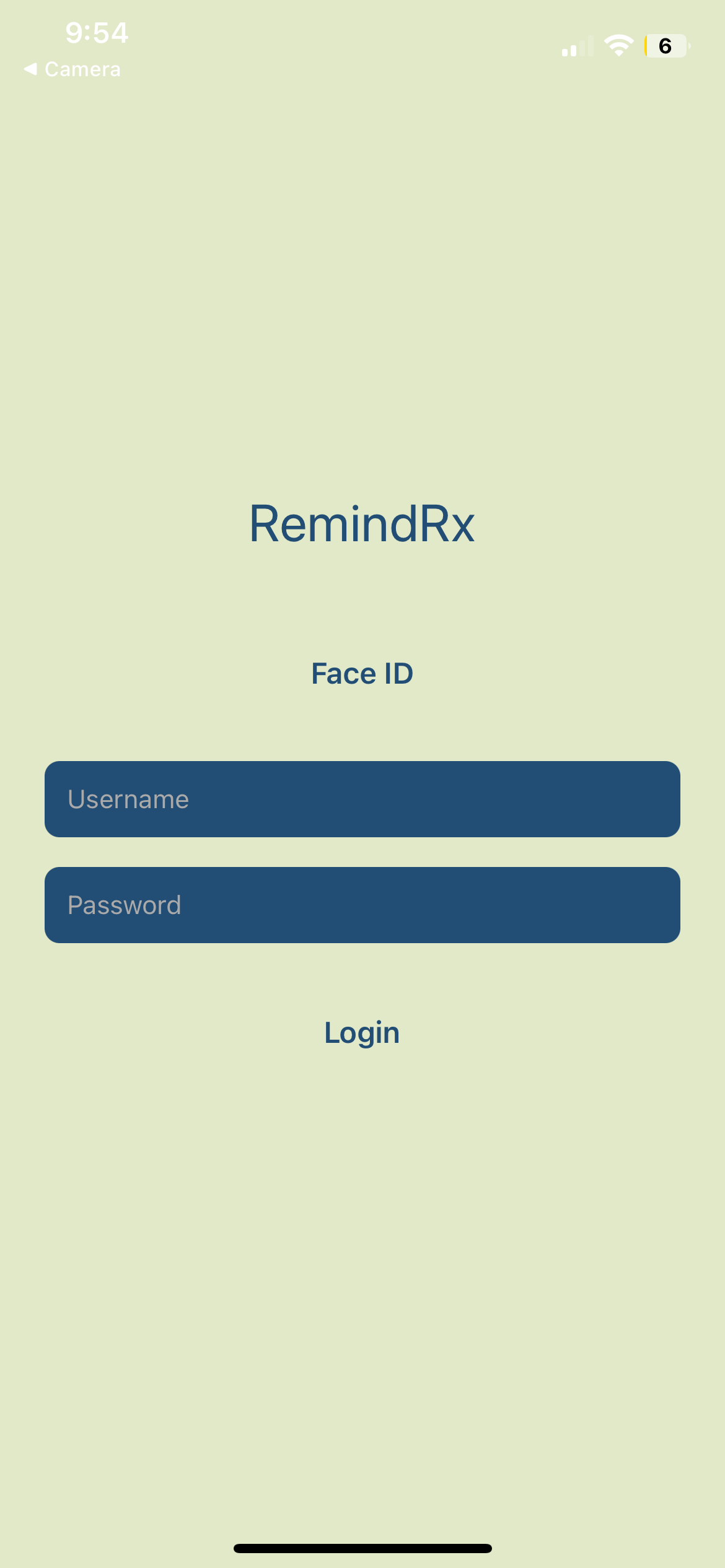
Login Page
-
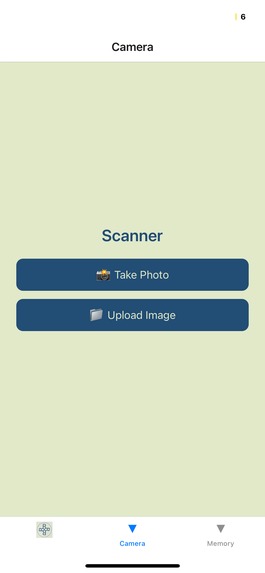
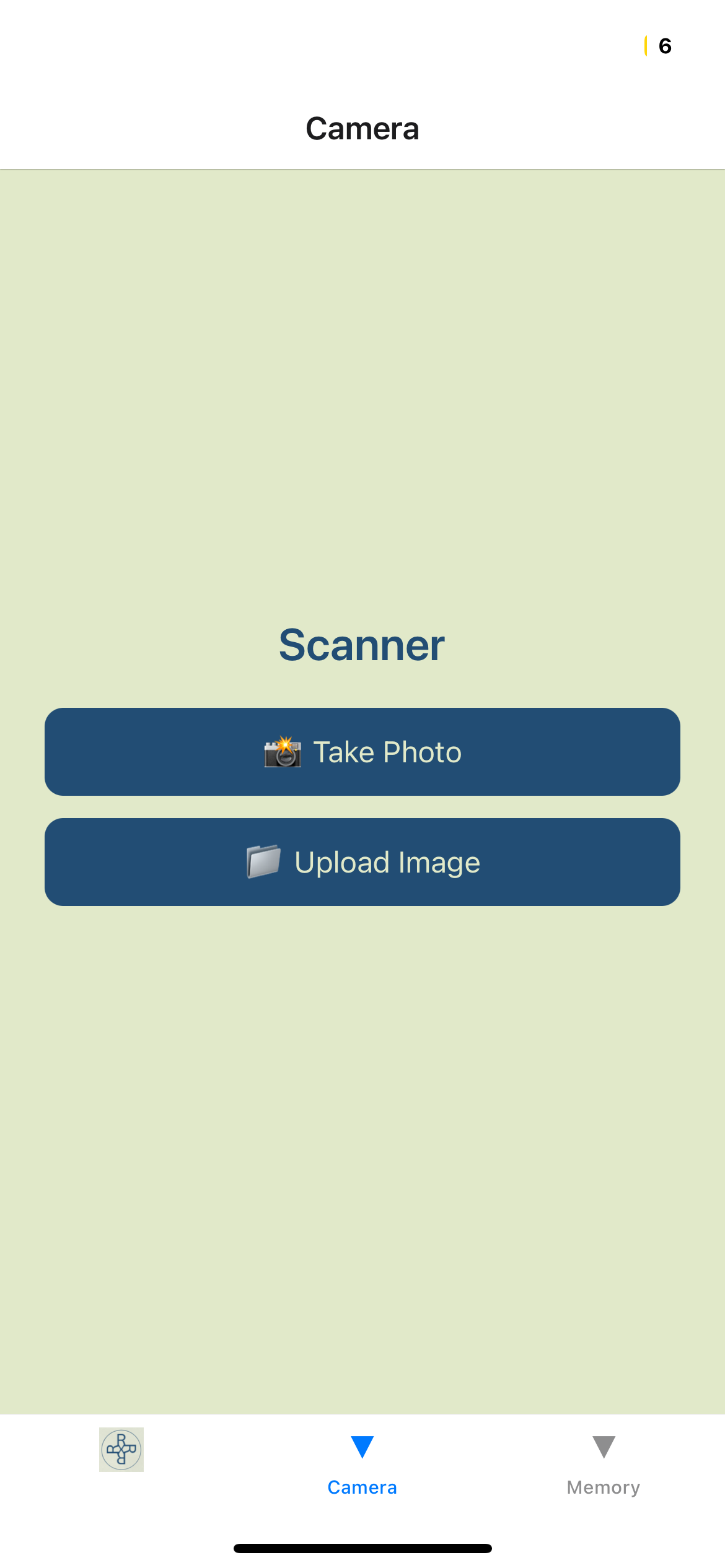
Prescription Scanner
-
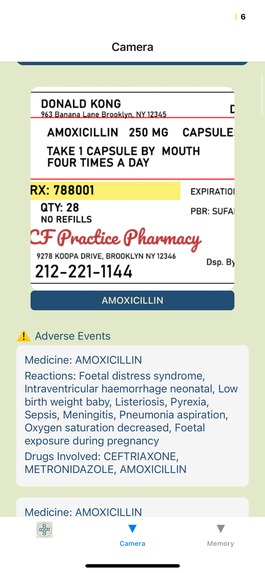
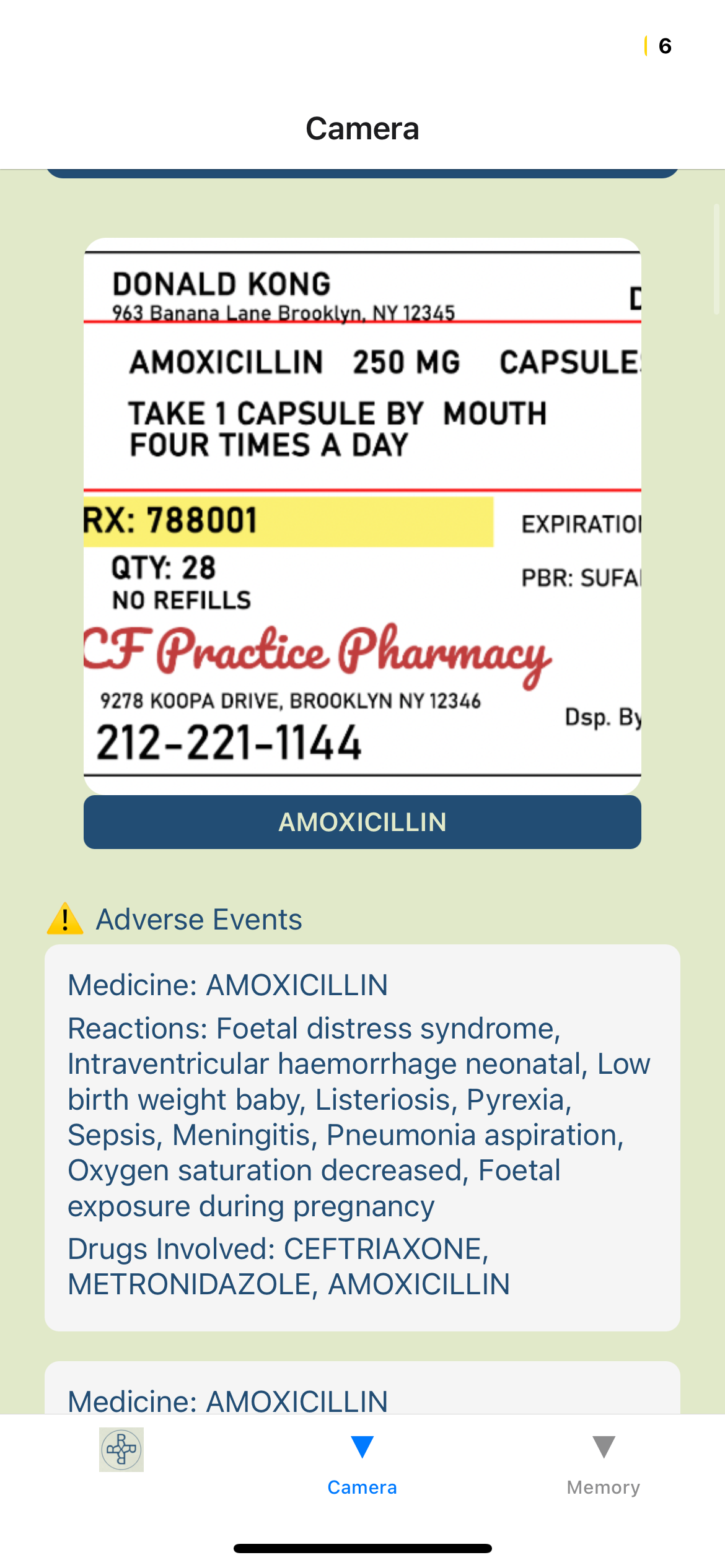
Analysis of Extracted Data
-
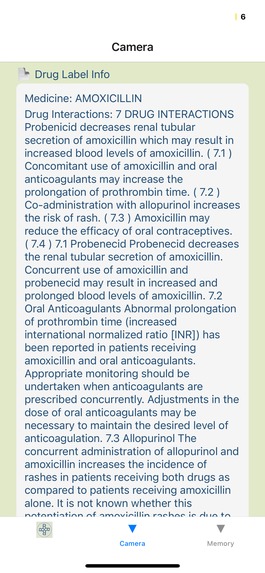
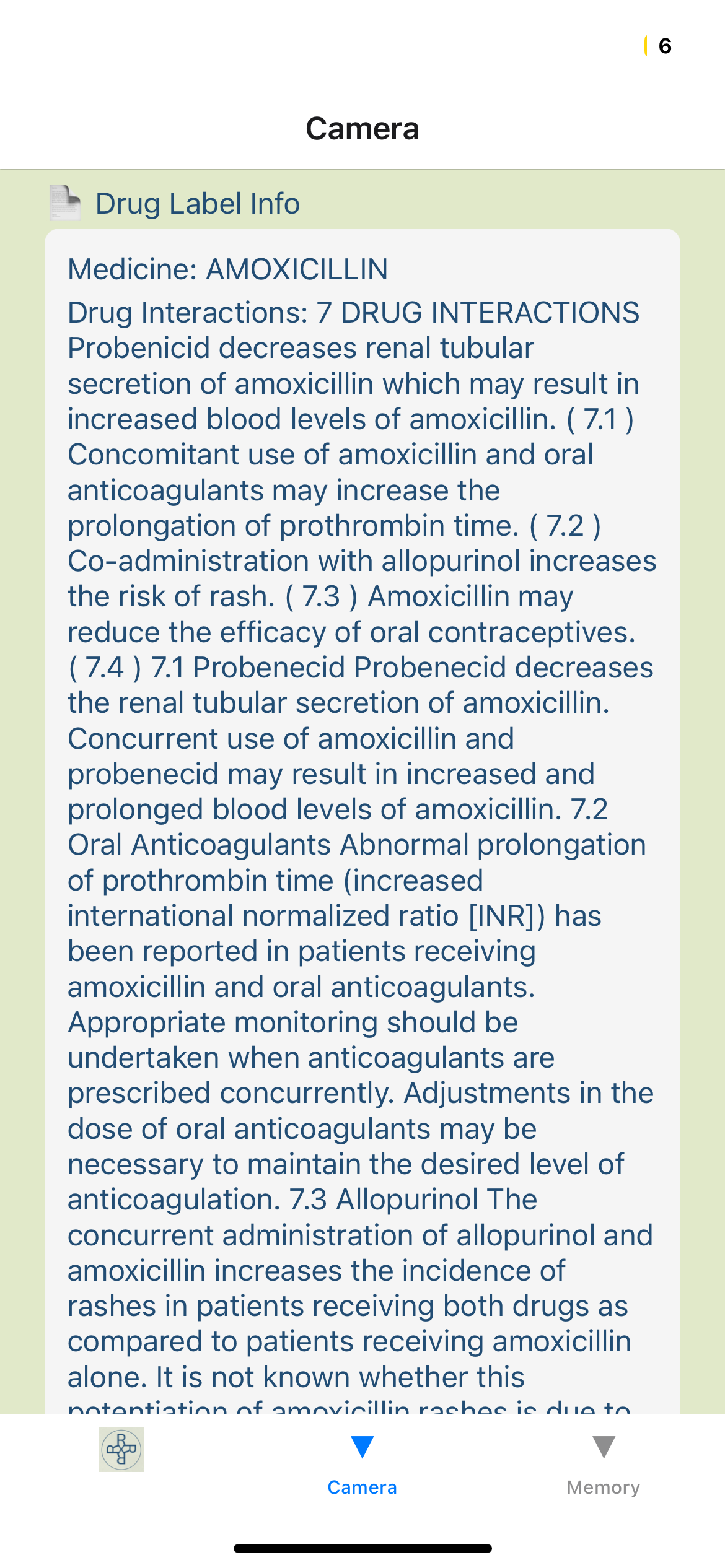
Drug Label Information
-
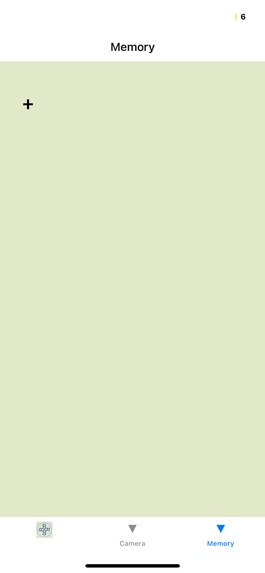
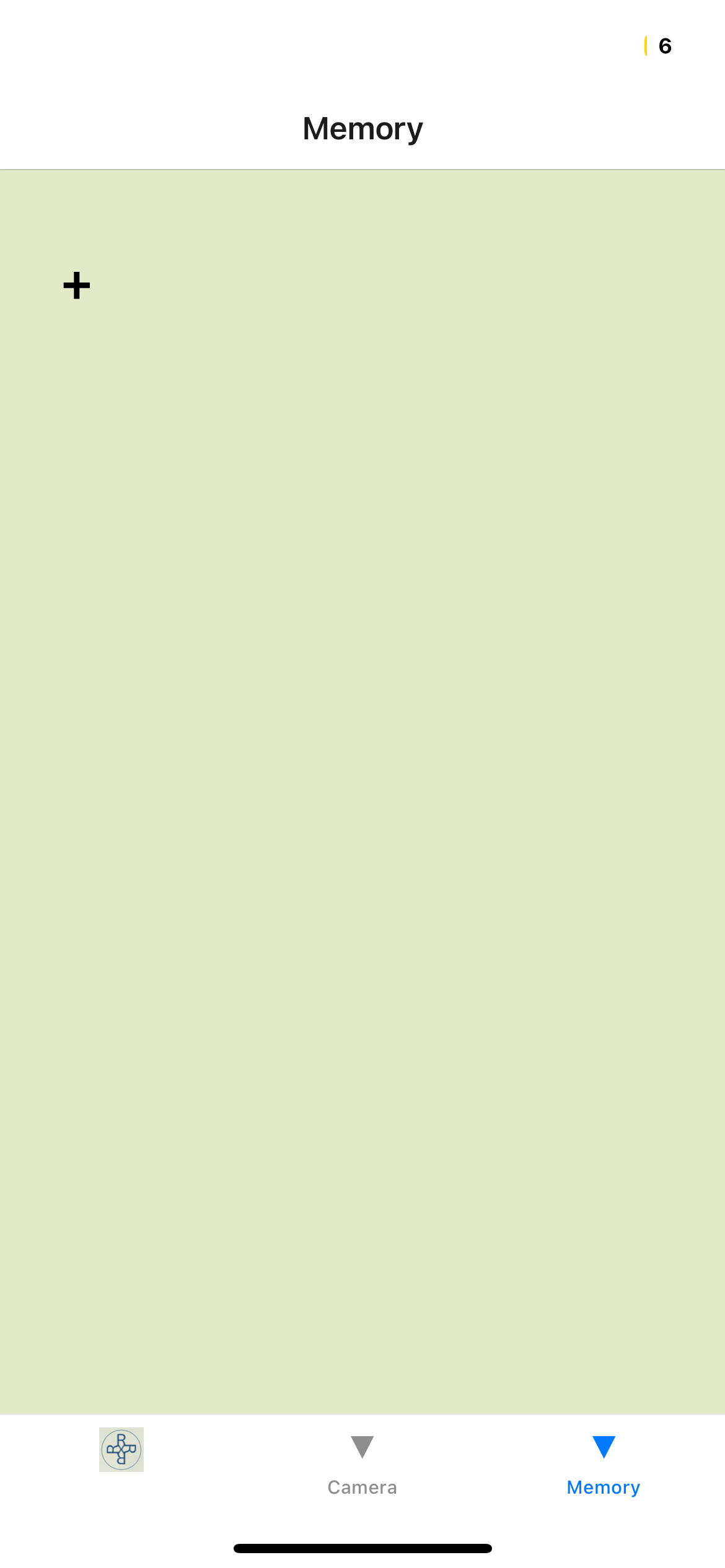
Memory Page
-
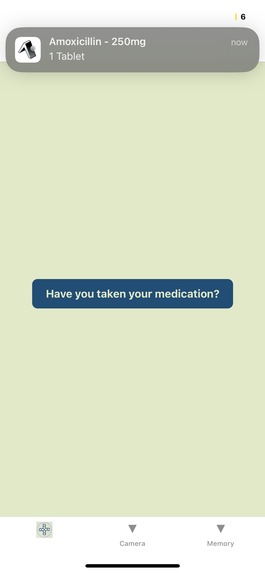
Medication Reminder
-
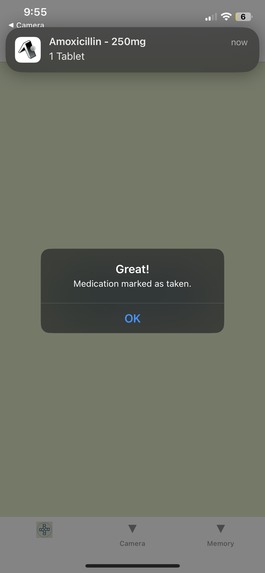
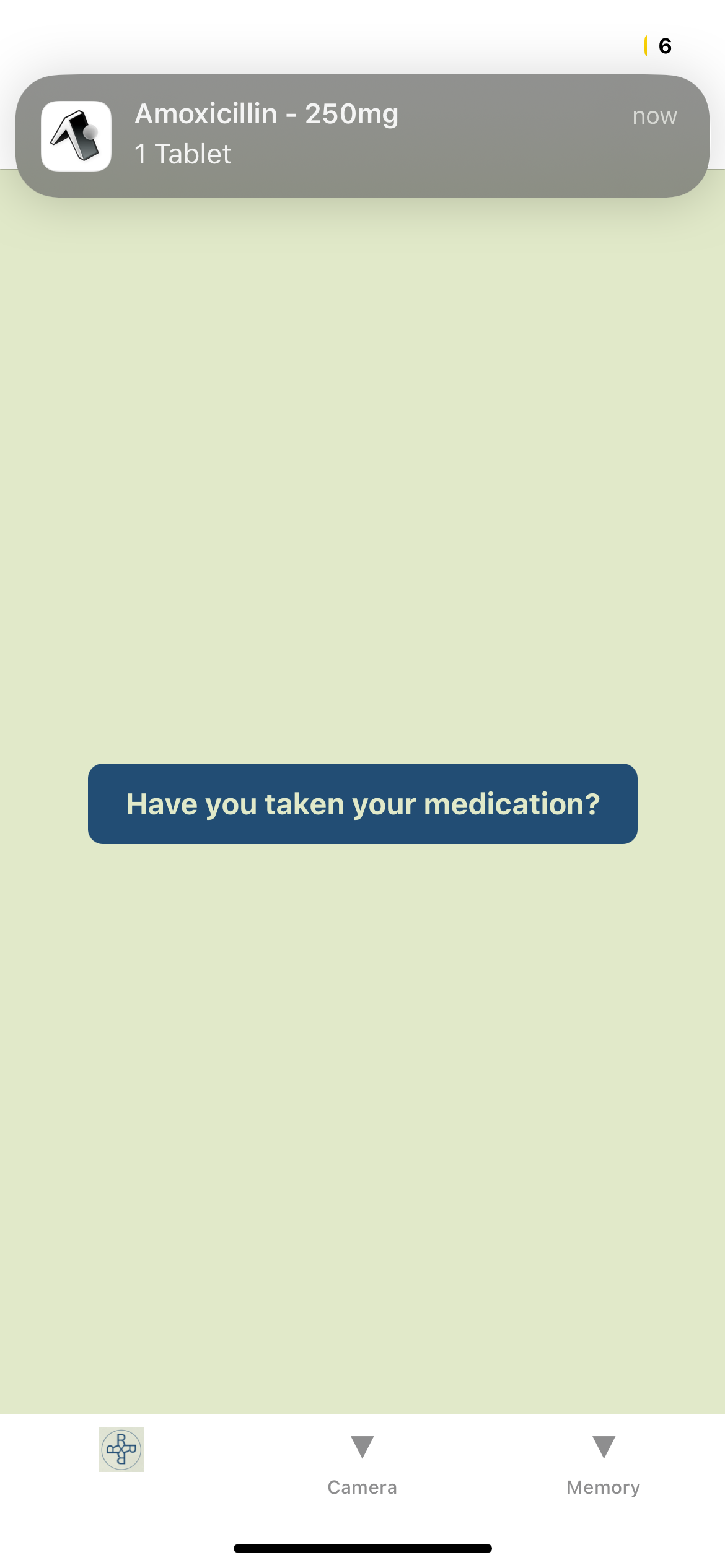
Push Notification
-
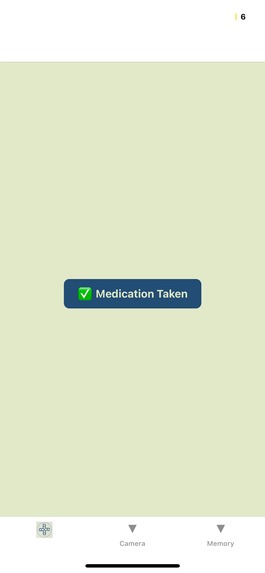
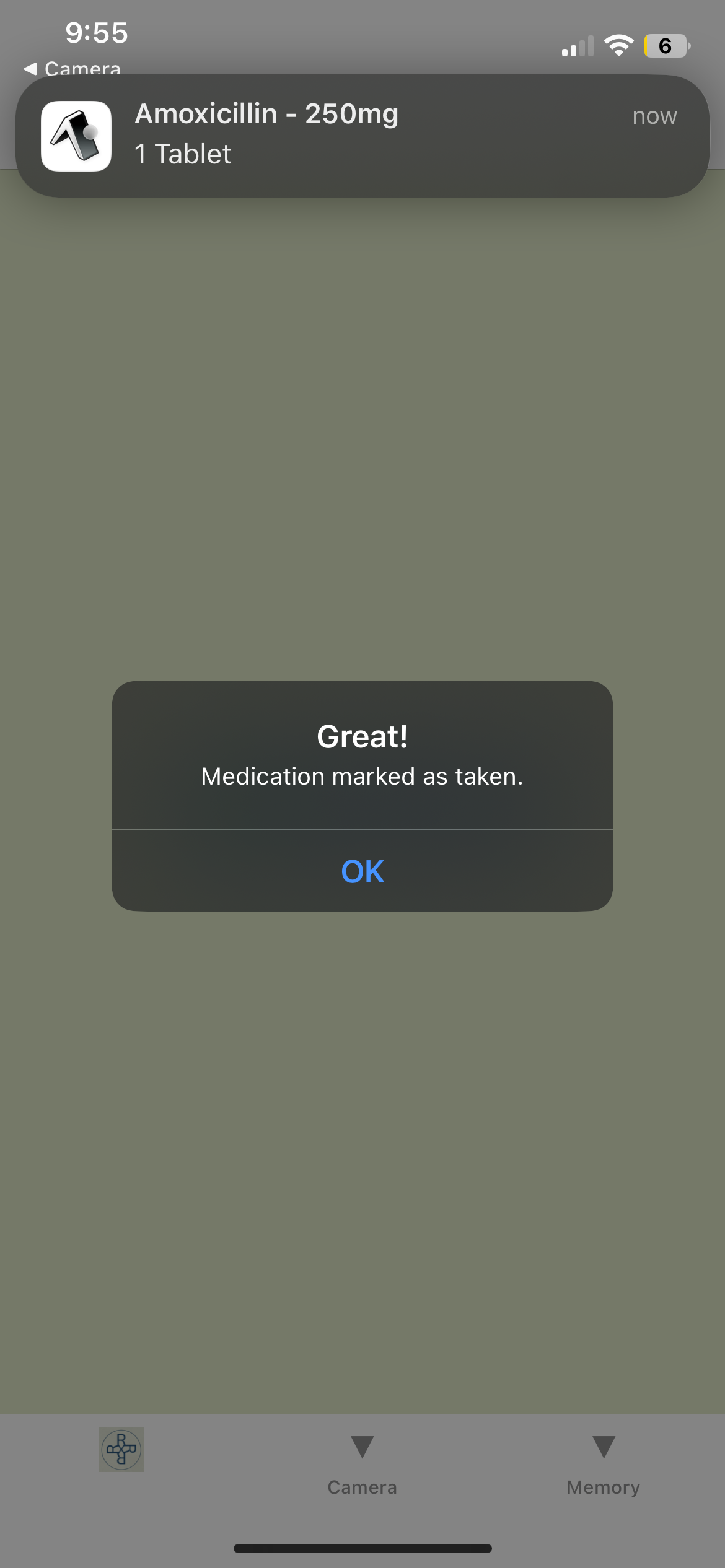
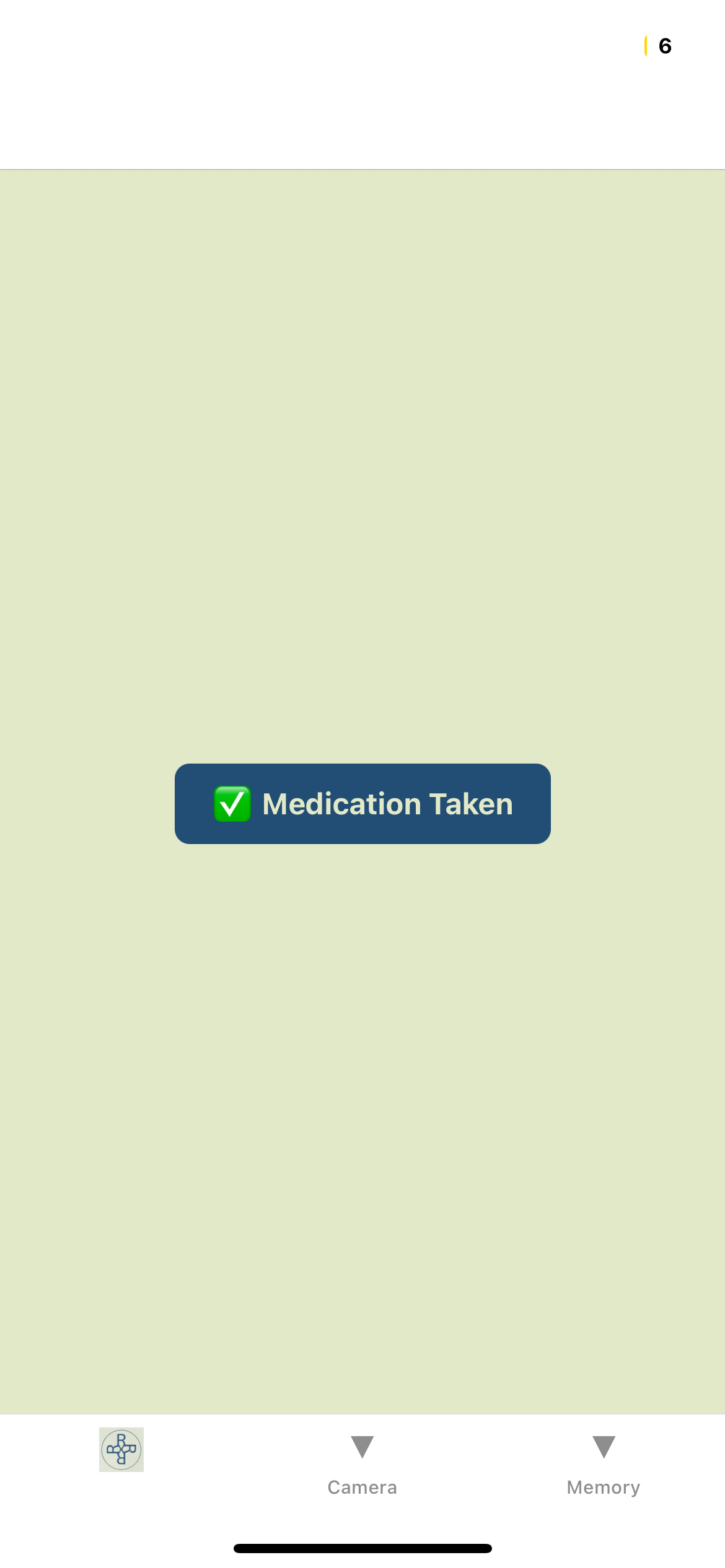
Medication Taken
Inspiration
We’re a team that cares deeply about healthcare and how people actually experience it. We didn’t want to build just another reminder app — we wanted something that feels supportive. Something that sees the person behind the prescription. That’s why we designed a system that scans medication labels, understands what’s essential, and gently helps users stay on track without feeling overwhelmed.
What it does
RemindRx helps people stay on top of their medications without the stress. You scan your prescription label, and it automatically pulls out the essential medications. Then it sends gentle reminders and lets you mark when you’ve taken each dose — no guessing, no clutter. It’s designed to feel supportive, not pushy, with a clean layout and simple “pill taken” flow that makes daily care feel a little more manageable.
How we built it
We started with a simple idea: scan a prescription label and turn it into something useful. Using React Native and Expo, we developed a mobile app that enables users to take a photo or upload an image of their medication. We integrated the Imagga API to allow users on the app to take images and upload them, along with the feature to upload photos that have been taken. We also integrated OCR.space to extract text from the images, then filtered that output against a list of known medications to highlight the relevant information. After integrating these two APIs, we integrated the OpenFDA API to analyze the extracted data.
Once we had the meds, we designed a clean UI to display them in boxed tags — styled for clarity and accessibility. Then we wired up Expo Notifications to send reminders based on dosage frequency and added a “Pill Taken” button, allowing users to confirm each dose with a tap.
Throughout the build, we focused on modular architecture, intuitive flows, and emotionally intelligent design. Every feature was shaped by real-world use: what feels natural, what’s easy to demo, and what actually helps someone stay on track.
Challenges we ran into
One of the main challenges we ran into was running the program on each of our computers. On our team, we have two Computer Science majors who have experience with various types of software, so we did not encounter significant difficulty in starting the project. However, the other two members faced issues when trying to install certain software and applications. However, we spent time examining the errors one by one and eventually figured out what they actually meant, allowing us to run everything smoothly. Another challenge we ran into was integrating the APIs into our application. One of the main features of our program is being able to scan an uploaded or taken picture and extract the text from it in order to compare it to the FDA database. To implement this feature, we had to integrate a few different APIs. The first one we integrated was the Imagga API, which was integrated to take pictures and upload pictures into the app, and the second one was the OCR, which was uploaded to extract the text from the images to be compared to the FDA database. The last API was the most troublesome, as we wanted to use the official openFDA to get the most accurate data, but it was hard to find the API keys for specific information about medicine, such as the name of the drug and drug labels. It was difficult to integrate this API because certain data was not being displayed, so we had to fix the styles while fixing our const functions. Eventually, with a lot of debugging, the code worked, and we were able to film our demo.
Accomplishments that we're proud of
We’re very happy that we ended this hackathon with a successful and working end product. We joined this hackathon because we wanted to have fun and learn something new. But we are all so passionate about our ultimate idea that we worked harder to actually implement all of our features on time and did not settle for anything else. One specific accomplishment we are really proud of is integrating the OpenFDA API because that was the main feature of our application. This API ensures that the text extracted from the prescription label is being read accurately and prints out information relevant to the drug label.
What we learned
We learned how to turn a rough idea into a working, demo-ready product — fast. From parsing messy OCR output to wiring up reliable notifications, we tackled technical challenges that pushed us to think modularly and iterate quickly. We deepened our understanding of React Native, Expo, and real-world debugging, particularly in areas such as layout quirks and permission handling. But beyond the code, we learned how to collaborate under pressure, communicate clearly, and design features that feel intuitive and emotionally supportive. Every decision was a chance to grow — and we’re proud of how far we came together.
What's next for RemindRx
We’re excited to keep growing RemindRx beyond the hackathon. Next, we’re exploring Face ID integration to make logging doses secure and seamless. We aim to enhance data privacy and user authentication, ensuring reminders feel safe and personal. Our notification system is already working well, and we plan to expand it with multi-language support — starting with Spanish — to reach more communities. Looking ahead, we’re dreaming big: imagine a wristband or bright ring that gently vibrates when it’s time to take your meds, synced directly to the app. It’s all part of making medication reminders feel less like a chore and more like care.
Built With
- expo.io
- imagga
- javascript
- ocr
- openfda
- react
- typescript
- vscode


Log in or sign up for Devpost to join the conversation.