-
-
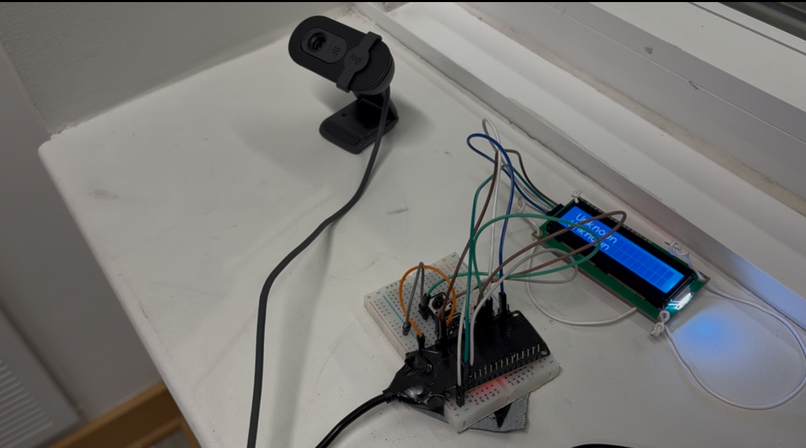
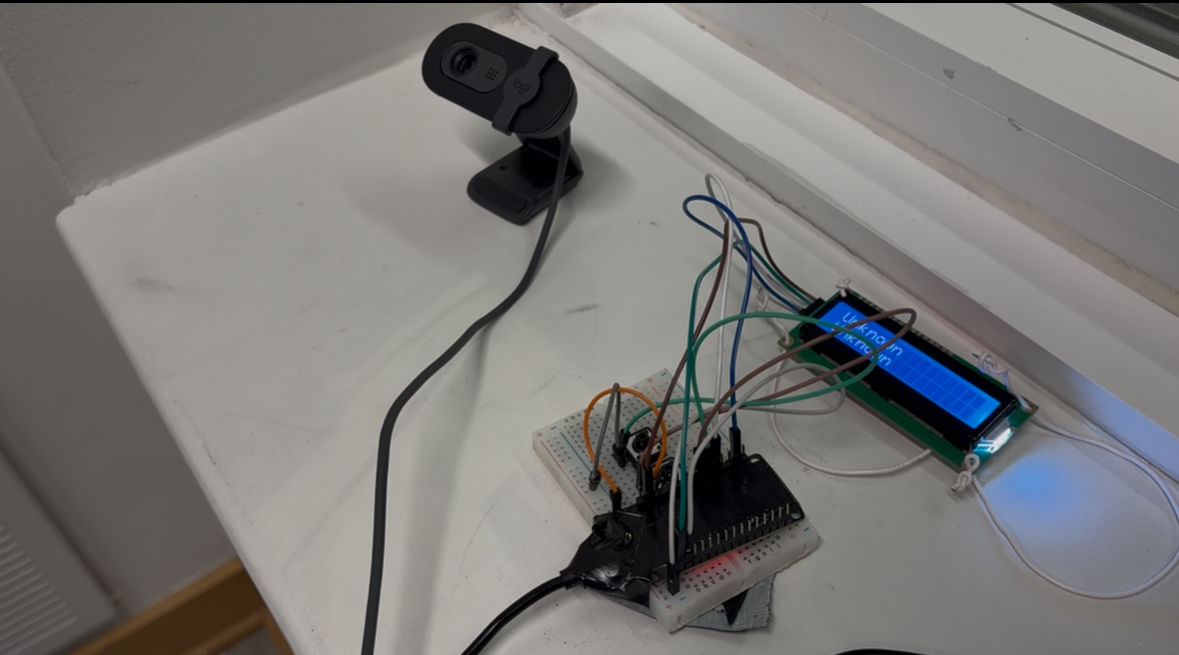
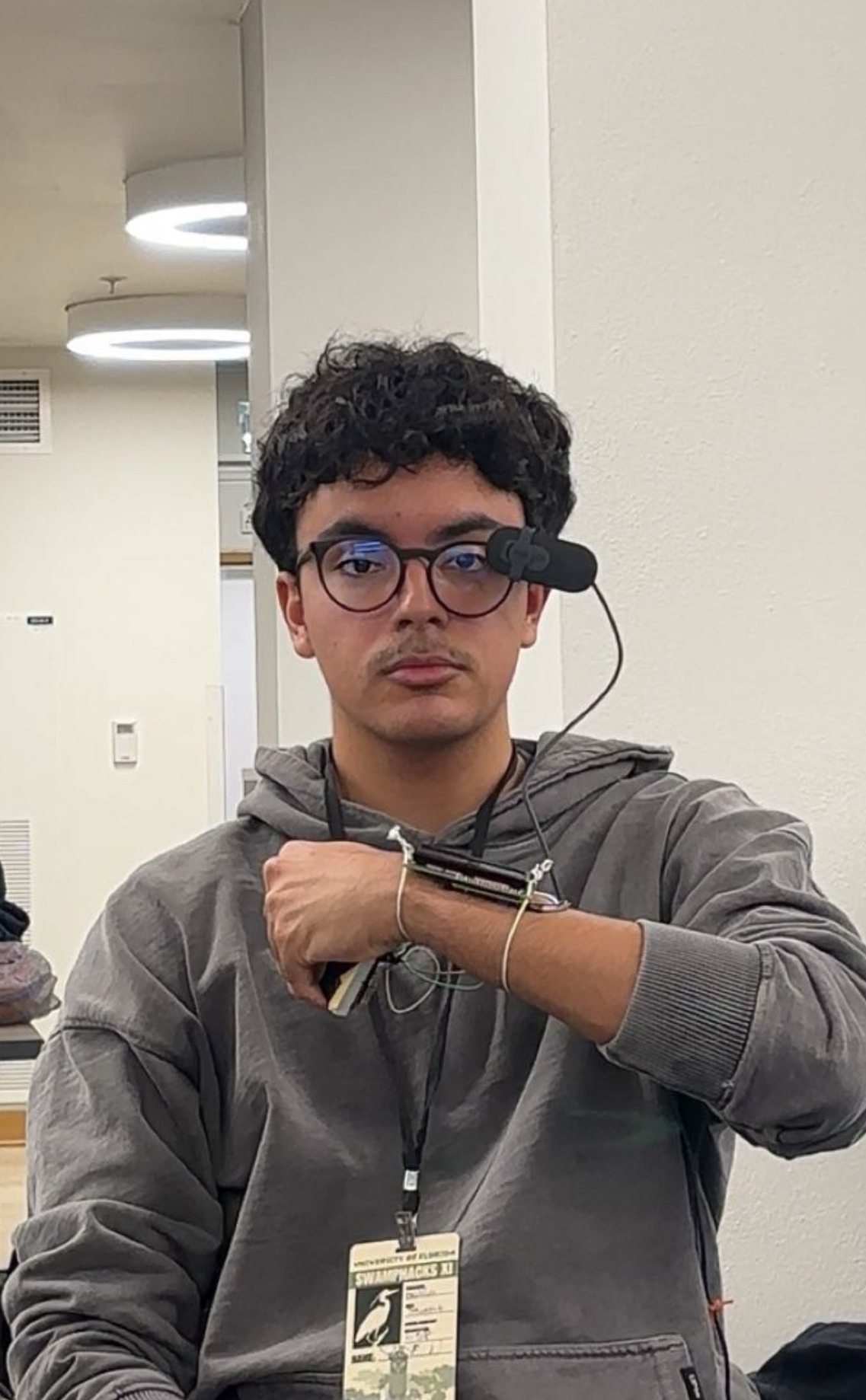
Hardware setup.
-
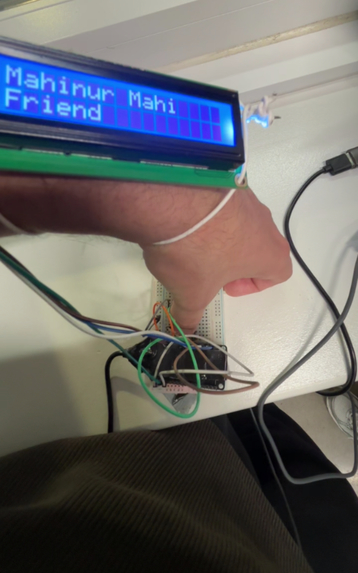
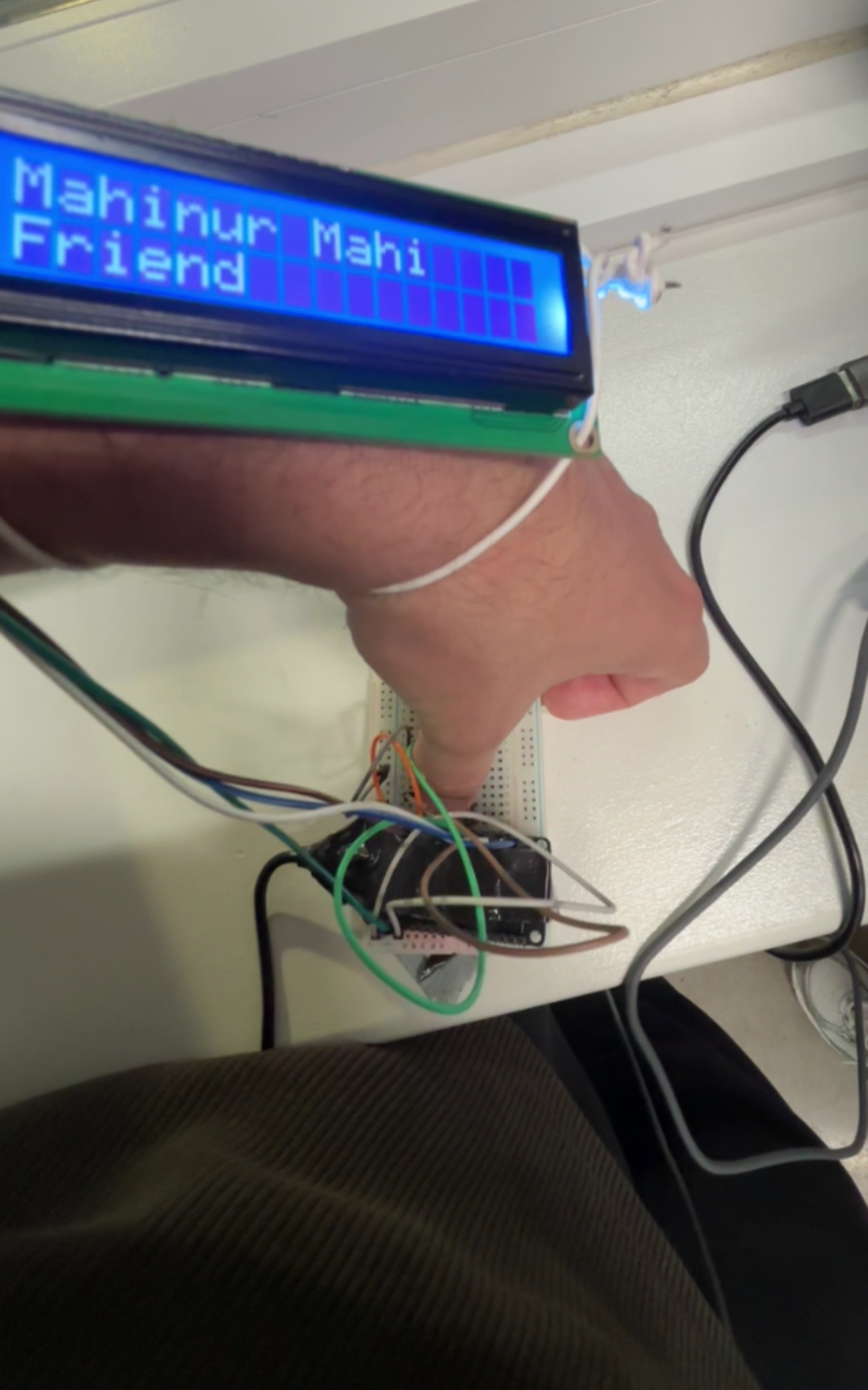
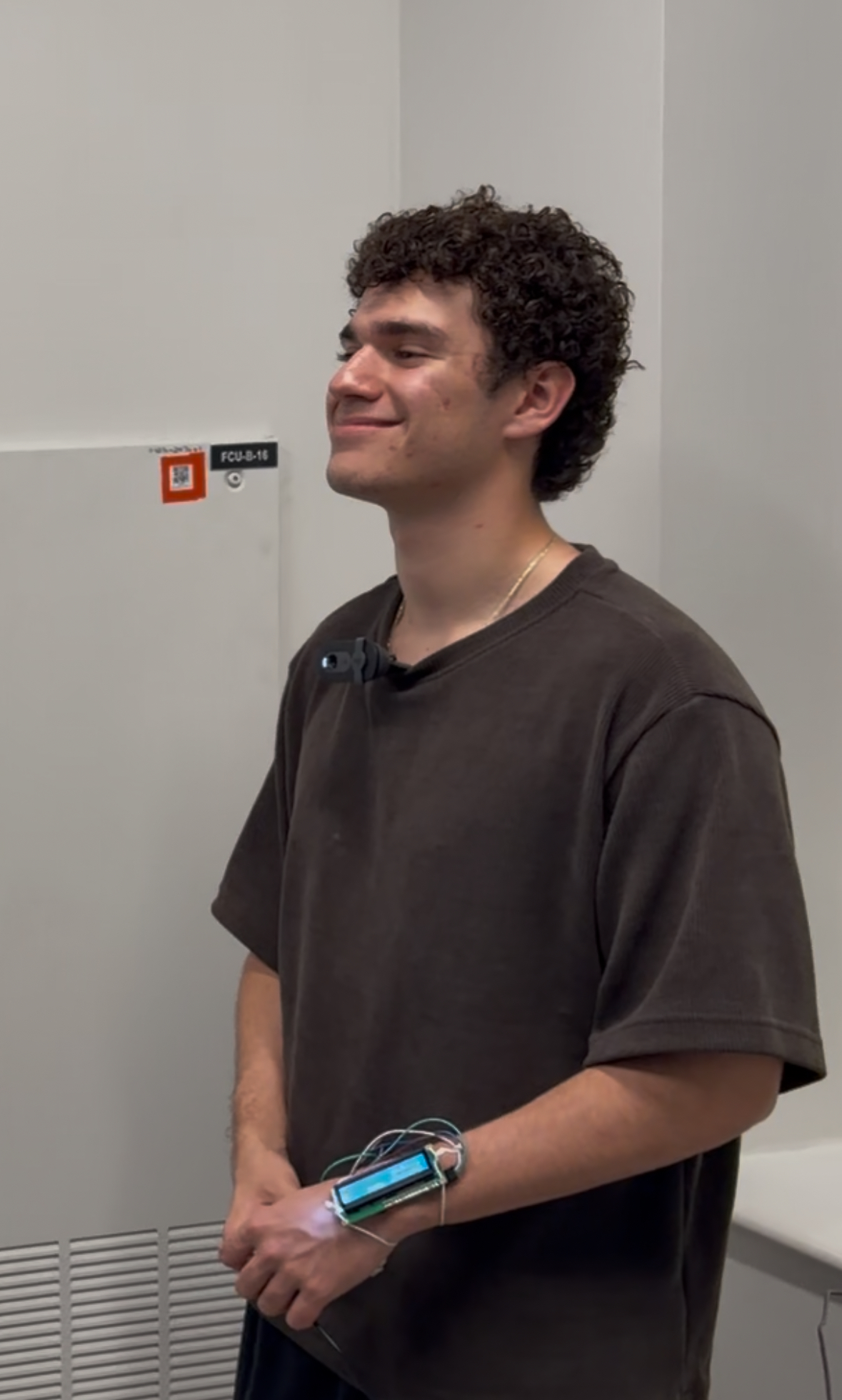
LCD-screen (Watch).
-
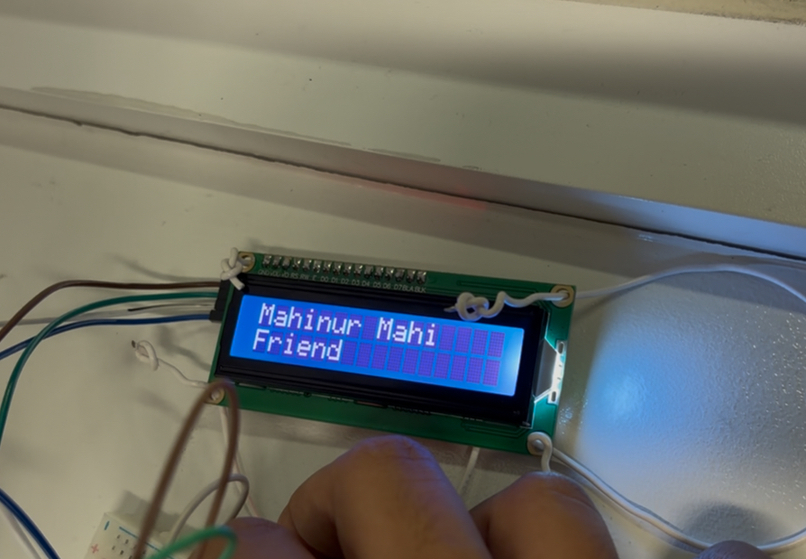
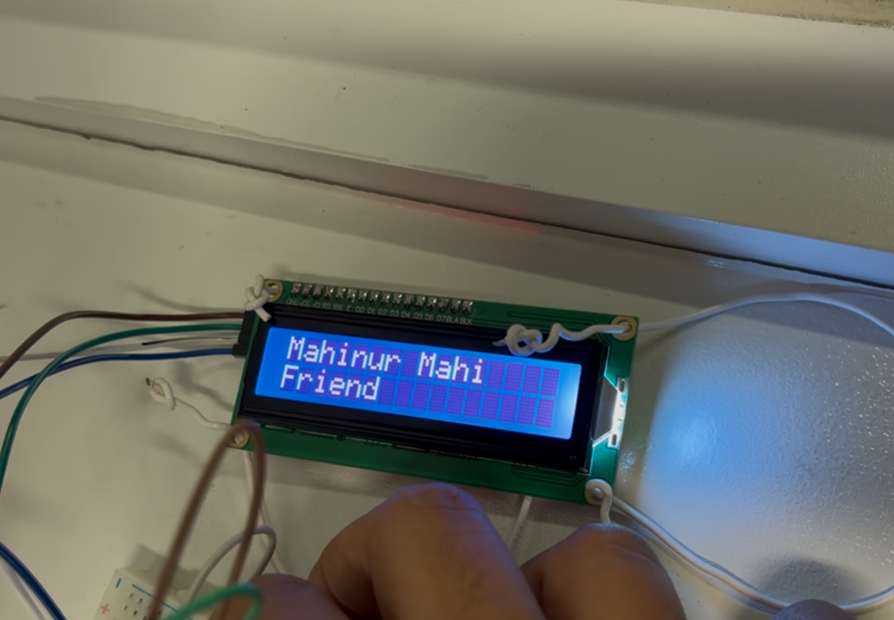
LCD-screen displaying the name and relation of a recognized face.
-
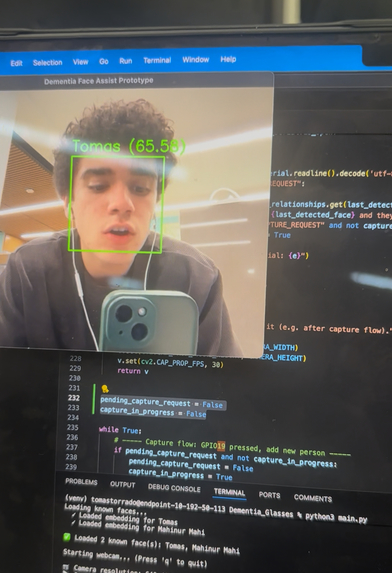
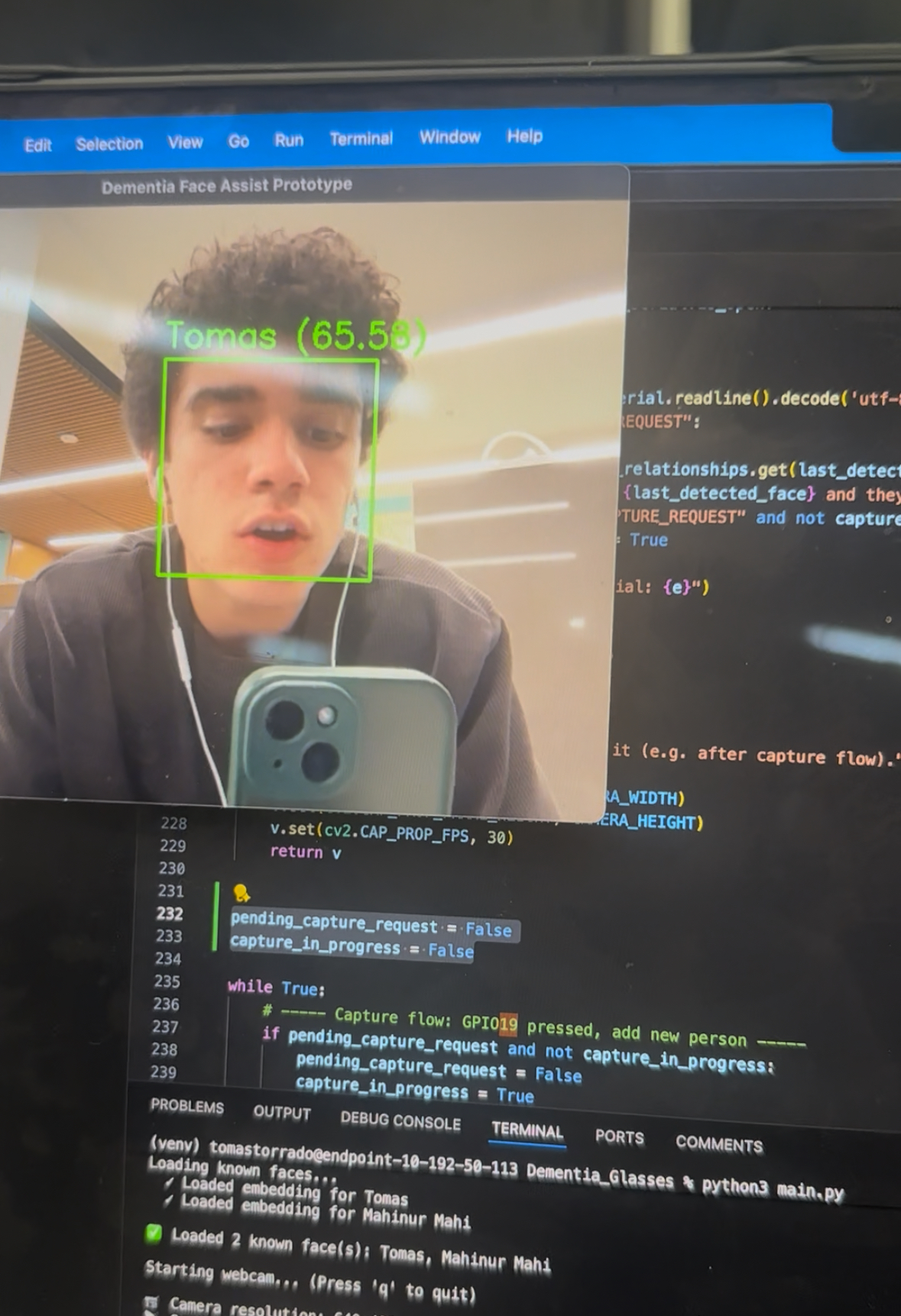
Machine-Learning model recognizing a face that is already in the database (MongoDB).
-
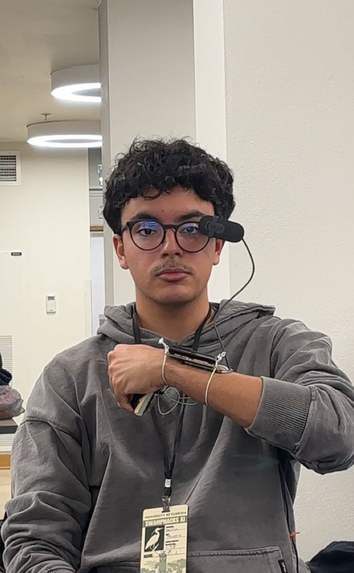
Demo on person part 1.
-
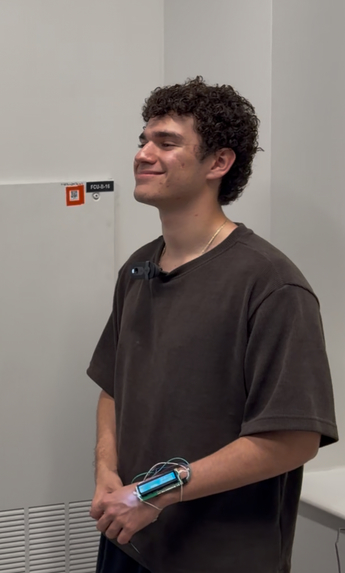
Demo on person part 2.
-
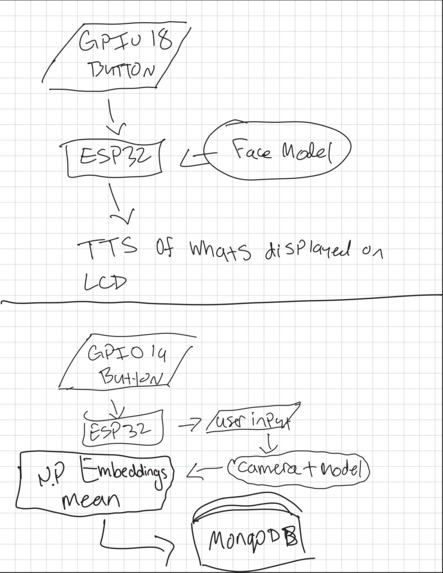
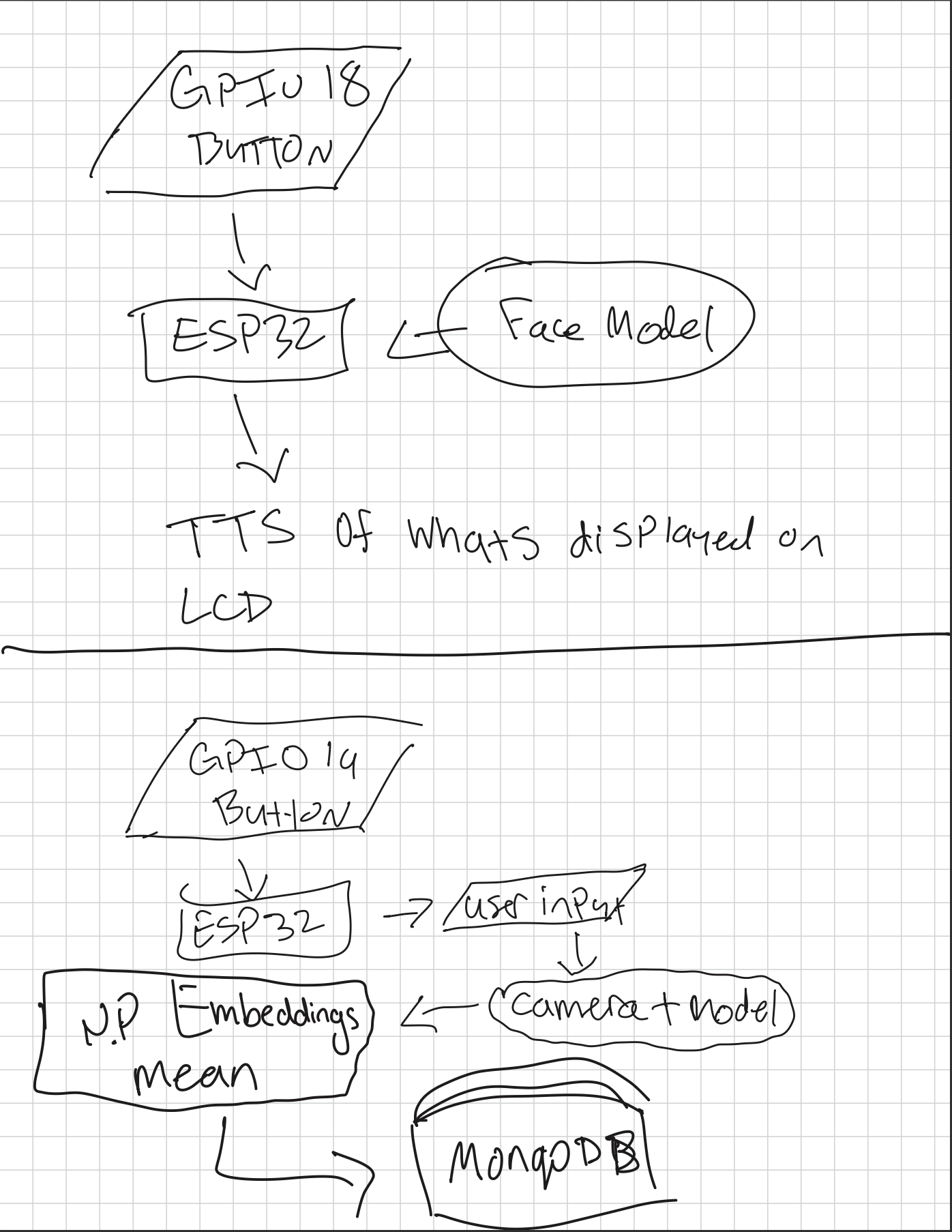
Button System Architecture
-
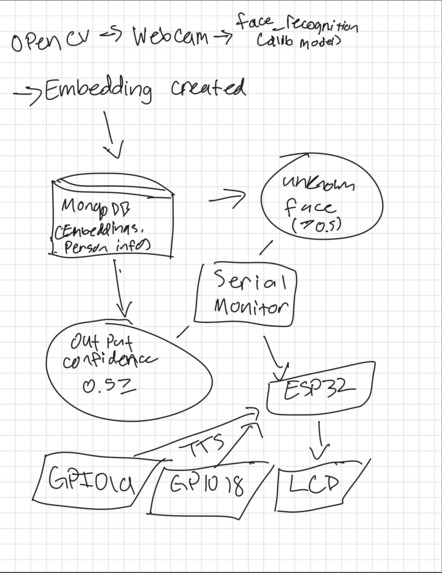
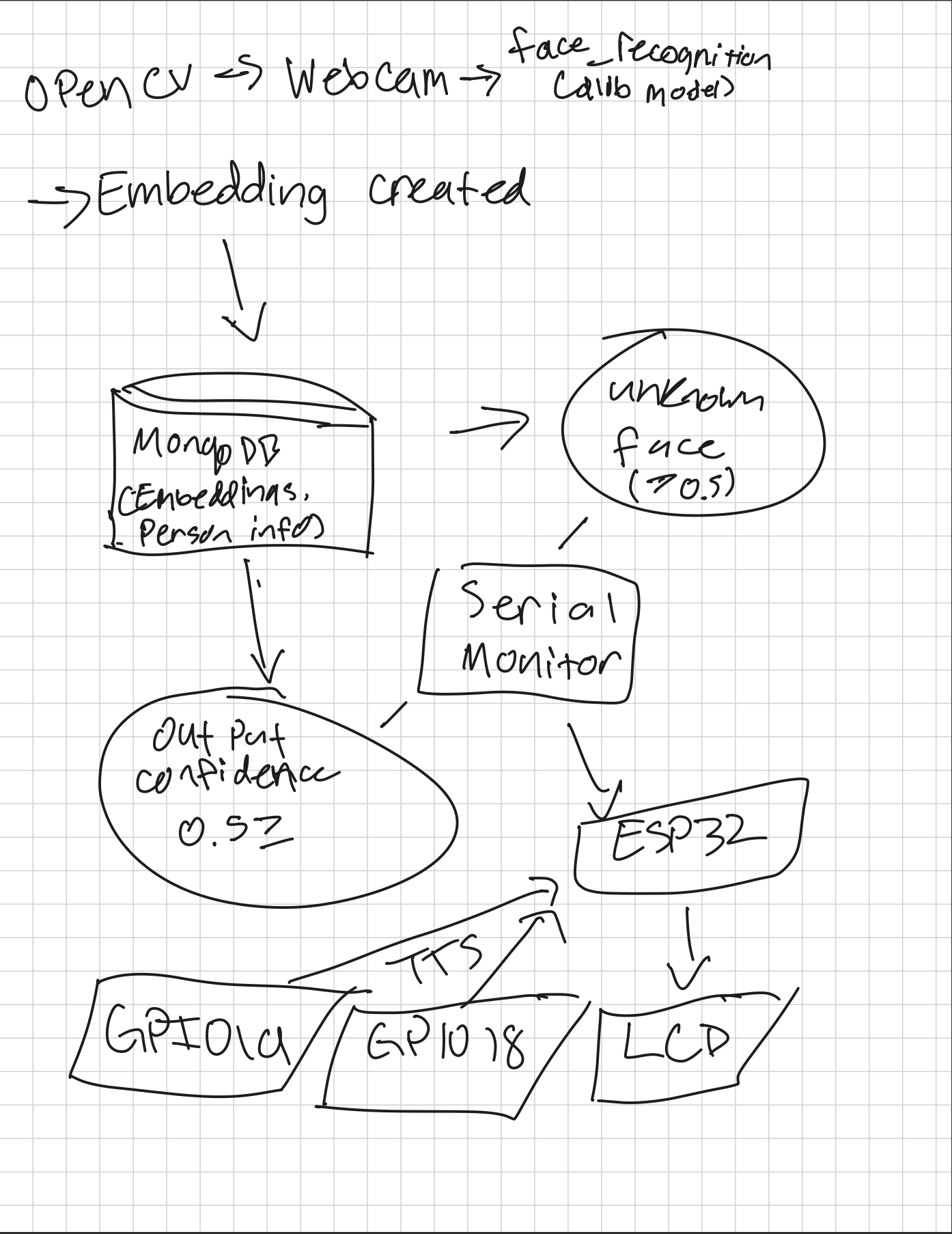
System Architecture
Inspiration
We were inspired by how difficult it can be for people with dementia to recognize familiar faces and remember relationships, something that often turns simple social interactions into stressful moments. While thinking about this problem, we realized it is not exclusive to dementia; forgetting names, faces, or how we know someone happens to everyone at some point. That realization pushed us to build RemindMe, a project focused on making social interactions easier, more confident, and more accessible.
What it does
RemindMe is a wearable assistive system designed to help users recognize people during real-time interactions. Using a camera mounted on glasses, the system identifies faces and displays the person’s name and relationship on an LCD screen, while also reading the information aloud through text-to-speech. Users can add new people over time, allowing RemindMe to grow with them and provide more personalized support in everyday social situations.
How We Built It
We combined hardware, machine learning, and backend systems into one integrated wearable experience.
Hardware & System Setup
- ESP32 microcontroller to control hardware components
- Camera mounted on glasses for live face capture
- LCD screen for displaying names and relationships
- Text-to-speech output for visually impaired users
Software & Backend
- Facial recognition model that generates embeddings from images
- MongoDB database to store names, relationships, and face data
- NumPy for efficient embedding comparison and similarity matching
- Mac used as the primary development environment
Rather than relying on static images, the system dynamically compares live camera input to stored embeddings, allowing recognition to improve as new faces are added.
Challenges we ran into
One of our biggest challenges was integrating the database with the facial recognition model and hardware. We initially relied on local images to feed the model, but later decided to move everything into a database to make the project more scalable and realistic. This transition required us to rethink how data flowed through the system and involved a lot of debugging and iteration. Another major challenge was hardware choice; we originally planned to use a Raspberry Pi, but after hours of troubleshooting SSH issues, we pivoted to using an ESP32 instead. While this meant reworking parts of our setup, it ultimately made the system more reliable.
Accomplishments that we're proud of
One of the things we are most proud of is the affordability and accessibility of our solution. Assistive technology is often expensive and out of reach for many of the people who need it most, so we intentionally designed RemindMe using low-cost, widely available components. By using an ESP32, an LCD display, a small camera (preferably a ribbon camera), and simple jumpers and buttons, our entire hardware setup costs just a little over $25. This makes the project far more accessible to students, researchers, and families, and shows that impactful assistive technology does not need to rely on expensive or specialized hardware to make a meaningful difference.
What we learned
Throughout this project, we learned how to bring together hardware, machine learning, and backend systems into a single working product. We also stepped outside our comfort zone by working with physical components instead of just building a web app, which helped us better understand real-world impact. Most importantly, this project taught us how meaningful technology can be when it is designed with empathy and accessibility in mind.
What's next for RemindMe
Next, we want to enhance RemindMe by adding the ability to save keywords from past conversations with each person, helping users recall important details and socialize more comfortably. We also plan to implement speech-to-text so users can give voice commands, making the system more hands-free and accessible. These features would further personalize the experience and make RemindMe an even more supportive daily companion.


Log in or sign up for Devpost to join the conversation.