Inspiration
Sam Beckman's brief was crystal clear: a cross-platform reminder app that actually works. As someone who switches between devices, he faced a daily frustration - Apple Reminders doesn't work on Android, Google Tasks doesn't integrate with iOS, and third-party apps sync slowly or not at all.
I'd never built a reminder app before. I'd never even used reminder apps consistently. But that's exactly why I took this challenge. Sam's brief was straightforward, the problem was real, and I had 4 weeks to prove I could build something complete and polished.
The clarity of the brief was the perfect opportunity. I didn't have to spend weeks figuring out the problem - I could focus entirely on the solution.
What it does
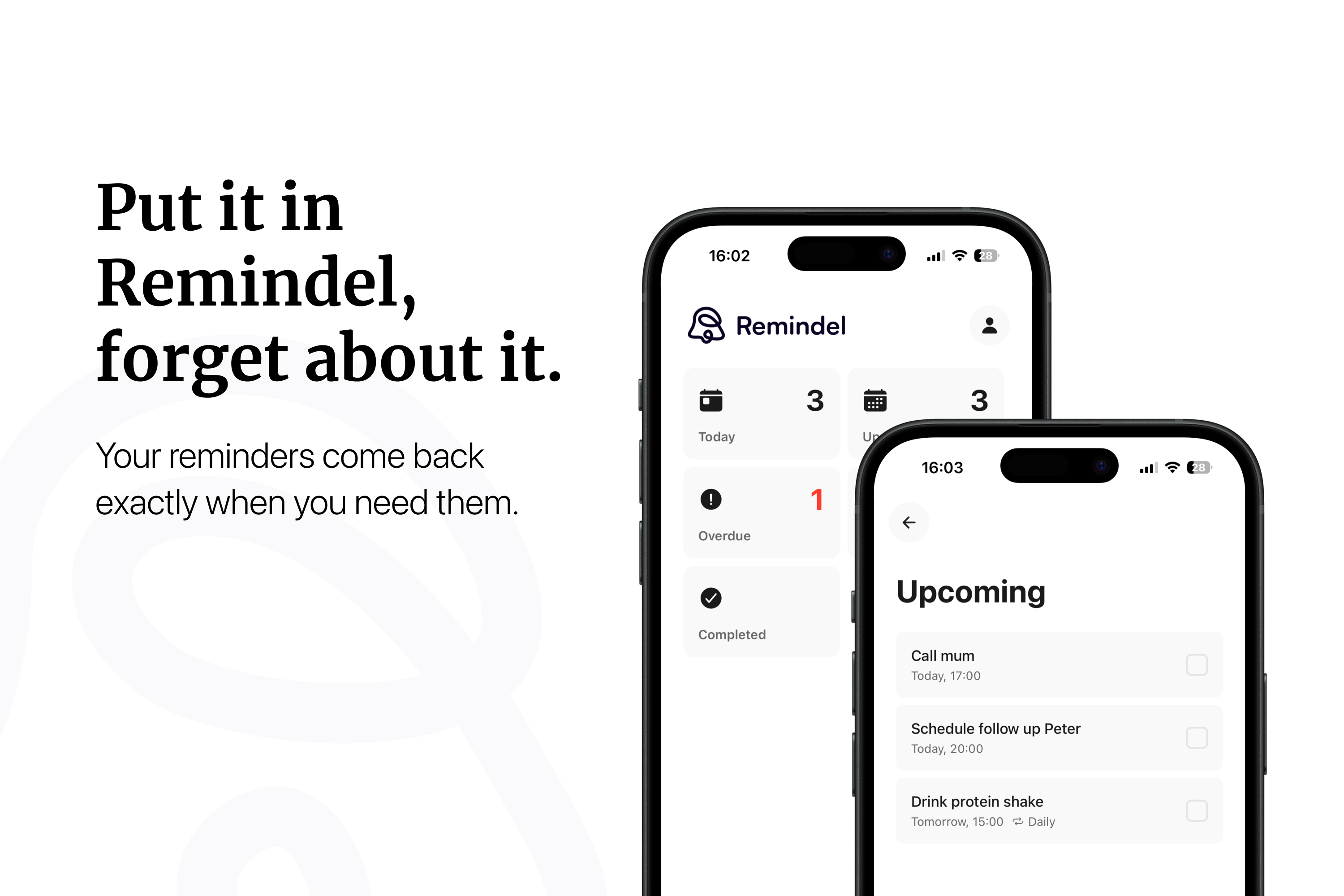
Remindel solves cross-platform reminders through three core principles:
True Sync: One reminder, one source of truth. Set it on one device, it appears instantly everywhere. Dismiss once, gone everywhere. No duplicates, no ghosts.
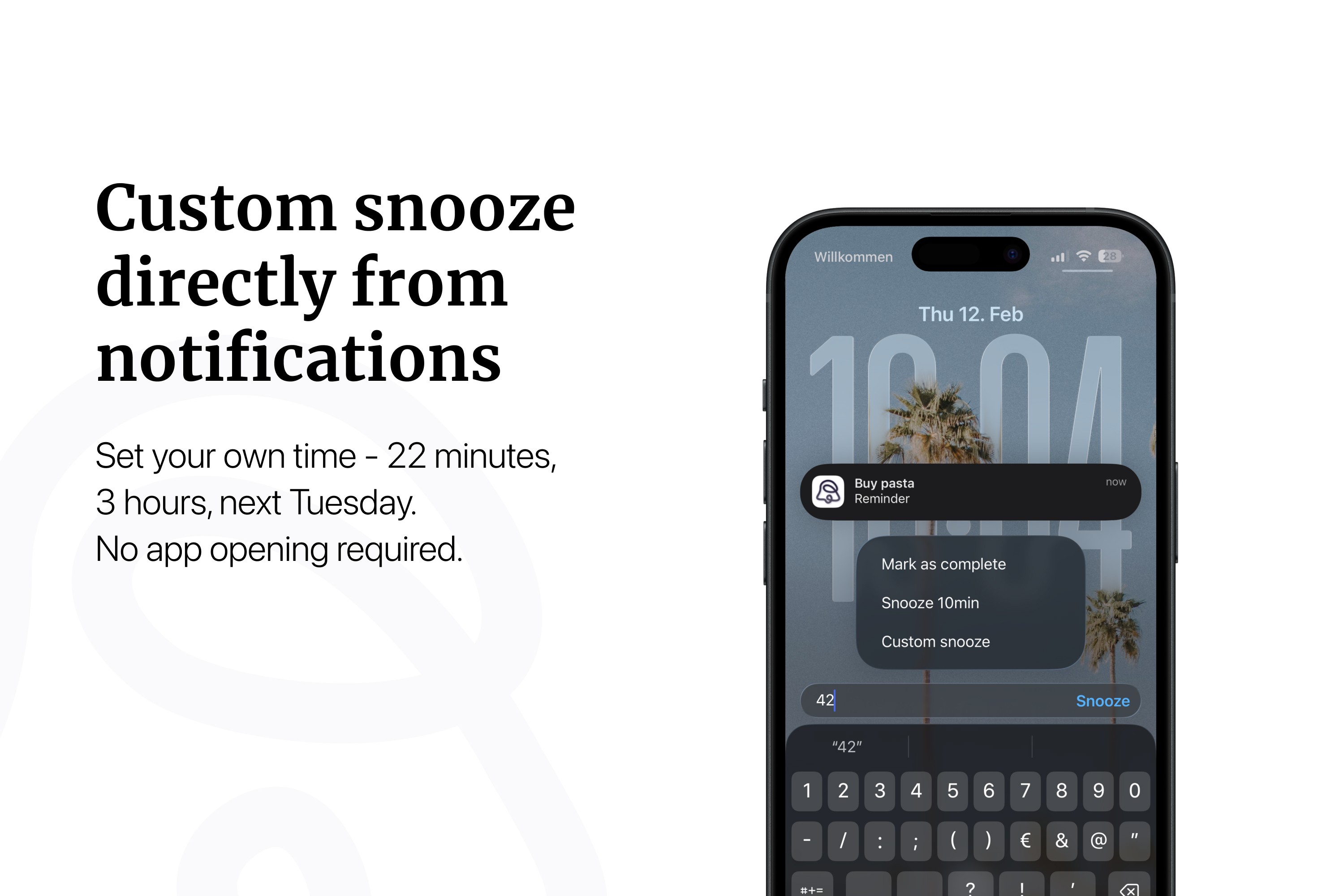
Custom Snooze from Notifications: Life doesn't happen in 5-minute increments. Remindel lets you snooze for exactly as long as you need - 22 minutes, 3 hours, next Tuesday - directly from the notification. No app opening required.
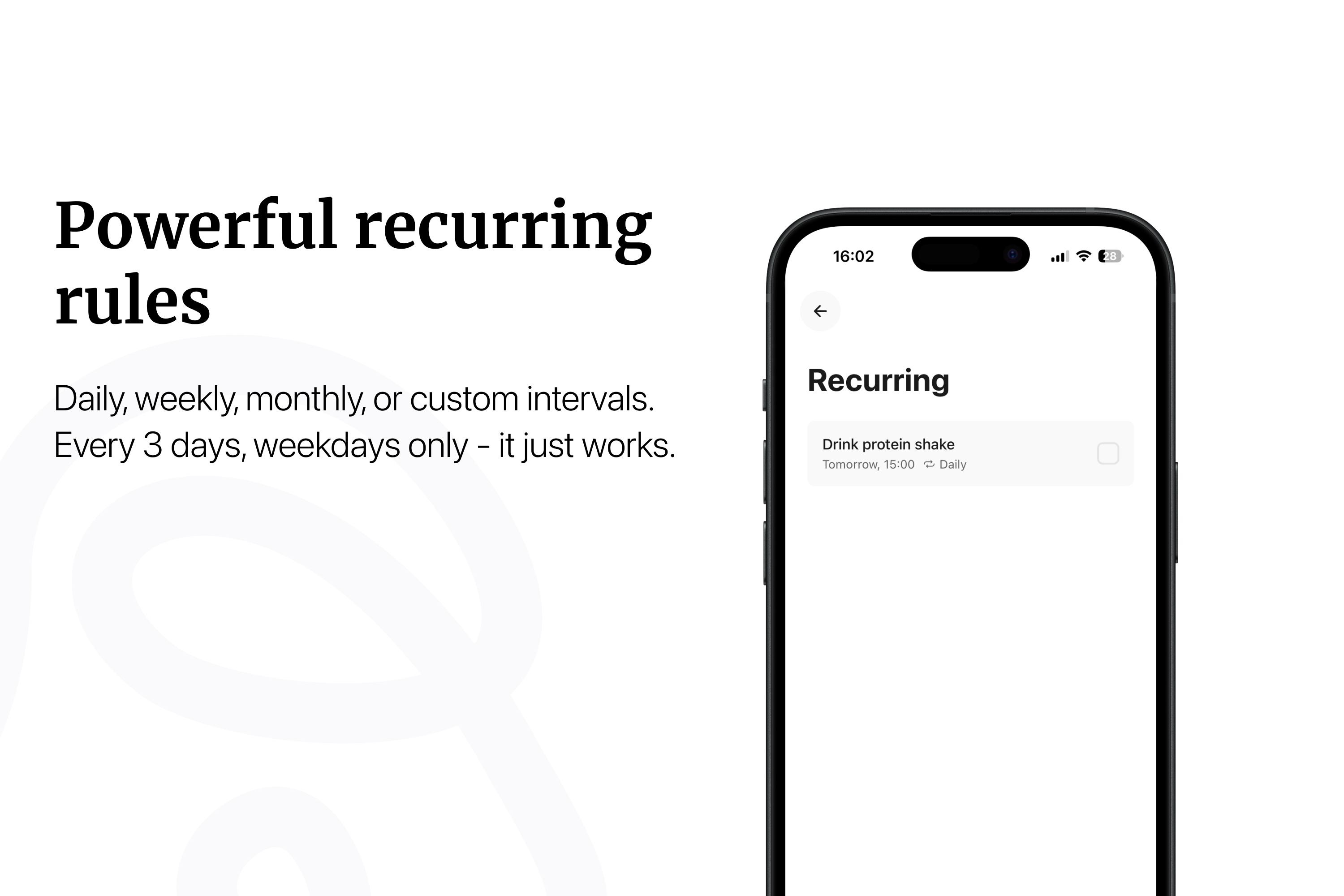
Predictable Recurring: Every 3 days. Weekdays only. Monthly. Simple, but powerful.
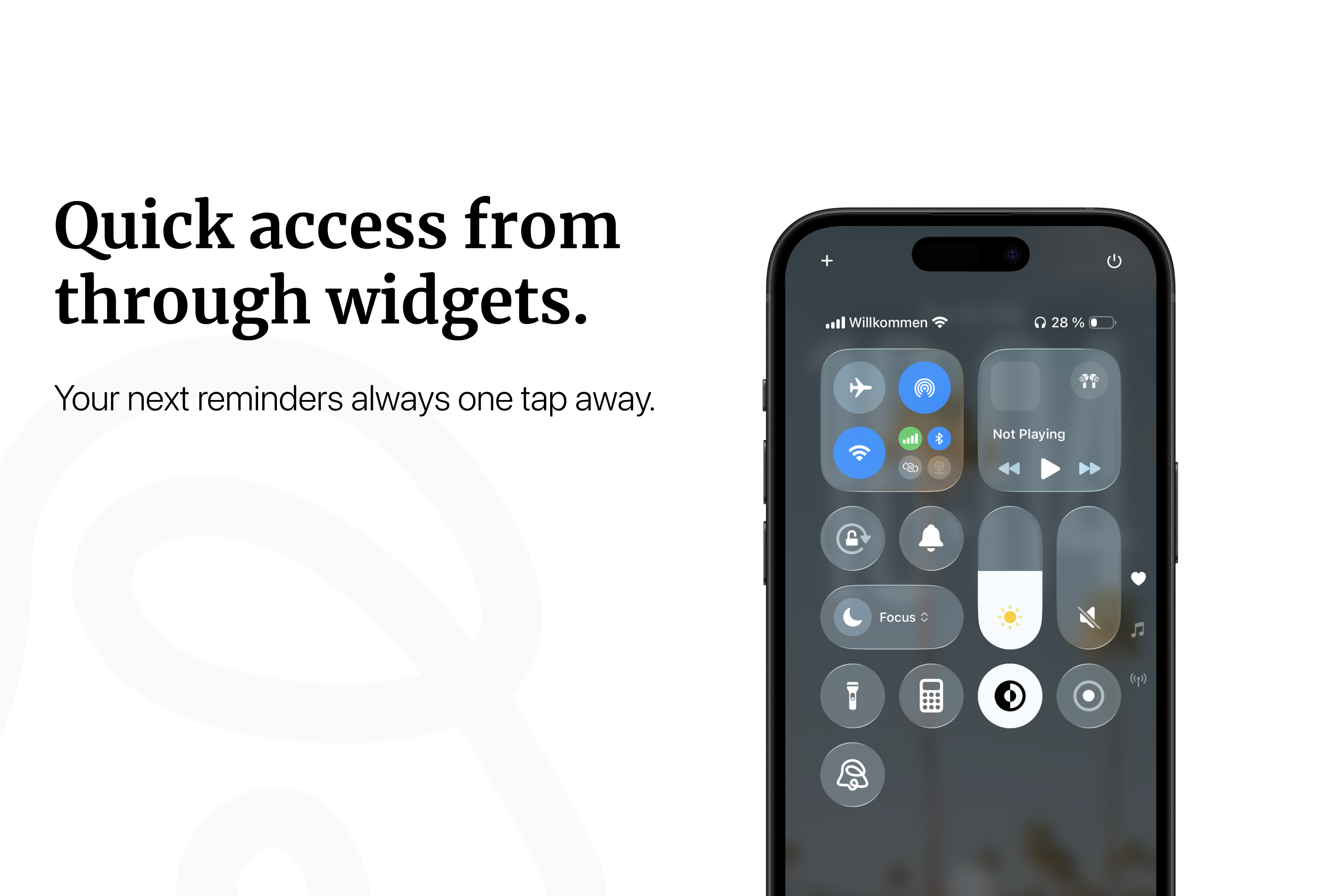
Free Plan: Unlimited reminders, custom snooze, lock screen widgets, recurring rules, 1 device sync.
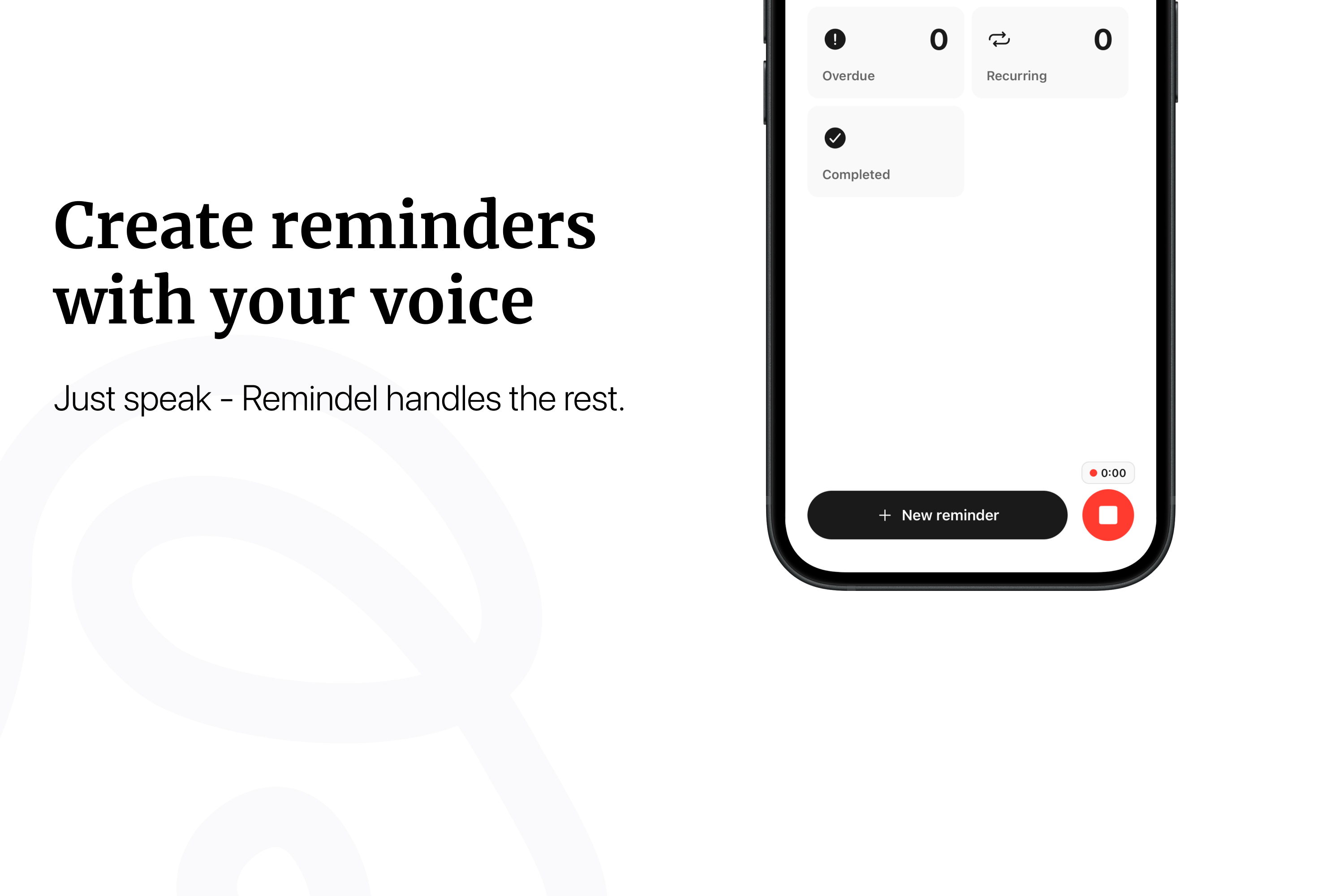
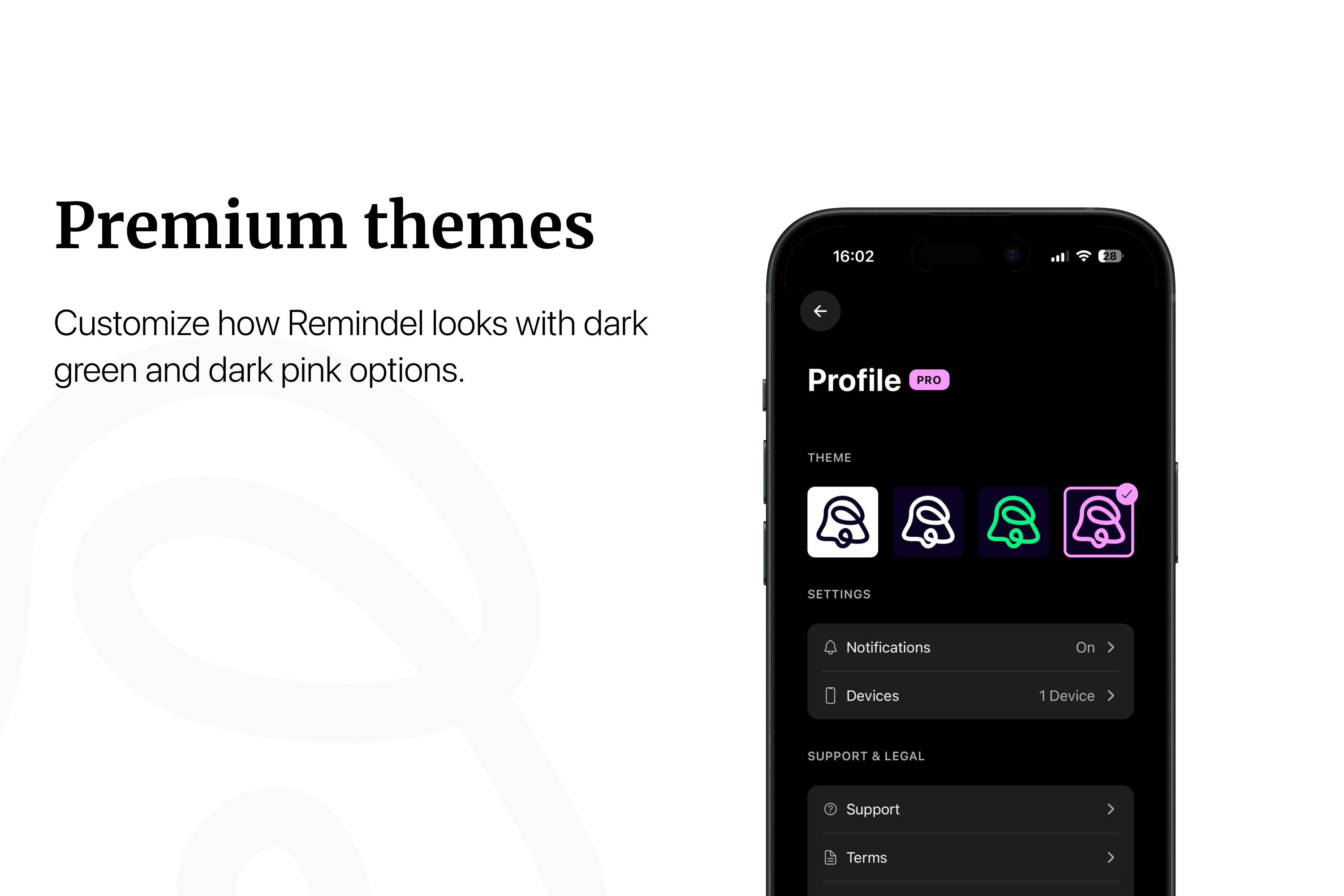
Pro Plan ($2.99/month): Voice input, unlimited device sync, premium themes.
How I built it
Tech Stack:
- React Native (Expo SDK 54) for cross-platform development
- Supabase for real-time sync, authentication, and PostgreSQL database
- RevenueCat for subscription management
- Expo Push + pg_cron for server-driven notifications
Design Philosophy: Inspired by Dieter Rams' "less, but better" and Apple's focus on user experience. High contrast typography, micro animations, haptic feedback. Every detail serves a purpose. Form follows function.
Development Approach: I build with AI-assisted development tools. I'm not a traditional programmer - my strengths are logical thinking, problem-solving, and turning clear problems into working solutions. I have web development experience and a good eye for design, but AI tools opened the door to mobile app development for me.
Key Technical Decisions:
- Server-driven push notifications via pg_cron ensure reminders fire even when the app is closed
- Pre-generate 30 reminder occurrences for performance
- Cross-device sync uses silent push notifications to update all devices instantly
- Free device limit enforced server-side to prevent bypass
Challenges I faced
Native iOS implementations: Widgets (lock screen, control center) and notification actions with custom snooze times required diving deep into native modules. This took longer than expected and required careful testing.
Cross-device sync: Making sure dismissing a reminder on one device instantly cancels it on all other devices. The solution was silent push notifications triggered by Supabase Edge Functions.
Small bugs in edge cases: Recurring reminders with specific timezone combinations, snooze states not updating correctly, notification badges not syncing. These took careful debugging and testing.
Video production: Honestly, creating the demo video took the most time. Scripting, filming, editing - it's a different skill entirely. But it's essential for a hackathon like this.
Accomplishments that I am proud of
Built a complete app in 3 weeks: From zero to TestFlight with all core features working. Not a prototype - a real app that people can use.
Server-driven notifications that actually work: Most reminder apps struggle with reliability. Remindel uses pg_cron to ensure notifications fire even when the app is closed. This was technically challenging but the result is rock solid.
True cross-device sync: Dismiss a reminder on one device, it's gone everywhere instantly. This sounds simple but required careful architecture with Supabase real-time and silent push notifications.
Design that feels right: Every micro-animation, every haptic feedback, every spacing decision is intentional. The app doesn't just work - it feels good to use. That attention to detail is something I'm really proud of.
Learning native iOS development: Lock screen widgets, notification actions, custom snooze - these required diving into native iOS concepts. As someone who builds with AI tools, pushing into native territory was a big step.
Honest about my approach: I didn't pretend to be a traditional programmer. I built this with AI-assisted tools and I'm proud of that. It shows what's possible when you focus on problem-solving over gatekeeping.
What I learned
Native implementations are harder than you think: Even with Expo abstracting complexity, widgets and notification actions require understanding iOS fundamentals.
Real-time sync is easier than you think: Supabase's real-time subscriptions just work. Once the data model was right, sync was instant and reliable.
Design constraints force better decisions: Four weeks means no time for feature bloat. Every feature had to justify its existence. The result is a cleaner, more focused app.
AI-assisted development is powerful: I built a complete, polished mobile app in 4 weeks using AI tools. That wasn't possible for me before. The barrier to building software has fundamentally changed.
What's next for Remindel
Whether I win this hackathon or not, I'm launching Remindel.
Phase 2: Android launch (80% of code is shared), improved voice reminders with natural language parsing, offline-first free tier.
Phase 3: Wearables (Apple Watch, Wear OS), more widgets, calendar view, iOS automation.
Phase 4: Location-based reminders, shared reminders, analytics.
The vision isn't to build the app with the most features - it's to build the most trusted reminder app. One that works across platforms. One that Sam (and his 590K subscribers) can rely on, every single day.
When someone switches devices, they shouldn't have to rebuild their entire reminder system. Remindel works everywhere, always, reliably.
Built With
- expo.io
- ios
- javascript
- postgresql
- react
- react-native
- revenuecat
- supabase
- typescript

Log in or sign up for Devpost to join the conversation.