-
-

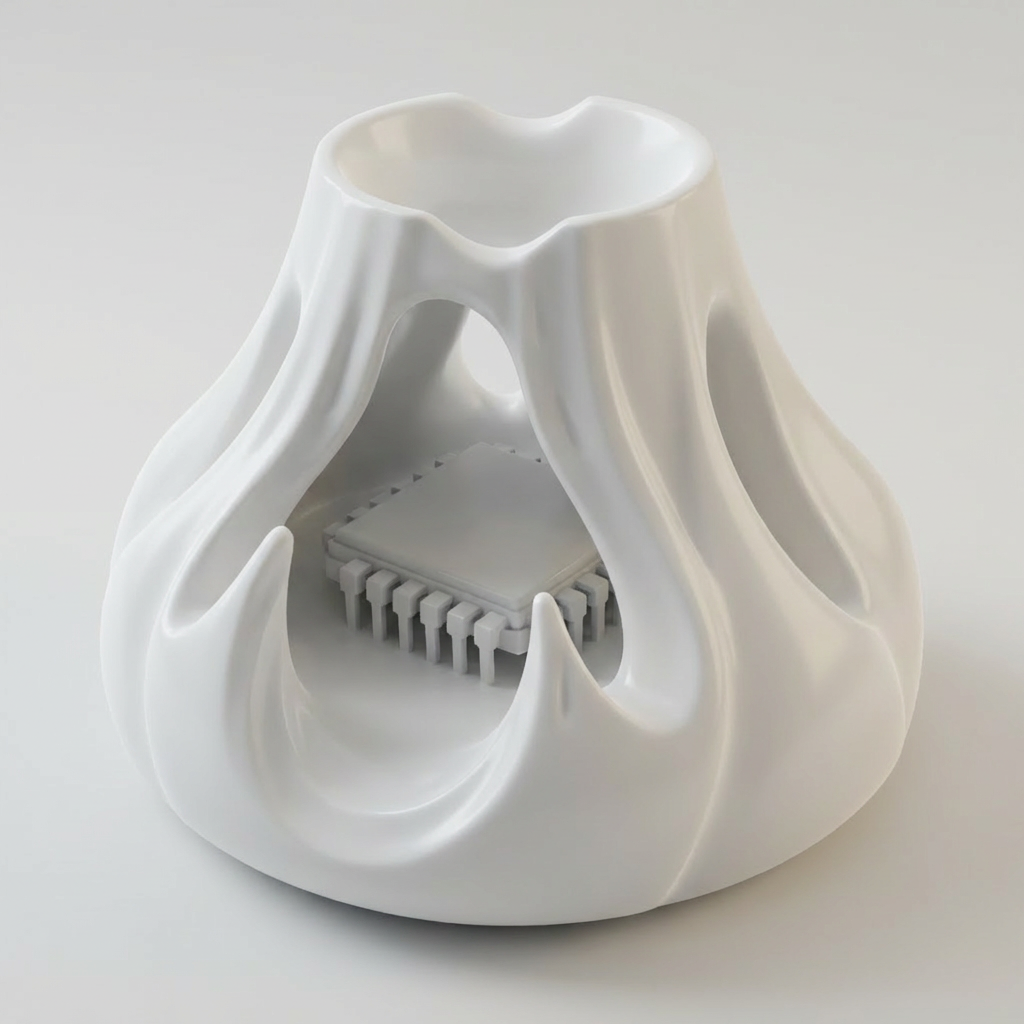
terminal-prototype
-
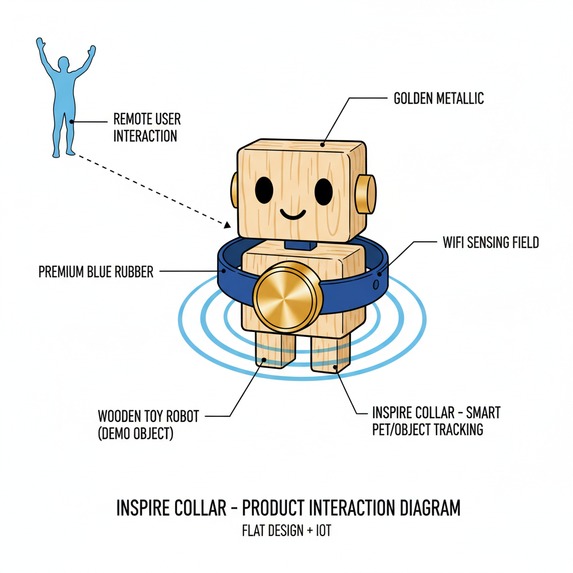
space-sensor
-

server-prototype
-
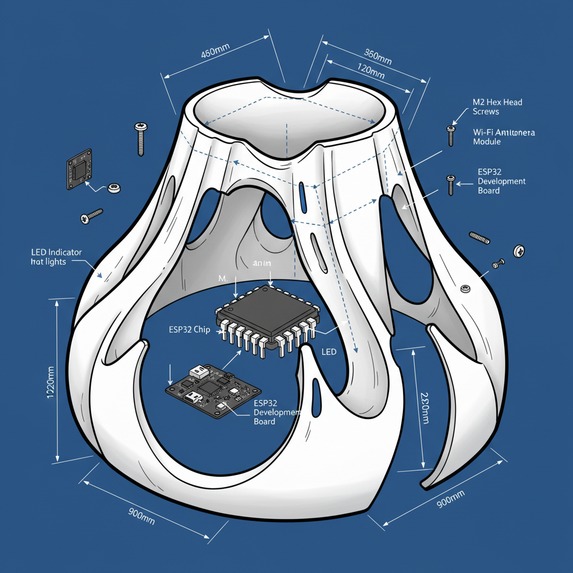
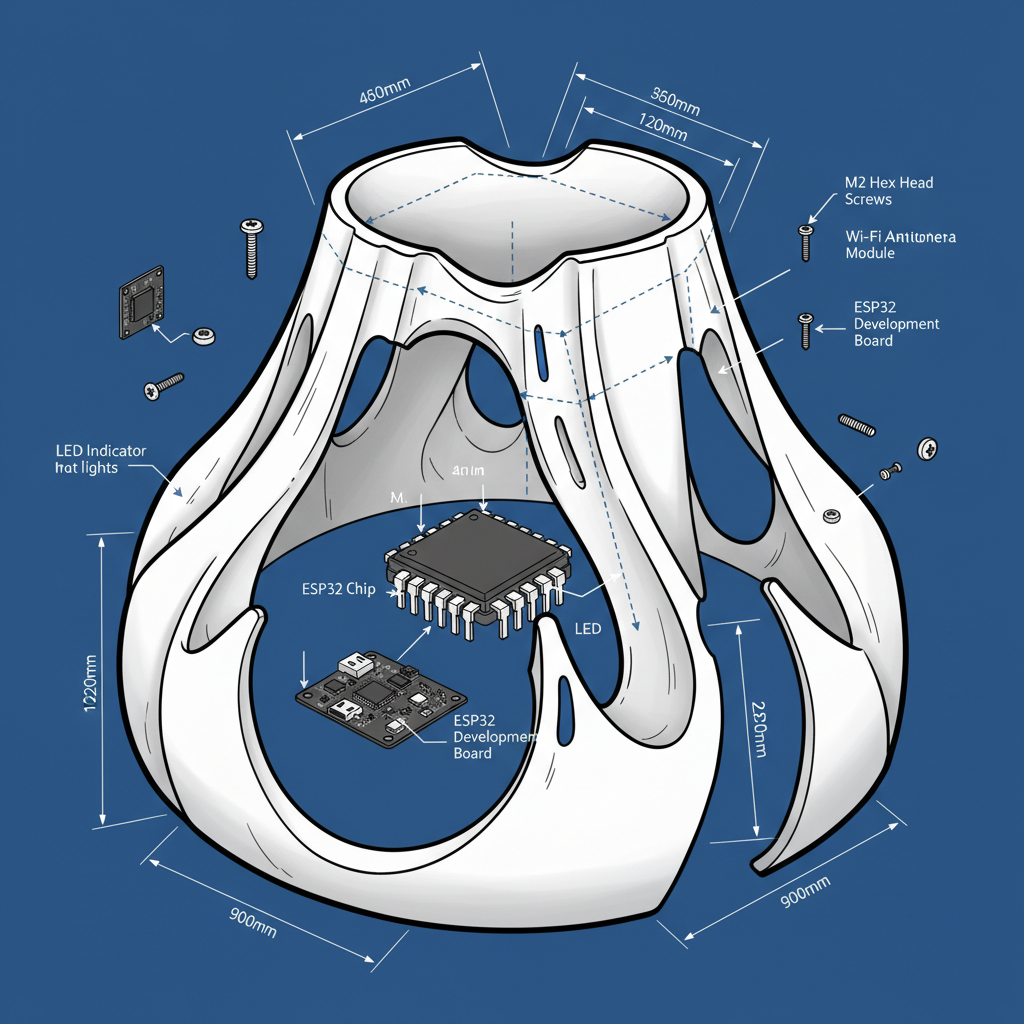
server-blueprint
-
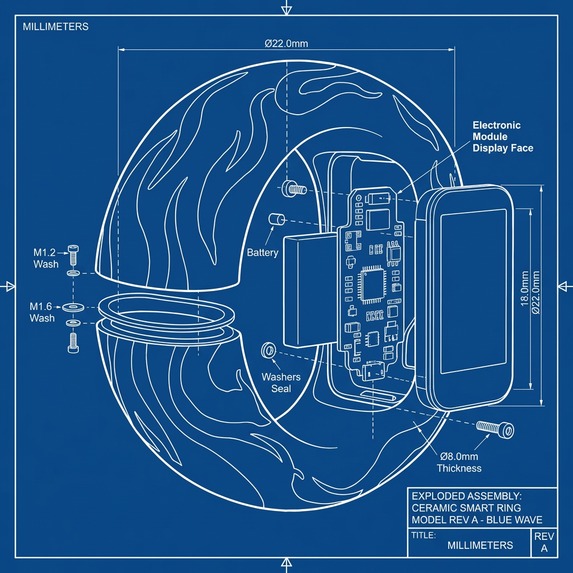
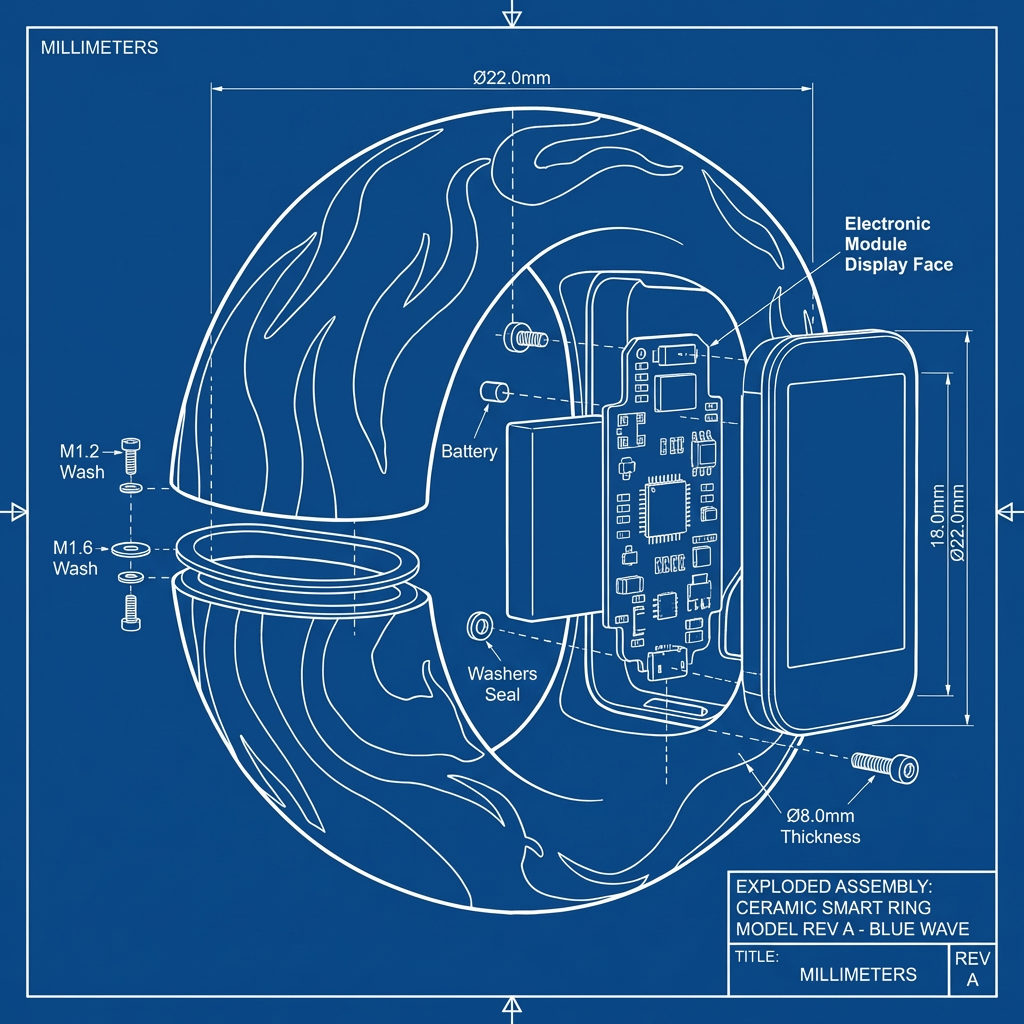
terminal-blueprint
-
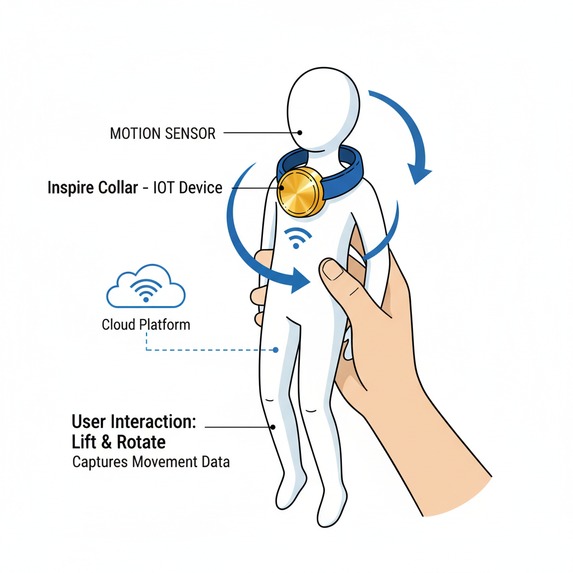
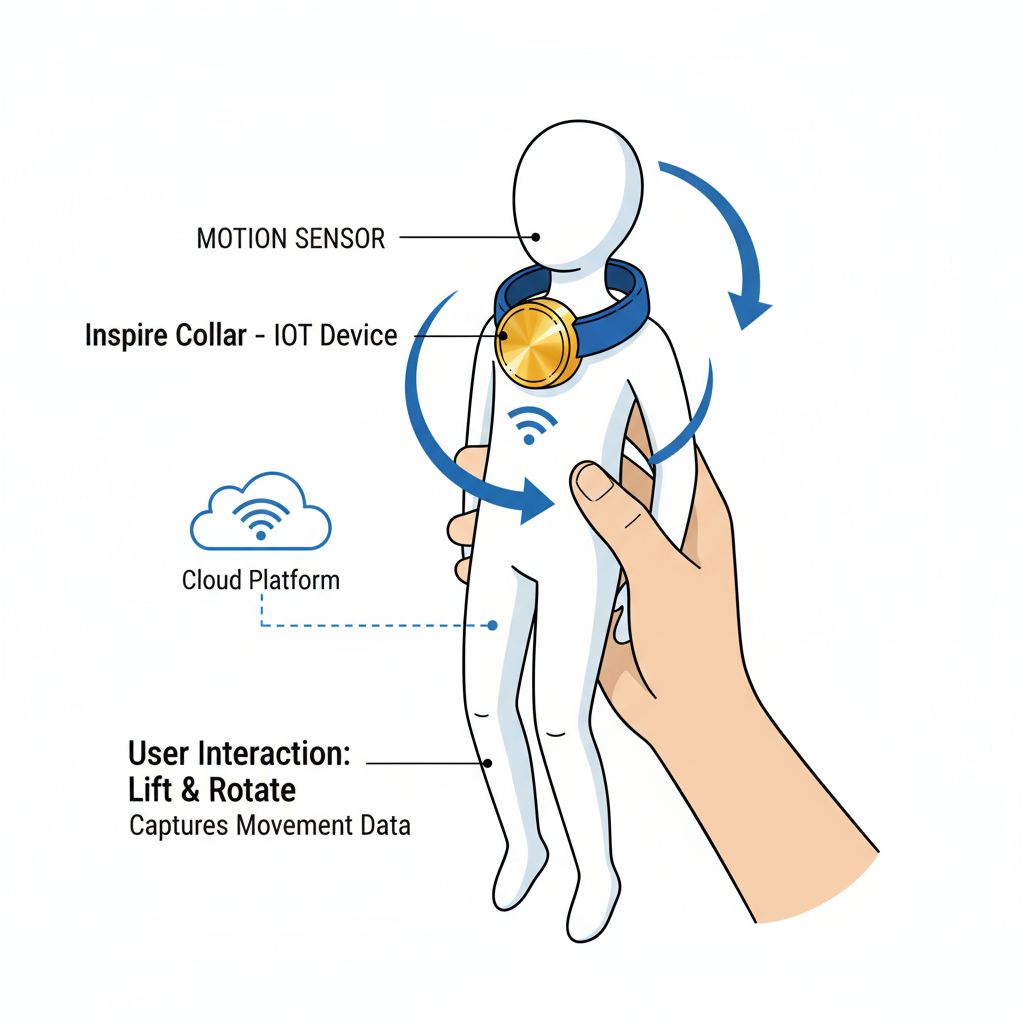
gesture-sensor-ability
-
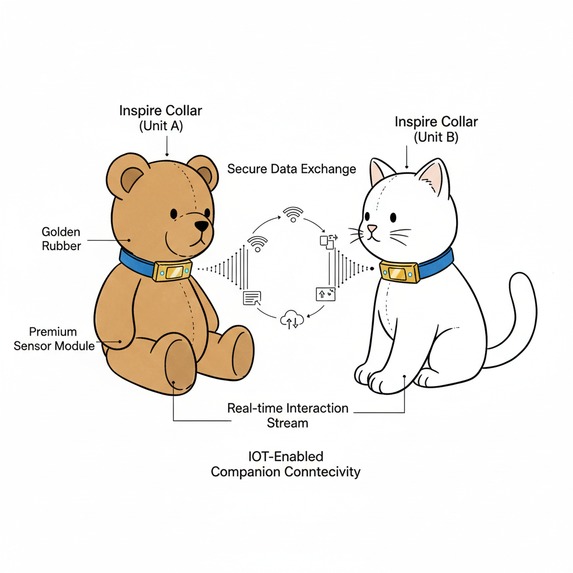
talk-between-terminals
-

lidar-model-upload
-
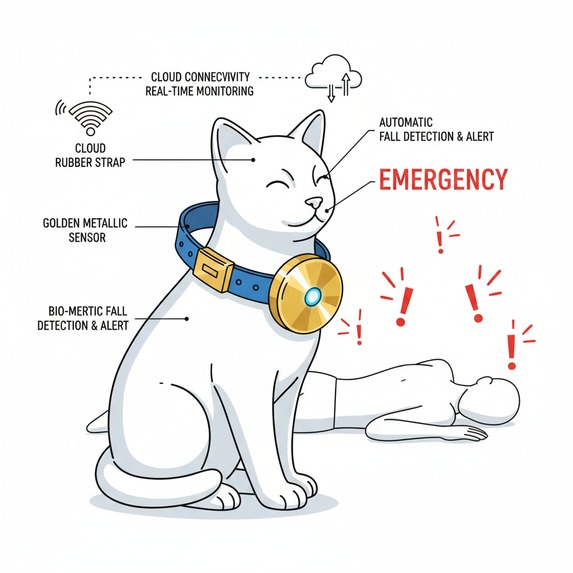
emergency-detection
RememberAnyMoment - The Inspire Realm
Inspiration
We live in a world filled with objects that hold sentimental value—a childhood teddy bear, a souvenir from a trip, or a gift from a loved one. But these objects are silent observers. We asked ourselves: What if we could give them a soul? The inspiration for InspireRealm comes from the desire to bridge the physical and digital worlds emotionally. We wanted to move beyond cold smart home commands and create an "Internet of Souls"—an AIoT solution that allows physical objects to perceive their environment, remember interactions, and actively converse with humans. We envisioned a world where your environment isn't just "smart," but empathetic and alive.
What it does
InspireRealm is an AIoT solution that transforms ordinary physical objects into intelligent, interactive companions with unique personalities.
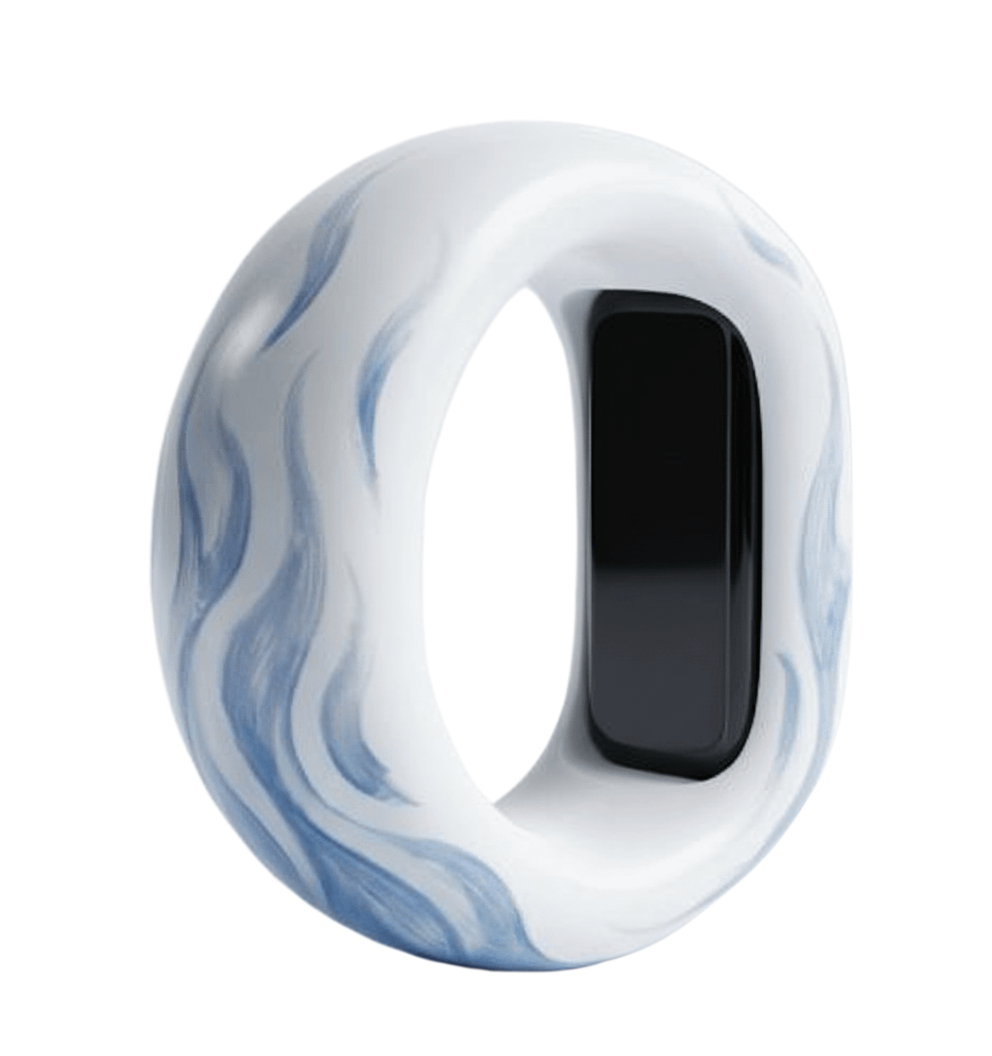
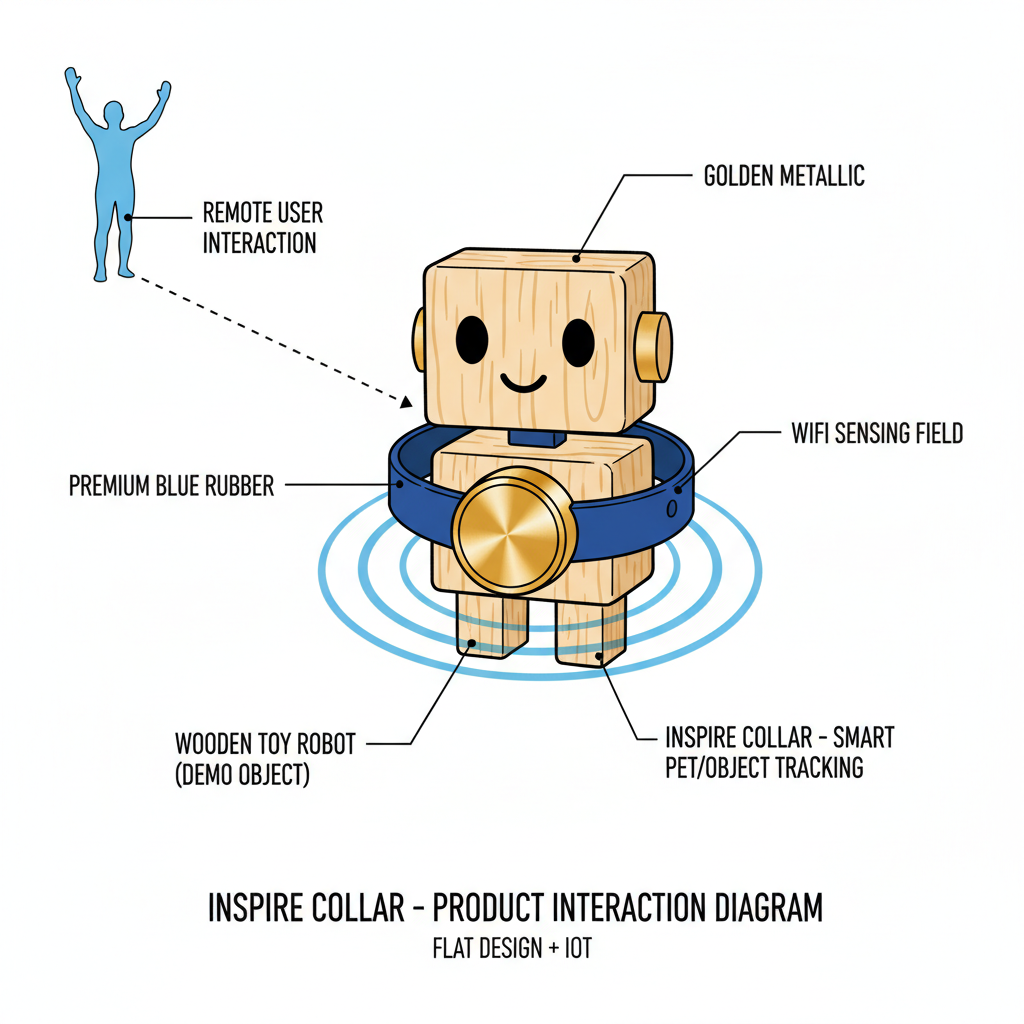
- Gives Objects a Voice & Memory: By attaching the Inspire Collar (a smart wearable for objects), any item—from a plush toy to a potted plant—gains the ability to speak and remember past interactions.
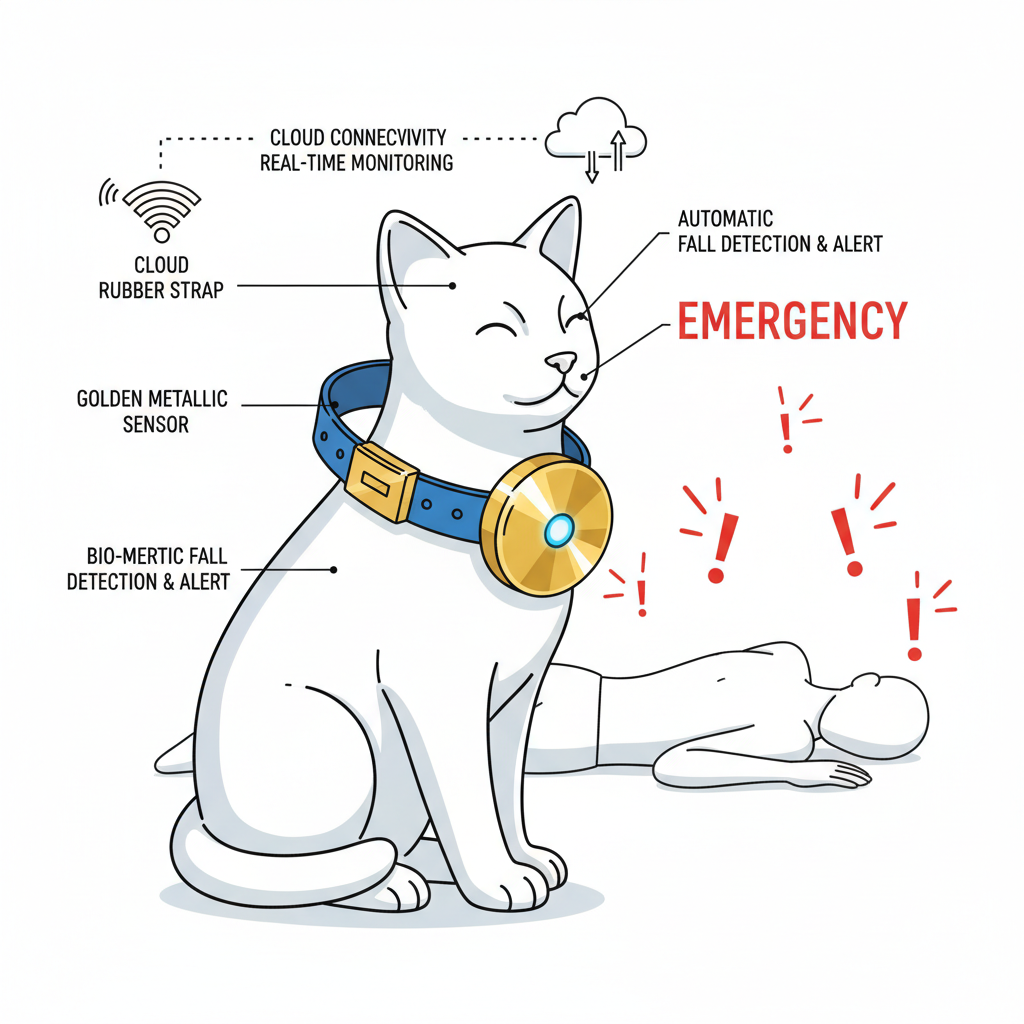
- Invisible Environmental Sensing: Unlike traditional cameras, the system uses Wi-Fi CSI (Channel State Information) to detect human presence, motion, and even falls without compromising privacy.
- Context-Aware Dialogue: The system doesn't just chat; it reacts. If you fall, it asks if you are okay. If you pick up a toy, it expresses joy. This is powered by real-time sensor fusion and Generative AI.
- Digital Twin & AR: Users can scan their room to create a digital twin. In this virtual space, the "soul" of the object and its wireless signals are visualized as a glowing "Aura" via AR interfaces. ## How we built it by Aistudio and Gemini 3 Pro The system is a "Hardware + Software + Service" architecture driven by the Google Gemini API.
- The Hardware (The Senses):
- We engineered the Inspire Collar and Repeater using ESP32 chips. The system monitors Wi-Fi signal fluctuations while integrated motion sensors (IMU) detect physical handling like lifting or rotating.
- The Brain (Google Gemini API):
- We feed structured environmental events (e.g., "User entered," "User fell") and local sensor data into Gemini.
- We use System Instructions to assign specific "personas" to objects (e.g., a grumpy cat or a wise old tree) based on a dedicated knowledge base.
- Context Caching: We leverage Gemini's large context window to maintain a "Long-term Memory" of user interactions, stored locally and synchronized to the cloud.
- The Interpretation (Signal Processing):
- Raw signal data is processed at the edge to classify human movements. This structured data becomes the "prompt" for the AI to generate a narrative response.
- The Interface:
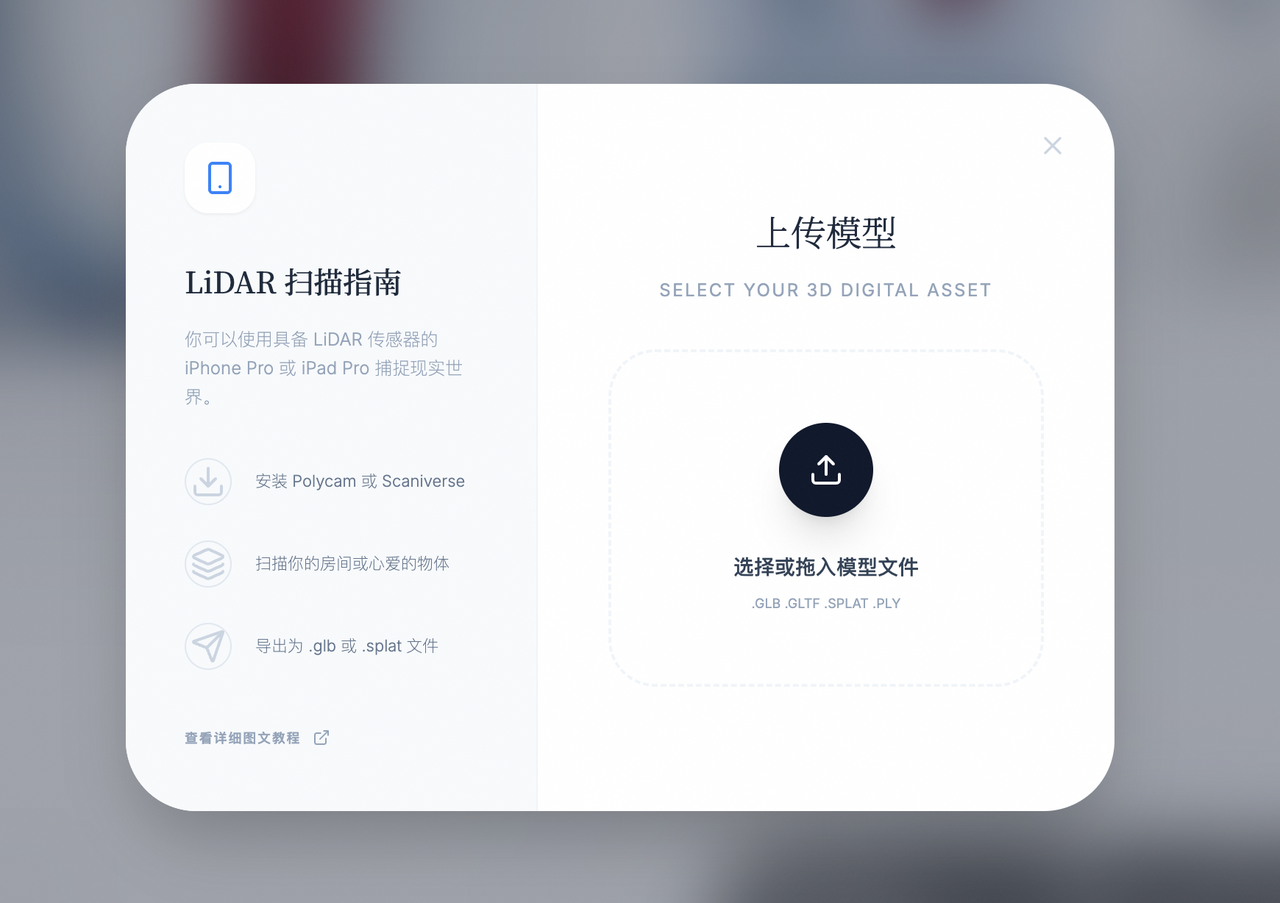
- A mobile/web app allows users to scan their room using LiDAR, upload the model, and manage the "memories" and shared world-views of their devices. ## Challenges we ran into
- Signal Noise vs. Subtle Motion: Wi-Fi data is incredibly noisy. Distinguishing between a person walking by and a person falling required fine-tuning our signal processing algorithms to ensure the AI didn't react to "ghosts."
- Latency in Conversation: To make the object feel "alive," the response time had to be near-instant. Orchestrating the flow from Sensor -> Cloud -> Gemini API -> TTS -> Audio Output was a massive optimization challenge.
- Consistent Personality: Early versions of the model would break character. We had to rigorously engineer the "World View" and "Individual Memory" databases to ensure a plush bear didn't suddenly start talking like a technical manual. ## Accomplishments that we're proud of
- Privacy-First Sensing: We achieved robust human activity detection using Wi-Fi signals alone, eliminating the need for invasive cameras in the home.
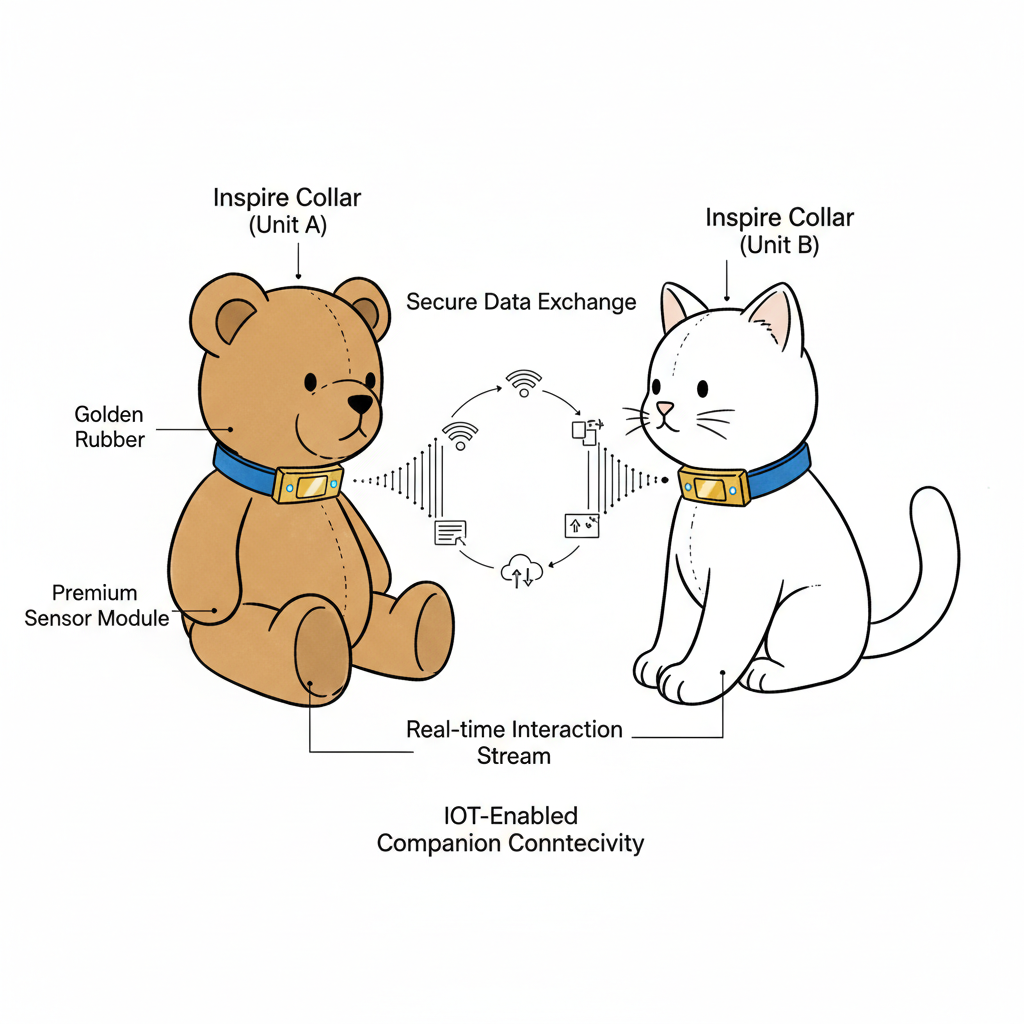
- The "Toy Story" Moment: We implemented Device-to-Device Communication. If you have two Inspire Collars, they can exchange memories and hold a conversation with each other while you watch, creating a truly immersive "living toy" ecosystem.
- The "Aura" Visualization: Successfully translating invisible Wi-Fi signal fluctuations into a beautiful, glowing visual effect in our AR interface, making the "invisible soul" of the object visible to the user. ## What we learned
- Multimodal is Key: Text alone isn't enough. Combining physical sensor data (touch, motion, RF signals) with an LLM's reasoning capabilities creates a far more convincing illusion of life.
- Emotional Utility: We learned that users care less about "smart" features and more about "emotional" features—feeling like someone (or something) is happy to see them when they come home. ## What's next for RememberAnyMoment - The Inspire Realm
- Gemini Pro Integration: We plan to upgrade to Gemini Pro to utilize its massive context window for storing years of "memories" without summarization loss.
- Pro Subscription Model: Launching the "Pro" tier which unlocks internet access for the objects (so your plant can tell you the real weather forecast) and expands memory capacity.
- Developer Ecosystem: Opening an API/SDK so third-party developers can create new "Personalities" and "Scripts" for the Inspire Collar.
- Hardware Miniaturization: Shrinking the ESP32 module to fit into even smaller form factors, like jewelry or clothing accessories.


Log in or sign up for Devpost to join the conversation.