

Inspiration
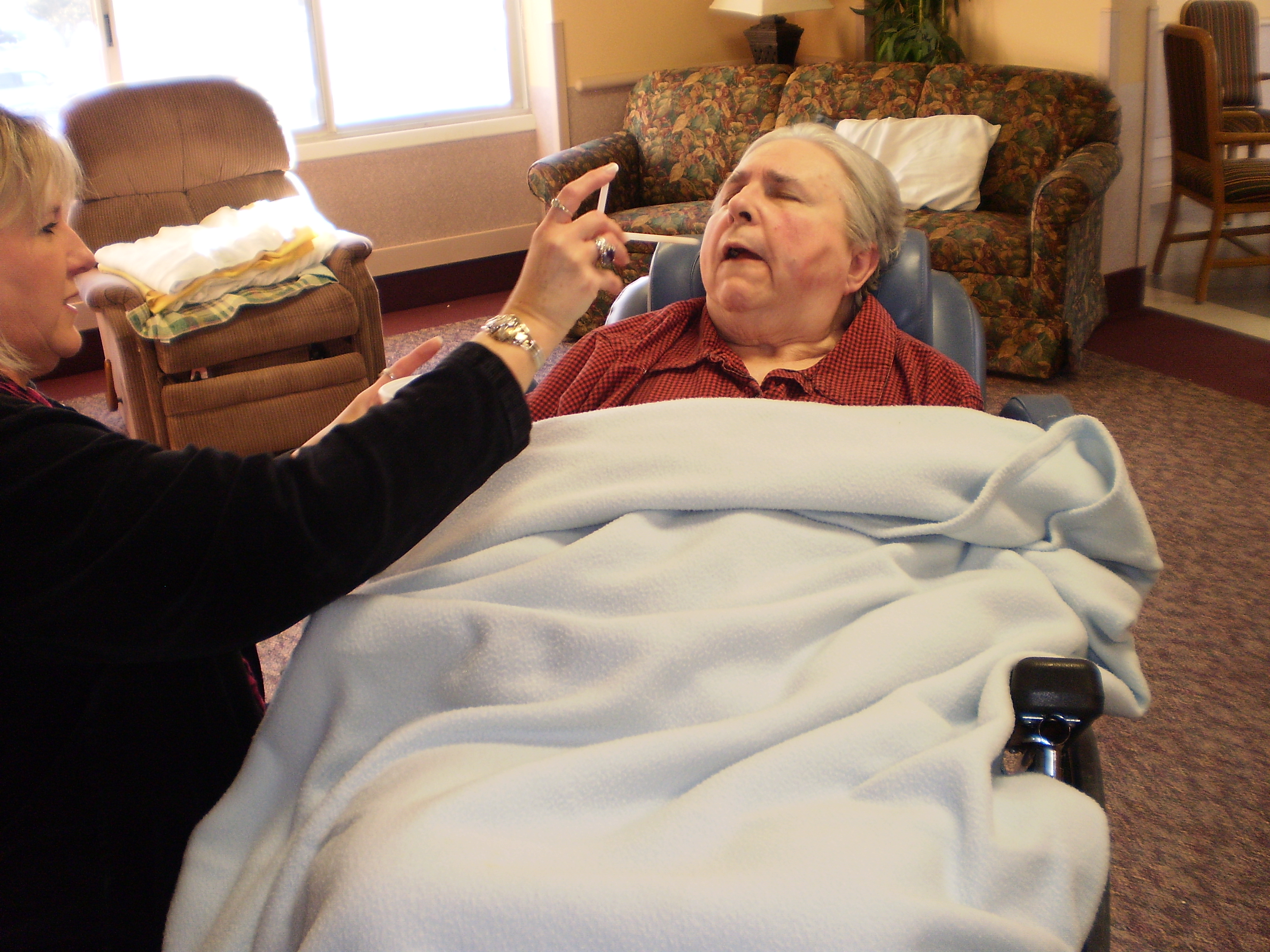
My grandmother was diagnosed with Alzheimer's disease three years ago. Watching her struggle with daily routines, forgetting medications, missing meals, and losing track of time, inspired me to create Remember Me. The heartbreaking reality is that 6.7 million Americans live with Alzheimer's, and 11 million unpaid caregivers face constant worry about their loved ones' safety and well-being. The inspiration came from a simple question: "What if technology could help families stay connected to their loved ones' care without being physically present?" I realized that existing solutions were either too complex for families or too expensive for widespread adoption. Remember Me bridges this gap by combining affordable Arduino sensors with AI-powered insights to create a comprehensive care monitoring system that gives families peace of mind while helping patients maintain their independence.
Sources: Alzheimer's Association, CDC, National Institute on Aging
Problem Statement
Alzheimer's disease affects 6.7 million Americans, with 11 million unpaid caregivers providing 15.3 billion hours of care annually. The critical challenges include: Routine Adherence Crisis: 50% of Alzheimer's patients miss medications, leading to accelerated cognitive decline Caregiver Burnout: 40% of caregivers report high emotional stress, with 60% working full-time jobs Safety Concerns: 60% of patients wander, and 50% experience falls due to missed routines Lack of Real-time Monitoring: Current solutions are reactive, not proactive High Healthcare Costs: Unmanaged care leads to $321 billion in annual healthcare costs
Sources: Alzheimer's Association, CDC, AARP, National Institute on Aging
Use Case 1 Medication nonadherence leading to hospitalization
Background: Older adults with dementia experience significantly higher difficulty managing medications, which is associated with increased hospital admissions for adverse events such as infection relapse and heart failure exacerbation.
Source: Journal of the American Geriatrics Society, 2024, systematic review on cognitive impairment and medication management difficulty.
Use Case 2 Nighttime wandering and injury risk
Background: Six in ten people living with dementia will wander at least once, and wandering events are associated with elevated risk of injury and mortality from falls and exposure, often requiring police activation and community alerts.
Source: Alzheimer’s Association, 2023, Facts and Figures national report on dementia behaviors and safety.
Use Case 3 Caregiver involvement improves adherence in polymedicated Alzheimer’s
Background: In community patients with Alzheimer’s disease taking multiple medications, active participation by a family caregiver in organizing and supervising daily dosing is linked to markedly better adherence and fewer medication‑related complications.
Source: Frontiers in Pharmacology, 2022, observational study of medication adherence in Alzheimer’s with caregiver participation.
What it does
Remember Me is an AI-powered care monitoring system that transforms how families care for Alzheimer's patients through intelligent routine tracking and real-time insights. Our system features smart routine monitoring where Arduino sensors track medication adherence, meal times, exercise, and daily activities through physical buttons and sensors that patients can easily interact with. The system uses real-time data streaming via WebSocket communication to provide instant updates from the Arduino hardware directly to our live dashboard interface.
The comprehensive dashboard displays patient status, cognitive trends, and routine completion rates in real-time, allowing caregivers to monitor multiple patients simultaneously through intuitive patient cards that show medication, exercise, and cognitive scores. Our Elegoo Arduino board provides physical interaction capabilities with buttons and sensors designed for easy use by elderly patients, while the responsive design works across devices so caregivers can monitor from anywhere.
The system includes detailed care event logging that tracks all care activities with timestamps and status updates, along with provider alerts that send real-time notifications when routines are completed or missed. By bridging physical patient interaction with digital care management, Remember Me allows families to monitor their loved ones' well-being while preserving patient independence through intuitive hardware interfaces.
How we built it
Remember Me combines Arduino hardware with a simple web-based dashboard to create a basic care monitoring system. Hardware Layer: Arduino Uno with basic sensors: Button for routine completion, PIR motion sensor, LED status indicator, and buzzer for alerts Serial communication: Simple text-based data transmission from Arduino to Python backend Simulated routines: Cycles through medication, exercise, meal, social, and cognitive activities Backend Infrastructure: Python Flask API: Basic REST endpoints for logging patient data and serving patient information WebSocket integration: Real-time communication using Flask-SocketIO for live dashboard updates File-based logging: Simple text file storage for patient routine data Mock data generation: Simulated patient data and care events for demonstration Frontend Dashboard: Static HTML/CSS/JavaScript: Modern responsive interface with Tailwind CSS styling WebSocket client: Live updates using Socket.IO for real-time data display Simulated data: Dummy data generation when backend is not connected Interactive UI: Patient cards, care events, and basic metrics display AI Integration (Stub Only): Gemini API stub: Placeholder code for future AI integration, currently uses fallback commentary No actual AI processing: All insights and commentary are generated from predefined templates API configuration stubs: Placeholder configuration for future healthcare data APIs Data Flow: Arduino sends simple text data via serial port (format: "PATIENT_ID,ROUTINE_TYPE,STATUS") Python backend receives data and logs to text file WebSocket broadcasts updates to frontend dashboard Frontend displays real-time updates with simulated AI insights Family members see basic routine completion status and alerts
Challenges we ran into
We fought flaky serial ports and PySerial permissions on macOS before reliable reads. SocketIO failed at first due to version and CORS mismatches, so we pinned versions and enabled CORS. File logging was simple but hard to query, and timestamps rendered out of order until we standardized on ISO 8601. Our dummy data also overlapped with live events until we gated it by connection state and trimmed heavy visuals to keep the dashboard smooth.
Accomplishments that we're proud of
We delivered a working end‑to‑end demo from Arduino example to Flask and a live SocketIO dashboard on port 5001. We standardized a simple JSON schema and realtime broadcast so the UI updates instantly without refresh, backed by a reliable append‑only log and a readable /api/data endpoint. We polished a responsive dashboard with clear patient cards and event feeds, fixed timestamp ordering by using ISO 8601, and stabilized setup on macOS by resolving serial port, CORS, and SocketIO version issues.
What we learned
We learned that Elegoo Arduino boards on macOS require complex port detection since the /dev/cu.usbmodem* path changes unpredictably between reboots, forcing us to implement a multi-port scanning system. PySerial permissions are notoriously tricky and we spent hours debugging access errors before implementing proper retry logic and timeout handling. The PIR motion sensor generates erratic false positives that required sophisticated debouncing algorithms and rate limiting to prevent alert spam. Serial communication proved fragile with our initial JSON approach, so we had to redesign the entire protocol to use simple comma-separated text that could survive partial reads and buffer overflows. WebSocket integration was a nightmare of version mismatches between Flask-SocketIO and the client library, requiring careful dependency pinning and extensive CORS configuration. We also discovered that file-based logging becomes a bottleneck under concurrent writes, forcing us to implement append-only strategies and line-delimited formats that could handle multiple simultaneous Arduino readers.
What's next for Remember Me
Long-term vision (6+ months):
Scale to support care facilities with multiple patients and professional caregiver dashboards
Partner with healthcare providers to integrate with electronic health records
Develop predictive analytics to identify cognitive decline patterns before they become critical
Create a community platform where families can share experiences and support each other
Expand beyond Alzheimer's to support other cognitive conditions like Parkinson's and dementia
Build partnerships with insurance companies to make the system more affordable for families
Develop international versions adapted for different healthcare systems and languages
Contribute anonymized data to Alzheimer's research to help advance treatment development
Position as a cost-effective alternative to expensive professional monitoring systems, making quality care accessible to middle-income families
Built With
- arduino
- css3
- flask
- flask-socketio
- geminiapi
- gsap
- html5
- javascript
- pyserial
- python
- requests
- tailwindcss
- three.js
- websockets


Log in or sign up for Devpost to join the conversation.