Remember It: Medication Adherence Robot
About the Project
Inspiration
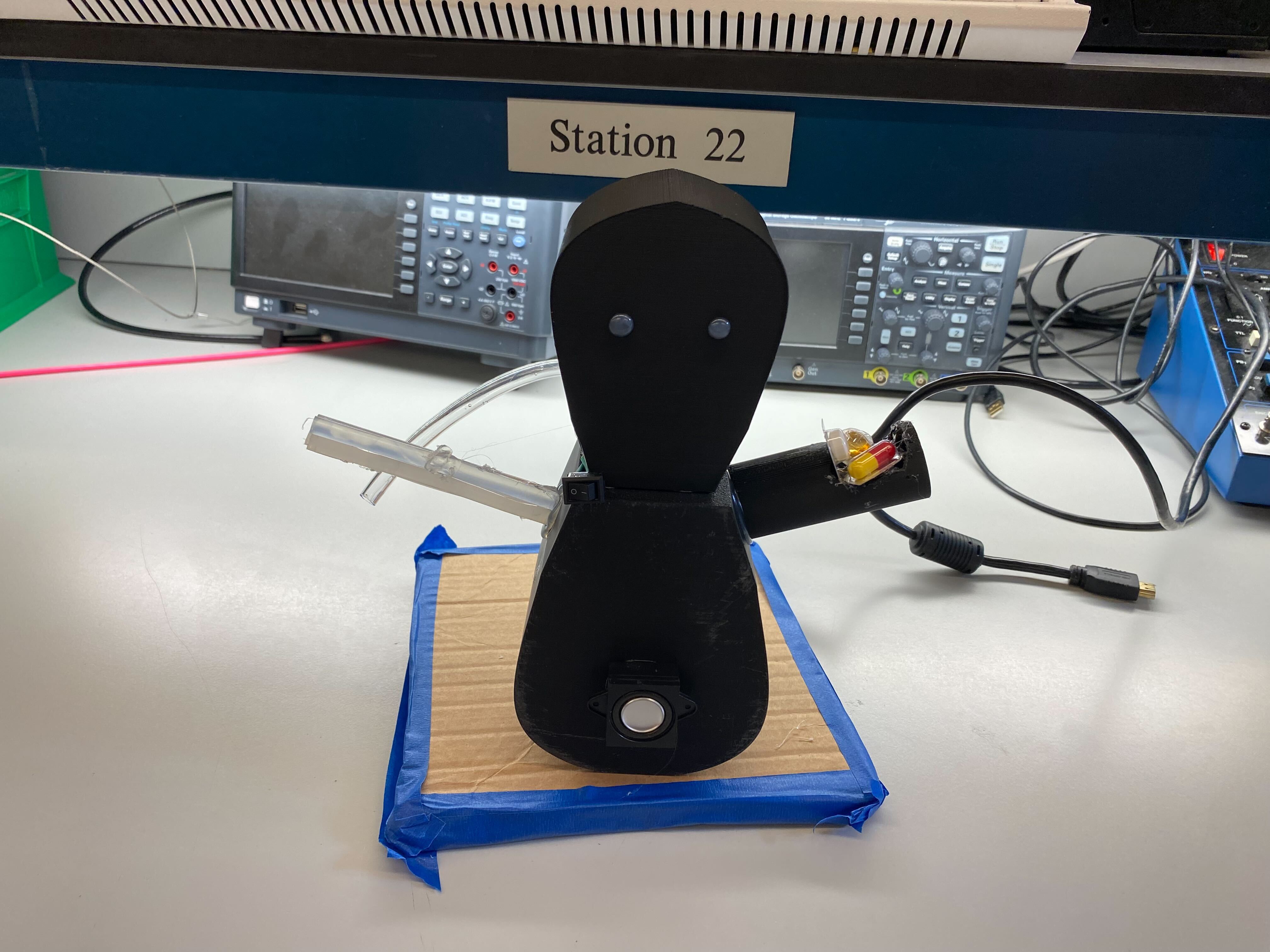
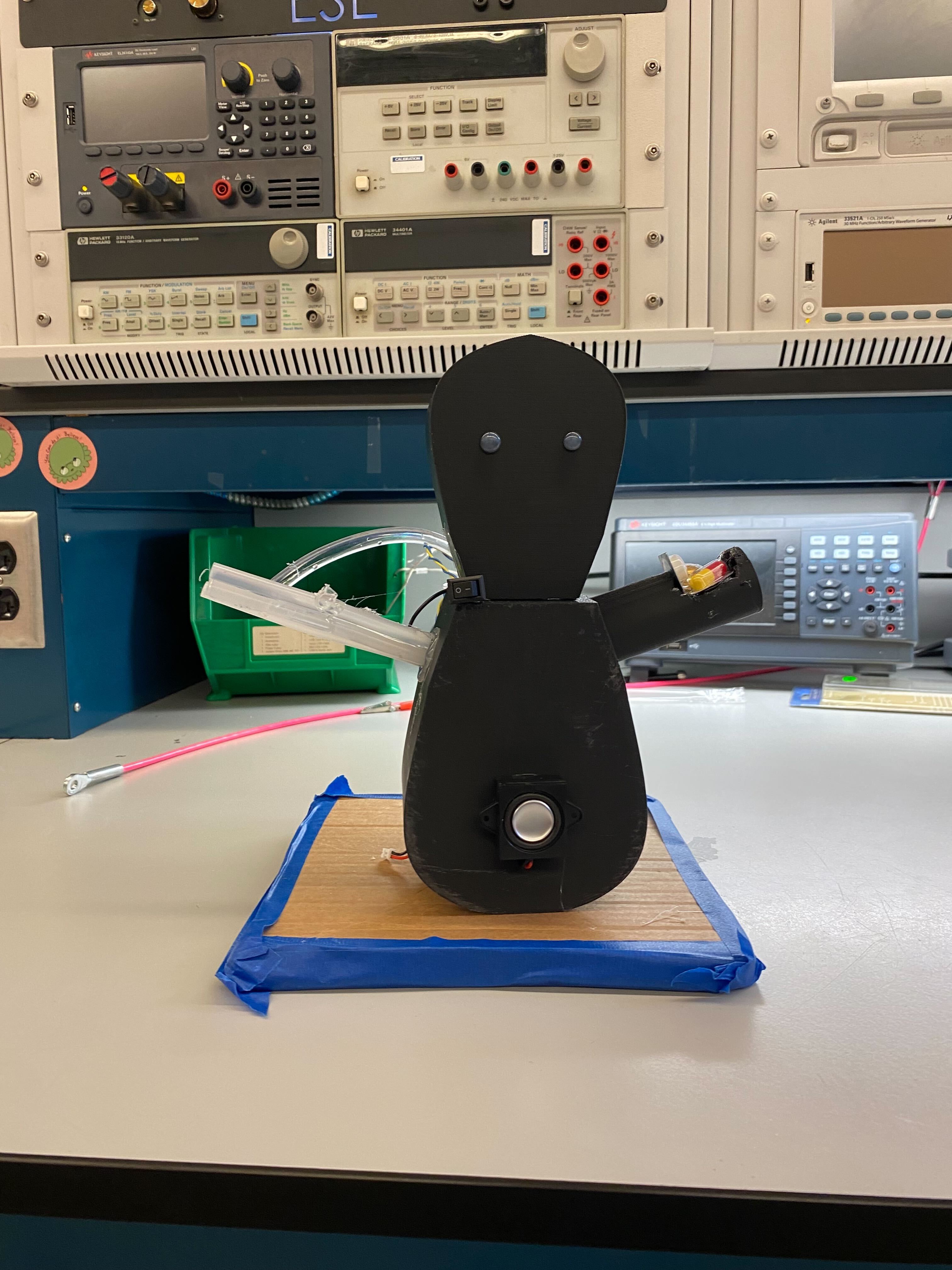
The idea for Remember It was born from a common issue faced by patients with chronic diseases—poor medication adherence. Studies show that more than half of patients do not take their prescribed medications as directed, leading to significant health complications and even death. As a team, we were motivated to tackle this problem by developing a simple yet effective solution to help patients remember their medication schedules. We envisioned a little robot assistant that would not only remind patients but also physically offer them their medication and a glass of water, making the process effortless and accessible.
What We Learned
Throughout this project, we learned a great deal about the complexities of medical adherence and the underlying causes of why so many patients fail to follow their prescribed regimens. Beyond the simple act of forgetting, factors like loneliness, mental health struggles, and the absence of social support networks play a huge role. We also deepened our understanding of robotics, user experience design, and how technology can be used to solve real-world health problems.
On the technical side, we expanded our knowledge in areas like hardware prototyping, sensors, and automation. We explored how to integrate hardware and software in a way that would be user-friendly for people of all ages, especially older adults who may not be familiar with advanced technology.
How We Built It
Remember It was designed as a small, friendly-looking robot with simple controls. Here's a breakdown of the key components:
- Hardware: We used an ESP32 microcontroller for its Wi-Fi capabilities, allowing us to send reminders at precise times based on the patient's prescription schedule. The robot's body was 3D-printed and houses a mechanism to hold a small plate containing the medication and a compartment for water.
- Sensors: The robot is equipped with proximity and weight sensors to ensure that the patient actually takes the medicine. It can detect whether the pill was removed from the plate and whether water was dispensed.
- Software: The scheduling system was built using Python, allowing us to send reminders and track medication adherence over time. We integrated text-to-speech capabilities, so the robot verbally reminds patients of their medicine doses, providing a sense of companionship.
- User Interface: We kept the UI simple and intuitive. The patient can interact with the robot through a touch interface or via voice commands, making it accessible even for those with limited mobility.
Challenges We Faced
One of the biggest challenges we encountered was designing a system that is both robust and simple to use. We had to balance the technical complexity of the robot with the need for an intuitive user experience. Another challenge was building a reliable reminder system that accounted for real-world variables, such as patients who might ignore or delay their medications. We also faced difficulties in ensuring the robot's sensors were precise enough to detect whether the medication had actually been taken.
Another technical hurdle was ensuring that the text-to-speech system worked seamlessly on the limited hardware of the ESP32, which required some creative workarounds, like generating audio through PWM on GPIO pins.
Despite these challenges, we persevered and learned how to iterate on our designs quickly, testing each new feature and refining it to improve the overall experience.
Conclusion
Remember It was built with one primary goal in mind: to help patients manage their medication safely and effectively. Through this project, we gained valuable insights into both the technical and human aspects of healthcare technology. We believe that our little robot assistant has the potential to make a significant impact on patients’ lives by improving their adherence to prescribed treatments and giving them a sense of support—especially for those who may feel isolated or lonely.
Built With
- firebase
- python
- raspberry-pi
- react
- reactnative

Log in or sign up for Devpost to join the conversation.