Remember: Project Submission Details
Inspiration
Millions of families watch their loved ones slip away to dementia, losing the core stories that define them. We were inspired by Patient H.M. - the historical cornerstone of neuroscience who proved that deep emotional memories outlive progressive cognitive decline. We refused to let the present erase the past, using generative AI to build a digital bypass for memory loss that gives families a tools to spark real connection.
What it does
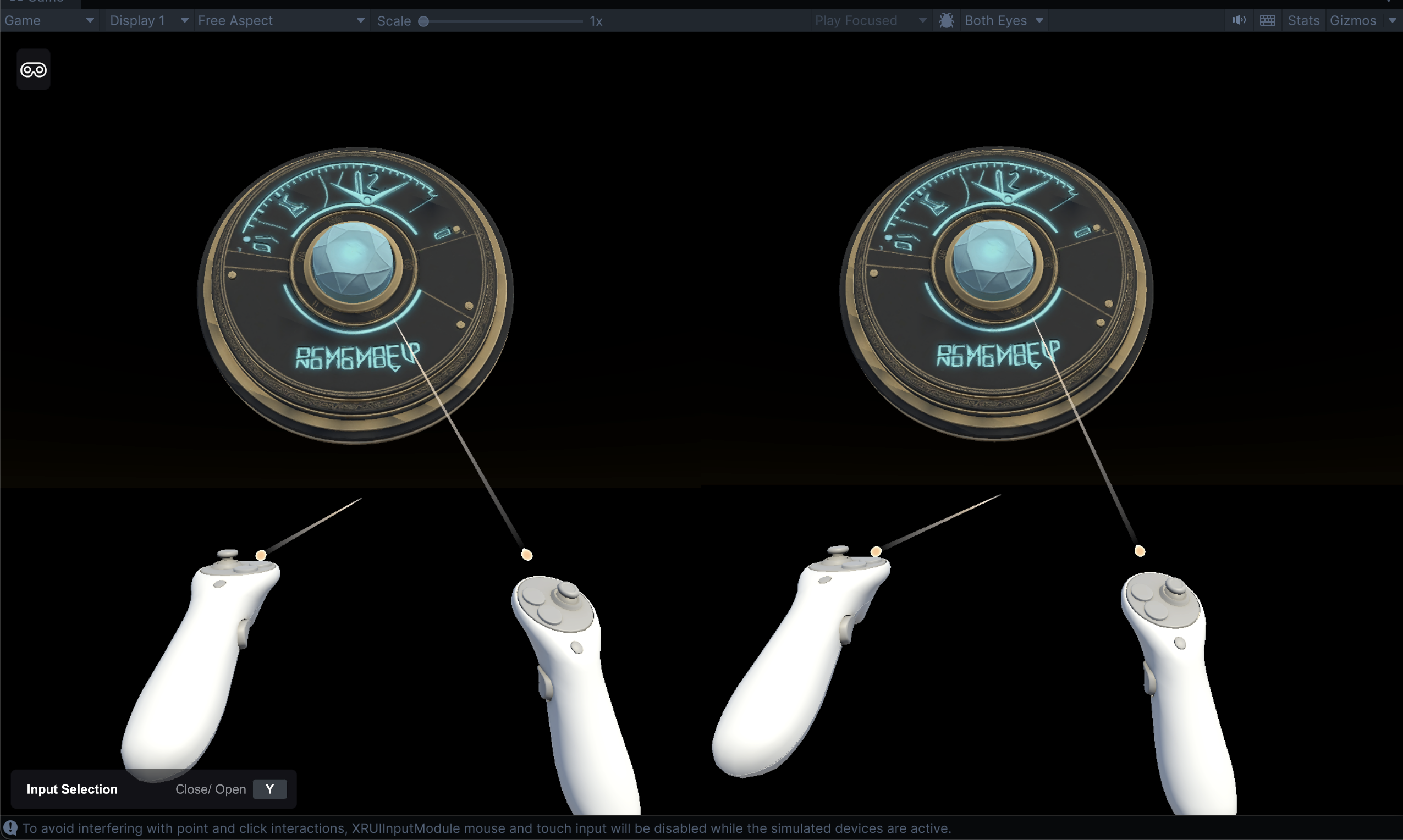
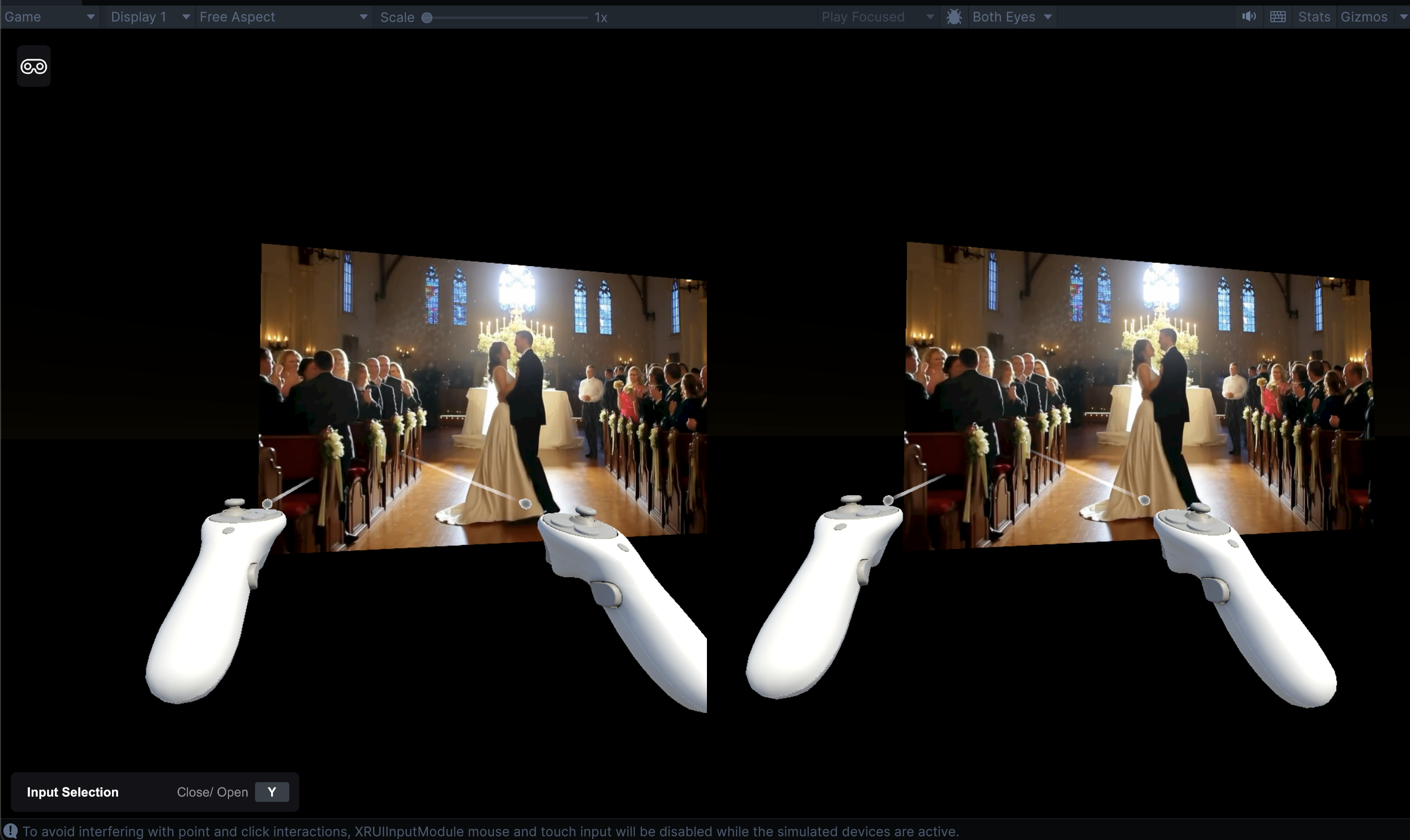
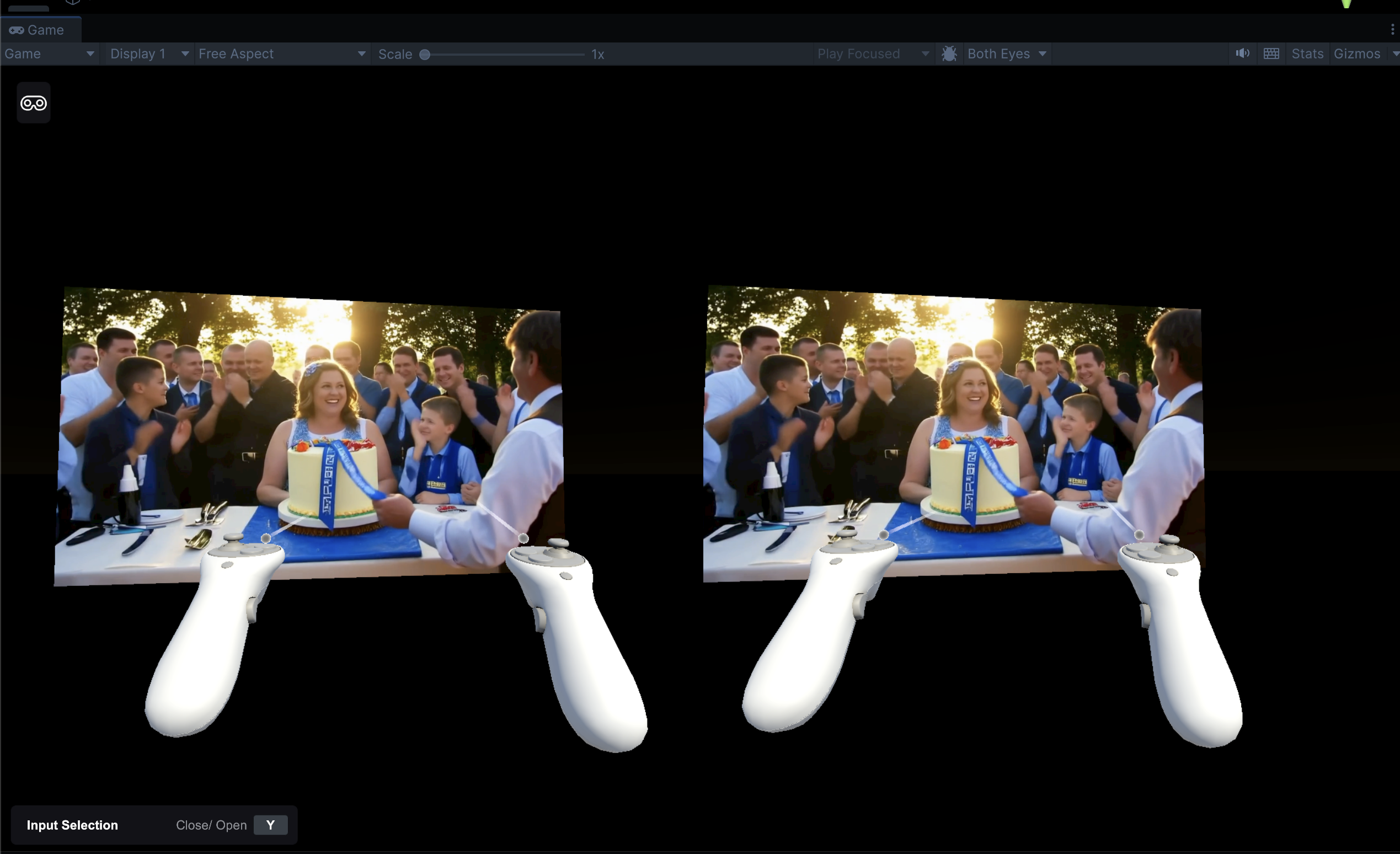
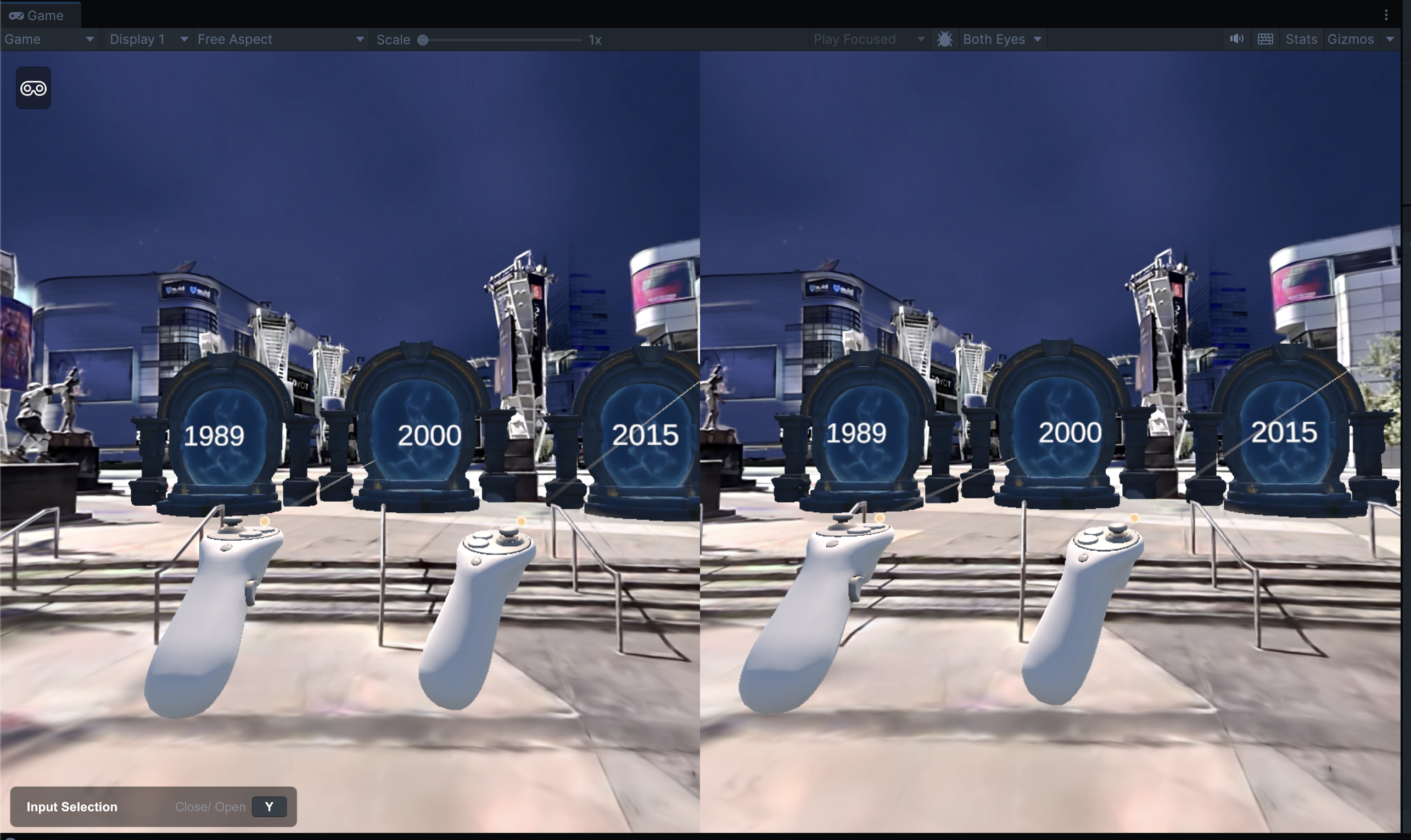
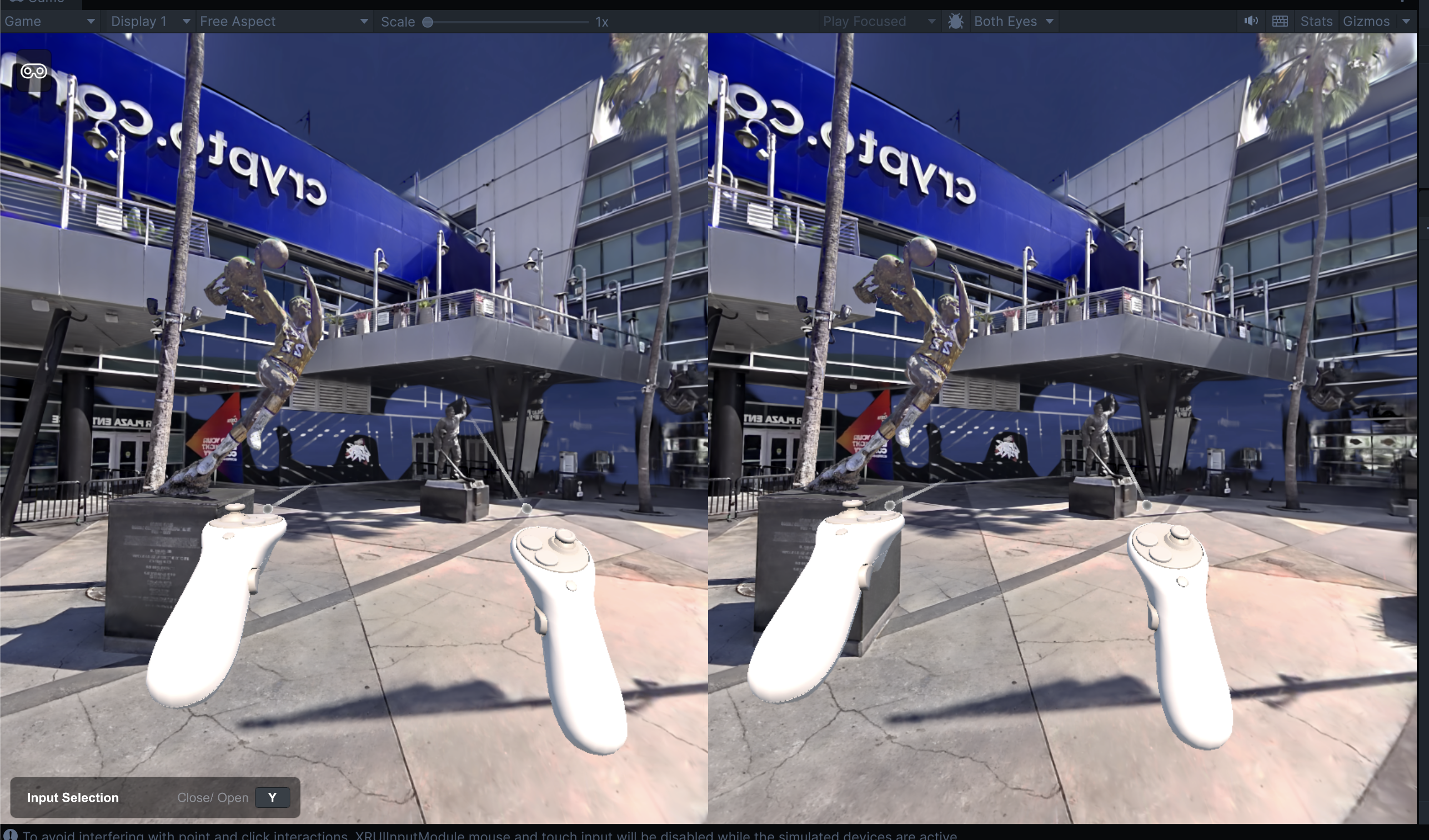
Remember turns flat family photos into living, interactive 3D VR worlds. Patients don't just watch static data; they step directly inside their own past milestones like a 1989 wedding day or a 2015 family picnic. Touching familiar personal objects and interacting with a responsive digital family dog lowers patient anxiety and wakes up dormant neural pathways.
How we built it
We engineered a seamless generative pipeline built inside the Unity engine and deployed it natively on Pico standalone VR headsets. The Reactor engine breathes life into static family images, turning them into fluid, multi-shot cinematic video memories. Concurrently, Tripo 3D instantly instantiates tactile assets to act as interactive memory portals, while XGrids volumetric scans ground the workspace layout in a comforting, real-world reality.
Challenges we ran into
Preventing the AI models from warping objects or hallucinating during scene transitions was a massive hurdle. We overcame this by engineering strict, step-by-step prompt flows that separated spatial framing from character actions. Additionally, we spent grueling hours optimizing heavy 3D environmental files and real-time video streams to run flawlessly on standalone mobile VR hardware.
Accomplishments that we're proud of
We walked into this hackathon as complete strangers and walked out with a fully functional cognitive reality loop that actually works. Flawlessly synchronizing neural video rendering, 3D asset generation, and real-time VR interaction while collaborating with people we barely knew was our greatest victory.
What we learned
We mastered the art of structuring prompt flows for strict spatial coherence and successfully bridged the gap between flat 2D media and immersive 3D environments. Crucially, we learned that technology hits its highest purpose when rooted in empathy—using generative AI to reconstruct authentic human legacies rather than just creating fiction.
What's next for Remember
We are pitching Remember as a scalable startup model for clinical medical environments and private family care. Our next milestone is launching clinical trials with neurological clinics to measure how hyper-personalized spaces reduce patient panic. Our ultimate goal is a subscription platform where families can seamlessly archive their legacies—mapping the past to heal the present.


Log in or sign up for Devpost to join the conversation.