-
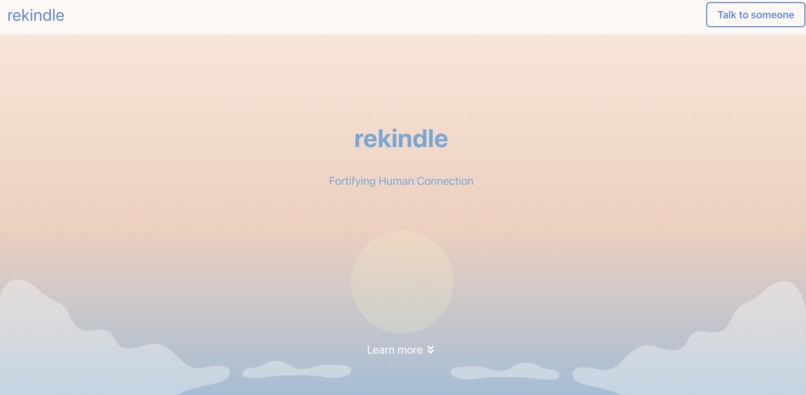
Home Page
-
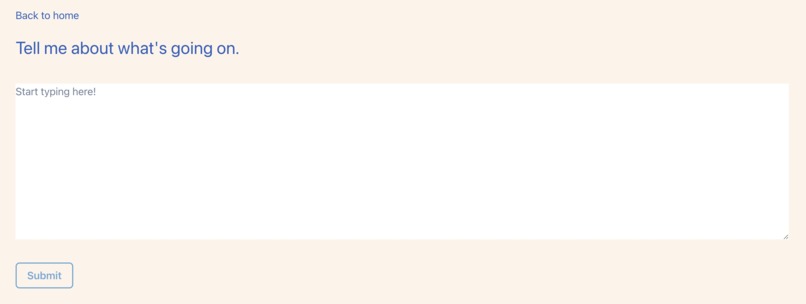
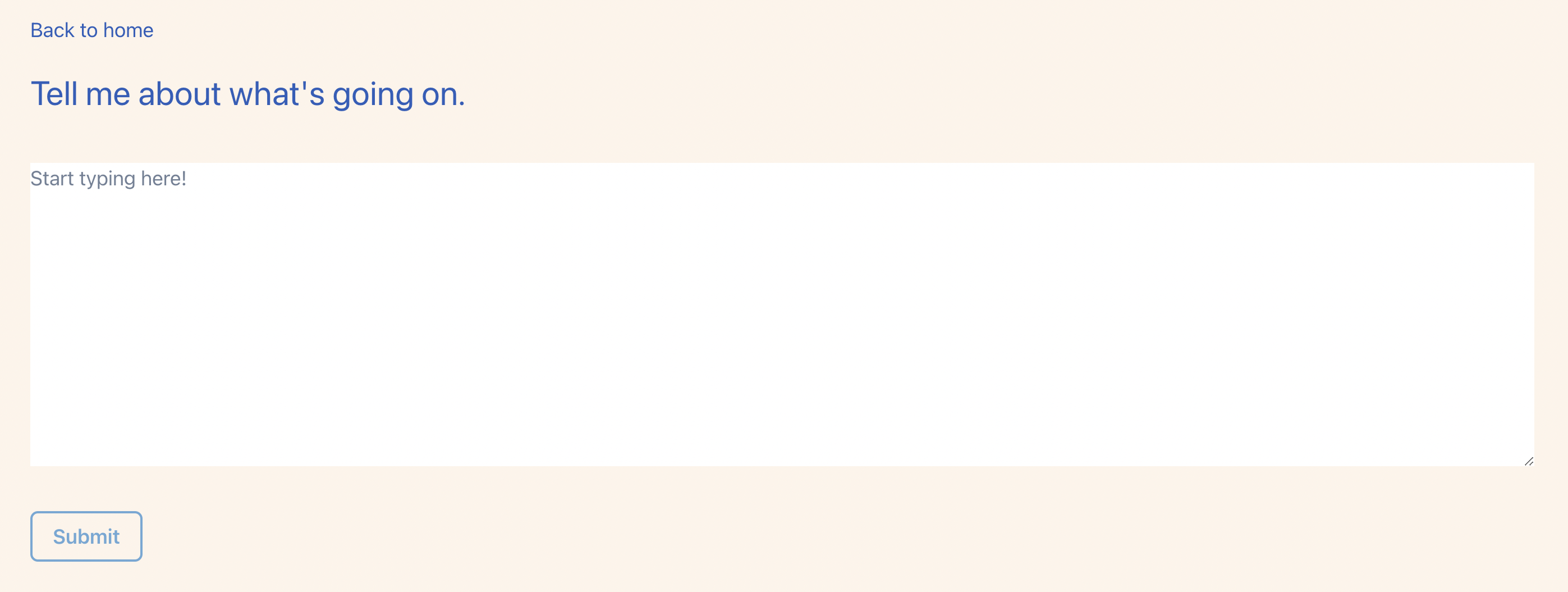
Caller Page
-
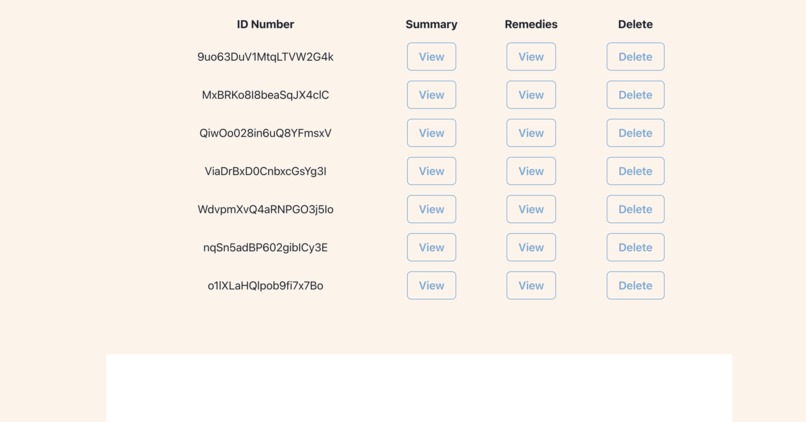
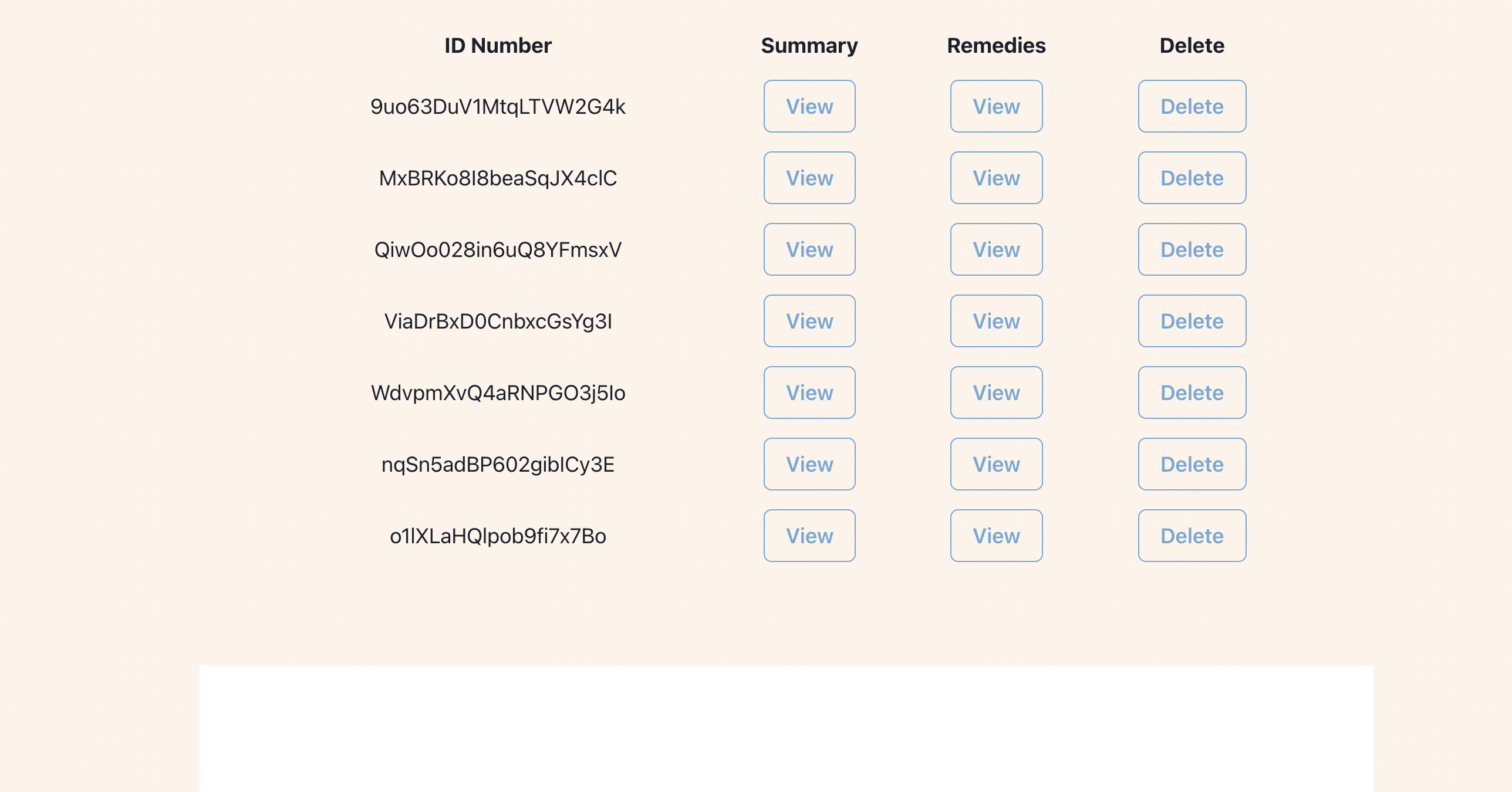
Admin Page
Inspiration
While volunteering at a crisis hotline, our friend observed high volumes of users left waiting for responders in need of mental health assistance. Often, wait times prevented users from receiving the help and resources required, leaving victims at risk of safety and further emotional distress. Exchanging help through hotlines is difficult for both users and agents, who are subject respectively to hours of neglect or overwhelming information about different scenarios. Seeking mental health should not come at a price -- we were motivated by the status quo of slow hotline service to create a web app that extracts critical information for admin, along with suggestions for their situation. rekindle was made to help people help people.
What it does
rekindle is an online mental health hotline service accessible to both users and hotline responders. users are encouraged to talk to trained personnel, first describing their situation to an input system; instantaneously, co:here natural language programming intelligence extracts needed information from the user circumstance and provides a summary. The summary of the alleged case is delivered to an open hotline worker/volunteer, who is informed with crucial facts and resources such as emergency phone numbers or counselling options for the user.
How we built it
rekindle was built from scratch using the main library React, which was integrated with co:here -- an NLP toolkit that facilitated machine learning for text summarization. Figma was used as the main design outline before coding was completed in HTML/CSS in React. Firebase was a database for user entries and response output.
Challenges we ran into
A considerable challenge that we encountered through the project was implementing co:here with the Firebase database; three-quarters of our team was unfamiliar with back-end development, and we required mutual support and encouragement along the way. Initializing the machine learning component of co:here was also a difficult portion of our journey, as we were forced to parse the playground into two presets before integrating it into the database. The first playground takes the text description by a user surrounding their situation and summarizes it into a succinct, yet accurate summary. The second playground uses the summary as an input and suggests possible treatments and/or responses to the hotline volunteer/worker.
Accomplishments that we're proud of
Hack the North challenged each and every one of our team to try new technologies and languages beyond the scope of past experience. Whether it be installing and utilizing React for the first time, making mistakes with repository downloads, or being confused in Firebase, each team member underwent their own frustrations and setbacks. We are proud of our continual resilience and ability to support each other, especially through carrying out individual responsibilities while always being open to lending a hand and volunteering for new roles.
What we learned
Our team gleaned valuable experience in project brainstorming, prototyping and critical problem solving. Through the strenuous parts of our journey, we often felt stuck over ideas in the beginning phase of rekindle; by reflecting on personal experiences and recalling past conversations from others, we were able to create a technology that is implemented for daily use.
What's next for rekindle
The technology and interface used for rekindle is boundless as long as its database of examples and entries continues to expand. We are confident that rekindle will largely reduce the amount of time dedicated to information extraction and conflict resolution involved in deescalating crisis situations. Future applications of rekindle technology for telehealth and remote human resource purposes can be applied fluidly with a similar model.


Log in or sign up for Devpost to join the conversation.