-
-
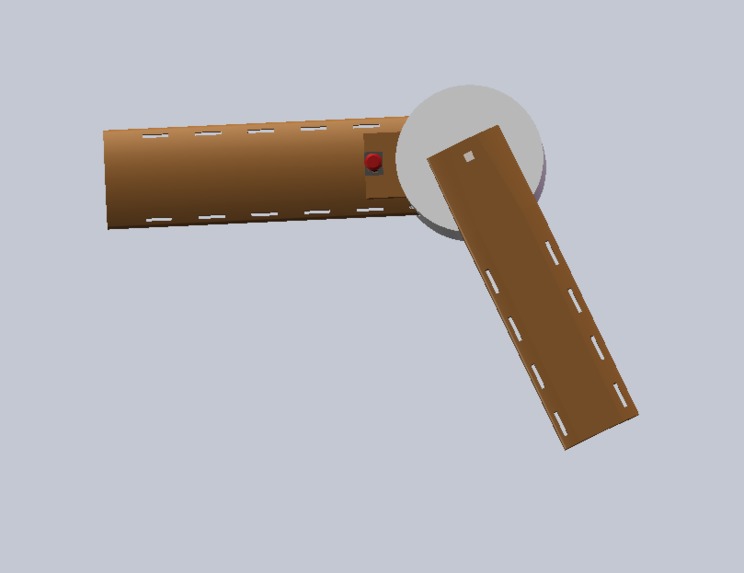
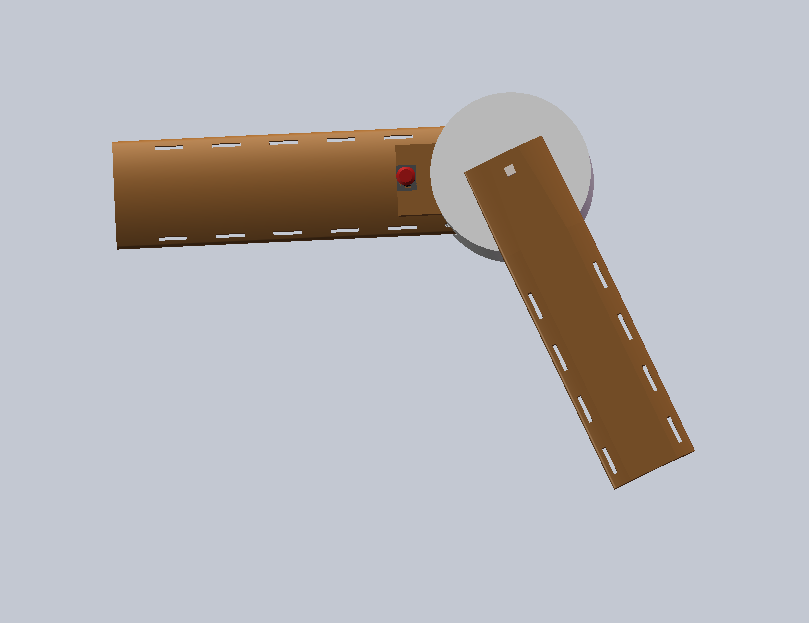
Image of prototype
-
-
-
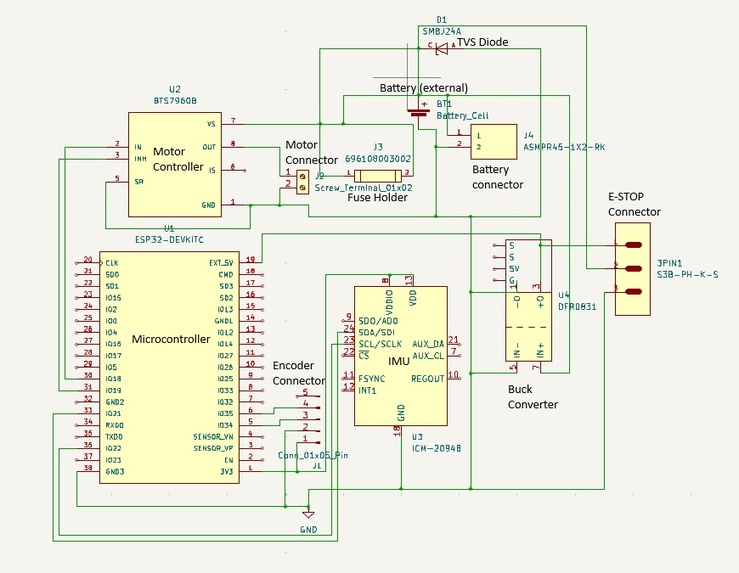
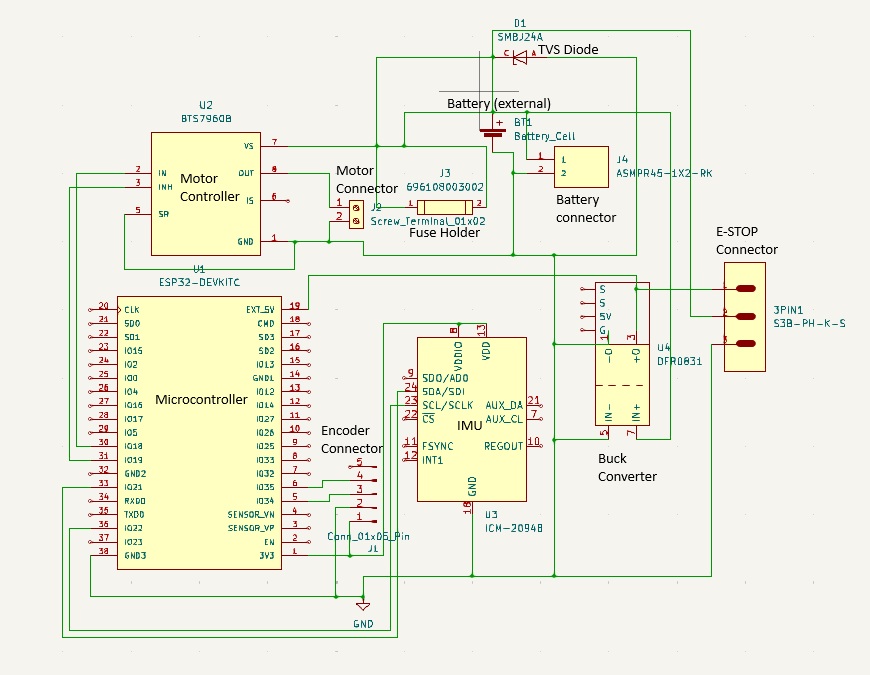
Labelled Circuit Schematic
Inspiration
Our inspiration for ReJoint came from a team member’s ACL injury. The long, difficult recovery process highlighted how inaccessible physical therapy can be—especially when sessions are far away, costly, or parents can’t take time off work. We wanted to create a solution that makes consistent, guided recovery possible at home, giving patients independence and peace of mind.
What it does
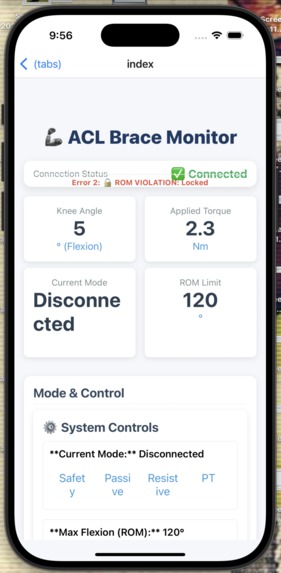
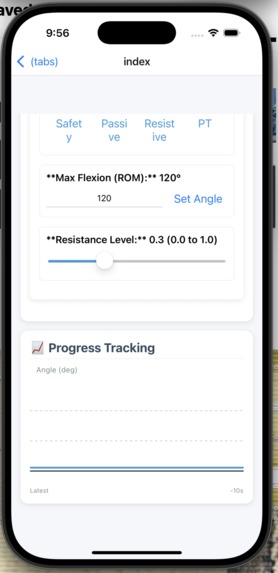
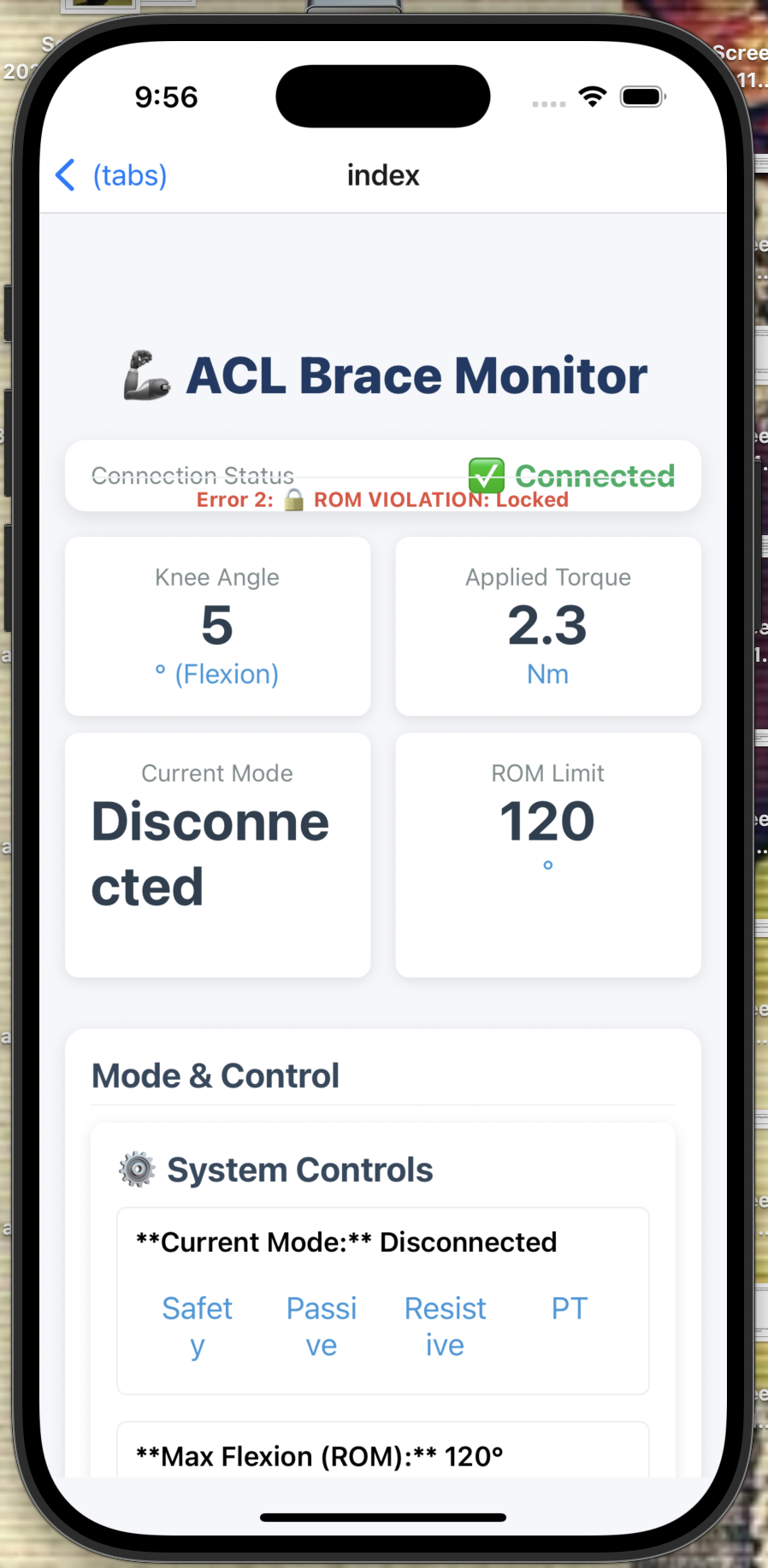
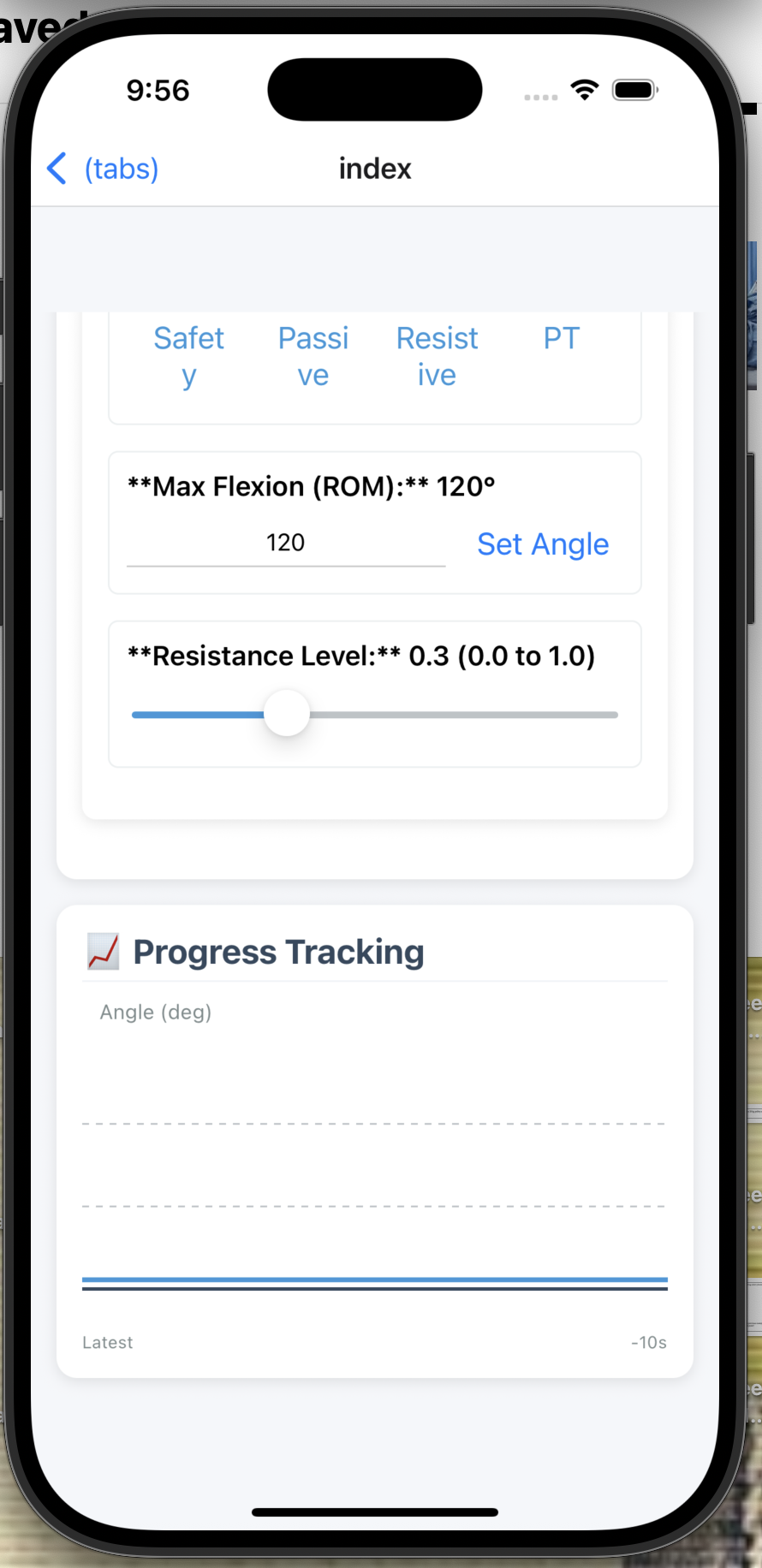
ReJoint is a smart, clip-on attachment for orthopedic braces that helps post-surgery patients regain mobility safely and effectively. It utilizes a motor (like an exoskeleton system) to restrict knee range of motion to set angles and either fully assists in knee flexion/extension or adds additional resistance. Both the range of motion and assistance/resistance at the knee are controlled via a smartphone app that provides real-time tracking of joint movement and sets safe angles and assistance/resistance values modulated via feedback from physical therapists. The result: personalized rehabilitation, anywhere.
How we built it
We combined hardware, software, and mechanical design to bring ReJoint to life:
SolidWorks – Designed the mechanical brace attachment and motorized locking mechanism.
KiCad – Created the PCB schematic for sensors, motor control, and Bluetooth communication.
Python – Parsed and processed sensor data for real-time motion tracking and adaptive resistance logic.
React Native – Built the mobile app for users and therapists to monitor recovery progress and adjust therapy plans.
Challenges we ran into
Like most hackathons, our biggest challenges were inexperience, time pressure, and lack of sleep. We struggled with SolidWorks gear configurations, limited prior research in adaptive orthopedic design, and finding a compact, safe mechanical form factor. We also had to balance our motor’s torque with brace comfort and portability—all while fighting SolidWorks crashes at 4 A.M.
Accomplishments that we're proud of
Successfully created a working mechanical and digital prototype within 36 hours.
Developed smooth animations and motion studies in SolidWorks that met design criteria.
Designed a functional PCB schematic for data collection and actuator control.
Most importantly, we stayed alive, caffeinated, and smiling through it all.
What we learned
We learned how to:
Use SolidWorks toolboxes to generate functional gears and understand how module values affect compatibility.
Integrate sensors and mechanical systems into a cohesive product.
Appreciate the complexity of exoskeleton design and its real-world rehabilitation applications.
Work collaboratively under extreme fatigue — and still deliver something meaningful.
What's next for Rejoint
ReJoint’s technology can extend far beyond ACL recovery. In the future, we plan to:
Adapt it for other orthopedic surgeries (spinal, hip, or elbow recovery).
Refine the feedback and safety mechanisms for clinical trials.
Integrate machine learning to personalize resistance profiles based on patient progress.
Continue improving accessibility, bringing professional-grade therapy to every home.
ReJoint: Smart motion. Safe recovery. Real independence.


Log in or sign up for Devpost to join the conversation.