-
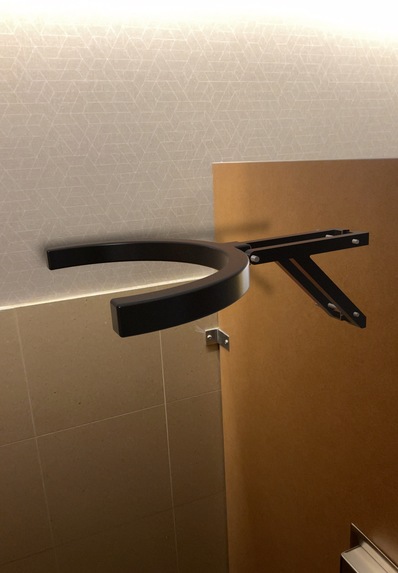
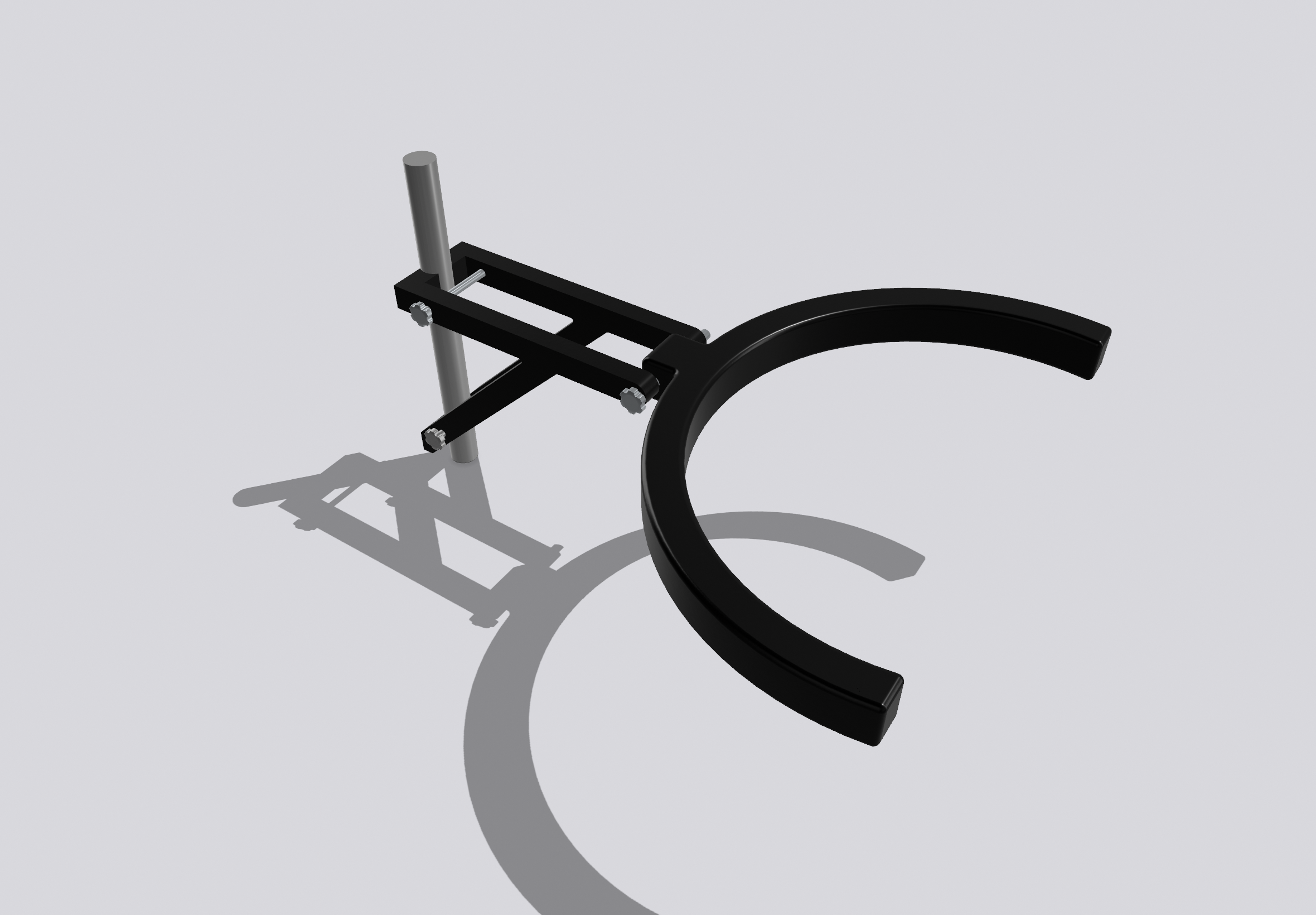
Render of final CAD
-
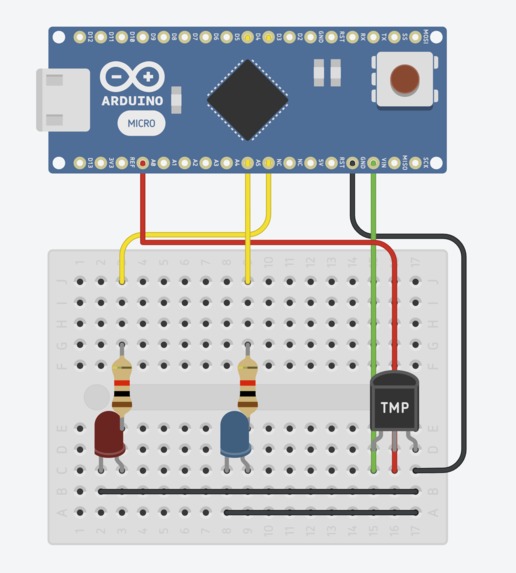
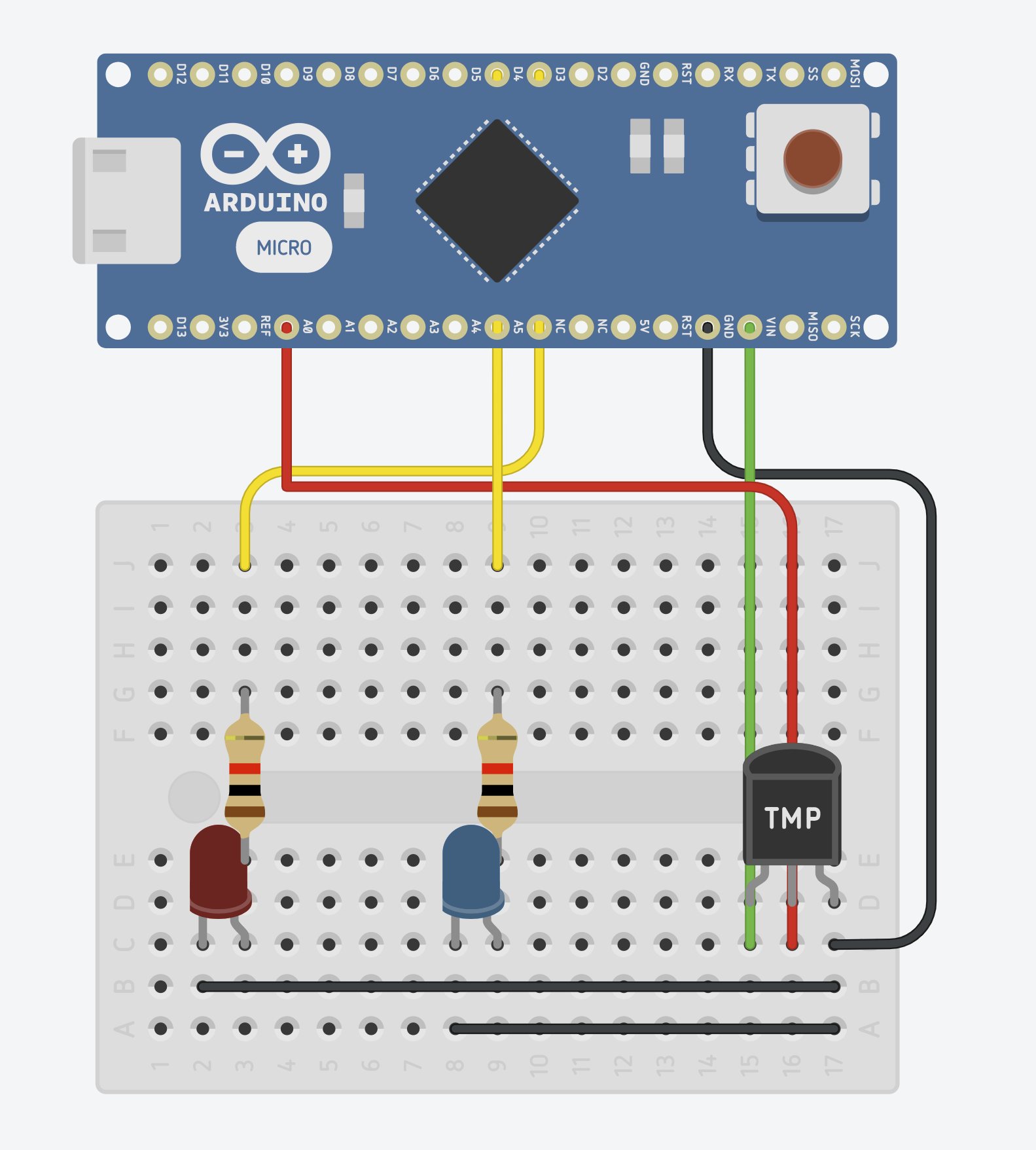
Control system circuit schematic of temperature sensor
-
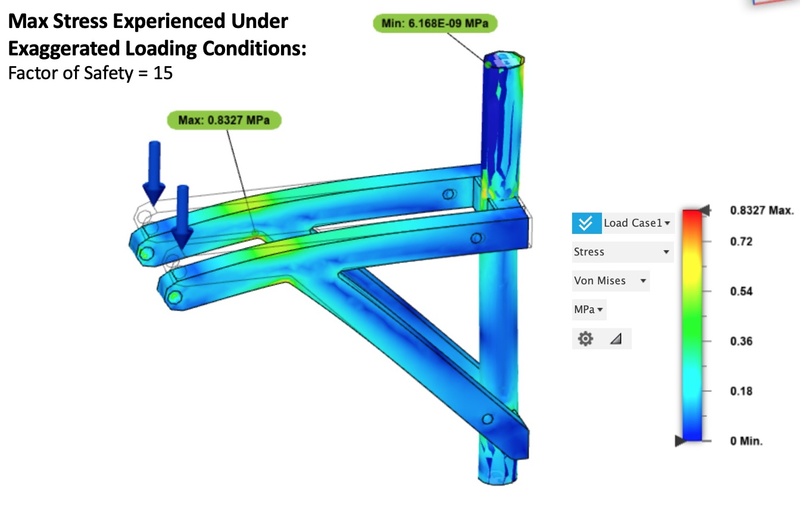
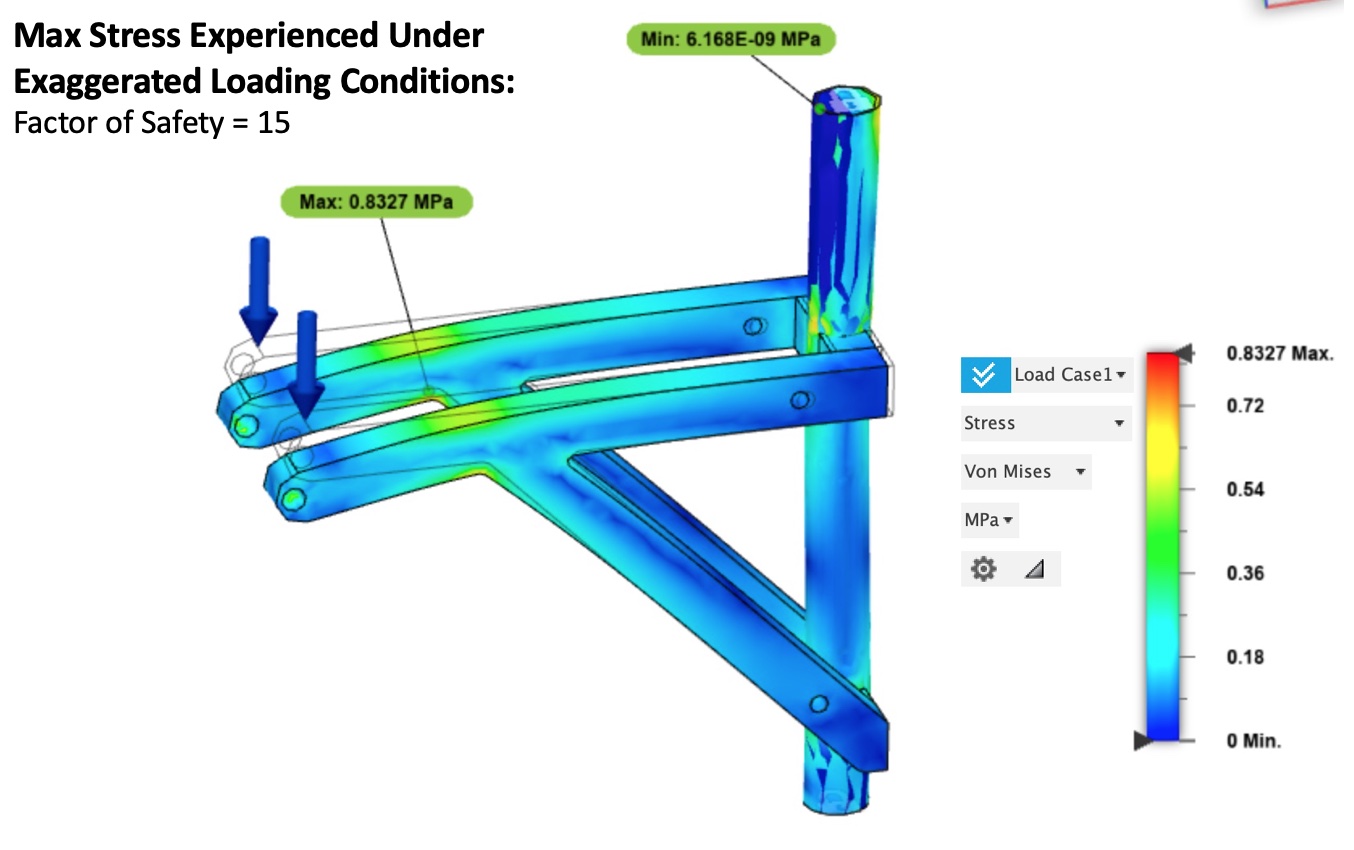
Maximum stress finite element analysis (FEA)
-
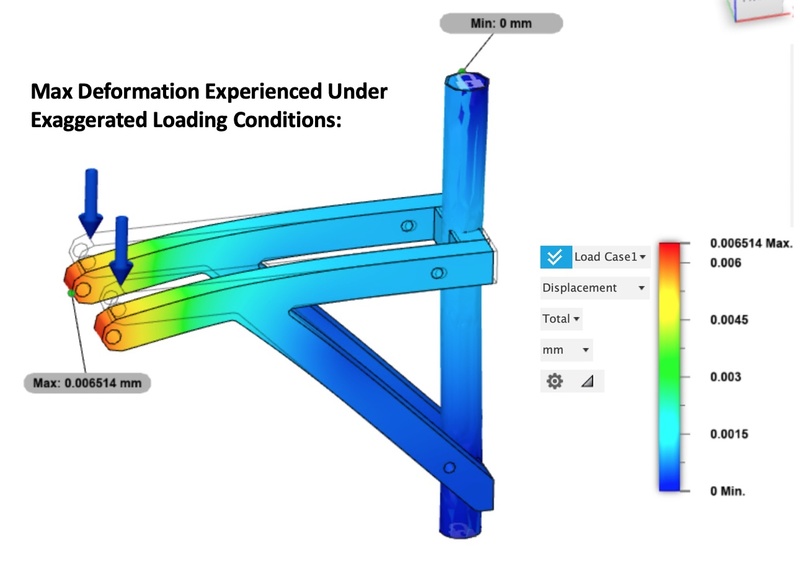
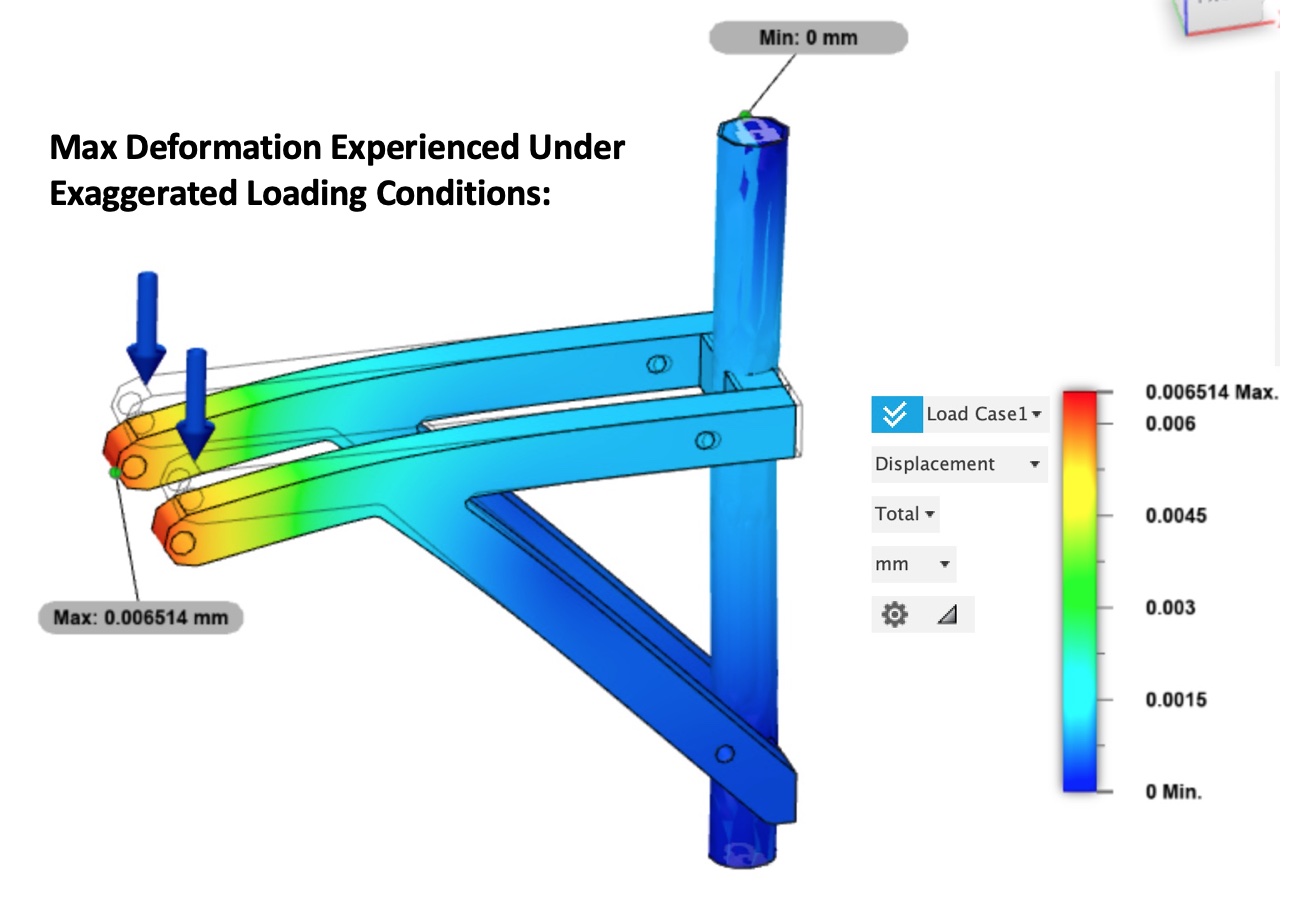
Maximum displacement finite element analysis (FEA)
-
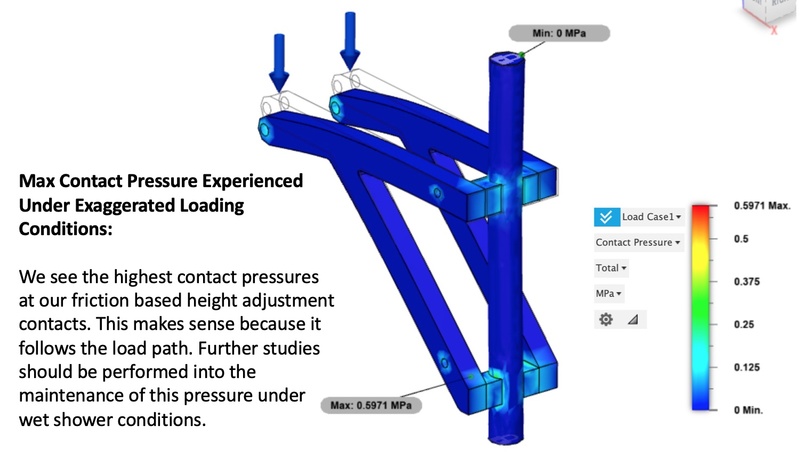
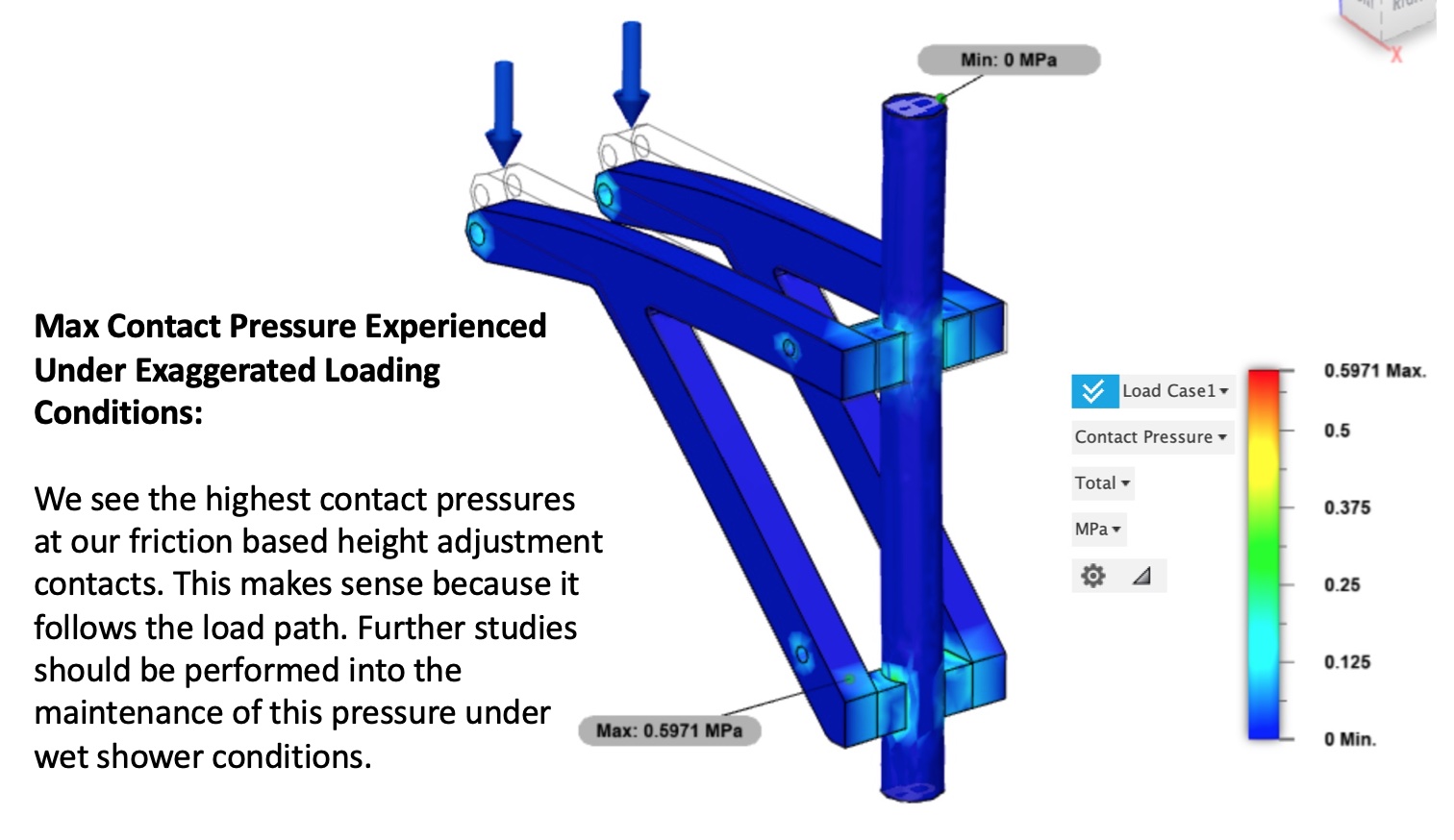
Maximum contact surface finite element analysis (FEA)
-
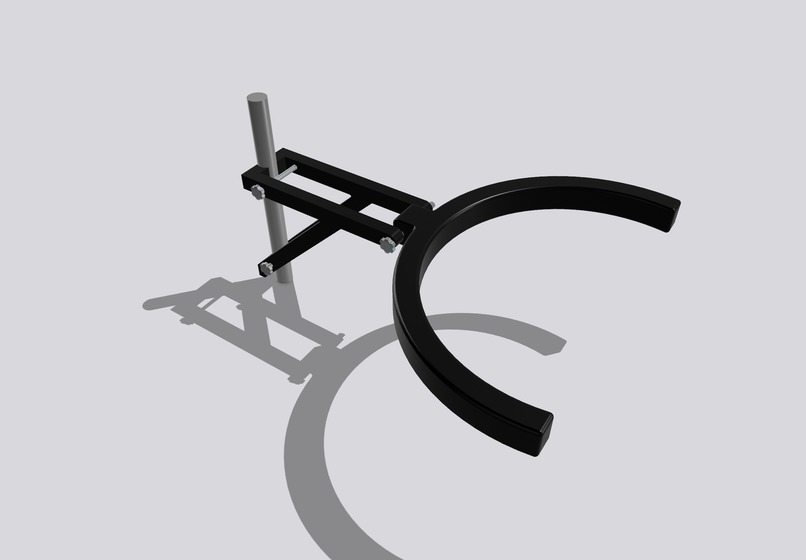
Final CAD model
-
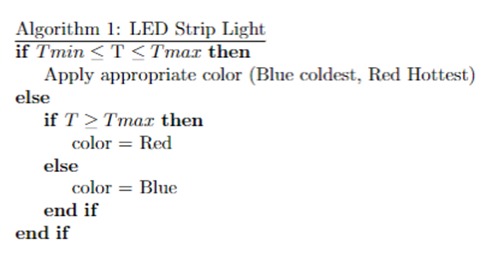
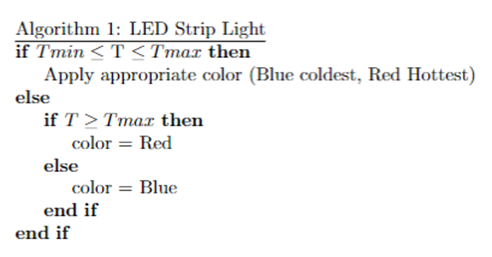
Algorithm for LED temperature feedback
Inspiration
"Hi Mom, how are you?" "Who are you?"
After volunteering in a memory care facility for the last 10 years, we've unfortunately seen parents forget their families a hundred different times. A majority of the day for an individual with dementia consists of passive stimulation such as watching TV, listening to music, and reading literature, but there is an unexploited, researched back opportunity to slow the degenerative effects of dementia: conversation.
Our team spoke with managers from 30 different memory care facilities who all told us making conversation a priority, but their efforts the facilitate conversation are overall unsuccessful. Unfortunately, these facilities are severely understaffed and can have a caregiver-to-resident ratio as high as 1:12 which precludes residents from spending ample quality time in conversation.
The initial vision sought to develop a method to eliminate the need for residents to speak with a human and to replace the human with a chatbot trained specifically for interacting with individuals with dementia since speaking with an individual with dementia is very different from speaking to a regular grandparent. For example, you can’t ask “What’s your husband’s name?” because imagine how you would feel if you realized you forgot name of the most important person in your life. So in the spirit of Cal Hacks, you need to find a conversation hack. One of our most popular is saying “I just came back from engineering class. You wouldn’t happen to know any engineers, would you?” BOOM! The residents will be able to tell you all about their husbands and their lives together.
Pivot
The team began experimenting using the co:here software and split the problem into 3 main phases: conversation input (speech to text), input classification, and output generation. After working on the problem for hours, the team decided the software was not optimal for solving this problem as the software’s API lacked compatibility with Python to fully flush out the problem.
After going back to the drawing board and calling more experts in the assisted living community, the team learned of the problems associated with bathing for individuals in dementia and decided to pivot to an even more pressing problem.
Problem Definition
80% of all falls occur in the bathroom, and individuals with dementia are at a significantly greater risk due to factors most people will never even consider. One of the main problems with showering for individuals with dementia is that water is invisible, and these individuals cannot understand the sensation of feeling water if they can’t see it. Utilizing a shower wand seems like a viable solution, but it causes the individual with dementia to lose one free hand that can provide additional balance. Further, being washed by another person strips the dignity of an individual who has showered themselves for over 70 years. By allowing individuals with dementia to regain this lost dignity, our team has determined a viable market opportunity to reinvent bathing for individuals with dementia.
Progress & Learnings
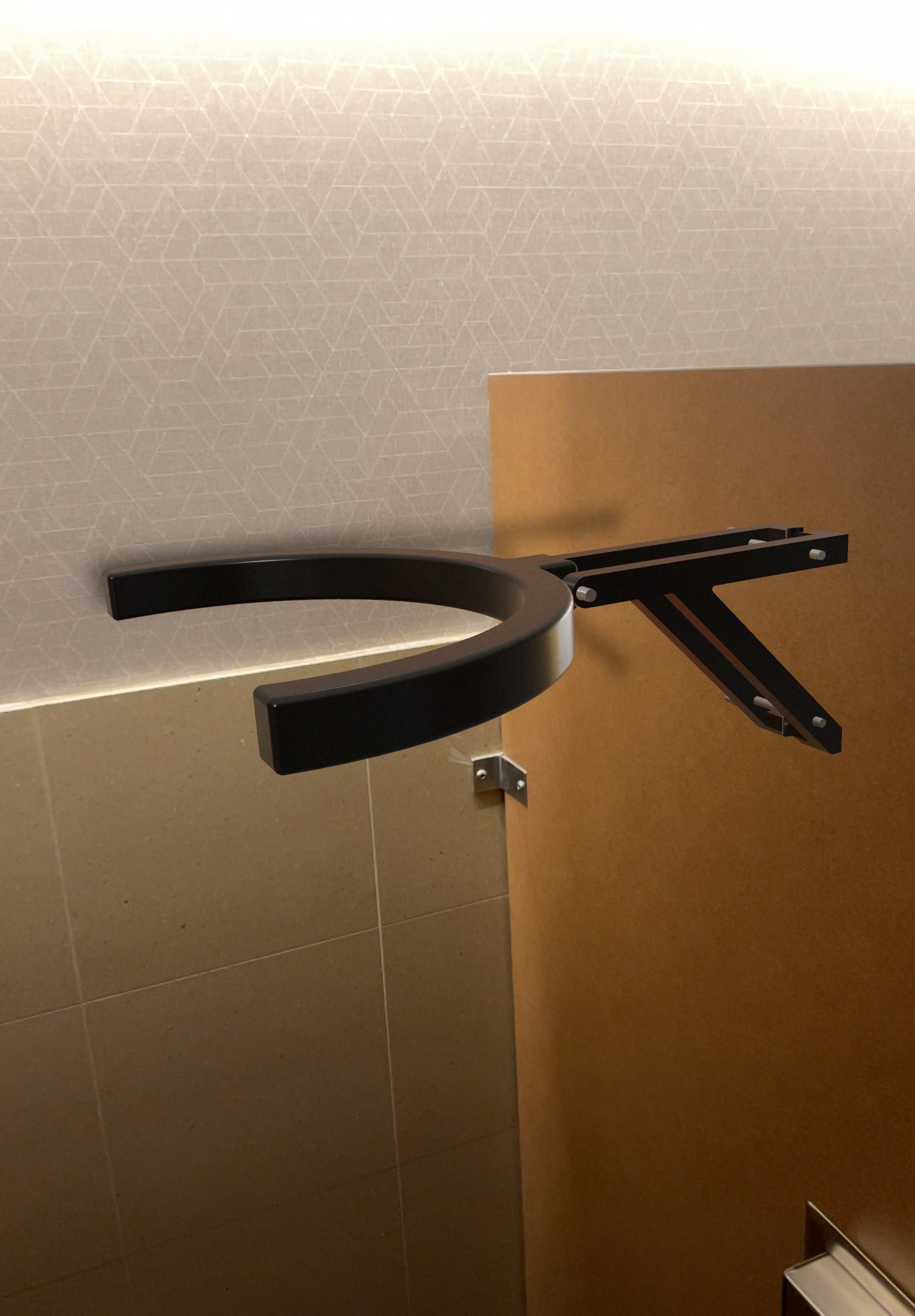
A deep dive into the market showed incredibly expensive alternatives (mainly walk-in showers costing $3k+ and shower seats costing ~$250). The team brainstormed both mechanical and electromechanical solutions to facilitate the bathing process at a price point relative to that of a regular shower head. The team underwent a rapid prototyping process, created multiple MVPs, and then created a CAD model to prepare flow & structural simulations to validate designs. The simulations demonstrate the stress, displace, and contact surface under normal bathing conditions to ensure design integrity. The final prototype allows for the heights at which the water is released to be adjusted, and visual feedback regarding the water temperature was included by integrating a a water-powered turbine inside the design. The water is redirected to be below the user’s head to ensure no loss of senses while showering and to free both hands to support and clean oneself. The design will be seamlessly attached to the location of a typical shower hose to allow for easy installation and adoption into any home.
Next Steps
A medium-fidelity prototype based upon the final CAD will be developed and brought to Silverado Memory Care Facility in Berkeley to source feedback & iterate the design.
Built With
- co:here
- google-colabs
- solidworks


Log in or sign up for Devpost to join the conversation.