-
-
Sign-Language-Application
Inspiration
Millions of people with hearing or speech impairments face daily communication barriers. We wanted to create an inclusive tool that bridges this gap using deep learning and real-time translation.
What it does
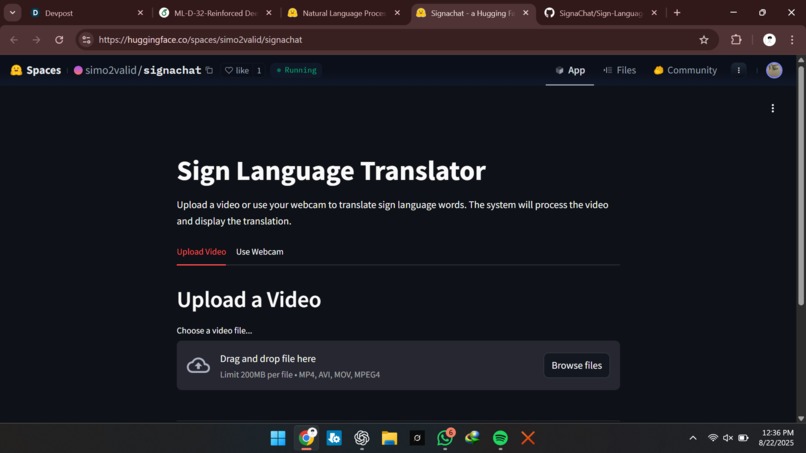
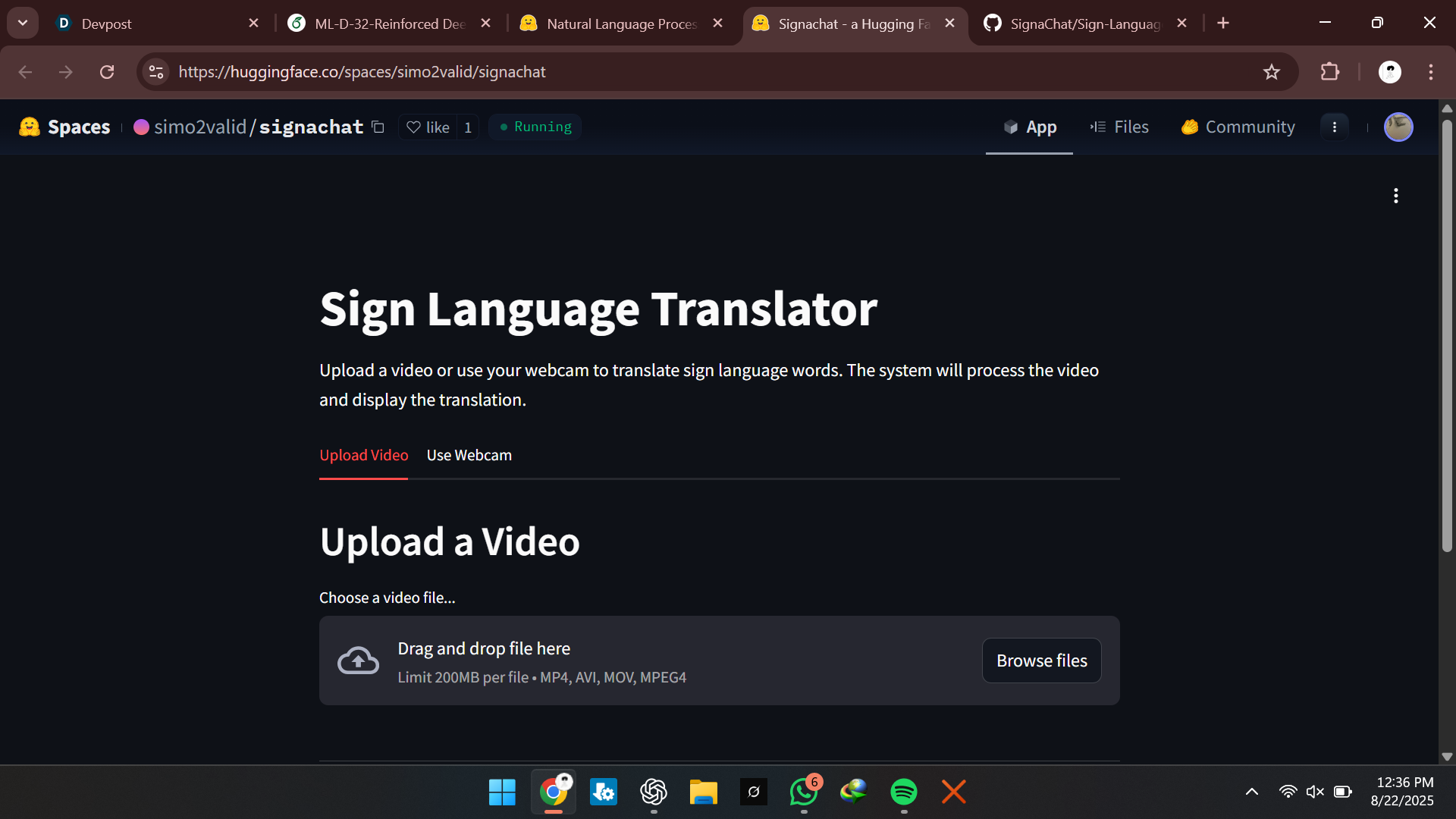
Our system recognizes both hand gestures and facial cues from sign language, then translates them into text and speech. This enables smooth interaction between sign language users and non-signers.
How we built it
We combined Capsule Networks (CapsNet) with CNNs for feature extraction, and Reinforced Deep Q-Learning for adaptive translation. NLP models handle text generation, and a text-to-speech module outputs voice.
Challenges we ran into
Capturing subtle hand and face variations across signers Training models with limited, imbalanced sign datasets Integrating reinforcement learning for accuracy improvements Real-time performance on modest hardware
Accomplishments that we're proud of
Developed a functional prototype that translates sign language to text and speech Achieved higher accuracy by combining CapsNet and RL Built an accessible tool that can truly help the deaf and mute community
What we learned
We deepened our understanding of reinforcement learning, advanced feature extraction, and multimodal AI. We also learned the importance of inclusive design and user-centered testing
What's next for Reinforced Deep Q Learning For Sign Language Translation I plan to:
Expand dataset coverage to multiple sign languages Optimize models for mobile deployment Add bidirectional translation (speech/text → sign) Collaborate with accessibility organizations for real-world adoption
Built With
- huggingface
- machine

Log in or sign up for Devpost to join the conversation.