-
-
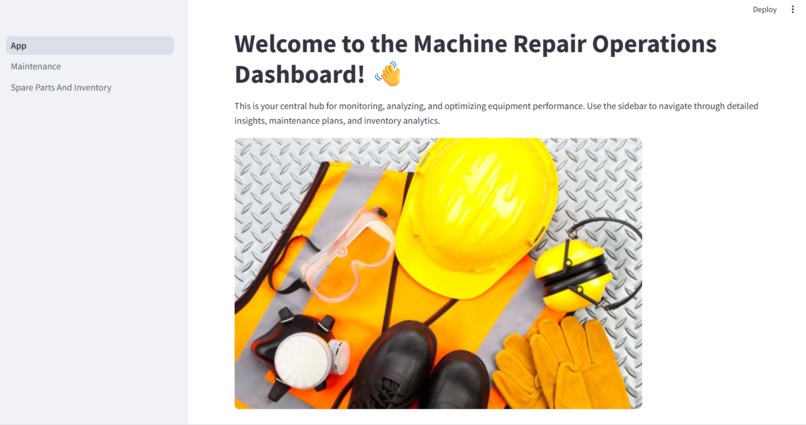
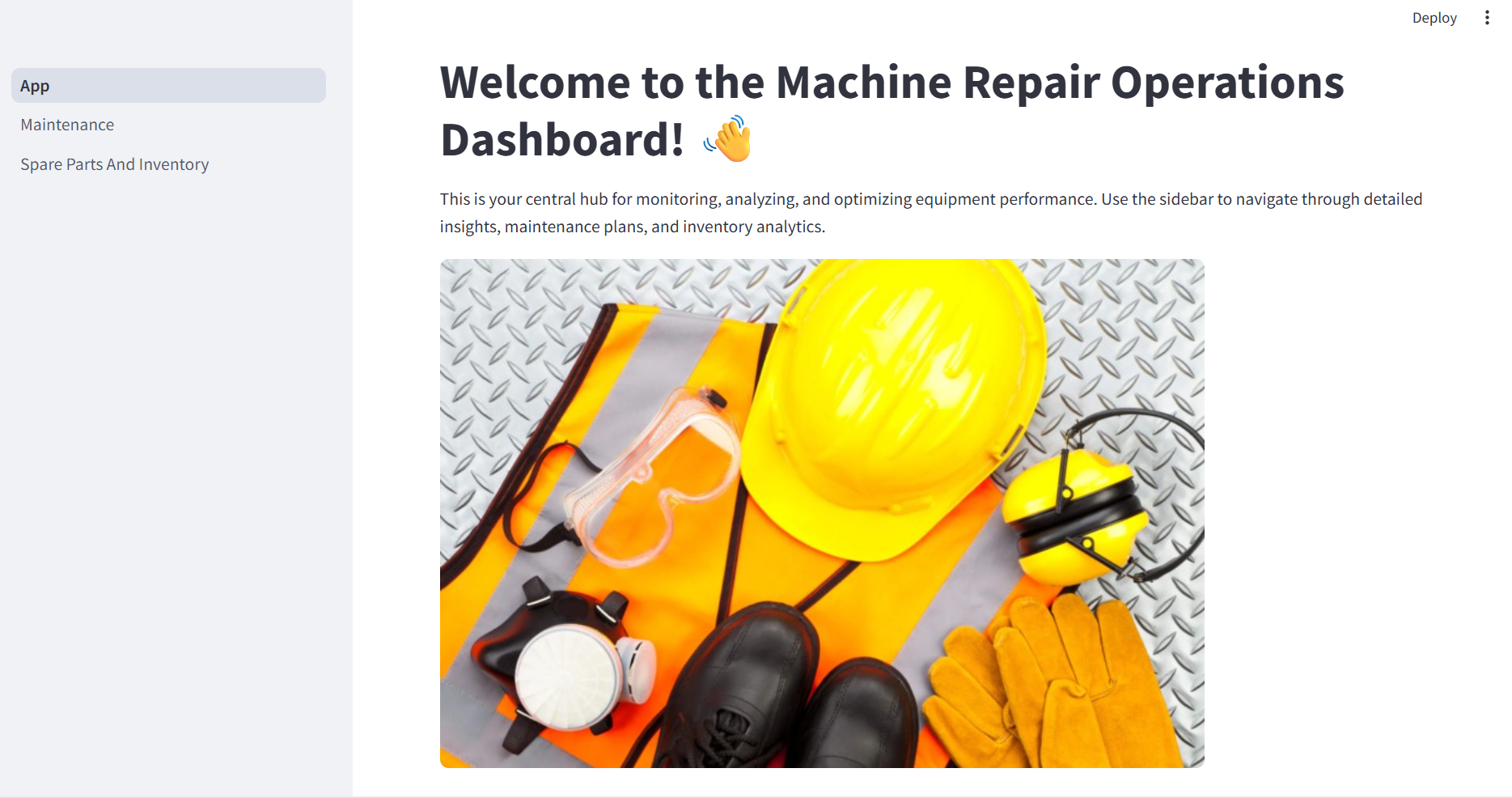
Landing Page
-
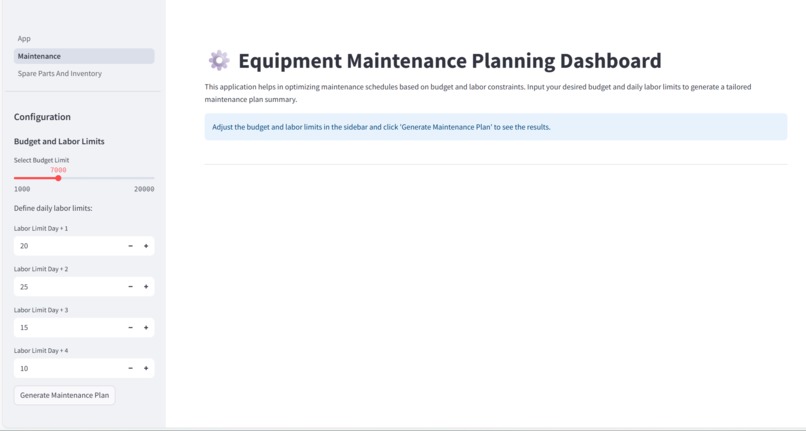
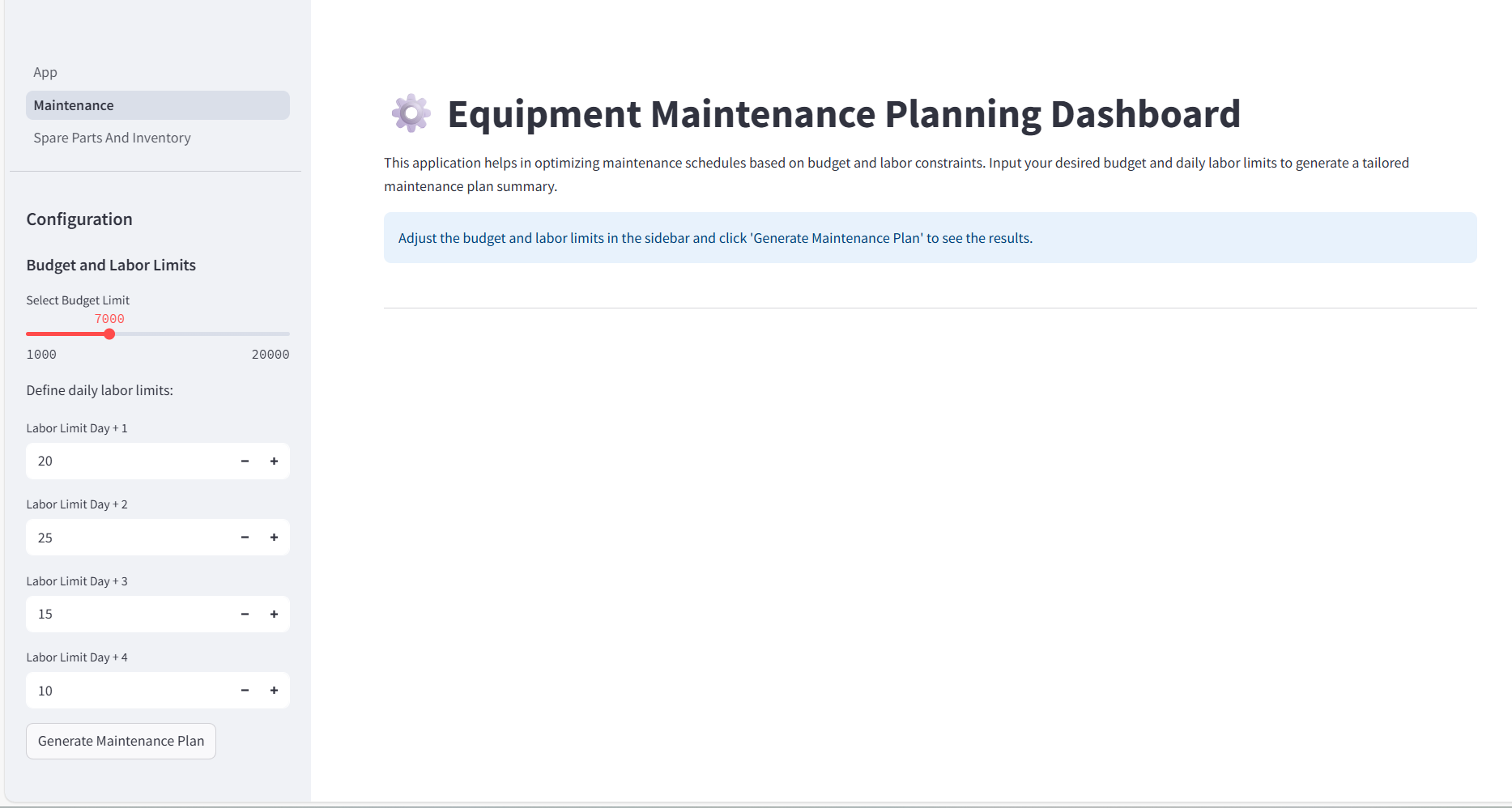
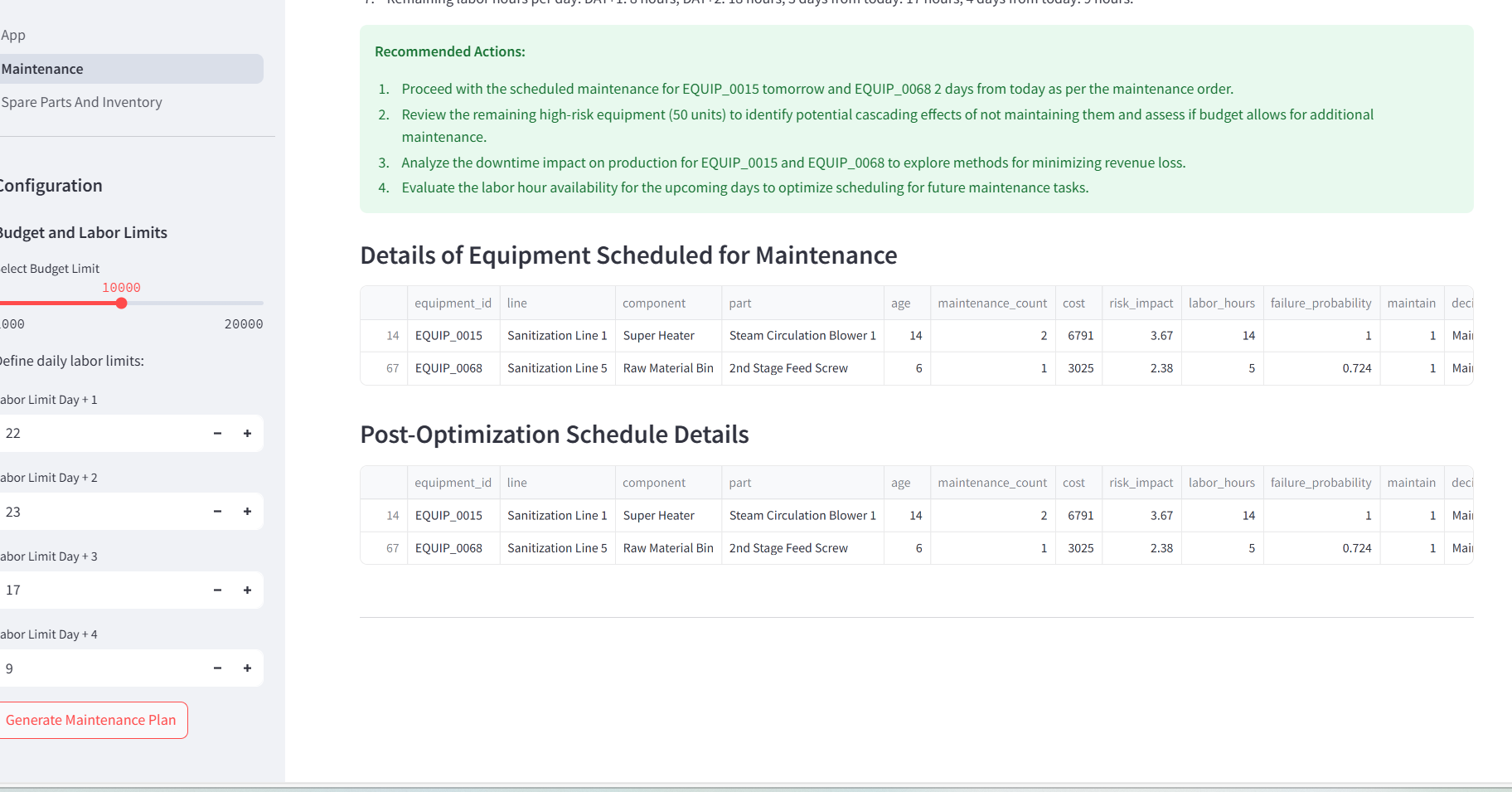
Maintenance Tool - Adding budget and Labour limits
-
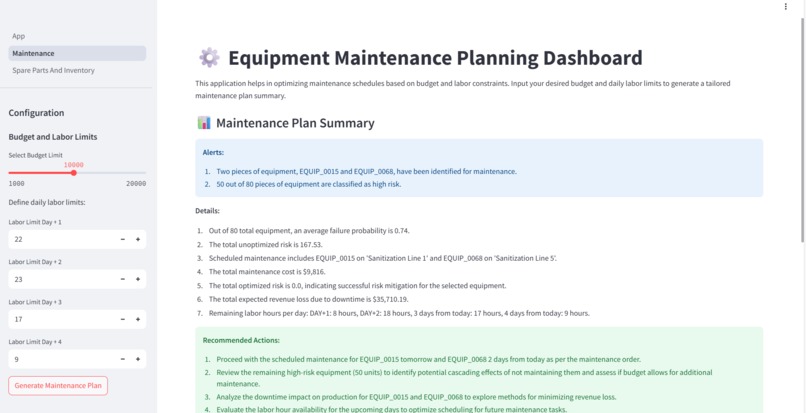
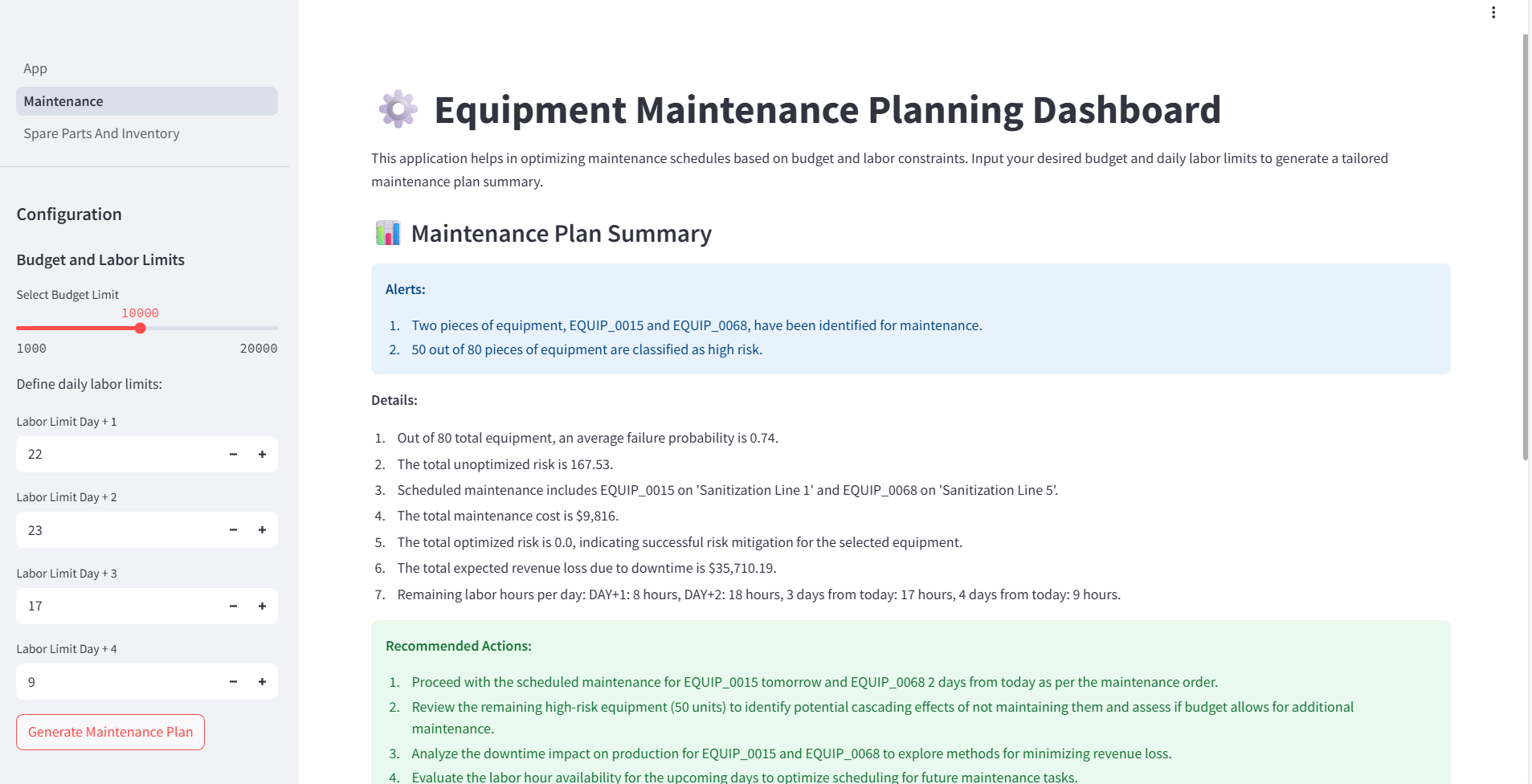
Maintenance Tool - Response1
-
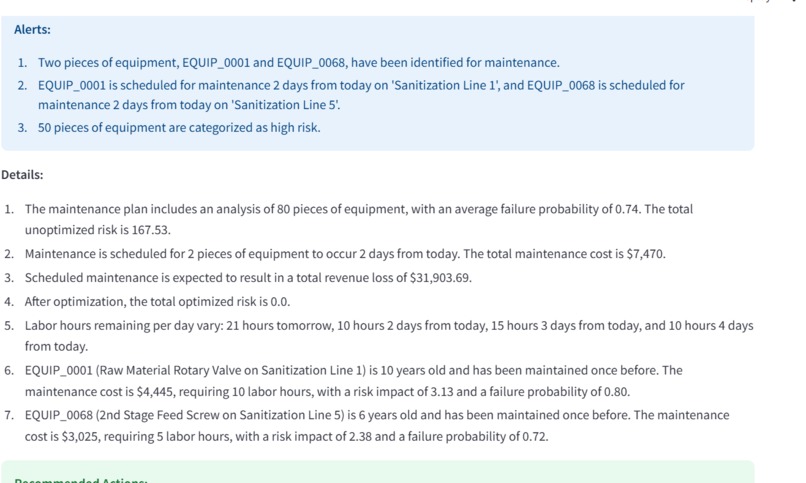
Maintenance Tool - Response2
-
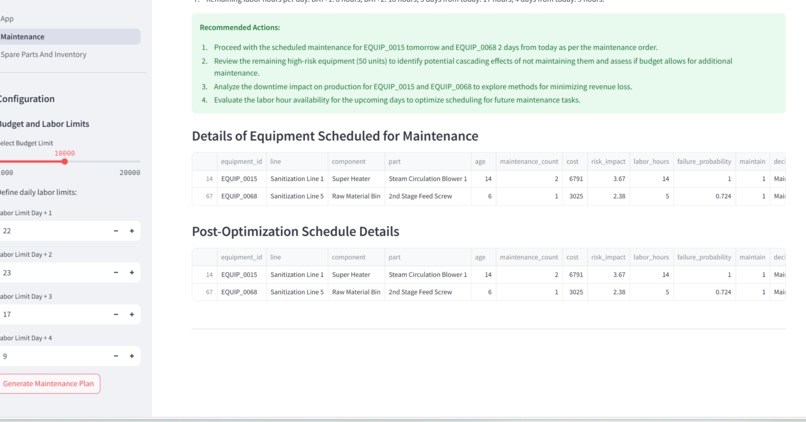
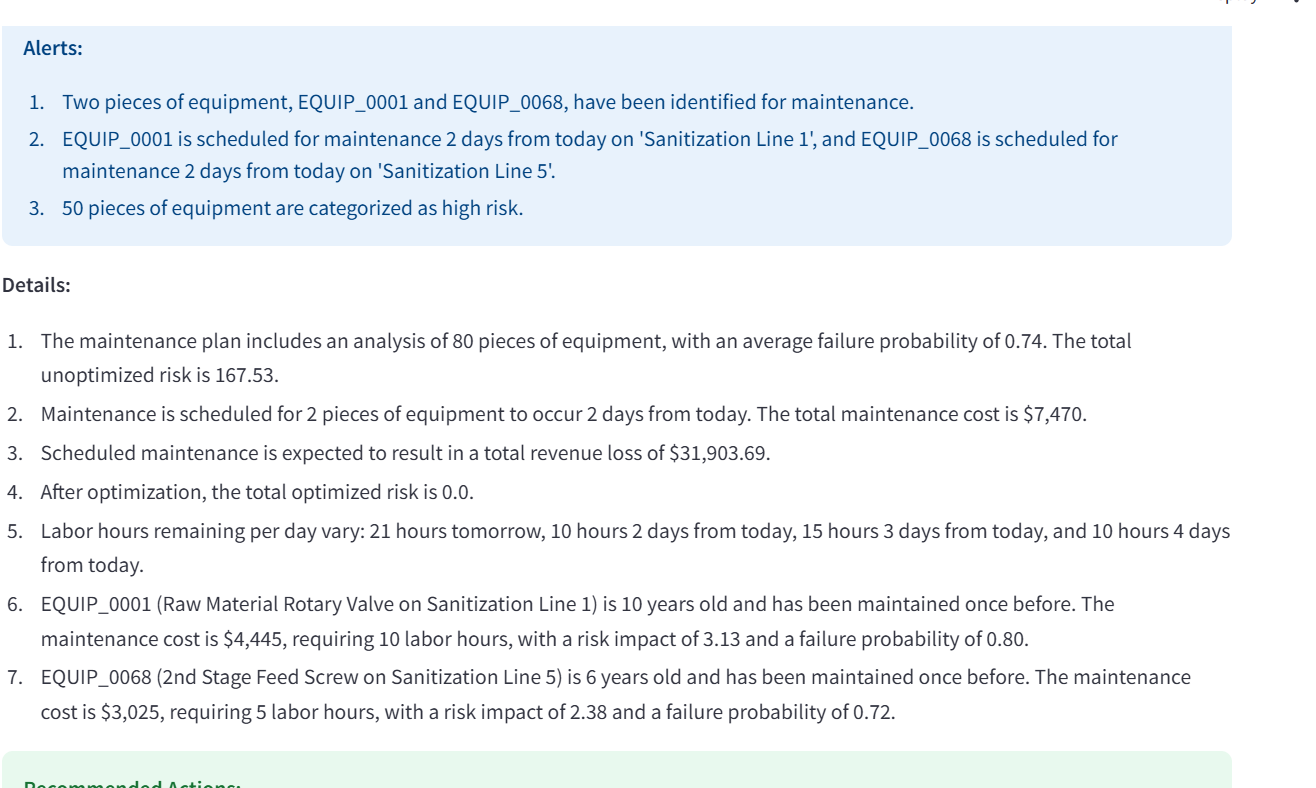
Maintenance Tool - Response3
-
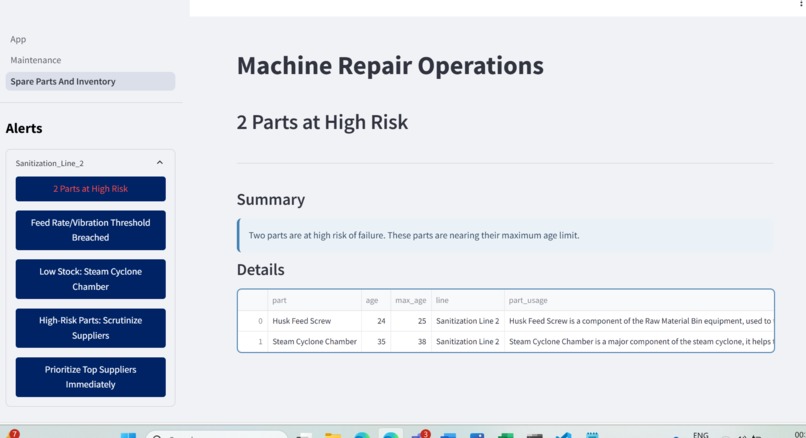
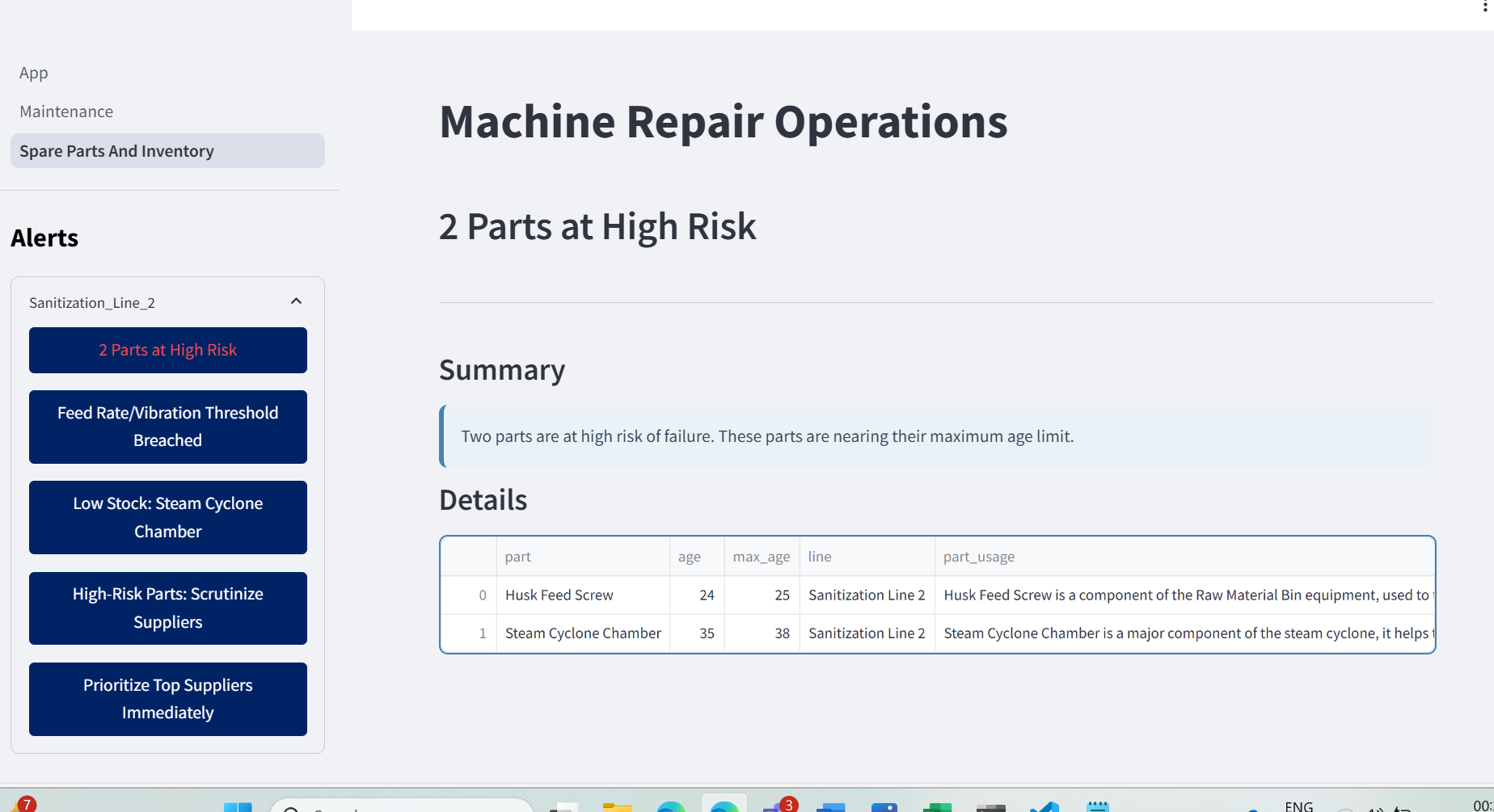
SOP Risk Identification Tool - Finding High risk parts
-
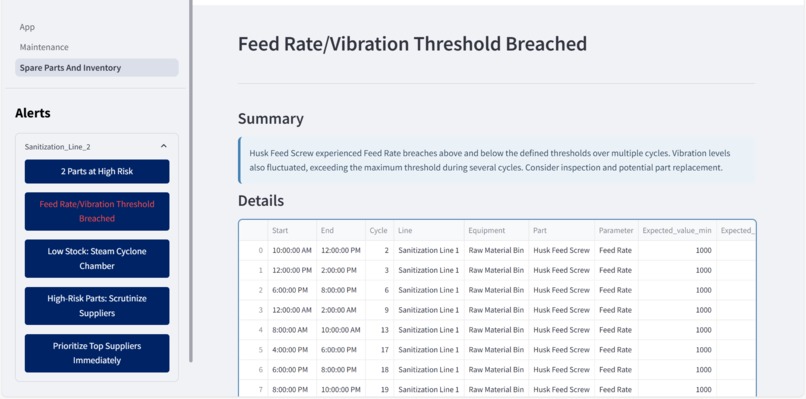
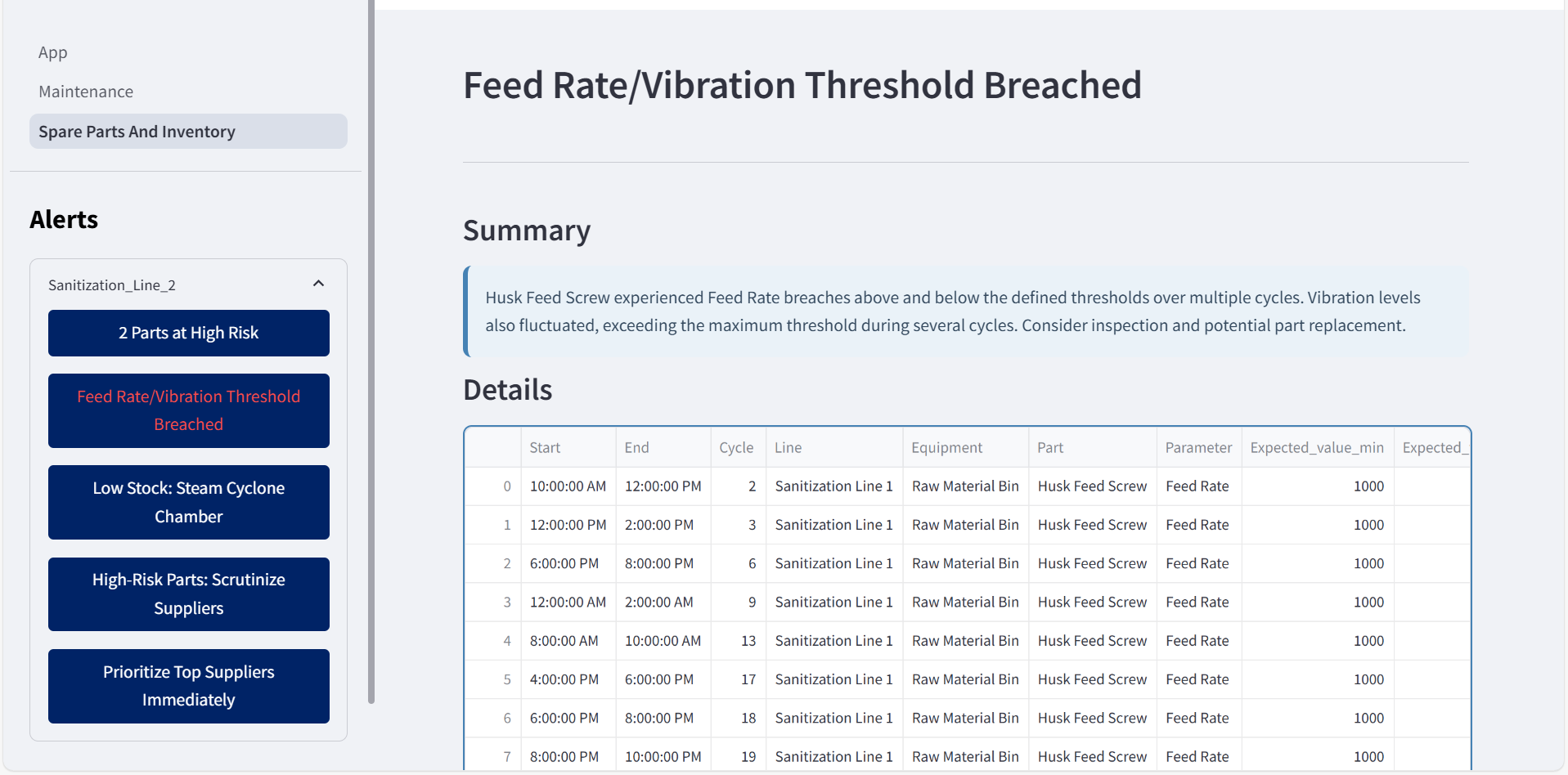
SOP Risk Identification Tool - Parameter Ranges Analysis on High risk parts
-
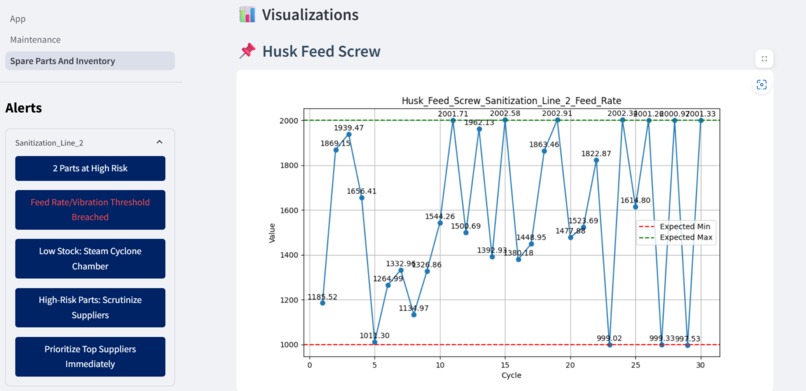
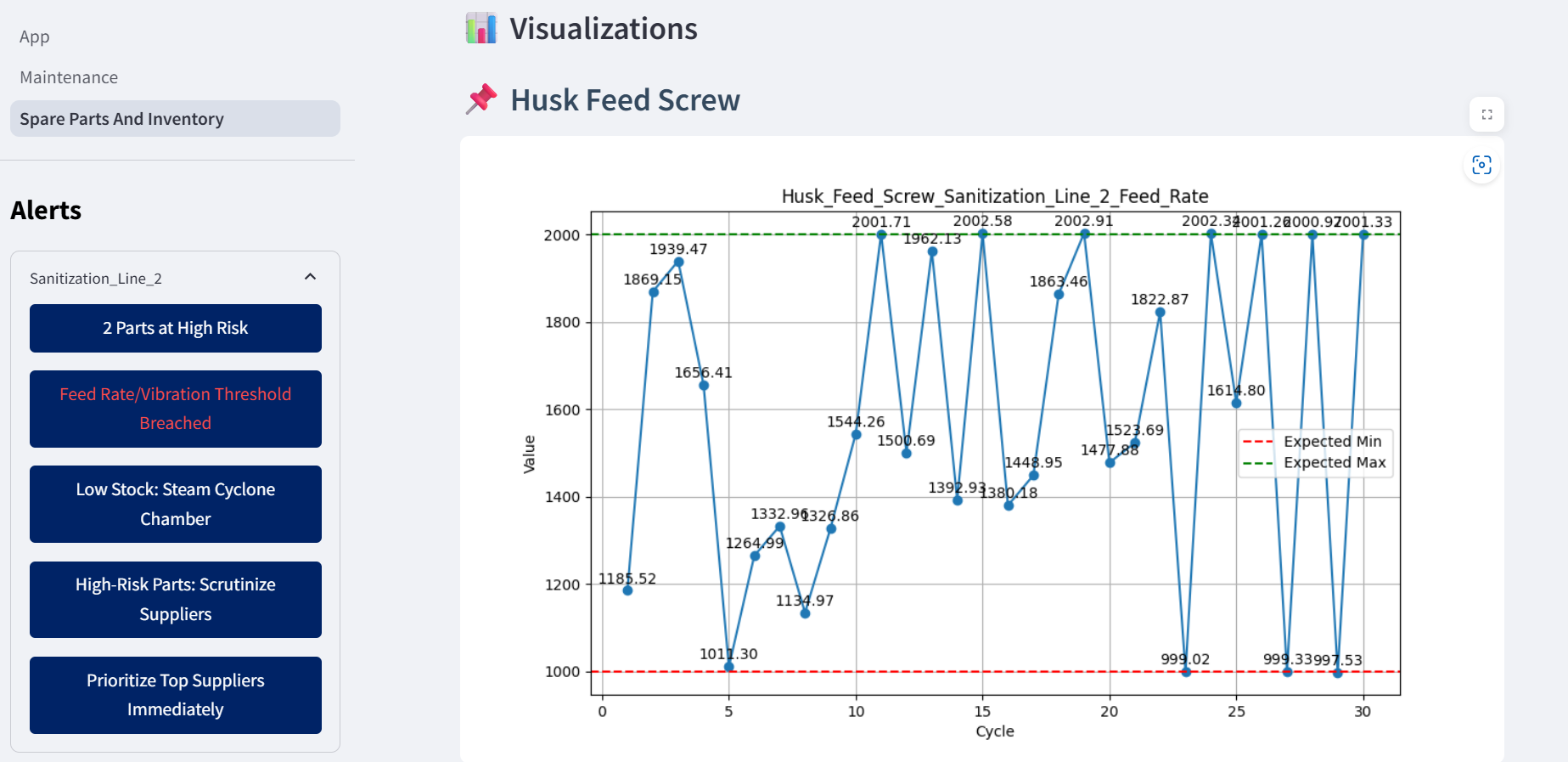
SOP Risk Identification Tool - Visualizations
-
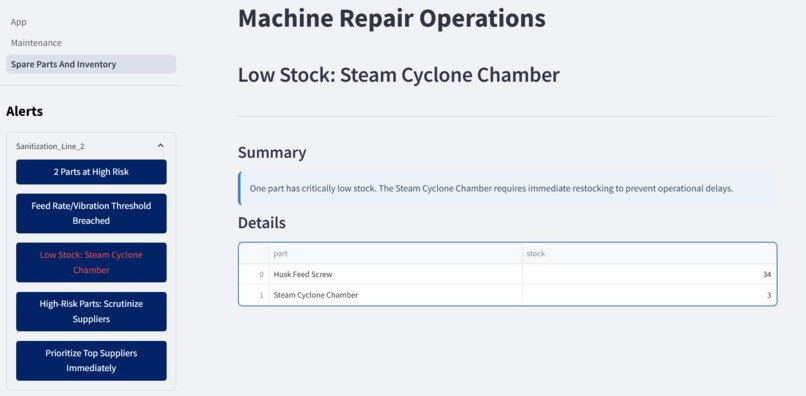
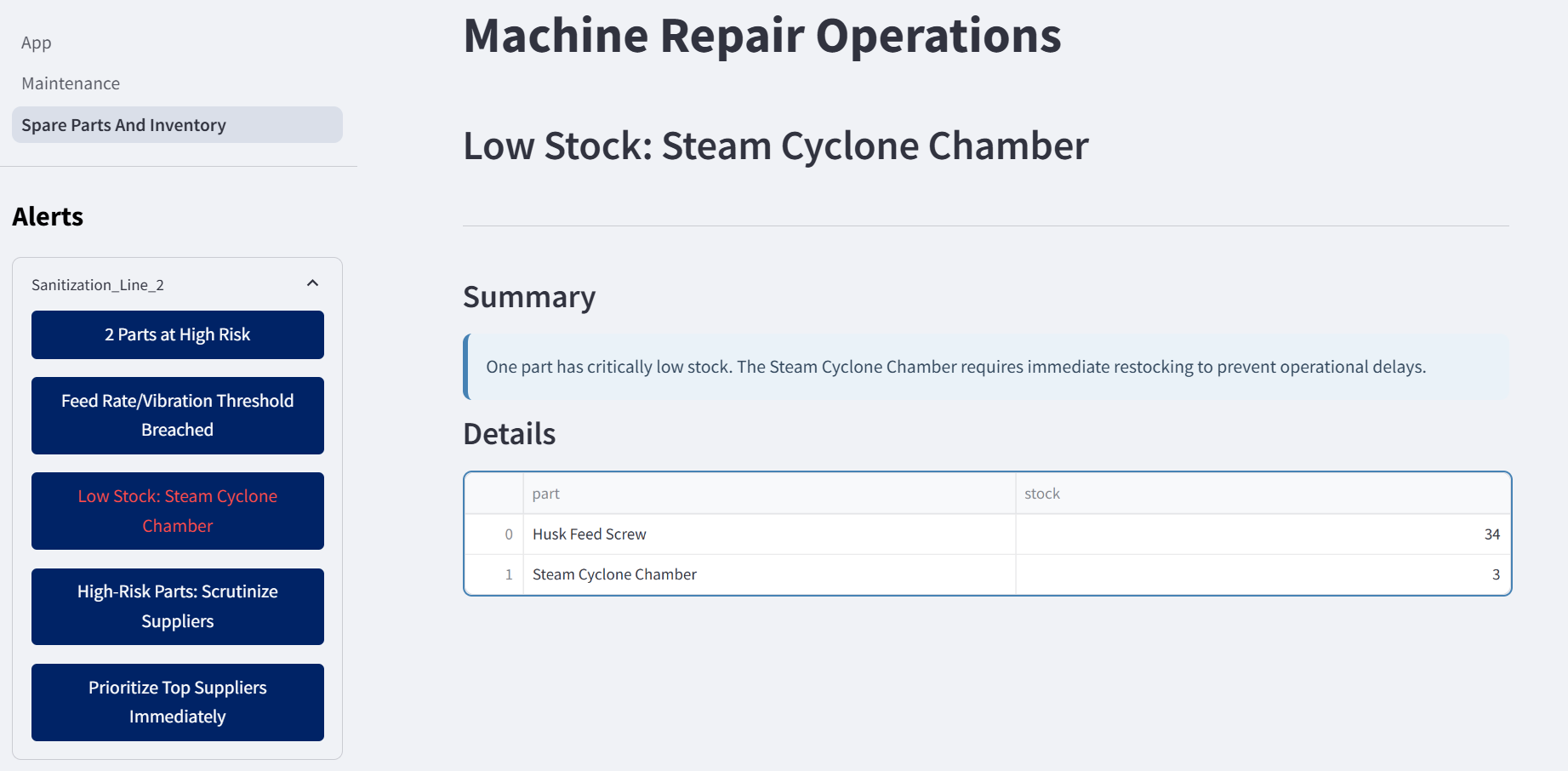
Inventory tool - Finding low stock parts
-
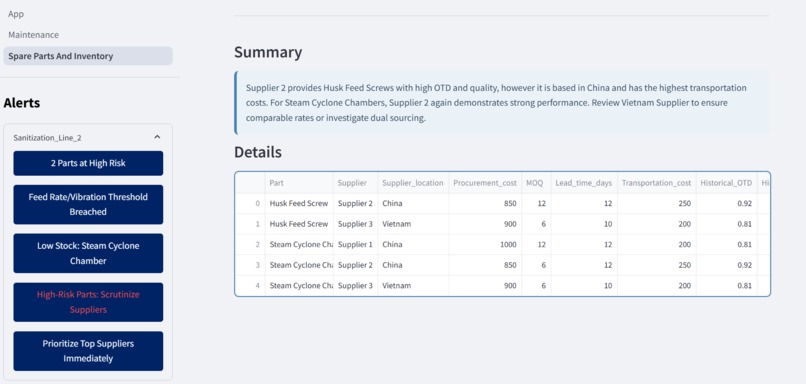
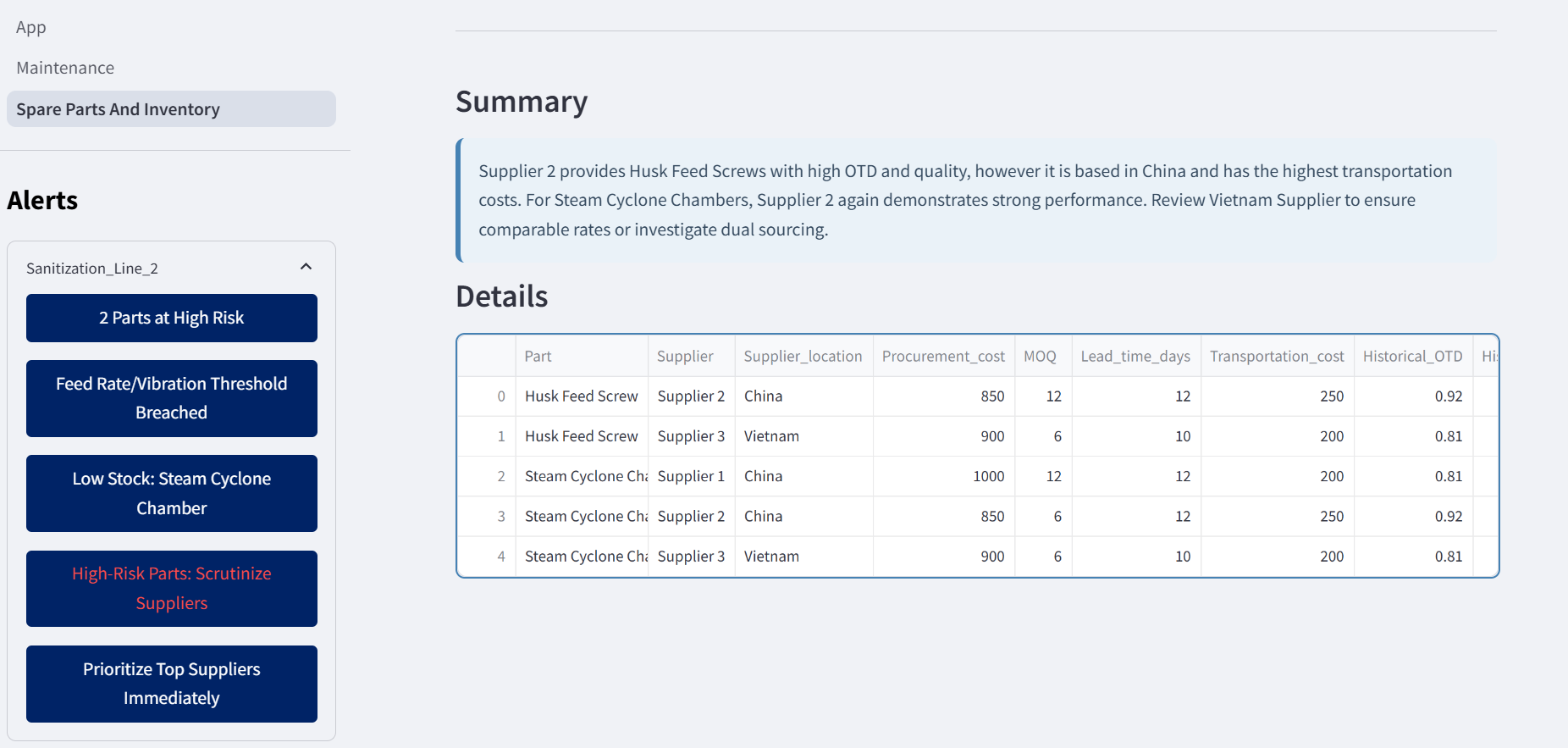
Inventory tool - Getting Supplier details for low stock parts
-
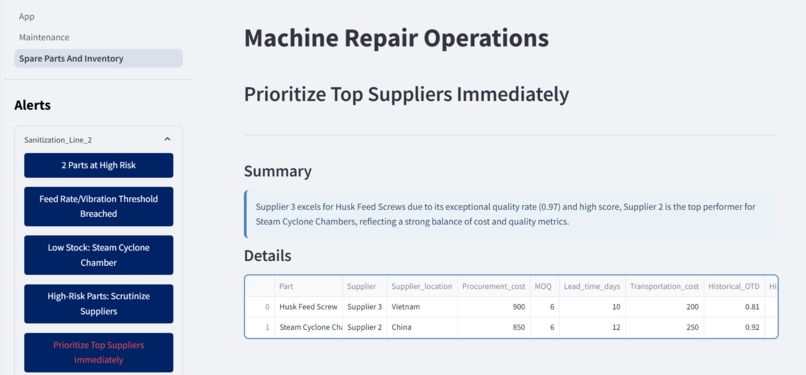
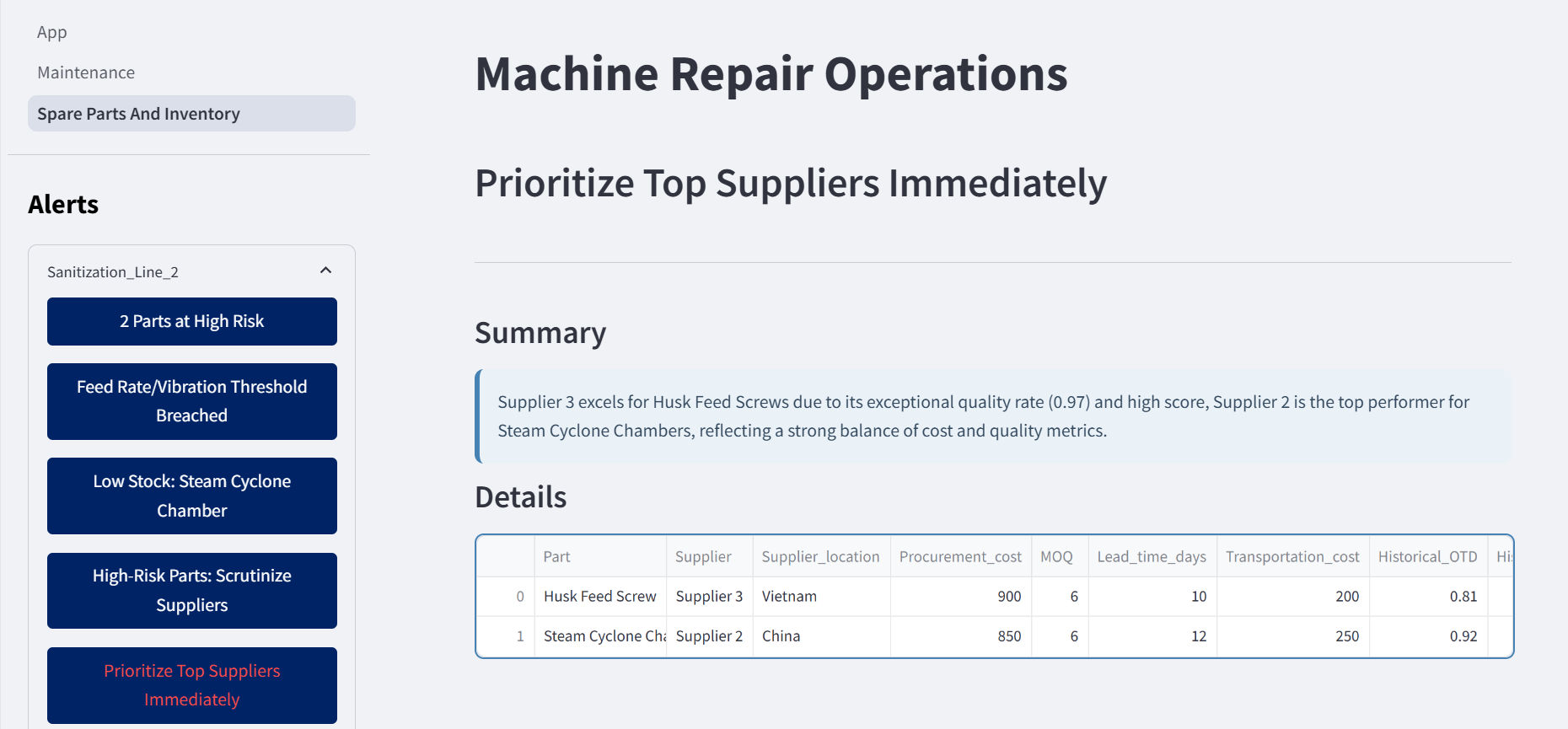
Inventory tool - Recommending best suppliers for low stock parts
-
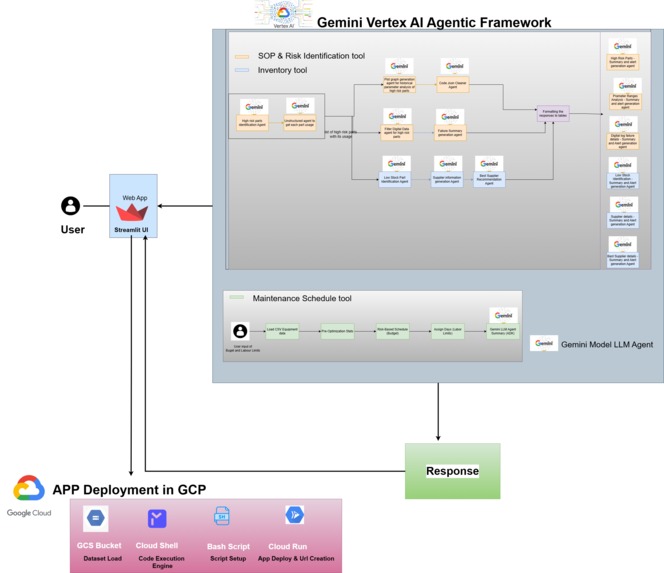
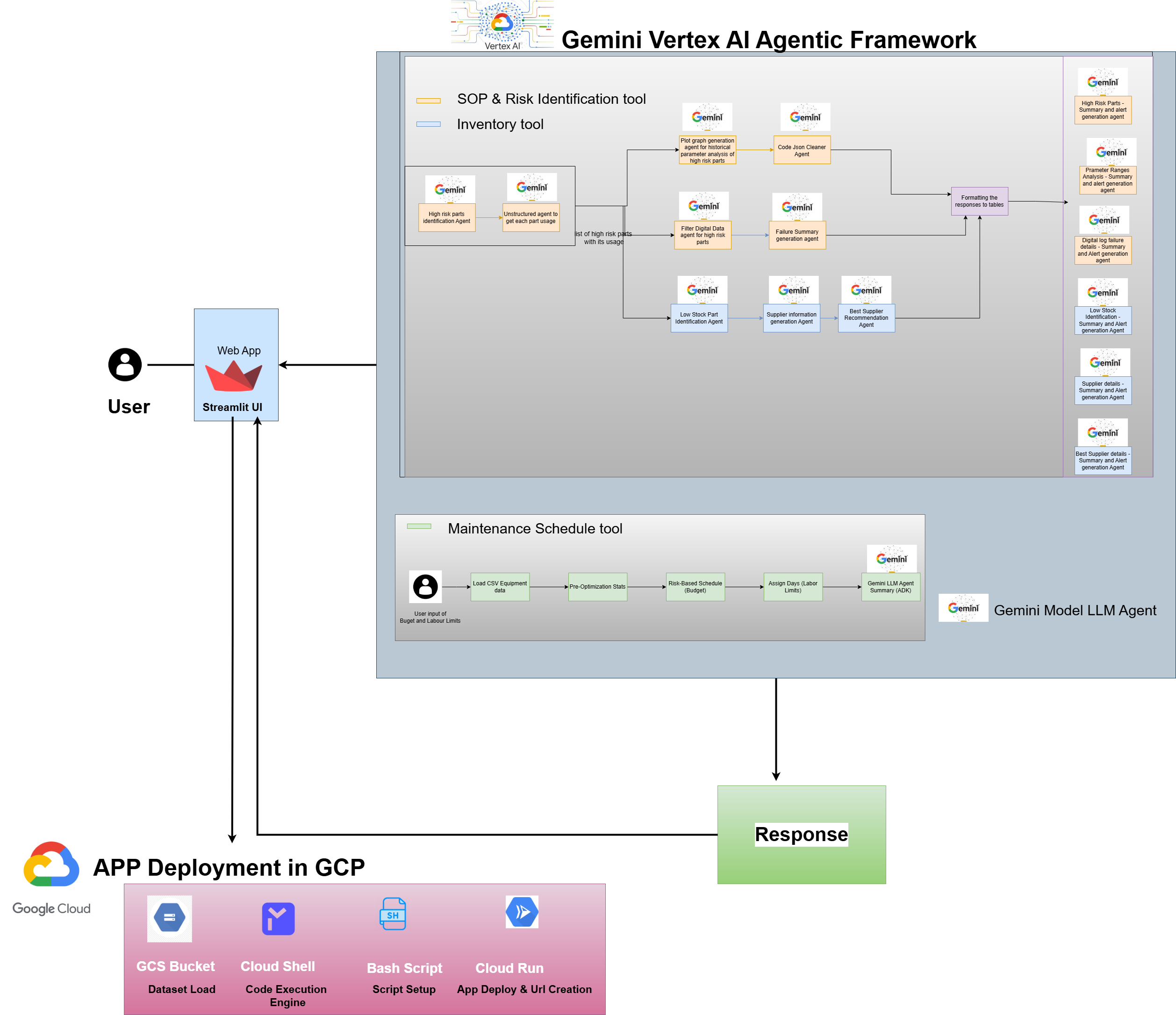
Technical Architecture : MRO
Project Story: Reimagining Machine Maintenance through Manufacturing Digital Ops with Agentic AI
🔧 About the Project
Machine downtime and inefficient maintenance are long-standing challenges in manufacturing. Failures are often detected only after they occur, requiring time-consuming root cause analysis across disconnected data sources. Operator training remains static, with limited exposure to real-time fault scenarios. Spare part stockouts and unclear repair costs further delay recovery.
This project began with one question:
What if machines could tell us when and how they’re likely to fail—before they actually do?
We set out to reimagine Maintenance & Repair Operations (MRO) by combining Agentic AI with Manufacturing Digital Ops—reducing unplanned downtime, enabling predictive maintenance, and streamlining spare part logistics.
🌟 Inspiration
Business Problems Identified
- Failure risk is detected too late, requiring multiple systems and manual effort to identify root causes.
- Operator training is rigid and lengthy, with conflicting schedules and limited exposure to real scenarios.
- No visibility into prior failure actions, or the full impact of repair-related downtime.
- Spare parts are hard to locate, making it difficult to assess total recovery cost or lead time.
🛠️ How We Built It
Agentic AI Workflows
The system uses intelligent agents to improve equipment safety and maintenance efficiency.
-Stage 1, tools extract risks, parameters, and past issues from SOPs and logs. -Stage 2 optimizes maintenance operations under budget/labor constraints , followed by scheduling and executive reporting. -Stage 3 handles part replacement by checking inventory, finding suppliers, and recommending the best option. Each agent automates key decisions—risk detection, maintenance planning, and procurement—to reduce failures and optimize resources.
AI-Powered Diagnostics
- Agents analyze machine logs and process parameters to detect anomalies.
- SOPs are scanned to extract steps, parameters, and potential failure points.
Simulation Engine
- Agents simulate production processes to recommend step-by-step paths for achieving optimal yield and throughput.
- Learnings include thresholds, parameter interdependencies, and cause-effect chains.
Predictive Maintenance Planning
- Agents recommend action plans based on historical data, repair impact, and available labor/resources.
- Maintenance tasks are optimally scheduled to minimize cost and downtime.
Spare Parts Optimization
- Real-time tracking of spare inventory and supplier options.
- Recommendations to restock, reorder, or reroute parts based on urgency and cost.
🚧 Challenges We Faced
- Data fragmentation across machines, SOPs, and inventory systems.
- Limited labeled data for failure prediction and causal analysis.
- AI explainability was needed for operator trust and adoption.
- Integration barriers with both legacy systems and modern IoT devices.
🎓 What We Learned
- Agent-based AI doesn’t just automate—it augments.
- AI agents that can sense, simulate, and act bring a fundamental shift to manufacturing ops.
- Deep collaboration with domain experts was critical to shaping agents that could understand real-life shop-floor variability.
- Virtual operator training powered by these agents shortens ramp-up time and brings exposure to real failure cases.
🚀 Impact & Outlook
Future State Achieved:
- Failures predicted, not just detected.
- Operator training virtualized, shorter, and scenario-based.
- Spare part procurement optimized through real-time tracking and smart sourcing.
- Maintenance becomes strategic, not reactive.
This solution sets the foundation for self-healing manufacturing systems—where intelligent agents continuously monitor, decide, and act at the edge.
What's next for Reimagine Maintenance & Repair Operations with Agentic AI
We're excited to scale this system across larger plants with more complex operations. Our next steps:
- [ ] Integrate real-time sensor data for even faster detection and intervention
- [ ] Add self-learning capabilities to adapt based on results over time
- [ ] Extend the platform to support multi-line coordination and global spare part logistics
Built With
- cloud-run
- cloud-shell
- gemini-api
- gemini-models
- google-agentic-development-kit
- google-cloud
- python
- streamlit
- vertex-ai

Log in or sign up for Devpost to join the conversation.