-
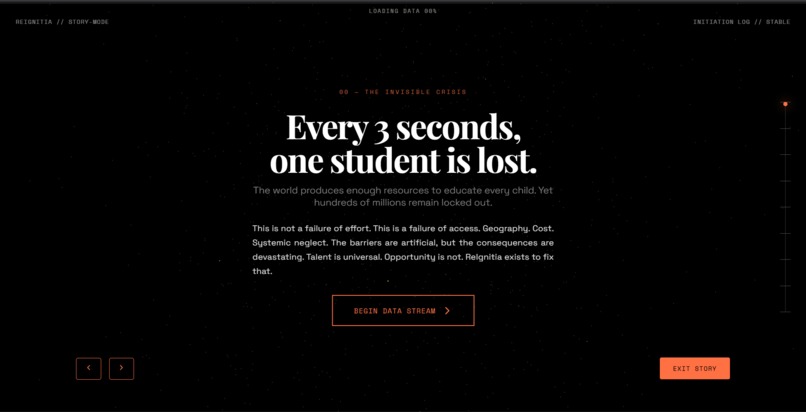
Page explaining the story behind the project
-
Homepage
-
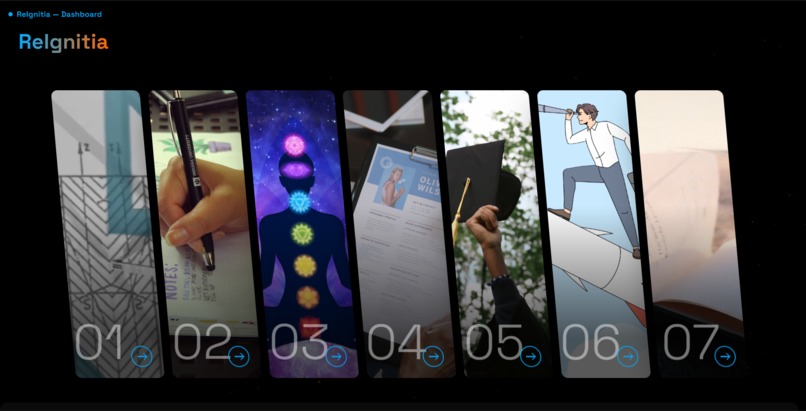
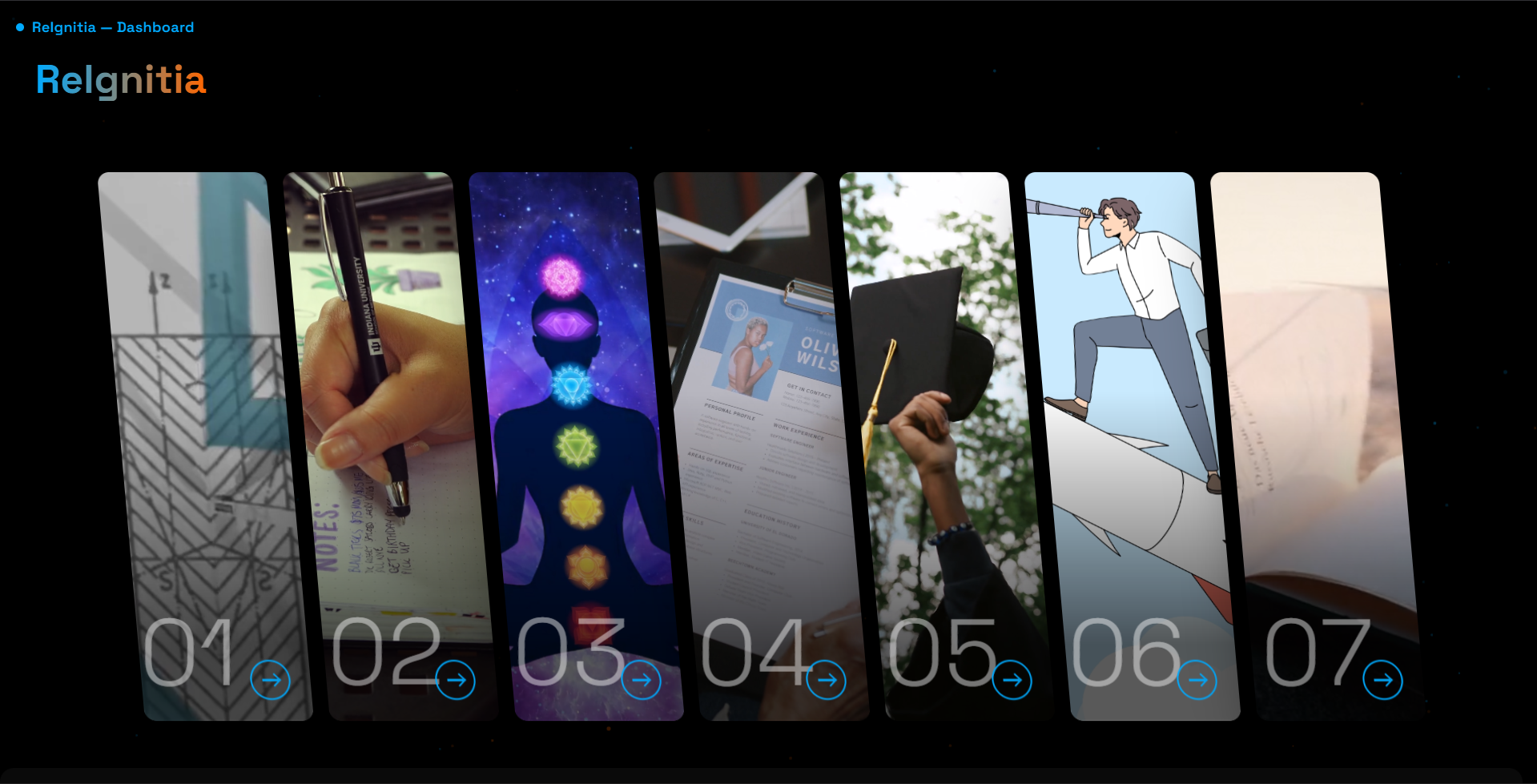
Main Dashboard
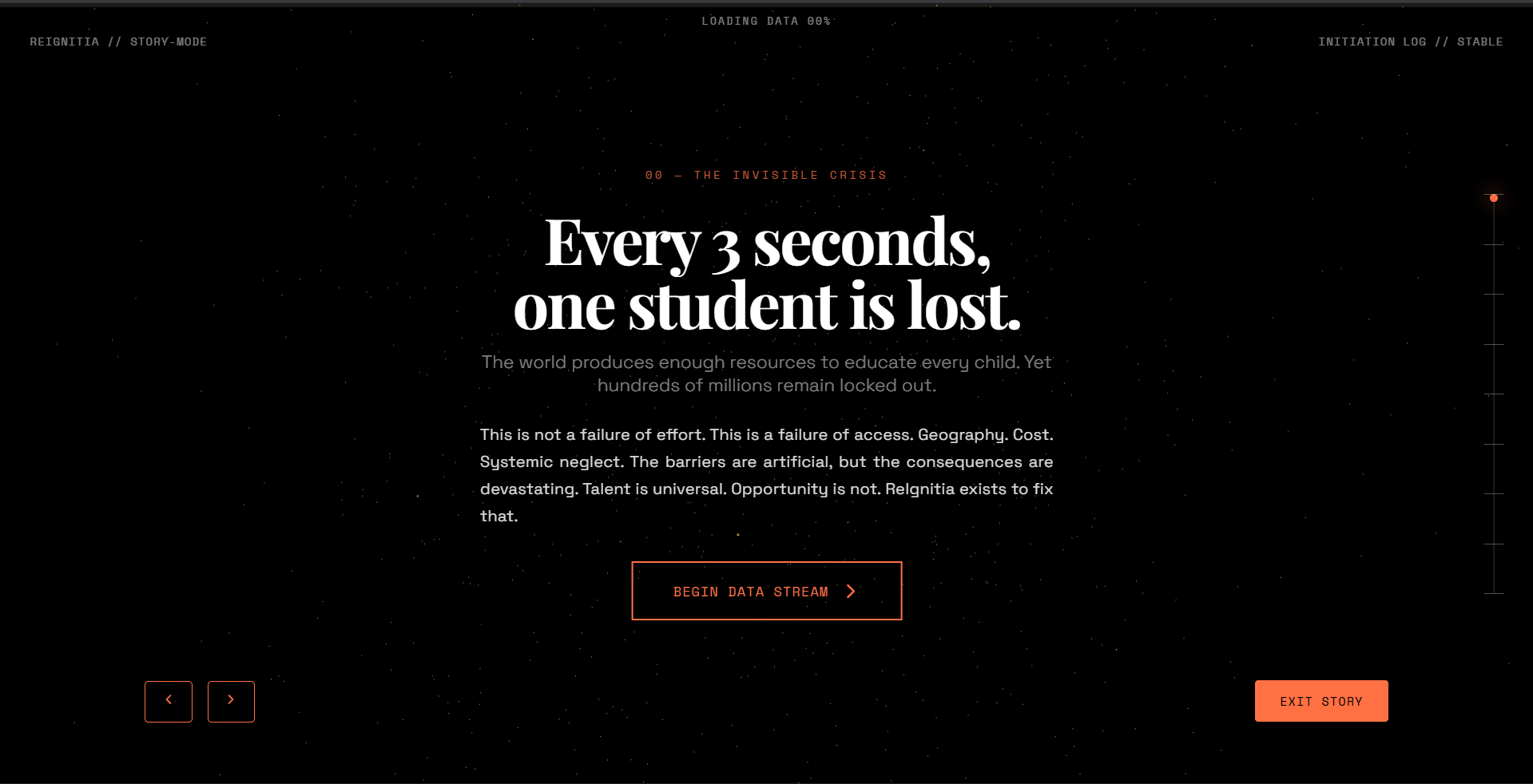
Inspiration
I built ReIgnitia from fear and anger. I loved science and space, and I knew I had talent. Money and missing guidance pushed me off track many times. Coaching cost more than my family could spare. Good mentors felt rare. I found exams, programs, and scholarships after deadlines passed.
I kept seeing the same pattern. Students work hard, then hit chaos. They get random links, fake posts, and unclear paths. Many students have weak data, shared phones, or basic phones. So a normal “study website” still fails them.
I wanted one place that stays usable on bad networks and basic devices. I wanted it free. I wanted it forkable.
What it does
ReIgnitia is a free, no-login web app with an offline-first plan. It gives students a verified start for learning and planning.
It supports three access modes:
- Web dashboard (online): full links, roadmaps, and modules on a browser.
- Offline packs (PWA): cached “learning packs” and local tools that open with no data.
- SMS/USSD support (no data): short prompts, quizzes, and reminders by text or USSD.
The packs act like the same content in different delivery forms. A student can download once on Wi-Fi, then keep learning offline. A student with a basic phone can request the next step by a pack code.
I add “trust cards” on links. Each card shows simple evidence, not accusations. It shows the publisher, access type, license tag, and last checked date.
How I built it
I built the current ReIgnitia prototype as a static site at reignitia.study. I used HTML, CSS, and JavaScript. I kept it light so it runs on older phones.
I built three parts that work now:
- Learning Nexus for curated learning resources
- Productivity tools like Pomodoro and task matrix
- Wellness tools like breathing and mood logging stored on-device
I designed the pack format and the text fallback flow for the ideathon plan. I wrote the trust-card fields and the verification steps as a simple workflow.
Challenges we ran into
Scope tried to explode. The mission can cover learning, careers, scholarships, and wellness. I had to cut hard. I chose a clear core: start learning fast, even with weak access.
Trust labels can backfire. If I call something a scam without proof, I risk harm. So I built “evidence-first” cards that mark verified, unknown, or high-risk patterns.
SMS costs can rise fast. So the text layer stays short. Packs hold the long content.
Accomplishments that I’m proud of
- I shipped a working dashboard with real resources students can use now.
- I designed an offline-first pack system that works across devices.
- I wrote a trust-card format that stays cautious and evidence-based.
- I made the full plan readable in a 2–4 page PDF with clear figures.
What I learned
A small, clear start beats a huge promise. Students need the first good step. Offline support cannot stop at “cache the page.” Basic phones still matter. Trust needs proof, not vibes.
What’s next for ReIgnitia
- Convert the site into a PWA that caches packs and core tools.
- Publish three starter packs and a simple pack builder format.
- Add trust cards to every link with a public criteria page.
- Pilot SMS/USSD prompts with a small student group, then iterate.


Log in or sign up for Devpost to join the conversation.