

1. Project Title
RehabQuest
A gamified rehabilitation platform designed to make physical rehabilitation more engaging and accessible.
2. My Theme
Healthcare & Wellbeing / Bio + Tech
RehabQuest focuses on healthcare accessibility and patient experience by making rehabilitation exercises more engaging and supporting patients during home-based recovery.
3. Problem Statement
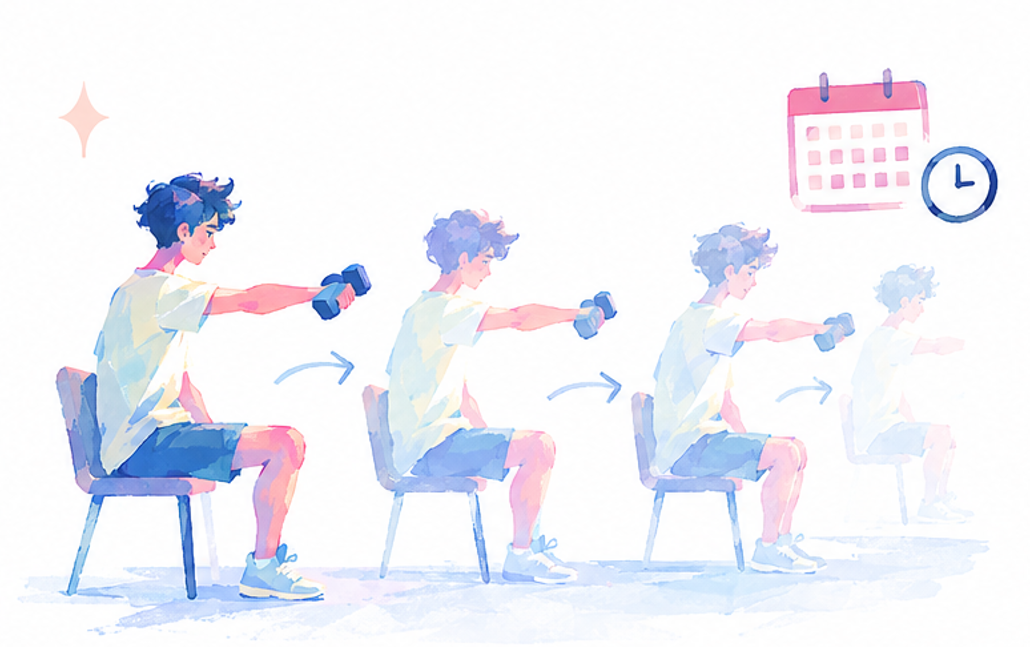
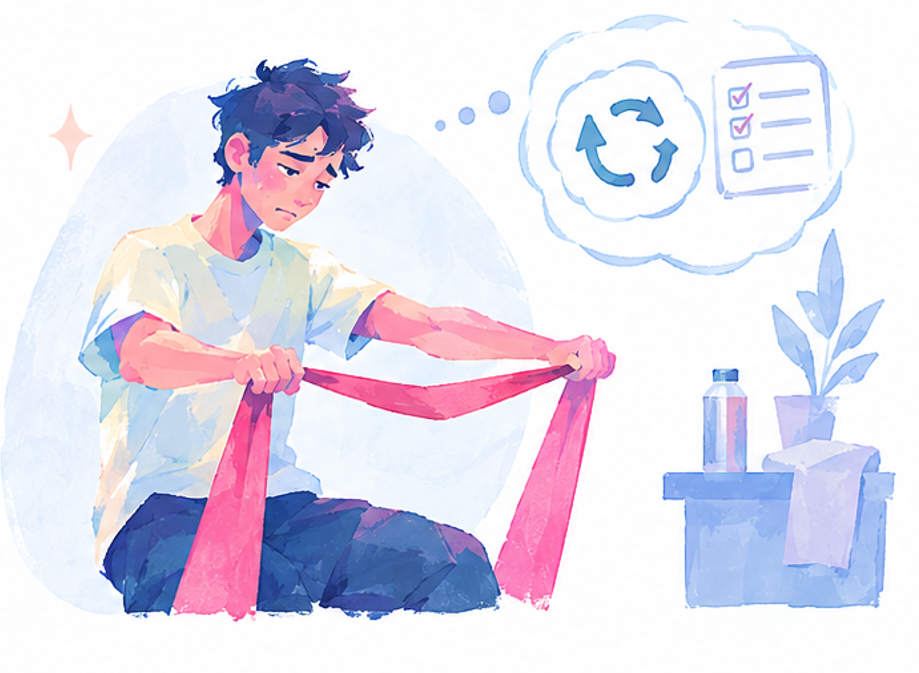
Physical rehabilitation often requires patients to repeat the same exercises for weeks or months, making the process repetitive and difficult to sustain.
- Patients may lose motivation and become inconsistent with exercises.
- Patients performing rehabilitation at home have limited supervision between clinical sessions.
- Therapists may have limited visibility into patient progress outside the clinic.
- Traditional rehabilitation can feel more like a task than an engaging activity.
This can make it difficult to maintain consistent rehabilitation and monitor progress effectively.
4. Proposed Solution
RehabQuest transforms prescribed rehabilitation exercises into interactive gameplay.
Patients perform therapeutic movements to:
- Control characters
- Collect objects
- Solve puzzles
- Complete game challenges
Camera or motion-based tracking can monitor the patient's movements and repetitions. Performance data can be recorded, allowing the difficulty of game challenges to adapt over time.
The goal is to make rehabilitation more engaging, interactive, and accessible at home while keeping the exercises purposeful.
5. Innovation & Uniqueness
RehabQuest combines therapeutic exercise with game mechanics instead of treating rehabilitation and gaming as separate activities.
The key concept is:
Therapeutic Movement → Game Action → Feedback → Progress
The patient's prescribed movement becomes the actual control mechanism for the game. This creates a more engaging rehabilitation experience while also generating structured performance data that can support progress monitoring.
6. Supporting Materials
- RehabQuest concept presentation
- Rehabilitation gameplay flow diagram
- Technical implementation flow
- UI / gameplay mockups
- Prototype demonstrations
- Research and reference materials
7. Project Presentation
Expected Users
- Patients undergoing physical rehabilitation
- Children requiring rehabilitation
- Physiotherapists and rehabilitation professionals
- Rehabilitation centers
- Patients performing rehabilitation at home
Implementation Process
- Build simple rehabilitation-based mini-games.
- Integrate camera or motion-based movement tracking.
- Map therapeutic movements to game actions.
- Add repetition and performance tracking.
- Implement adaptive difficulty.
- Develop a therapist-facing progress system.
- Test and refine the system with rehabilitation professionals.
Resources Required
- Unity
- C#
- Camera / motion-tracking hardware
- Development computer
- Rehabilitation exercise guidance from professionals
- Patient movement and progress data for testing
Potential Challenges
- Accurate movement tracking
- Supporting different patient physical abilities
- Ensuring exercises remain medically appropriate
- Protecting patient data
- Professional and clinical validation
Expected Outcomes
- More engaging rehabilitation sessions
- Improved motivation and consistency
- Better visibility into home rehabilitation progress
- Structured performance data for therapists
- Greater support for accessible and remote rehabilitation
Built With
- canva
- ppt


Log in or sign up for Devpost to join the conversation.