-
-
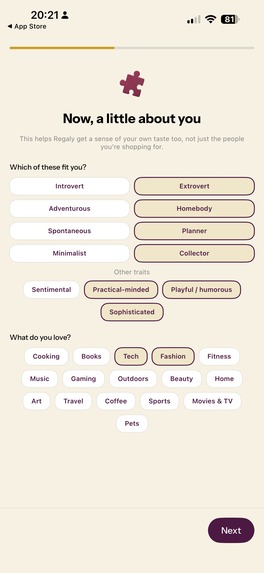
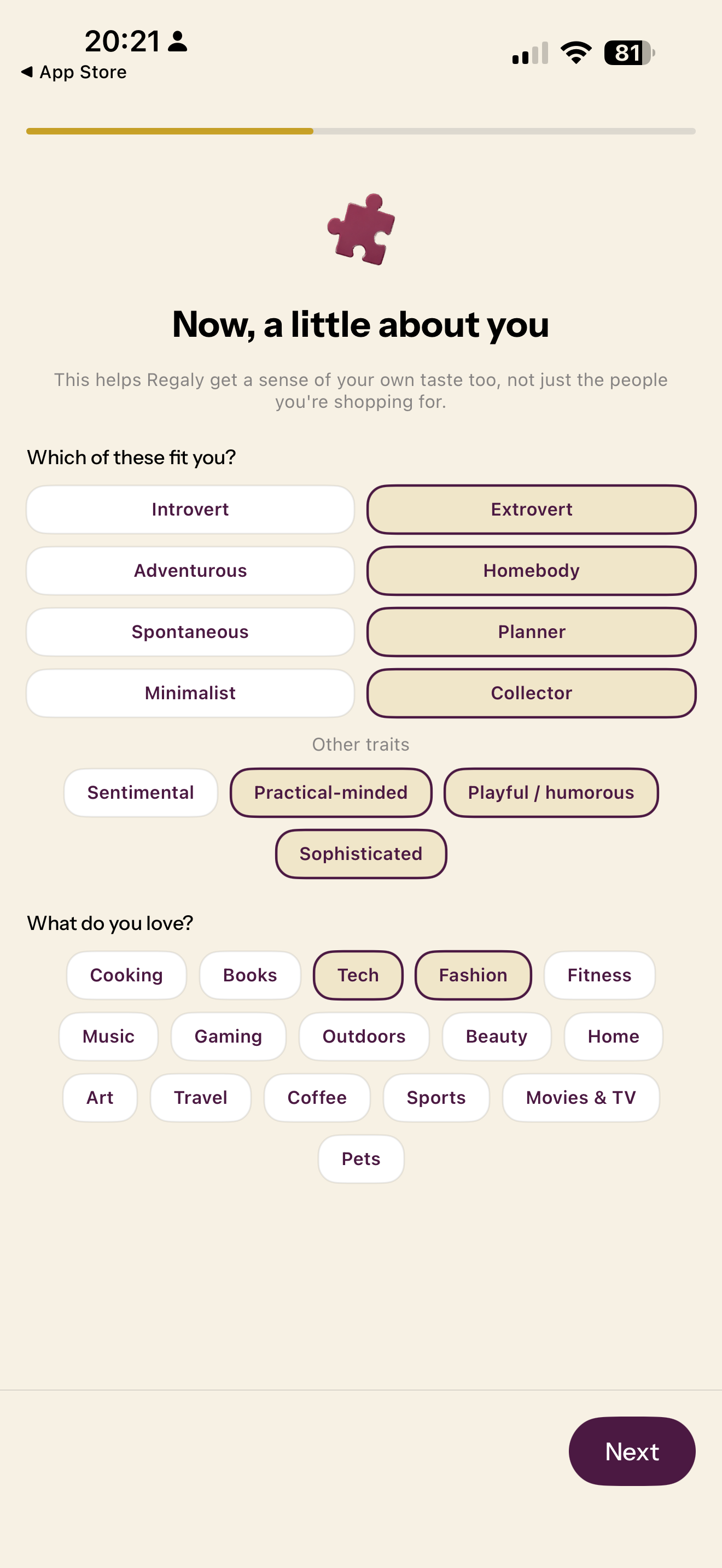
Questionnaire on the user.
-
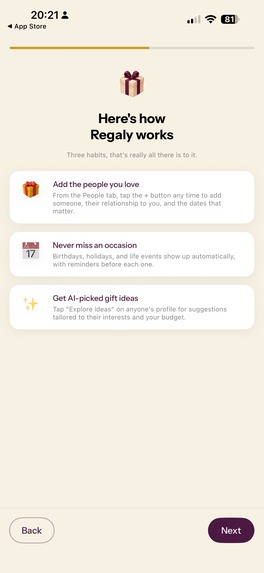
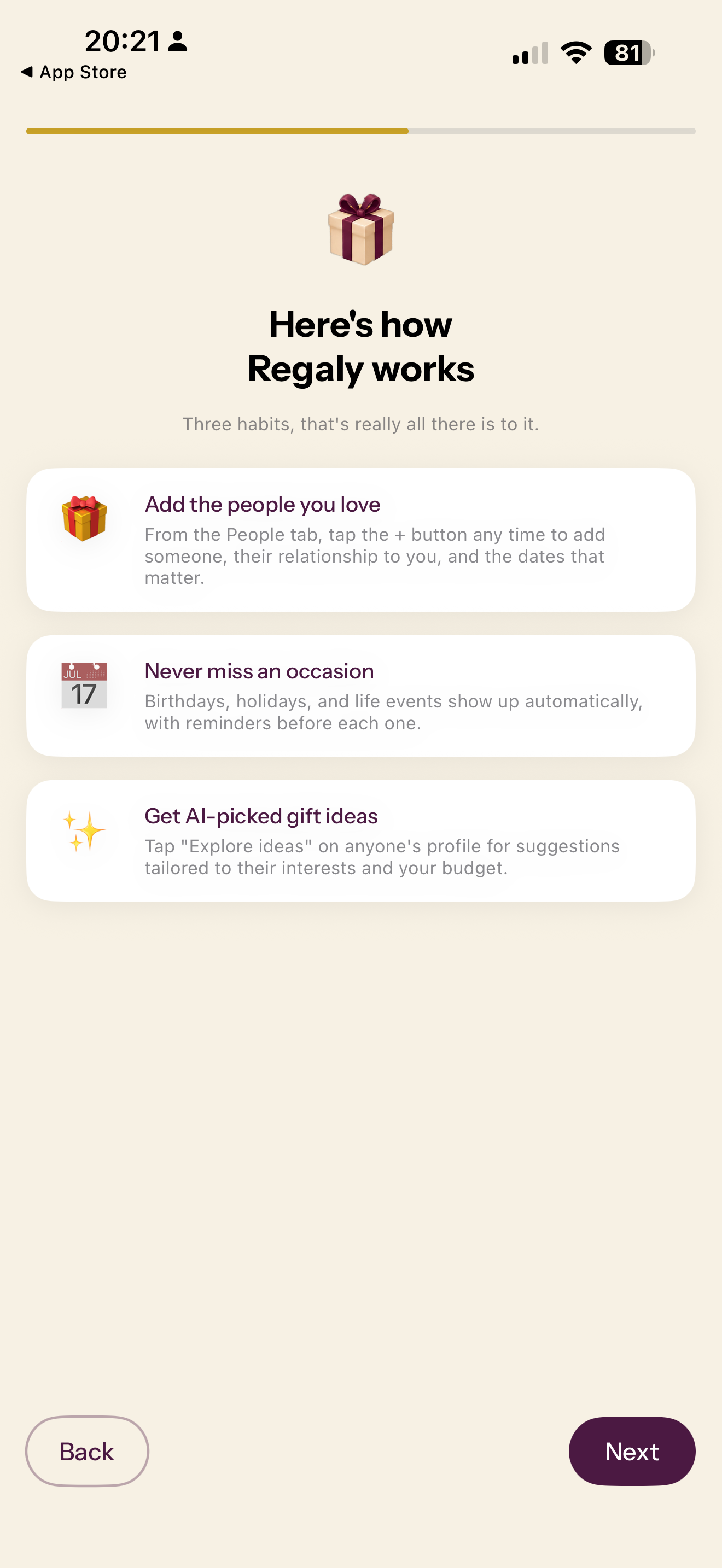
Explanation of how the app works.
-
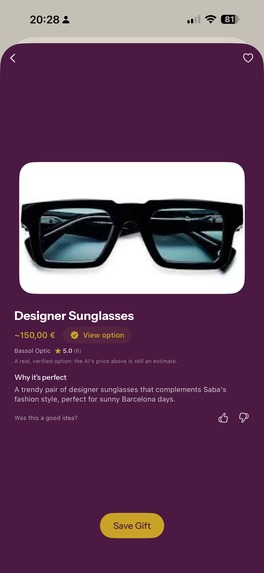
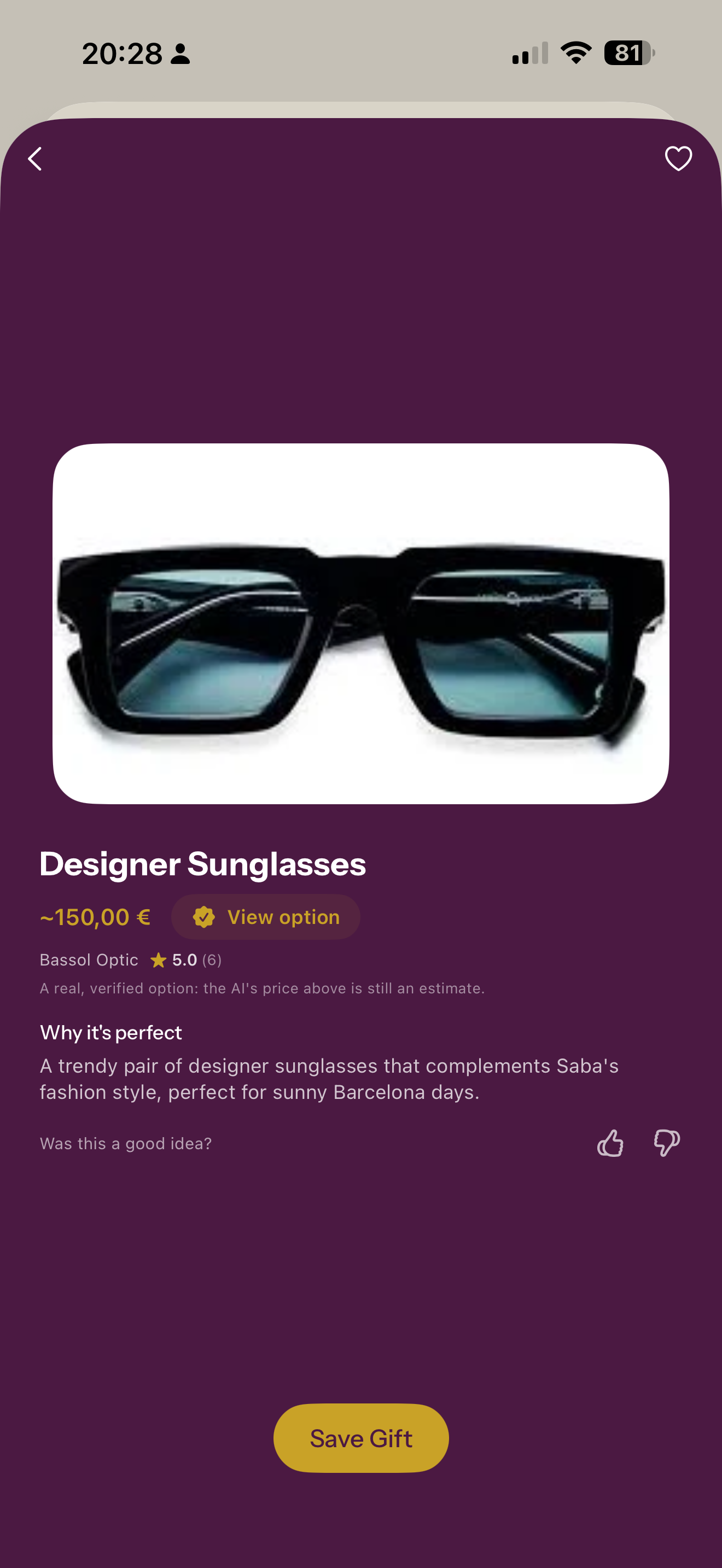
Example of a gift profile.
-
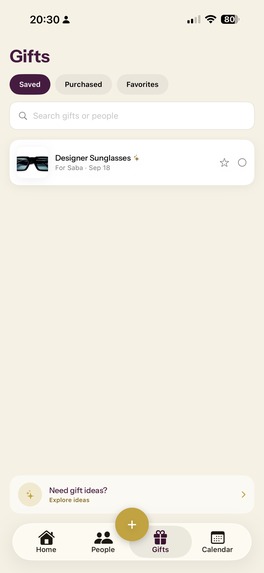
-
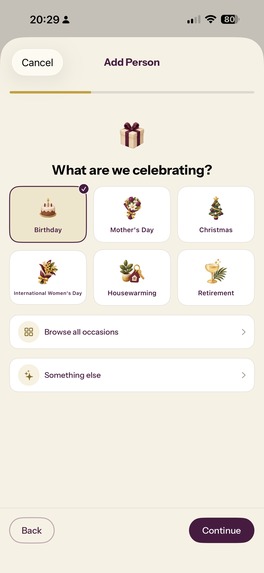
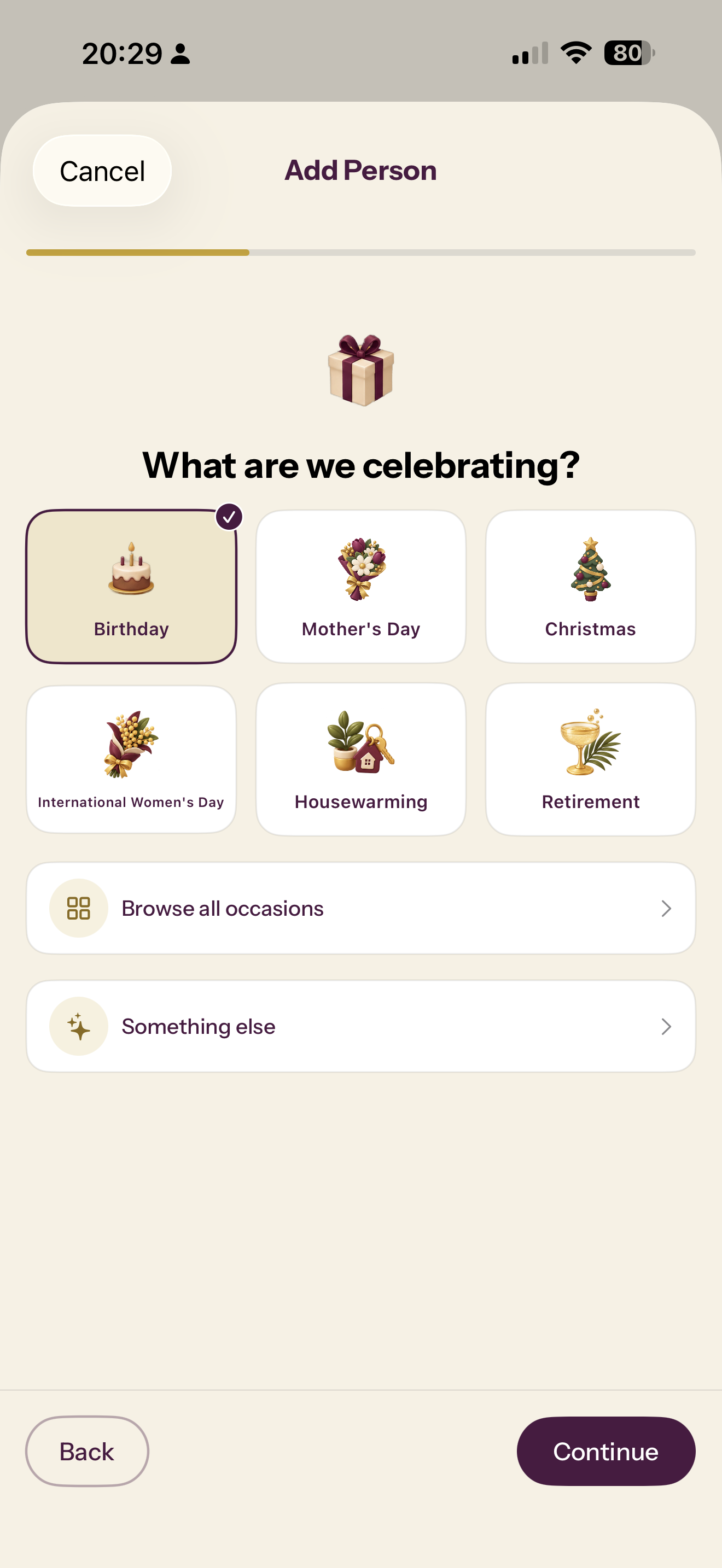
Different celebrations.
-
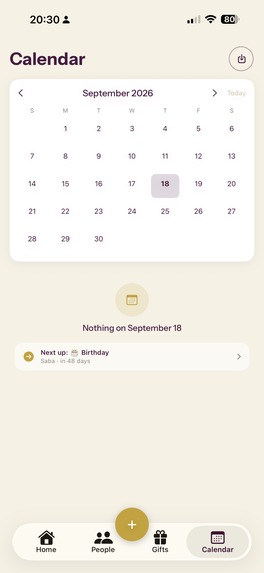
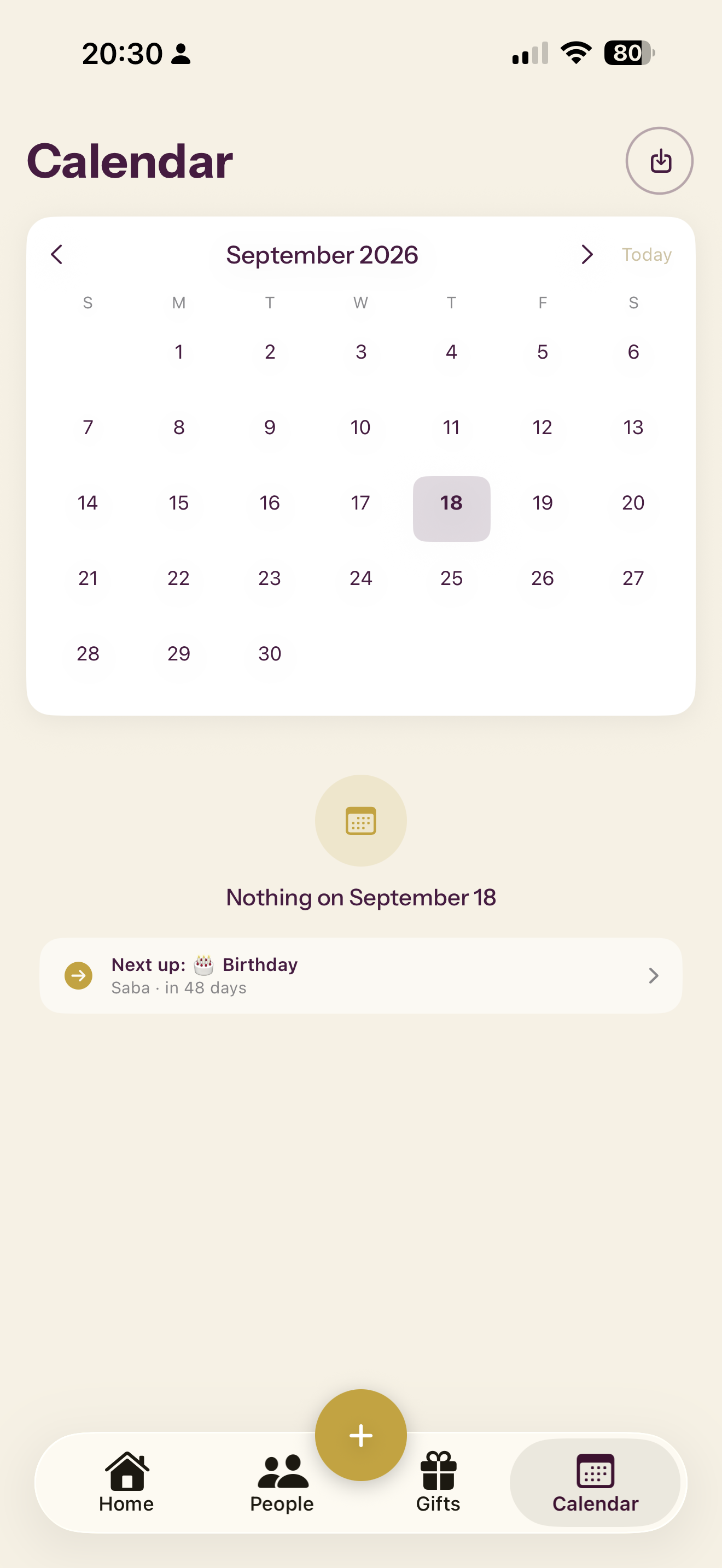
Calendar
-
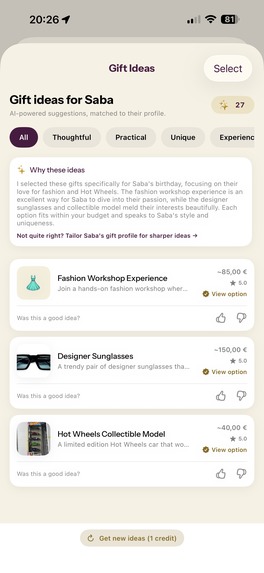
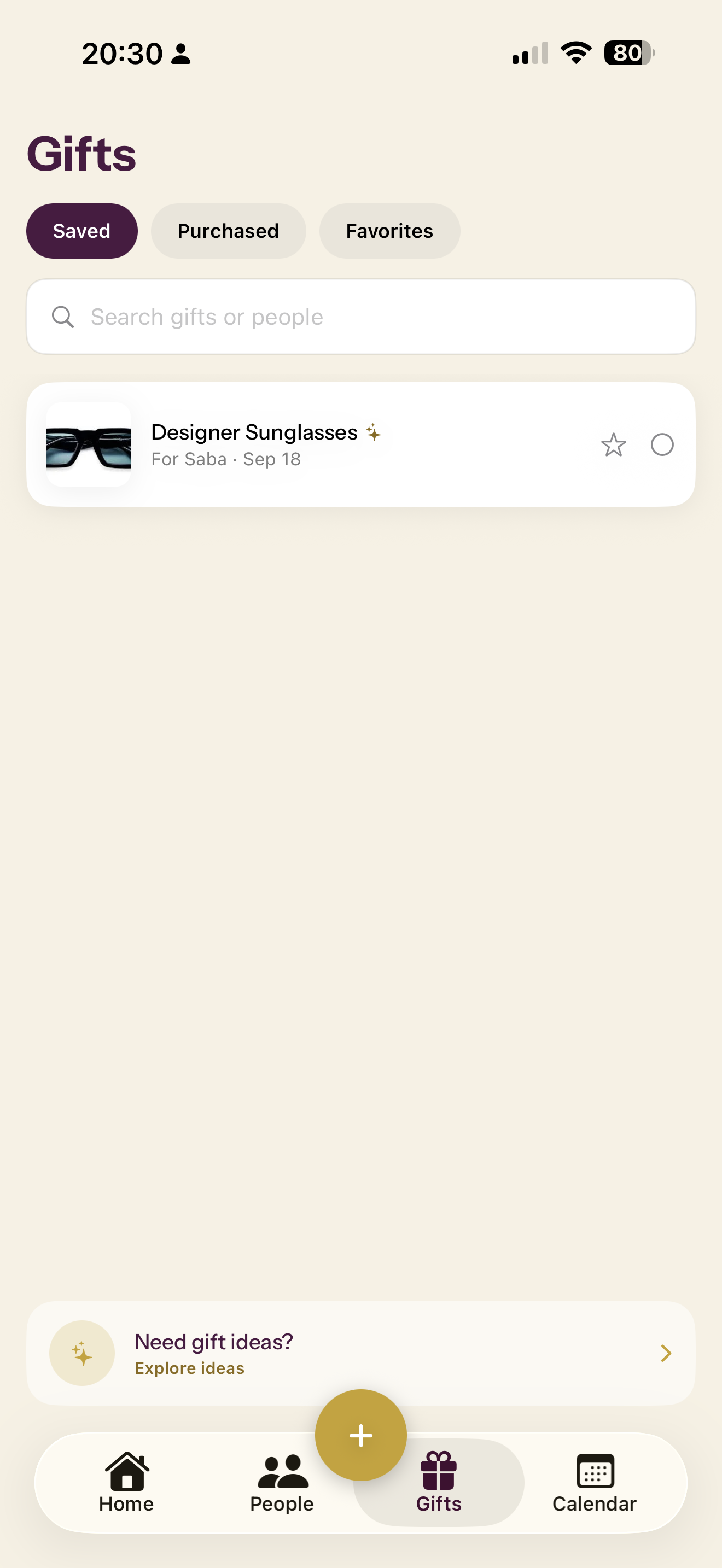
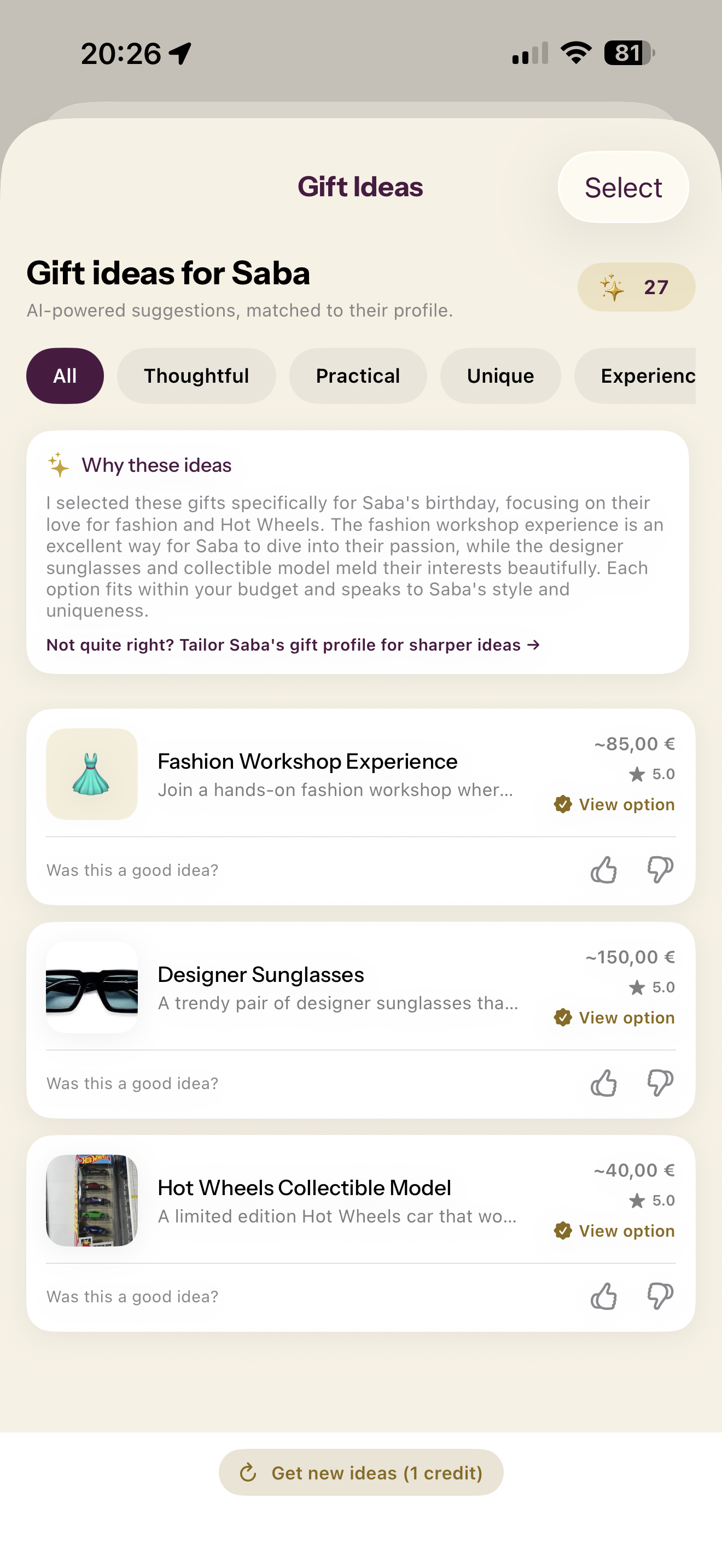
AI suggested gifts.
-
-

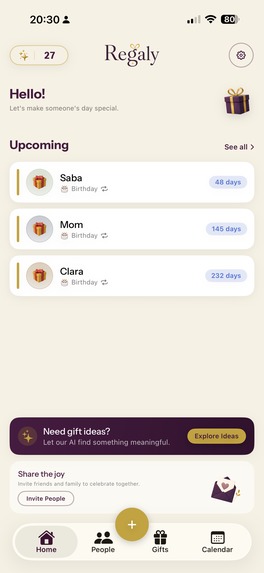
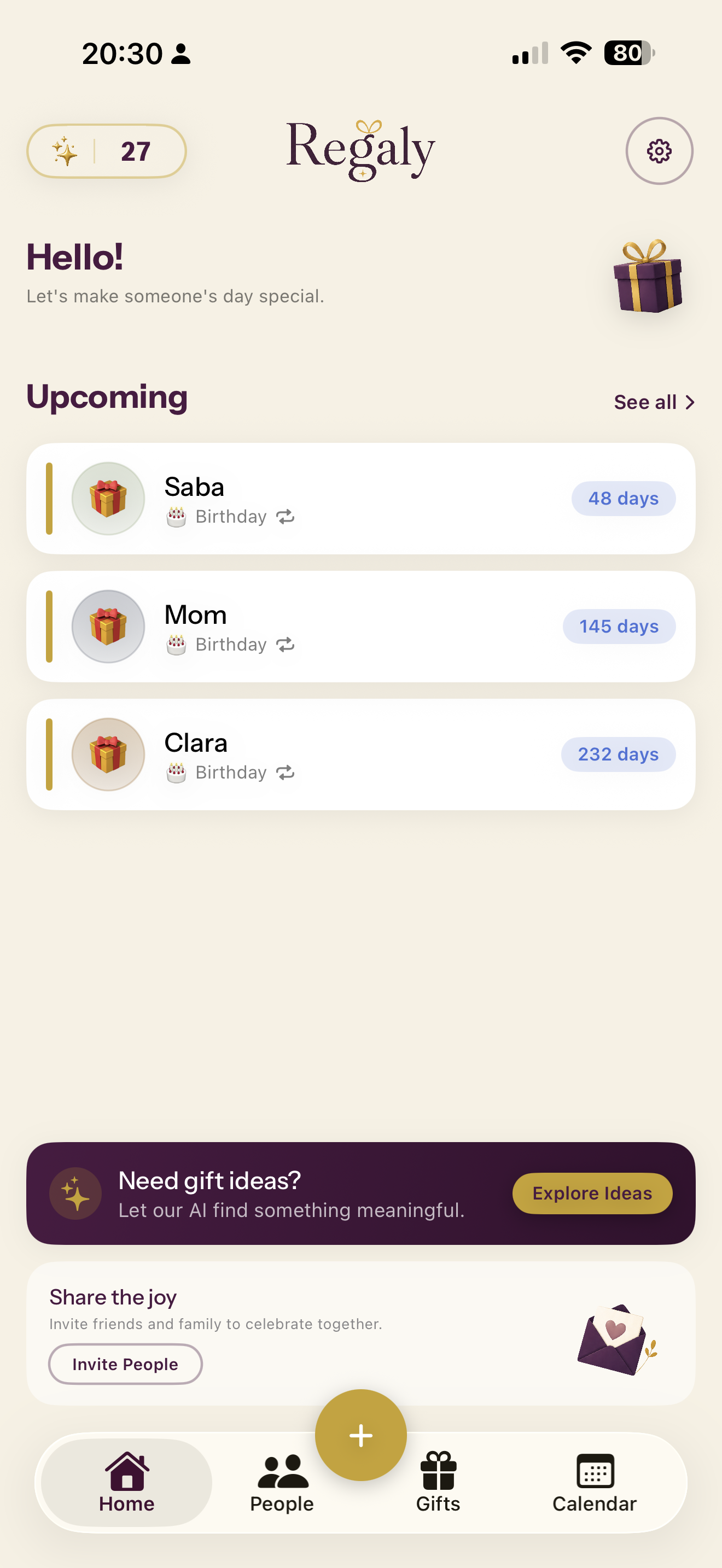
Image when app opens.
-

Regaly App Logo.


Inspiration
Regaly started from a simple problem. Remembering birthdays is easy enough, but finding a gift that actually feels personal is much harder. Too often, gift shopping becomes a last minute search through generic lists that have little to do with the person you are buying for.
I wanted to build something that makes gift giving feel more thoughtful and less stressful. Regaly helps people remember the important moments in the lives of the people they care about and gives them personalized gift ideas based on who that person actually is.
What I built
Regaly is a personal gift giving assistant for iPhone and iPad.
Users add the people they care about, their important occasions, interests, preferences, and other useful context. When they need a gift, Regaly uses that information to generate personalized suggestions together with a short explanation of why each idea could be a good fit.
The goal is not just to suggest products. It is to help users feel like they really know what to give.
How I built it
Regaly is built natively for iOS using SwiftUI and SwiftData.
User data is stored locally and synchronized across a user's Apple devices through iCloud. The AI gift recommendation flow is powered by a custom backend hosted on Vercel, which receives the relevant context about a person and generates tailored gift suggestions.
Subscriptions are managed through RevenueCat, including purchases, entitlements, and receipt validation.
I designed and built the entire product end to end, including the user experience, visual identity, application architecture, backend integration, subscription system, and App Store submission process.
What I learned
Building Regaly taught me how different it is to create a complete consumer product rather than just a technical prototype.
A feature can work perfectly from an engineering perspective and still need significant refinement before it feels simple and intuitive to a user. I learned a lot about reducing friction in onboarding, deciding how much information to ask for, designing AI interactions that feel useful instead of generic, and keeping the overall experience focused.
I also learned much more about the operational side of shipping an iOS application, including App Store Connect, subscription configuration, RevenueCat, App Review requirements, iCloud synchronization, and the many small details required to turn an idea into something people can actually download and use.
Challenges
One of the biggest challenges was finding the right balance between personalization and simplicity.
The more Regaly knows about someone, the better its recommendations can become, but asking users for too much information creates friction. Designing a flow that captures meaningful context without feeling like a questionnaire required a lot of iteration.
Another challenge was making AI generated recommendations feel genuinely personal. I did not want Regaly to produce another generic collection of gift ideas. The recommendations needed to clearly connect back to the person, which is why every suggestion includes the reasoning behind it.
Shipping the product also came with practical challenges around subscriptions and App Store review. Integrating purchases through RevenueCat, configuring the subscription products correctly, and navigating Apple's submission requirements were all important parts of getting Regaly ready for release.
Ultimately, the project became much more than an AI gift generator. It became an exercise in designing a complete product around a very human problem: remembering what matters and making the people you care about feel genuinely known.
Built With
- ai
- app-store
- consumer-app
- generative-ai
- gift-giving
- icloud
- ios
- lifestyle
- mobile-app
- personal-assistant
- personal-crm
- personalization
- product-design
- productivity
- recommendations
- relationship
- revenuecat
- solo-developer
- subscriptions
- swiftdata
- swiftui
- ux-design
- vercel


Log in or sign up for Devpost to join the conversation.