-
TITLE
-
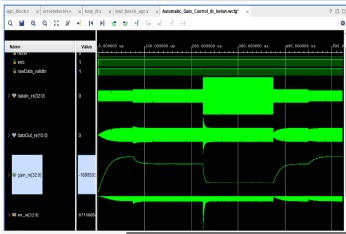
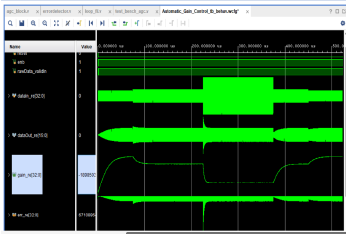
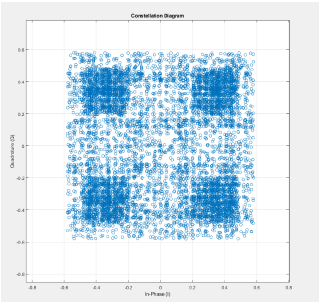
Automatic Gain Control (Output)
-
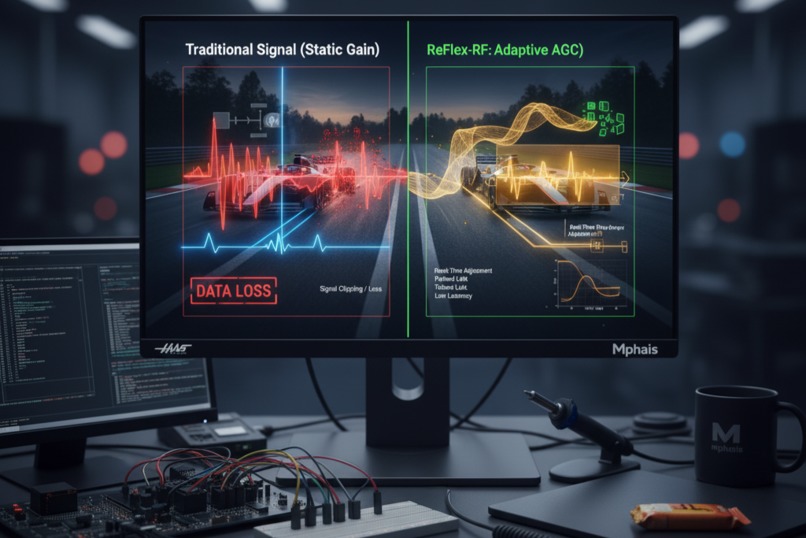
AGC
-
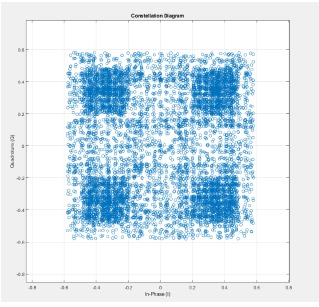
Symbol Synchronization (Output)
-
ZCTED
Inspiration
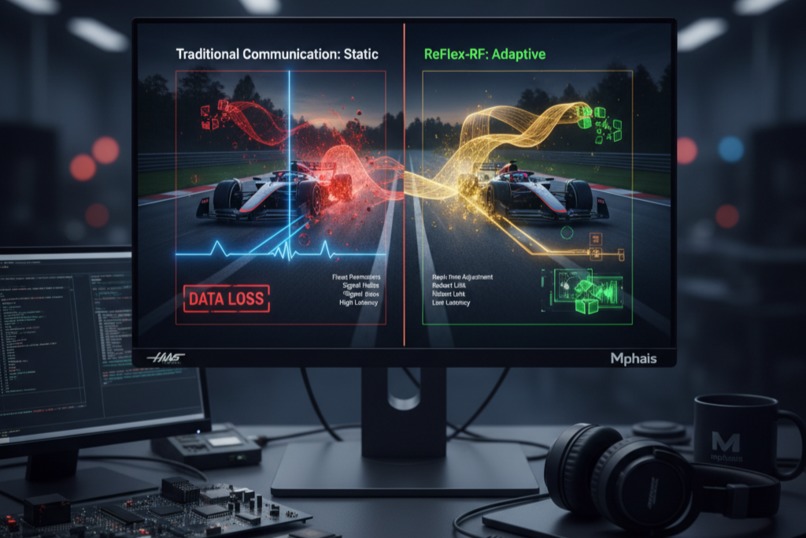
In high-speed mobility systems such as autonomous vehicles and motorsport telemetry, maintaining reliable communication under constantly changing conditions is a major challenge. During my internship at ISRO’s National Remote Sensing Centre, I implemented and tested algorithms like symbol synchronization, AGC, and decoding on FPGA-based communication platforms. That experience made me realize how traditional communication systems rely on static parameters, which limits their adaptability to signal variations.
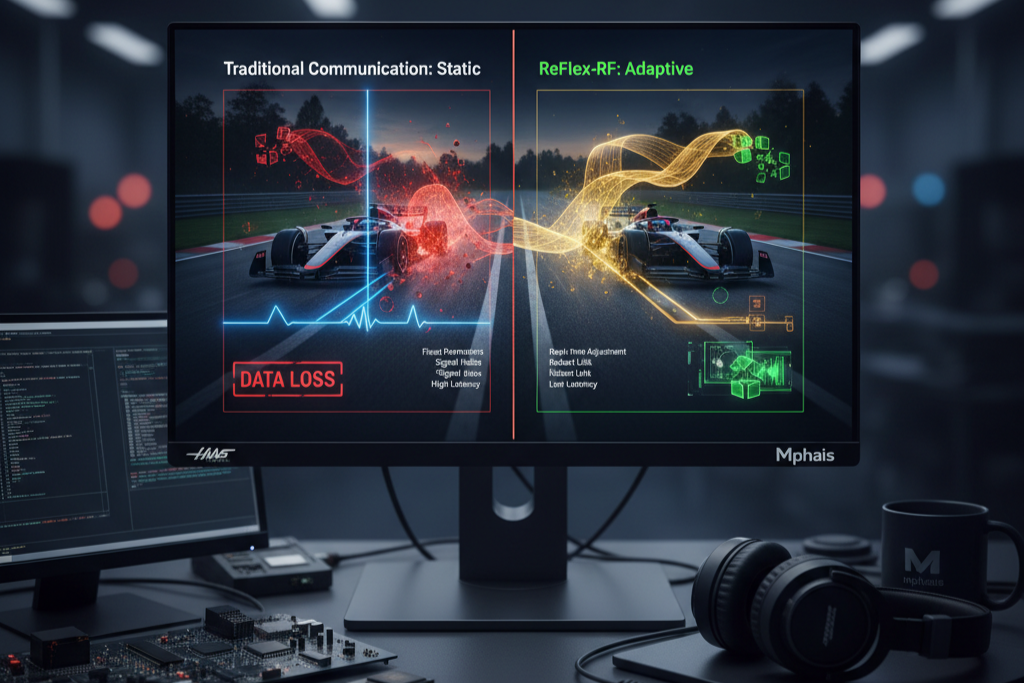
This led to the idea for ReFlex-RF — an adaptive communication concept designed to automatically adjust to channel fluctuations in real time, providing dependable, low-latency data transfer for high-performance systems.
What it does
ReFlex-RF is a concept for a real-time adaptive communication framework built using FPGA hardware and Verilog. It focuses on dynamic parameter control to maintain consistent performance when signal conditions change.
The proposed system would:
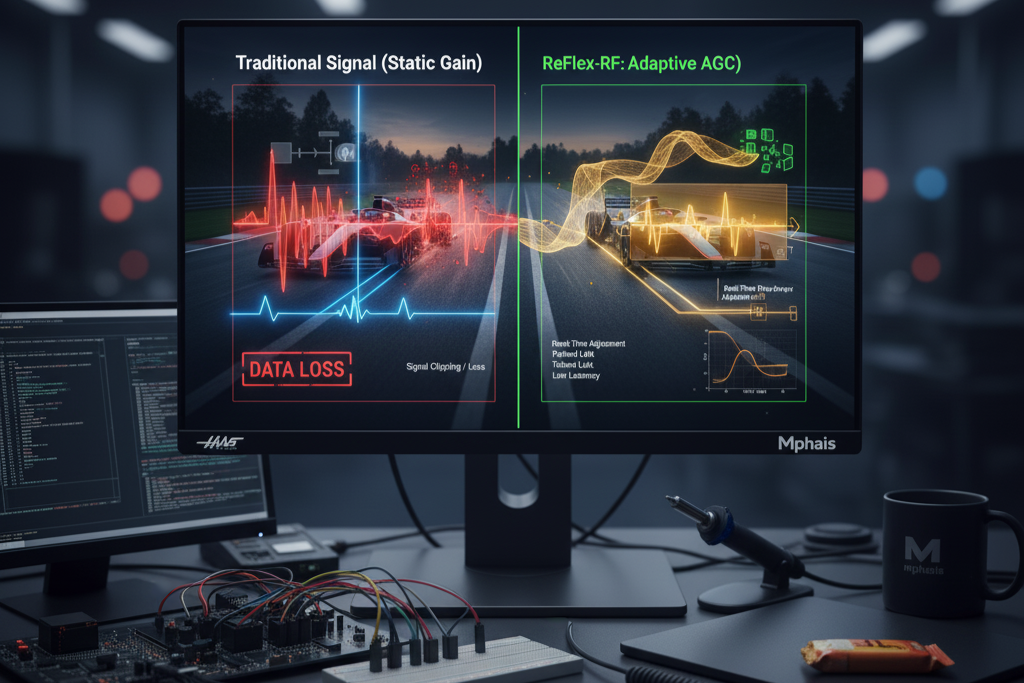
Adjust gain using an adaptive Automatic Gain Control (AGC) block.
Stabilize symbol timing through synchronization algorithms such as Gardner or Zero-Crossing methods.
Switch modulation schemes (BPSK/QPSK) based on the current Bit Error Rate (BER).
This adaptability allows communication systems to react instantly to channel conditions — an approach particularly valuable in fast, data-intensive applications like racing telemetry and autonomous systems.
BER = (Errors Detected / Total Bits Sent)
How we built it
To explore and validate the ReFlex-RF idea, I designed and tested individual building blocks on FPGA:
Developed AGC and symbol synchronization modules in Verilog using Xilinx Vivado.
Configured ADC–DAC loopback setups to observe signal changes and stability.
Implemented error-correction decoders (Viterbi and Reed–Solomon) to enhance communication reliability.
Used test benches and simulations to study how each module behaved under varying signal strengths and noise levels.
These independent components represent the foundation of a potential adaptive system that could operate seamlessly under motion and interference.
Challenges we ran into
Achieving stable synchronization between AGC and timing recovery modules.
Handling signal distortion and noise during loopback testing.
Managing FPGA resource usage while maintaining flexibility for multiple algorithm variations.
Ensuring accurate data recovery without excessive latency.
Accomplishments that we're proud of
Successfully designed and verified key FPGA blocks such as AGC, synchronization, and decoding logic.
Created a stable hardware setup to test and visualize signal flow and performance.
Established a clear concept for a modular, adaptive communication system suitable for high-speed data environments.
Strengthened understanding of digital communication principles through real hardware implementation.
What we learned
Translating communication theory into functional, synthesizable Verilog modules.
Using FPGA platforms effectively for real-time signal processing and analysis.
Balancing timing, precision, and efficiency while integrating multiple DSP components.
How adaptive concepts developed in communication research can be applied to racing telemetry, robotics, and autonomous mobility.
What's next for ReFlex-RF: Real-Time Adaptive Communication System
Future development will focus on combining the existing FPGA modules into a single adaptive architecture that monitors its own performance and modifies parameters in real time. The concept could be extended to multi-node communication — enabling vehicles or drones to exchange synchronized data continuously. In the long term, ReFlex-RF aims to serve as a foundation for race-grade adaptive communication hardware, capable of reliable, low-latency operation in demanding motion environments.
Built With
- adaptive
- adc?dac-loopback-setup-simulation-&-testing:-matlab-(for-signal-reference)
- c-tools-&-ides:-xilinx-vivado
- error-correction-(viterbi
- gain
- languages:-verilog
- matlab
- python
- python-(for-data-visualization)-concepts-applied:-digital-signal-processing
- reed-solomon)
- synchronization-algorithms
- vitis-ide-hardware-platforms:-xilinx-zynq-7000-fpga

