-
-
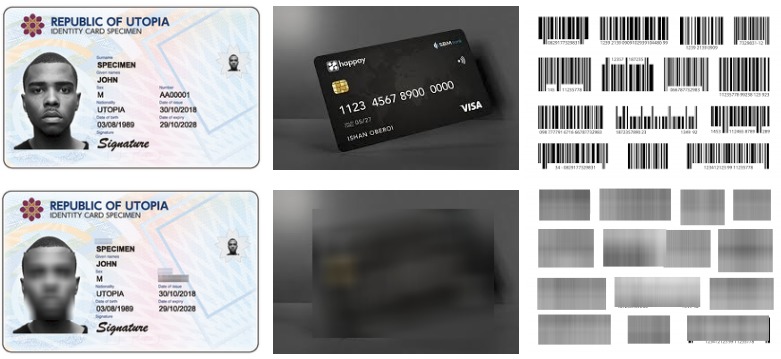
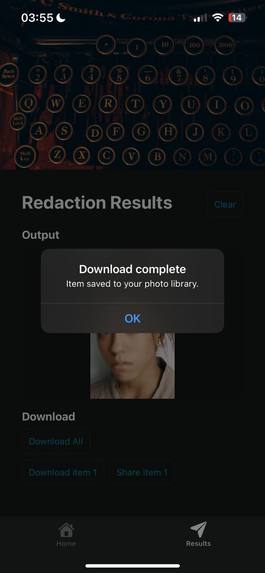
Redacted images using our model pipeline
-
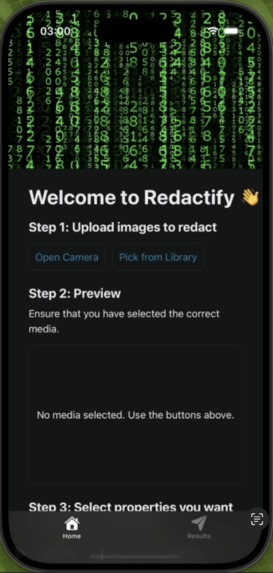
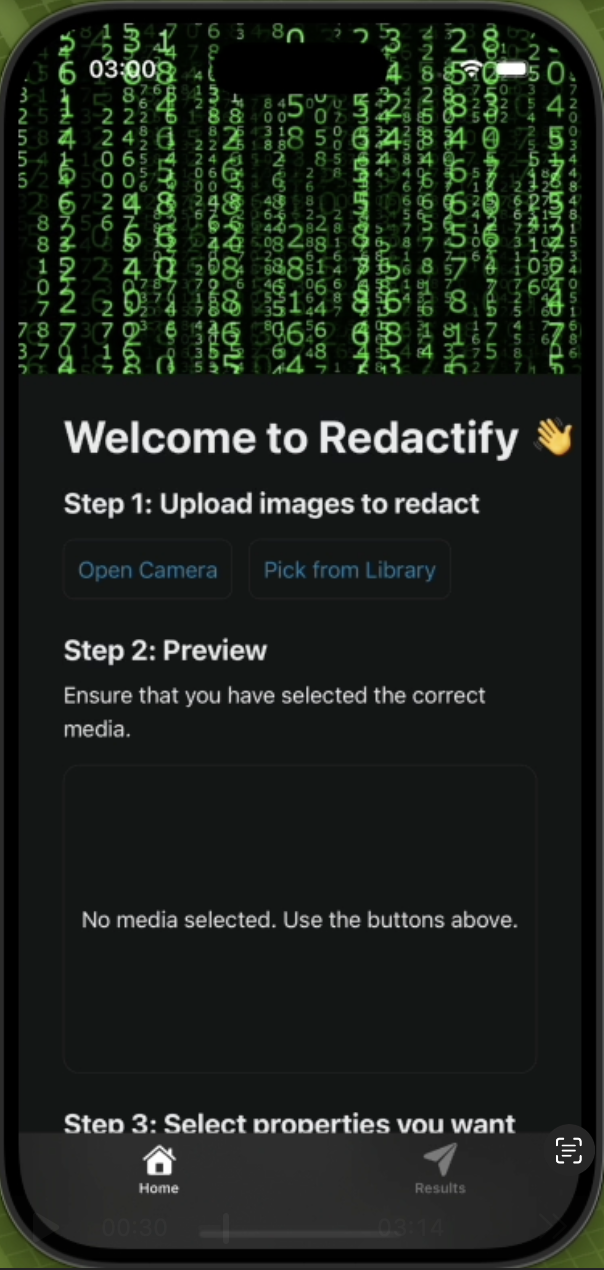
Main Screen
-
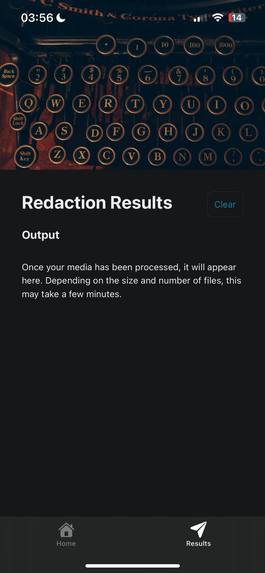
-
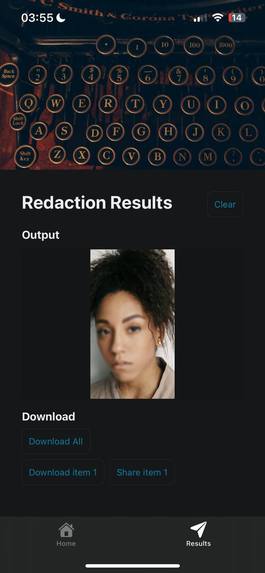
-
-
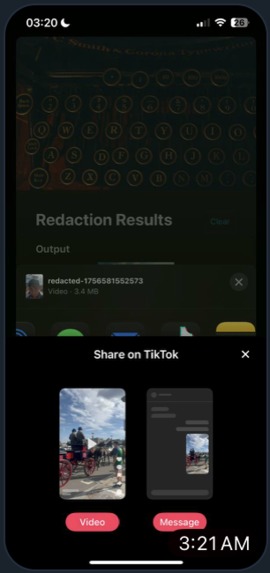
Sharing redacted videos onto Tiktok
Inspiration
As user-generated content on social media continues to grow, so does the risk of unintentionally sharing personally identifiable information (PII) such as faces, IDs, card details in images and videos. Once posted, this sensitive data can be exploited for identity theft, stalking, or other malicious activities, leading to privacy violations, reputational damage, and potential legal consequences. Manual review of content is time-consuming, prone to human error, and unscalable—especially for platforms processing millions of uploads daily.
What it does
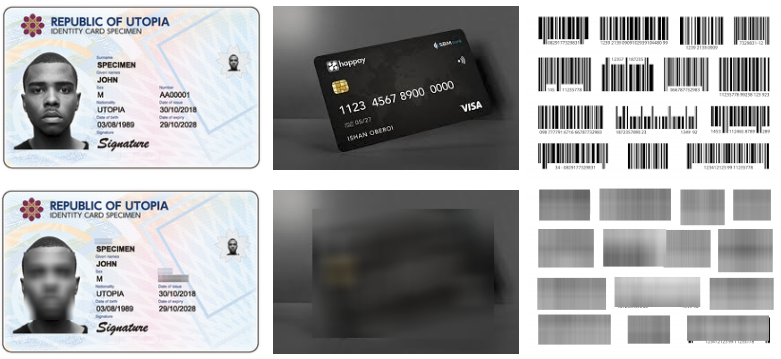
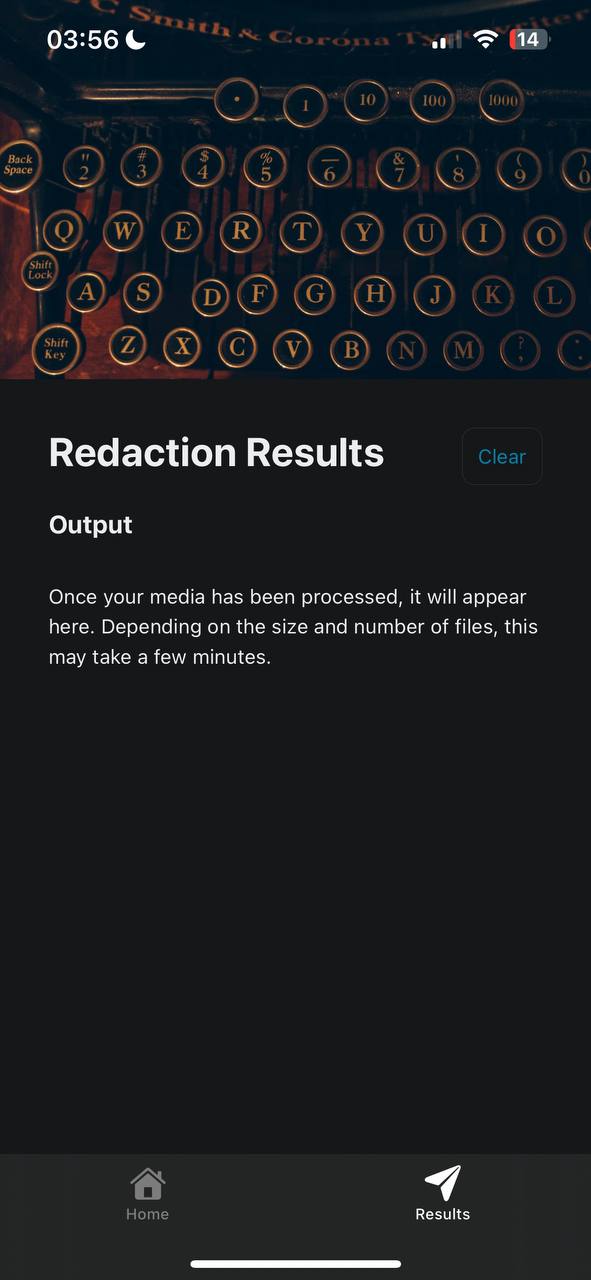
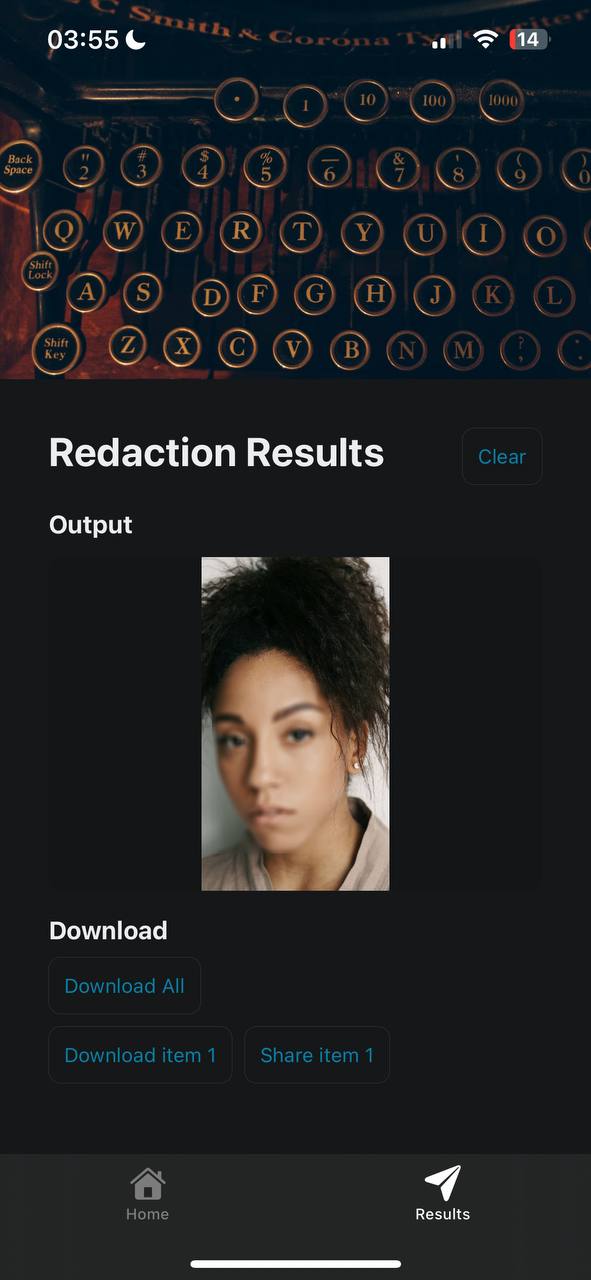
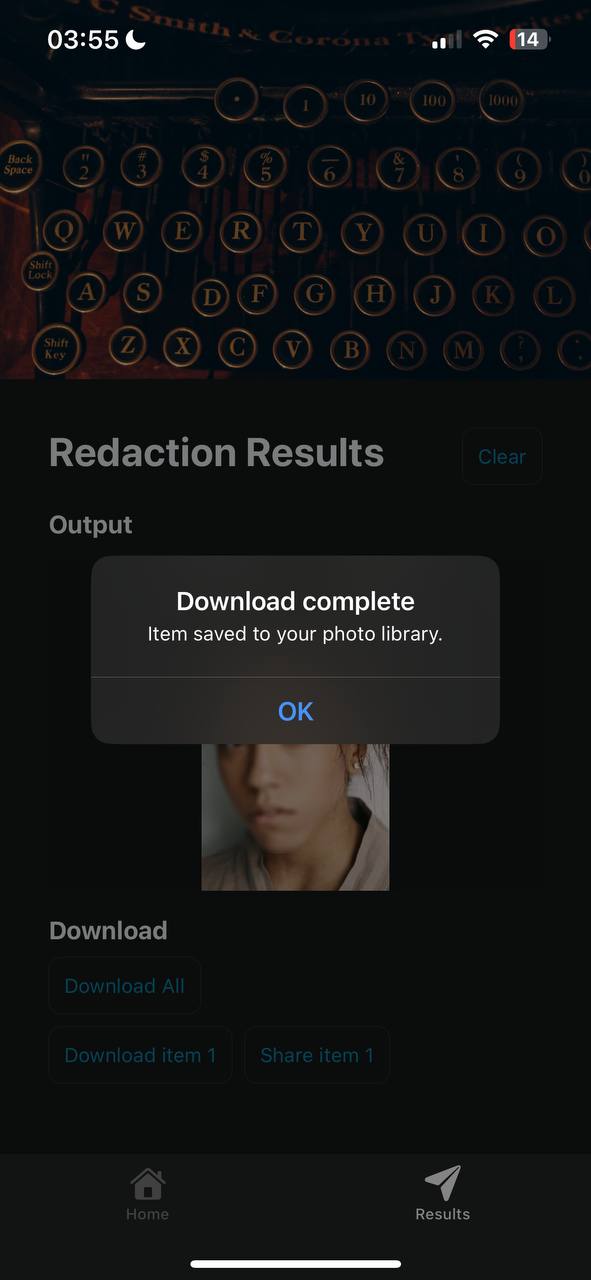
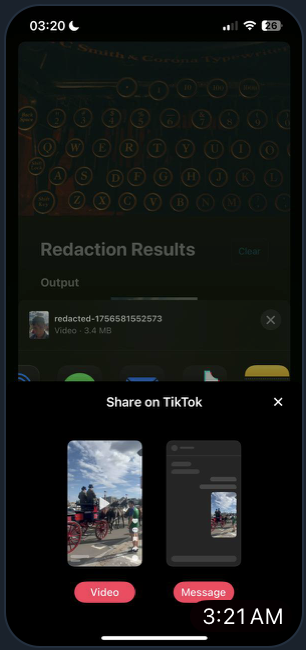
Redactify is a mobile application that aims to protect users' privacy in the materials posted online by performing redaction on areas of images/videos that potentially contain sensitive information such as Personal Identifiable Information (PII). Powered by Computer Vision Deep Learning models, it aims to position itself as as protective layer for TikTok users to filter out sensitive information before uploading a post onto the platform, keeping users safe from potential data leakages and threats revolving their PII.
How we built it
The team was split into 2. Team A focused on setting up the Front-end and ensuring the seamless calls to the machine learning models via cloud services. Team B focused on testing and training various Machine Learning models to suit the application.
Challenges we ran into
Hosting the machine learning models within the free tier cloud limits proved to be a challenge. We had to invest a sum into cloud credits in order to get our solution up and running.
Accomplishments that we're proud of
We were able to implement most of the features that we wanted. The models produced decent results and the overall app felt nice to have.
Built With
- amazon-ec2
- fastapi
- huggingface
- ocr
- opencv
- react-native
- yolo


Log in or sign up for Devpost to join the conversation.