
The Problem
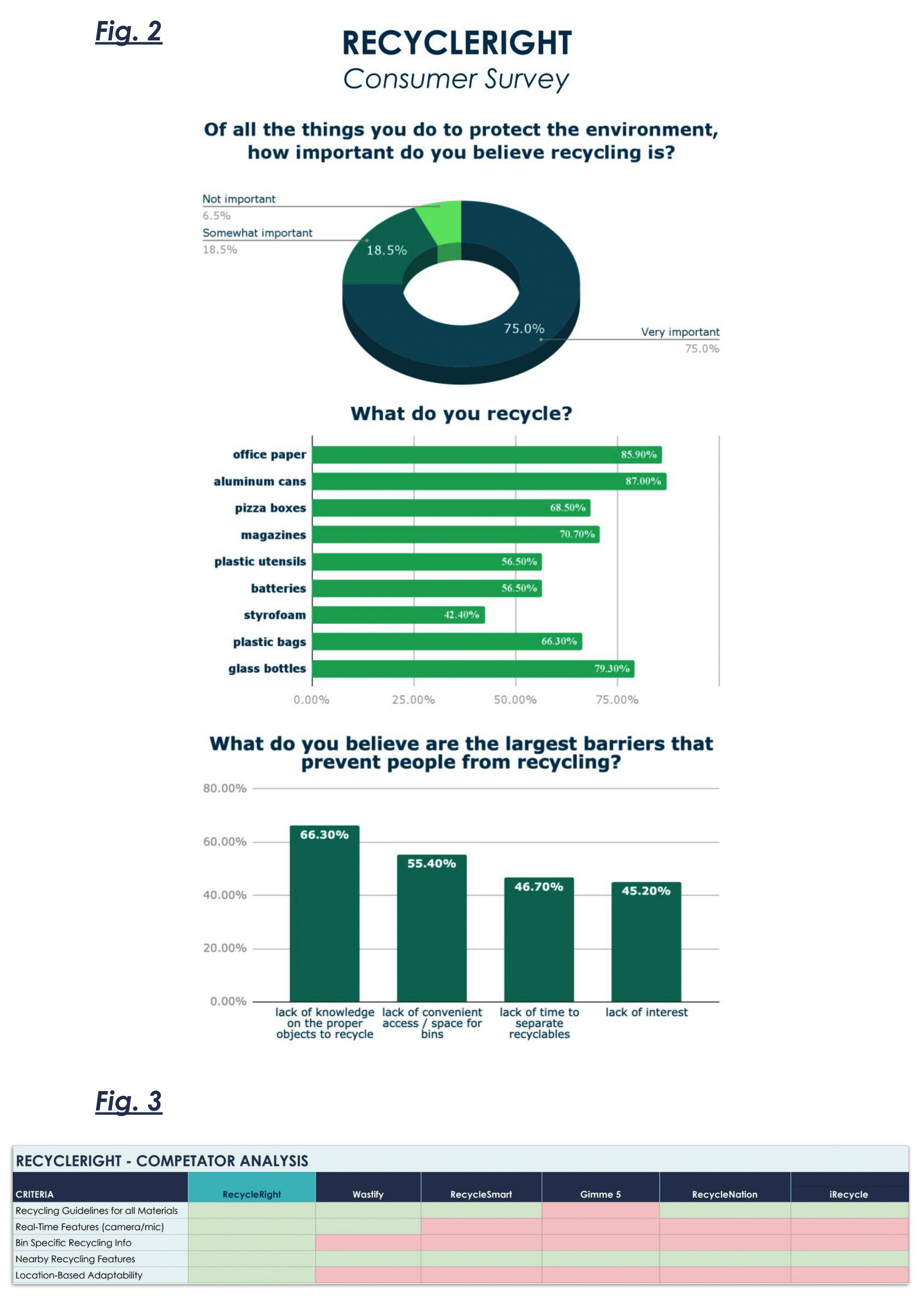
Rising greenhouse gas levels are causing irreversible damage to the planet, with solid waste being a major contributor. Community recycling programs offer a crucial solution, conserving energy, reducing pollution, and preventing waste from entering oceans. Despite high awareness of climate change, only 13.5% of the 2 billion tons of municipal solid waste produced annually is recycled, and 62% of people are confused about proper recycling. This confusion leads to recycling contamination, contributing to a 257% increase in unusable recycled material over the past decade. As China stops importing contaminated recyclables, a global recycling crisis looms. To address this, leveraging existing recycling programs and infrastructure is essential to avoid scaling back efforts and exacerbating environmental problems.
What it does
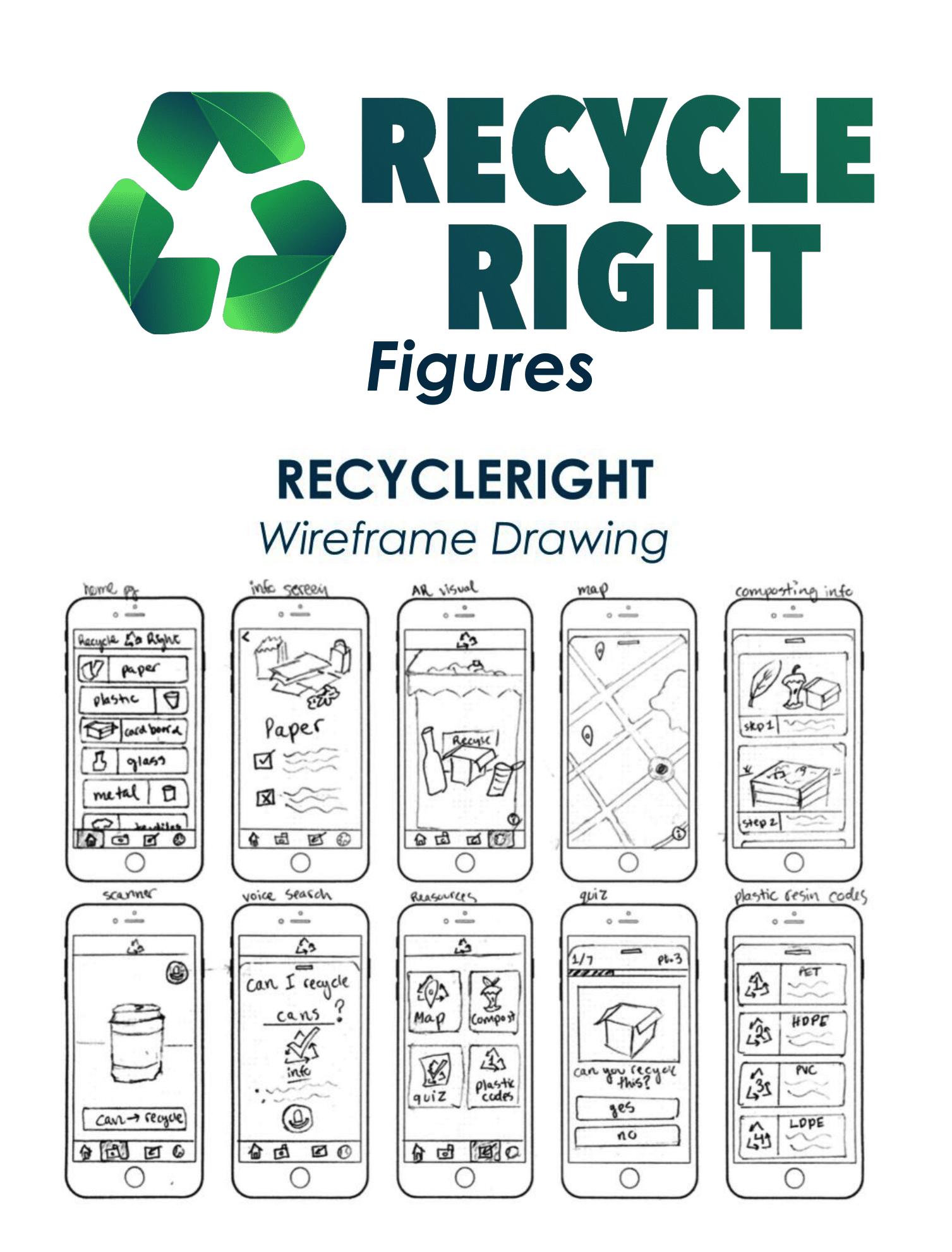
The app offers a user-friendly interface with a home page featuring waste categories and detailed recycling information. Specialized stickers, when scanned using Augmented Reality, display animated information on what specific recyclables a bin accepts. The app includes a map for locating nearby recycling centers, resources for eco-friendly habits, a voice search feature, community engagement, and a real-time object-recognition scanner using machine learning to determine recyclability.
How I built it
RecycleRight was created using Swift in the XCode IDE, with tools such as the CoreML vision recognition framework and Tensorflow for the image classification machine learning model, ARKit for augmented reality, Apple speech framework for vocal recognition, Apple Maps, and Github.
Challenges I ran into
During the app development, we encountered numerous challenges, providing opportunities to learn new technologies such as image classification and augmented reality. Implementing convolutional neural network models required several iterations to enhance precision and recall accuracy, with the realization that a large dataset is crucial. To address this, we developed a Python script utilizing Microsoft Azure's Bing Image Search API to collect thousands of relevant images, successfully improving the model's performance after testing and troubleshooting.

Log in or sign up for Devpost to join the conversation.