-
-
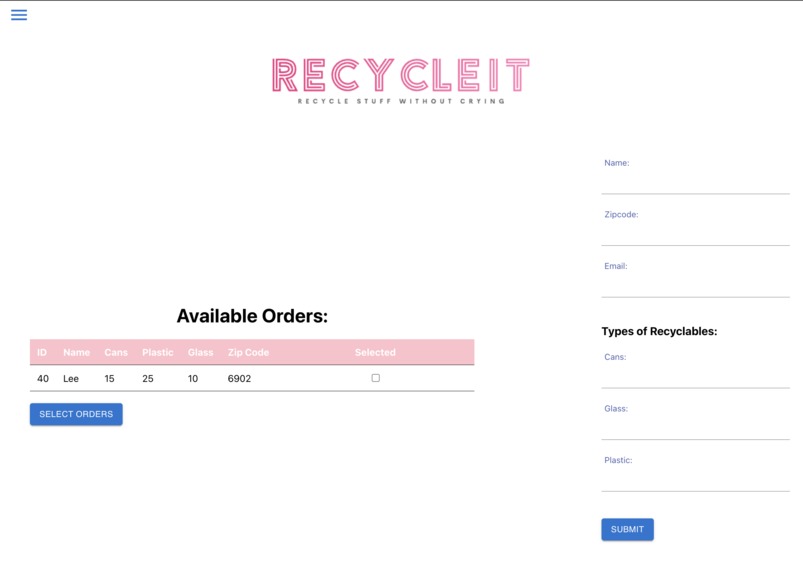
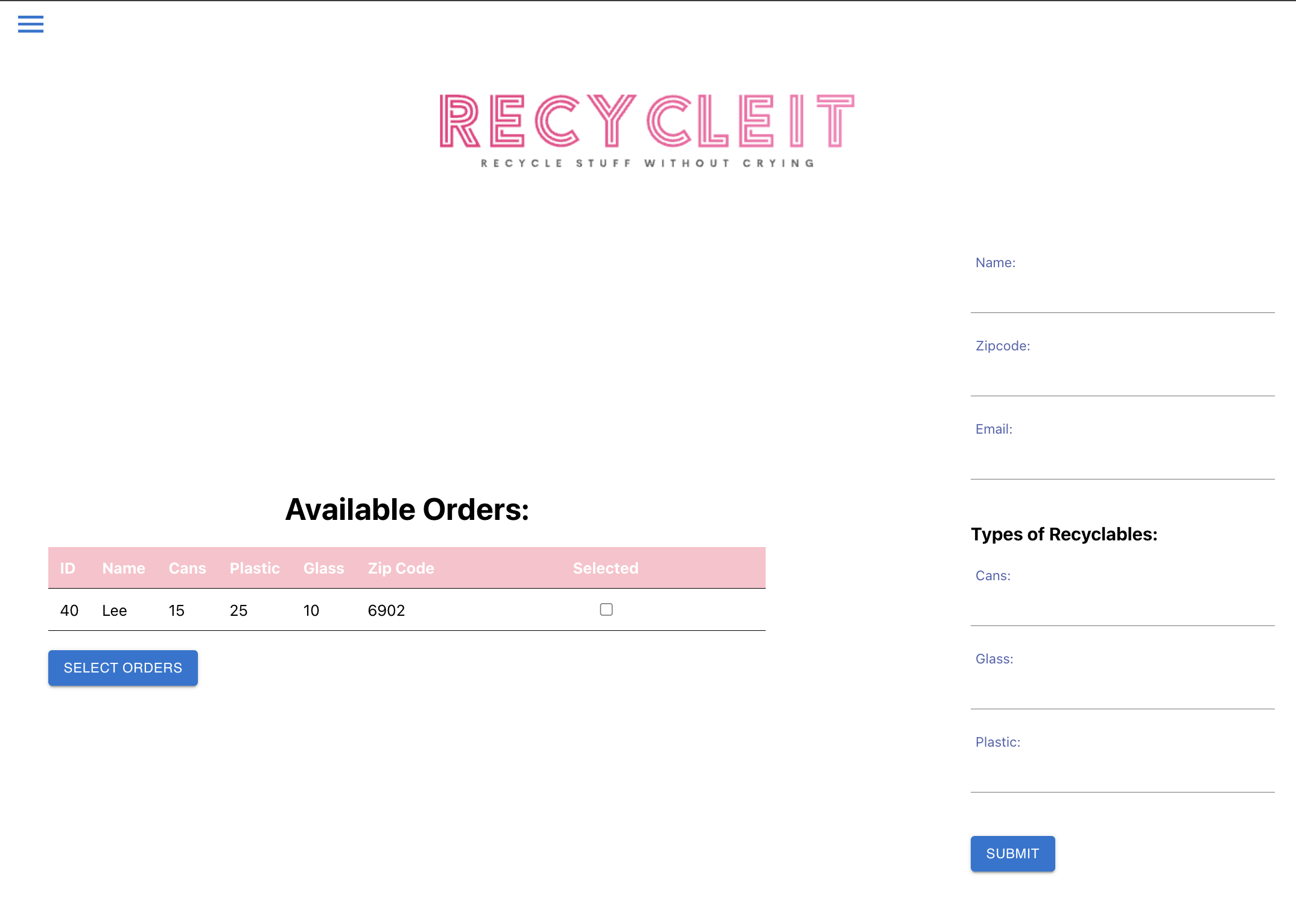
Homepage
-
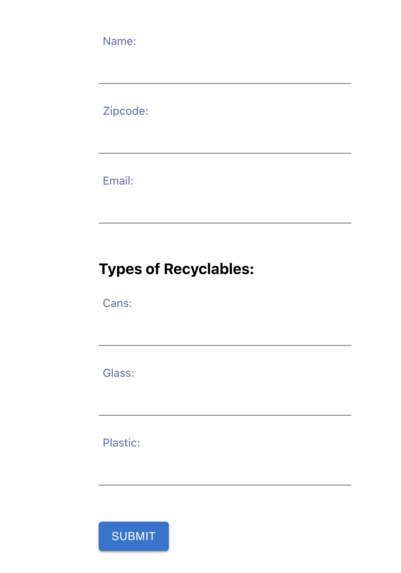
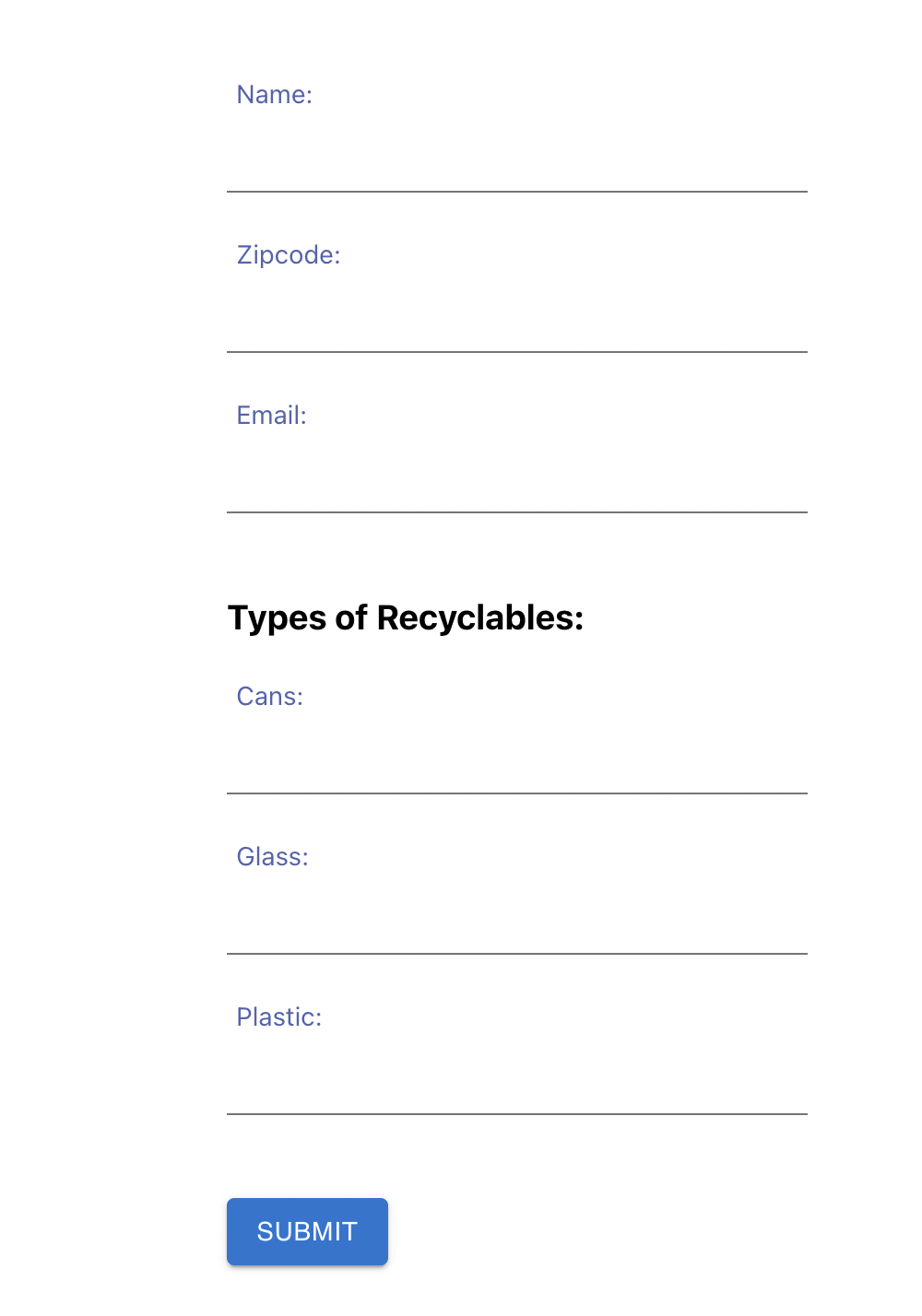
Add New Order Form
-
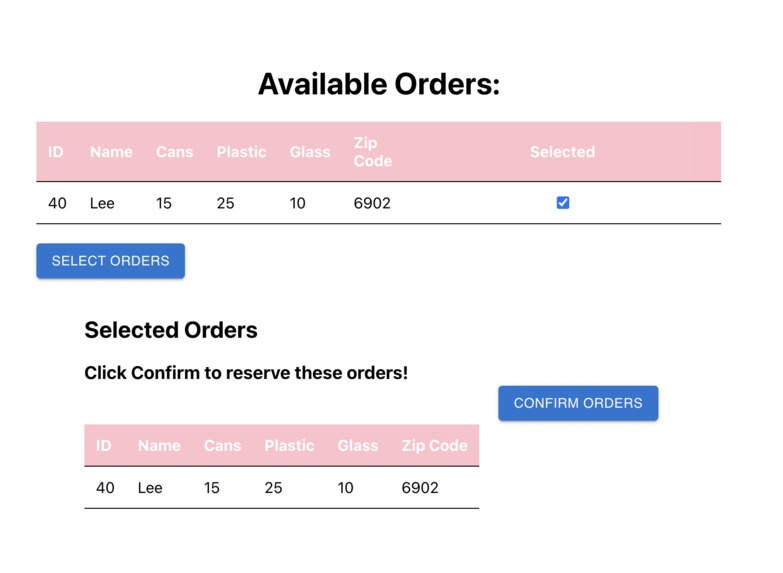
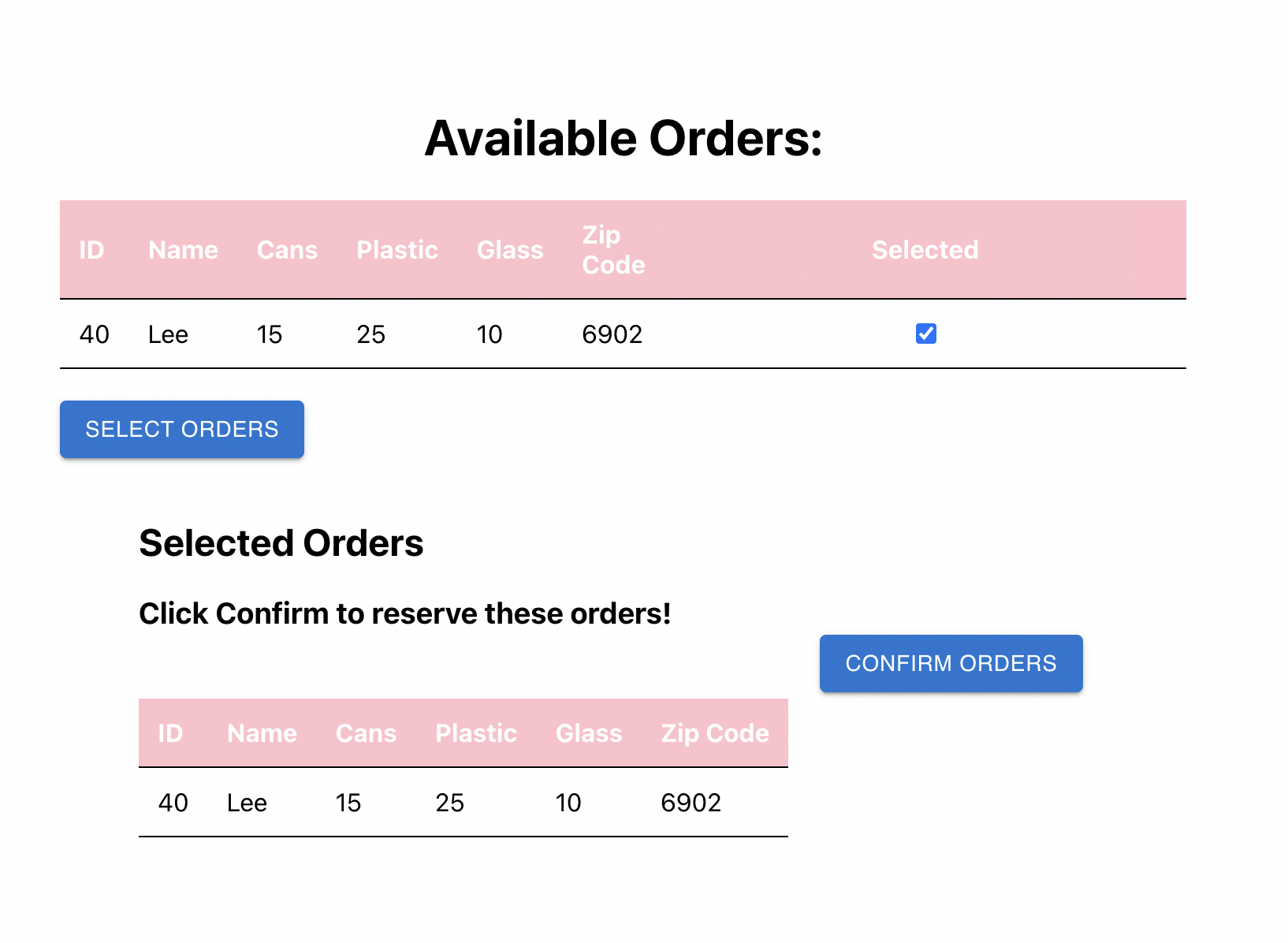
select orders to pick up
Inspiration
At the heart of Recycle It is a strong desire to make a meaningful impact on the environment through the power of connection. We believe that recycling is a powerful solution to address pressing environmental issues, especially those related to climate change, and we are deeply committed to sustainability. We understand that many people face barriers that prevent them from recycling, from lack of accessibility to inadequate recycling infrastructure. As a team, we were troubled by the low recycling rates in apartments and the limited options available to those who cannot recycle. Driven by our passion to make a difference, we set out to create a solution that would address these critical gaps in recycling accessibility.At the heart of Recycle It is a strong desire to make a meaningful impact on the environment through the power of connection. We believe that recycling is a powerful solution to address pressing environmental issues, especially those related to climate change, and we are deeply committed to sustainability. We understand that many people face barriers that prevent them from recycling, from lack of accessibility to inadequate recycling infrastructure. As a team, we were troubled by the low recycling rates in apartments and the limited options available to those who cannot recycle. Driven by our passion to make a difference, we set out to create a solution that would address these critical gaps in recycling accessibility.
What it does
Recycle It is an online platform that connects people who want to recycle with those who have the ability to recycle. The platform addresses the issue of low recycling rates in apartments and the lack of accessibility for people with disabilities. Its goal is to reduce the demand for landfills and other types of disposal, which has a significant impact on climate change. Recycle It provides a simple, easy, and convenient way for people to recycle and make a positive impact on the environment. It also aims to increase awareness about the importance of recycling and encourages individuals to take action towards a sustainable future.
How we built it
Recycle It was built using a combination of Firebase for authentication, React JS for the front end, and Flask for the back end. Firebase provided a secure and reliable authentication system for the platform, allowing users to create and log into their accounts. React JS, along with HTML and CSS, was used to create the user interface, making it intuitive and easy to use. The front-end was built with various tools and technologies, such as the useEffect and useState hooks, which helped manage the components' states and effects. Axios was used for making API calls, allowing the platform to interact with the back end and fetch data from the server. The back end was built with Flask, a Python-based web framework, and PostgreSQL was used as the database management system, ensuring that user data was stored securely and efficiently. Overall, Recycle It was built using a robust and reliable technology stack, ensuring that the platform is user-friendly, secure, and scalable.
Challenges we ran into
While building Recycle It, some of the challenges we faced were related to integrating the various technologies used in the platform. One of the main challenges was ensuring that the front-end and back-end systems worked seamlessly together. Additionally, ensuring that the platform was responsive and user-friendly was also a challenge, especially since we had to account for various user devices and screen sizes. Another challenge was implementing the authentication system using Firebase, as it required a deep understanding of security protocols and best practices. Finally, setting up and configuring the PostgreSQL database was also a challenge, particularly managing our migrations folder and alembic table, as it required a thorough understanding of SQL and database management. Despite these challenges, we were able to overcome them and build a robust and reliable platform that addresses the issue of low recycling rates and lack of accessibility for people with disabilities.
Accomplishments that we're proud of
Working on Recycle It was a great accomplishment for our team, and there are a few key achievements that we're particularly proud of. One of our main accomplishments was successfully integrating React JS, HTML, and CSS to create a dynamic and user-friendly front-end interface. We also utilized the useEffect and useState hooks to manage the state and lifecycle of our components, and Axios for making API calls to fetch data from the back-end Flask server. On the back-end, we were able to design and implement a robust Flask server that interacted with a PostgreSQL database, providing secure and efficient data storage and retrieval. Overall, we are proud of the collaborative effort and hard work that went into building Recycle It, and the impact it can have on increasing awareness and accessibility to recycling for everyone.
What we learned
Building Recycle It was a great learning experience for our team of software engineers. We gained experience in working with different technologies such as React JS, Flask, Firebase, PostgreSQL, Axios, and API calls. One of the key lessons we learned was the importance of proper planning and communication when working on a complex project with a team. We also learned the importance of efficient data storage and retrieval, and how to properly structure a database for scalability and ease of use. Another important aspect we learned was the significance of accessibility and how to design and develop applications that are inclusive for all users, including those with disabilities. Overall, building Recycle It was a great opportunity to learn new skills and apply them to create a valuable and impactful product.
What's next for Recycle It
The next step for Recycle It is to continue to improve and expand the platform to reach more individuals who want to recycle. This could involve adding new features such as a rewards program or partnering with local businesses to incentivize recycling. Additionally, we can explore ways to integrate more accessibility features to ensure that people with disabilities have equal access to the service. In terms of technology, we can focus on optimizing the platform by improving database efficiency and minimizing load times. This can be done by implementing caching and load balancing techniques. Finally, we can continue to iterate on the user interface by leveraging the tools we used during development such as React JS, HTML, CSS, useEffect, useState, Axios, and API calls to create a seamless user experience.

Log in or sign up for Devpost to join the conversation.