Inspiration
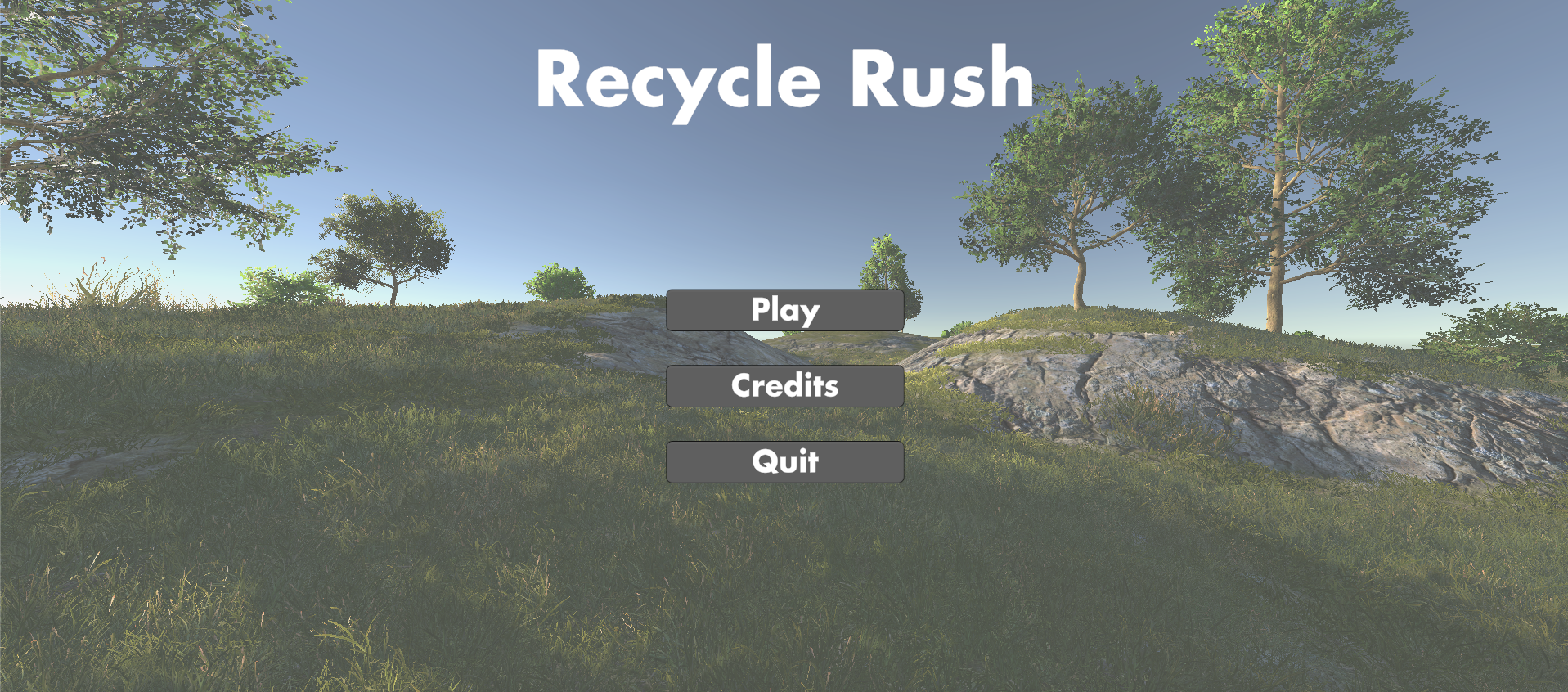
The world generates over 2 billion tons of waste annually, but proper recycling habits are still lacking in many communities. I wanted to tackle this issue by creating an experience that’s not only fun but also educational. Inspired by the chaotic excitement of games like Overcooked and the need for environmental awareness, I envisioned Recycle Rush. This game encourages players to think critically about waste management under time pressure.
What it does
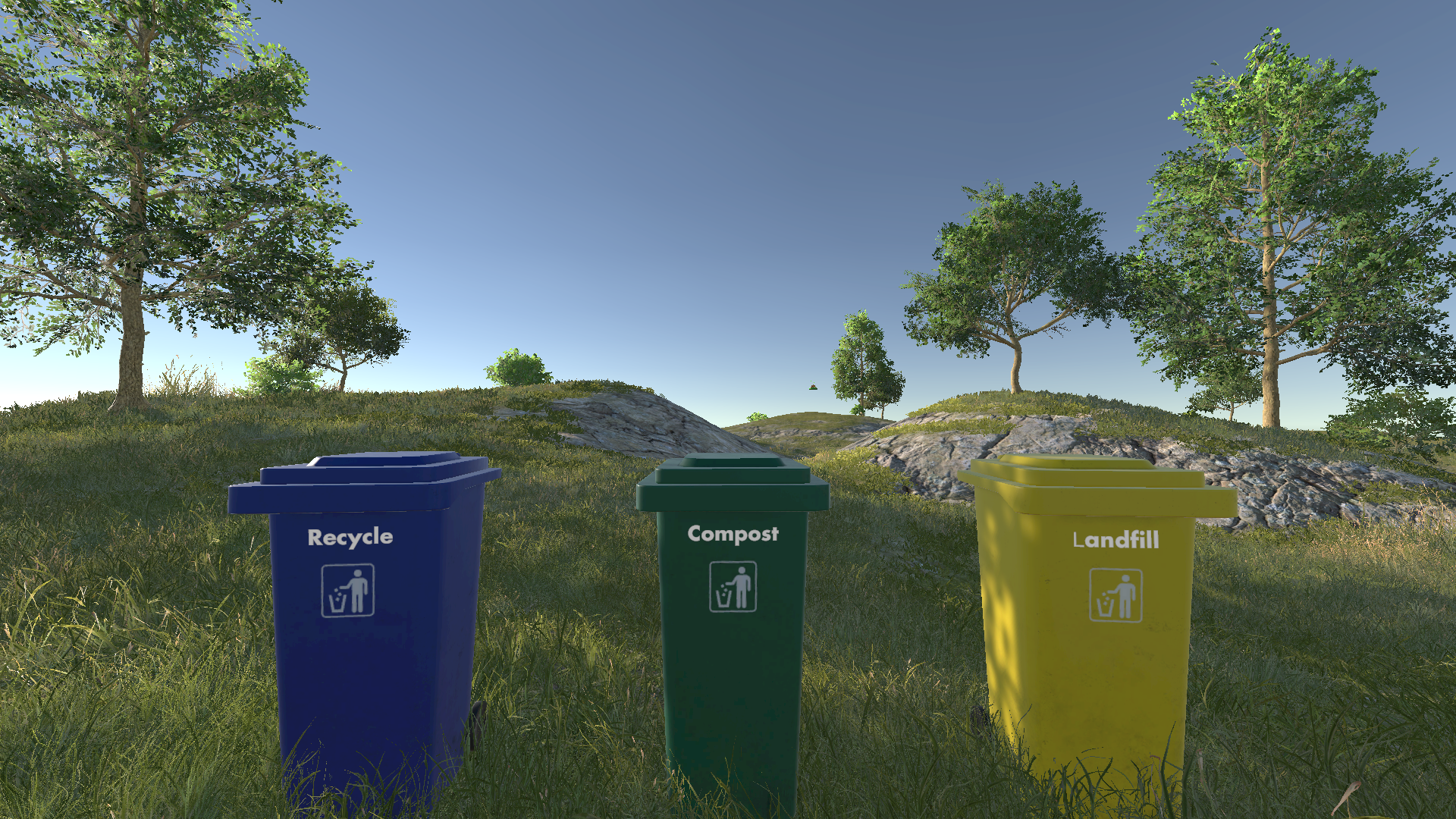
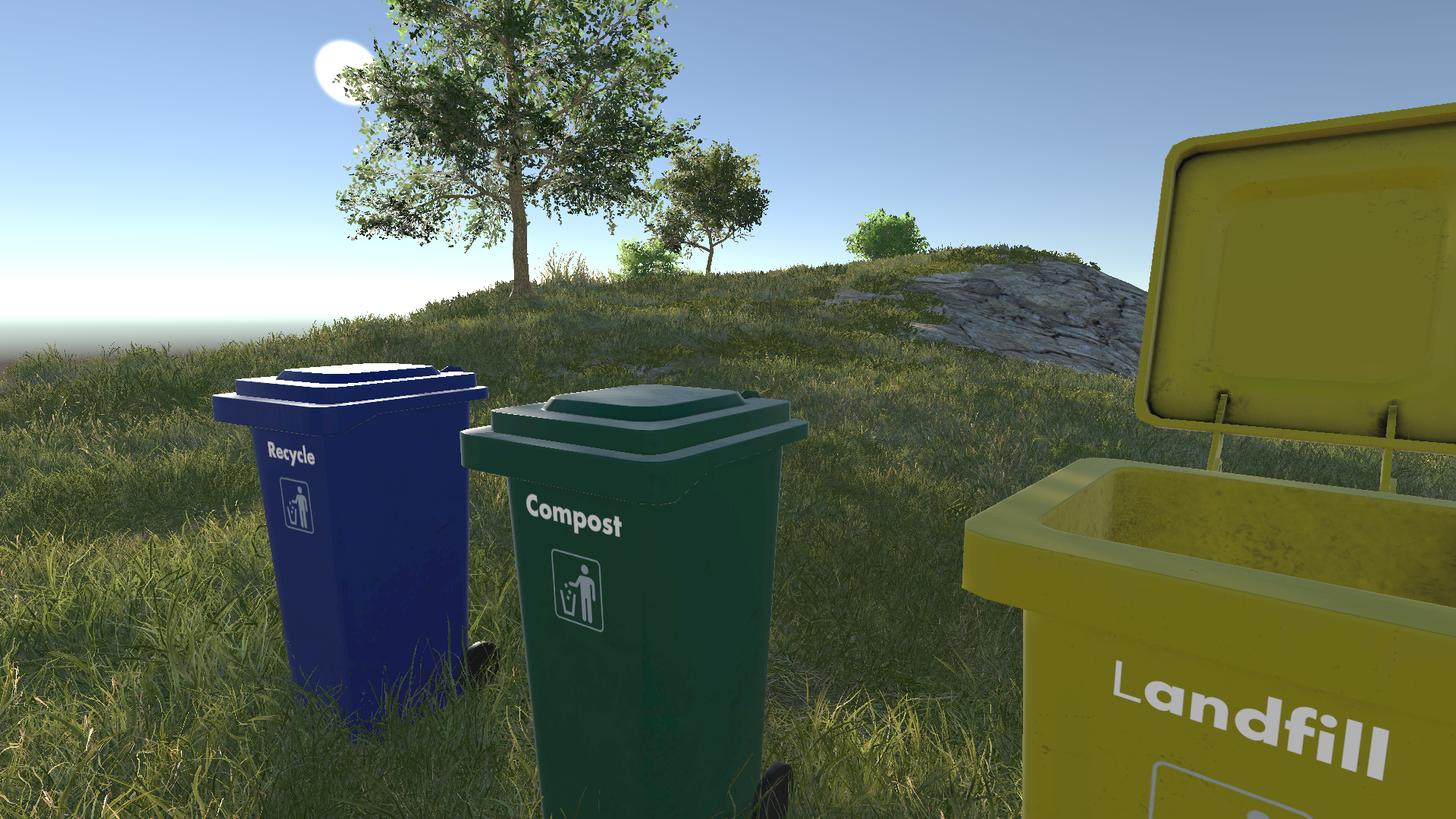
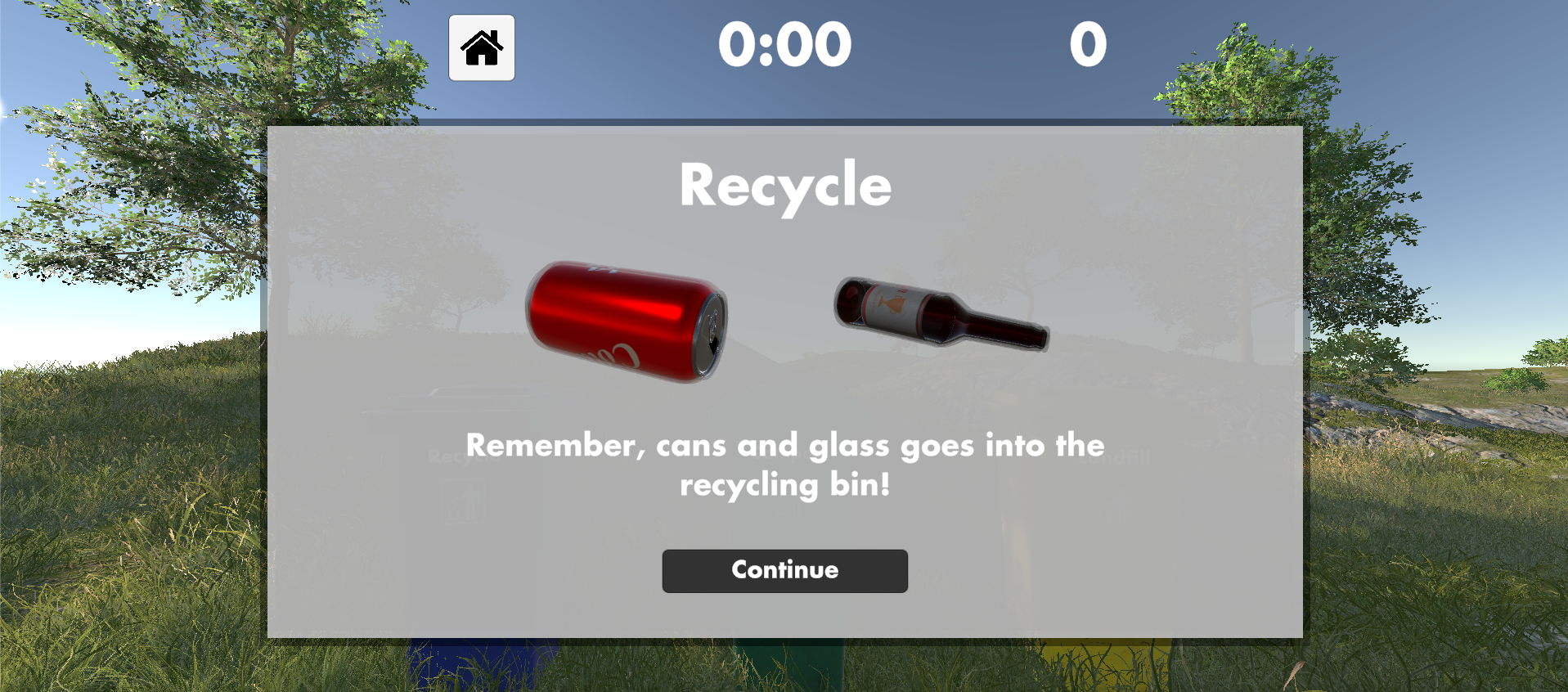
Recycle Rush is a fast-paced sorting game where players must quickly decide whether items belong in recycling, compost, or landfill bins. The game introduces unique challenges such as misleading items (e.g., a glass bottle) or varying speeds of item spawns. The ultimate goal? Score as many points as possible while learning to avoid common recycling mistakes. Recycle Rush makes sustainable habits second nature by blending fun gameplay with environmental education.
How we built it
I built Recycle Rush using Unity for its easy game development capabilities and C# for scripting game logic. The visuals were downloaded from the Asset Store, ensuring vibrant and clear representations of recyclable and non-recyclable items. For sound effects and background music, I turned to Freesound and OpenGameArt to make the game immersive and engaging.
Challenges we ran into
One of the biggest challenges was designing a user interface that balanced clarity with speed. Players needed to quickly identify items, which meant our icons and animations had to be both intuitive and visually appealing. Balancing the difficulty curve to make the game fun for both casual players and competitive gamers required significant iteration.
Accomplishments that we're proud of
I'm incredibly proud of the game’s educational impact. Early playtesting showed players genuinely learning the difference between items that are recyclable, compostable, or trash. Additionally, the clean and intuitive design ensures accessibility for players of all ages. We also managed to complete a functional and polished prototype within a tight hackathon timeline, which was a huge milestone.
What we learned
Through this project, I deepened my understanding of game design principles, particularly the importance of user-centric design in educational games. I also learned a great deal about Unity’s animation and physics systems, which played a key role in making the game dynamic. Perhaps most importantly, I gained insights into the importance of thinking outside the box.
What's next for Recycle Rush
My next step is to refine Recycle Rush based on player feedback. I plan to add new levels with location-based themes, such as a beach cleanup or urban cityscapes, to teach recycling practices in different contexts. I also want to introduce a multiplayer mode where friends can compete or cooperate to maximize their recycling scores. Finally, I envision integrating leaderboard systems and partnerships with educational organizations to bring Recycle Rush to classrooms worldwide.


Log in or sign up for Devpost to join the conversation.