-
-
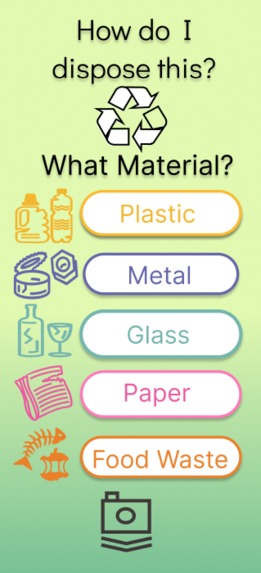
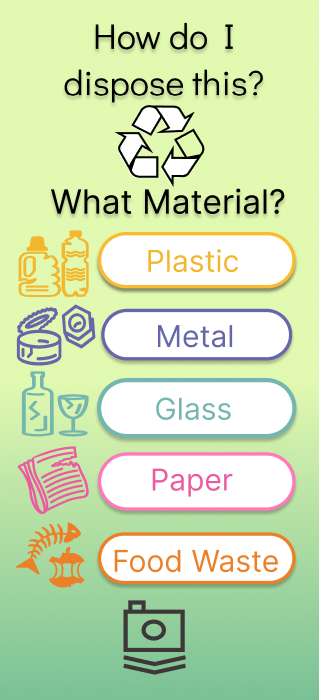
Mobile app view
-
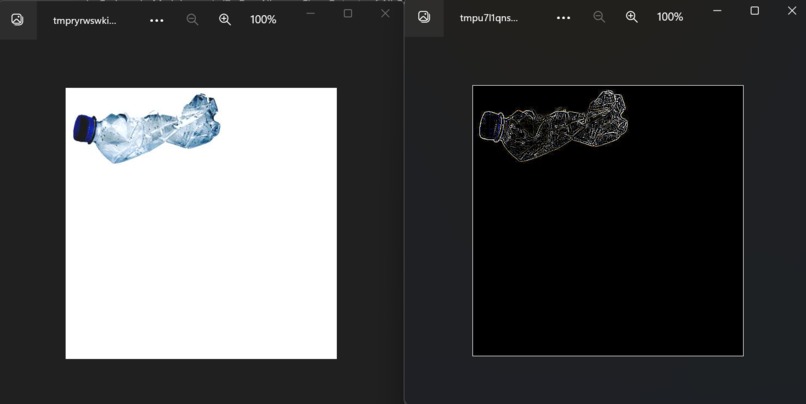
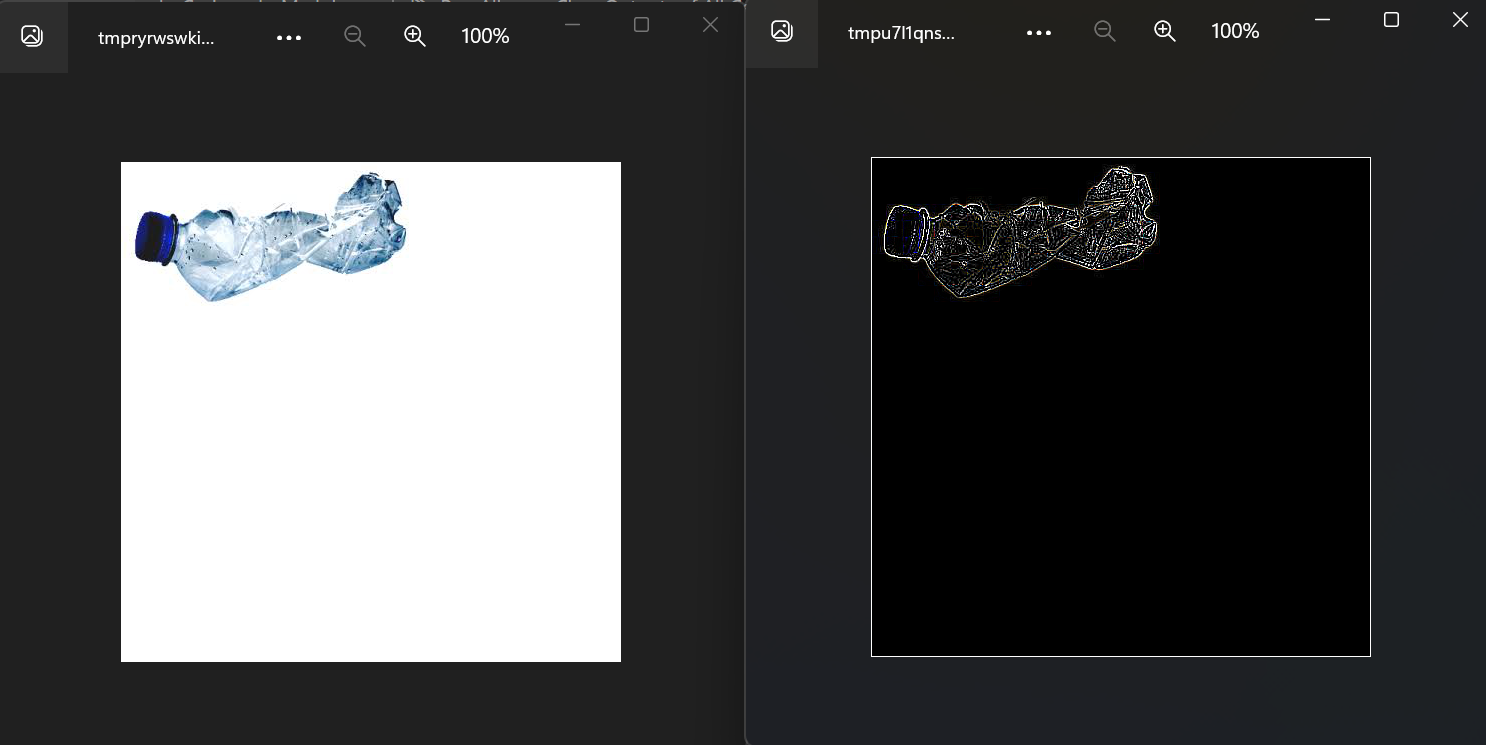
Image preprocessing for edge detection
-
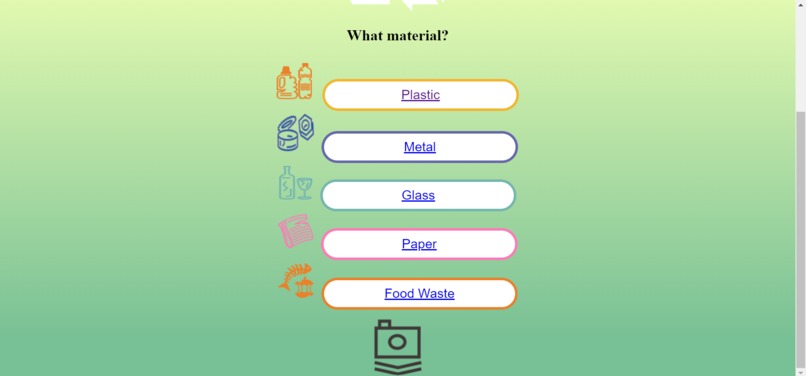
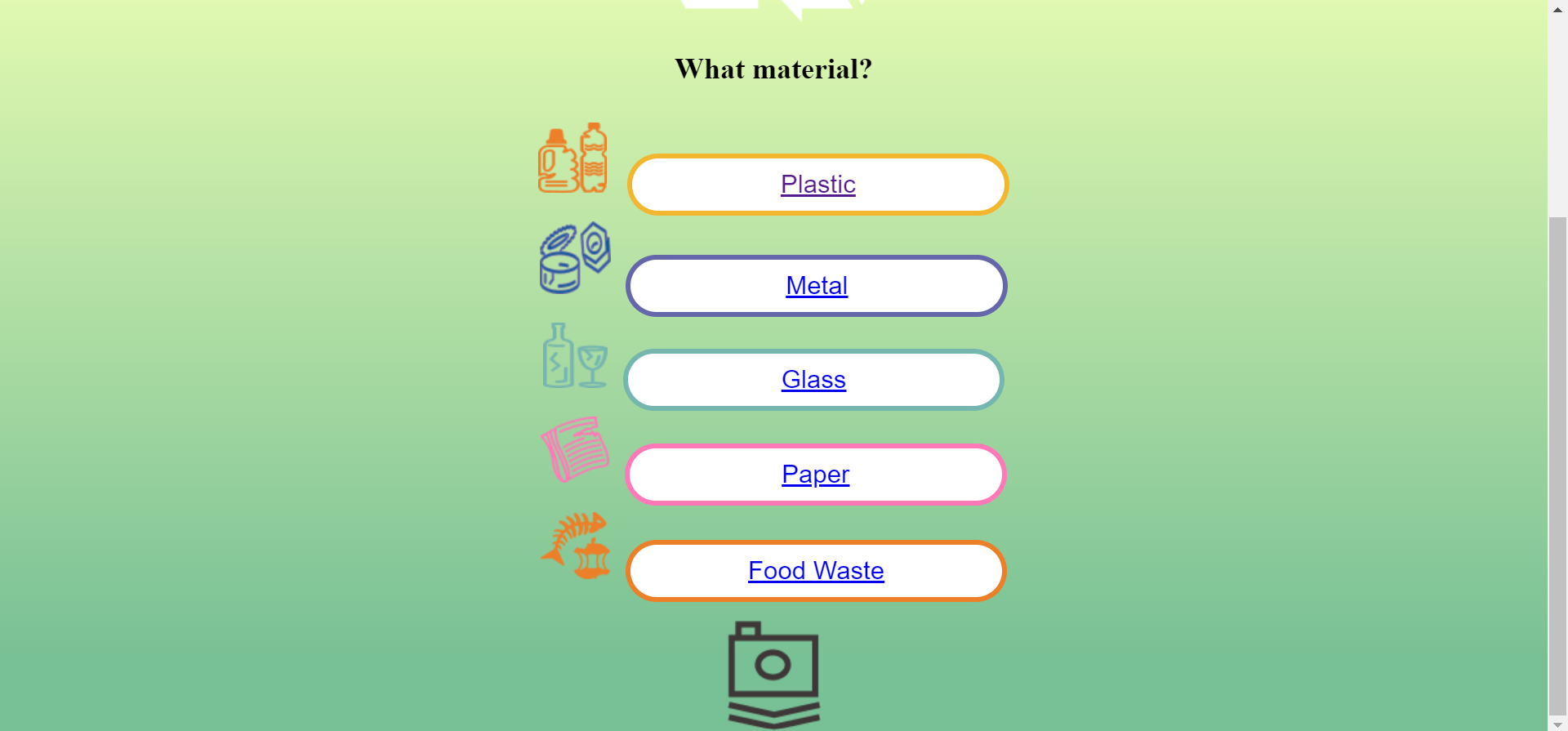
Web app view
-
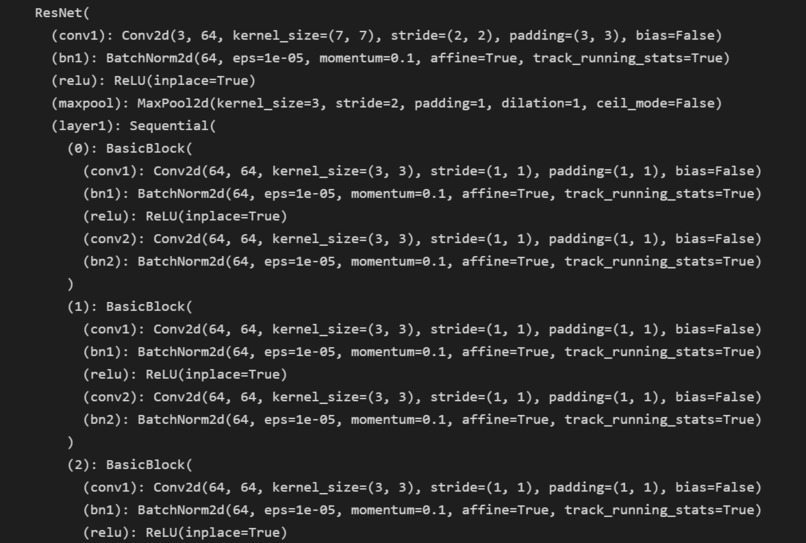
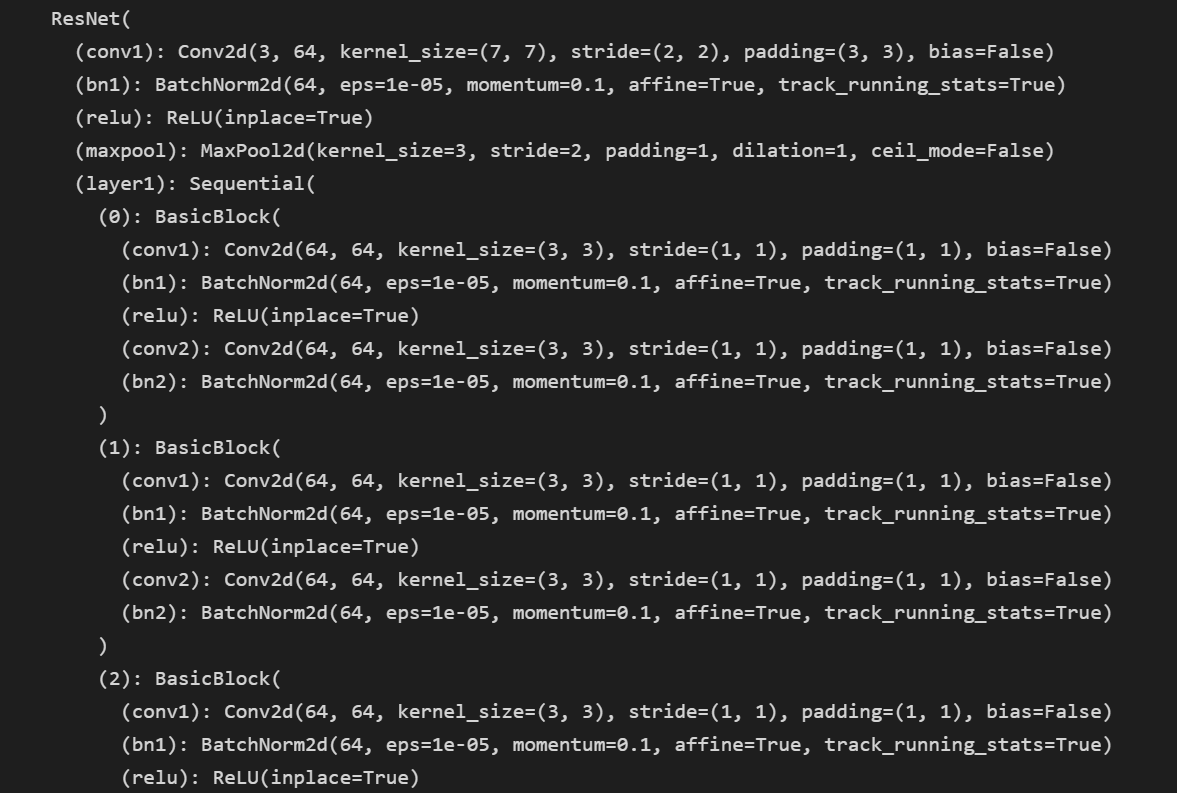
Resnet Model
Track: Revamping the Old - we are improving the waste management experience for citizens around the world. Currently, it seems that the most used method to help with sorting (specifically in BU) is using physically printed sheets of paper that display the trash categories which seems very inefficient.
Challenges: Best Domain Name
Inspiration
On the morning of the hackathon, my teammate and I took our last sips of coffee in the back corner of Starbucks and proceeded to toss away our emptied cups. For a good few seconds we both stopped. Recycling or trash? For the both of us, the question of where we should dispose of our trash seems to keep reemerging every time we encounter the three different colored bins. Then I wondered, if we were any less responsible hackers—if were running late—would we even bother to stop and think of which bin a plastic cup should be dropped in? From what we’ve observed, often it isn’t that people do not care about disposing correctly but rather the sorting system that was presented to us was too complicated to remember and follow. This creates issues, especially when time is a limiting factor that can disincentivize the proper disposal of trash. After just one Google search, we realized that throwing our trash away really is not that simple. For instance, depending on the city or even the street you live on, the recyclability of plastics varies. It is even more confusing when many things we may think are recyclable, such as plastic bags and paper cups, are really not. The New York Times states that only about 9 percent of all plastics ever manufactured has been recycled. On the other hand, the tendency of “wish-cycling,” where people less educated on this subject who wish to be more environmentally conscious throw things that aren’t recyclable into recycling is also dangerous. Consequences go from conveyer belt jammings to food contamination, which all reduce the efficiency and effectiveness of recycling. This new information about the difficulties of recycling sparked our motivation to create a program that can make the process of disposing trash easier and more efficient for everyone.
What it does
Our program has two components: machine learning image detection and a feature that takes in user inputs, both incorporated into one web application. The first image detection component allows the user to take a picture of their trash and the program will categorize whether it goes in recyclables, compost, or trash. The second component is in the form of a quick questionnaire that asks the user a short sequence of questions regarding the characteristics of their waste (e.g. its material, whether it came in contact with food, etc.). These questions have been condensed to be short and quick, where a few clicks of a button will lead to the correct categorization of their items.
How we built it
We built this app through a combination of HTML, CSS to develop the frontend web application and prompts, and Python was used to create the neural network for image processing. We spent a great deal of time on the design of the web application in Figma in order to make it user-friendly, and comfortable to use, minimizing the amount of time that users needed to work in order to get answers. We then worked to implement the application in HTML and CSS for the front end. For the neural network, we preprocessed images using the Pillow library, before building the neural network with PyTorch. The model that was built was a convolutional neural network that used transfer learning from a pre-trained model (ResNet34), before training it on a dataset of 22,000+ labeled images. This provided us with our image processing model for the backend, and our frontend web application.
Challenges we ran into
The challenges we ran into stemmed from deciding on the user experience, and then implementing the technologies that were being used. There was some back and forth about what would be the best choice for the user experience, and whether or not the application should be more focused on an educational perspective, or a streamlined user experience. After various internal discussions, we did user interviews with other hackers to help determine our approach, and ended up finding an approach which streamlined the user experience while highlighting key information that many people didn’t know about. Our team also faced many technical challenges due to our previous experiences, and the technologies that we were working with. Most of us mainly had Python experience, so that made the front end development more challenging, especially when it came to debugging the HTML/CSS. Another major challenge we faced was in the development of the convolutional neural network, both with preprocessing and the actual training of the model. We were able to overcome some issues with the help of a mentor, taking the approach of edge detection for preprocessing, however, the challenges with building the CNN was very difficult, especially due to our lack of experience with building neural networks.
Accomplishments that we're proud of
The accomplishments that we are proud of all center around our growth, perseverance, and successes. We used many new technologies that we didn’t have previous experience with, such as Figma, HTML, CSS, transfer learning, CNN’s, edge detection, Pillow, and more! We are proud of the asthetic of our application and the user experience too. Furthermore, we are proud of building our application to completion, and didn’t give up in the face of a plethora of challenges while utilizing many new challenges, and learning a lot about application development!
What we learned
We learned a lot about the world of recycling, especially the difficult logistics involved with recycling, and how those impact the user experience of people trying to recycle. In addition, we learned HTML, CSS, and Figma which were all new, how to operate as a team, as well as lots of new knowledge about machine learning and eural networks. We now better understand neural networks conceptually, debugging and implementing neural networks, and training optimization.
What's next for recycle categorization
We hope that if our program is viable, we can implement this application more widely by attaching QR codes in front of garbage bins around Boston to quicken the speed at which people can access the web app. Additionally, there is room to convert our program to a mobile app, which would make it a more reachable application.

Log in or sign up for Devpost to join the conversation.