-
-
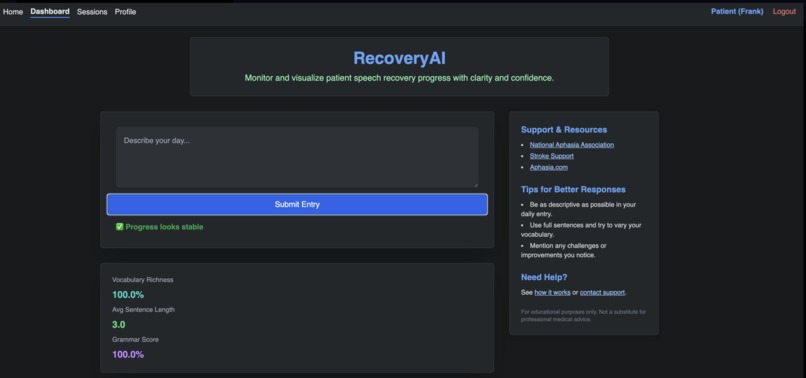
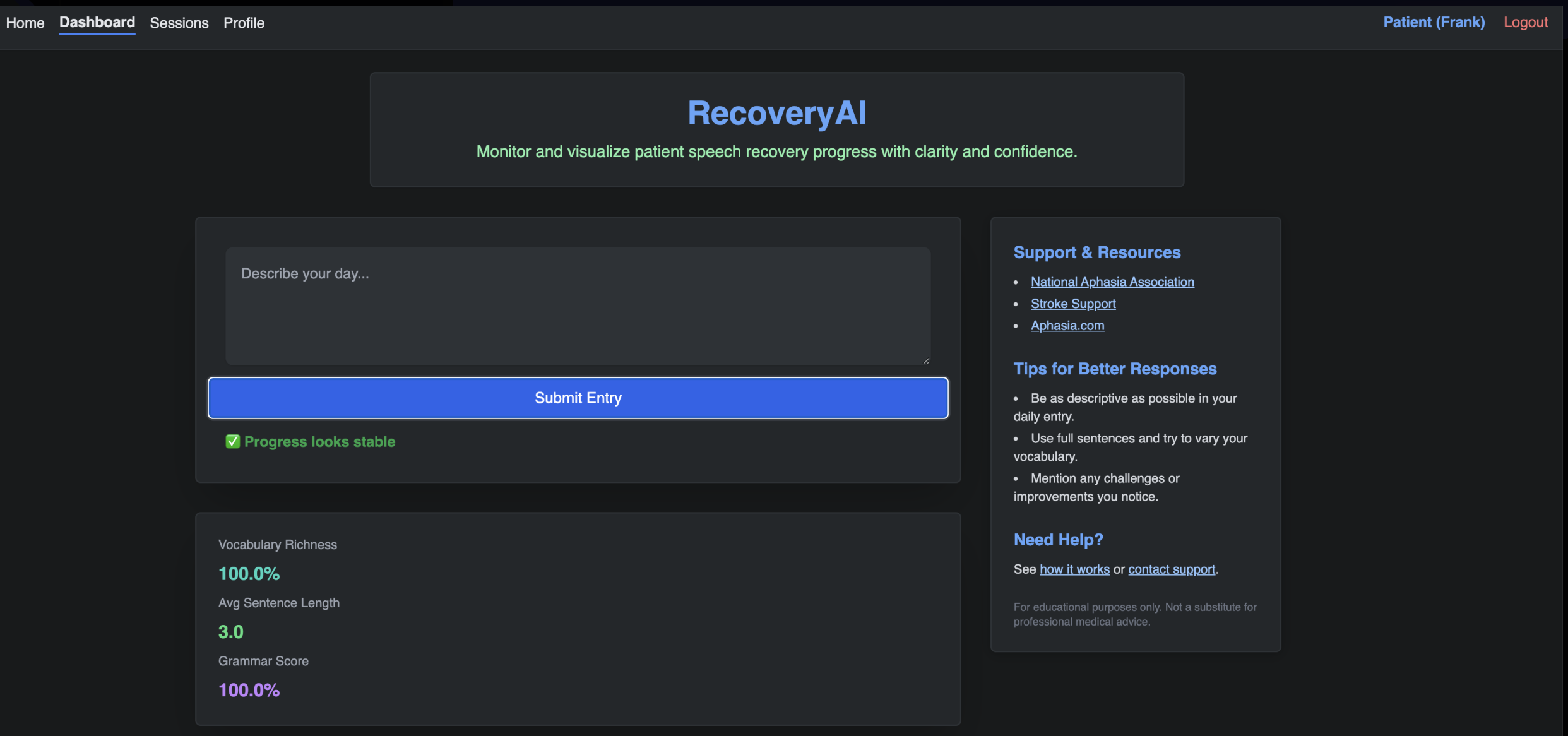
Patient Dashboard
-
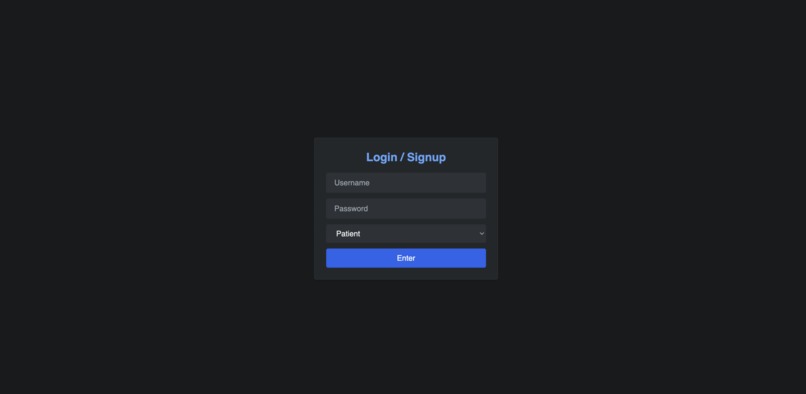
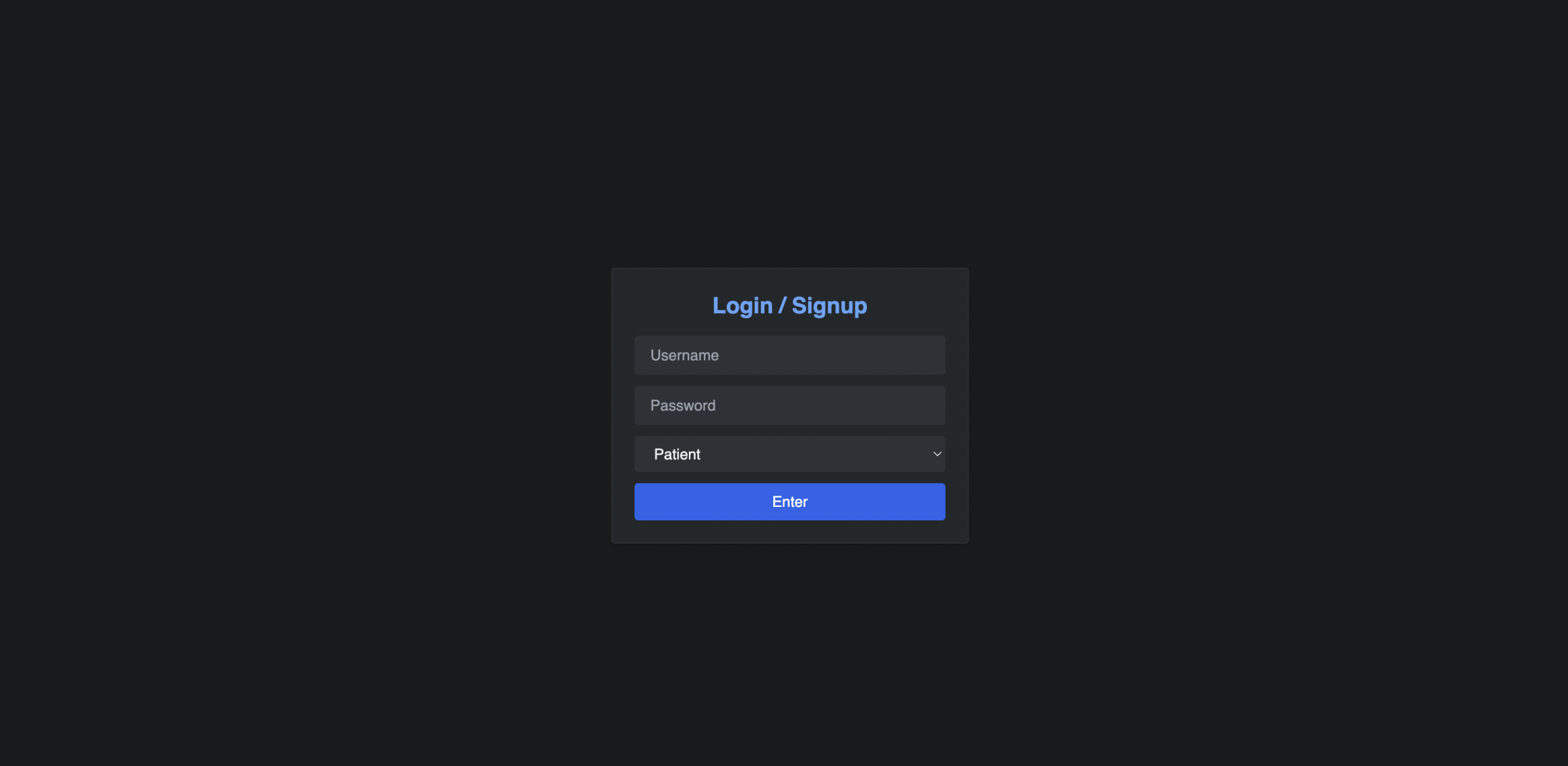
Login Page
-
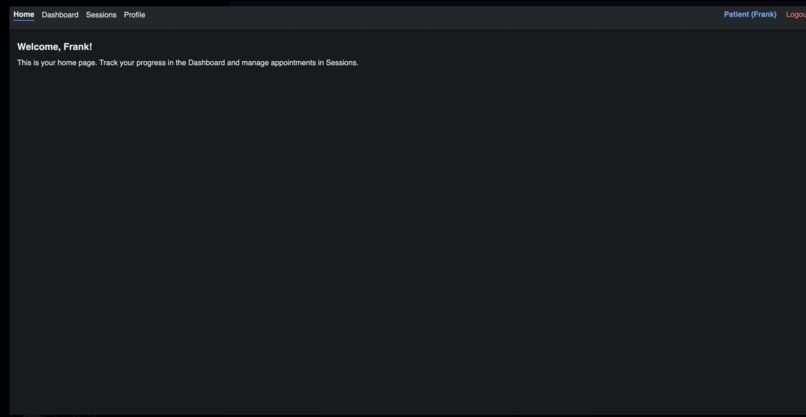
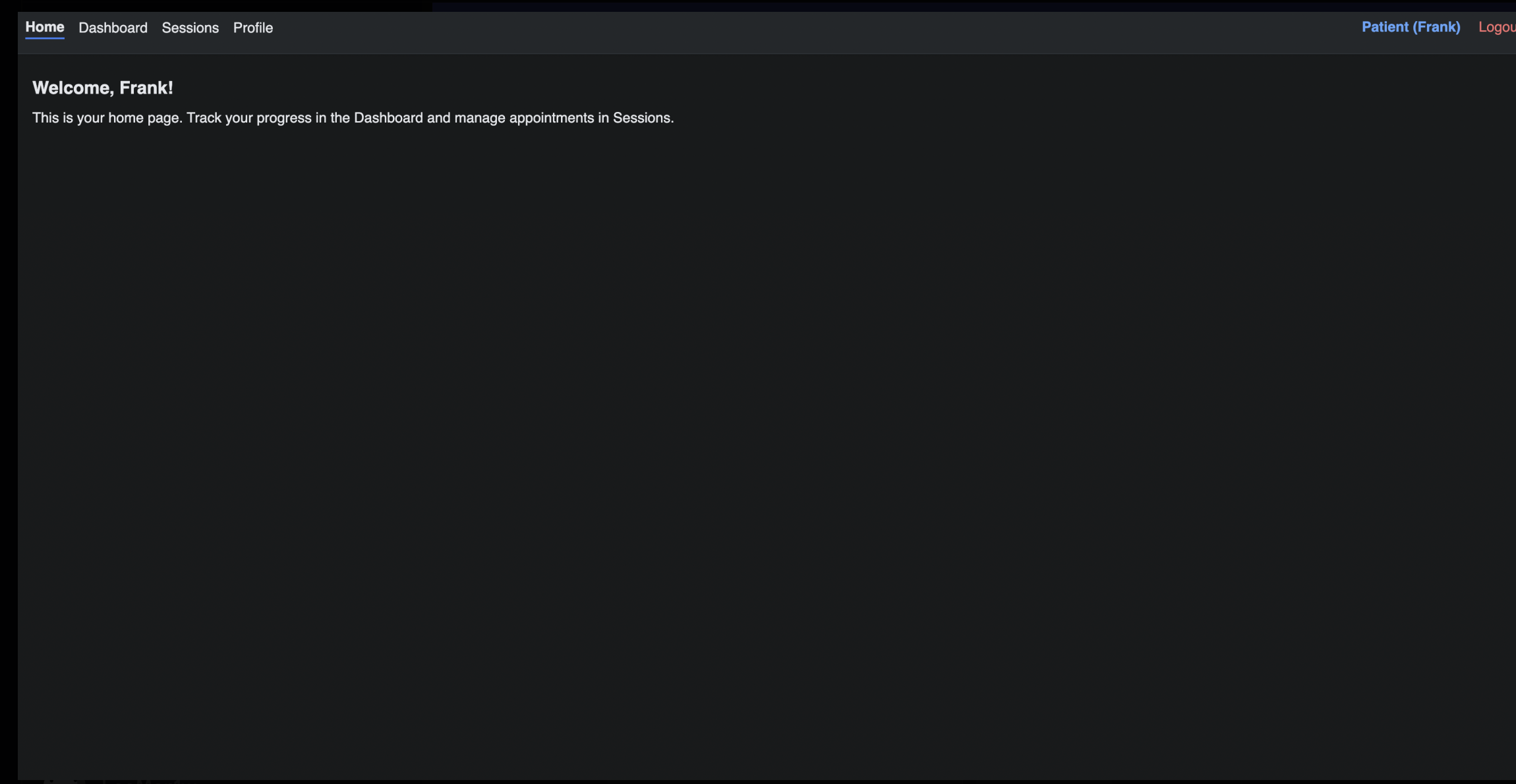
Patient Homepage
-
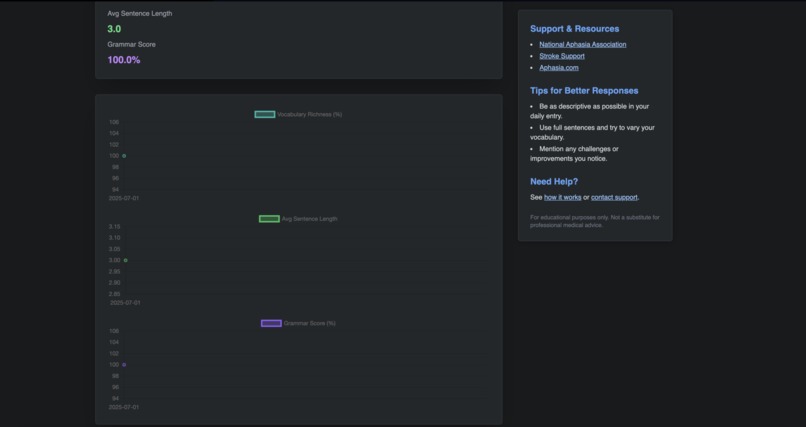
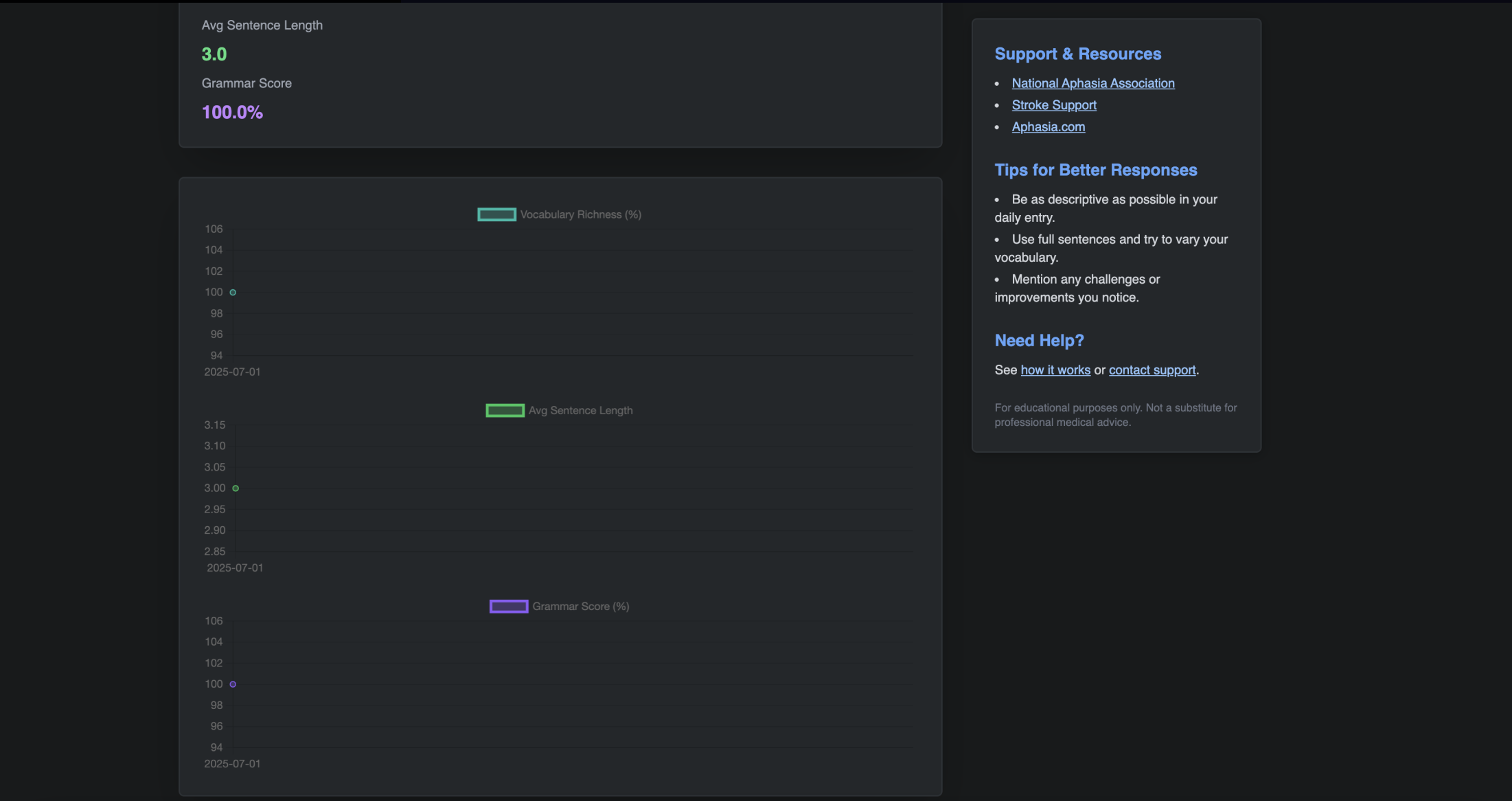
Chart.js
-
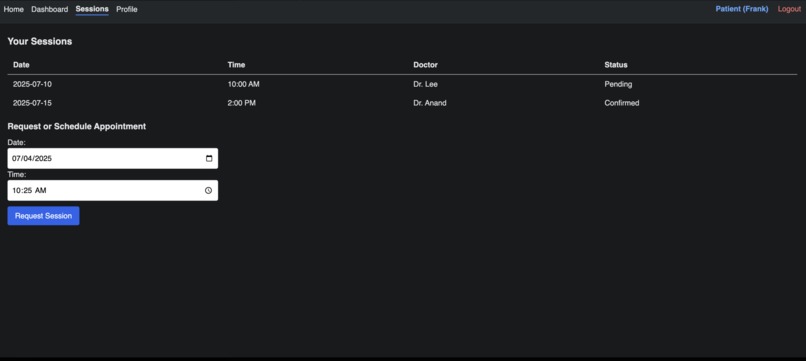
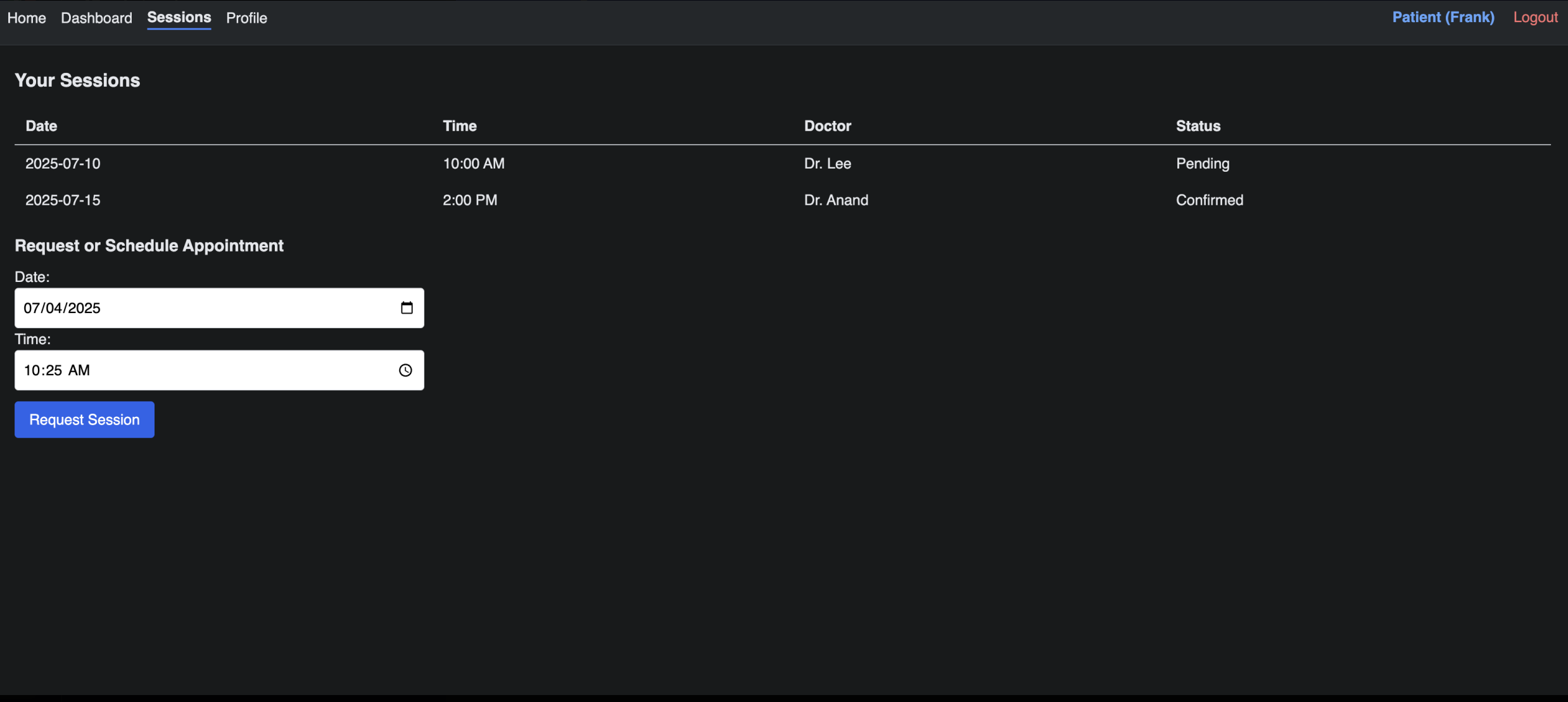
Patient Sessions Page
-
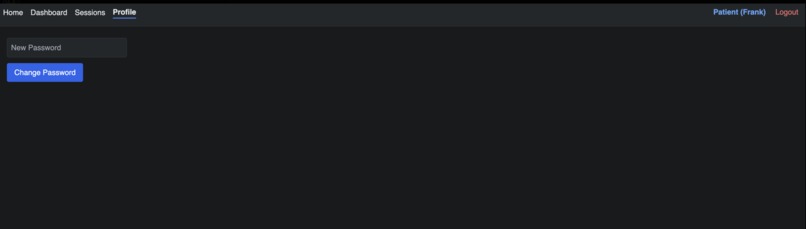
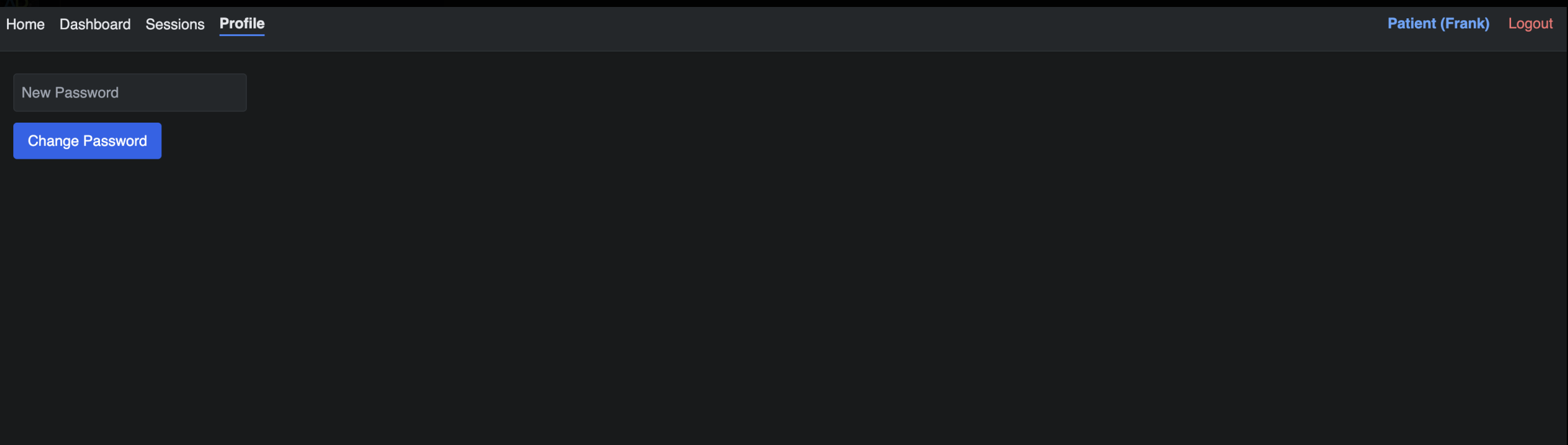
Password Page
-
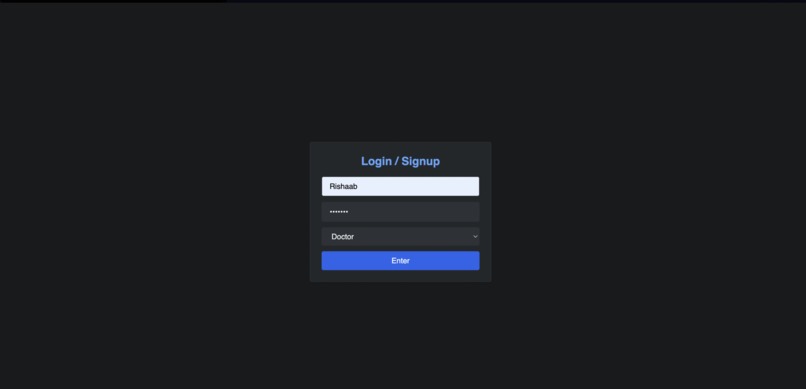
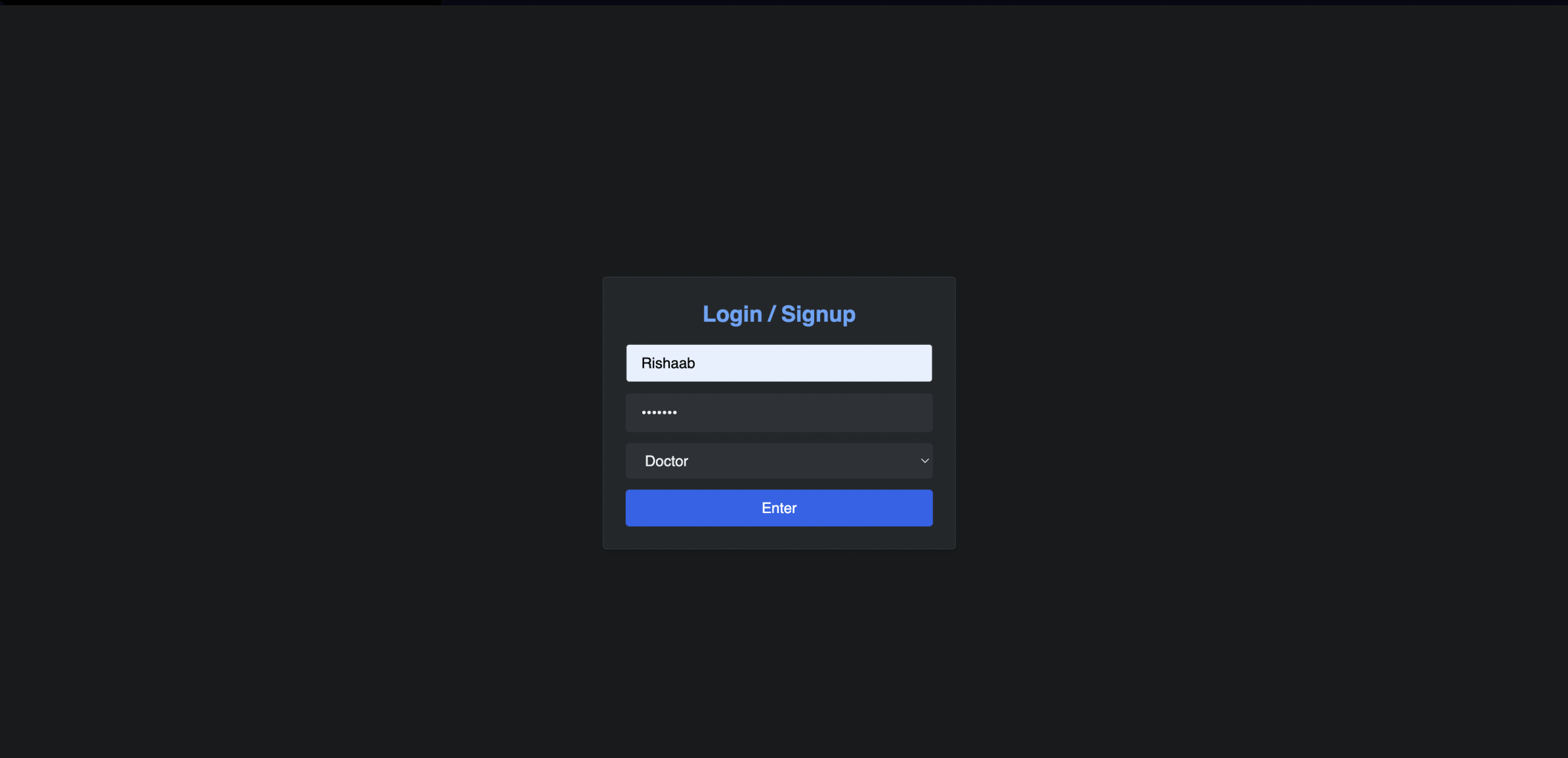
Login/Signup
-
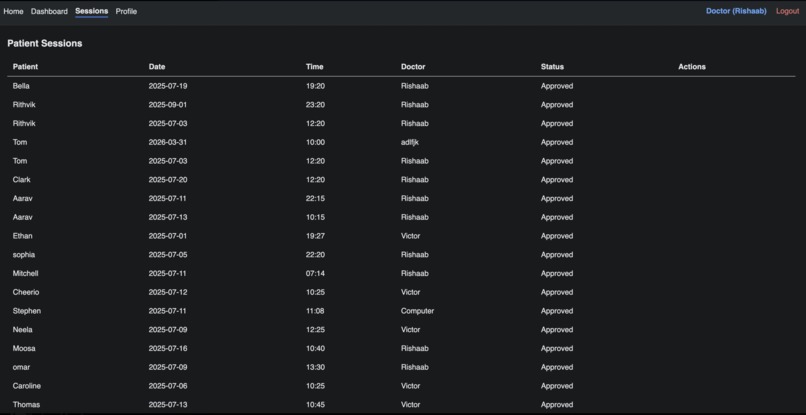
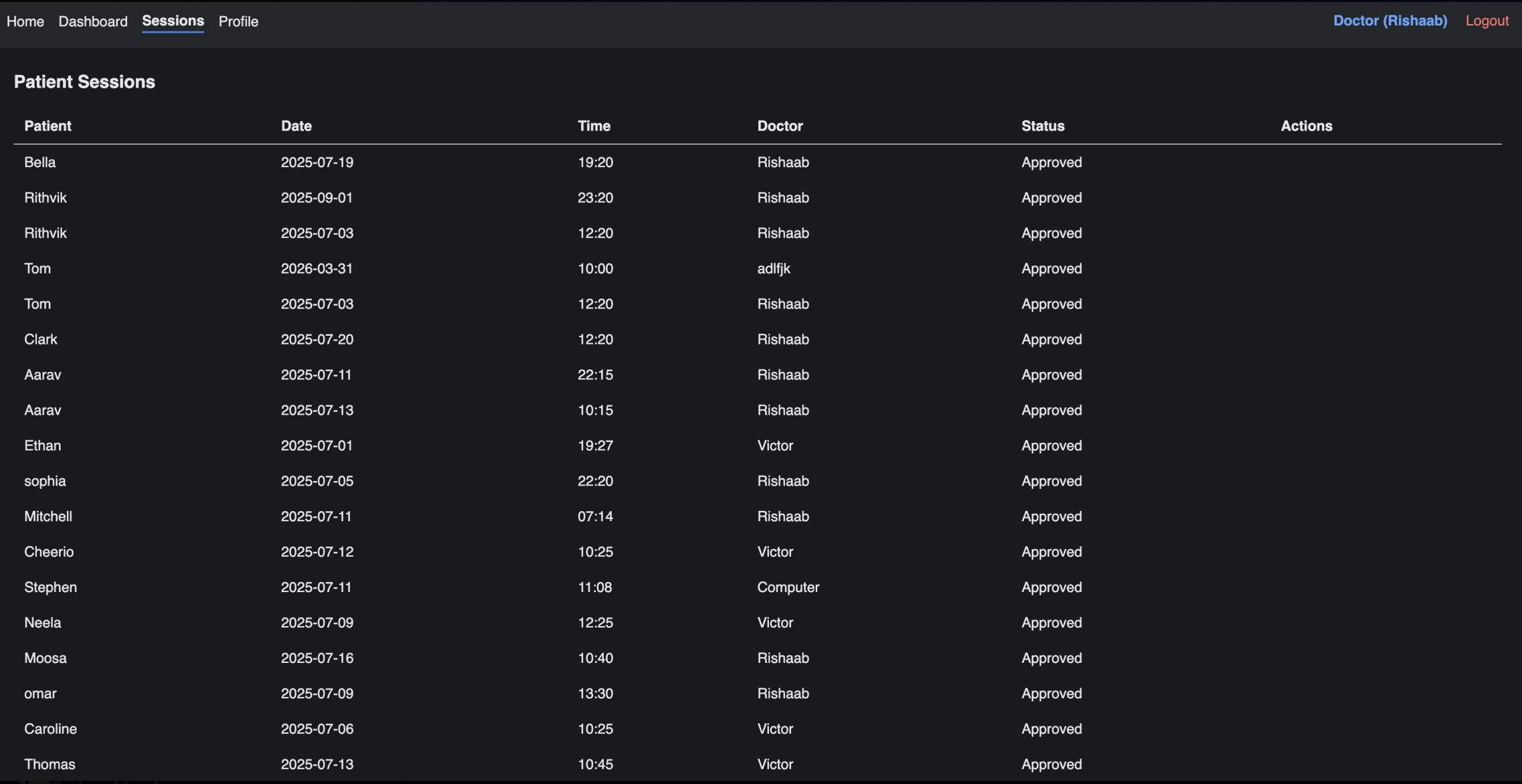
Doctor Sessions Page
RecoveryAI
RecoveryAI is a project we built for LaunchHacks 2025 to help track and measure a patient’s recovery in speech or language skills following a stroke. It takes a textual input from a patient, and then gives a breakdown of grammar and vocabulary richness. On top of that, RecoveryAI keeps a history of all the patient’s past entries and shows them graphs so they can see how they’re improving over time.
Inspiration
No matter where you live across the globe, from wealthy cities to poor farmlands, strokes will always be a killer. My grandfather was a hardworking and very healthy individual until he suffered a stroke at the stable age of 60 years old. Although he managed to recover sufficiently through the first couple of weeks, he suffered a tragic relapse, and has been in critical condition ever since. According to the CDC, over 12 million people worldwide suffer from strokes, and among them, 3 million will experience a tragic relapse. Recovery AI aims to become the safety net for detecting strokes weeks, months, or even years before they happen in the first place.
How It Works
Role-Based Login System Users sign up or log in as a Patient, Doctor, or Nurse, each with a customized dashboard and permissions. User data is stored locally in the browser.
Daily Language Entry & Analysis Patients enter daily sentences. The app calculates vocabulary richness, average sentence length, and a basic grammar score, helping track recovery over time.
Visual Progress Tracking All metrics are plotted using Chart.js, allowing patients and clinicians to see trends, plateaus, and improvements through interactive graphs.
Session Management for Clinicians Patients can request sessions. Doctors can approve and assign themselves to sessions. Nurses monitor activity and assist with scheduling.
AI & NLP Enhancements (Coming Soon) Planned features include GPT-generated summaries, a more detailed nurse dashboard, and deeper NLP insights to guide speech pathology.
Tech Stack
HTML5 – Semantic structure for content and layout
Tailwind CSS – Utility-first CSS framework for custom styling and dark mode support
Vanilla JavaScript (ES6+) – Core logic, interactivity, and state transitions without frameworks
Chart.js – Visualization library for displaying user progress metrics over time
LocalStorage (JSON-based) – Persistent client-side storage of user data and session entries
Word2Vec (conceptual use) – Used for estimating vocabulary diversity and lexical richness heuristics
Features
- Sentence analysis (vocab, grammar, overall quality)
- Progress tracking with graphs
- Cosine similarity to reference vectors
- Ability to book sessions with a Doctor/manage sessions
Future ideas
- Make it interactive for different languages
- Make the graphs more interactive
- Use google maps API to locate medical clinics near the patient
- Improve the nurse dashboard
Built With
- chart.js
- css
- gpt-4o-mini
- html
- javascript
- json
- openai
- tailwindcss
- word2vec


Log in or sign up for Devpost to join the conversation.