-
-
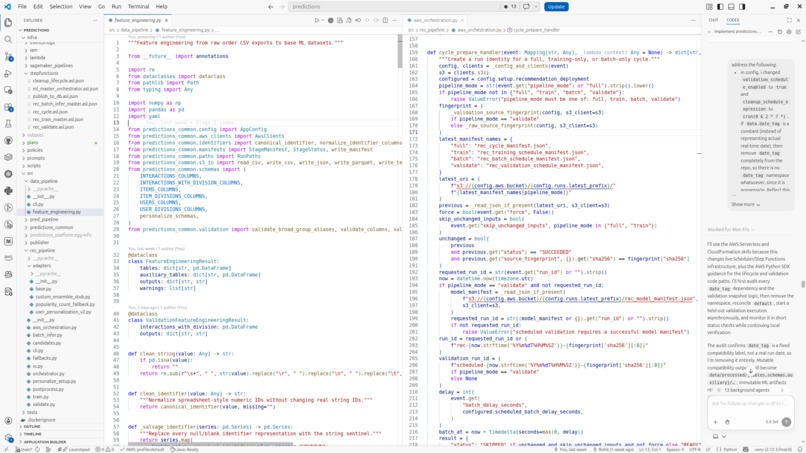
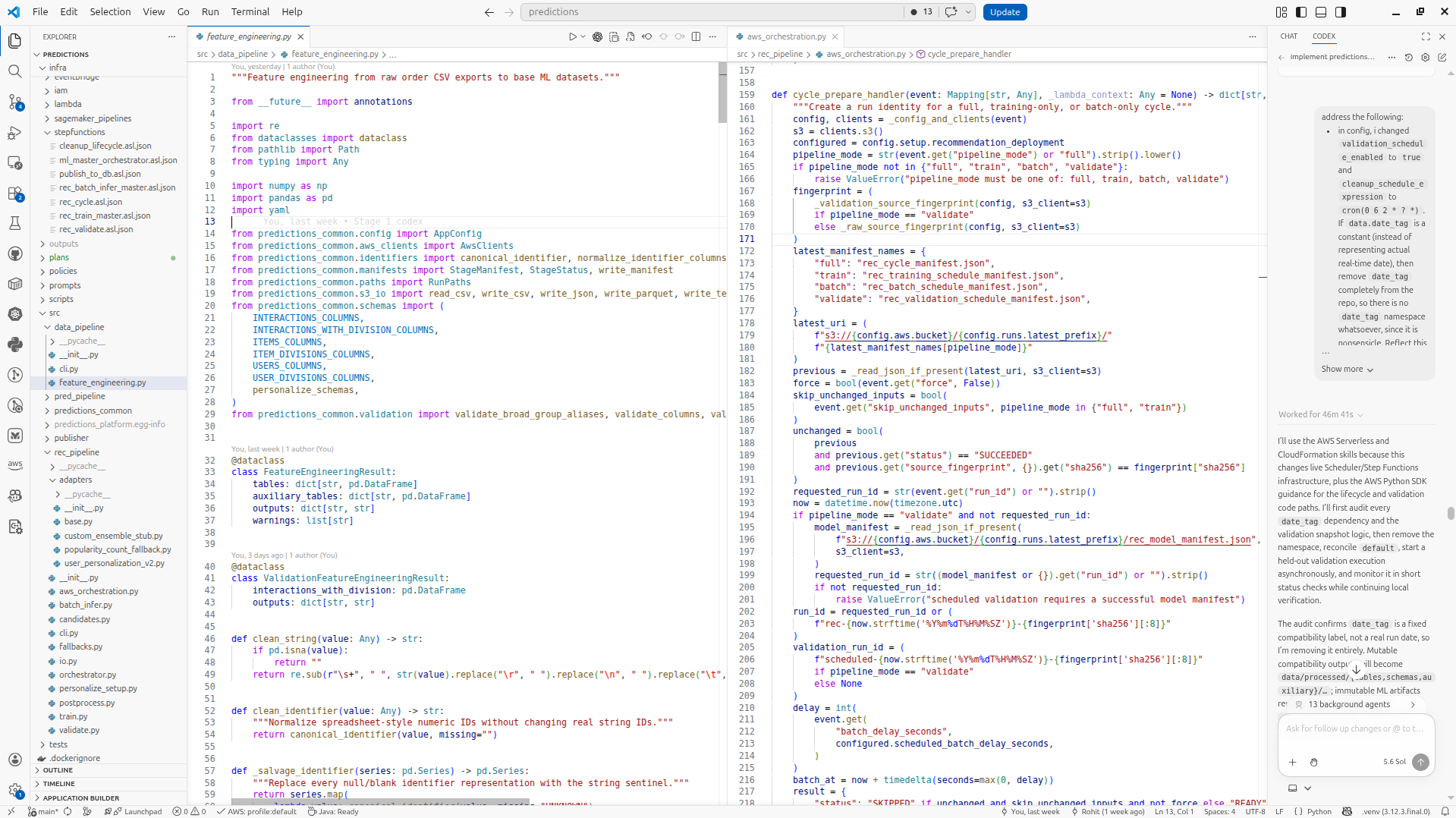
VS Code repo with Codex deploying (and debugging) project on AWS environment
-
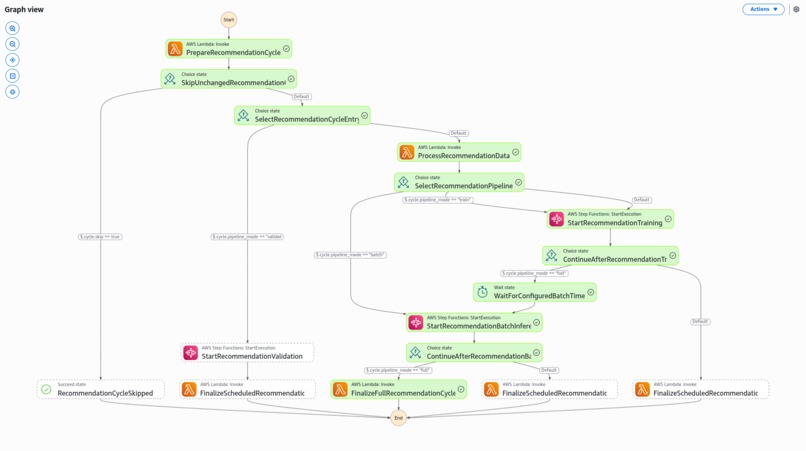
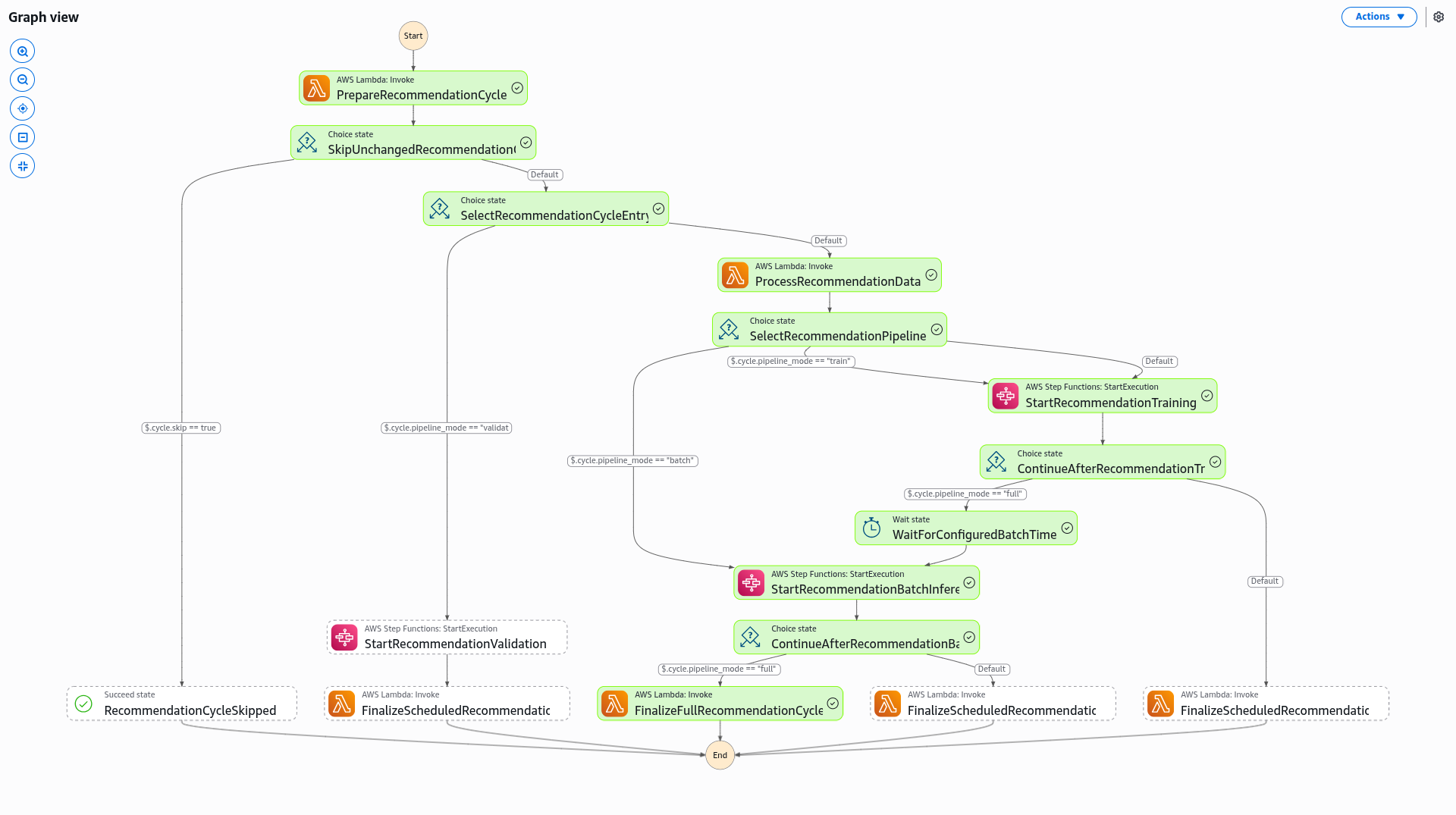
AWS step functions recommendation cycle deployed and maintained by Codex
-
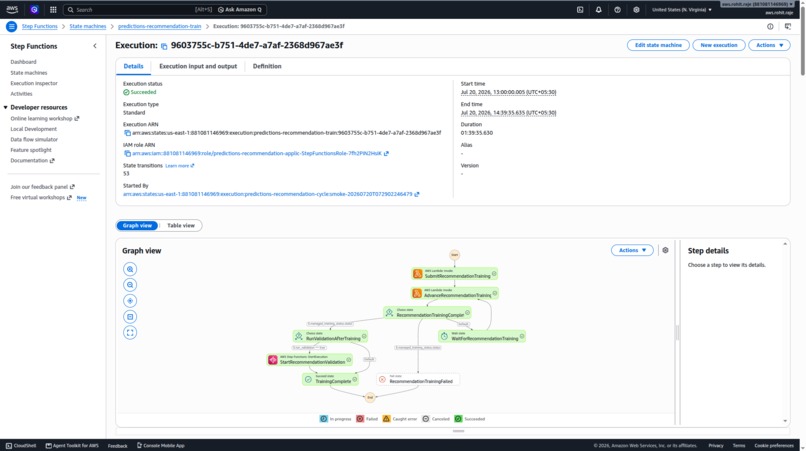
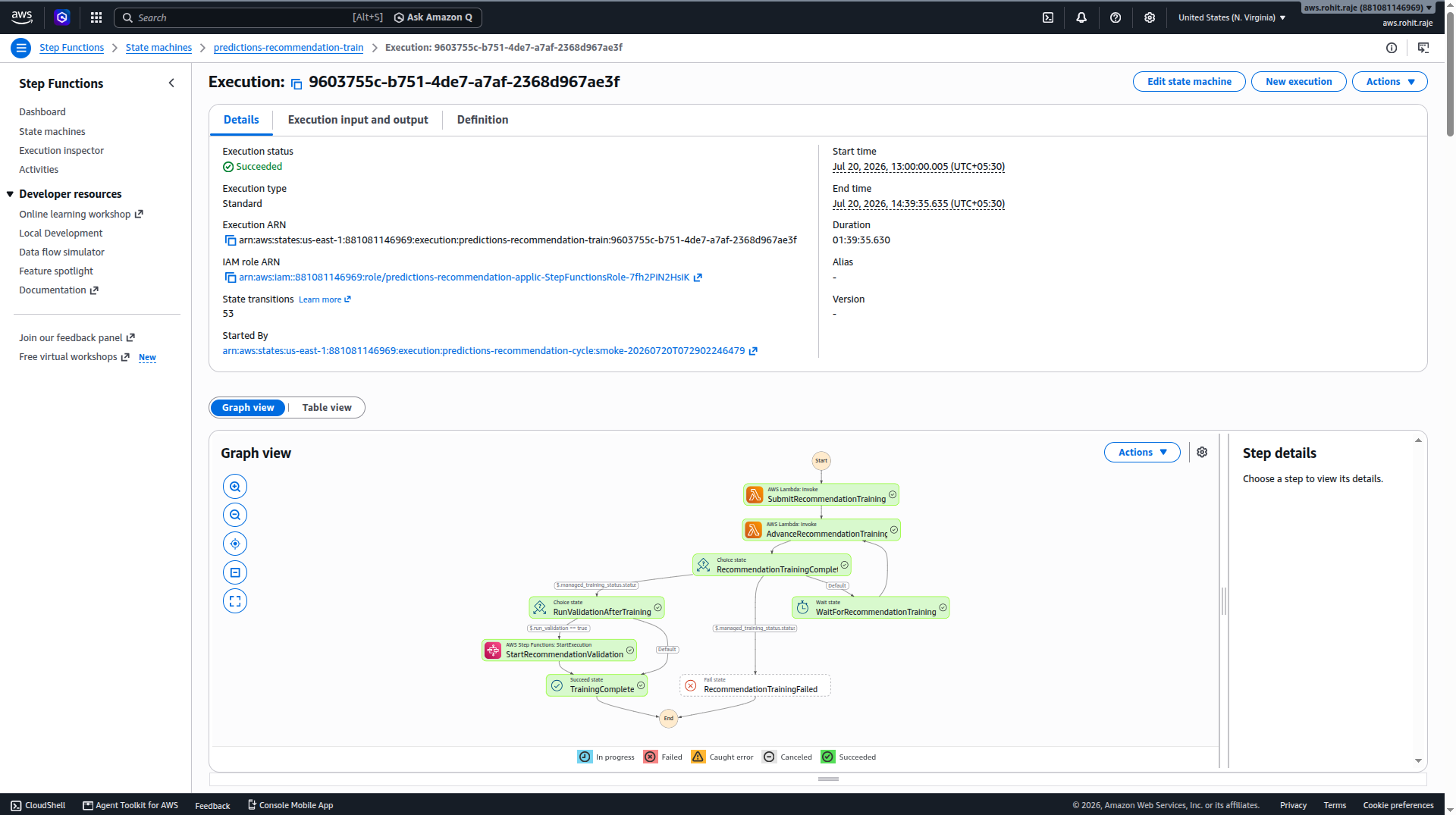
AWS step functions recommendation train deployed and maintained by Codex
-
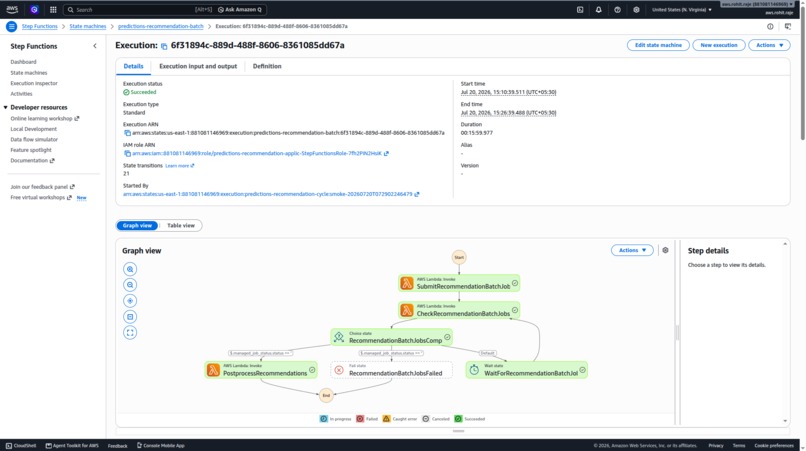
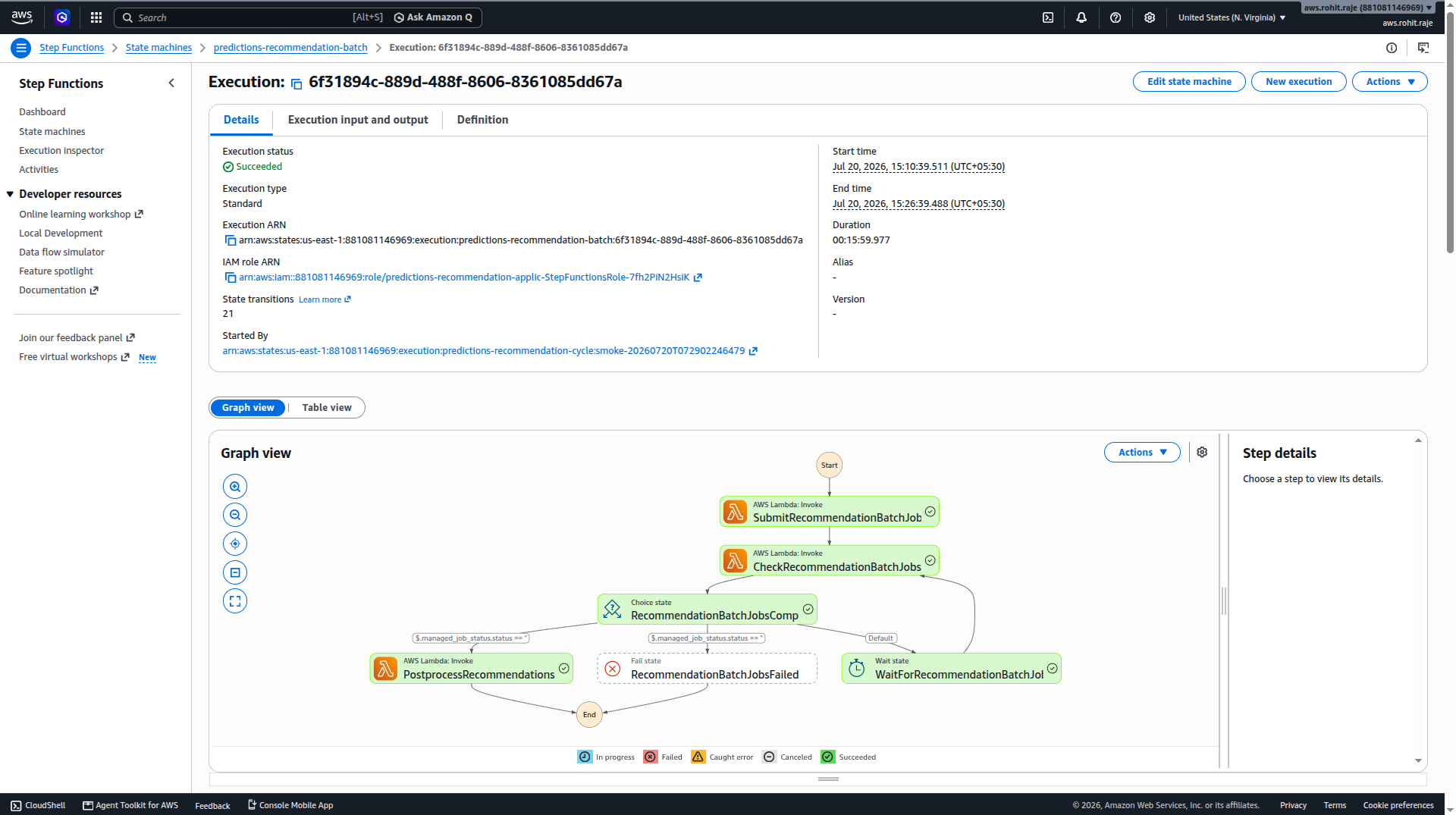
AWS step functions recommendation batch inference deployed and maintained by Codex
-
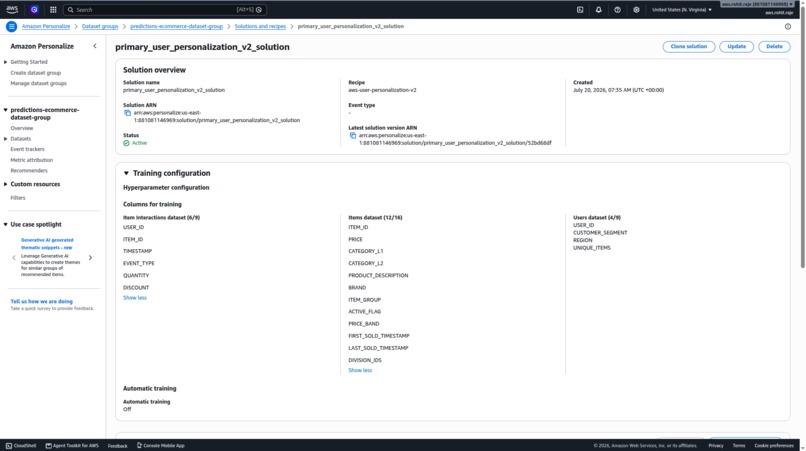
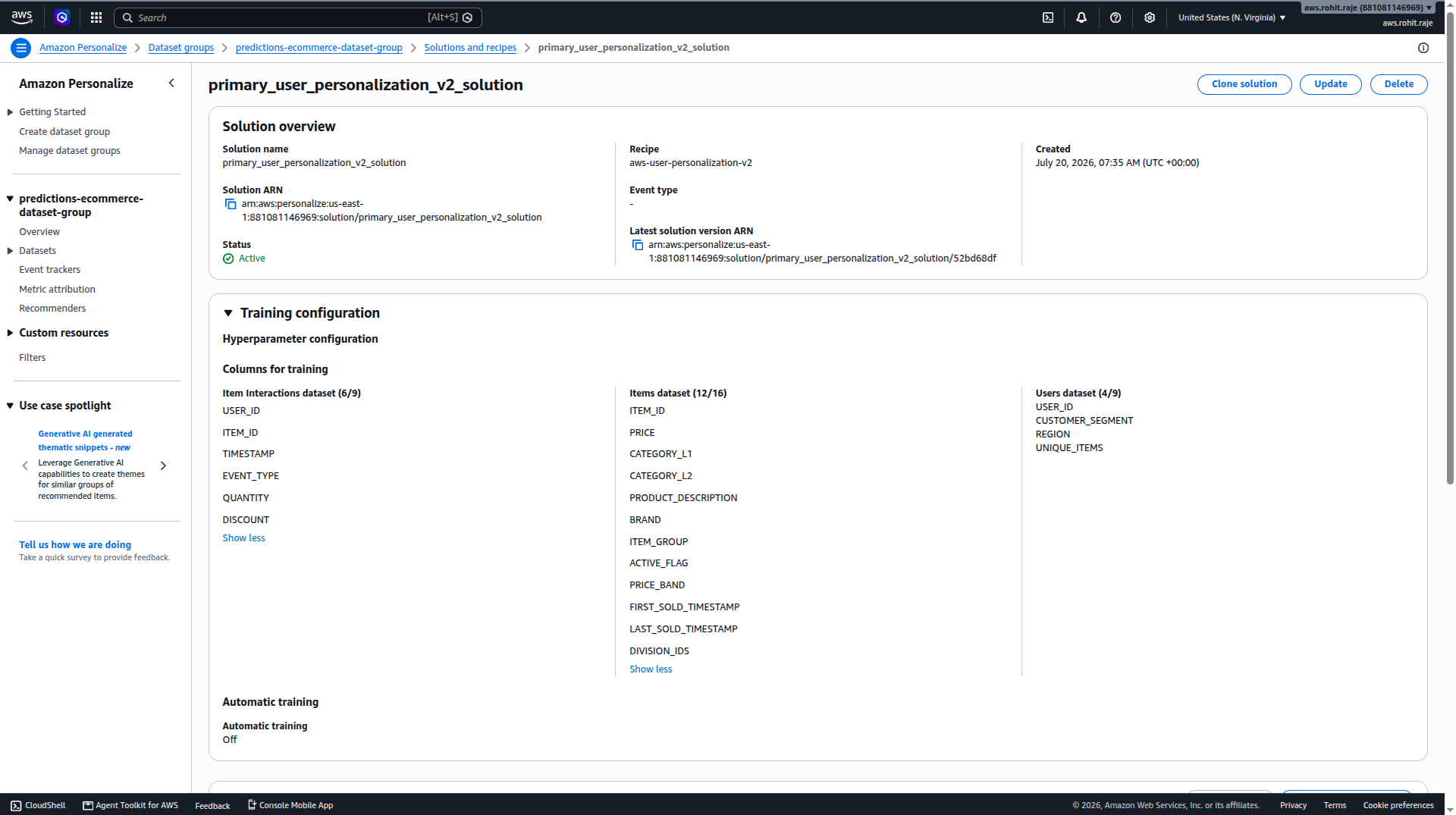
AWS personalize solution (recipe: user-personalization-v2) deployed and maitained by Codex
-
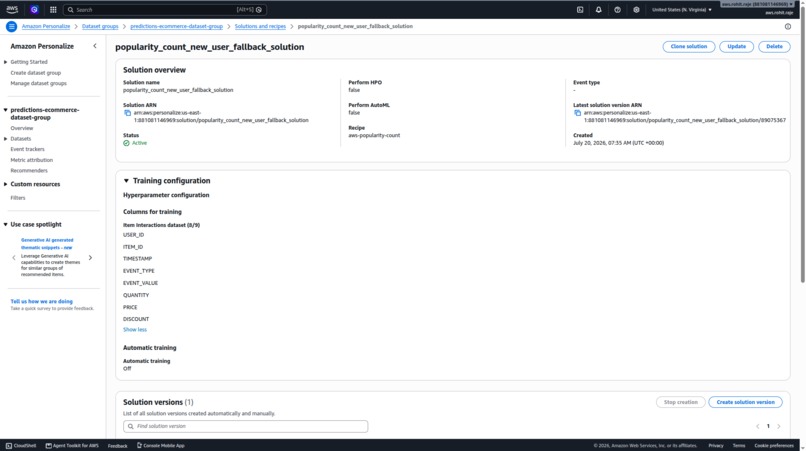
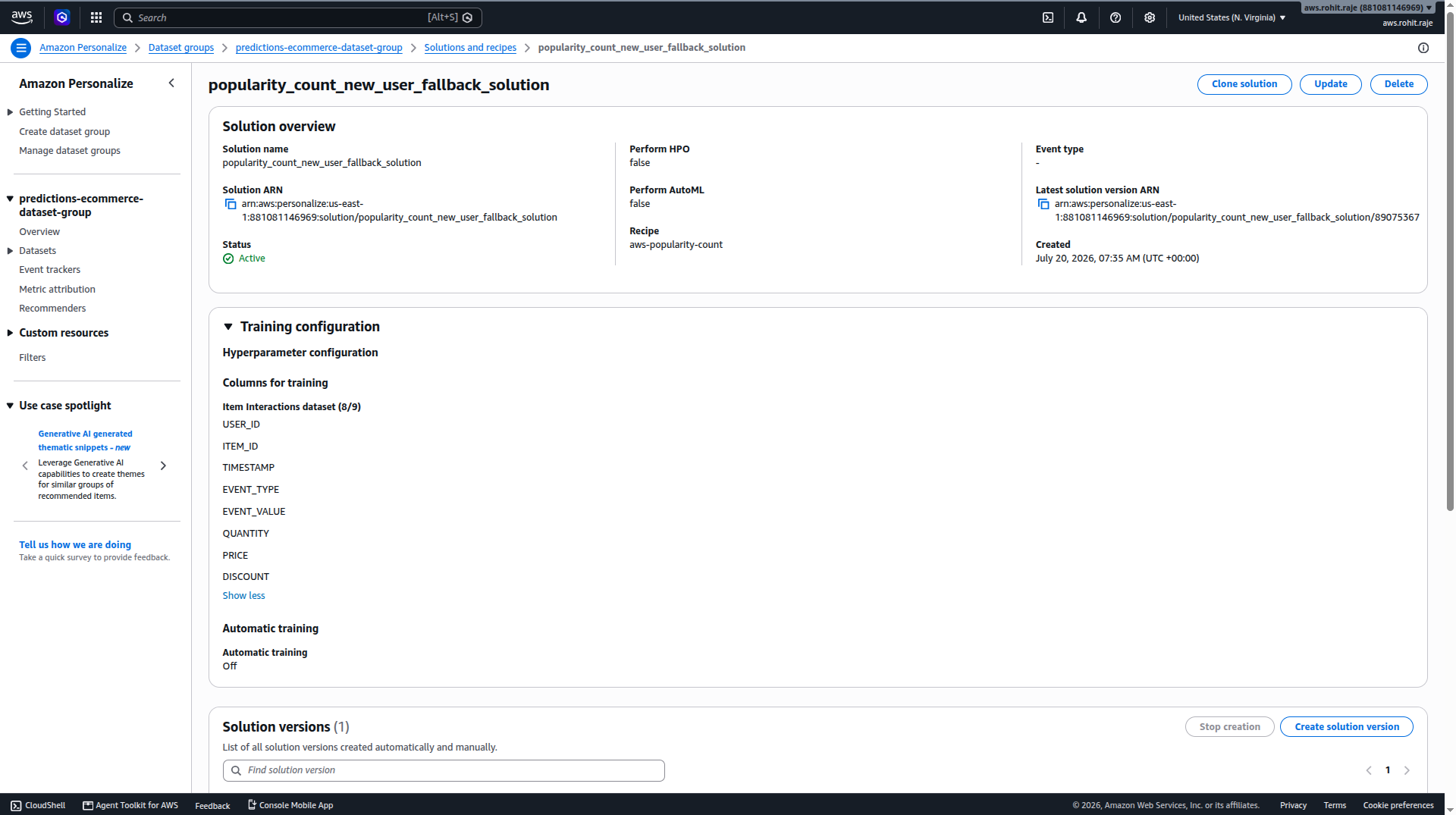
AWS personalize solution (recipe: popularity-count) deployed and maintained by Codex
-
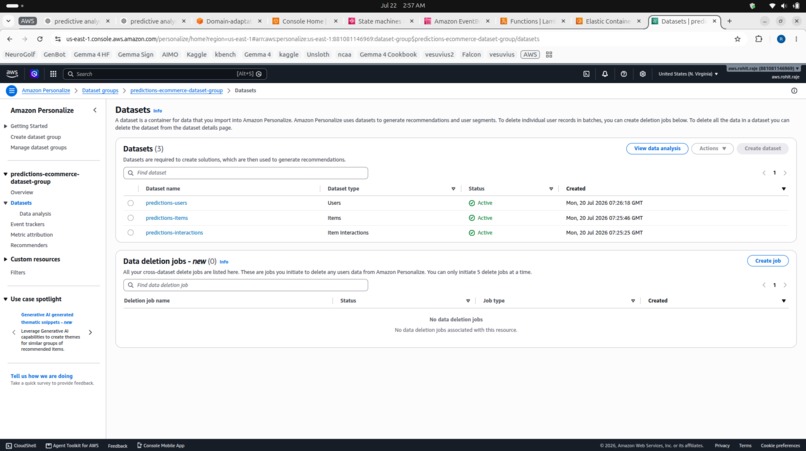
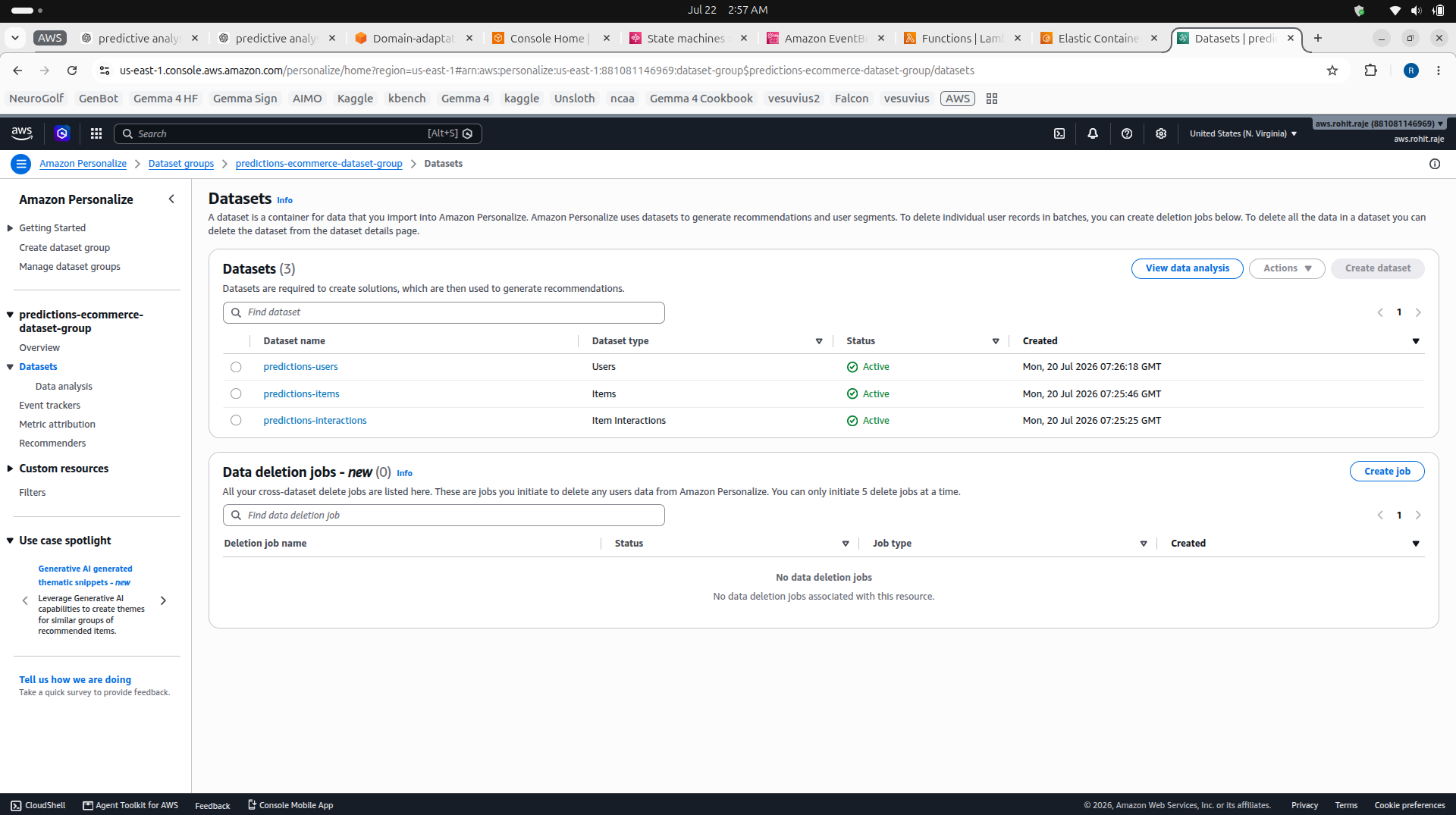
AWS personalize recommendation datasets created and maintained by Codex
-
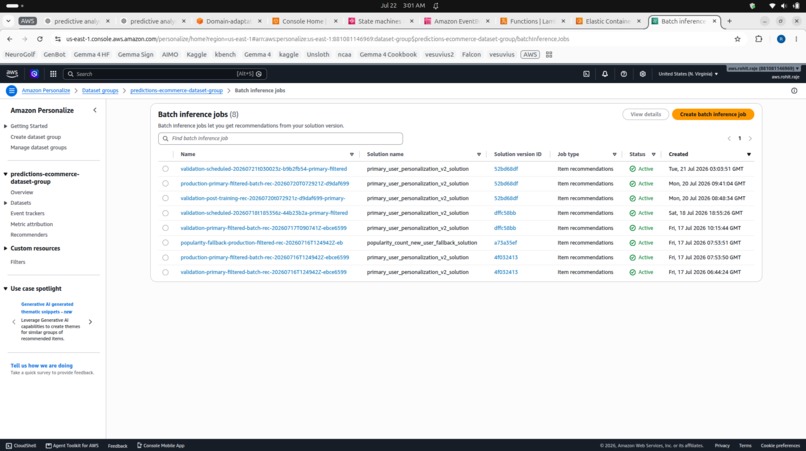
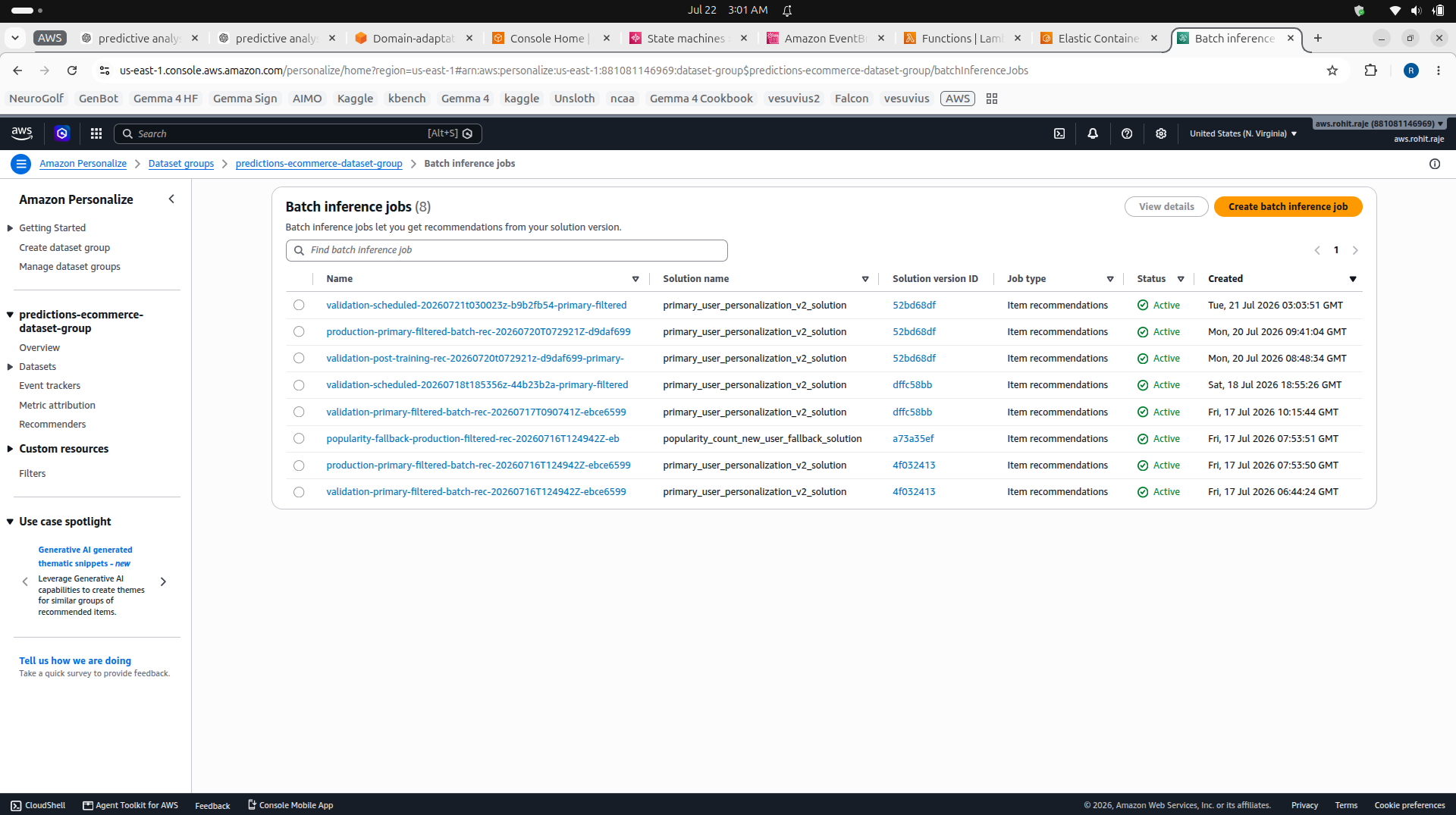
AWS personalize batch inference jobs initiated by AWS step functions designed and deployed by Codex
-
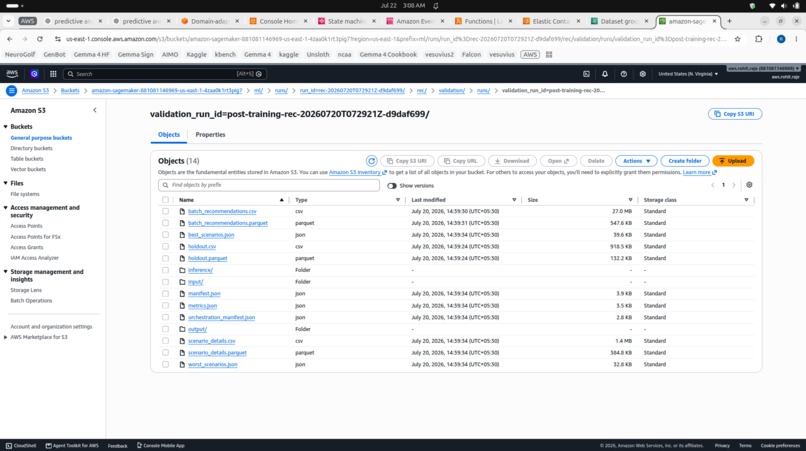
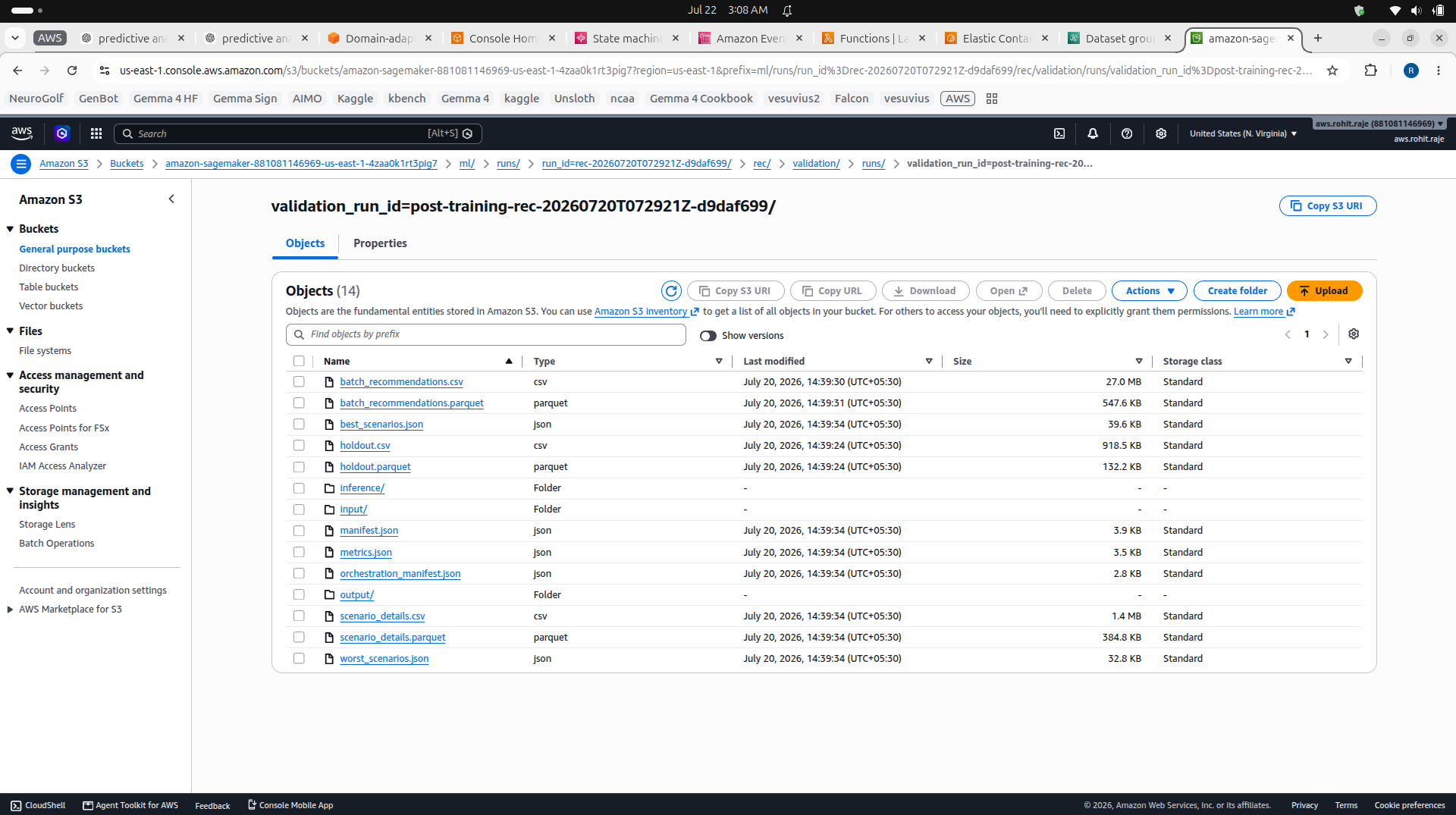
AWS s3 recommendation validation artifacts from code written and deployed by Codex
-
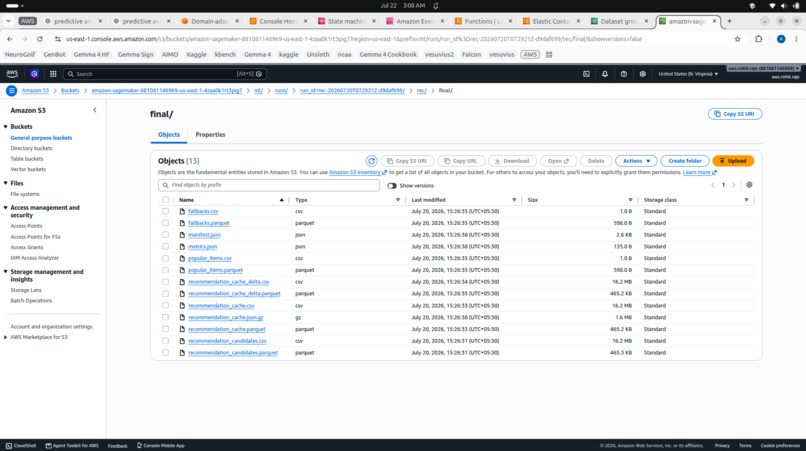
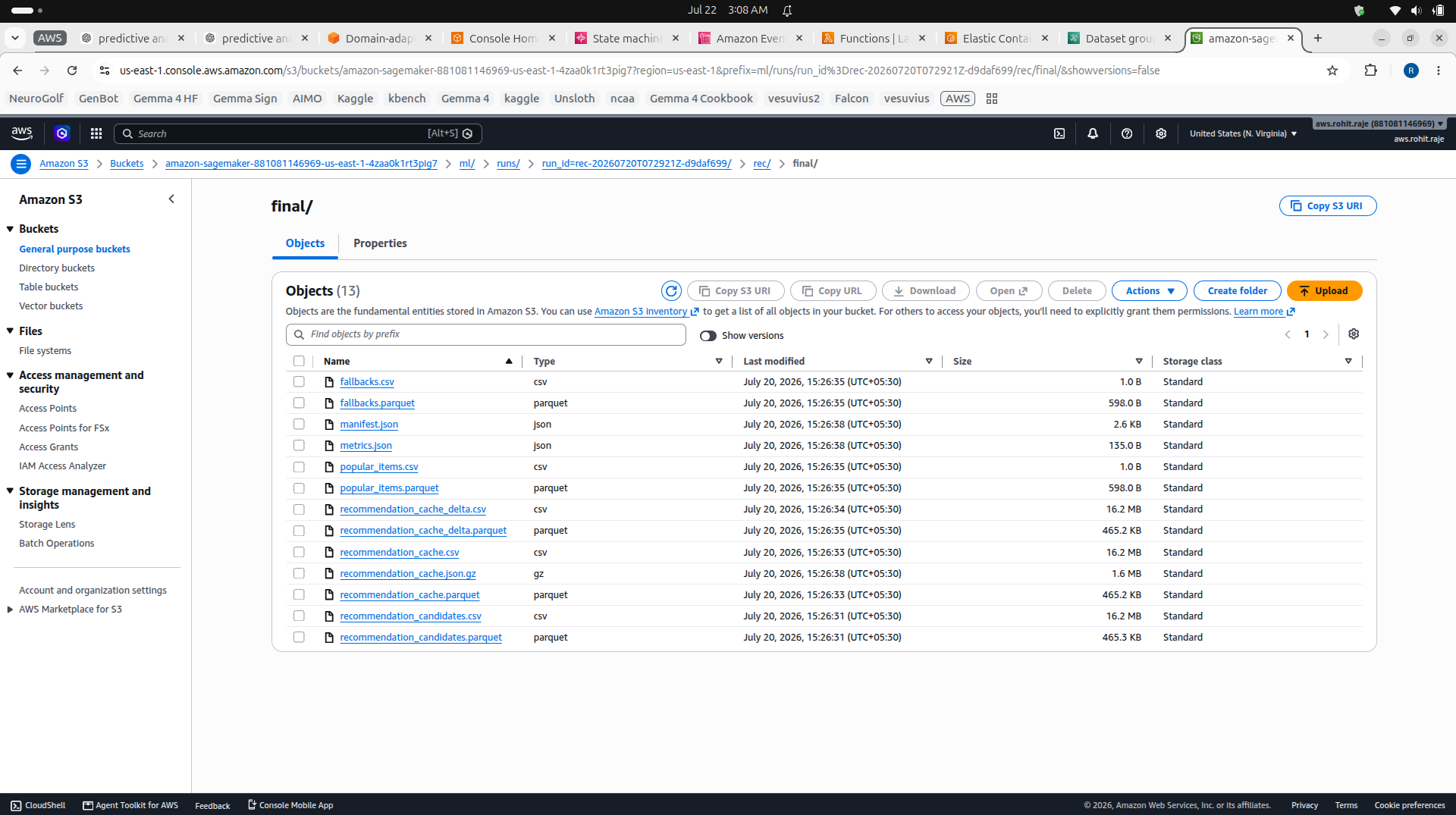
AWS s3 recommendation final batch inference artifacts from AWS personalize inventoried by Codex
Inspiration
B2B customers can purchase across multiple divisions, each with a different eligible catalog. We wanted private order exports to become relevant, division-safe recommendations without an always-on endpoint, while exploring how OpenAI Codex could help build and deploy a production system.
What it does
Stages 1 and 2 are complete. The platform creates validated datasets and schemas from private order exports, then uses Amazon Personalize User-Personalization-v2 with optional Popularity-Count fallback. It produces batch recommendations per (USER_ID, DIVISION_ID), prevents cross-division leakage, validates against future snapshots, and publishes immutable full/delta cache artifacts. Proprietary records remain private.
How we built it
Python, pandas, PyArrow, Pydantic Settings, S3, Personalize, Lambda containers, Step Functions, EventBridge Scheduler, SQS, CloudWatch, IAM, ECR, and CloudFormation power the system. Codex helped turn staged requirements and real AWS failures into tested code, infrastructure, policies, and documentation. Lambdas submit jobs and exit; Step Functions owns long waits.
Challenges we ran into
Division-aware keys had to remain consistent through feature engineering, filtering, inference, validation, and caches. Numeric-looking IDs had to stay strings. We also solved managed-job retries, validation leakage, unknown divisions, output-prefix constraints, and deployment permission limits.
Accomplishments that we're proud of
The end-to-end AWS smoke deployment succeeded and enabled separate training, validation, inference, and cleanup schedules. All of this was implremented and deployed completely by Codex ChatGPT 5.6 Sol. Runs are immutable, setup is idempotent, failures are resumable, and verified recommendation artifacts are exposed through stable S3 manifests—without campaigns or permanent endpoints.
What we learned
Reliable ML depends on schemas, manifests, validation, idempotency, and ownership as much as the model. Staged Codex collaboration was strongest when every deployment failure became a concrete fix and regression test.
What's next for Recommendation system
Next come division-aware demand forecasting, transactional MySQL publishing, automated validation reports, stronger monitoring, and optional custom recommendation models.
P.S.: Even the Codex prompts for implementing this were generated by ChatGPT 5.6 Sol itself after implementation discussions with it. And the hackathon video was also generated by ChatGPT 5.6 Sol without invideo (no credits available), by utilizing ffmpeg, local Ubuntu TTS, storyboard & narrative scripts.
Built With
- amazon-web-services
- chatgpt-5.6-sol
- codex
- python

Log in or sign up for Devpost to join the conversation.