Inspiration
Recollection started with a thought I had about my own future: when I eventually get married, I don't want to just watch a video of my wedding. I want to be able to experience that day again. I want to look around, see the people who were there, hear the conversations, and take in everything I might have missed the first time.
That idea grew out of my graduate thesis, Inhabiting Memory, where I explored what it means to experience a memory rather than simply look back at it.
Photos and videos are great ways to preserve important moments, but they only show us what the camera captured. When we think back on our own experiences, we often remember much more than that. We remember the people around us, the sounds, the space we were in, and how it felt to be there.
This made me wonder:
What if future generations could do more than look at the memories we leave behind? What if they could actually experience them?
What We're Building
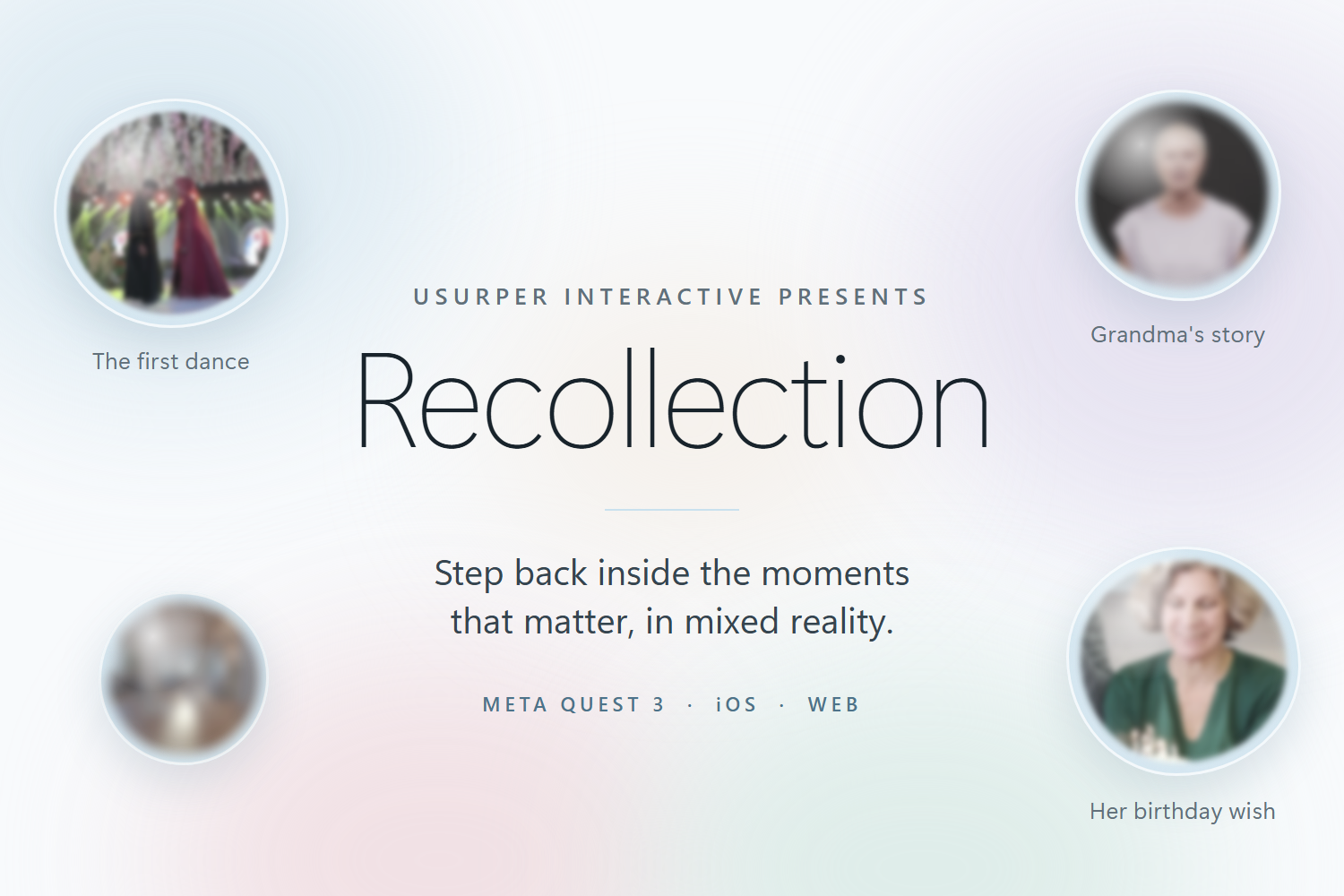
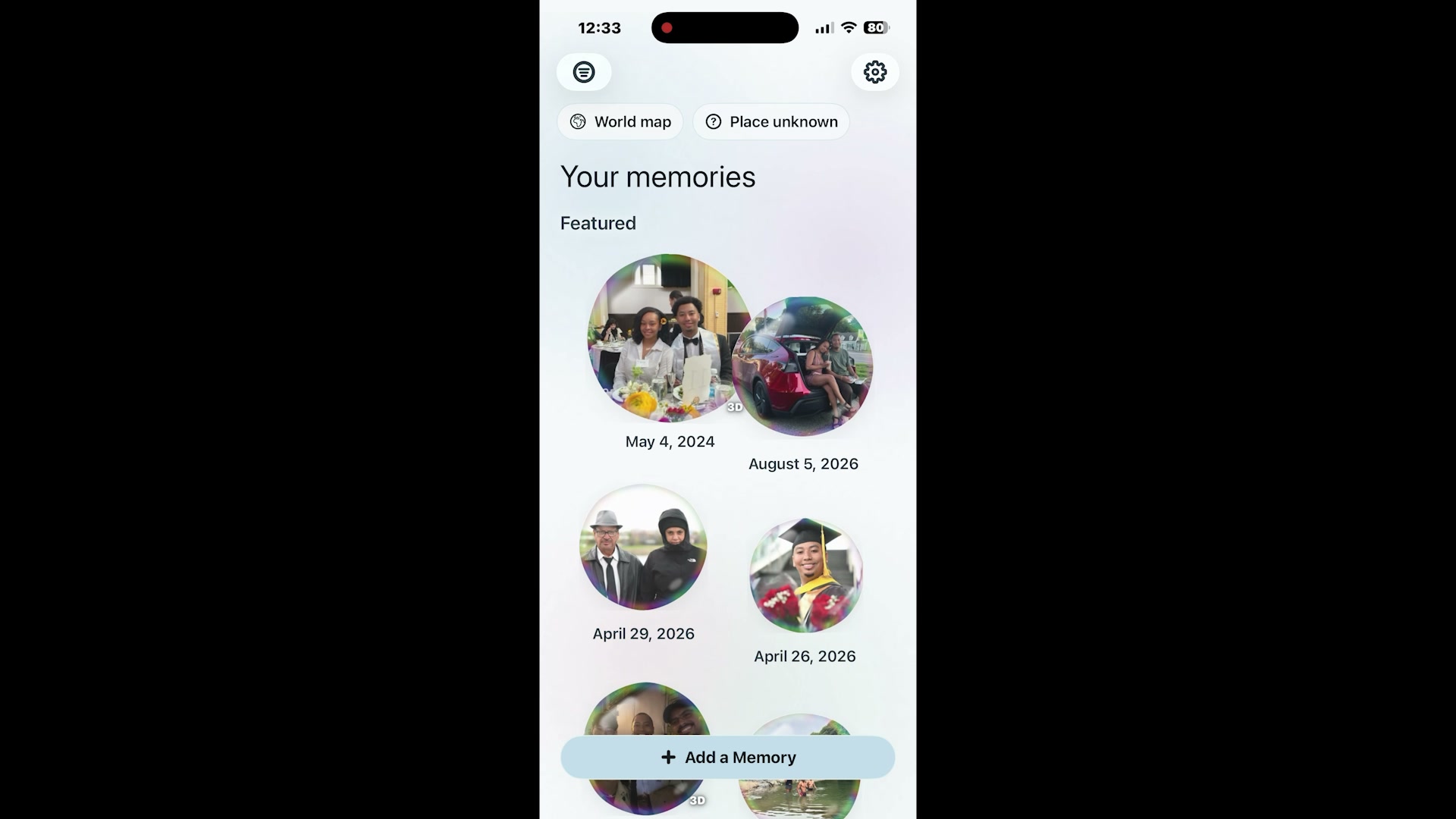
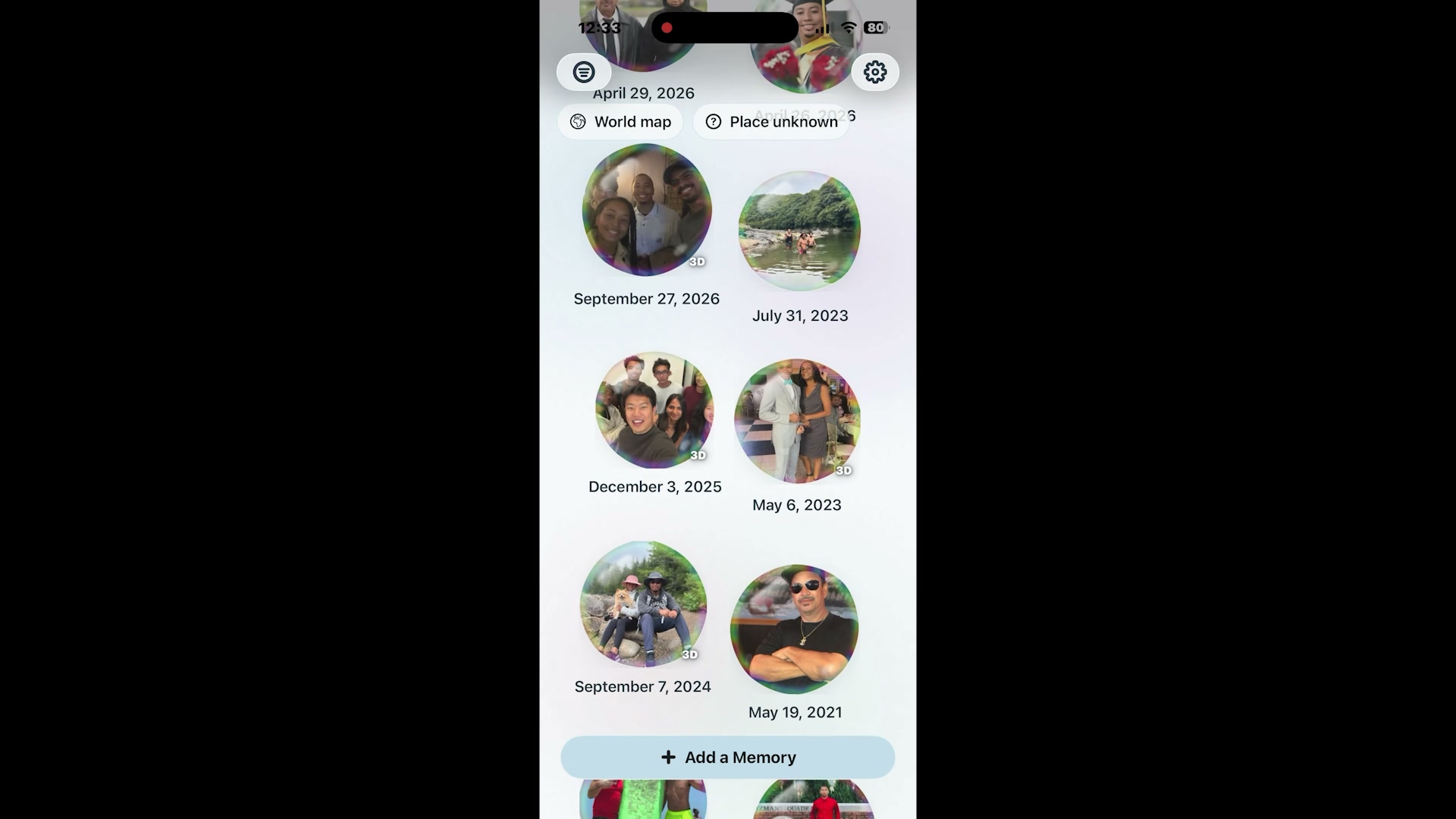
My research became the starting point for Recollection, a platform we're developing at Usurper Interactive to help people preserve and revisit their memories using spatial computing.
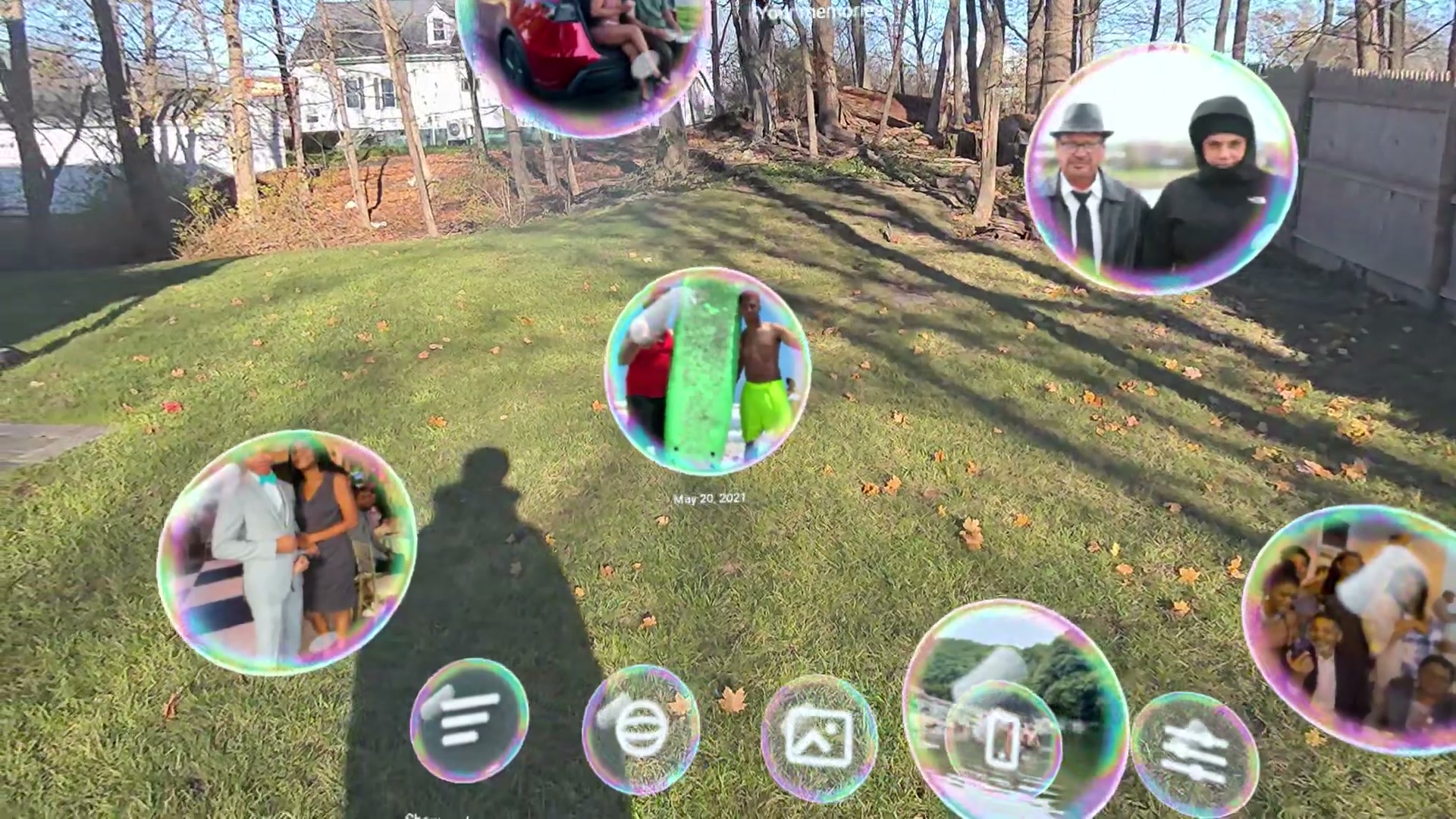
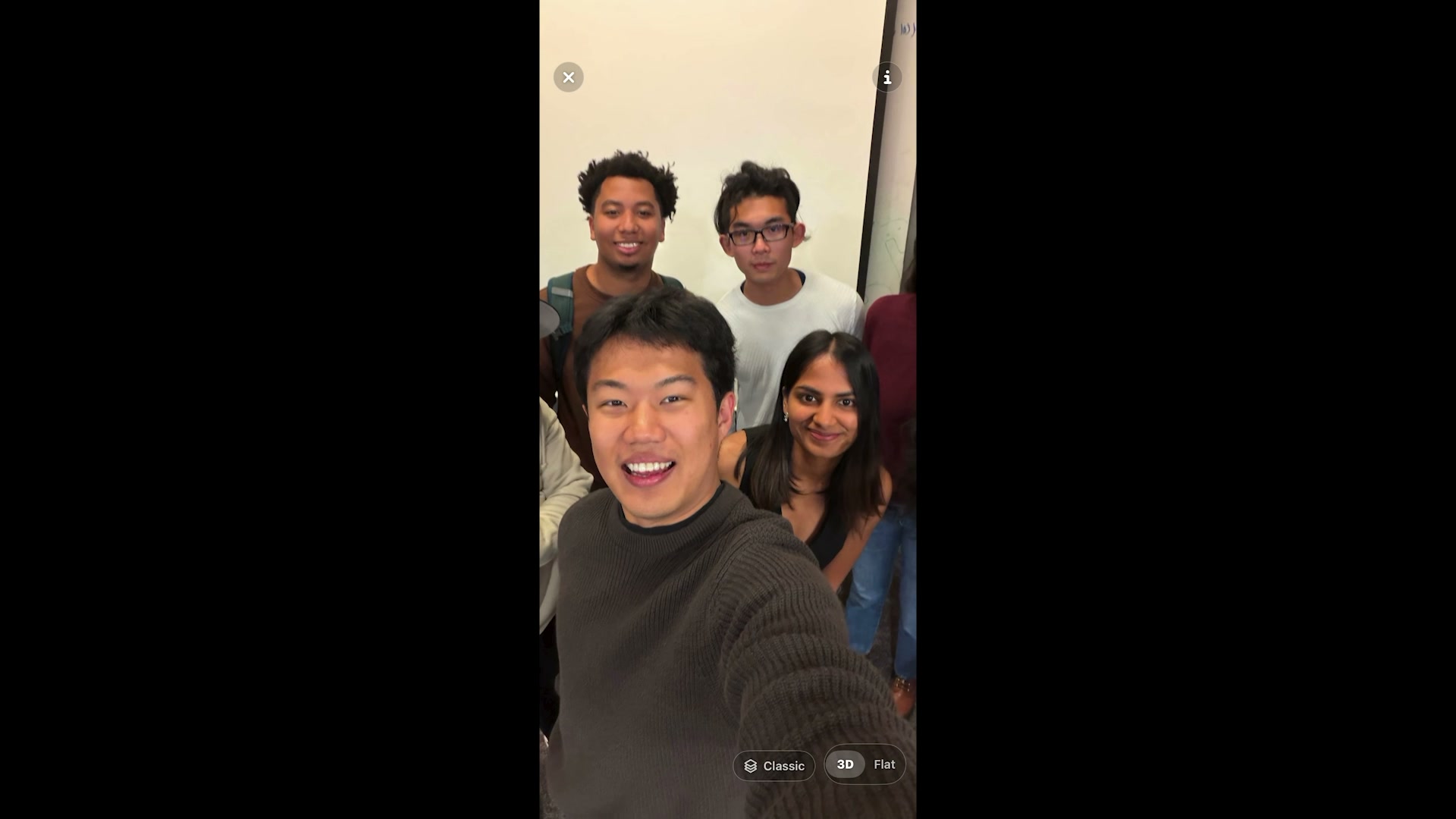
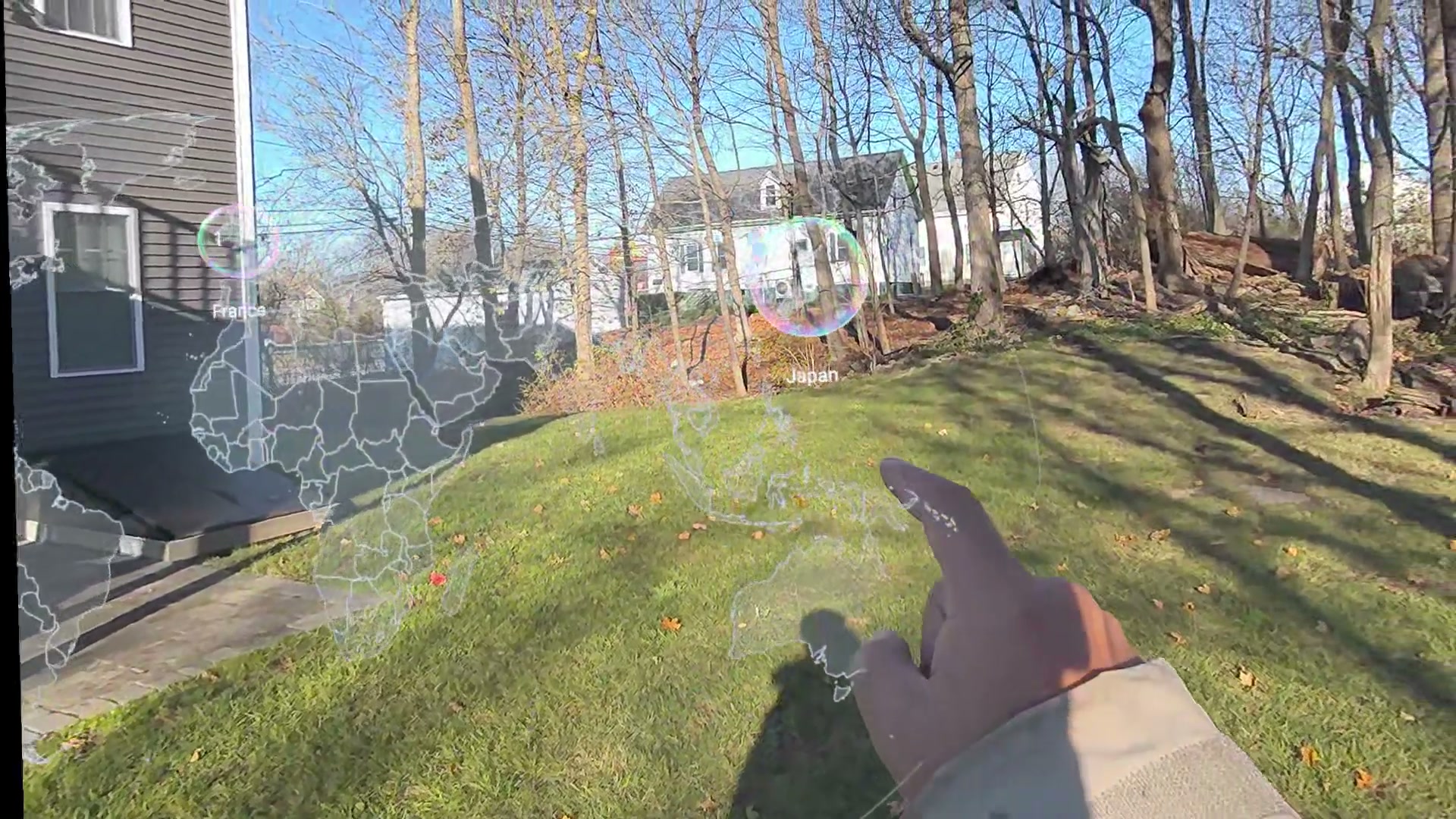
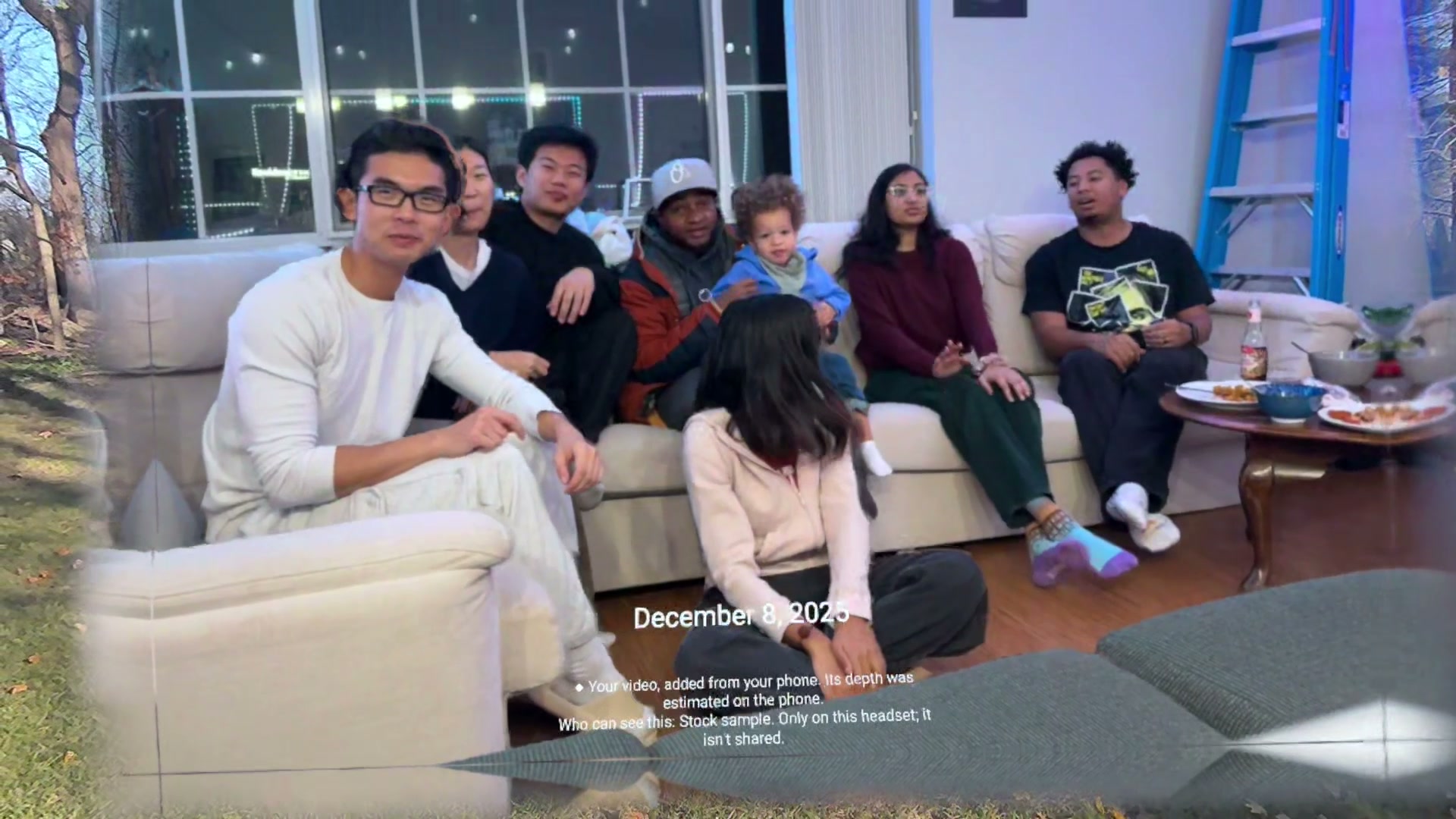
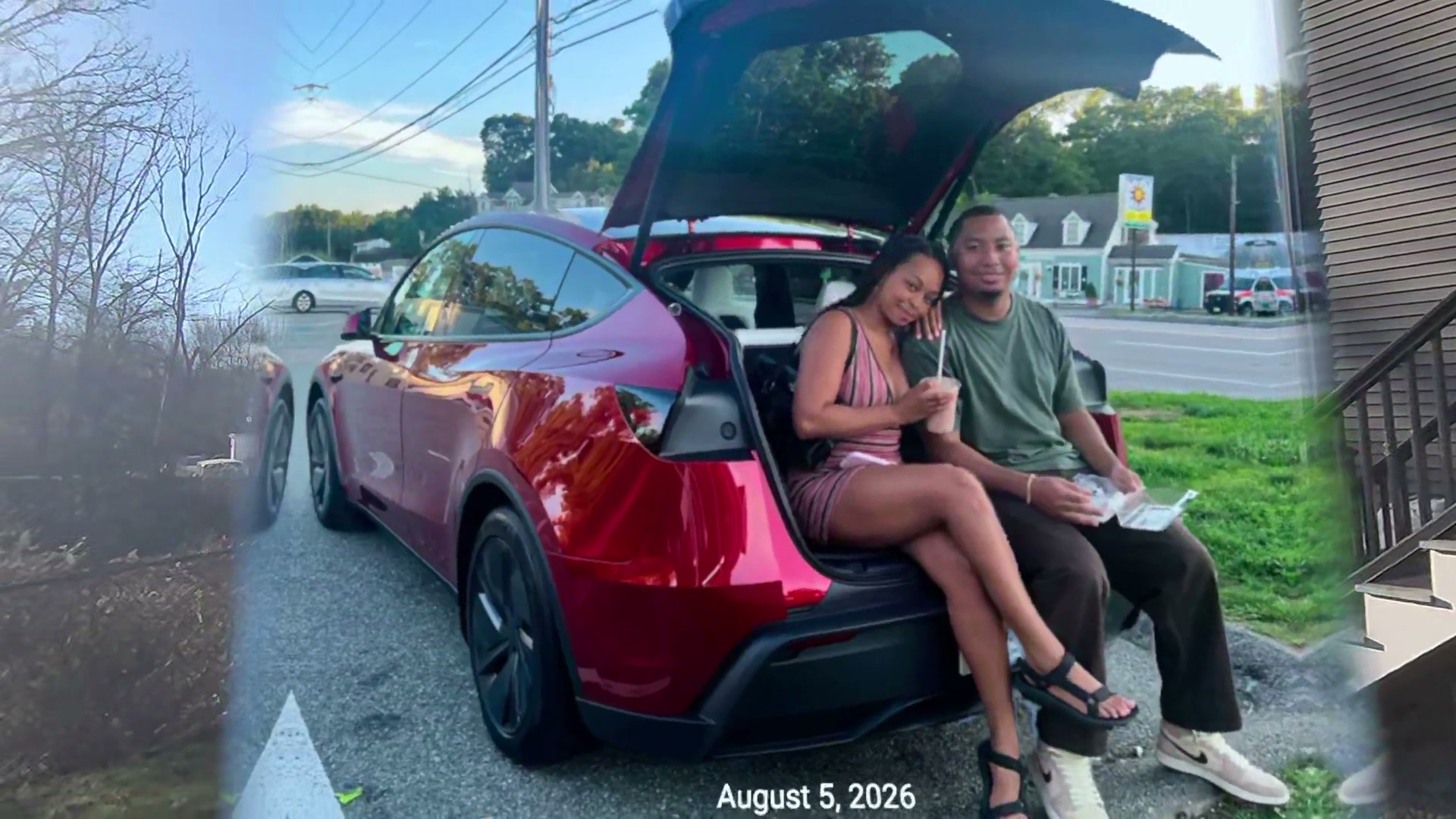
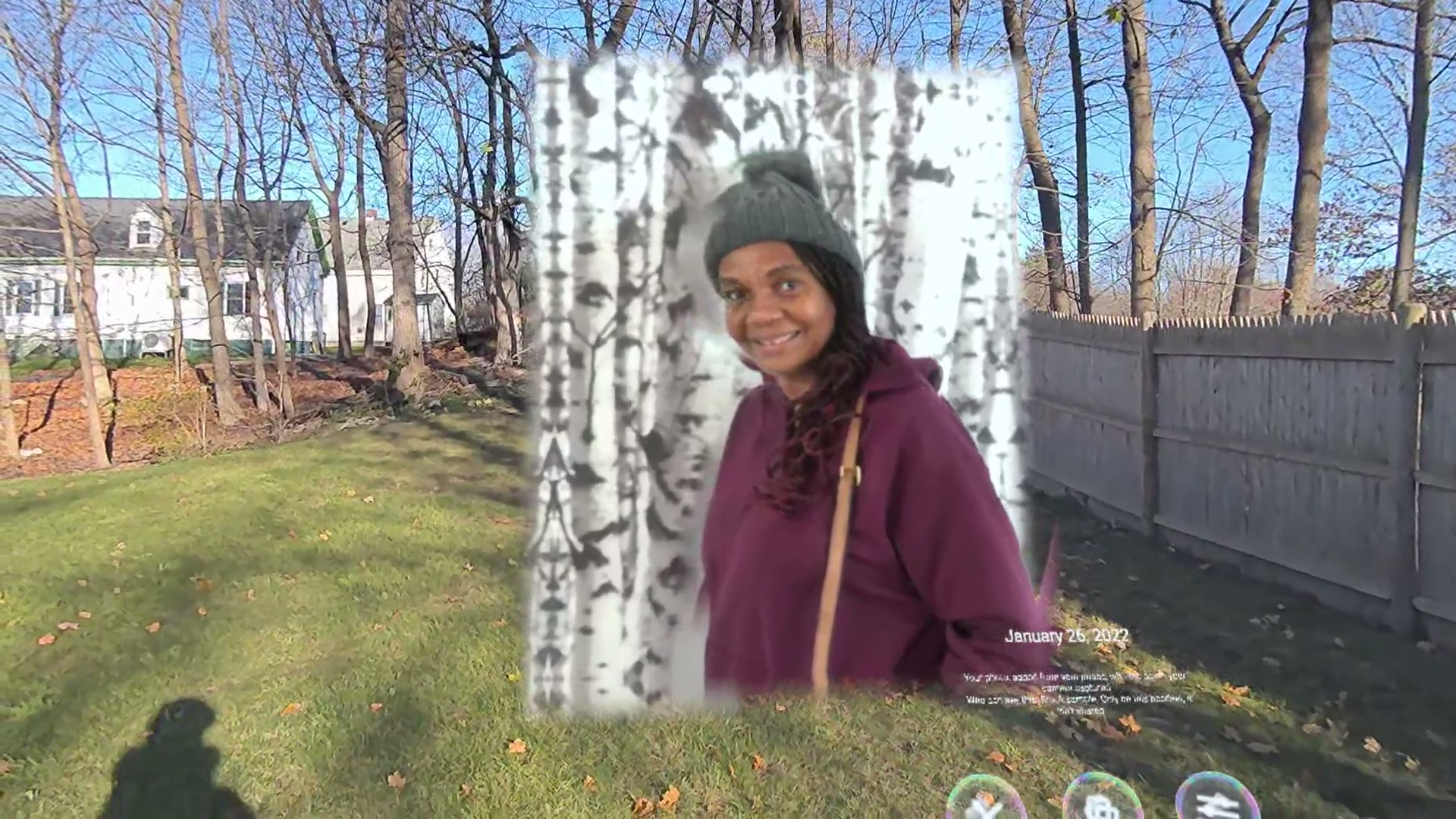
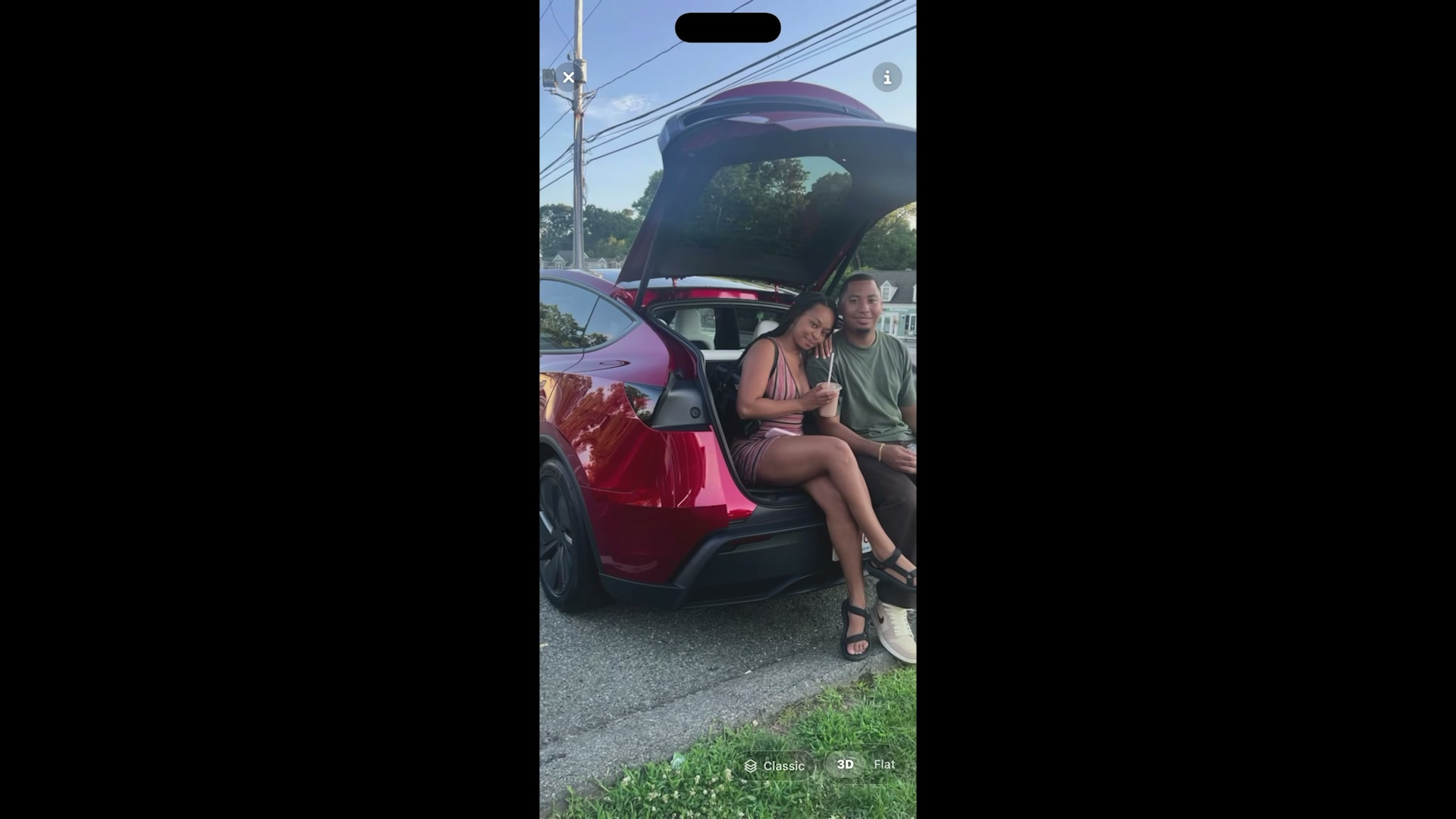
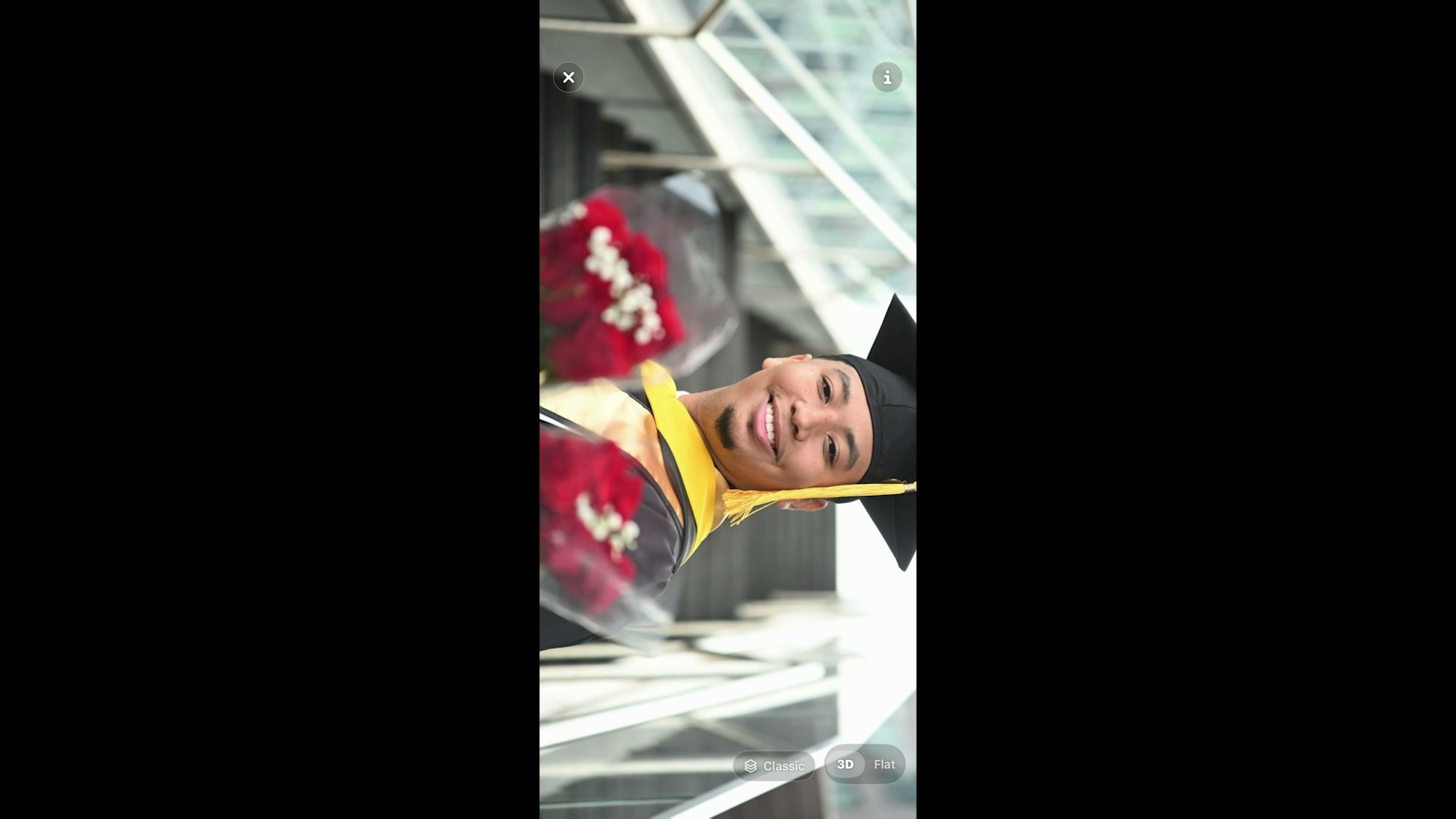
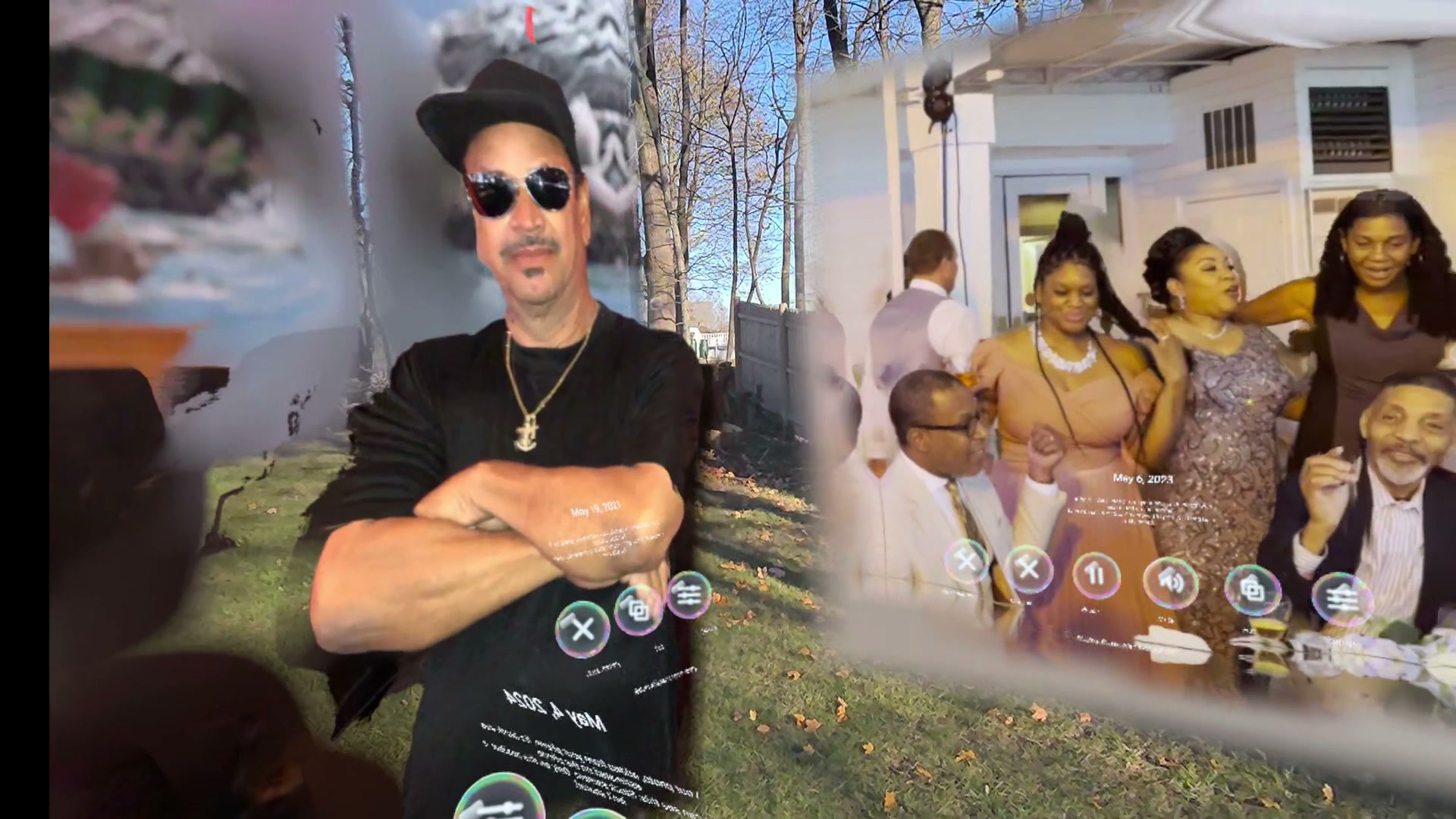
We're building Recollection as a personal digital archive where photos, videos, 360° recordings, spatial media, and volumetric content can all come together in one place. The idea is to make these memories accessible through devices like the Meta Quest 3 and future Meta VR glasses, giving people new ways to experience moments from their lives.
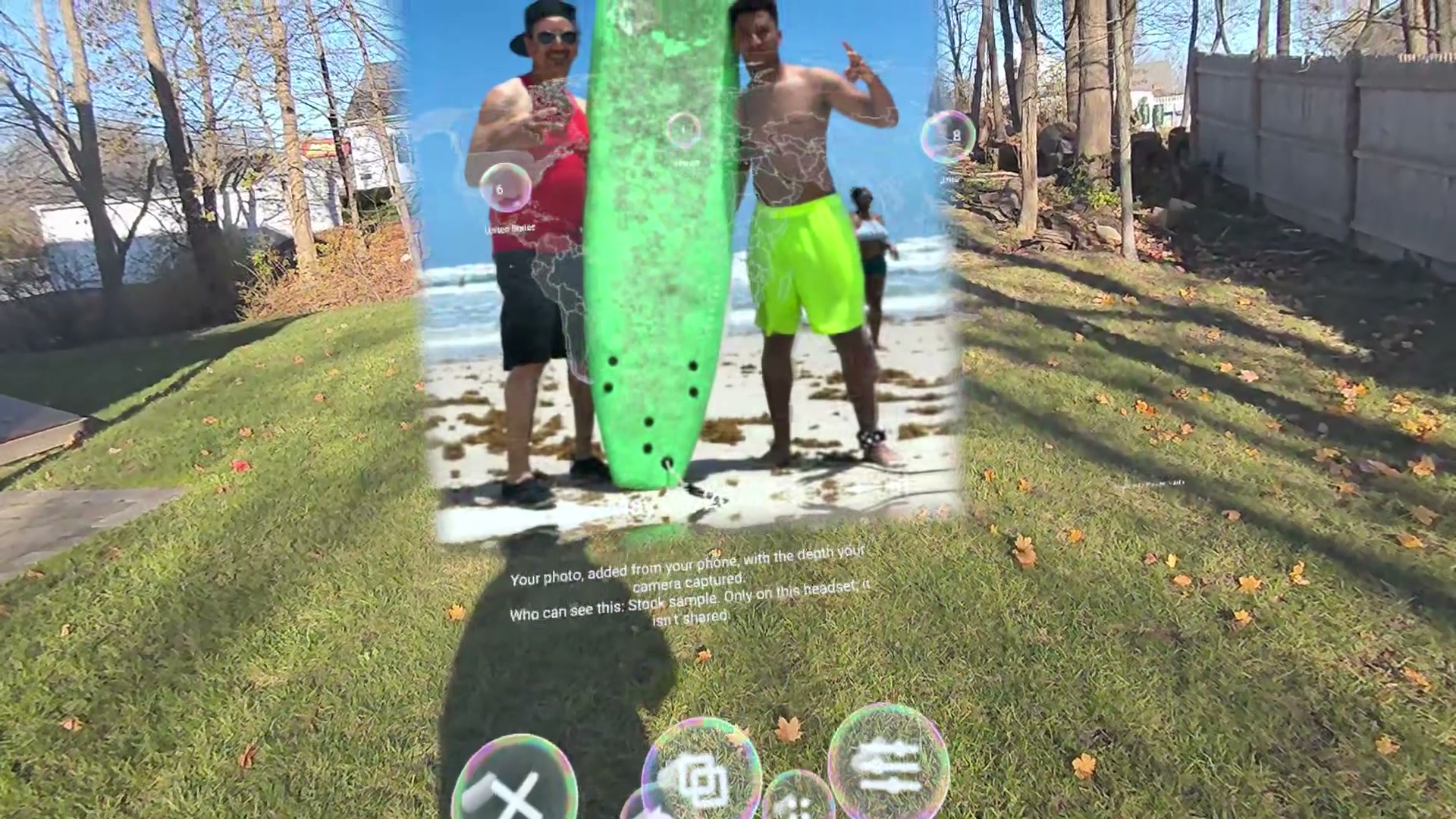
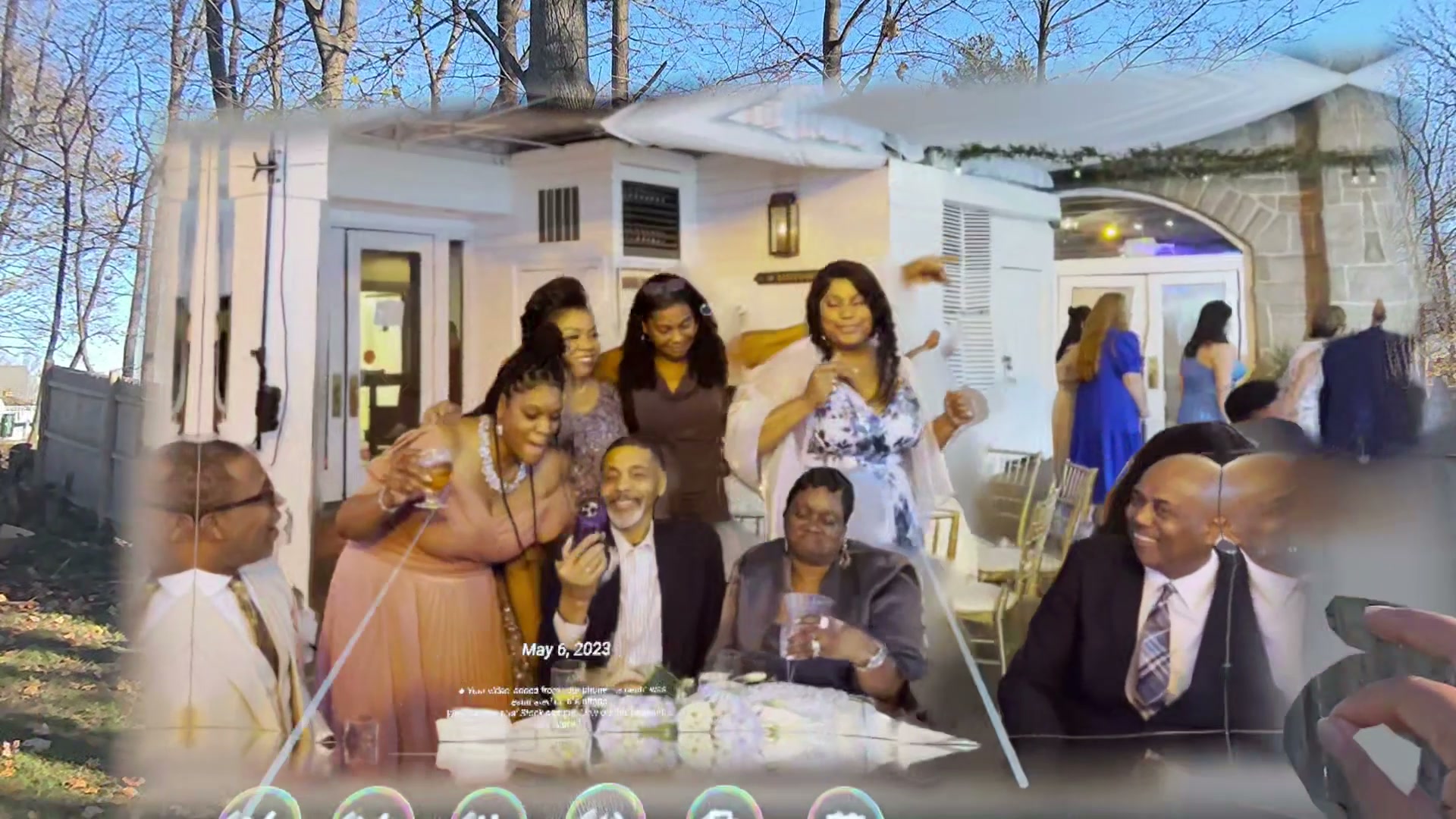
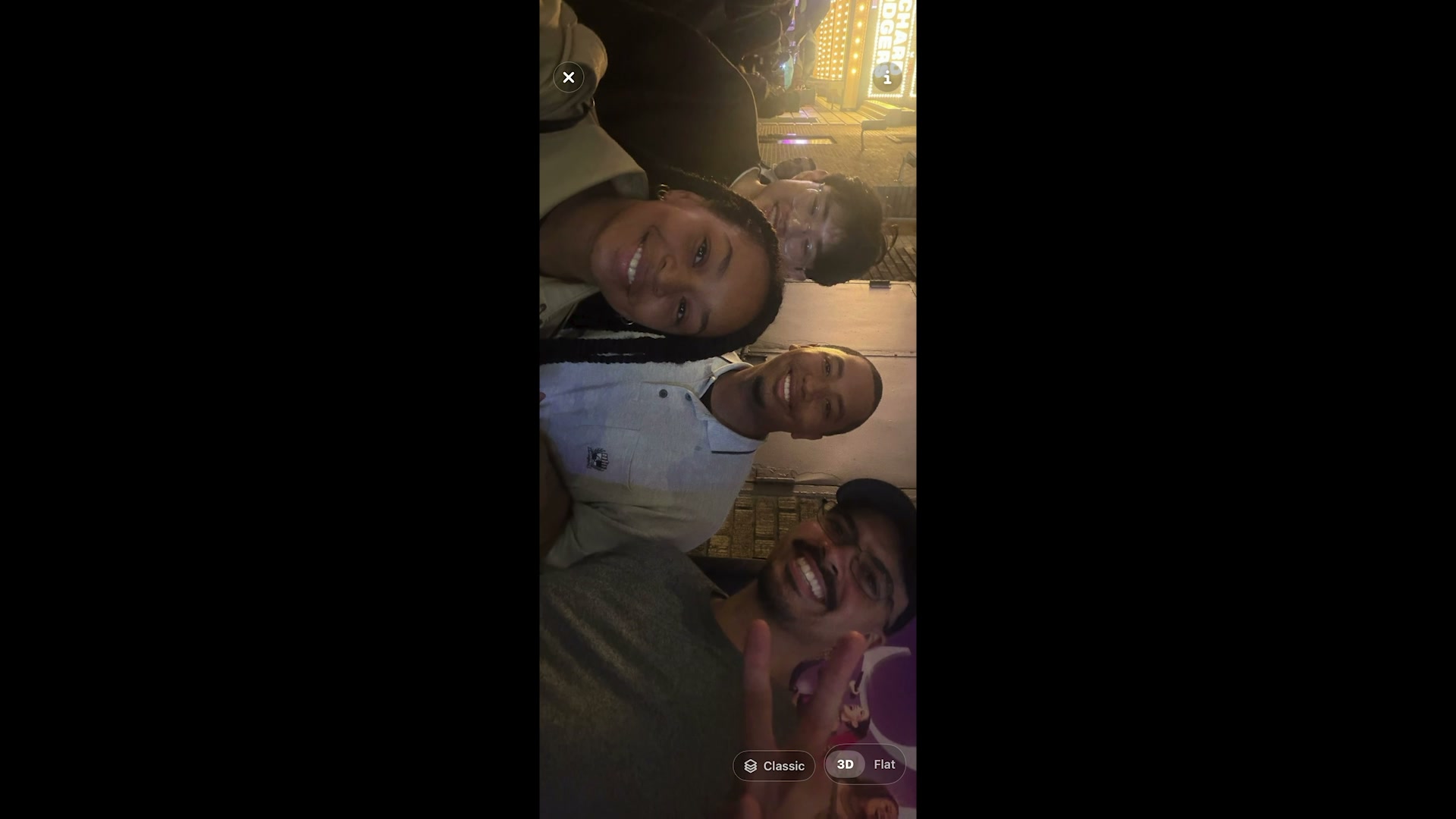
We're also working on a cloud-based processing system that can turn compatible existing photos and videos into spatial experiences. This is an important part of what we're trying to accomplish. Not everyone has access to specialized cameras, expensive equipment, or the technical knowledge needed to create immersive content.
We want people to be able to build an immersive archive of their lives using the memories they already have, while also giving them new ways to capture the ones still to come.
What I've Learned
One of the biggest lessons from my thesis was that making something look realistic doesn't automatically make it feel like a memory.
You can recreate a space in incredible detail, but if the experience is difficult to navigate, constantly glitches, or feels uncomfortable to use, it becomes harder to connect with what you're seeing. Instead of focusing on the memory, you're thinking about the technology.
I also learned how important the smaller details are. The sounds of a familiar place, the way people move around you, and the feeling of being present in a space can make a real difference in how we experience it.
These lessons have shaped how we're approaching Recollection. We're thinking about everything from natural hand interactions to how we reconstruct spaces and present volumetric media. The goal is to make the experience feel intuitive enough that people can focus on the memories themselves.
The Challenge
One of our biggest challenges is figuring out how to make immersive memory preservation accessible, reliable, affordable, and something people can continue using for years to come.
The technology is still developing, and creating high-quality spatial experiences can require a lot of equipment, processing power, and storage. Those requirements can make it difficult for everyday people to use.
There's also the question of what happens years down the road. If someone preserves their wedding today, they should still be able to revisit it twenty or thirty years from now, even if the devices and file formats we use today no longer exist.
That's why we're not building Recollection around just one reconstruction method or technology. We're exploring different ways to work with both existing and newly captured media so we can find approaches that are practical today and adaptable in the future.
The Goal
Recollection isn't meant to replace photography or video. We want to build on what those formats already do so well and give people another way to experience their memories.
I believe this kind of technology has the potential to change how we preserve personal and family history, but it shouldn't be something only large companies, research institutions, or people with expensive equipment can access.
I think about the experiences that people might want to return to someday. A wedding, a birthday, a family gathering, the home they grew up in, or a conversation with a grandparent. Even the ordinary days that don't seem especially important until years later.
Over time, these moments become part of our personal history and the stories we pass down to the next generation.
I want Recollection to make it possible for people to do more than watch those stories. I want them to have a chance to experience what it was like to be there.


