-
-
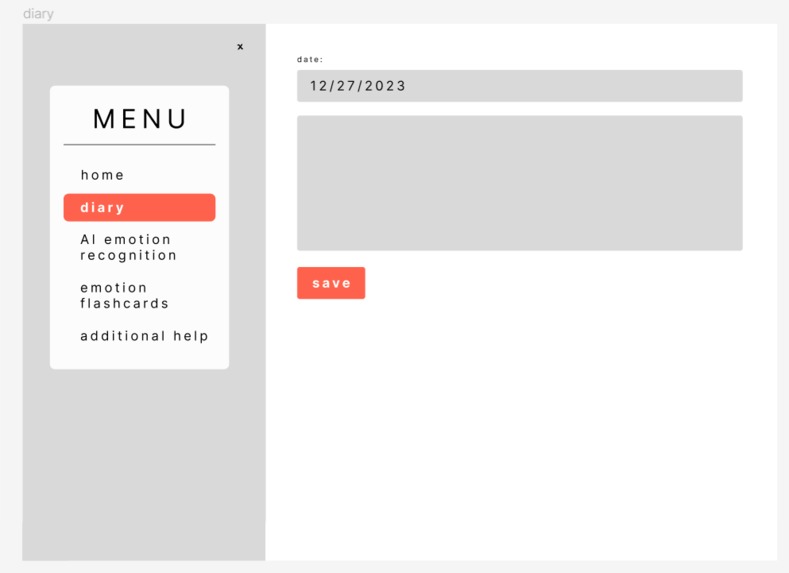
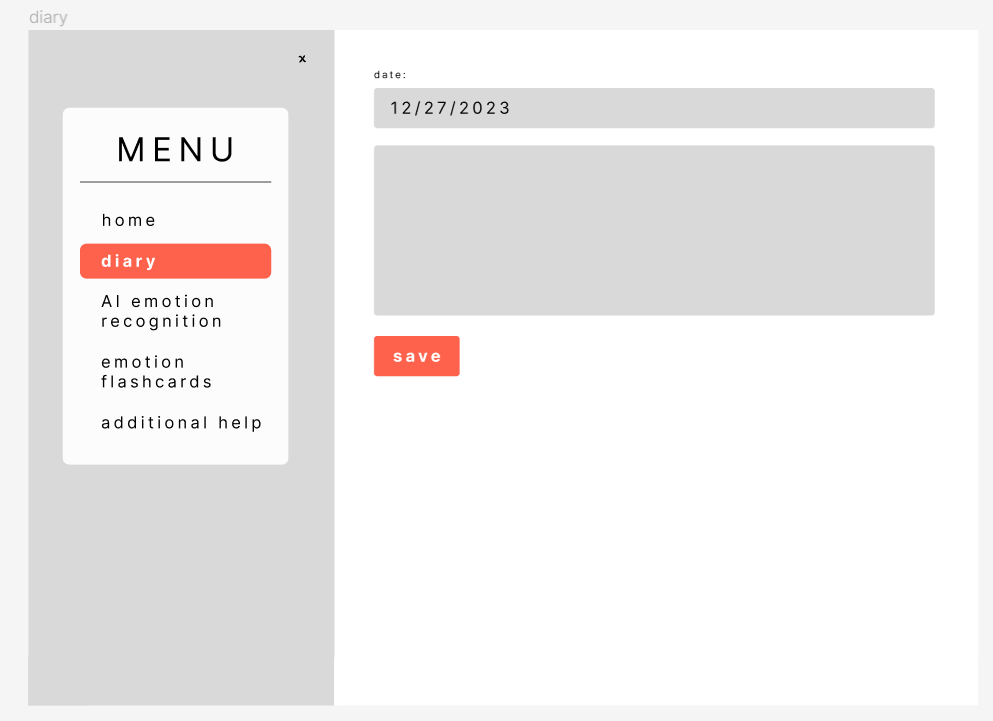
Wireframe of diary entry page
-
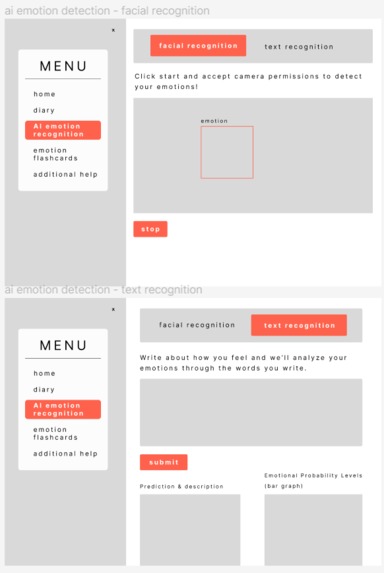
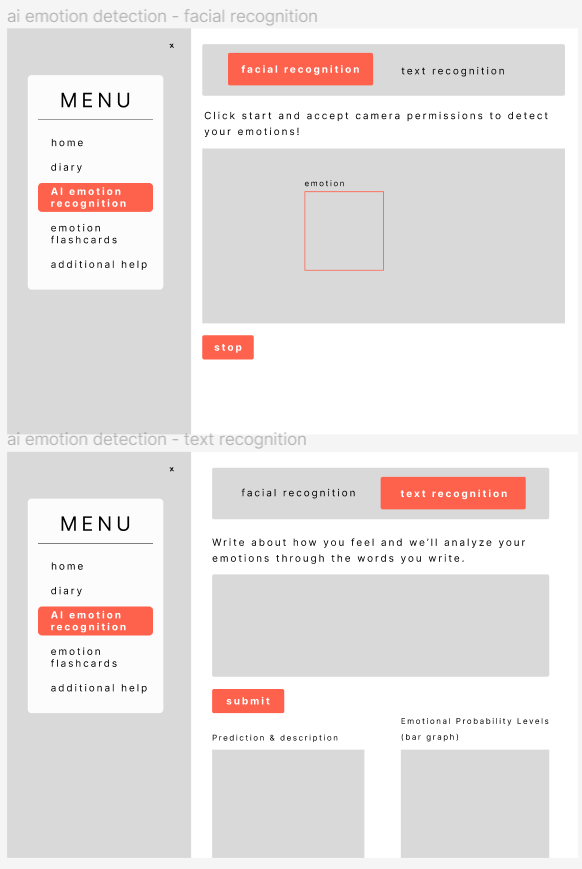
Wireframe of emotion-detection with video and text
-
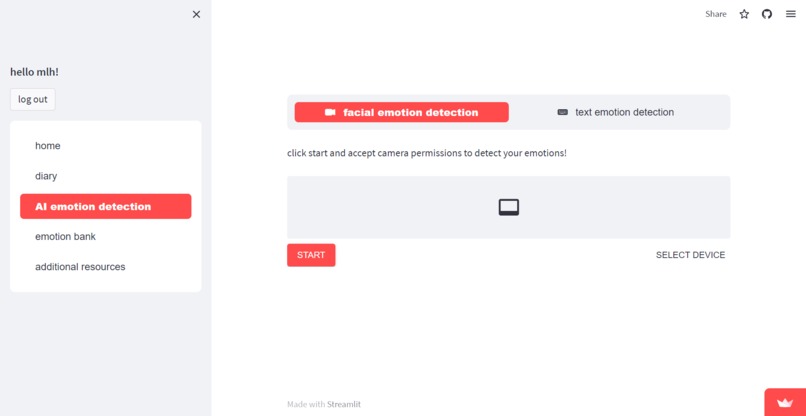
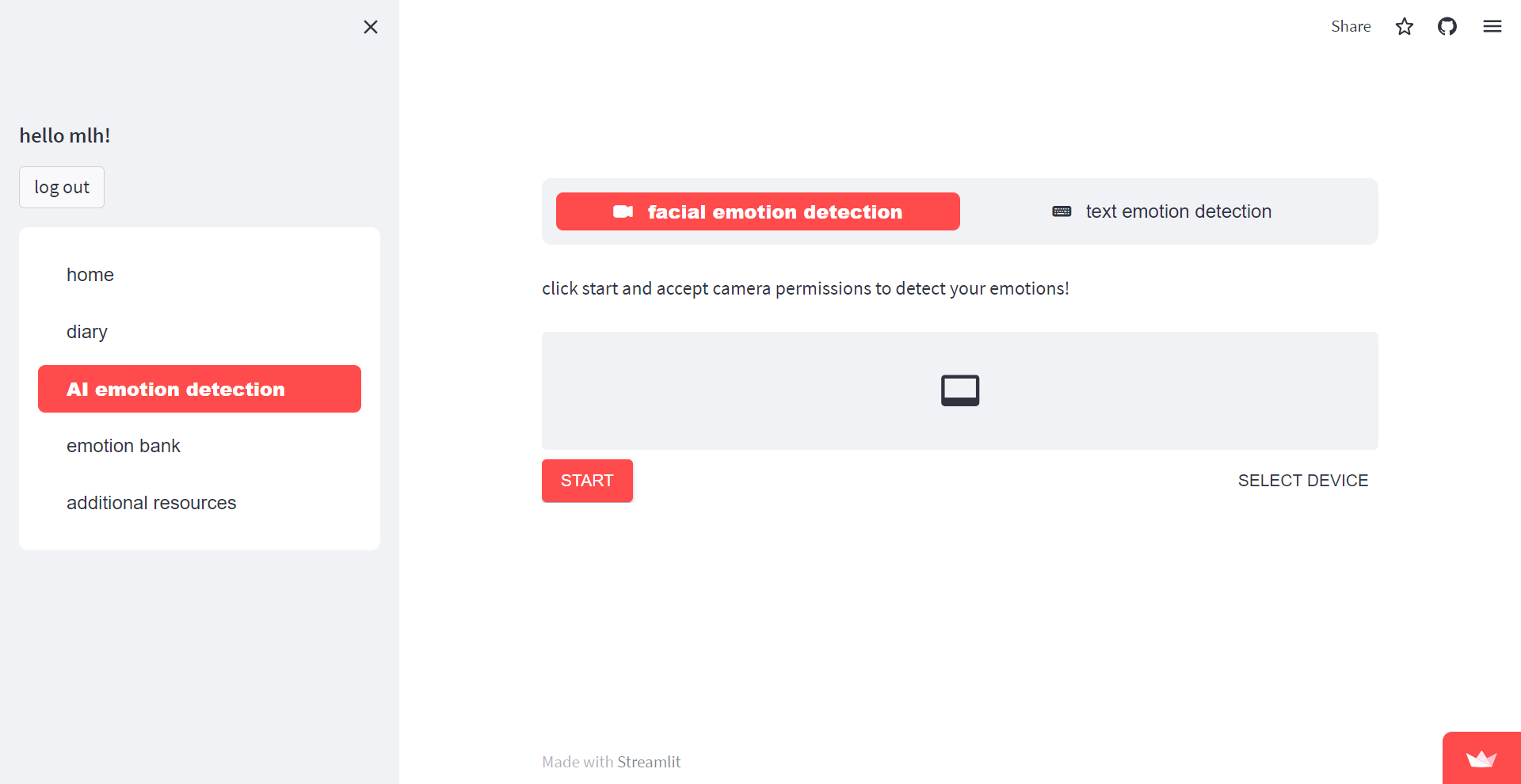
Emotion-detection with video, final app
-
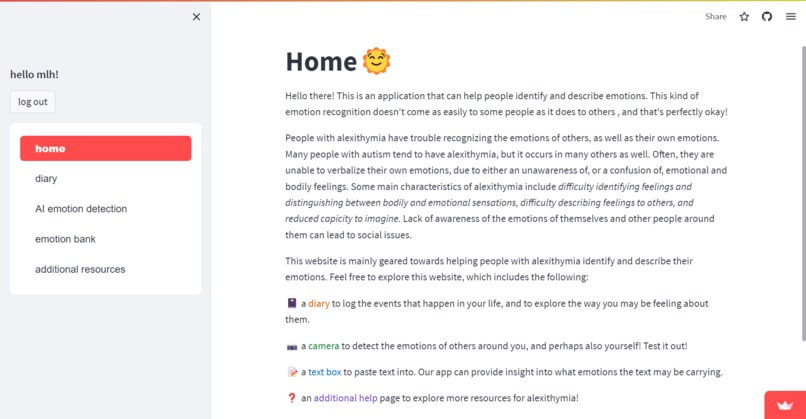
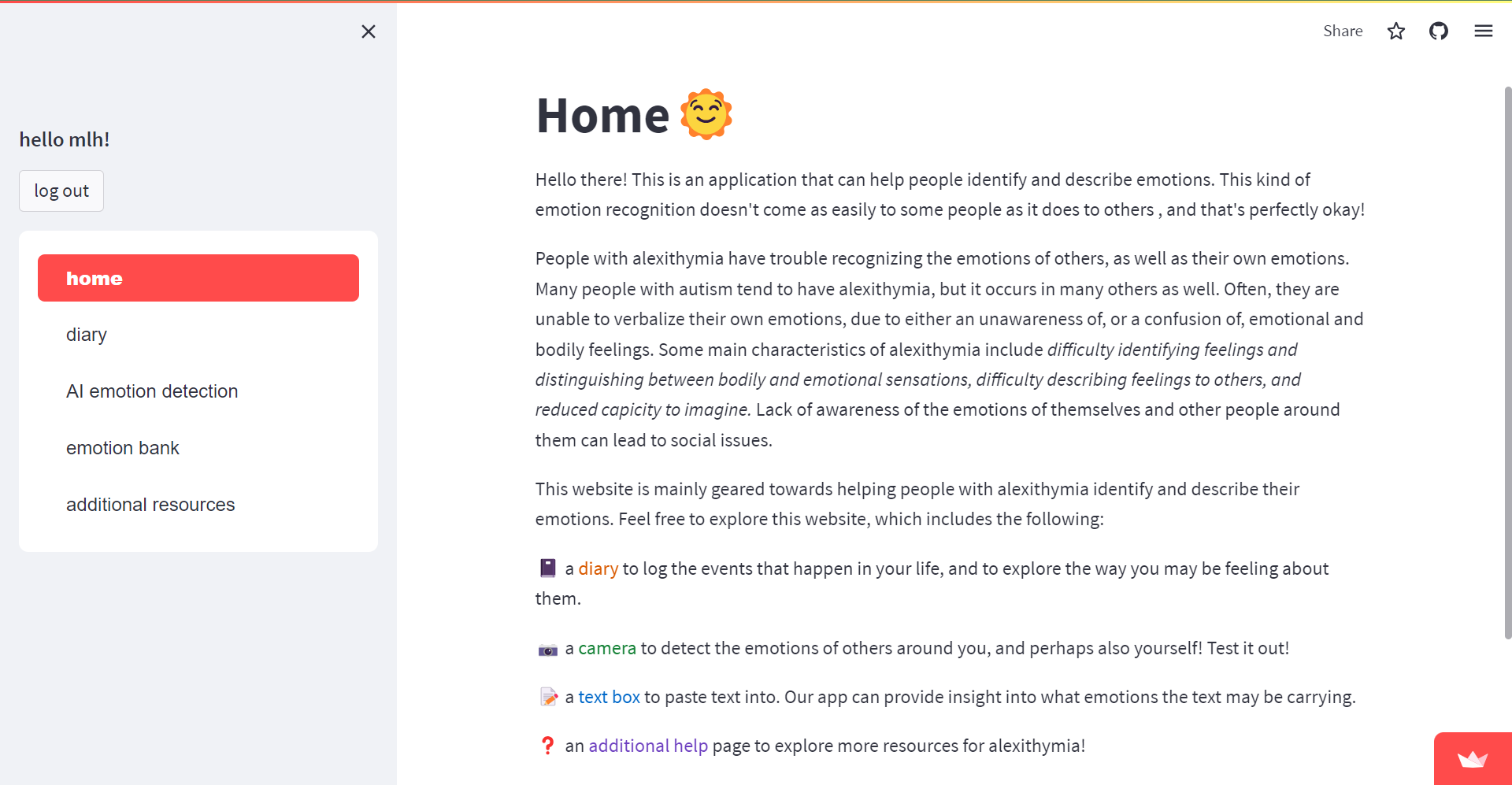
Home page, final app
-
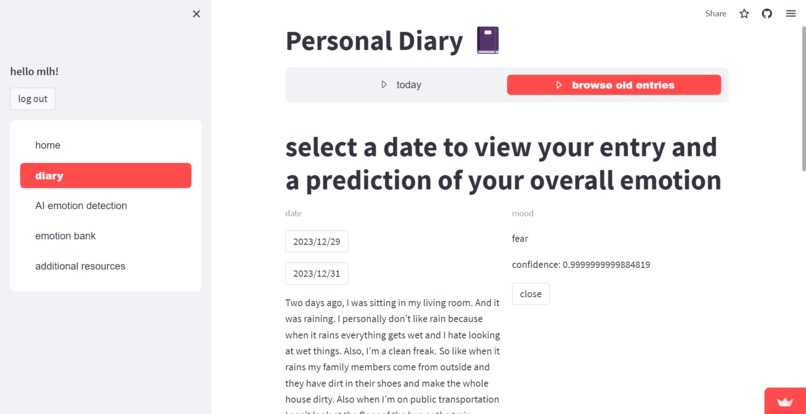
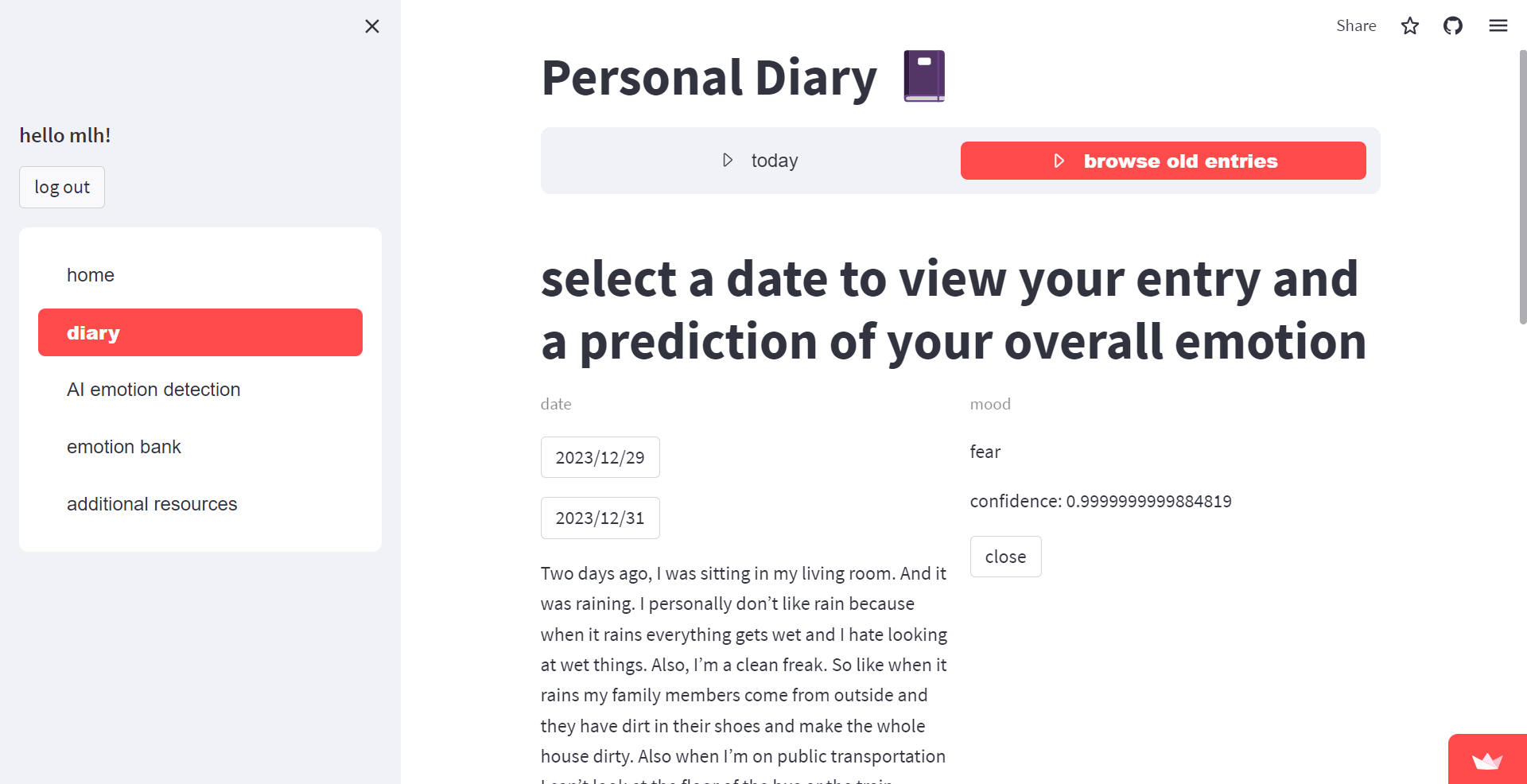
Browse Old Entries in diary section, final app
Inspiration
We have both been a part of hackathons in the past where people have used AI to build their apps. For this hackathon, we also wanted to try building an app using AI, but neither of us really knew where to start, or what to make. After a bit of research, our app idea stemmed from a desire to address the unique emotional challenges faced by people with alexithymia. Although alexithymic individuals make up nearly 10% of the population, most do not know what it is or how to interact with them. Additionally, due to a lack of understanding of the emotions of themselves and others, people with alexithymia often struggle socially. The sparse studies that have been conducted have shown that apart from professional procedures like cognitive behavioral therapy, patients with alexithymia benefit from self-reflection and external help with identifying their emotions. Describing different emotional states can also be impactful.
What is our app?
Our app helps people with alexithymia better understand and label their emotions. We have functions like a journal, a video-based emotion sensor, text-based emotion sensors, and additional help resources. We built and trained the text-based emotions sensors, and used a pre-trained data set for our video sensor. To build this app, we used python and Streamlit. For our data storage functionality, we used a database called Deta Space.
Challenges, and what we are proud of
This was our first time using Streamlit and AI libraries, so the learning curve for us was huge. We mostly used the Streamlit documentation to code everything, which was sometimes a struggle - because of how new the Streamlit library is, there was oftentimes not many videos or articles that could help us with the challenges we were facing. Additionally, deploying the app posed a huge challenge towards the end, because even though the app ran well on Localhost, it would show errors on the deployed app. Eventually, our team figured out the issues and got the app to work, which we are very proud of - we have never fully deployed an app before, and it feels amazing to have our work on the community cloud! We are also proud of training the data set - we have read about machine learning and training/testing models, but to have actually implemented it on our own is absolutely amazing.
Future Plans
We learned a lot from this experience. We built the app in five days, which was a little stressful for a project as big as this, but in the end it's been a very fruitful experience. To improve our app further, we plan on expanding the training data set to include a larger number and variety of emotions, making the app's prediction capabilities more accurate. Additionally, we will have an AI analysis on the diary entries page, showing the user's emotional trends over time. We also want to have a community of therapists in the Additional Resources section, connecting users to trained professionals. While creating this app, we focused a lot on functionality more than aesthetic. We will be making changes to the UI to make the interface more friendly and better the user experience.


Log in or sign up for Devpost to join the conversation.