-
-
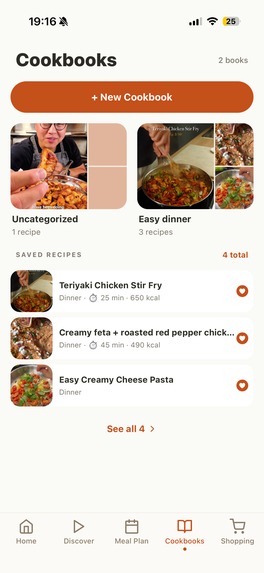
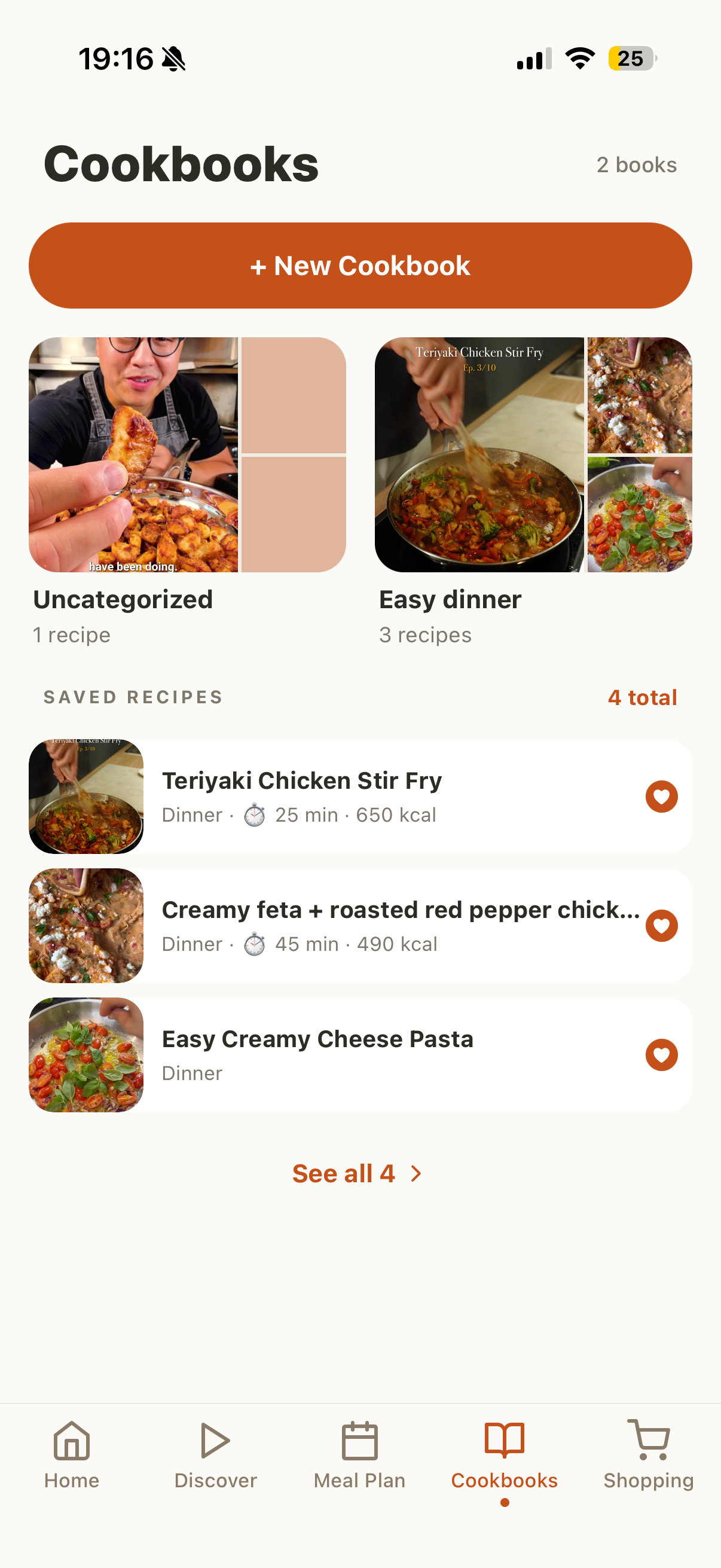
Organize cookbooks
-
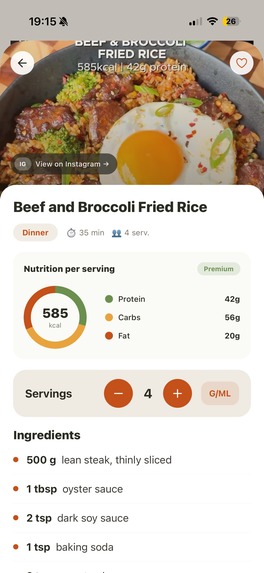
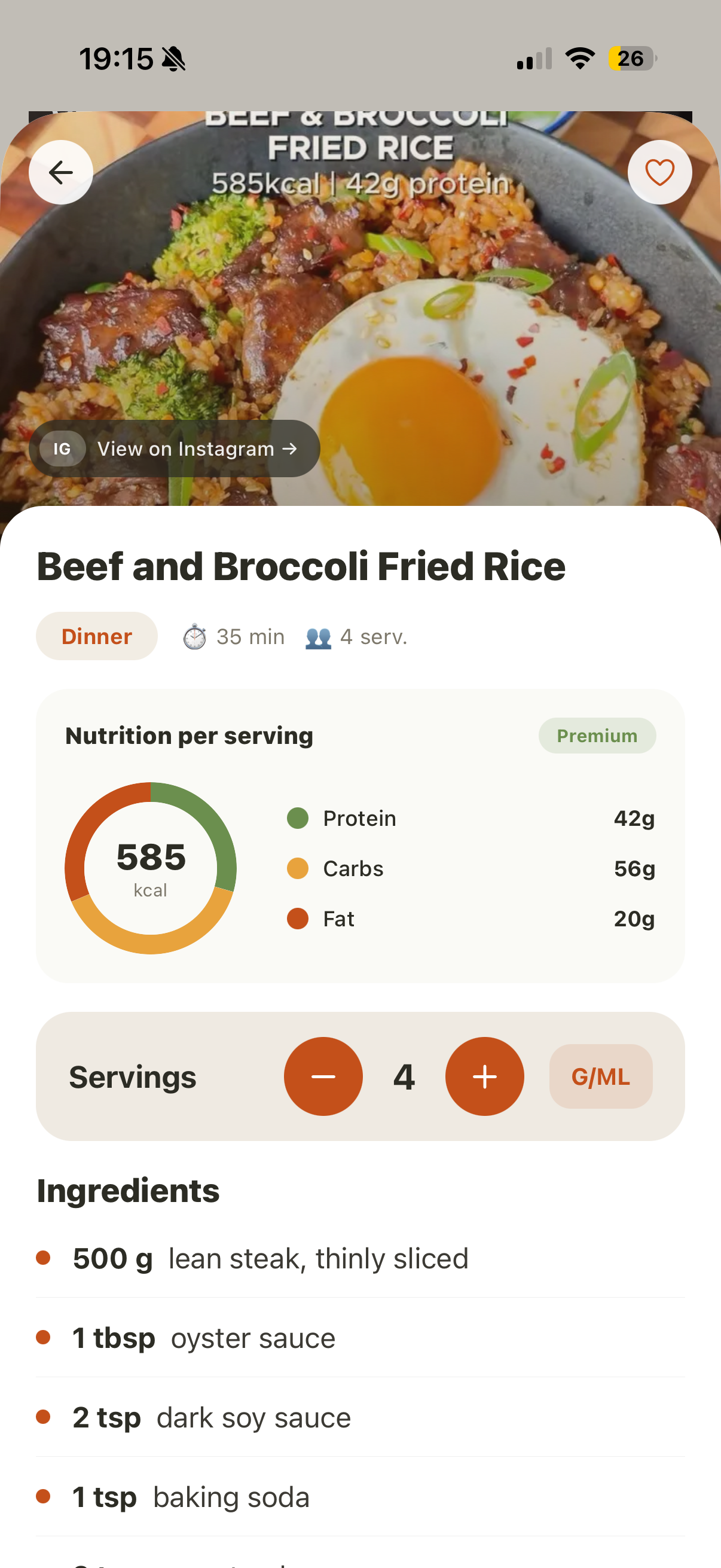
Check recipe nutrition and cooking instructions
-
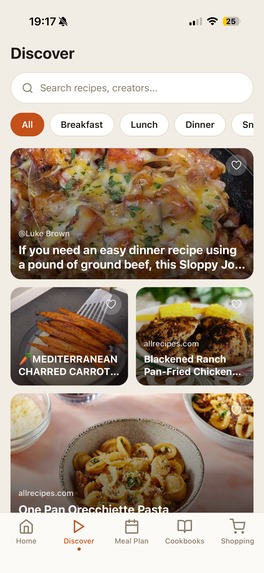
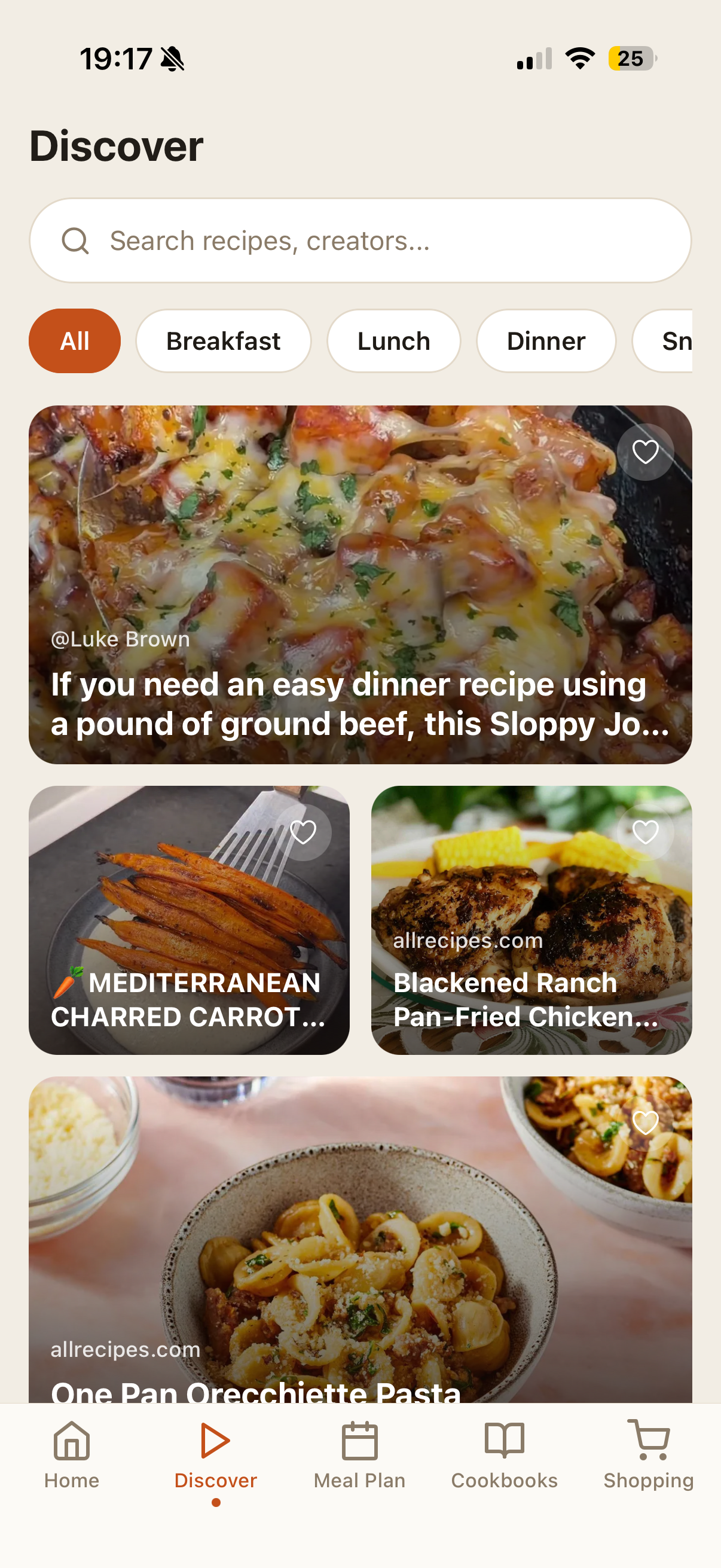
Discover new recipes
-
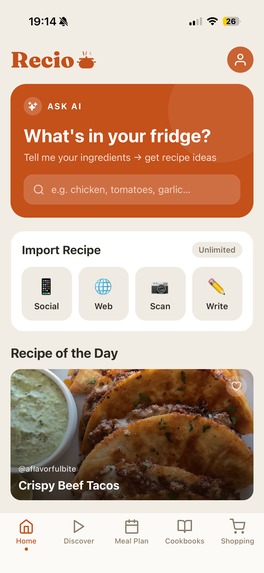
Import from anywhere and generate new ideas
-
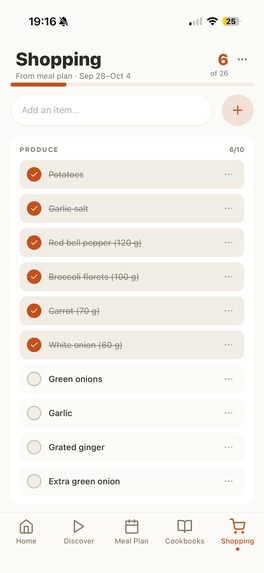
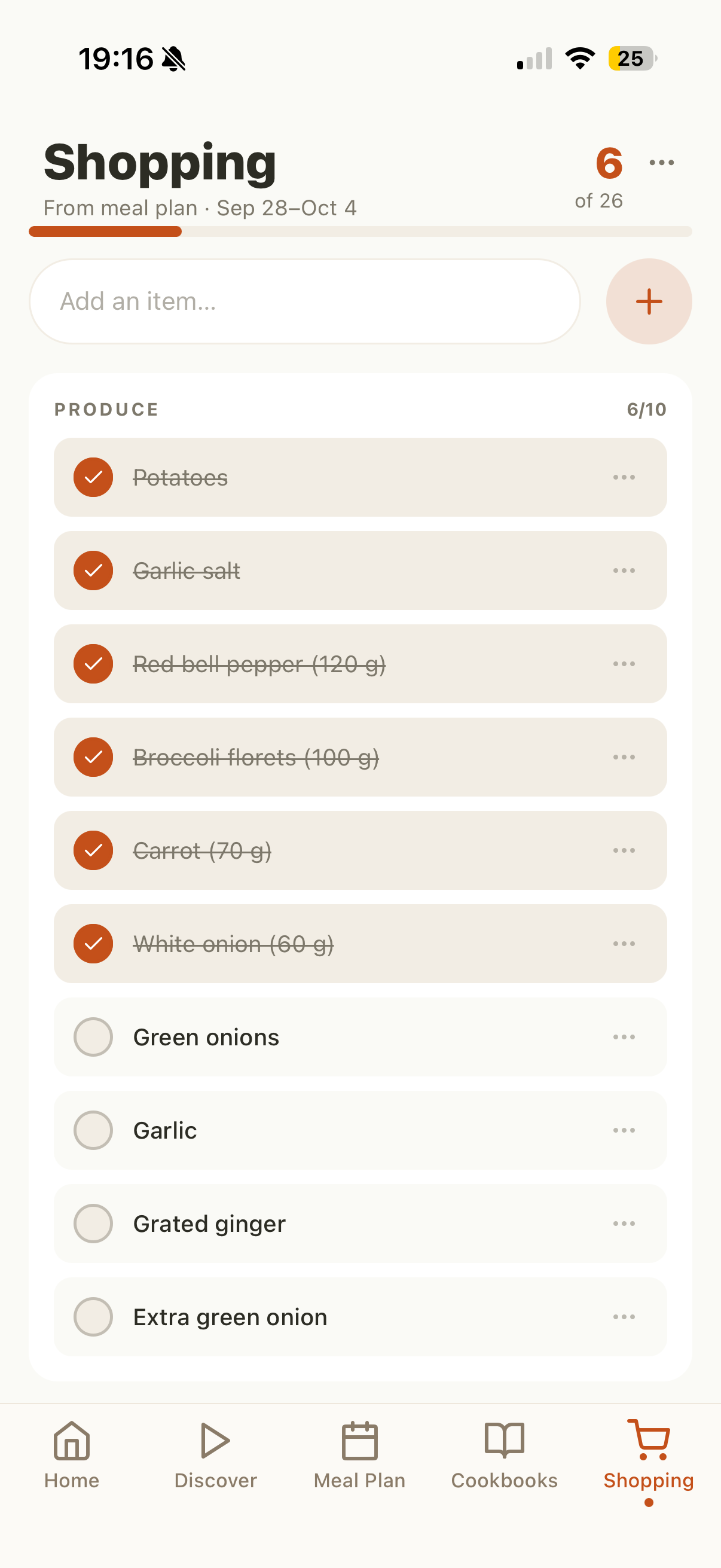
Generate shopping list based on meal plan
-

App icon

Inspiration
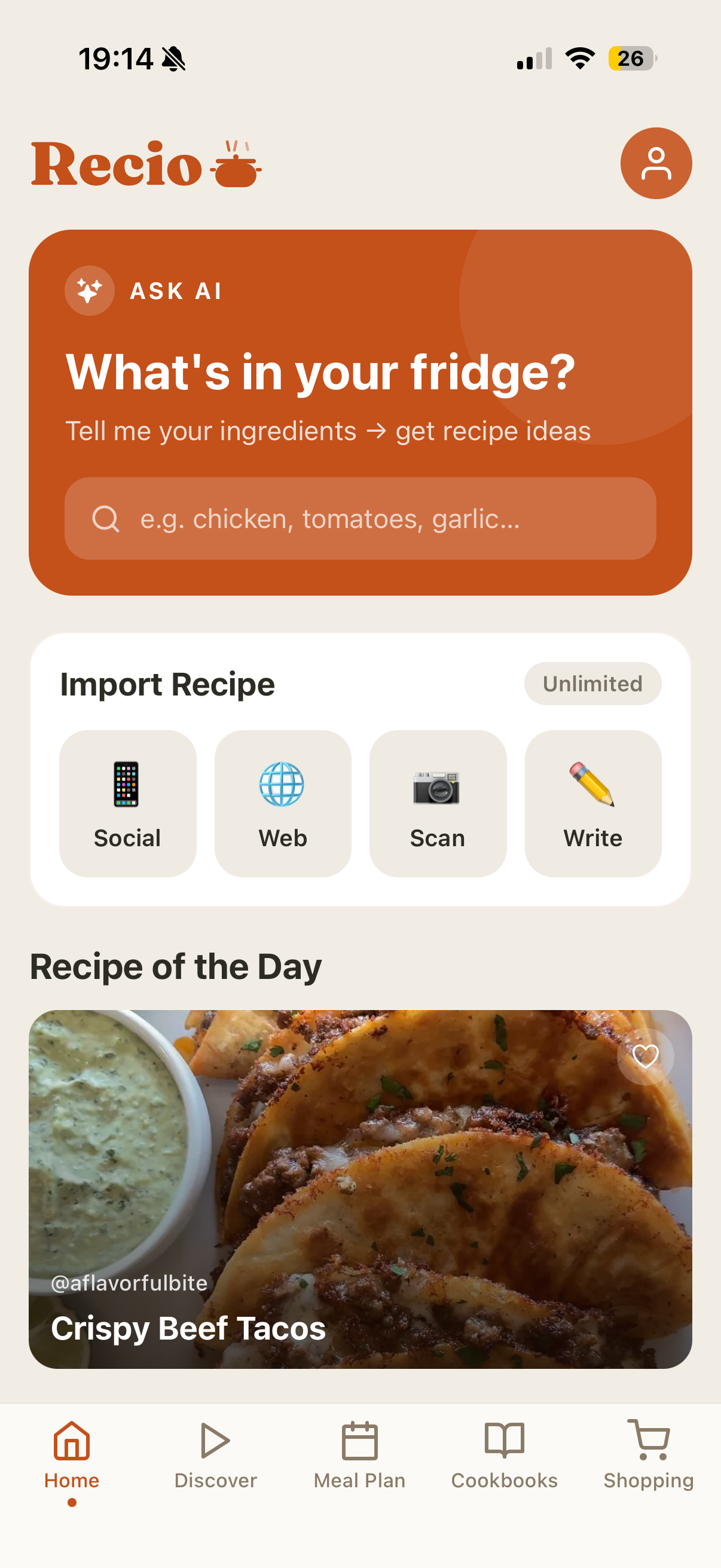
We love home-cooked food, but figuring out what to make isn't always easy. Like many people, we'd scroll TikTok and Instagram for recipe ideas and save the ones that caught our eye. The problem was that great recipes got buried among countless other saved posts and were quickly forgotten. Recio was built to fix that. It brings everything together in one place: you can save recipes from any source, organize them your way, create your own, ask an AI Chef what to cook with whatever's in your fridge, generate a shopping list from your weekly meal plan, and explore new ideas on the Discover page. It's one app that tackles the everyday questions of what to cook and what to buy.
What it does
Recio is a cookbook organizer that lets you:
Save recipes from TikTok, Instagram, or anywhere else Organize them into your own collections Create and store your own recipes Ask the AI Chef for meal ideas based on the ingredients you already have Plan your meals for the week and get an automatic shopping list Discover new recipes for inspiration
How we built it
Under the hood we use nodejs with nest for backend and react native combined with expo for client side. The main part is complex logic of importing and parsing a recipe, which includes LLM calls via openrouter to structure the data and whisper to catch even more details of cooking process from voiceover of the video.
Challenges we ran into
Social platforms don't want to be scraped. Recio's promise is "share any recipe video, get a clean recipe." But Instagram and Facebook block or degrade requests from server IPs, and every platform exposes data differently. We couldn't find one universal way to import recipes. Instead we built a per-platform pipeline, which ensures each recipe is imported as fast as possible with best quality.
LLMs are creative in ways you don't want. The model sometimes returned units outside our schema, which made whole imports fail. We changed the parser to work with all type of units, so now it returns deterministic units code. Same problem was fixed for multilingual recipes, so all units merge into same shopping list item.
Anonymous-first auth. We wanted people to start importing recipes without creating an account, and to keep all their history when they sign up later. That meant attaching credentials to the existing anonymous user, and merging data when an anonymous session signs in to an existing account. We also had to make sure recipe ownership survives that merge.
Accomplishments that we're proud of
We built a fully working app that looks great and runs smoothly. Beyond the product itself, we did thorough research: we tested which subscription model drives the best conversion rate, studied our competitors to find where we can stand out, integrated AI into the core experience, and set up analytics so we can keep improving based on real data.
What we learned
We got hands-on with a range of plugins, built prototypes in Figma, and deepened our UI/UX design skills. We also learned a lot about AI, from comparing different models to integrating them through APIs.
What's next for Recio: Cookbook Organizer
There's plenty still ahead on both the product and marketing sides. Our next steps are to learn who our audience really is, test which ad creatives convert best, decide which features to build next, and focus on long-term customer satisfaction and retention, with strong DAU/MAU stickiness as a key goal.

Log in or sign up for Devpost to join the conversation.