-
-
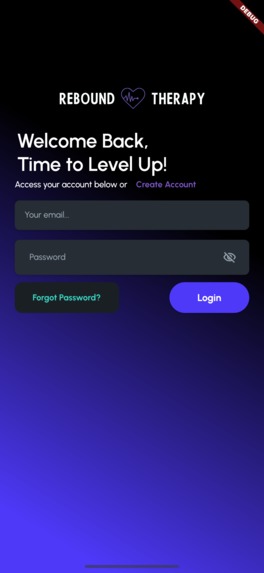
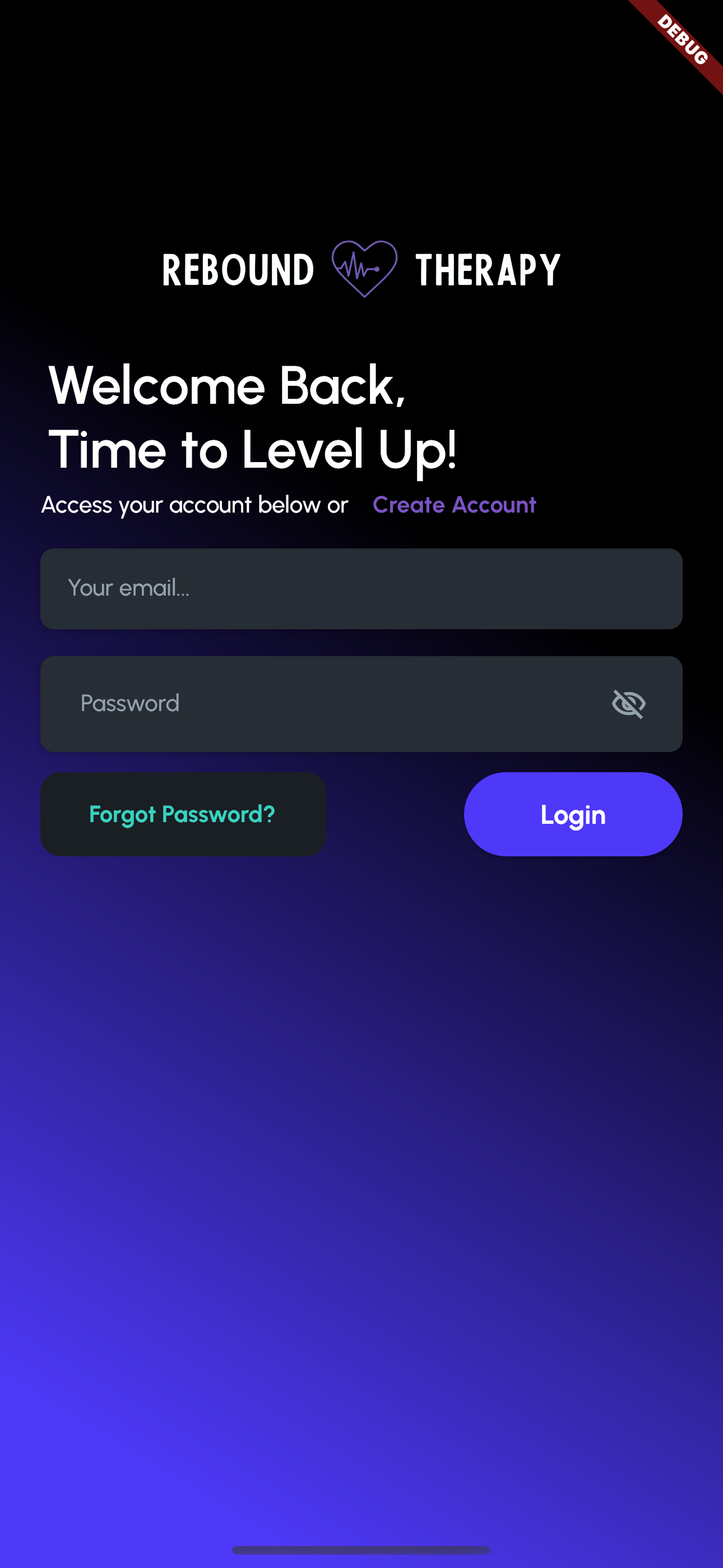
Login Page
-
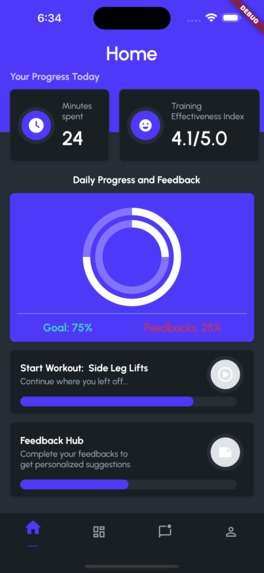
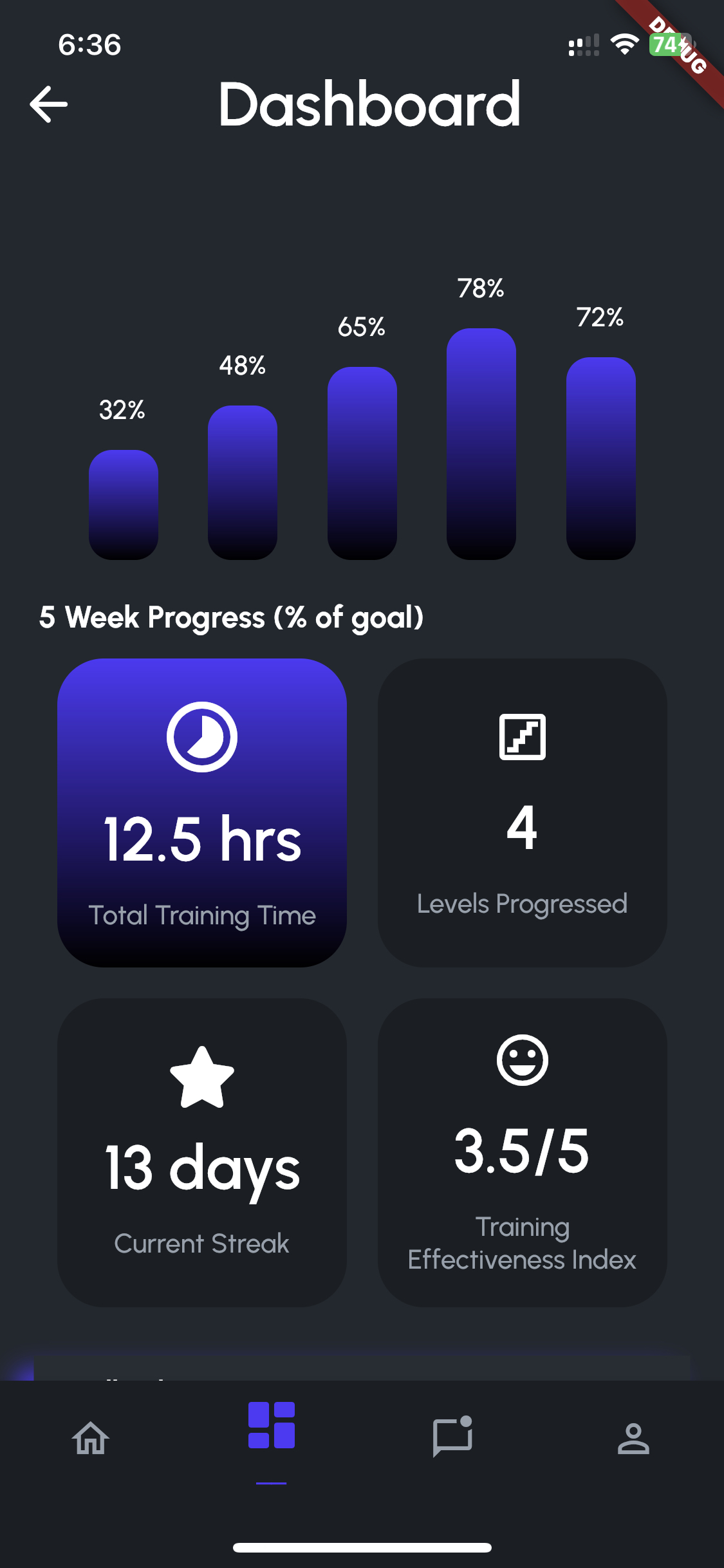
Daily progress tracking to keep you on track.
-
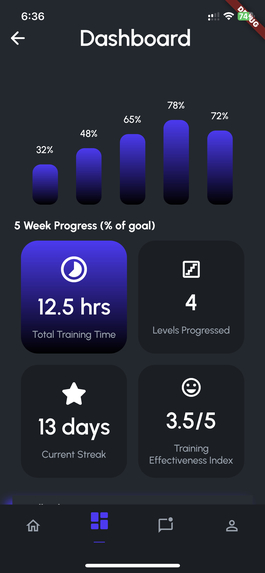
Smart data analysis and representation.
-
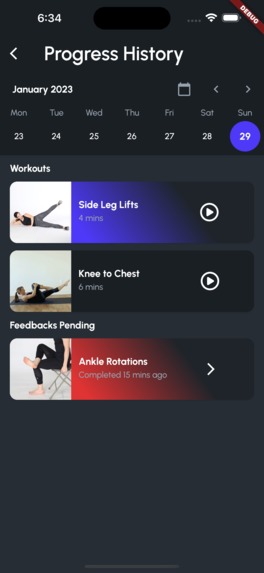
Progress History to track past/ present workouts.
-
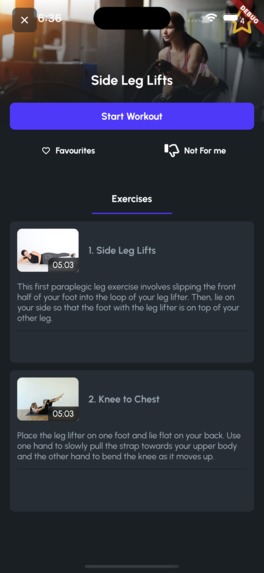
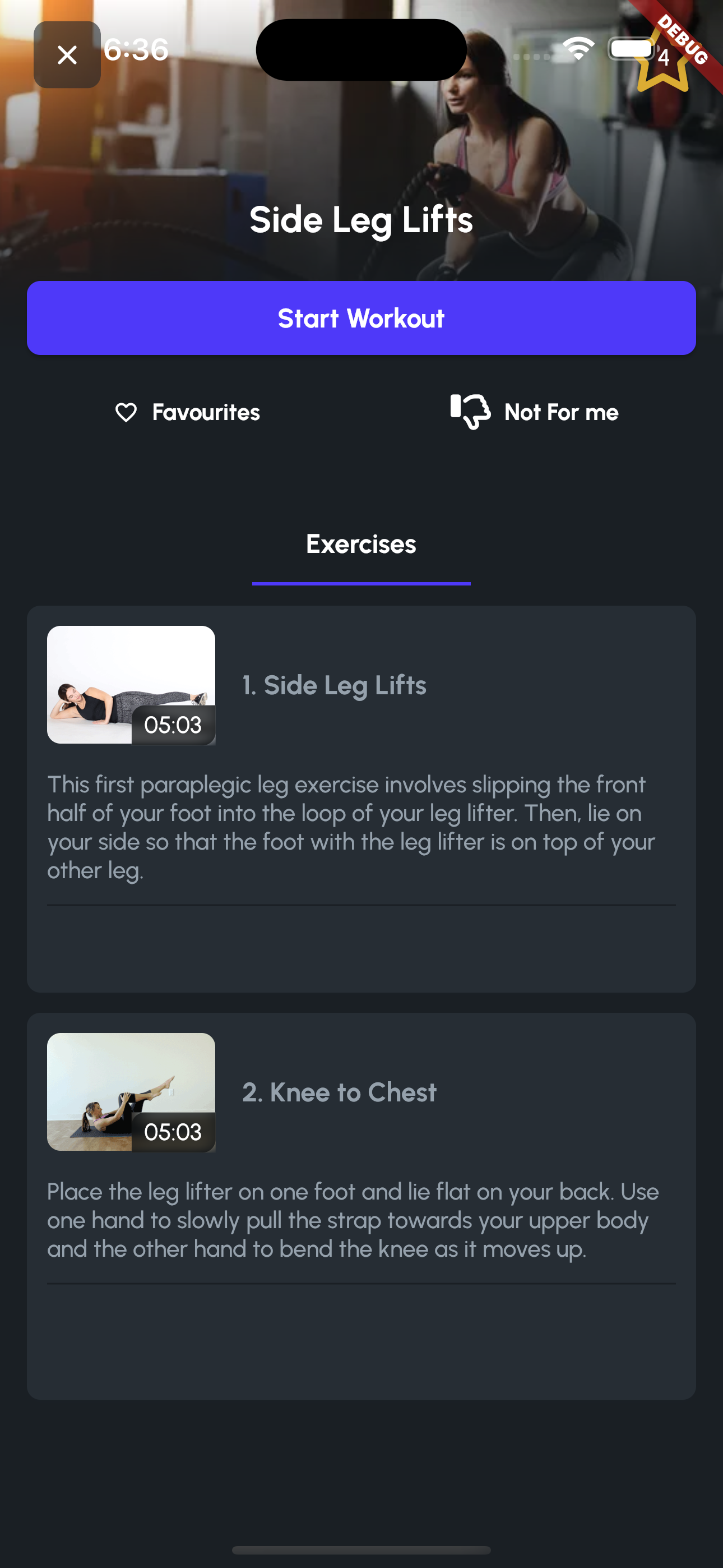
Systematic workout information.
-
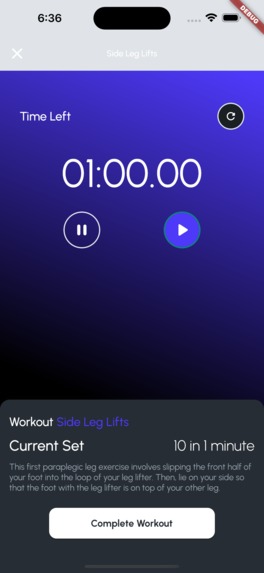
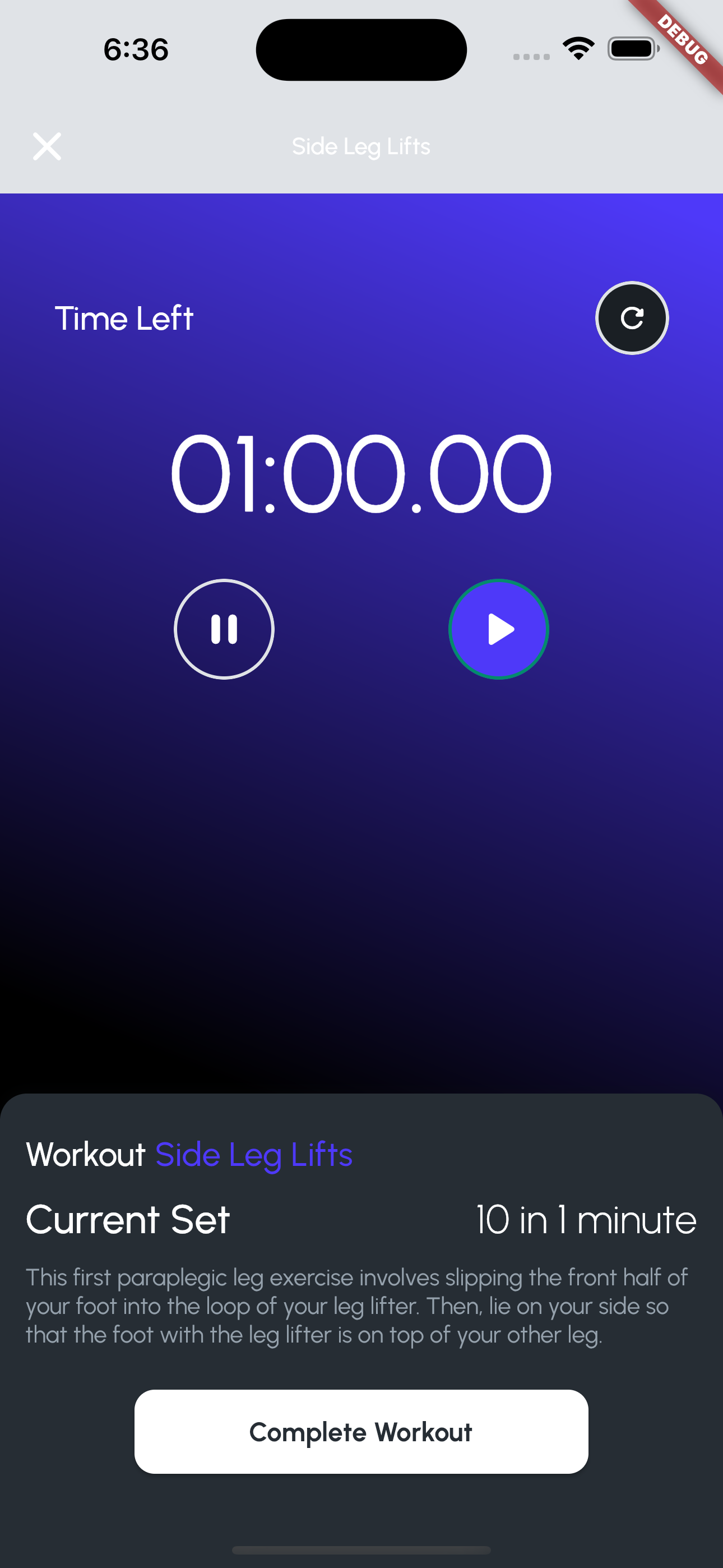
Start an exercise.
-
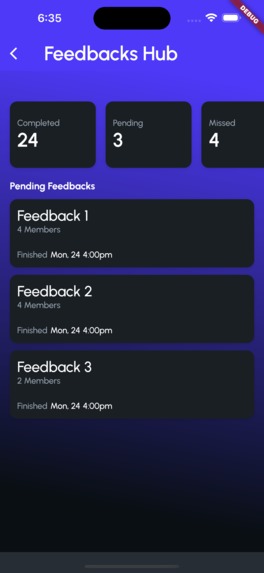
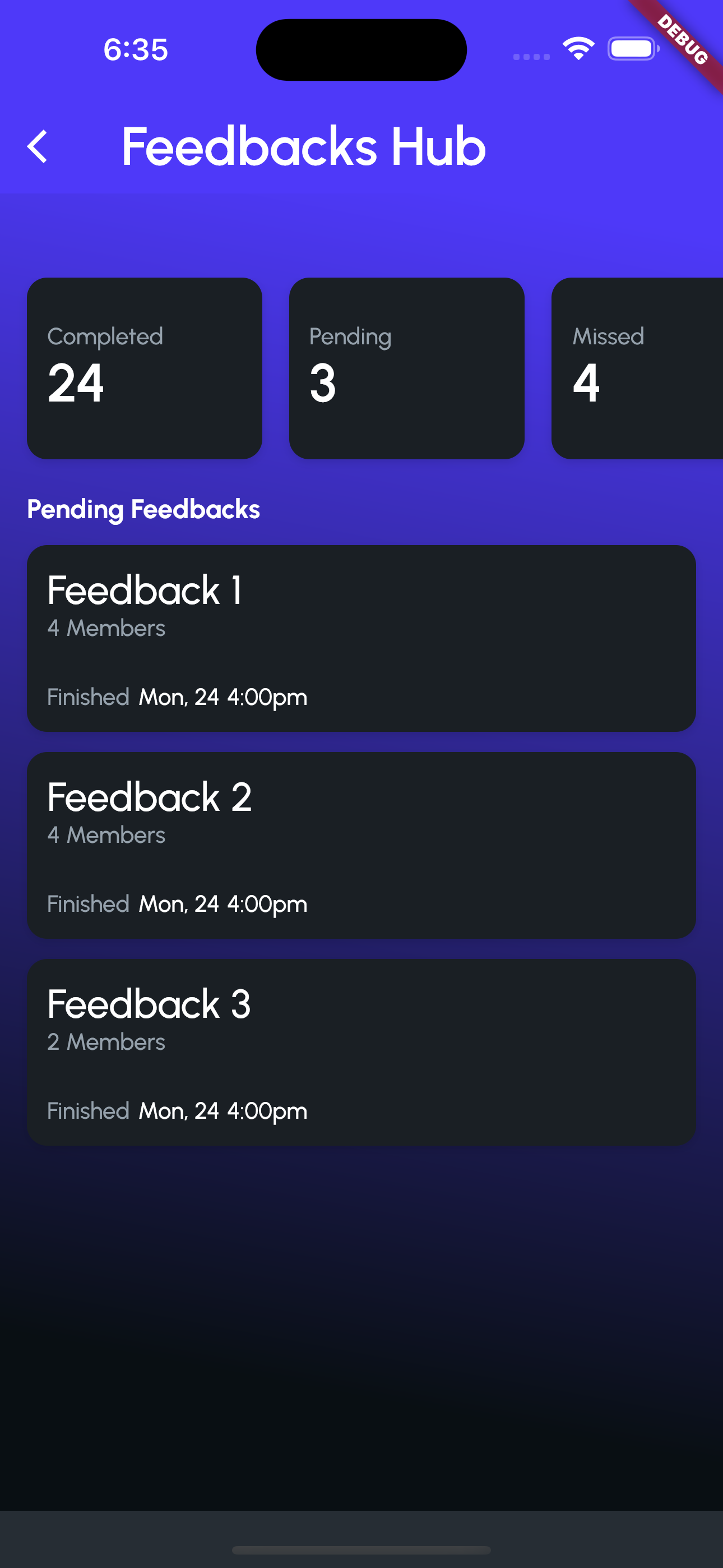
Feedback Hub to provide input for best experience.
-
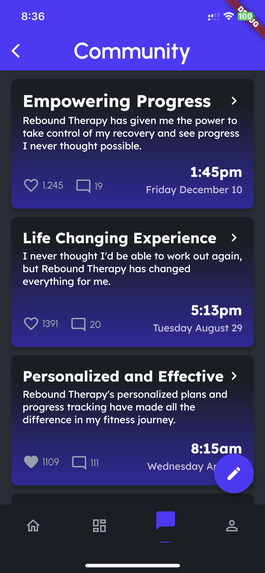
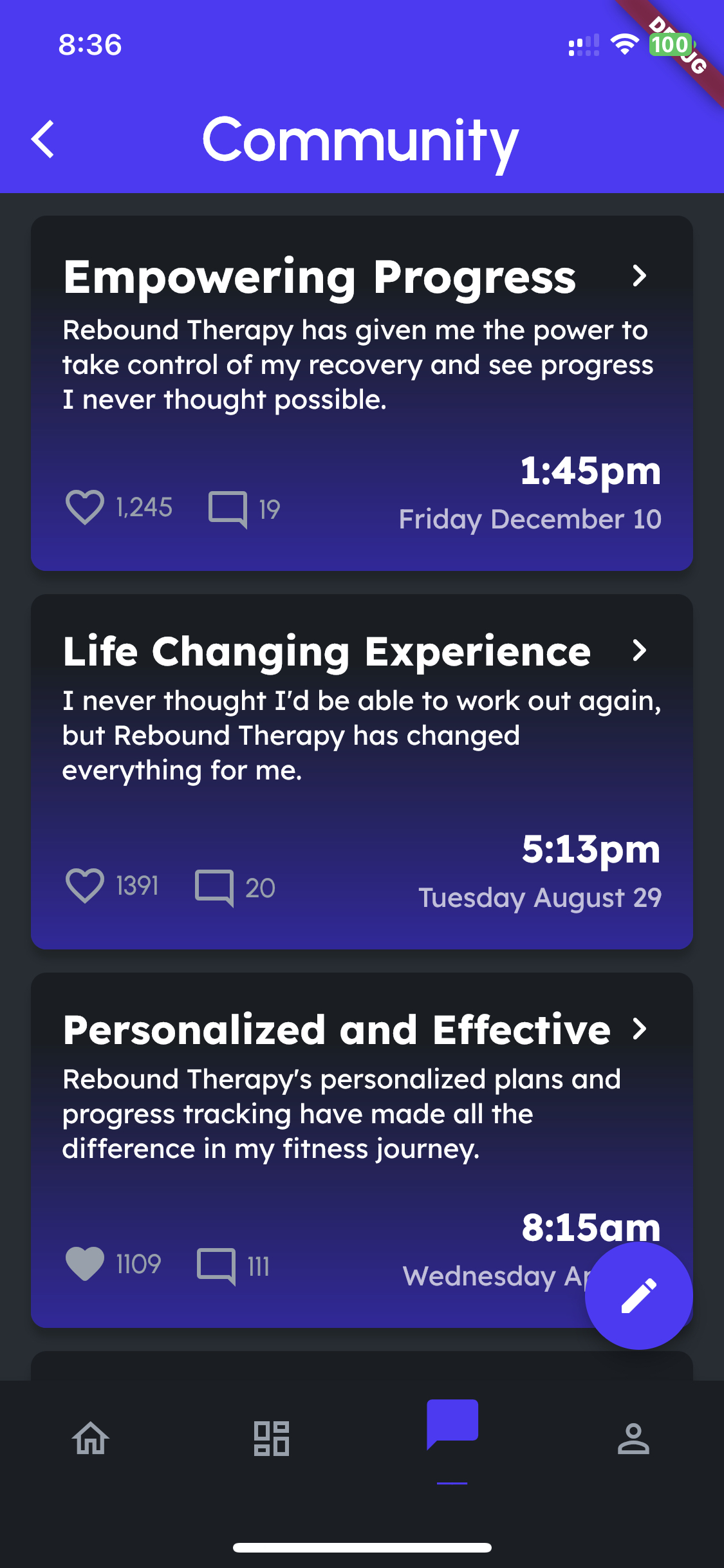
A supportive community to motivate people along the way.


Inspiration:
Paralysis can be a difficult condition to cope with, both physically and emotionally. For many paralyzed individuals, relying on others for assistance with physical activities can be a significant source of frustration and can limit their independence. In addition, the cost and caveats associated with hiring a personal trainer alongside paying for treatment can be difficult. Paralyzed individuals may have limited mobility, but that does not limit their ability to exercise. This led us to reimagine workouts that can cope with these limitations and come up with an app that focuses on exercises that can be performed while seated or with the use of assistive devices, bundled with smart, adaptive progression and systematic progress tracking.
What it does
Rebound Therapy is a personalized workout and progress tracking app for paralyzed and physically disabled individuals that uses advanced machine learning to create specialized training programs tailored to the user's individual needs. The app helps users to strengthen specific body parts and improve overall fitness by providing personalized workout plans. It also includes a smart, sequential progress tracker, allowing users to monitor their progress and set new goals. Rebound Therapy is designed to empower users to take control of their recovery and achieve new levels of fitness, despite their physical limitations using the power of machine learning.
How we built it
We built the Rebound Therapy app using a combination of advanced machine learning techniques, user-centered design principles and flutter for development. First, we gathered and analyzed data on the specific needs and challenges faced by paralyzed and physically disabled individuals when it comes to fitness and exercise. This information helped inform the design of the app, and was used to create personalized workout plans tailored to the unique needs of each user. Next, we used machine learning algorithms to develop a system that can adapt to each user's progress by taking continuous feedback and adjust the workout plans accordingly. This allows for a more efficient, effective and comfortable training experience for each user. We also implemented a progress tracking feature, which allows users to easily monitor their progress and set new goals. For the development part we used Flutter, an open-source framework for building mobile apps. It allowed us to easily design and develop an intuitive and user-friendly interface for the app. Throughout the development process, we focused on creating an app that is easy to use and understand, while also providing powerful and effective workout plans.
Challenges we ran into
Creating a user-friendly interface that is easy for individuals with physical limitations to navigate was a significant challenge. We have designed the app in such a way that no two significant features are more than 3 clicks away from each other. Another challenge was to implement machine learning algorithms for personalized progress tracking and workout plans in a matter of 24-hours alongside designing the various components.
Accomplishments that we're proud of
One of the accomplishments we are most proud of with Rebound Therapy is the ability to provide personalized workout plans for individuals with a wide range of physical disabilities. We are proud of the fact that the app can be tailored to meet the specific needs of users, and that it comes with hundreds of workouts arranged into levels of difficulty that can potentially make recovery easier. Additionally, we are proud of the user-friendly interface, which makes it easy for individuals with physical limitations to navigate and use the app effectively. Furthermore, we are proud of the progress tracking feature which uses advanced machine learning algorithms to provide accurate and personalized progress report.
What we learned
We gained a deeper understanding of the unique needs and challenges faced by individuals with physical disabilities, and how technology can be used to improve their quality of life. Additionally, we learned the importance of user-centered design. Furthermore, we learned about the benefits of advanced machine learning algorithms in personalizing workout plans and tracking progress. We also learned that building a community of users is crucial to ensure the success of the app given the mobility limitations of paralyzed people. An exercise app that includes a social component can help them connect with others who are facing similar challenges and provide a sense of community and support.Overall, this project was a valuable learning experience that has allowed us to make an attempt towards making a positive impact on the lives of people with physical disabilities.
What's next for Rebound Therapy
We have big plans for the future of Rebound Therapy. We will continue to improve the app by incorporating more advanced machine learning algorithms and incorporating new exercises to help users reach their goals. We will also be adding new features such as video tutorials, which will help users understand how to perform exercises correctly. Additionally, we plan to expand our user base by reaching out to more rehabilitation centers and physical therapy clinics. Later on, we might also work on creating a subscription-based model with more detailed progress tracking, personalized workout plans and a virtual trainer. We also plan to build social features such as peer support and challenges, to make the app more engaging and interactive. Overall, our goal is to continue to improve the app and make it the go-to tool for people with physical disabilities to improve their quality of life.
Built With
- dart
- firebase
- flutter
- numpy
- pandas
- scikit-learn
- tenserflow


Log in or sign up for Devpost to join the conversation.