-
-

-
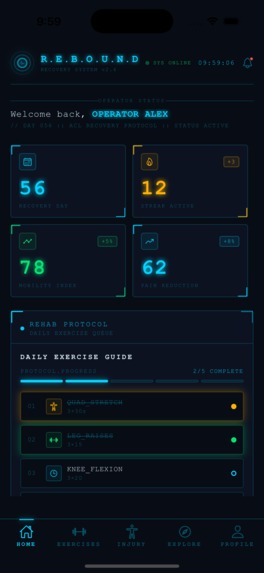
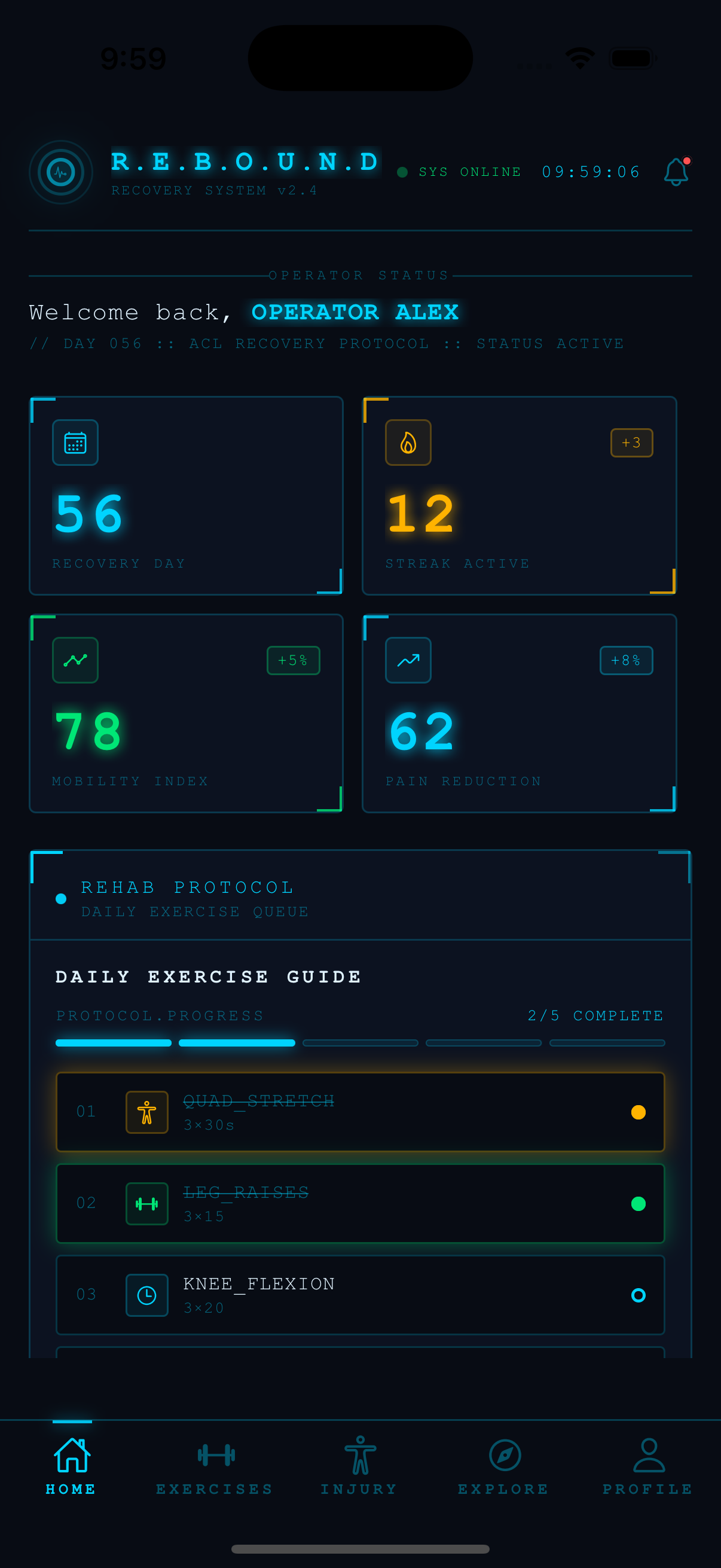
Home Dashboard
-
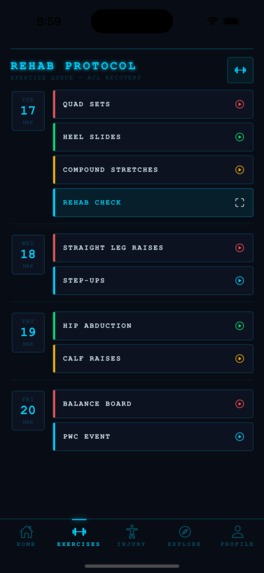
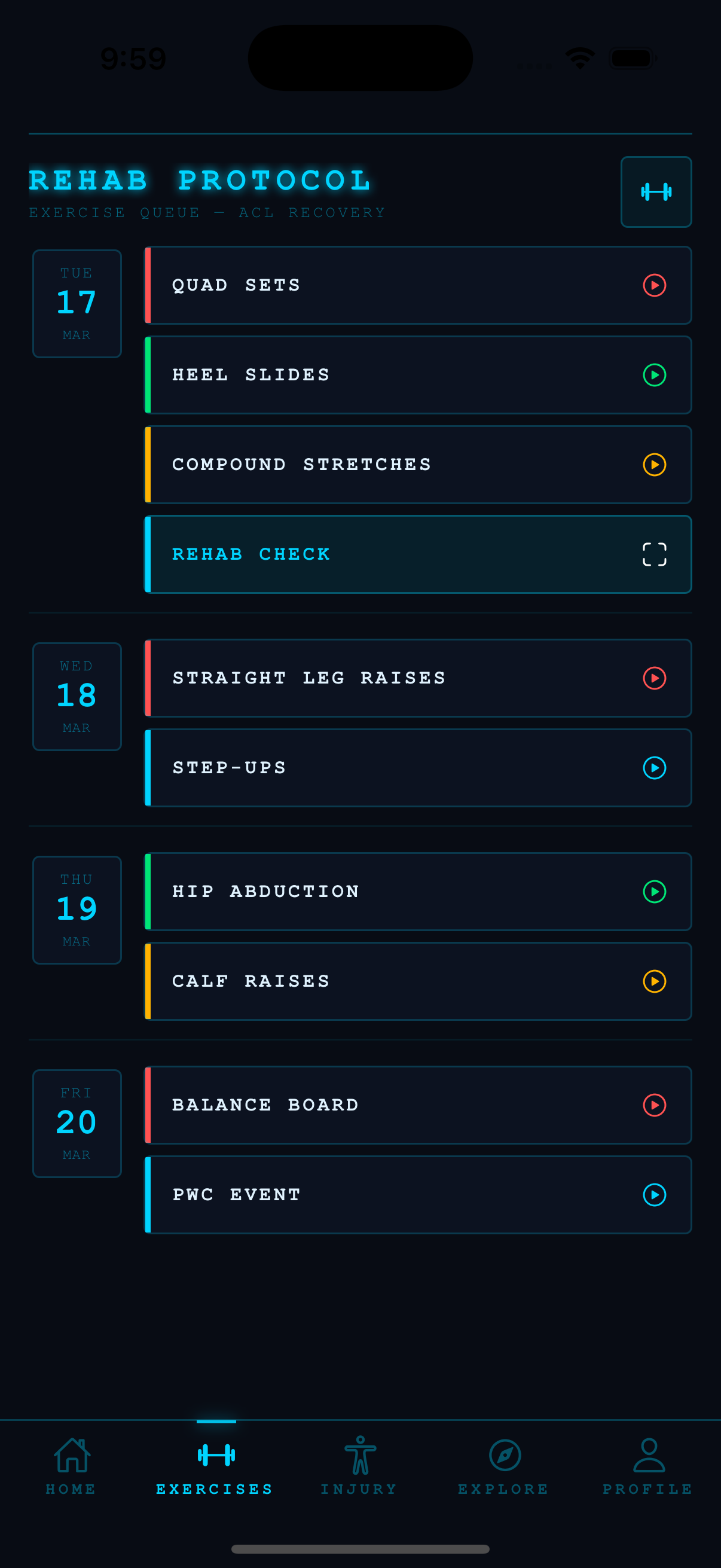
Physical Therapy Exercises
-
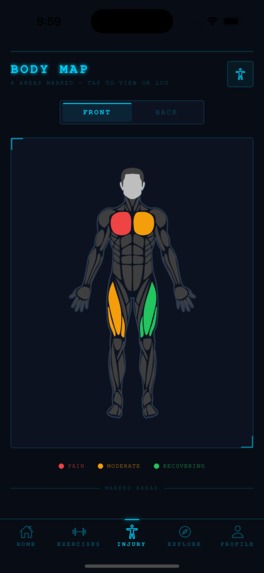
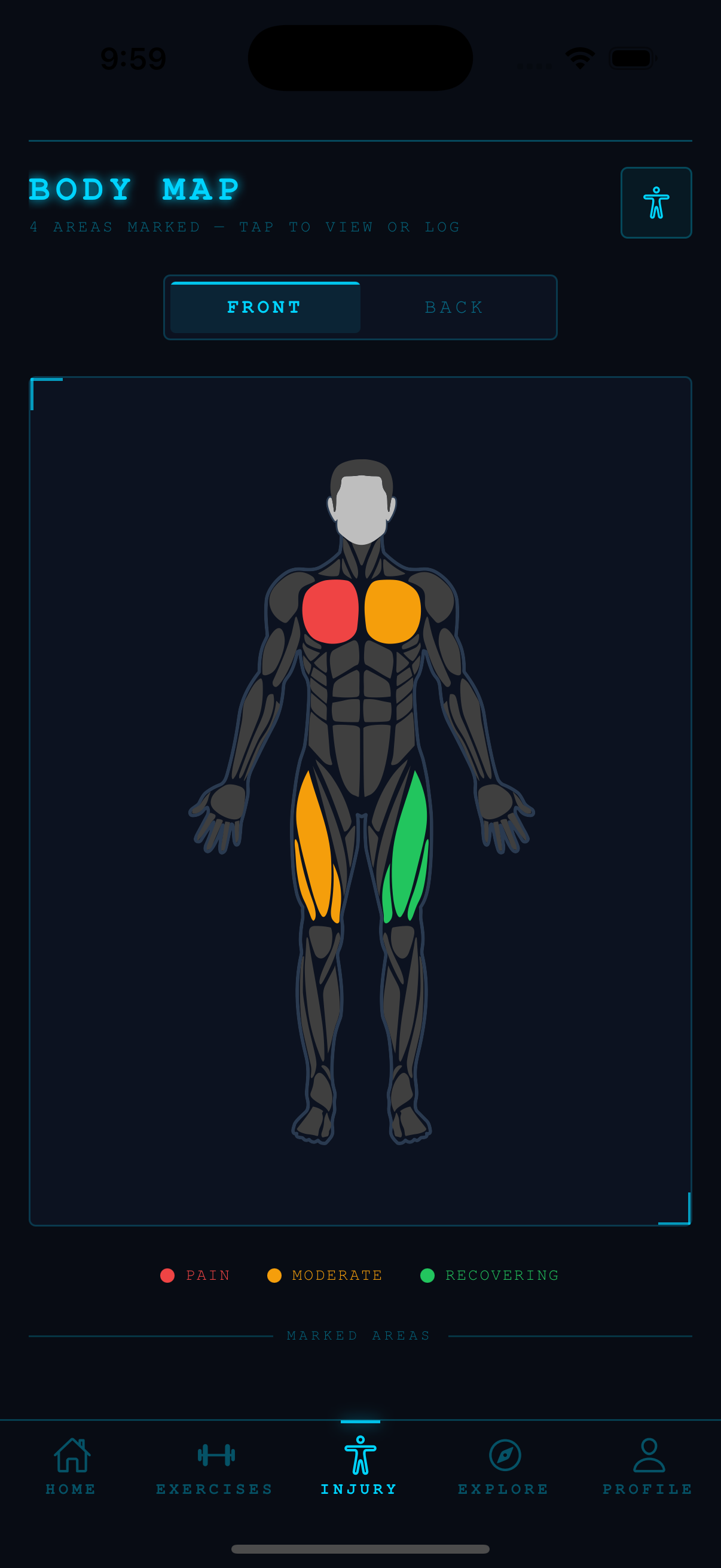
Injury Report
-
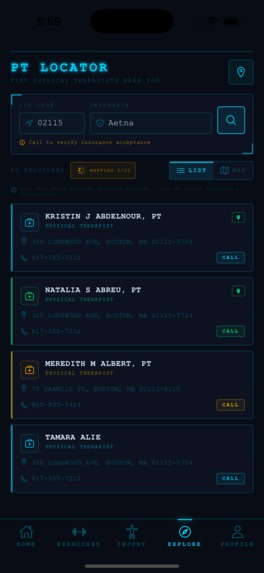
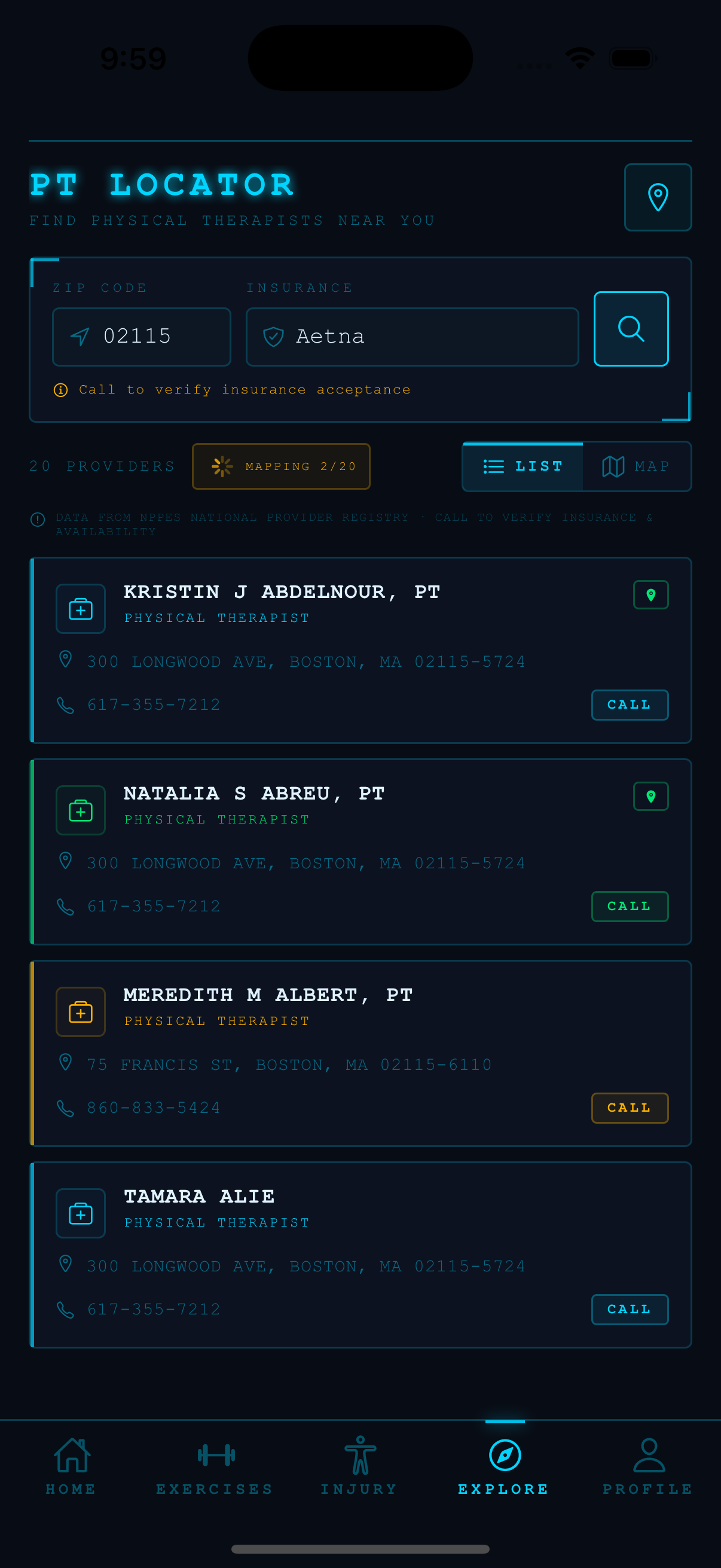
Physical Therapy Insurance Compatibility Tool
-
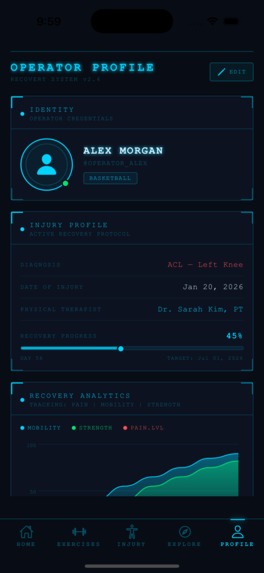
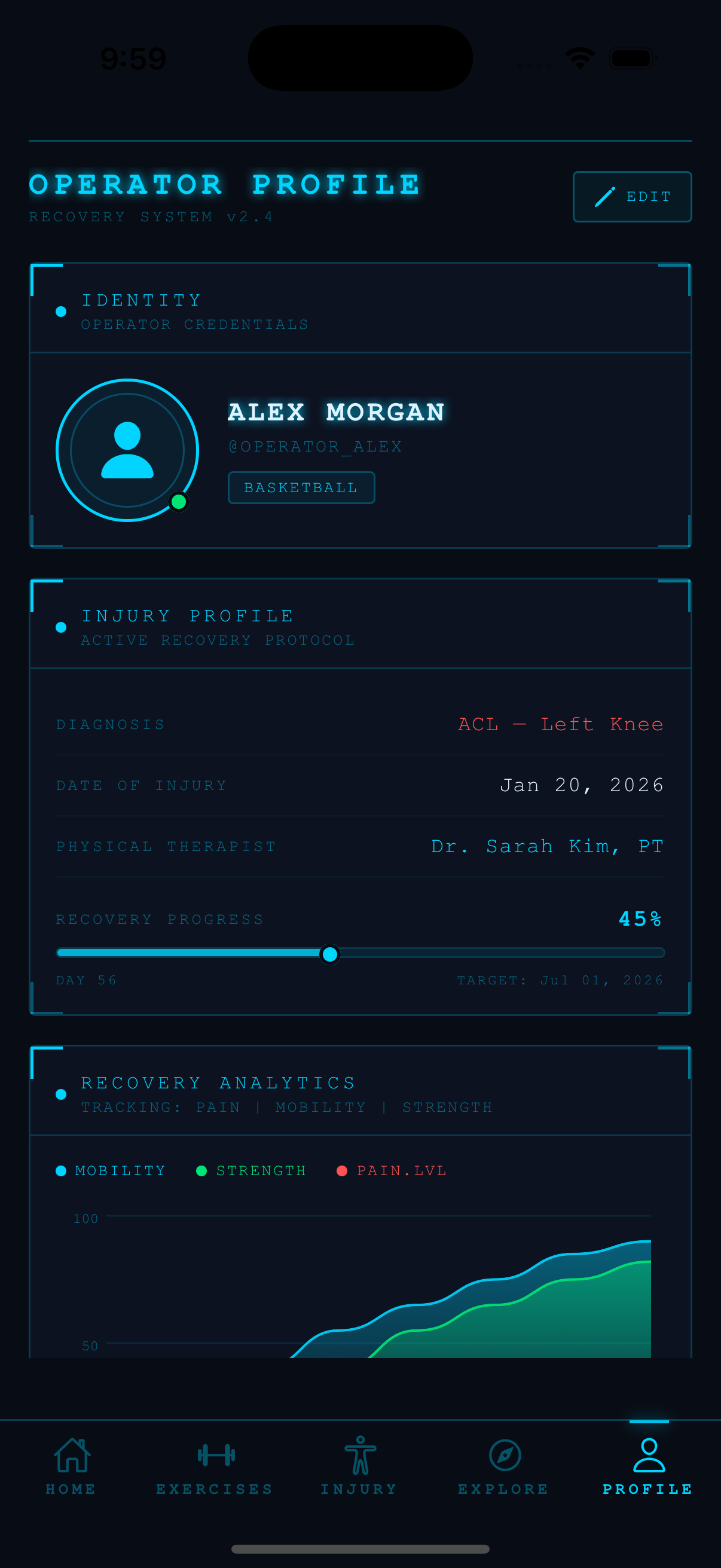
User Profile

Inspiration
As someone who is very in-tune with fitness, sports, and athletics, one of the biggest struggles I have faced is tracking my recovery after an injury. After recently injuring my knee while skiing, I realized how frustrating recovery can feel when everything is scattered across varying symptoms, x-rays, doctor notes, and insurance cards. I wanted to build something that solves a problem I am currently experiencing myself. As a result, I was inspired to create a platform that helps athletes and active individuals keep track of their injuries, recovery progress, and return to doing what they love.
What I do: Volleyball, Basketball, Running, Skiing, Rock climbing, Hiking, Weightlifting, and Roller skating.
What it does
REBOUND is a personalized athlete injury recovery platform that helps users track, understand, and manage their rehabilitation journey in one place. Athletes can log their injury on an interactive body diagram, complete daily symptom check-ins with a custom pain scale, follow PT-assigned rehab exercises, and visualize their recovery progress over time through an analytics dashboard. Our platform is designed to make recovery more organized and less overwhelming by bringing injury details, symptom changes, rehab adherence, and progress tracking into one centralized system. Furthermore, rather than trying to replace a doctor or physical therapist, REBOUND acts as a recovery companion that helps athletes stay consistent, monitor patterns in their healing process, and feel more informed throughout the path back to activity.
How we built it
Rebound is a React Native app built with Expo SDK 54 and TypeScript, using Expo Router for file-based navigation and AsyncStorage for local injury data persistence. The centerpiece is an interactive body diagram powered by React Native. The UI is a fully custom dark HUD design system inspired by Jarvis from Iron Man, built from scratch in React Native with animated arc-reactor logos, pulsing dots, corner accent lines, and a live SVG area recovery chart. The standout accessibility feature is voice-to-structured-fields injury logging allows users to tap a mic button, describe their injury out loud, and expo speech recognition transcribes it on-device before sending it to the Claude API (Haiku), which parses the free-form speech into structured fields like how it happened, date, diagnosis, and symptoms, auto-populating the form for review. The Physical Therapy Locator is built against the NPPES NPI Registry, a US government provider database, with results geocoded via Nominatim and rendered on an interactive Leaflet.js map inside React Native with a live progress indicator as coordinates load in.
Challenges we ran into
Finding reliable, insurance-aware data for the PT finder feature was harder than expected because most physical therapy centers don't expose structured data about which insurances they accept. We also ran into challenges converting our web-first UI designs into React Native components, and integrating computer vision for range-of-motion tracking within the hackathon timeframe.
Accomplishments that we're proud of
We're proud of building a fully functional injury tracking flow from the initial injury profiler to daily check-ins to the recovery dashboard in a single hackathon. The interactive body diagram with color-coded injury status came out exactly as envisioned. Most importantly, this app solves a real problem we've personally experienced as athletes navigating injury recovery with little visibility into our own progress.
What's next for REBOUND
We plan to integrate Apple Health for passive recovery data, add computer vision-powered range-of-motion tracking, and build out the PT finder with real insurance and provider data through a partnership with platforms like Zocdoc. Long term, REBOUND could partner directly with physical therapists and sports medicine clinics to create a two-way communication channel between patients and their care team.

Log in or sign up for Devpost to join the conversation.