-
-
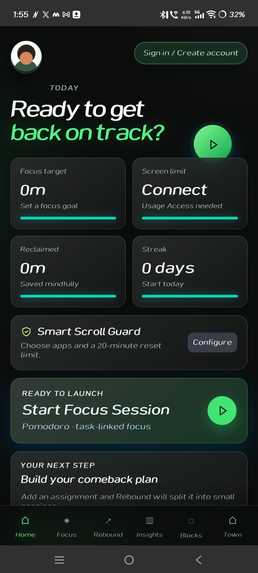
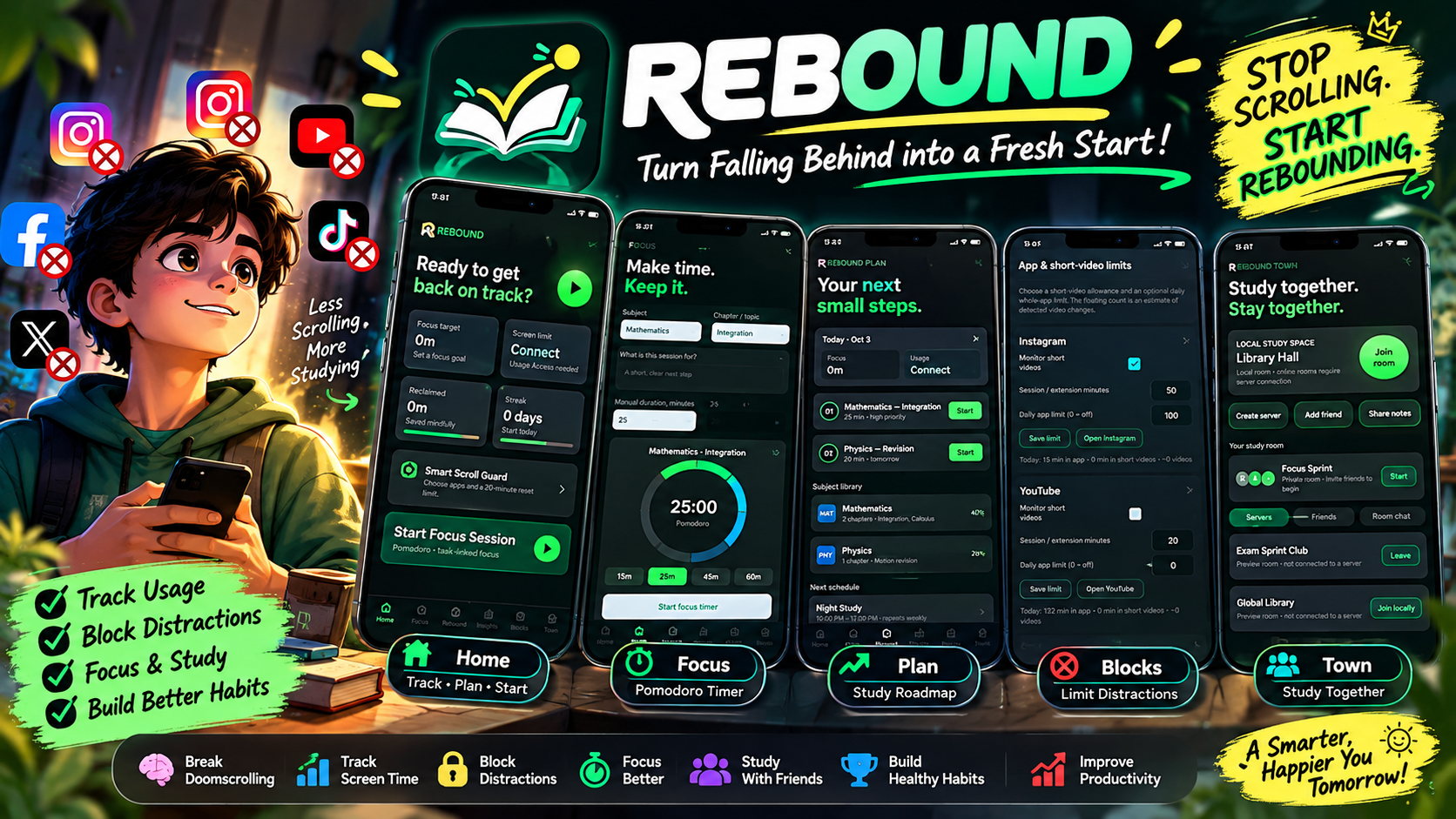
digital wellbeing and productivity app designed to help students break unhealthy scrolling habits, rebuild focus, and get back on track.
-
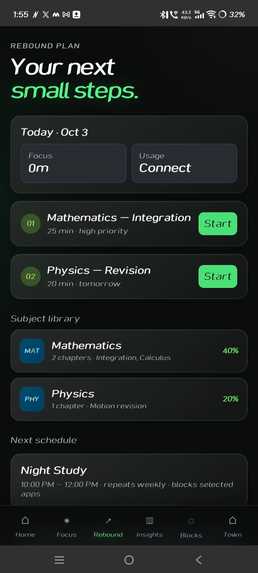
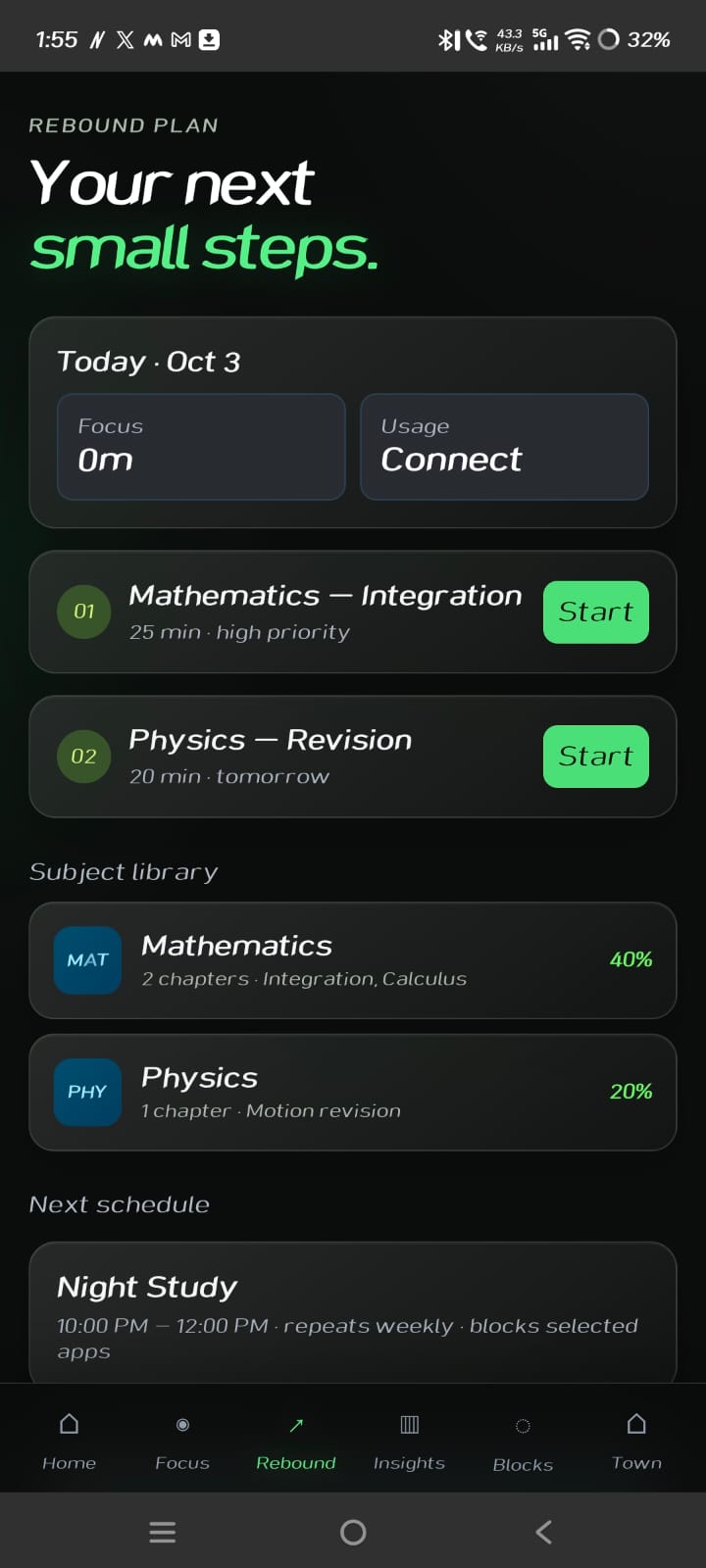
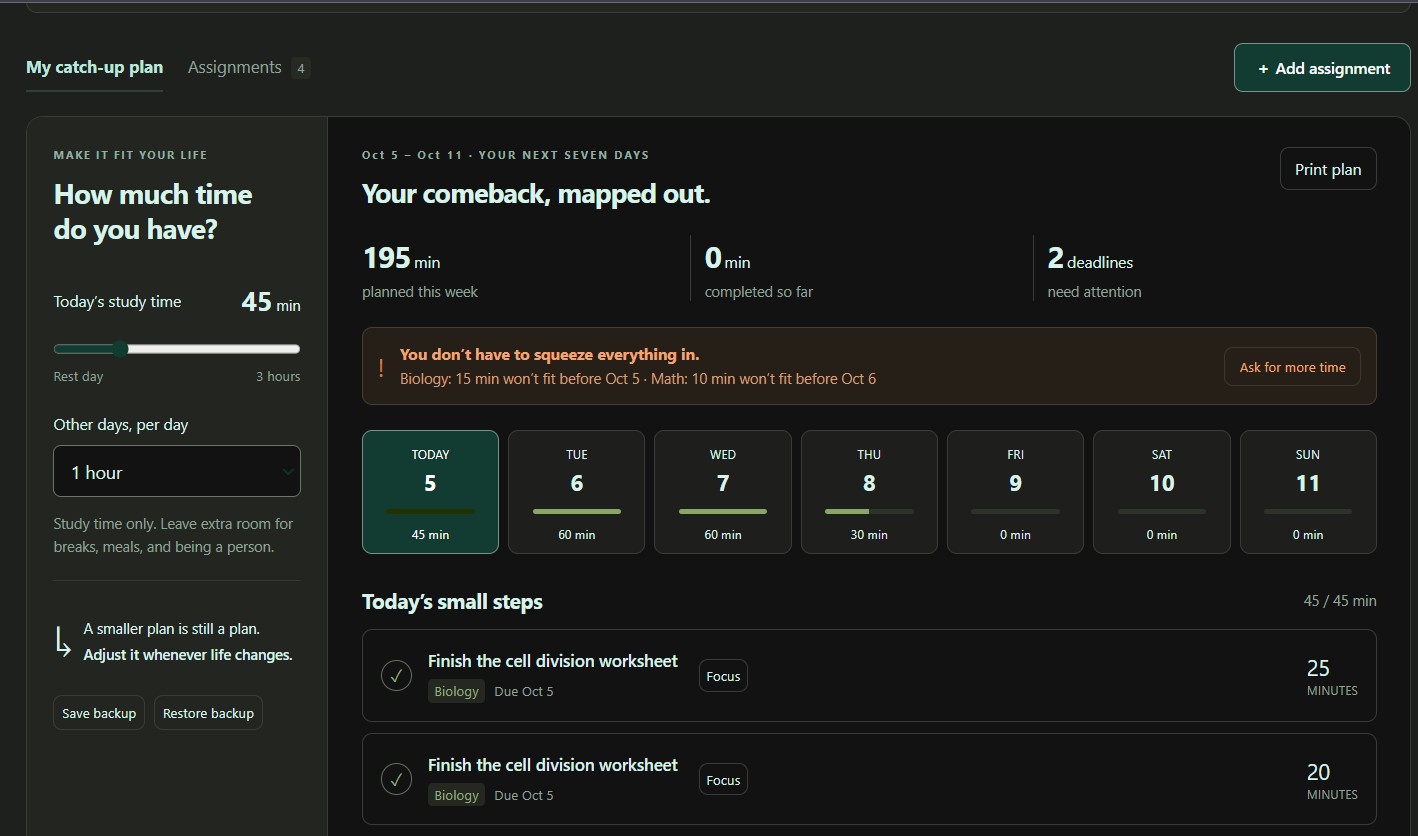
helps students turn big study goals into small, manageable steps.
-
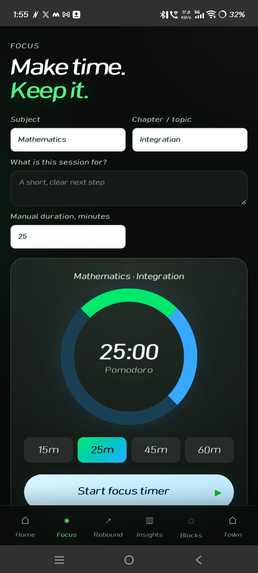
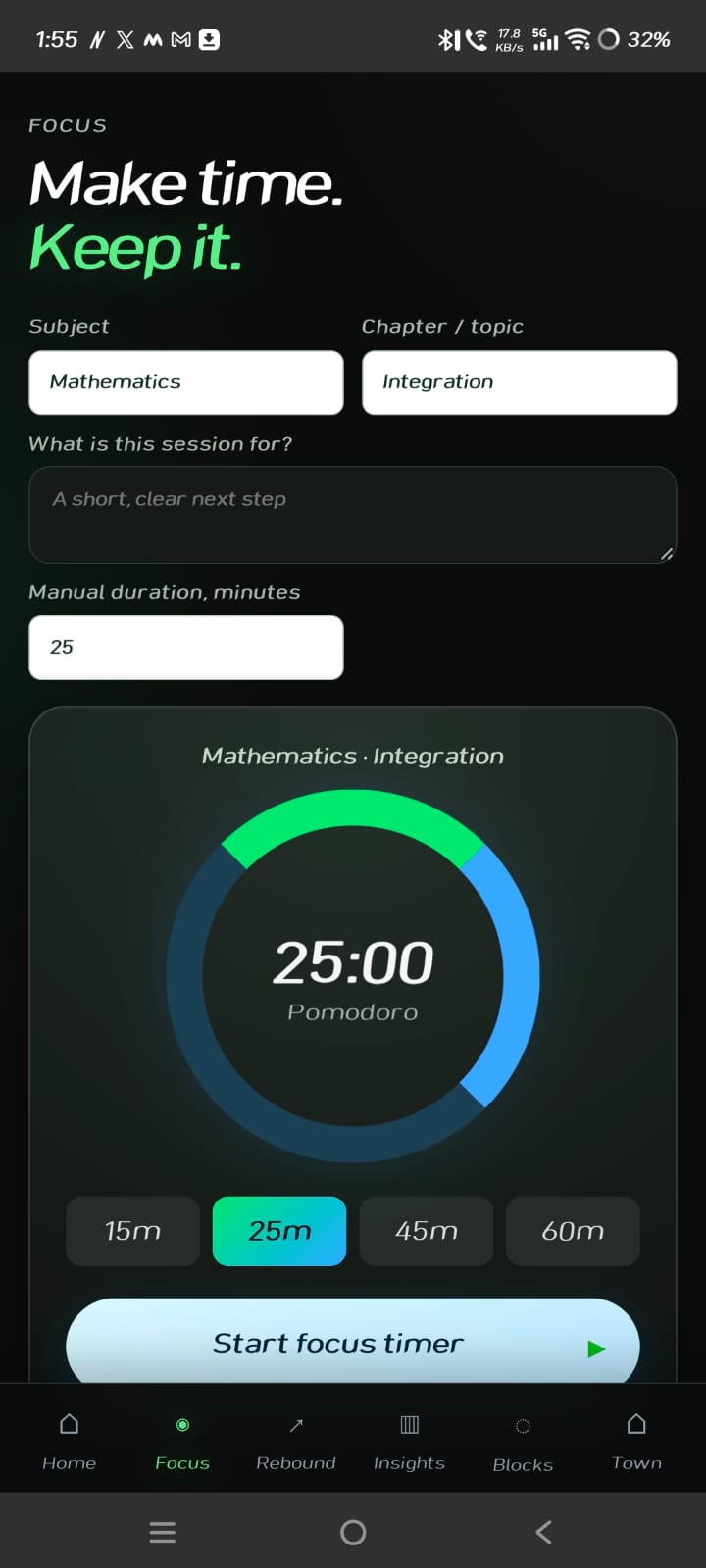
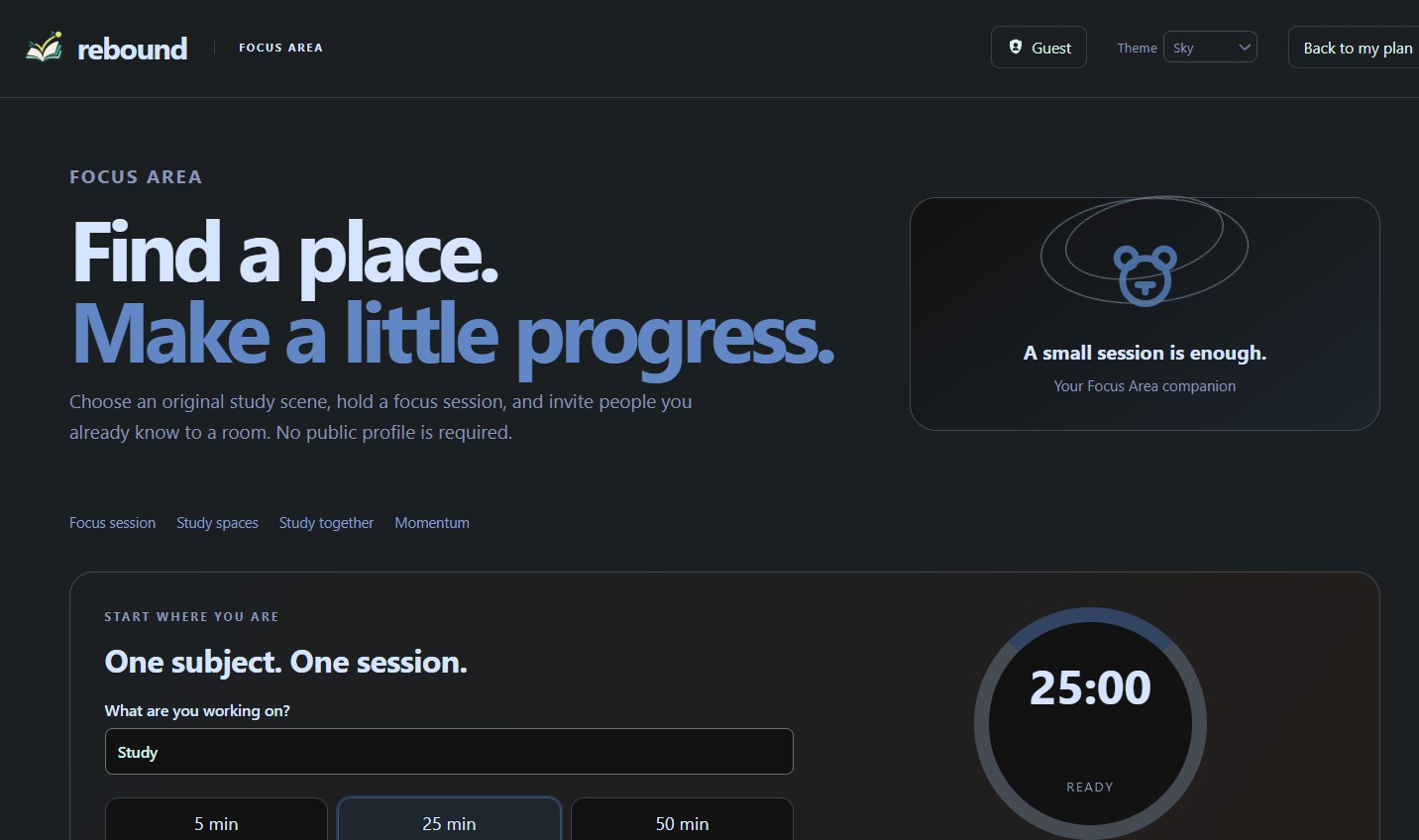
helps you turn study time into focused, distraction-free sessions.
-
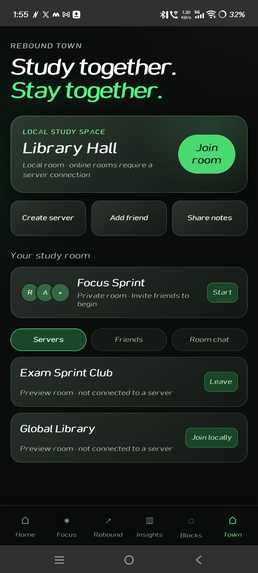
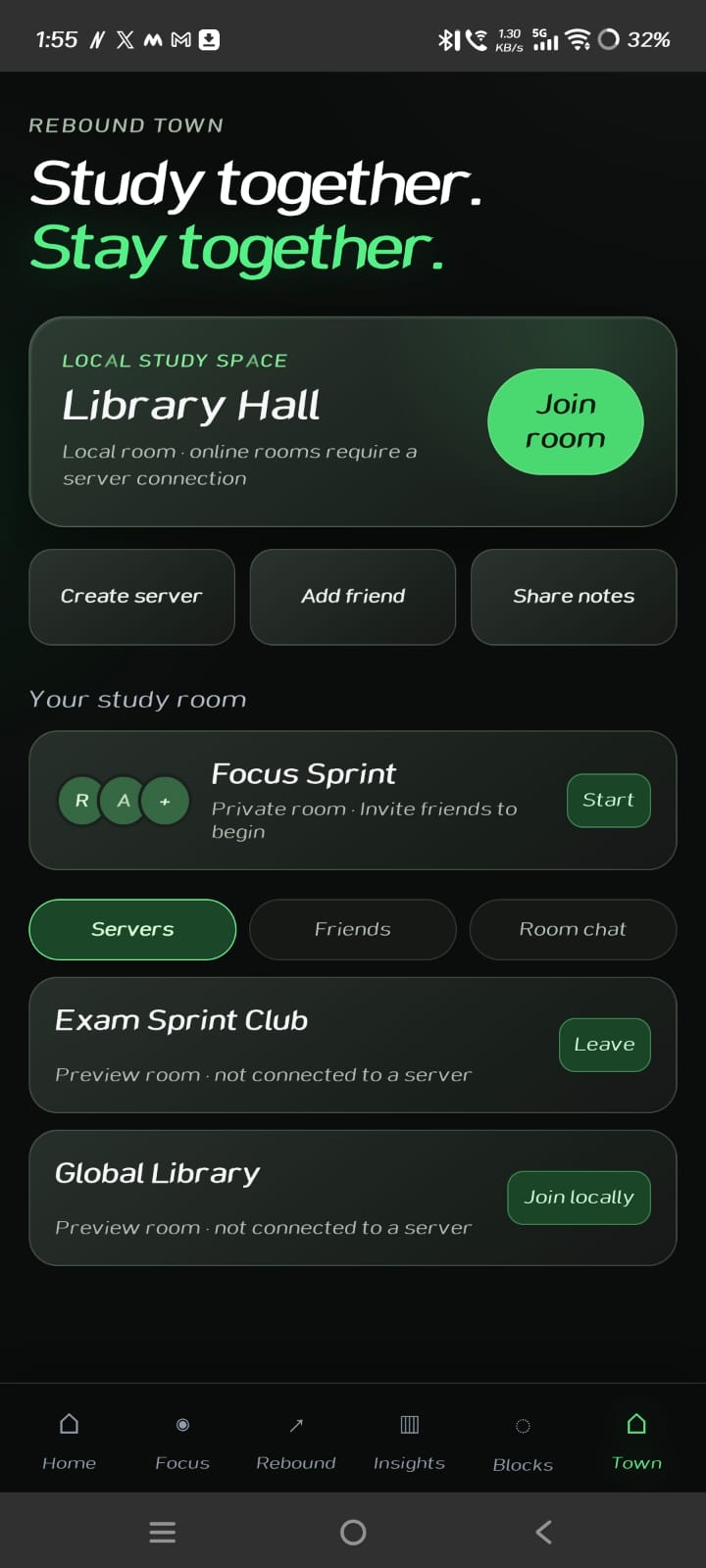
collaborative study space inside Rebound, designed to make studying more social, focused, and motivating.
-
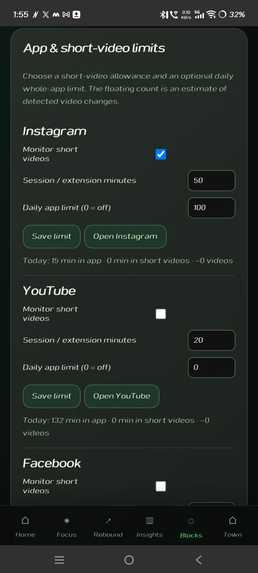
REBOUND is a digital wellbeing app built to help you take control of your screen time and break the endless scrolling cycle.
-
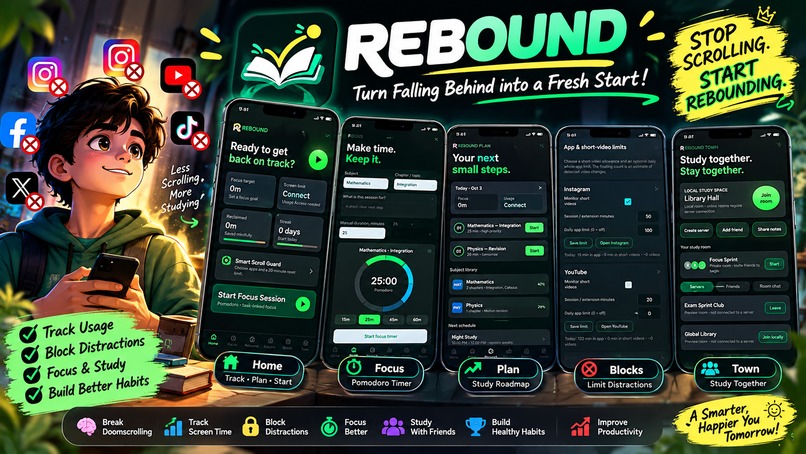
REBOUND | Stop Scrolling. Start Rebounding.
-

Meet REBOUND a digital wellbeing and productivity platform built to help students break distractions, rebuild focus, and get back on track.
-
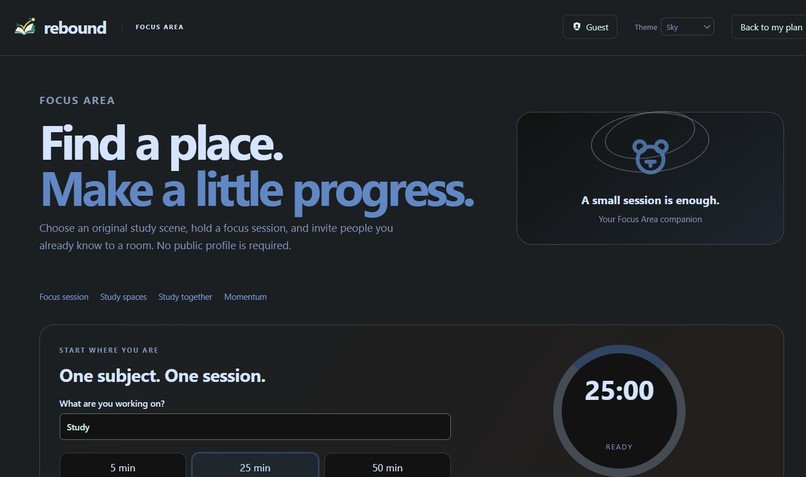
REBOUND FOCUSTOWN | Study Tracker, Focus Games & Productivity Dashboard
-
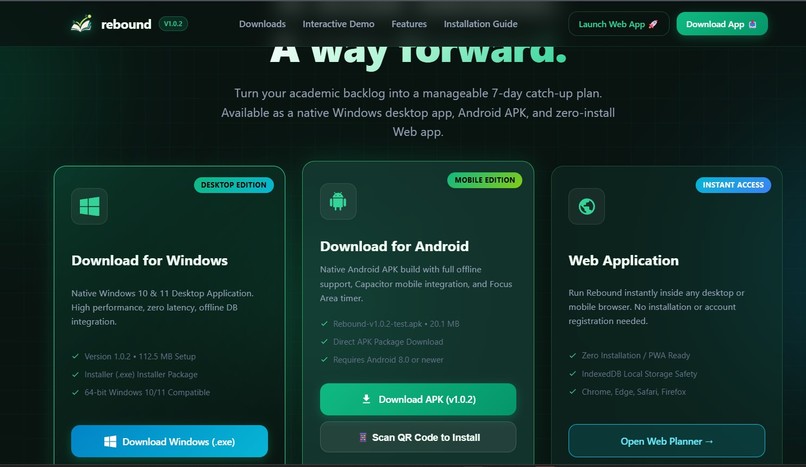
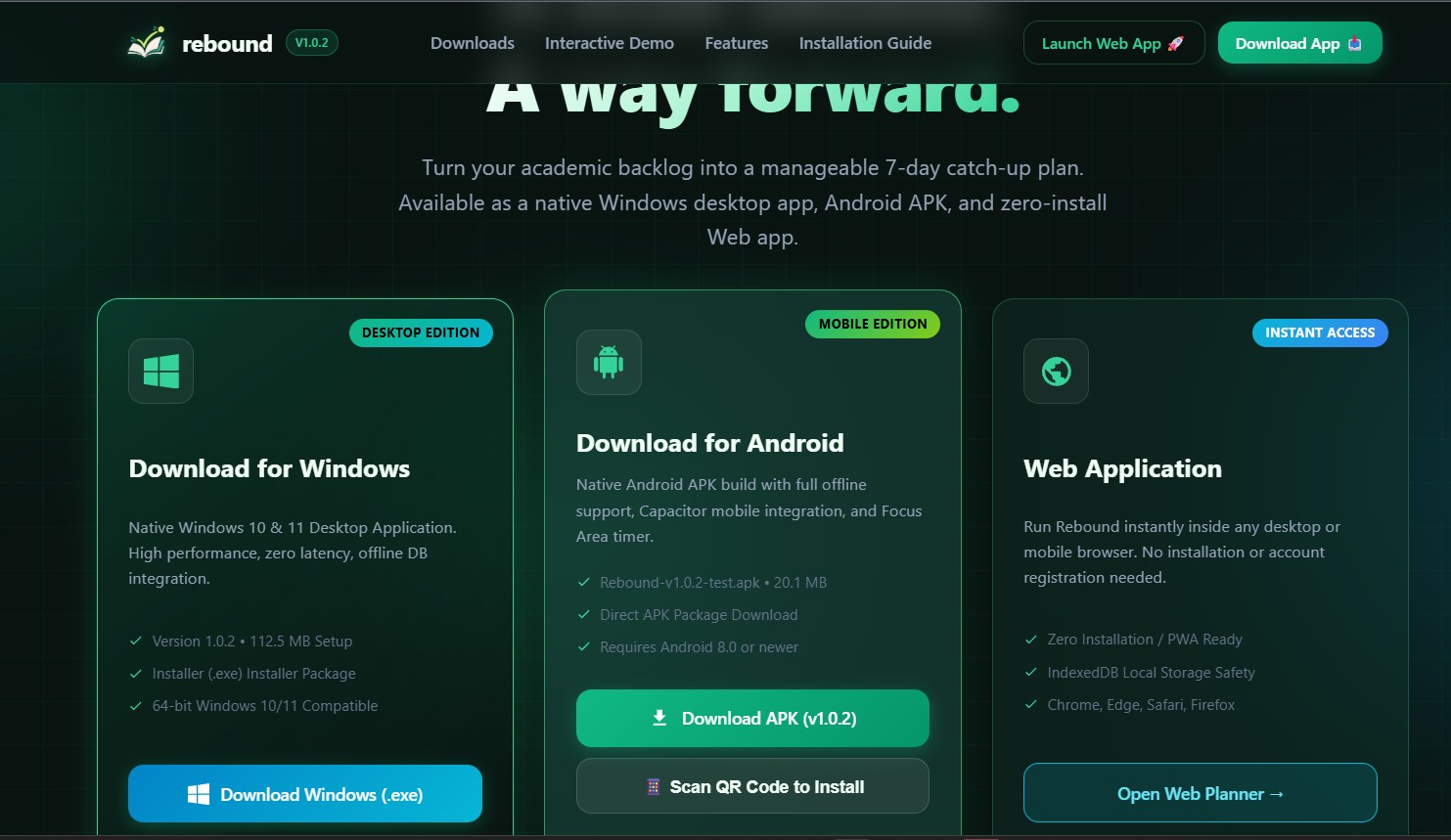
REBOUND | Download the Complete Student Productivity & Digital Wellbeing App
-
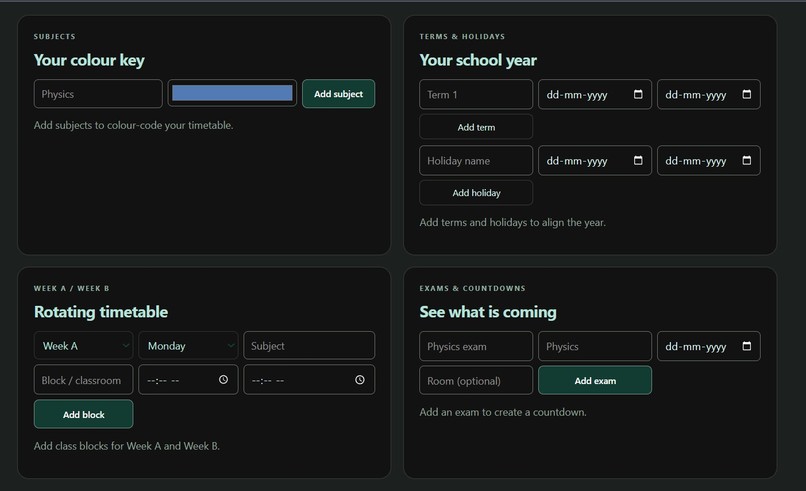
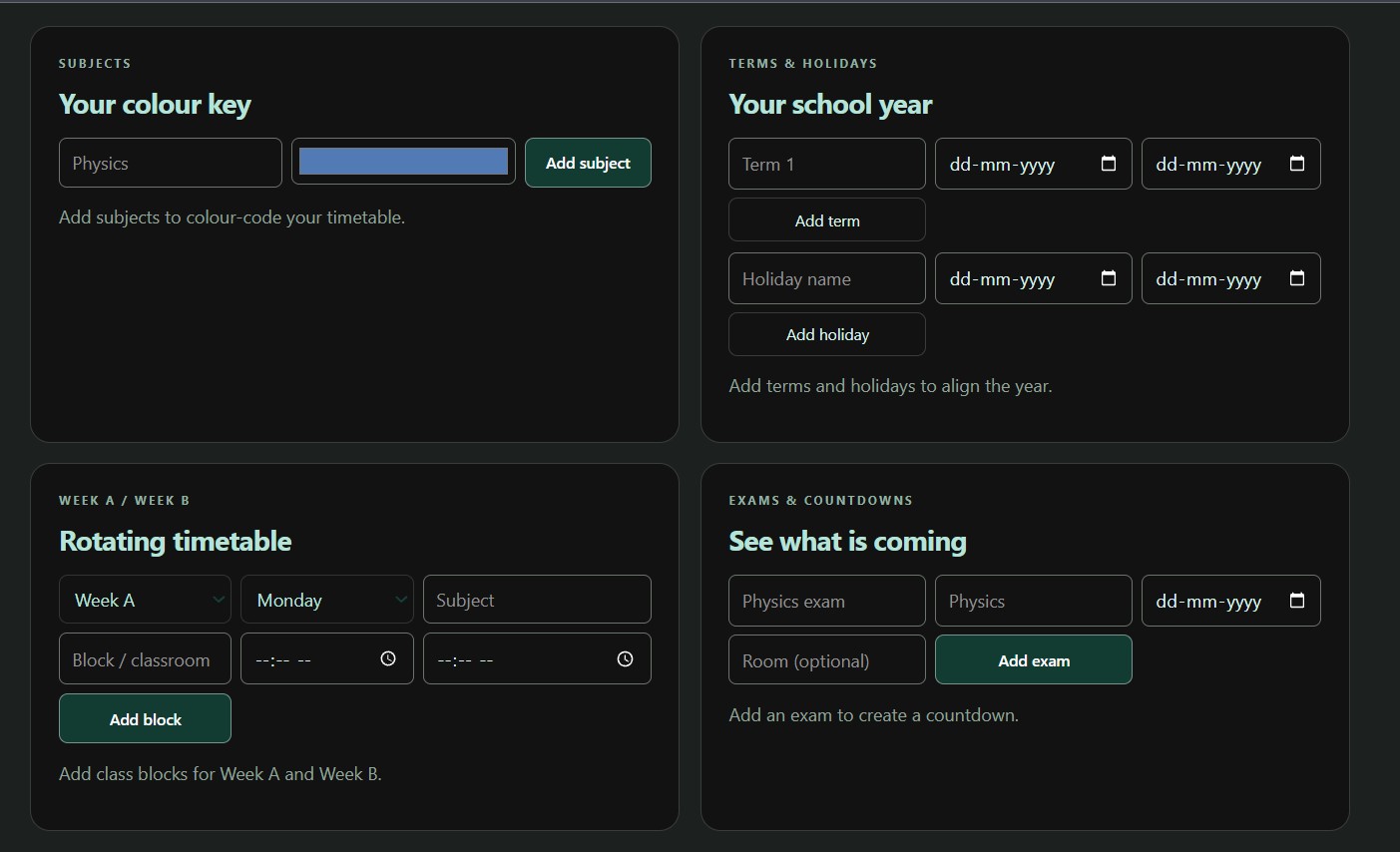
REBOUND SCHOOL HUB | Smart Timetable, Exams & Academic Planner
-
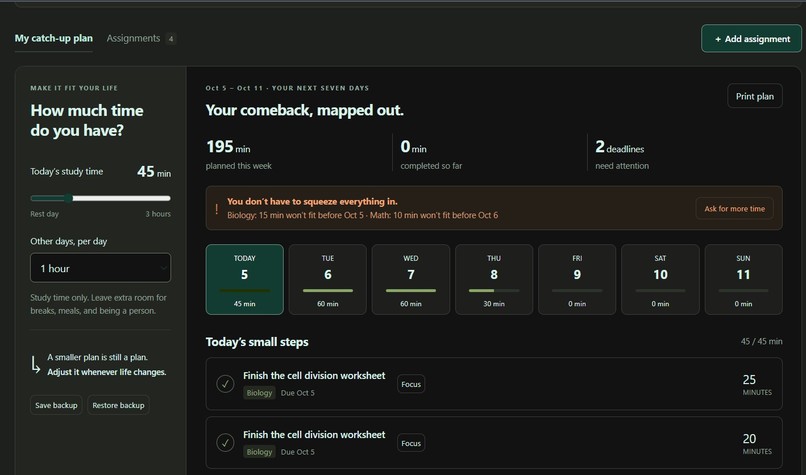
REBOUND CATCH-UP PLAN | Smart Study Planner to Get Back on Track

Inspiration
We noticed a simple but growing problem: when students fall behind in studies, routines, or goals, getting back on track can feel overwhelming. At the same time, endless scrolling through Reels, Shorts, and other short-form content makes it even harder to regain focus.
We wanted to build something that doesn't simply tell users "stop using your phone." Instead, Rebound helps them recognize when they're losing focus, take a meaningful break, and make a small positive choice to get back on track.
That idea became Rebound — Find your way back.
What it does
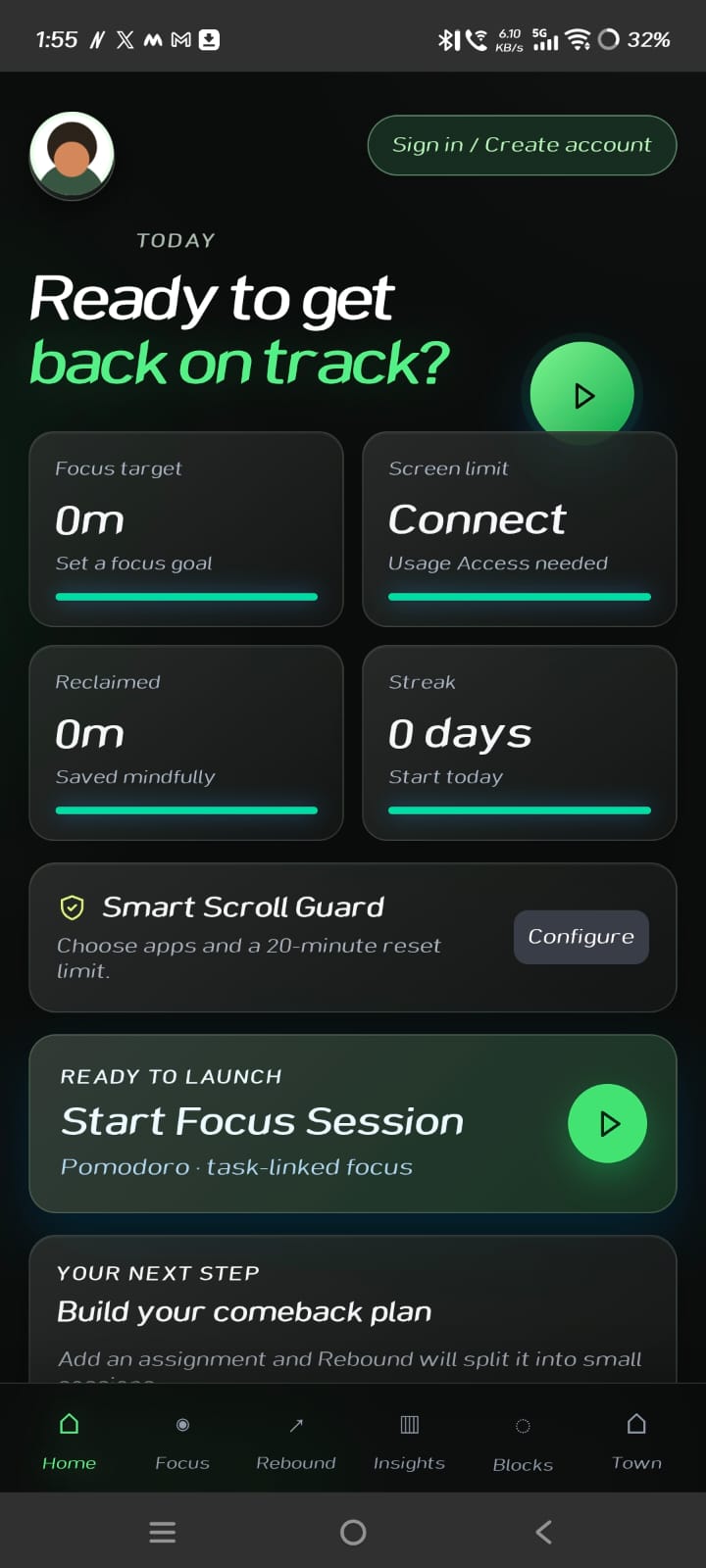
Rebound is a gamified digital-wellbeing and productivity platform designed to help users build healthier digital habits and return to their goals.
Users can set how long they want to spend on short-form content before starting a session. Rebound tracks their usage and helps them recognize when they've been scrolling for too long.
When a session reaches its limit, Rebound interrupts the scrolling cycle and encourages the user to take a real break. Instead of just blocking the user, it provides simple actions such as:
- Drink some water
- Look away and rest your eyes
- Take a short walk
- Take a break and reset
- Return to what you were working on
Rebound also uses gamification, progress tracking, and usage statistics to make healthy habits more engaging rather than feeling like a punishment.
The goal is simple: interrupt the endless scroll, encourage a small positive action, and help users find their way back.
How we built it
We designed Rebound as a combination of digital wellbeing, productivity, and gamification.
We focused on creating a simple and engaging experience where users can:
- Set their preferred screen-time limit.
- Track their short-form content usage.
- Receive reminders when they have been scrolling for too long.
- Get an interactive break prompt.
- Complete a small offline activity.
- Track their progress and build healthier habits over time.
The interface was designed to be friendly and approachable, especially for younger users. We used playful visuals, animations, gamification elements, and clear feedback to make the experience feel more like a companion than a restriction tool.
Challenges we ran into
One of our biggest challenges was finding the balance between digital wellbeing and user freedom.
A system that simply blocks an application can feel frustrating. We wanted Rebound to understand that the real problem isn't necessarily the app itself — it's the habit of continuously scrolling without realizing how much time has passed.
Another challenge was designing an experience that would encourage users to actually take a break instead of simply dismissing another notification.
We also had to think carefully about how usage tracking, timers, notifications, and the user experience could work together without making Rebound feel intrusive.
Accomplishments that we're proud of
We're proud that Rebound evolved from a simple screen-time idea into a complete digital-wellbeing concept.
Some of the things we're especially proud of are:
- Building a functional Rebound prototype.
- Creating an experience focused on short-form content habits.
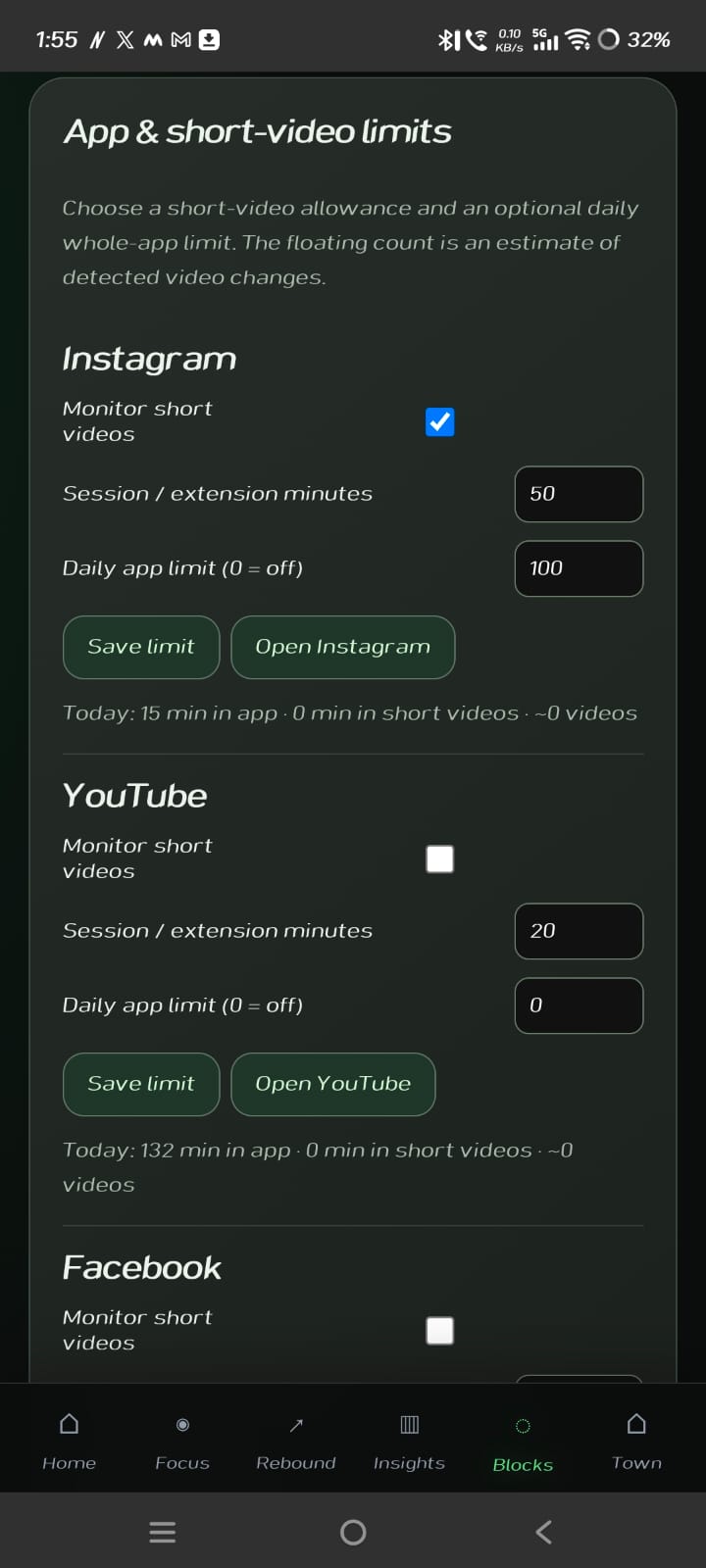
- Implementing customizable usage limits.
- Designing usage and progress tracking.
- Turning screen-time interruptions into meaningful break suggestions.
- Adding gamification to make healthy habits more engaging.
- Creating a playful and approachable interface.
- Designing Rebound around the idea of guiding users instead of simply restricting them.
Most importantly, we're proud that the project addresses a problem that many students and young people experience every day.
What we learned
We learned that solving a real-world problem isn't only about adding more features. The most important part is understanding why users behave the way they do.
While building Rebound, we learned more about digital wellbeing, user experience design, gamification, application development, timers and usage tracking, and how small interactions can influence user behavior.
We also learned how challenging it is to turn an idea into a product that feels simple for the user while having complex functionality behind the scenes.
Most importantly, we learned that technology doesn't always have to demand more attention from us. It can also help us take our attention back.
What's next for Rebound - Find your way back.
Rebound is only the beginning.
Our next goal is to make Rebound smarter and more personalized. We want it to understand a user's habits and provide recommendations based on their behavior rather than relying only on fixed limits.
Future versions could include:
- AI-powered personalized wellbeing recommendations
- Deeper integration with social-media usage statistics
- Adaptive screen-time limits based on user habits
- More challenges, rewards, streaks, and achievements
- Friend and community-based challenges
- Study and productivity modes
- Optional parent/guardian wellbeing controls
- Long-term habit and progress insights
- Personalized recovery plans for users who feel they're falling behind
Our long-term vision is bigger than blocking apps.
Rebound is about helping people recognize when they're drifting away from their goals and giving them a simple path back.
Rebound — Find your way back.
Built With
- animations
- apis
- app
- css
- design
- development
- experience
- gamification
- html
- javascript
- local
- management
- mobile
- notifications
- productivity
- react
- responsive
- storage
- tailwind
- typescript
- vite
- web
- wellbeing


Log in or sign up for Devpost to join the conversation.