Inspiration
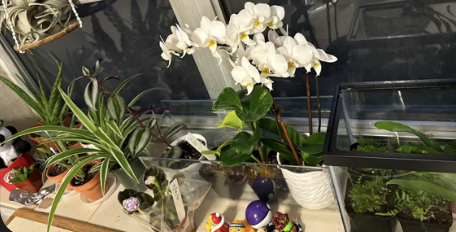
Back in high school, I was given the option to join a NASA sustainability program or intern at the NASA planetary defense coordination office. I chose planetary defense because part of me believed that sustainability, while honorable and impactful, did not align with my personal goals. Even though I have always loved gardening and the environment, I viewed it more as a luxury interest rather than a necessary problem. Over time, that perspective changed. My hackathon partner and I both care about sustainability, and we once believed that computer science was a low impact field where we could contribute without creating waste. However, in the age of AI, this is no longer true. Large scale models require significant energy, water, and infrastructure. Having taken horticulture classes together, we began to see sustainability as something immediate and tangible. It is not distant or optional. It is something we interact with every day. That realization led us to build ReBloom as a way to turn awareness into direct action.
What it does
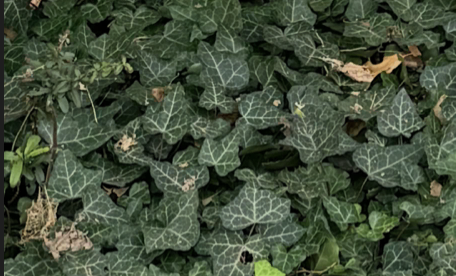
ReBloom is a gamified app that focuses on awareness and action. It helps users recognize that there are plants that need protection and that everyday choices can impact the ecosystem. The app addresses two main ideas. First, there are endangered plants that require restoration and long term care. Second, there are invasive plants that are commonly introduced without people realizing their impact on the environment. ReBloom allows users to track the growth of endangered plants and contribute to their recovery so that future generations can continue to see these species. At the same time, users can record and report the locations of invasive plants, creating a shared understanding of how widespread these threats are. These actions are supported by a system of points and progression, encouraging continued engagement and creating a sense of community around environmental responsibility.
How we built it
Frontend Next.js 14 with App Router TypeScript Tailwind CSS React Leaflet for interactive maps Backend Supabase with PostgreSQL, authentication, and storage Row level security to ensure users can only access their own data Next.js API routes AI OpenAI GPT 4o Vision for plant identification and invasive detection Tools Figma for design iteration GitHub for version control Vercel for deployment
We searched our ideas up on Reddit to see what the community feels about sustainability. Did some quick search on Google for good UI designs then claude code a skeleton infrastructure under its new planning mode. We then tweak everything and used references from GPT to help with more creative tasks.
Challenges we ran into
One of the main challenges we faced was managing merge conflicts while working in parallel. This was our first time building a full stack project together, and coordinating changes between frontend and backend required constant communication. We also had to make decisions about what to prioritize within a limited timeframe. There were many features we wanted to build, but we had to focus on what would create the most meaningful experience.
Accomplishments that we're proud of
We are proud of building a fully functional full stack application within the time constraints of a hackathon. We successfully integrated AI into a core part of the user experience rather than treating it as a separate feature. We created a system that combines plant tracking, mapping, and reporting into a single platform that reflects real world impact. We also focused heavily on design and usability to make the experience feel engaging rather than purely functional. This is our first time working together and will be our first hackathon since I've never submitted to one before.
What we learned
We learned that building something meaningful is less of a sprint and more of a longer process, even within a hackathon setting. Conflicts and setbacks are part of the process, and communication is critical when working as a team. Rest, organization, and prioritization all play a significant role in maintaining progress and making thoughtful decisions under pressure.
What's next for ReBloom
Adding more features!!
There are many directions we want to take this project in the future. We want to add forums to encourage discussion and allow users to help verify plant data, combining human input with AI for better accuracy. We are interested in adding social features such as friends and sharing to make the platform more engaging and community driven. We also want to expand the gamification system through rewards such as collectible certificates or tokens that could potentially connect to real world contributions to environmental causes. Finally, we are interested in organizing community events and competitions, such as between different universities, to encourage larger scale participation and impact.

Log in or sign up for Devpost to join the conversation.