-
-
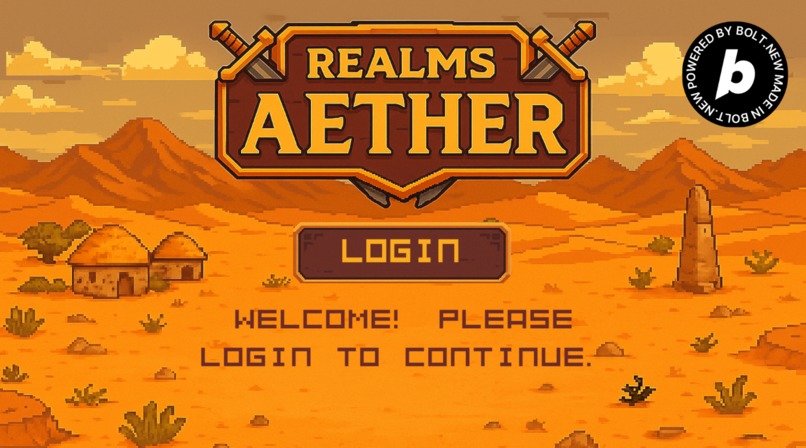
Login
-
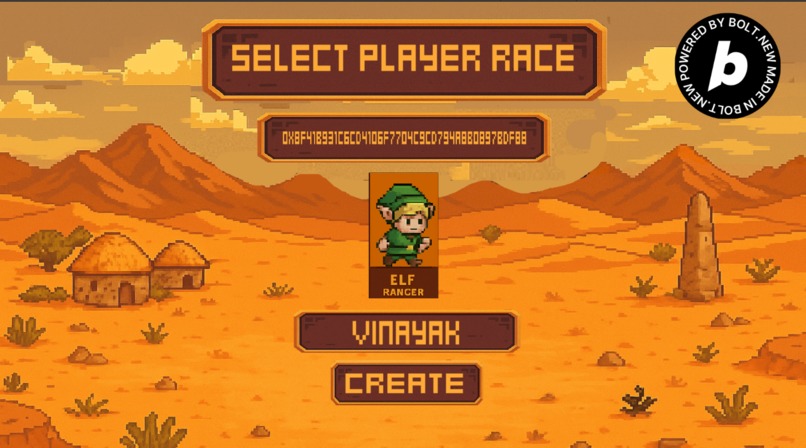
Character
-
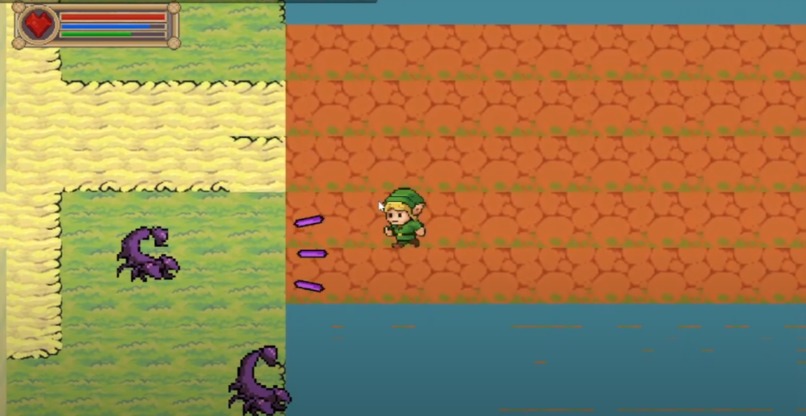
Scorpion Enemy
-
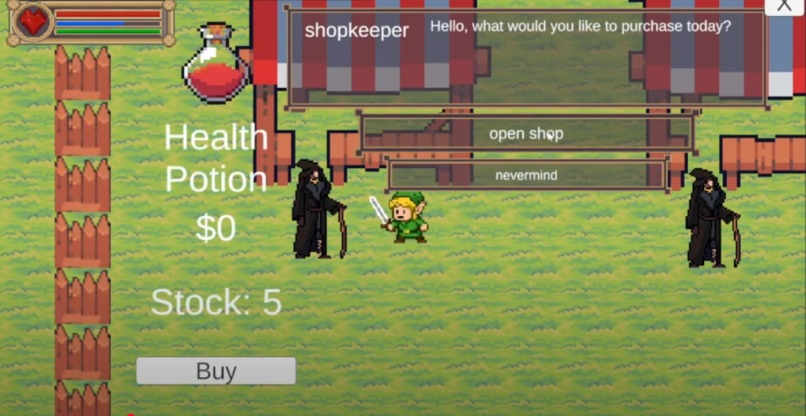
Shop
-
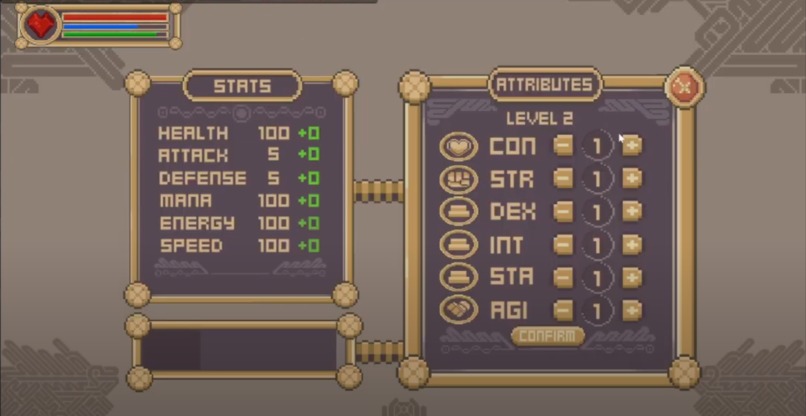
Level Up Stats
-
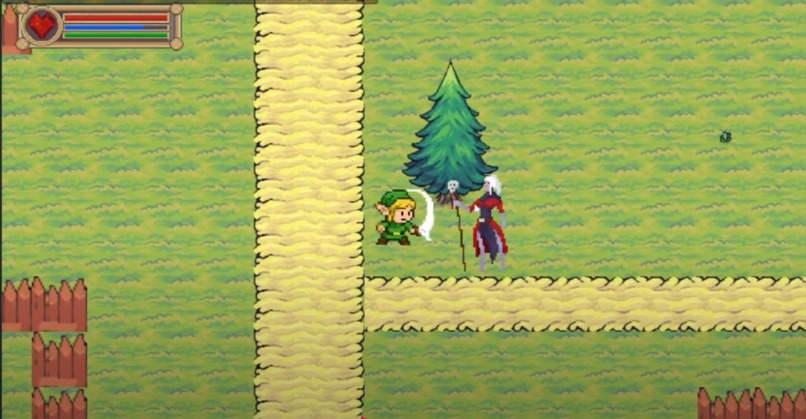
Wizard Enemy
-
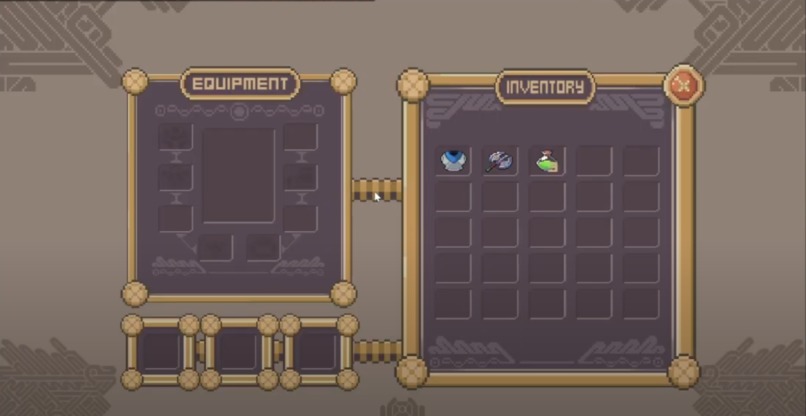
Inventory
-
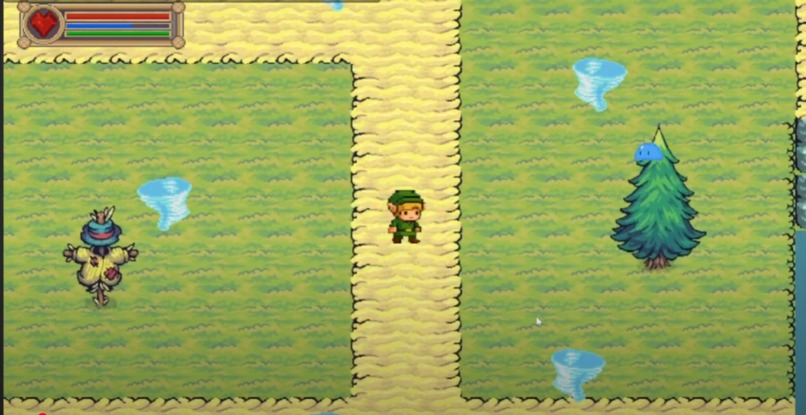
Tornado Spell
-
Controls
Inspiration
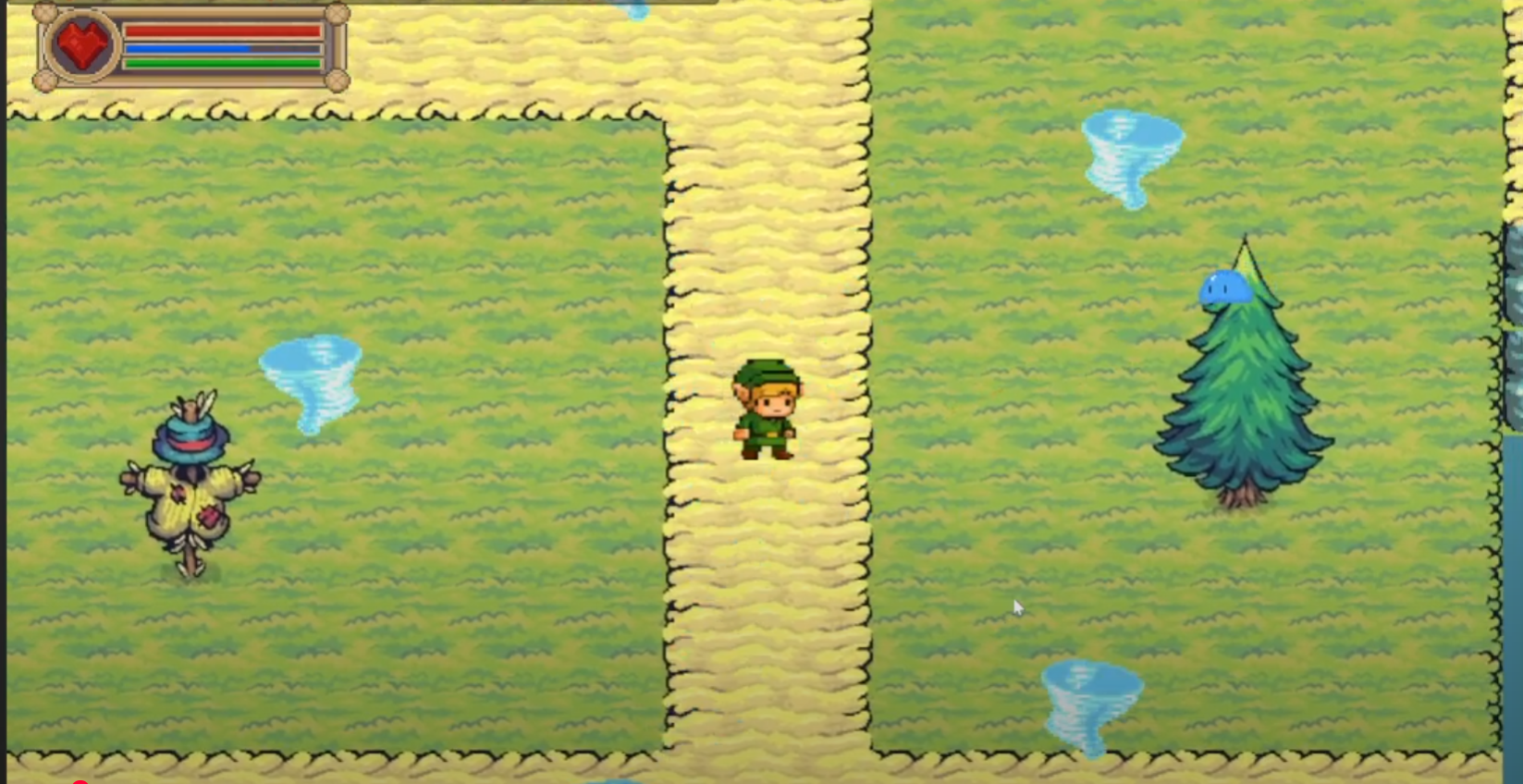
While many games today incorporate blockchain elements, 99% of them overlook the core of game design—fun. They often prioritize NFTs and tokens over engaging gameplay. I wanted to flip that approach.
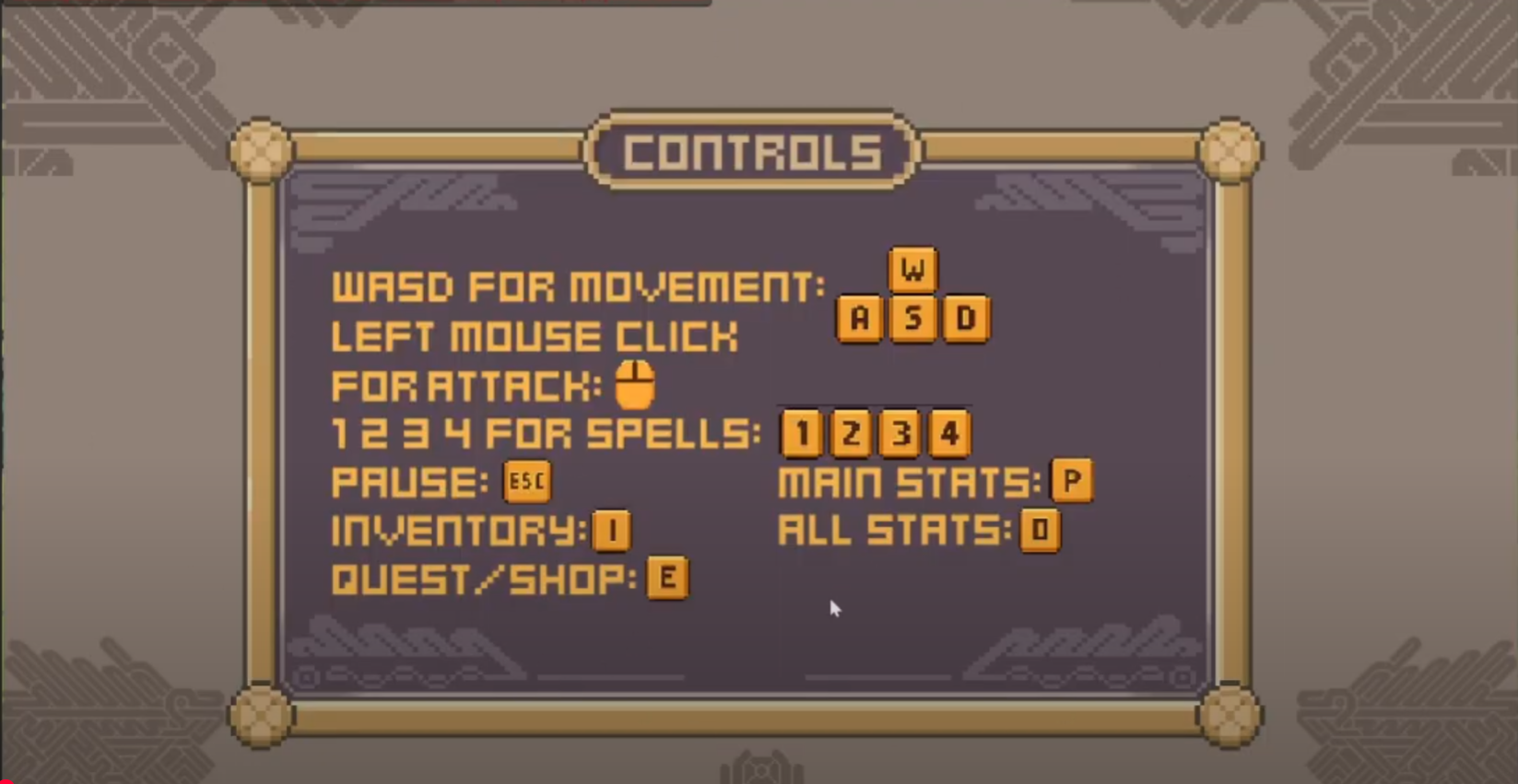
The inspiration behind this project was to create a truly enjoyable real-time combat RPG first—with tight mechanics like attack, dash, spellcasting, and strategic resource balancing (mana and energy)—and then thoughtfully integrate blockchain where it genuinely adds value.
What it does
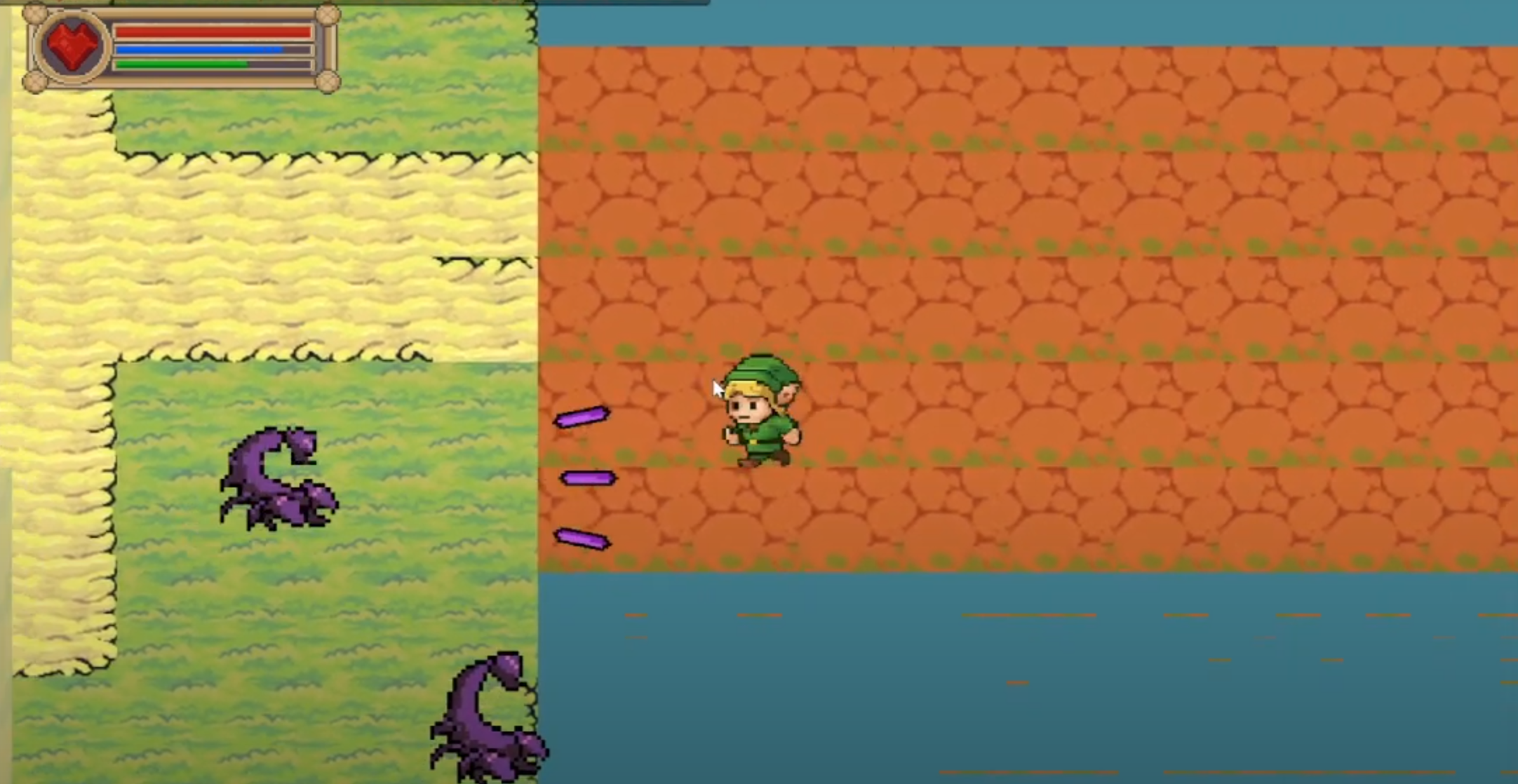
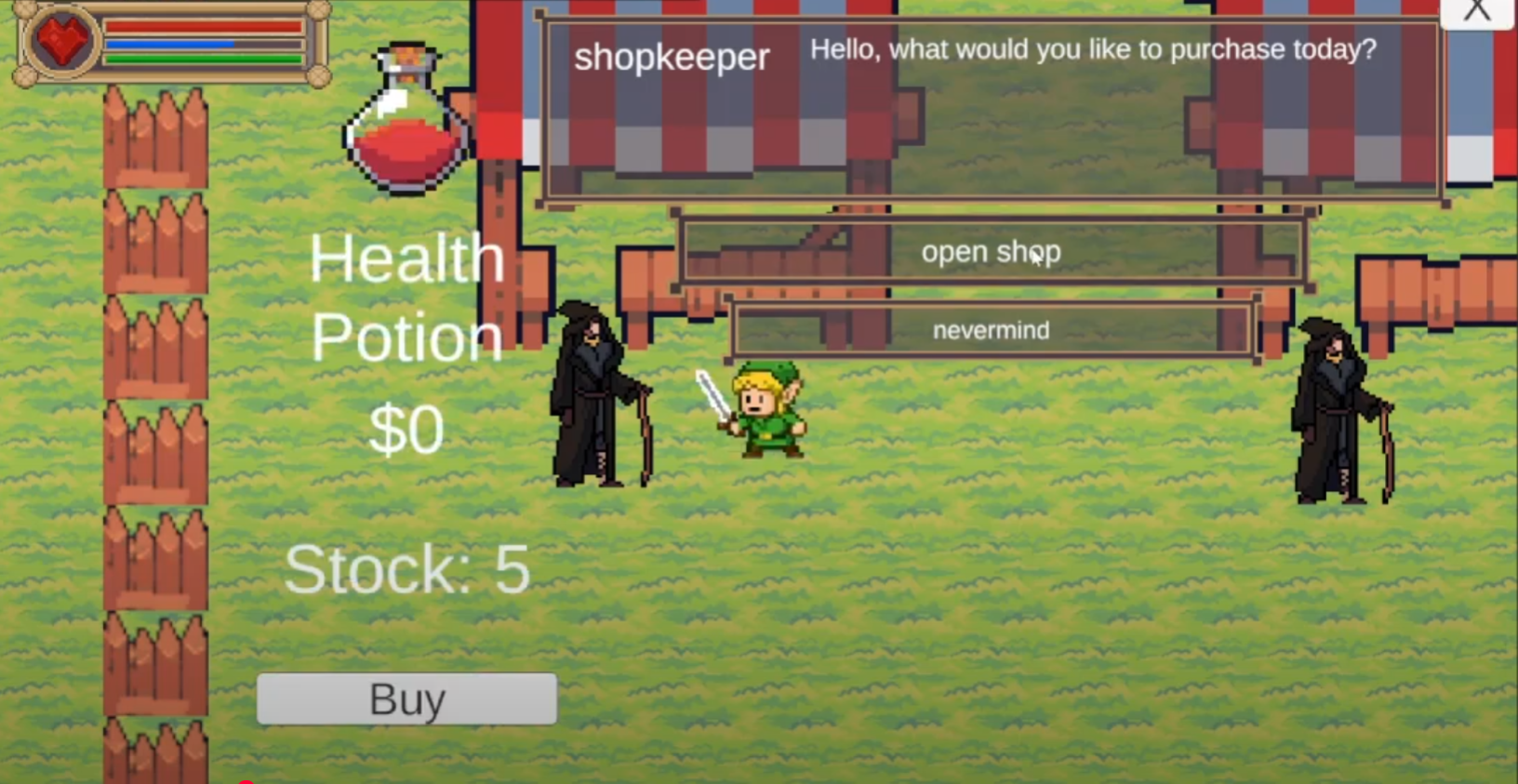
This game features a fast-paced 2D combat system with intelligent enemy AI and skill-based progression. The blockchain components are purpose-driven, not just buzzwords:
- Chainlink Automation powers the shop's restock timer, preventing time-manipulation exploits and ensuring fairness across players.
- Chainlink VRF guarantees verifiably random enemy item drops, making the loot system provably fair and tamper-proof.
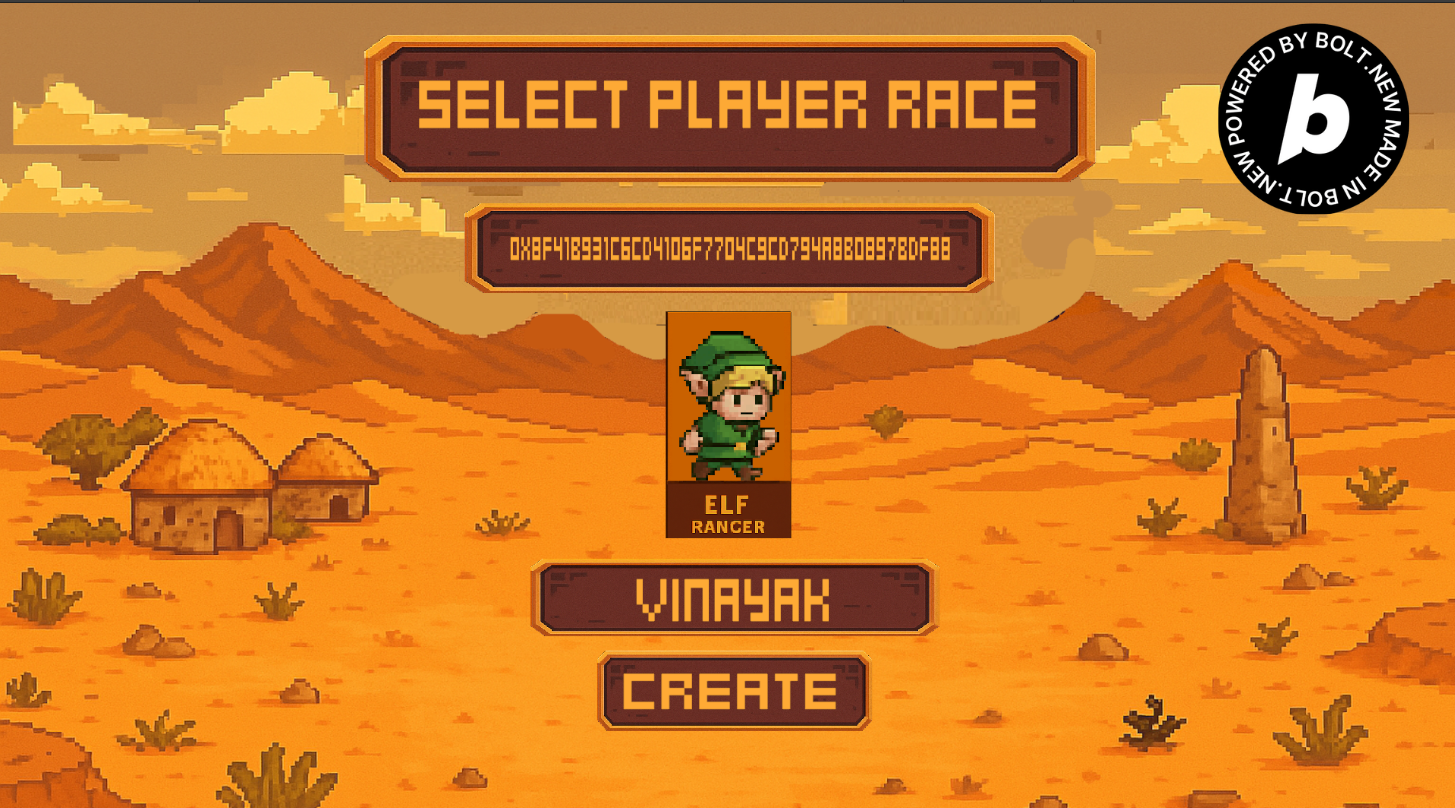
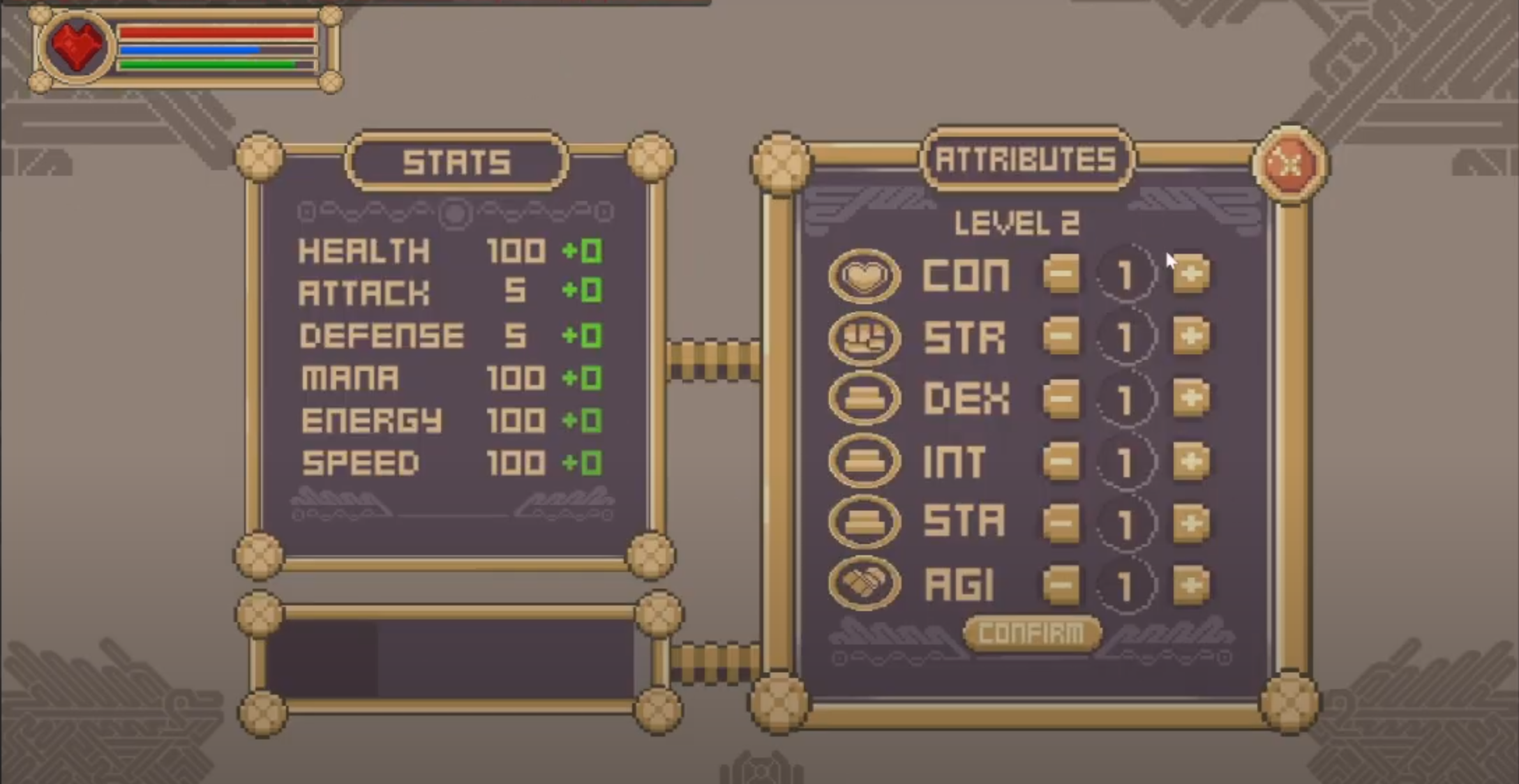
Characters are implemented as mutable NFTs, allowing their stats, equipment, and progress to evolve over time—yet still remain tradable across the blockchain.
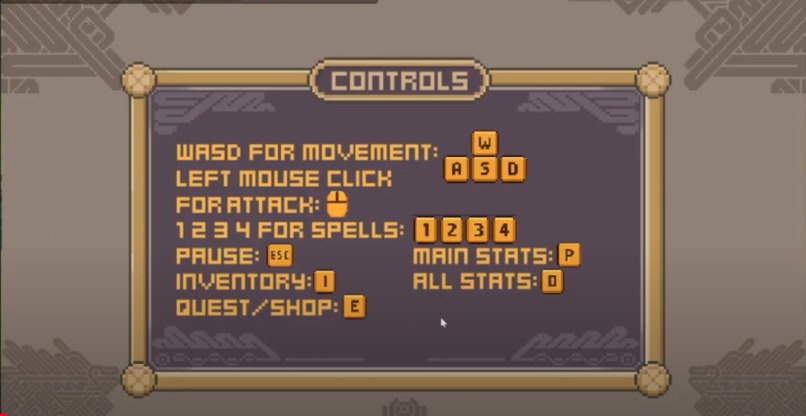
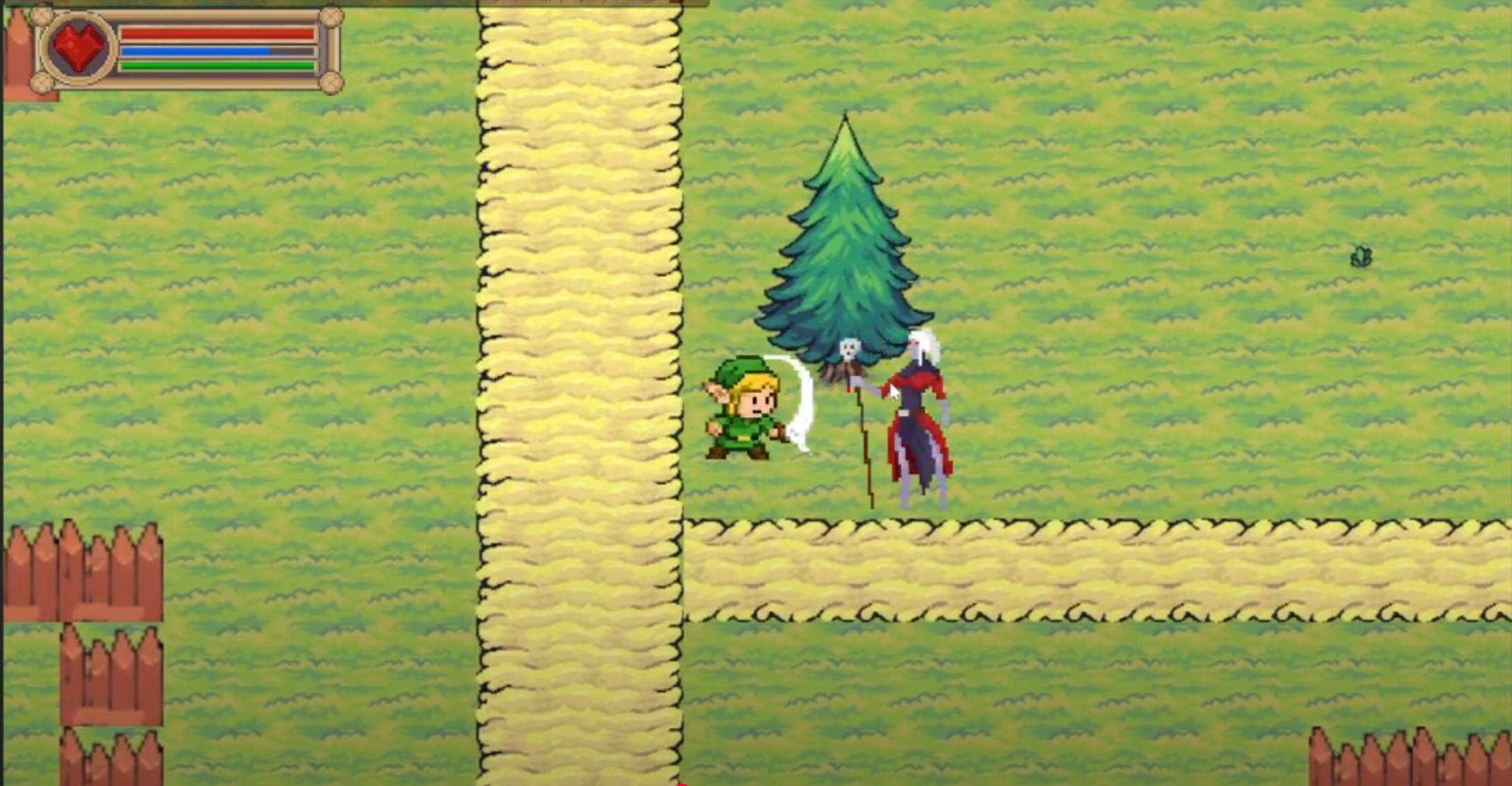
Features attack, dash, and spellcasting mechanics with energy and mana management for character Using FSM.
Enemies use FSM-based AI with NavMesh Agents for intelligent movement and state-driven behavior.
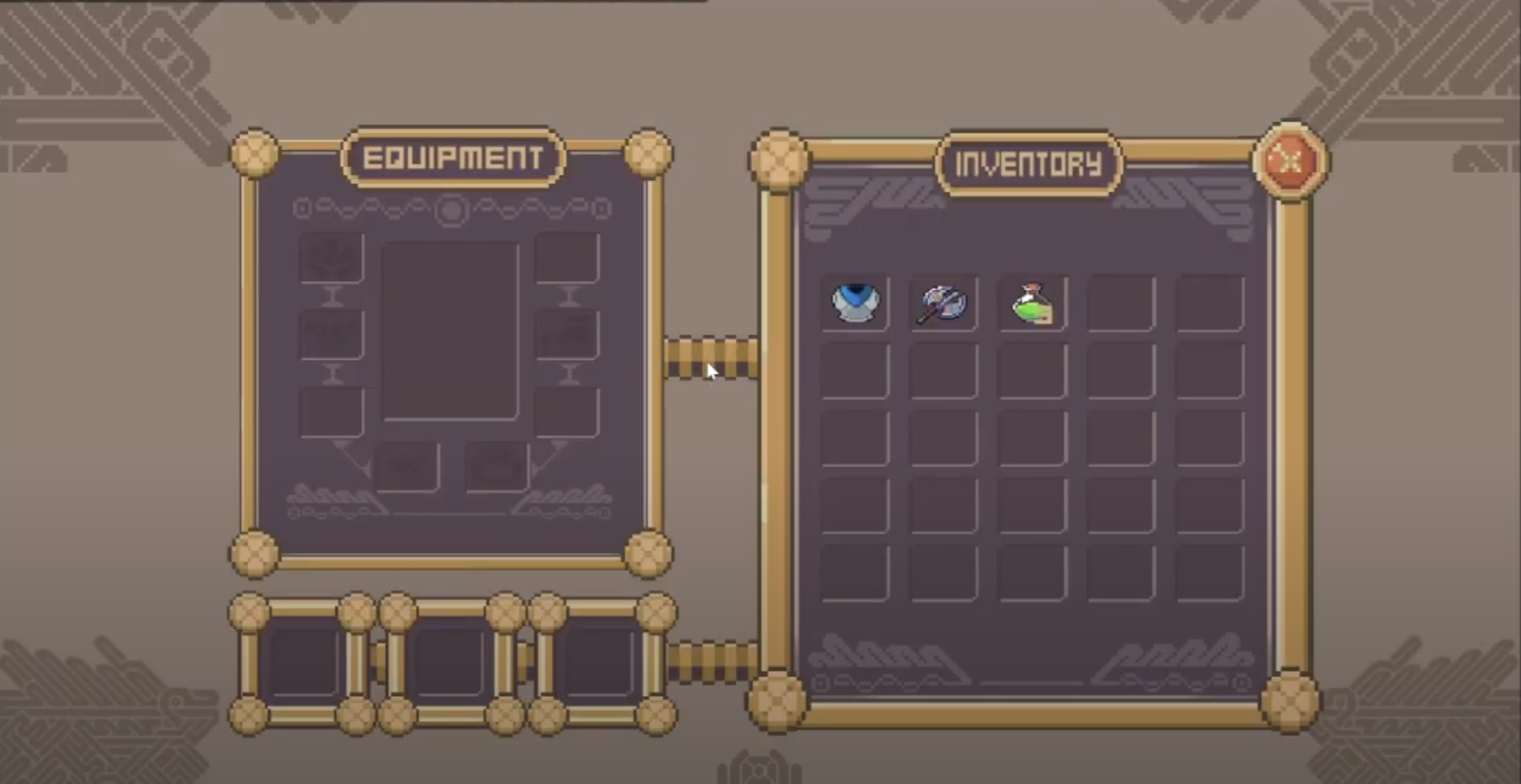
Includes a modular spell system, ScriptableObject-driven inventory, and a potion/consumable system.
Gameplay comes first—blockchain only where it truly adds value. By combining tight, engaging gameplay with smart blockchain integration, this project reimagines what a Web3 game should be: fun first, on-chain where it counts.
How we built it
Challenges we ran into
None of our team members had prior blockchain experience, so Bolt.New AI played a pivotal role—guiding us through smart contract design, Unity debugging, and Web3 integration.
Technical Hurdles
Smart Contract Framework Conflicts
Initial use of Brownie-Smart-Contracts with OpenZeppelin led to persistent import errors and incompatibility issue. So we had to switch to a different chainlink kit and migrate to v2.5.Inventory System Instability
Our original GameObject-based inventory caused memory leaks and serialization failures. We redesigned it using Scriptable-Objects of Unity, requiring significant refactoring.Enemy AI Bottlenecks
The FSM-driven AI triggered massive performance drops due to frame-by-frame pathfinding. So we changed the pathfinding to Navmesh AI Agents.Blockchain–Unity Integration
Asynchronous blockchain ops clashed with Unity’s synchronous loop. We built a custom coordination layer to handle Web3 calls, event listeners, and fail-safes for transaction flow.Chainlink VRF Complexity
Subscription setup, gas limits, and callback logic posed major issues. We implemented robust fallback handlers to ensure reliable, tamper-proof loot drops.Cross-Platform Web3Auth Issues
Unity + Web3Auth integration suffered from platform-specific inconsistencies in key management and transaction signing.
Despite these setbacks, Bolt.new’s tools and AI assistance were crucial in overcoming roadblocks and pushing the project to completion.
Accomplishments that we're proud of
- Built our first fully on-chain game from scratch, despite having no prior blockchain experience—and made it fun, not just functional.
- Integrated smart contracts, Chainlink VRF, and automation into real-time gameplay, where randomness and timers genuinely affect player experience.
- Designed a responsive combat system with spells, dashes, enemy AI, and strategic resource mechanics that feel smooth and satisfying to play.
- Connected Unity with blockchain using custom-built bridges to handle async Web3 calls inside a synchronous game engine.
- Engineered our own inventory and spell systems with runtime serialization and extendable mechanics that support NFTs and in-game logic.
- Platform-Specific Stability Achieved and overcame major architectural roadblocks, from AI performance drops to serialization issues to cross-platform Web3Auth.
- Most importantly, we learned rapidly, adapted constantly, and leaned on Bolt.new AI to go from zero to playable—and on-chain—in just 15 days.
What we learned
- Blockchain isn’t just buzzwords—when used meaningfully, it can add real value to gameplay through fairness, transparency, and true player ownership.
- Smart contract development is hard—we learned to navigate frameworks like Foundry, manage gas optimizations, and implement reliable event-based logic.
- Game design and blockchain don’t always speak the same language—bridging Unity’s real-time loop with asynchronous Web3 flows taught us to design for both performance and sync.
- ScriptableObjects are powerful—but not always scalable—we learned where Unity’s native tools shine, and when to switch to more dynamic systems like JSON or C# models.
- Combat mechanics are as much about feel as function—we explored what makes spells, dashes, and attacks feel responsive and fun.
- AI optimization matters—especially when managing multiple enemies on-screen. We gained a deeper understanding of performance profiling and behavior management.
- Most importantly, we learned to fail fast, adapt quickly, and collaborate efficiently—with Bolt.new AI acting as our fourth team member.
What's next for Realms of Aether
The journey doesn't end here—we're already working on exciting features to expand the world and deepen the gameplay:
- Quest System: Players will embark on on-chain quests with rewards distributed via smart contracts, ensuring transparency and fairness.
- Player-Created Spells: A community-driven spell creation system where players design spells, and others vote to approve them—bringing governance to gameplay.
- DeFi-Enabled Marketplace: A decentralized trading hub where players can buy, sell, and exchange armor and weapons, powered by smart contracts.
- New Desert-Themed Map: A harsh, sun-scorched biome featuring environmental challenges and unique enemies.
- Boss Enemy Mechanics: Introducing epic boss battles with phase-based AI, loot drops, and real-time coordination challenges.
We're building a game that evolves—with its players, through the chain.


Log in or sign up for Devpost to join the conversation.