-
-
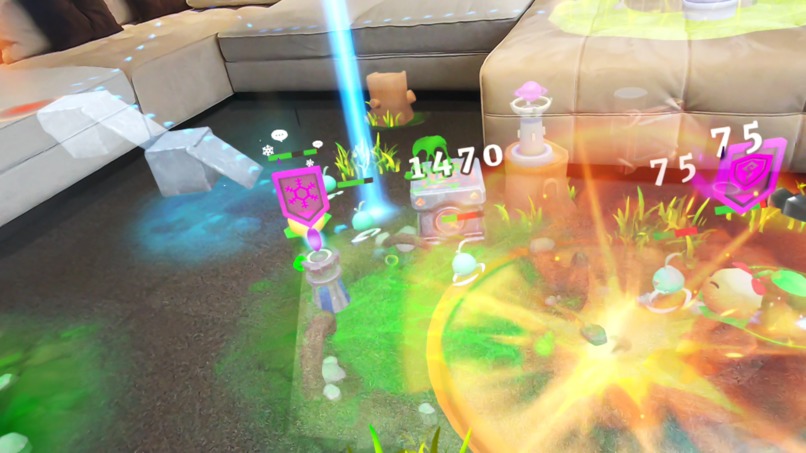
Players can use Boxes and Slopes to shape the terrain and control enemy paths.
-
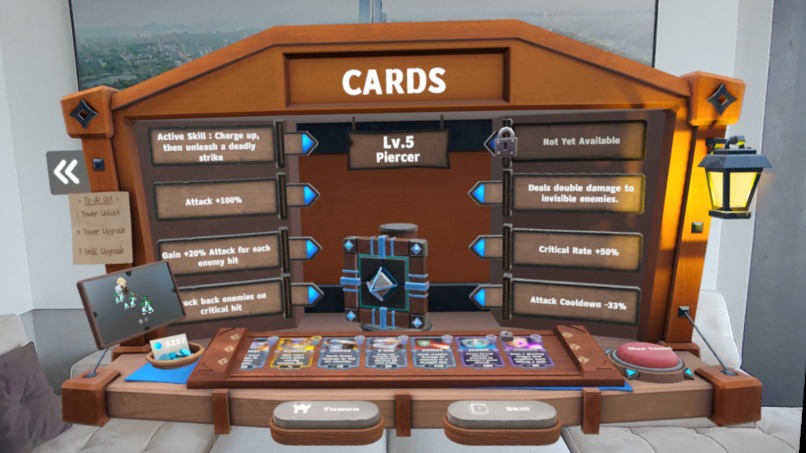
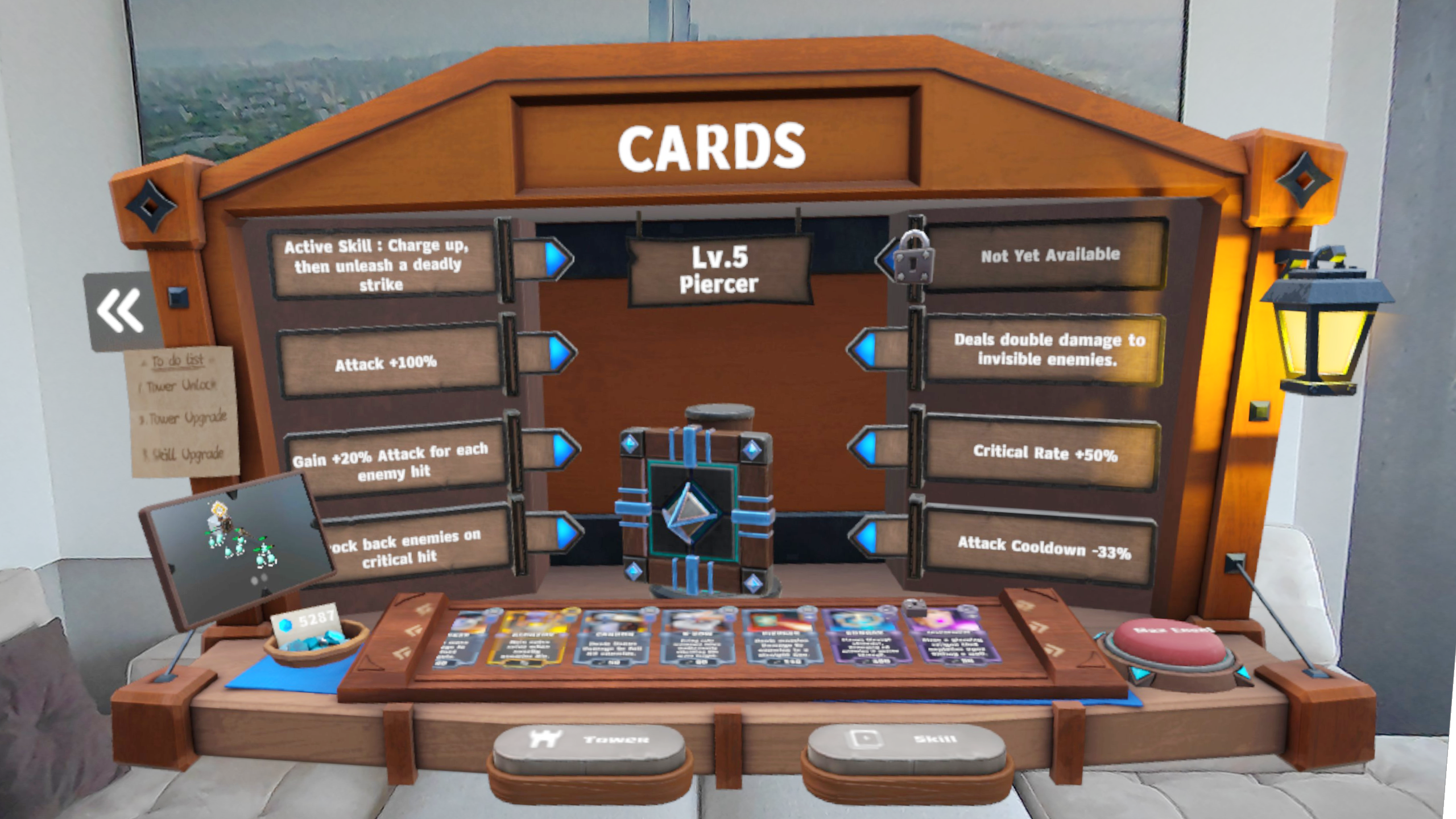
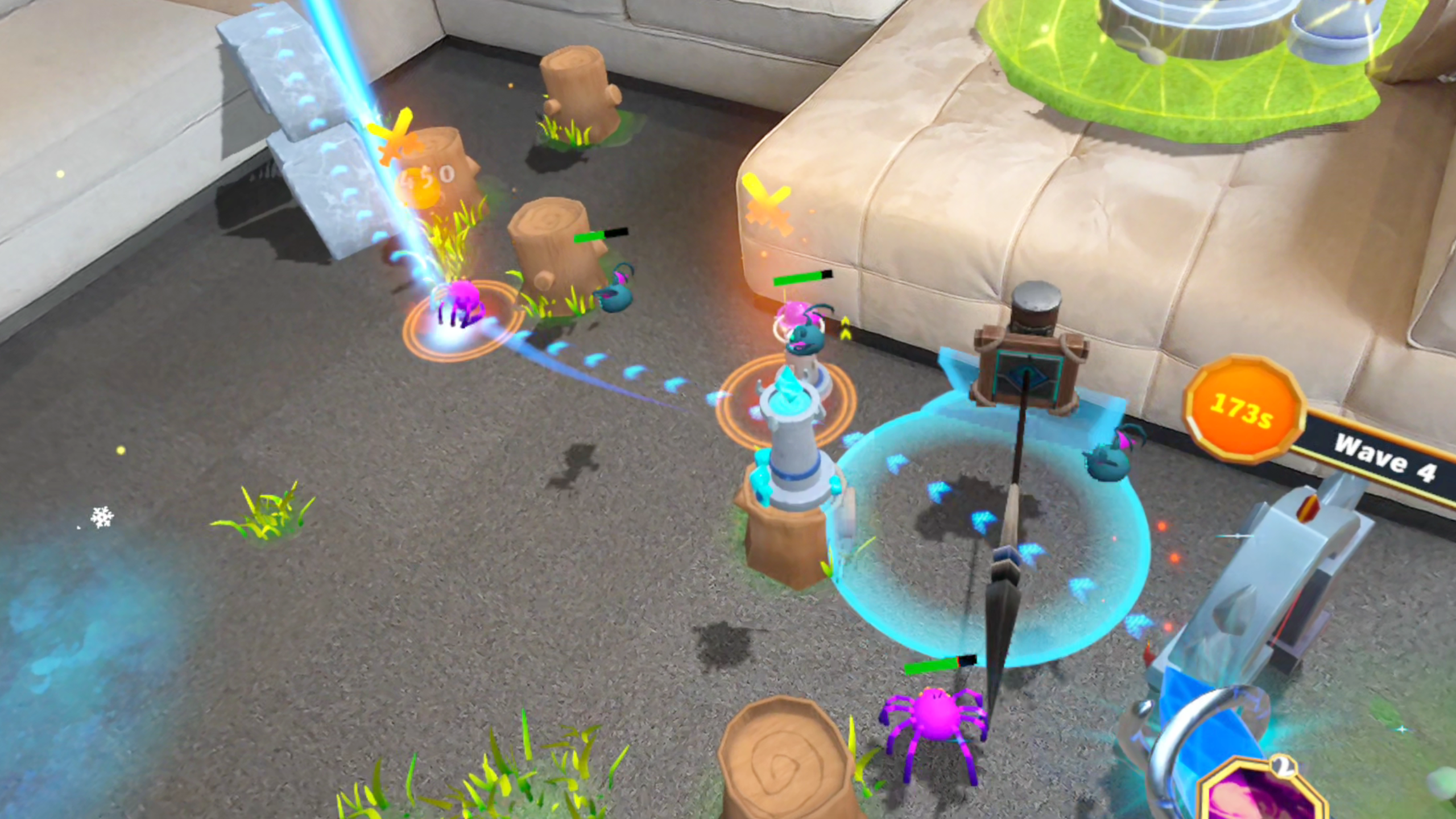
The Piercer deals heavy damage to enemies in a straight line and can detect invisible units.
-
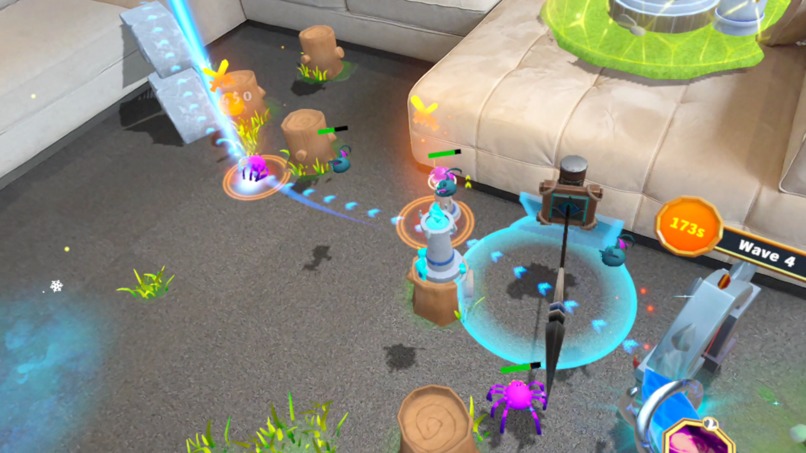
Players can place the Piercer at the end of long, straight paths to maximize its devastating piercing damage.
-
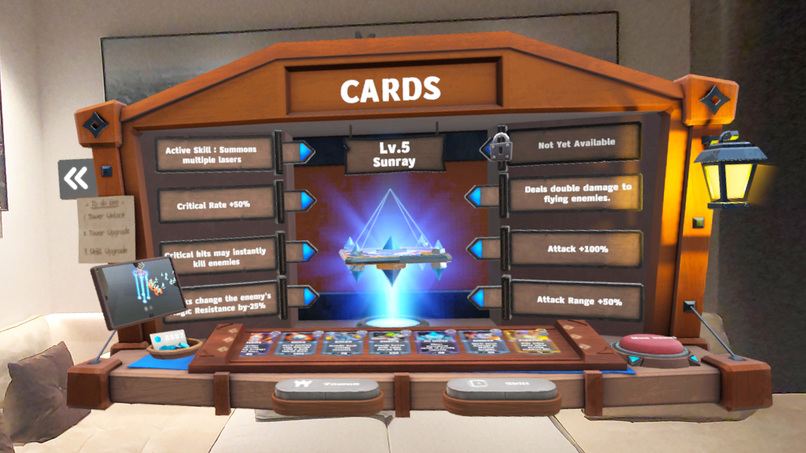
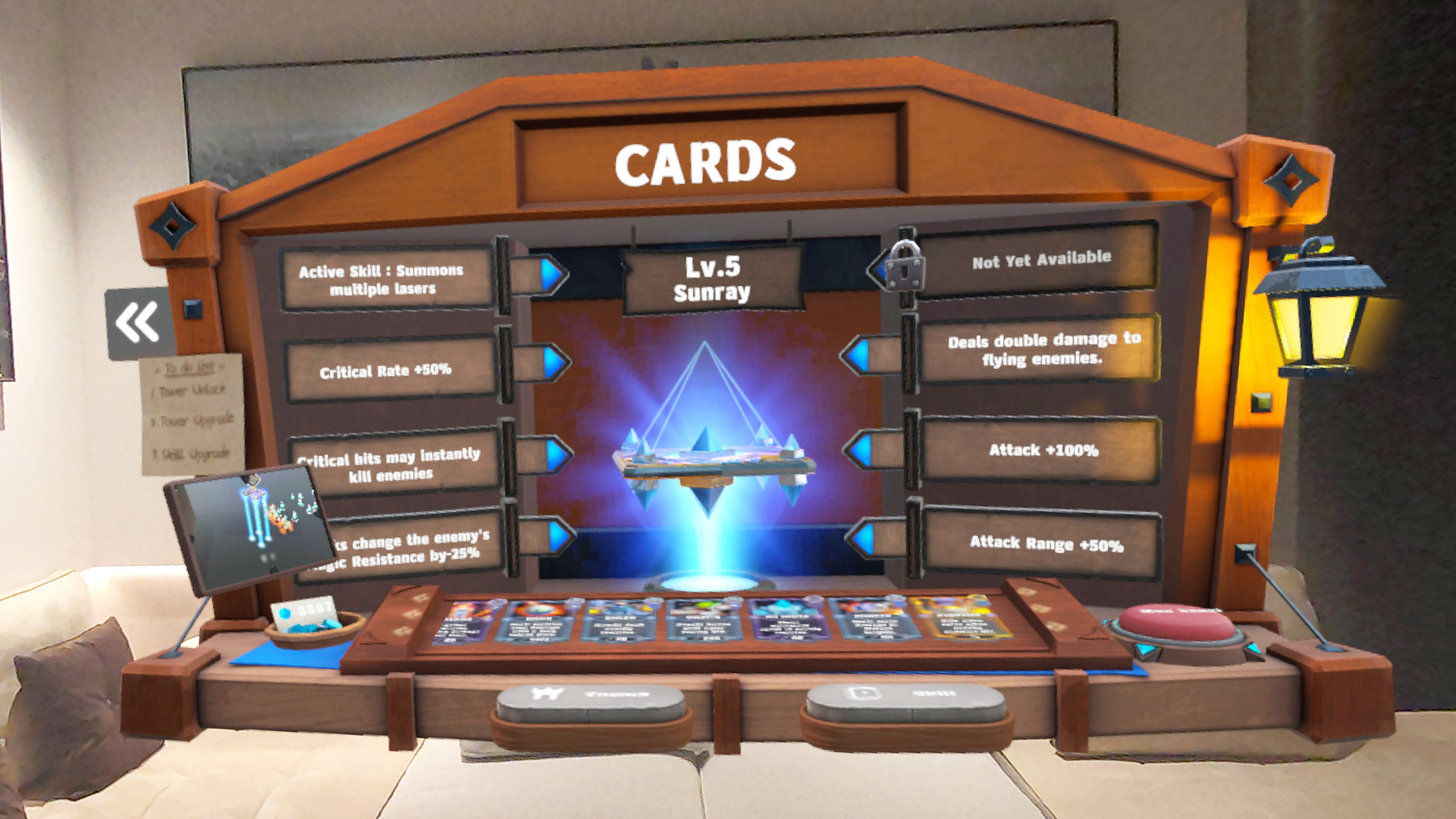
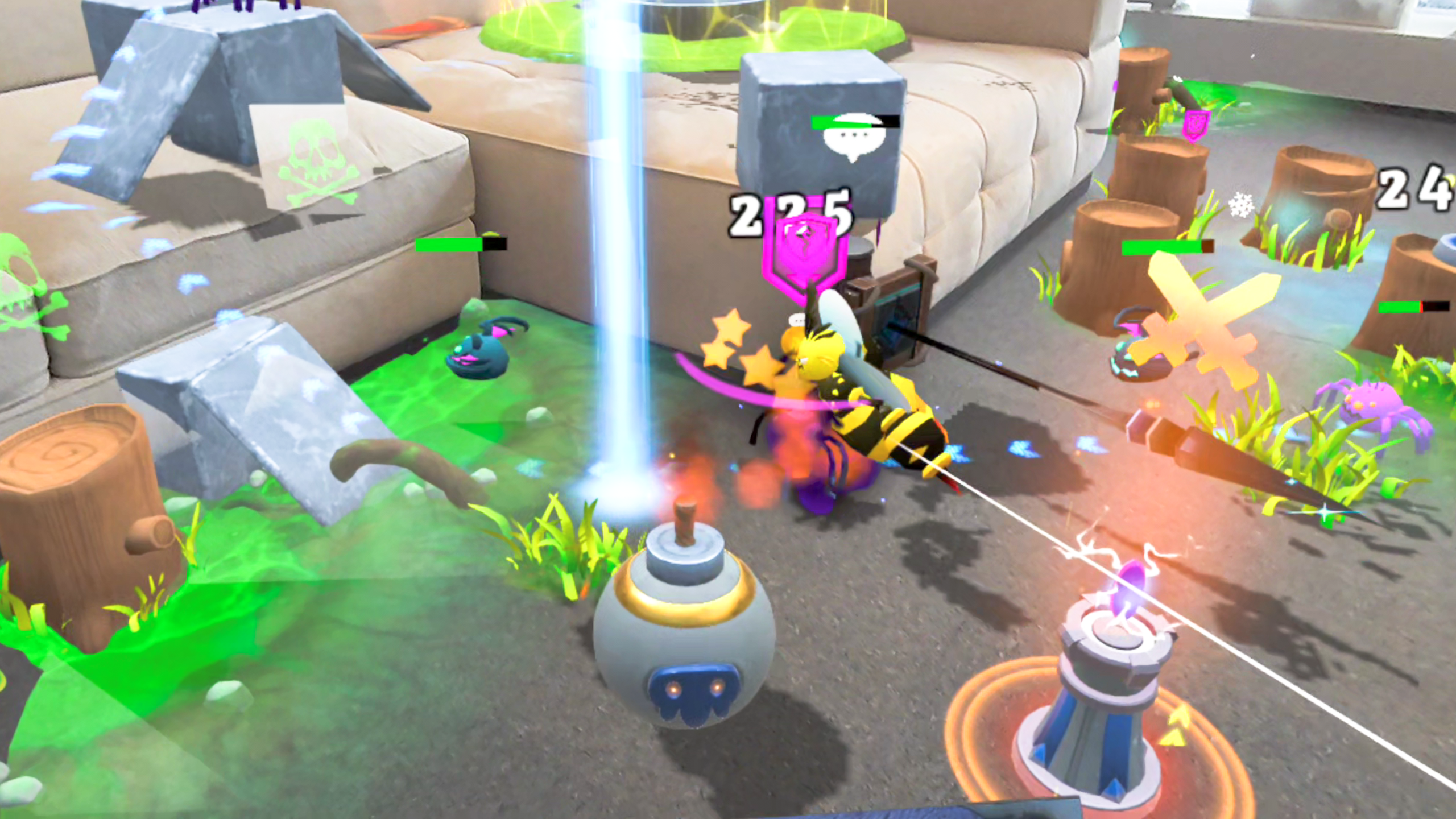
The Sunray emits a vertical laser beam that deals high damage and penetrates all terrain and enemies.
-
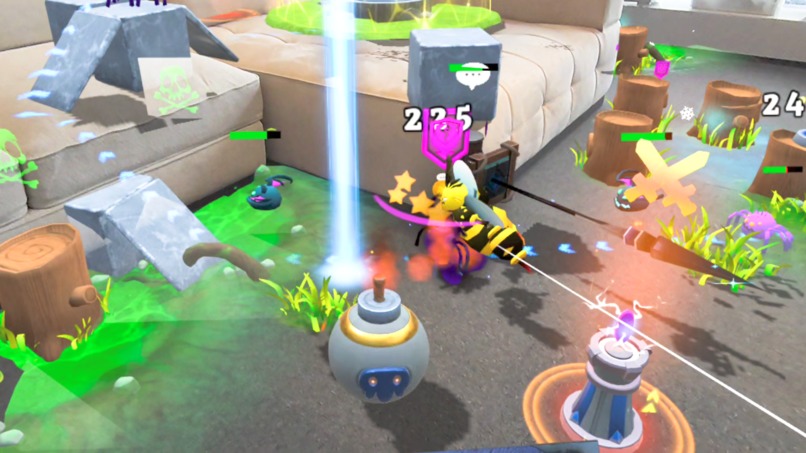
Players can build bridges or multi-level structures to allow enemies to be hit multiple times as the laser passes through different layers.
-
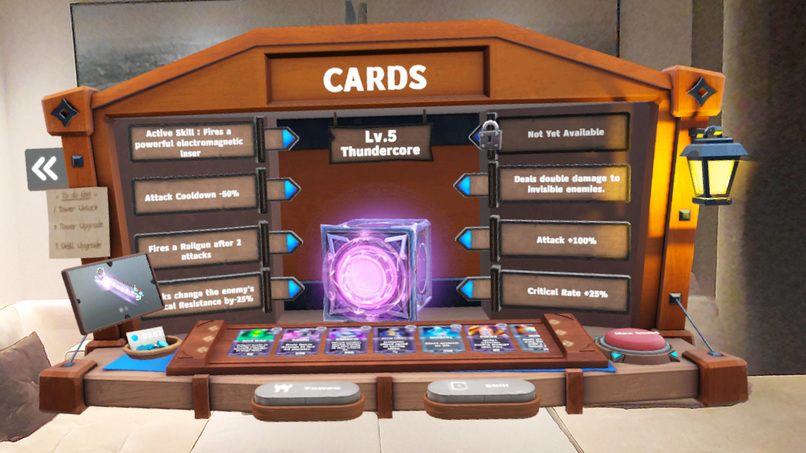
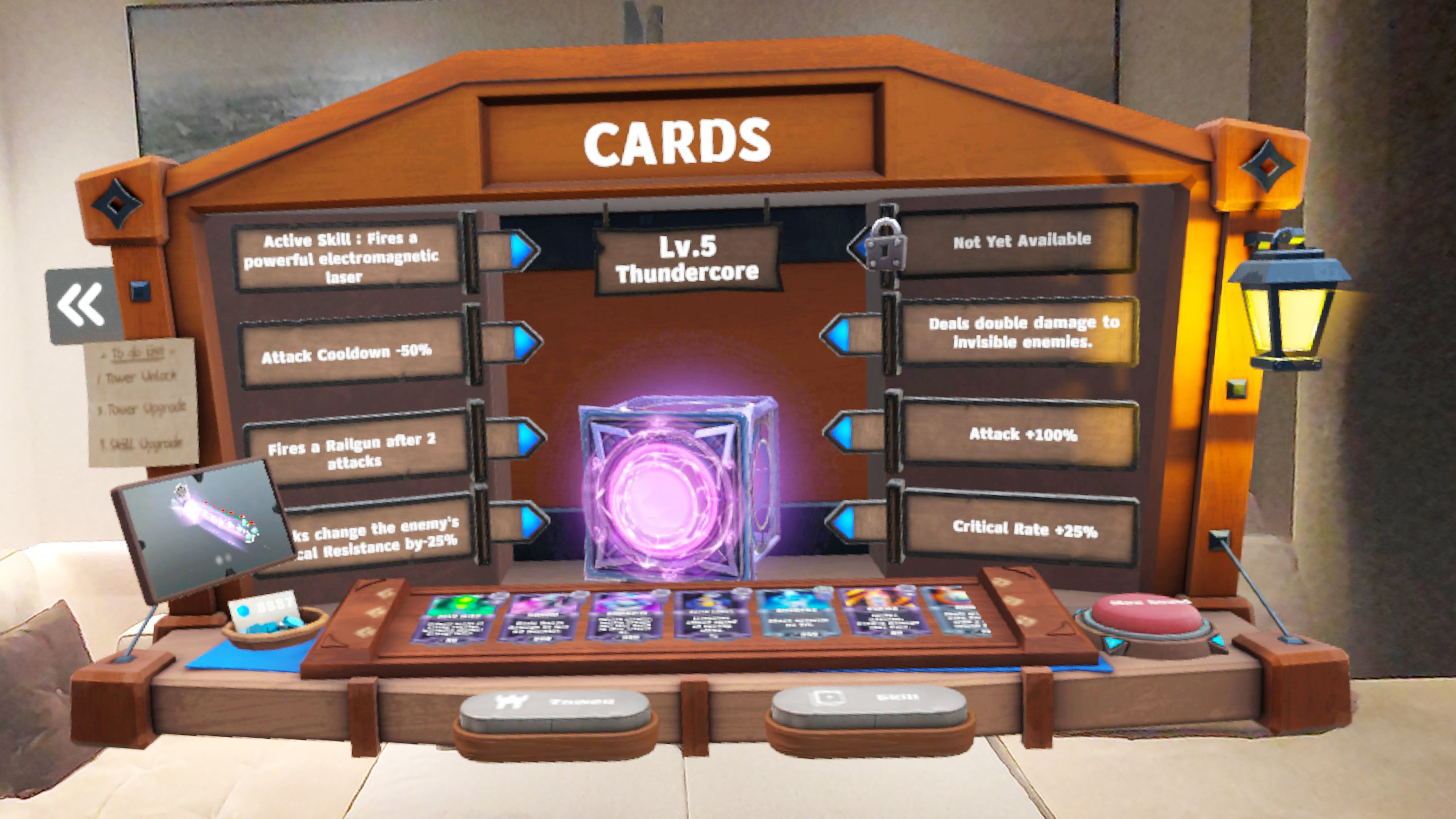
The Thundercore fires an electromagnetic shot that explodes upon hitting walls, dealing massive area damage.
-
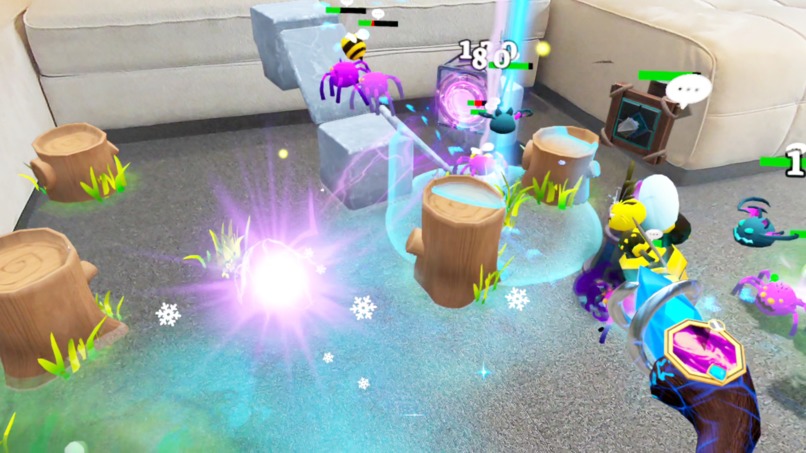
Players can shape the terrain to let the shot hit more enemies, as its power depends on smart layout.
About the Project – RealityGuard
Inspiration
I’ve been a lifelong fan of real-time strategy games like StarCraft and Warcraft III. I spent countless hours exploring fan-made maps, and tower defense quickly became one of my favorite genres. I’ve always imagined what it would feel like to bring that experience into the real world—commanding units and battling in my own living room or backyard.
Since full RTS games can be complex to learn and control, a tower defense game felt like the perfect starting point for mixed reality: strategic, immersive, and easy to pick up.
What It Does
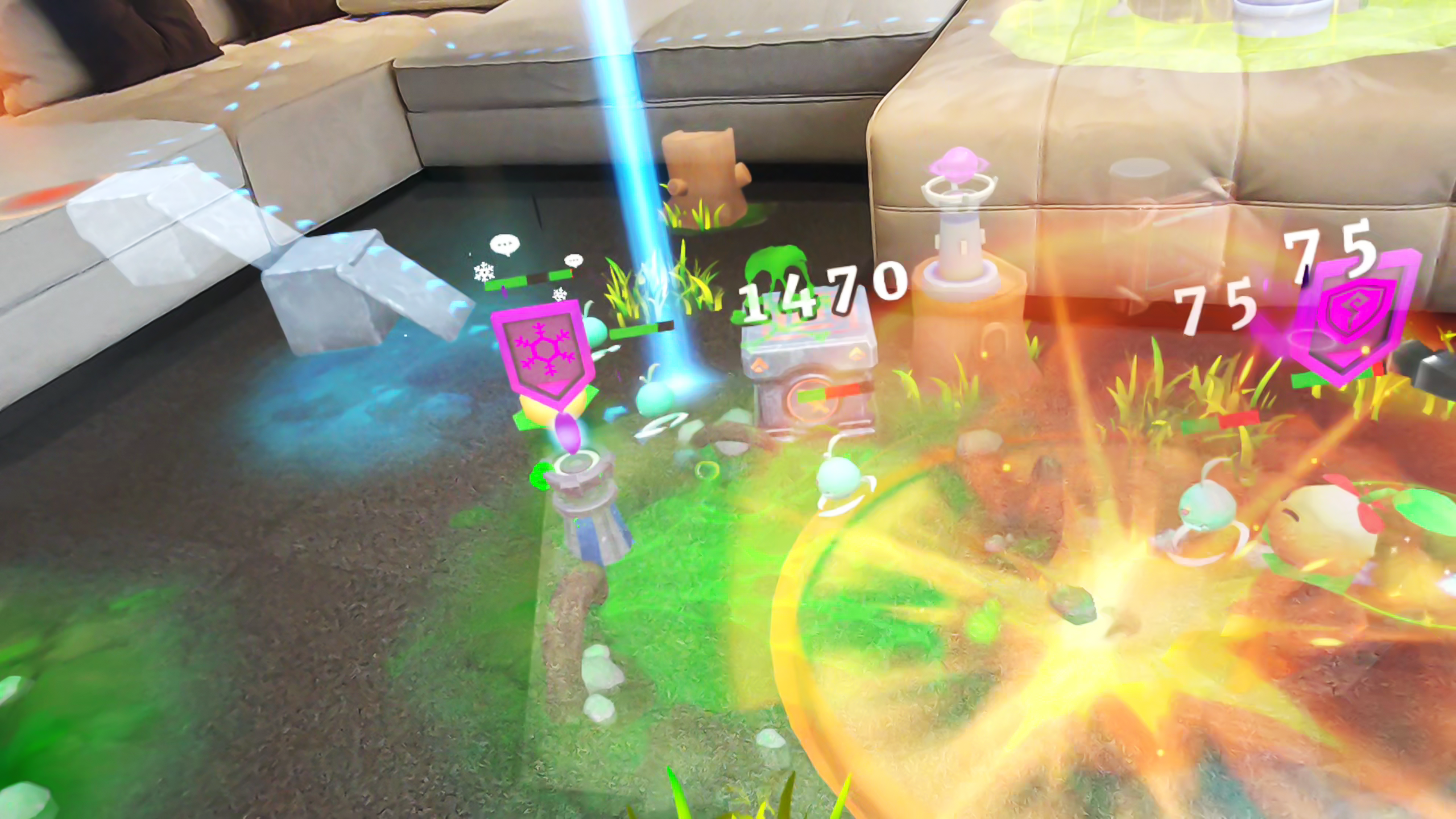
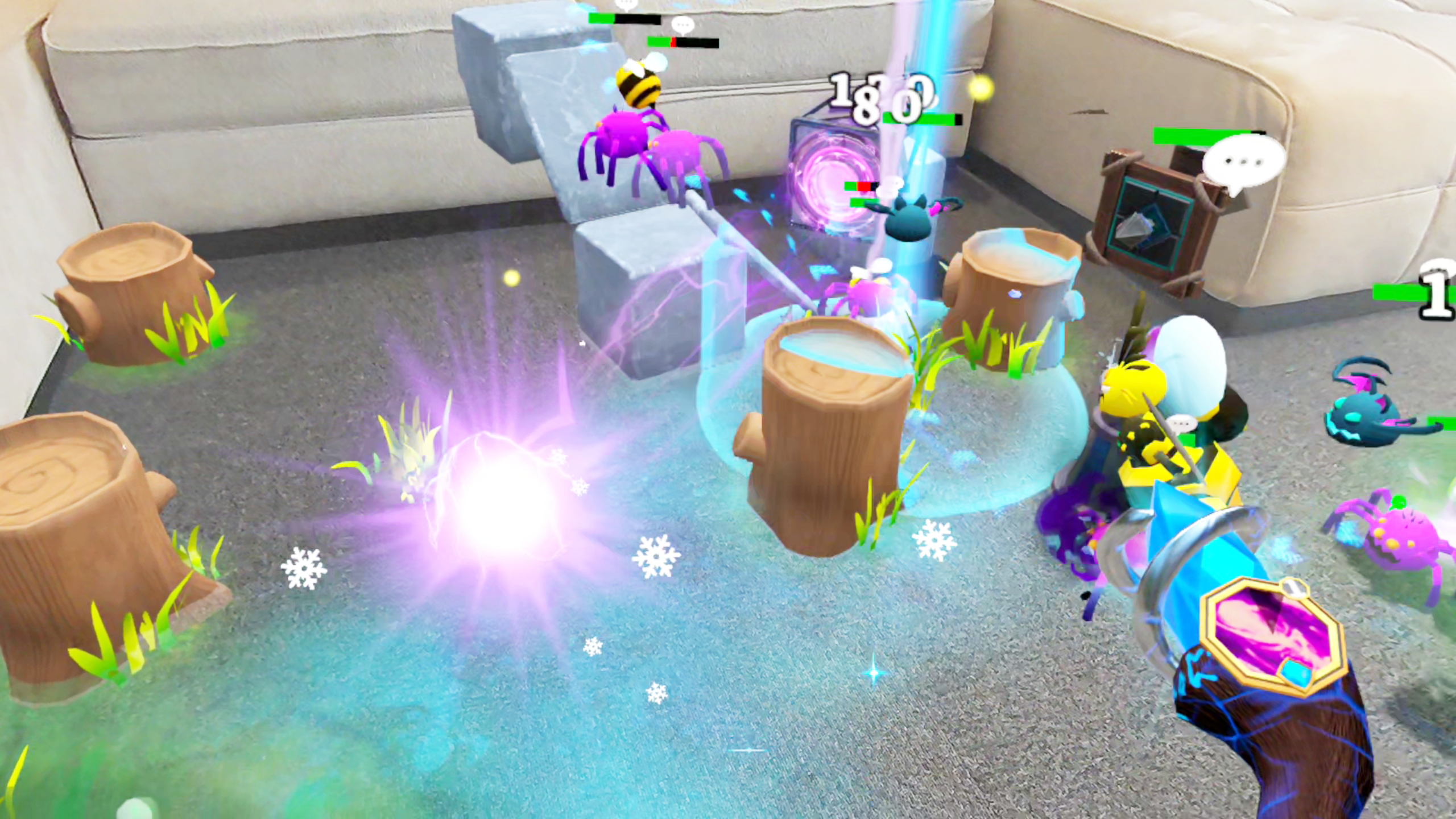
RealityGuard is a mixed reality multiplayer tower defense game. Like every TD game, you defend your base from waves of monsters—but here, the battlefield is your real environment.
- The terrain is real. Your living room or office becomes the map.
- Monsters adapt dynamically. They navigate the reconstructed 3D mesh and reroute as you place virtual obstacles.
- You can play together. Co-located multiplayer lets friends team up and defend side-by-side in the same MR space.
🎥 Gameplay trailer: link
How We Built It
The project started as a small prototype I built in one to two weeks using Unity’s open-source tower defense template. When I showed it to the team, everyone immediately saw the potential. From there, we turned it into a full game—adding features, improving visuals, and refining interactions.
We implemented dynamic real-world pathfinding with a customized recast-navigation system, and optimized performance for Quest devices with Application SpaceWarp.
Challenges We Faced
- Pathfinding on real geometry: We modified recast-navigation to handle live updates as players placed new objects.
- Performance optimization: Achieving smooth framerates while keeping visuals high-quality required heavy asset and rendering optimizations, plus SpaceWarp.
- Co-located multiplayer: We built server-side sync and leveraged the Meta Spatial SDK to align shared MR spaces for smooth co-op play.
What We Learned
- Real-world terrain is both a gift and a limit. It adds immersion but constrains level design, so we added virtual traps, buffs, and obstacles—and we’re adding buildable blocks and slopes to bridge disconnected areas.
- Scale matters. Towers and monsters around 15–20 inches tall feel most natural and safe.
- Social MR is the key. Cooperative play transforms the experience—team strategy makes MR truly come alive.
What’s Next
We launched Early Access on November 6 2025.
- Late Nov 2025: Block-and-slope system for creative terrain building.
- Late Dec 2025: In-game tools for sharing gameplay to social media.
- Feb 2026: Online PvP as our full 1.0 launch.
Between major updates, we’ll continue adding new levels, towers, monsters, and skills, guided by player feedback.
(RealityGuard on Horizon Store)


Log in or sign up for Devpost to join the conversation.