-
-
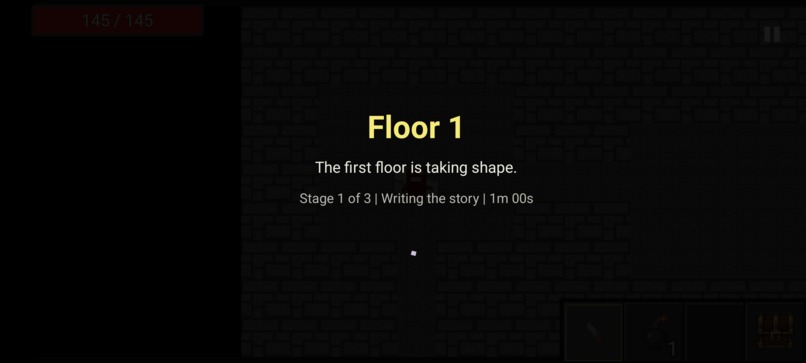
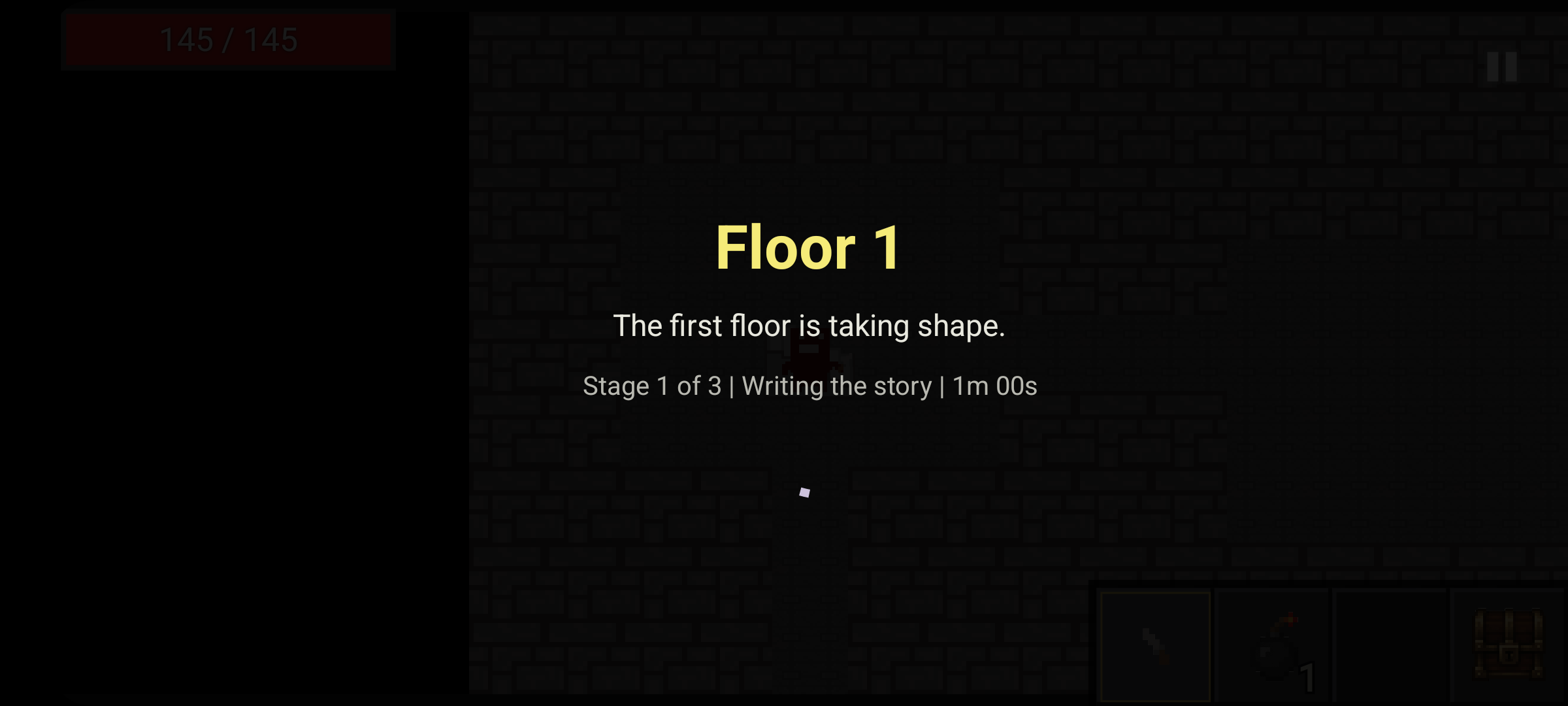
GPT-5.6 authors a new floor live before the dungeon opens.
-
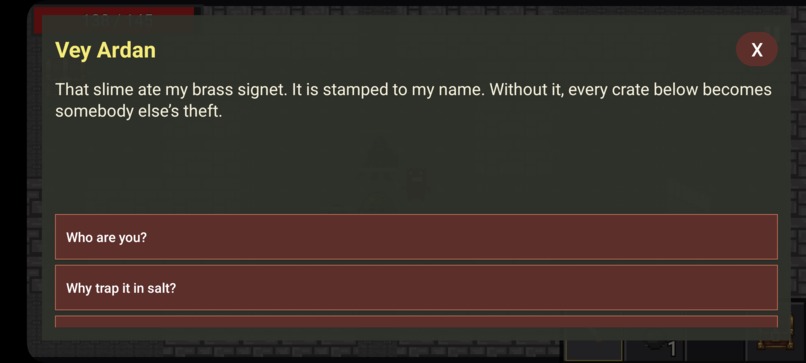
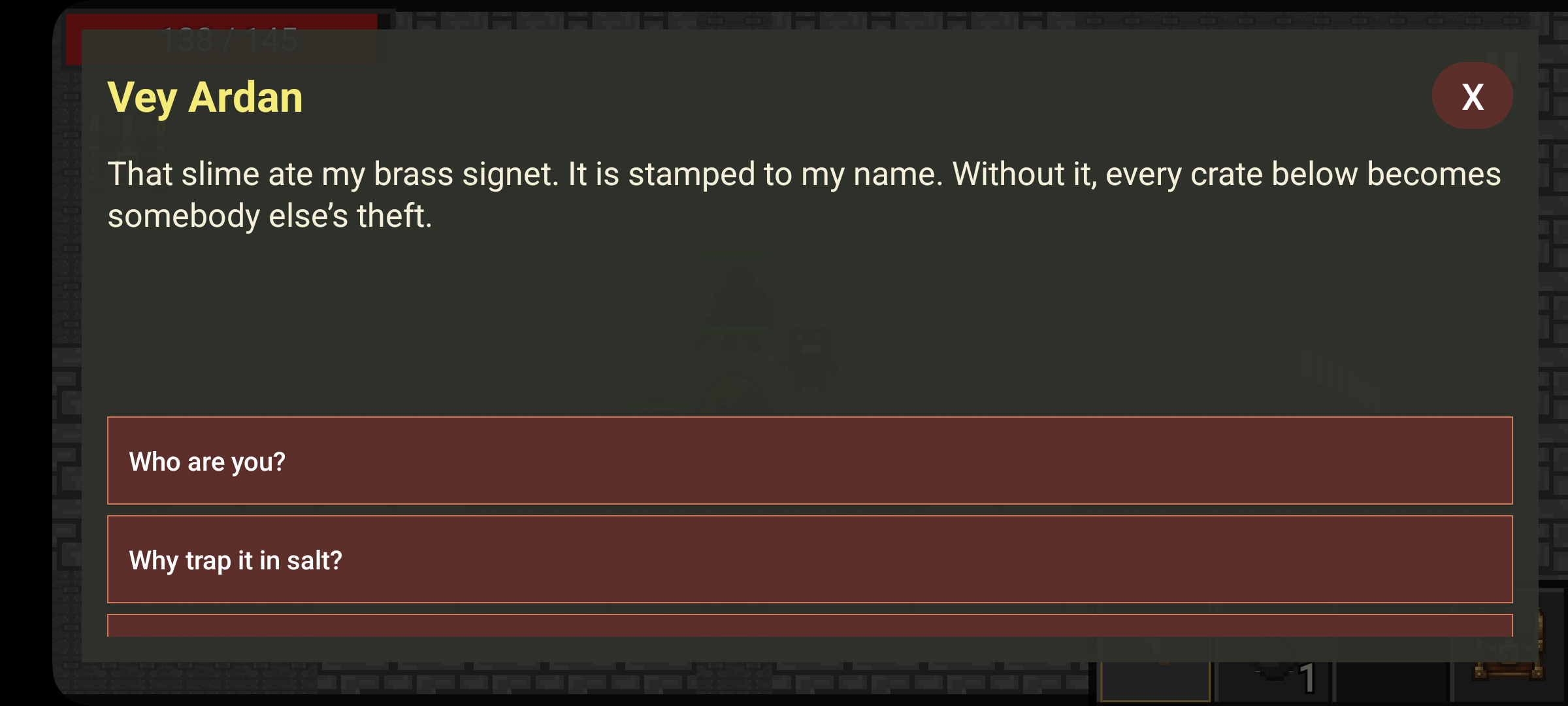
AI-authored dialogue gives real characters choices and consequences.
-
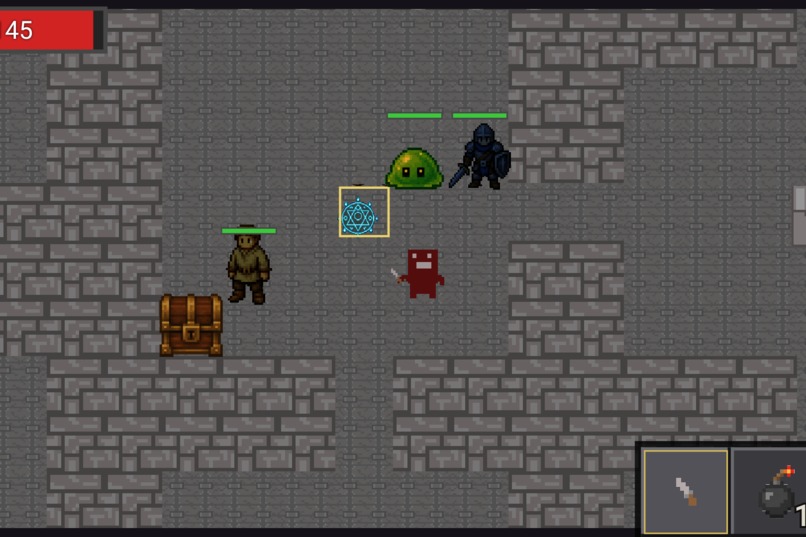
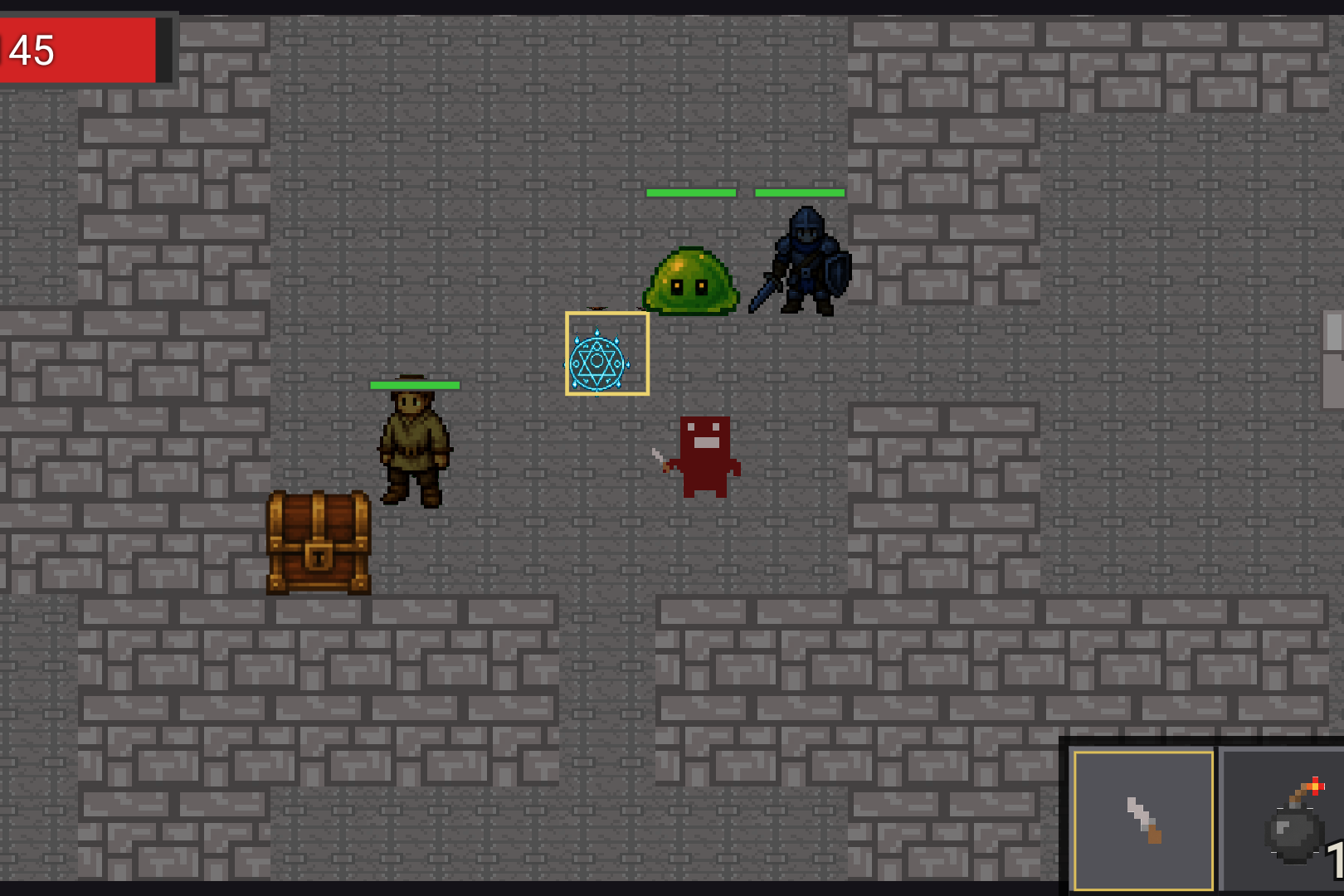
An AI-authored encounter realized as playable actors, objects, and dungeon geometry.
Inspiration
I always wanted someone to make a game with no limits.
When I played Fallout 4 and Skyrim, the parts I loved most were the side quests. Finding one was always exciting because I never knew where it would take me. I could follow a small clue or a strange character away from the main story and suddenly find myself inside a completely different adventure. That freedom made the world feel much bigger than one path every player was being pushed through.
I loved being able to poke at the world and see how things unfolded. When the developers had anticipated what I tried, it felt convincing. But eventually I would always find the edge of what they had written.
Most games still have one real path through their story because writing and building every possible path is too expensive. I wanted a game that could react to anything the player did and genuinely go somewhere different because of it. I wanted infinite gameplay that meant infinite possibilities, rather than fighting the same monsters again with a different gun.
Shattered Pixel Dungeon was another big inspiration. Its procedural generation, different rooms, items, and monsters gave it almost infinite replayability. The map stayed interesting even after many runs. That made me wonder: what if complete adventures could be generated inside a roguelike like that?
So I tried to build it.
What it does
REALdungeon is the first game where an AI Dungeon Master creates the adventure itself, not just the text describing it.
REALdungeon is a top-down Android roguelike where GPT-5.6 authors a playable adventure for every run. It decides who is inside the dungeon, what they want, what they say, what objects and clues exist, and how the situation responds to the player.
Those ideas become real game content. Characters can move, talk, attack, fight each other, give away items, disappear, and react to events. The player can speak with them, help them, ignore them, betray them, attack them, throw bombs, or use healing potions.
The tools are broad, and context changes what they mean. Movement, dialogue, spawning, conditions, and reactions can combine to create a marriage, hold a vote, or summon someone in a ritual, even though I never programmed a special “marriage,” “vote,” or “ritual” system. This lets the AI invent playable situations that I did not specifically anticipate.
The game also remembers what happened on earlier floors. Someone you helped may return, and killing a character can change what the AI creates later. Each run becomes its own small dungeon-adventure episode, capable of becoming funny, ominous, or something completely unexpected.
How I built it
REALdungeon is the first game I have made. I originally spent a full year building it as my project for the Israeli computer science Bagrut, where it received a grade of 100%.
The foundation is an Android game written in Java. I built the movement, combat, procedural dungeon generation, characters, pathfinding, items, interactions, and rendering. Only after finishing the Bagrut did I begin building the AI Dungeon Master on top of it.
For later floors, the AI process has three parts.
First, the Recapper receives the logs from the previous floor, any earlier recap, and the direction the story was taking. It pieces together what actually happened, decides what is important, and preserves the player’s meaningful choices.
That context goes to the Director, which writes the situation for the next floor. I intentionally give the Director only an intuition for what the game can do instead of forcing it to think in a rigid list of commands. This protects its creativity and lets it imagine distinct situations.
Finally, the Implementer receives the Director’s story and translates it into structured JSON. It can call a broad toolbox of commands that create characters, dialogue, goals, reactions, items, conditions, and changes to the map. The game checks those commands and then executes them as real content.
GPT-5.6 runs inside the game across this process. Codex helped me throughout the project, first while I was learning how to build the original game and later while planning and creating the AI systems. It helped me understand things like APIs and Git, brainstorm the architecture, write and expand the toolbox, develop the prompts, debug failures, and test the result.
I did not treat Codex as something that should silently implement whatever I said. We worked with a lot of back and forth. I would discuss an idea with it, question the solution, inspect what went wrong, and only then decide what should be built. It was both a teacher and a brainstormer.
Challenges I ran into
The hardest part was making the AI agree with the toolbox.
Writing an interesting adventure is one problem. Turning every important part of that adventure into something that physically happens inside a game is another. The Implementer has to understand the Director’s idea, choose the correct tools, connect them together, and avoid claiming it created something that it never actually created.
Designing broad enough tools was difficult. I wanted the AI to have maximum freedom, but the game still needs precise commands it can execute safely. Building that connection between a text model and a real game took a lot of experimentation and back and forth.
The Director was also hard to prompt. I wanted it to consistently create good floors, but I did not want to fill its prompt with examples that it would simply imitate. It needed enough direction to create intentional situations without poisoning its creativity or causing every run to follow the same pattern.
Accomplishments that I am proud of
My biggest accomplishment is that REALdungeon can generate adventures that feel structured and intentional.
The characters have reasons for being there. They are positioned as part of a situation, respond to the player and each other, and physically move as events unfold. The Director can imagine an adventure, the Implementer can construct it inside the dungeon, and the player can enter it and affect how it ends.
I knew the idea was working when I found myself genuinely interested in a generated situation and watched the actors bring it to life in front of me. It did not feel like a collection of random generated parts anymore. It felt orchestrated, and it hit.
Underneath the 2D presentation is a system that lets an AI turn an idea into characters, objects, dialogue, movement, reactions, and consequences. Connecting an AI that normally produces text to a world it can actually build inside still feels pretty wild to me.
What I learned
I learned a huge amount about programming, APIs, Git, game development, AI engineering, and prompt engineering.
More importantly, I learned that giving an AI freedom is not as simple as asking it to be creative. It needs a carefully designed way to express that creativity inside the game. The more flexible and understandable the toolbox is, the more stories the model can actually tell.
What's next for REALdungeon
As AI models become faster and more capable, REALdungeon can create more ambitious and interactive adventures using the same basic architecture. Generation should also take less time, which will make the experience much more attractive.
I want to reduce the current wait by performing more of the next floor’s generation while the player is still exploring the current one. I also want to add factions, relationships, better animation, more persistent consequences, and many more tools for the AI.
Items are an especially important next step because I want REALdungeon to become an even deeper game, not only a storytelling system. Every new tool gives the AI another way to express an idea.
The more tools I give the model, the more stories it can tell.

Log in or sign up for Devpost to join the conversation.