-
-
-
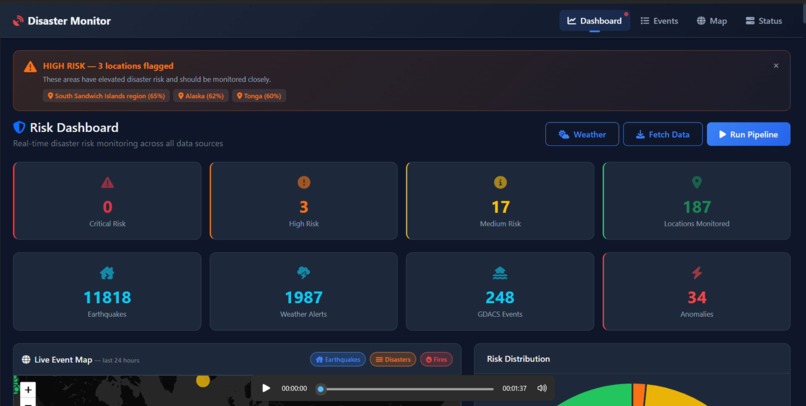
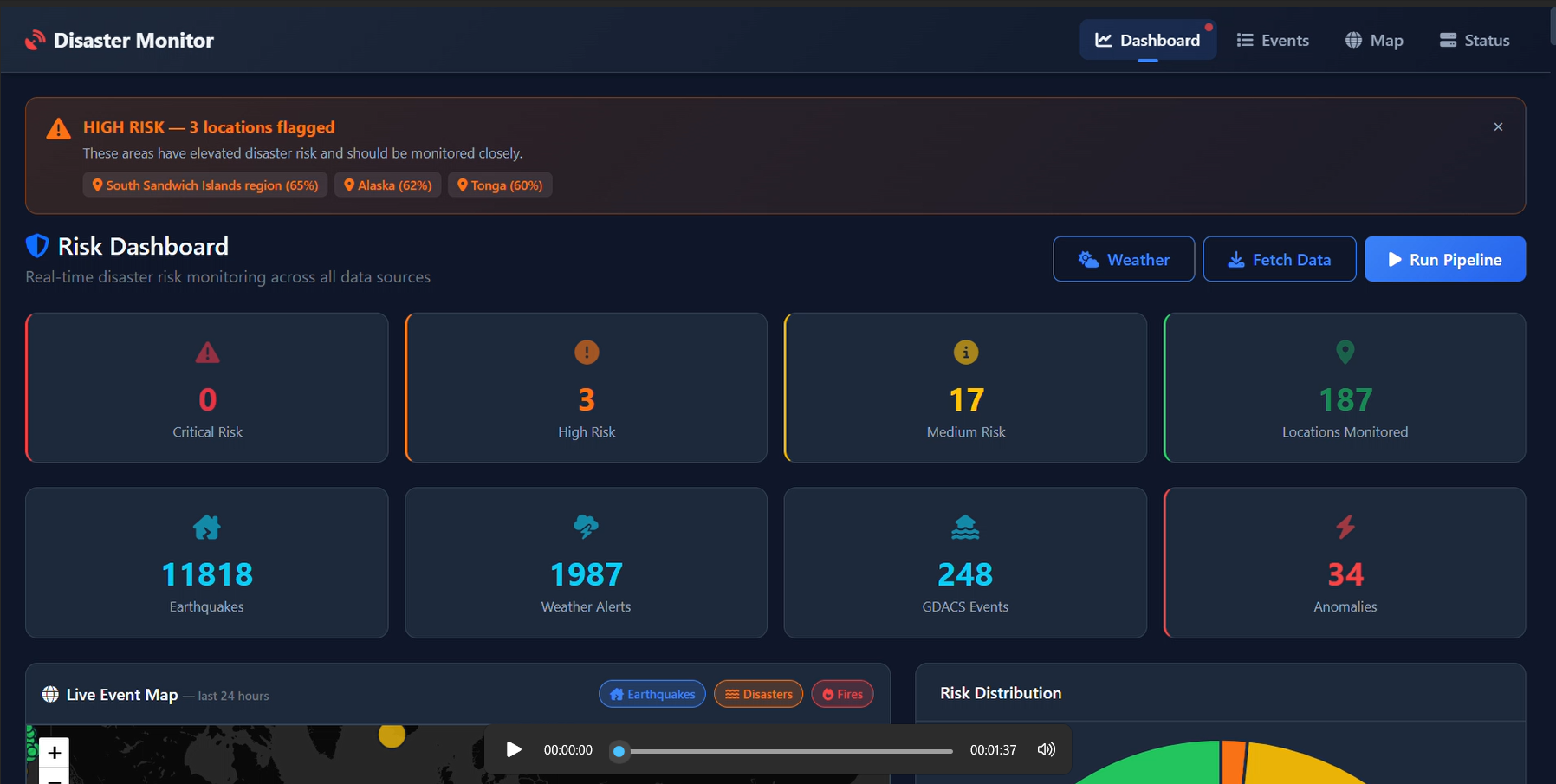
Main dashboard
-
-
Inspiration
Natural disasters like earthquakes, floods, and wildfires often occur without timely centralized alerts. We were inspired to build a system that can collect real-time data from multiple reliable sources and provide early warnings to improve response time and reduce damage.
What it does
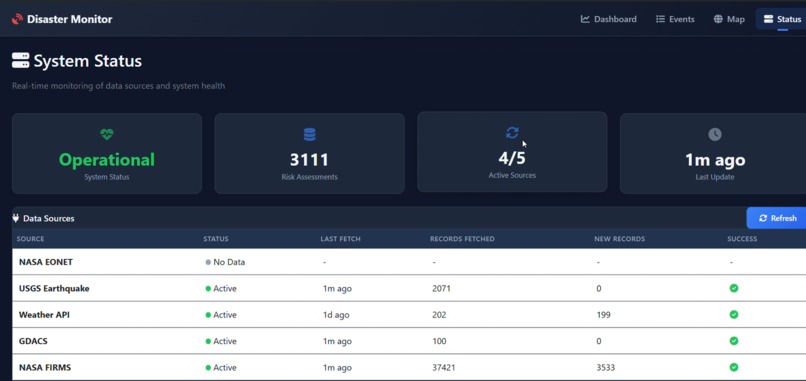
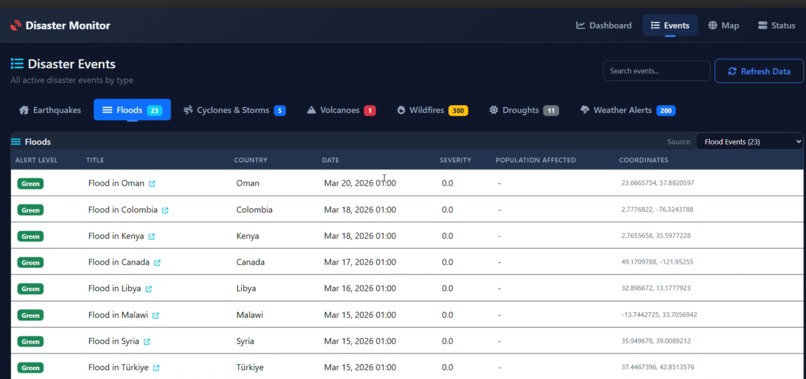
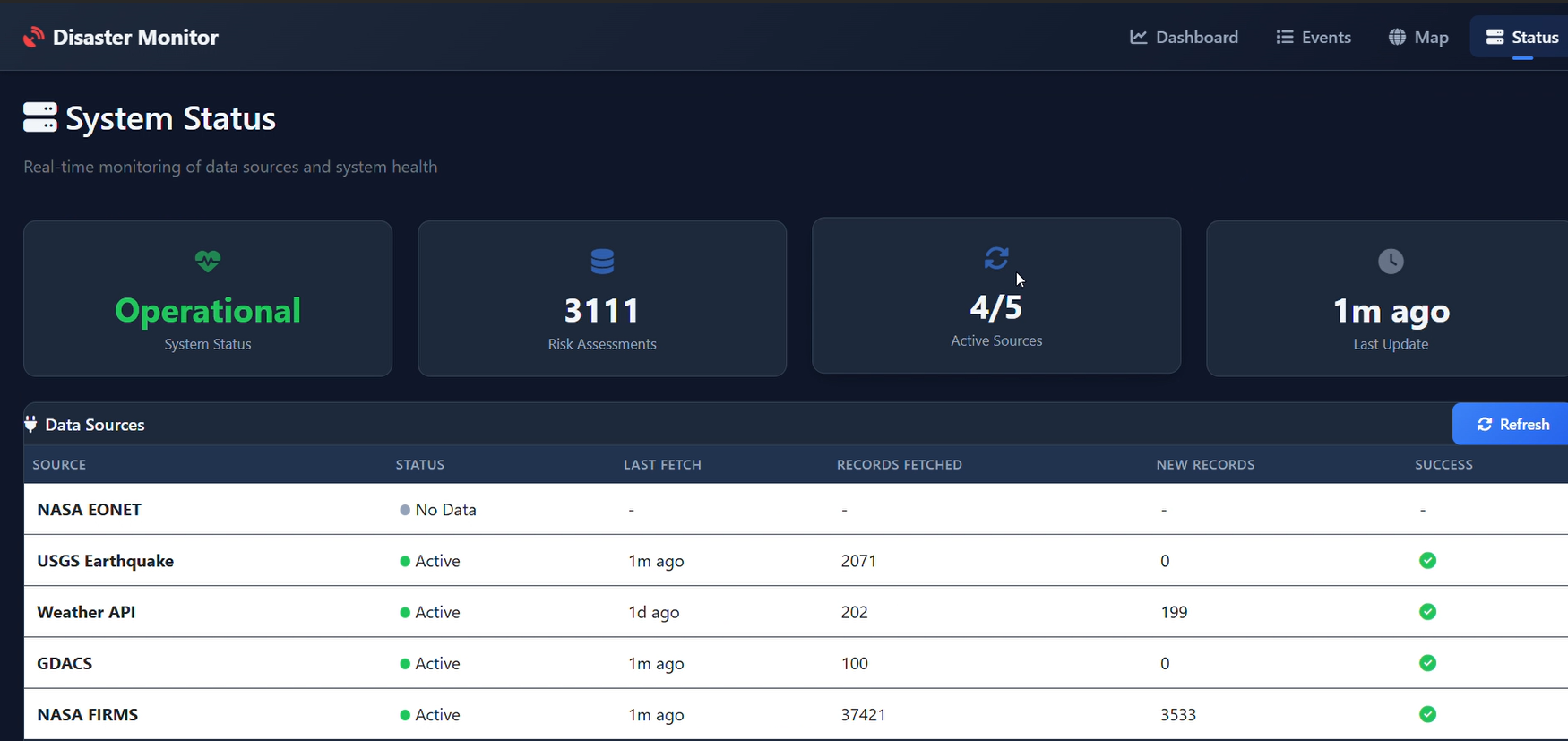
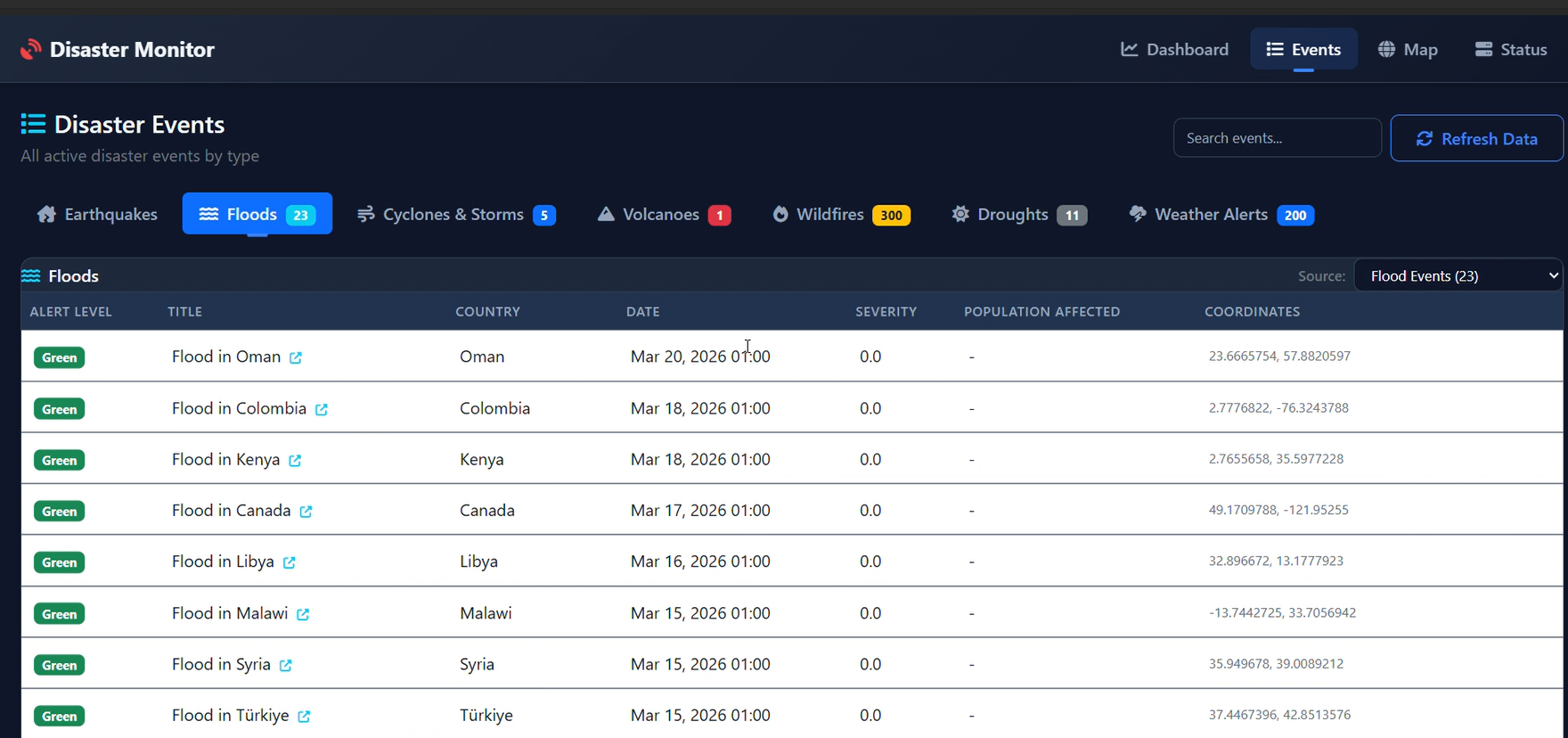
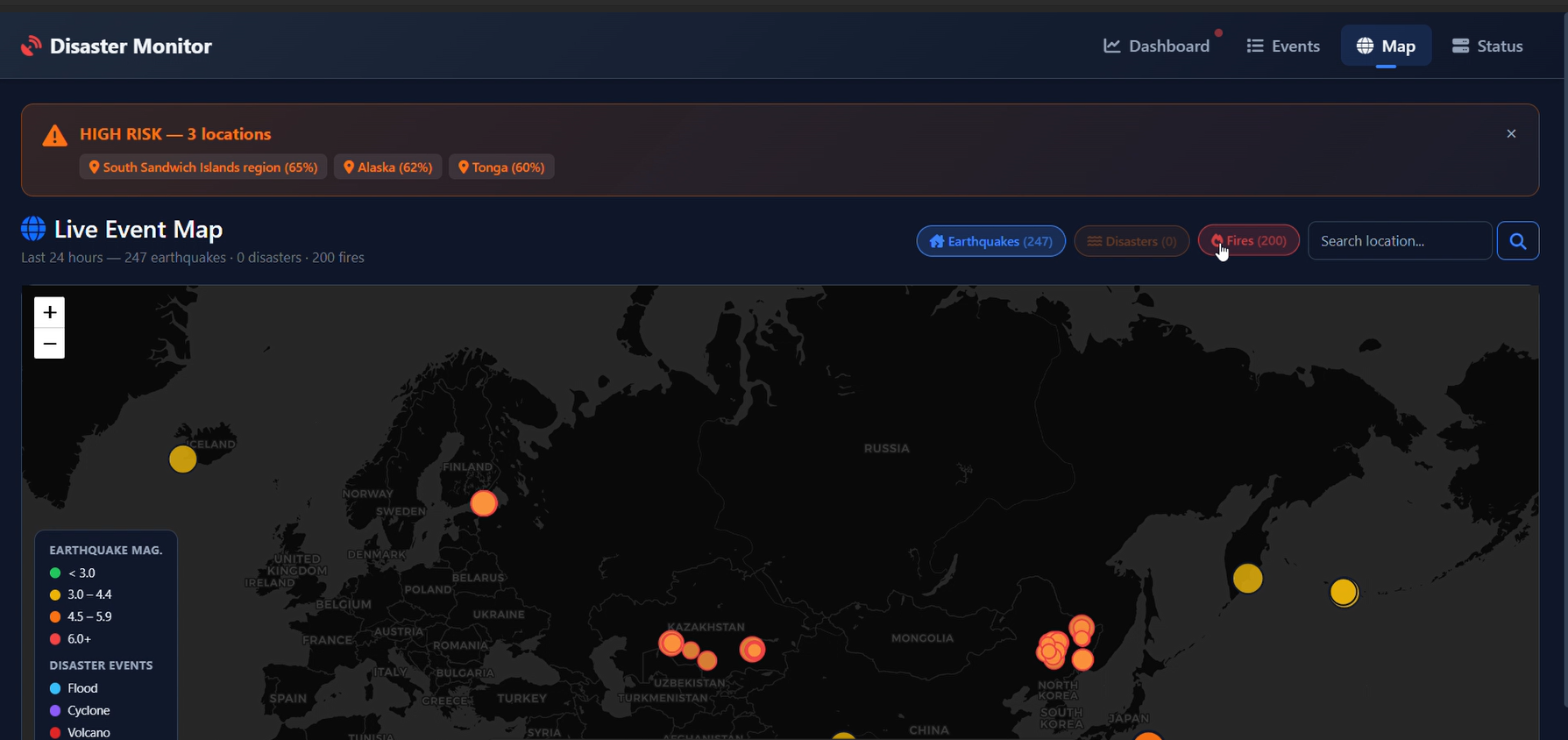
This project is a real-time disaster monitoring system that fetches data from multiple APIs such as earthquake, weather, GDACS, and NASA FIRMS. It analyzes the data, calculates risk levels, and stores it in a centralized database. The system can also trigger alerts to notify users or authorities.
How we built it
We used Django as the backend framework and PostgreSQL as the database. Multiple APIs were integrated to collect disaster-related data. A data pipeline was created to fetch and process data automatically at regular intervals. The project is deployed on Railway for global accessibility.
Challenges we ran into
- Integrating multiple APIs with different data formats
- Handling real-time data efficiently
- Automating periodic data fetching
- Deploying the system with proper database configuration
Accomplishments that we're proud of
- Successfully integrated multiple real-time disaster data sources
- Built an automated data pipeline
- Deployed a fully working cloud-based system
- Created a scalable architecture
What we learned
- Working with real-time APIs
- Backend development using Django
- Cloud deployment using Railway
- Database management with PostgreSQL
What's next for the project
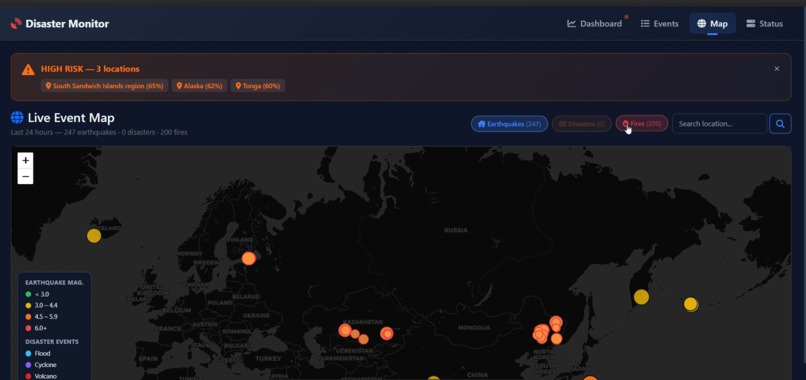
- Adding live map visualization
- Implementing nearby safe location suggestions
- Adding SMS/WhatsApp alerts
- Improving UI/UX for better user experience

Log in or sign up for Devpost to join the conversation.