-
-
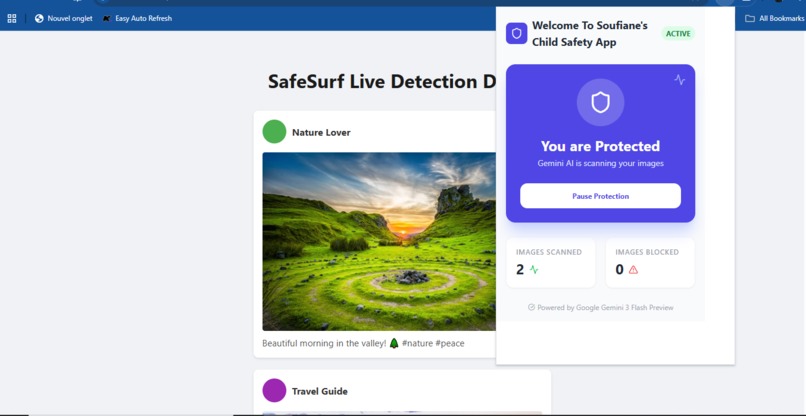
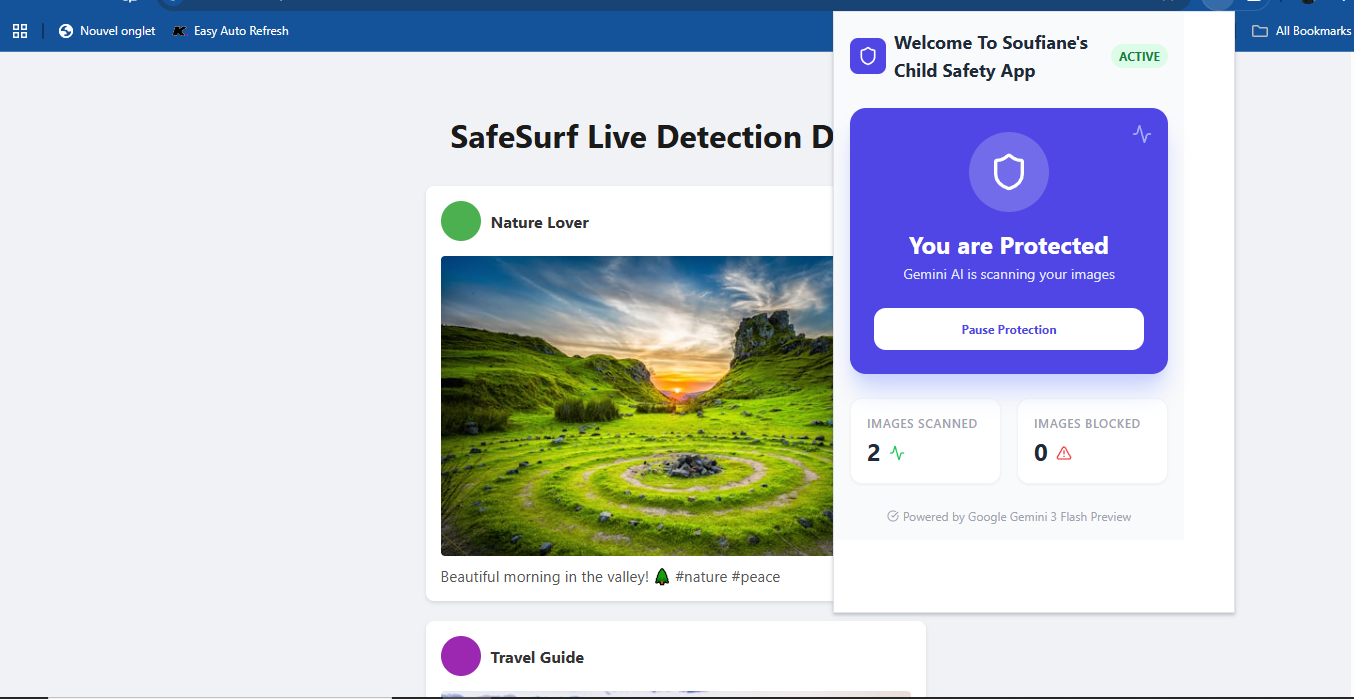
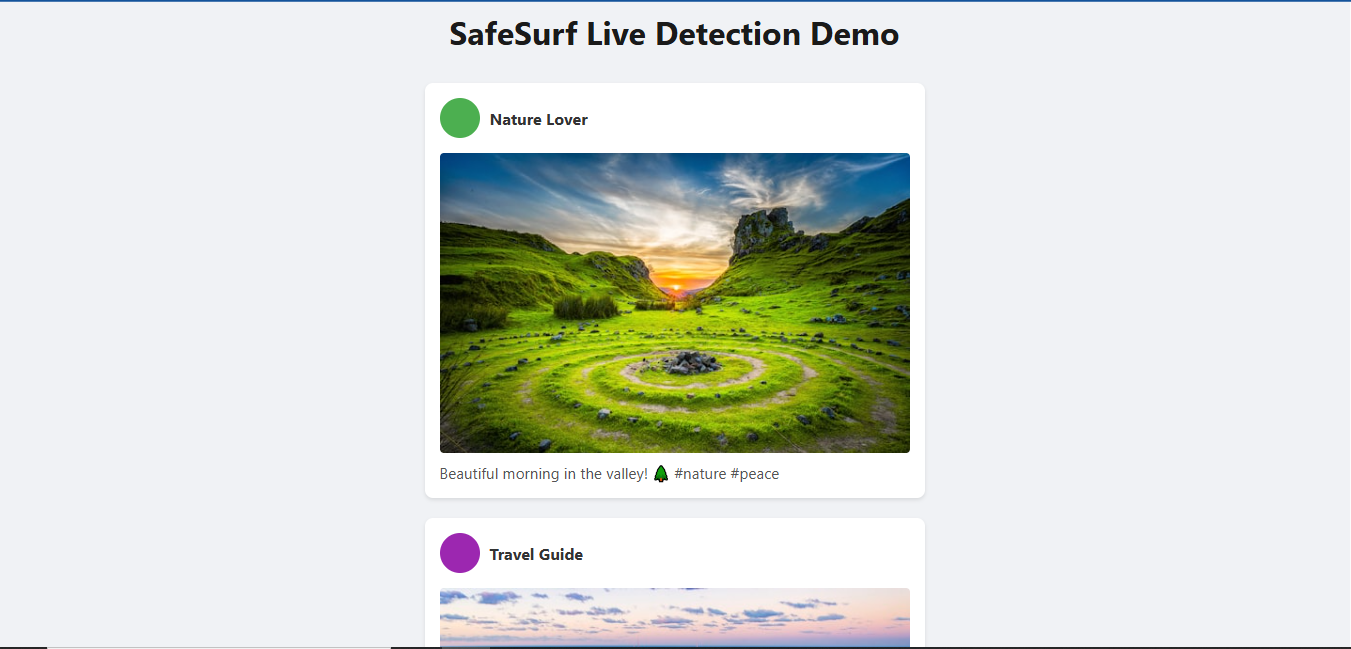
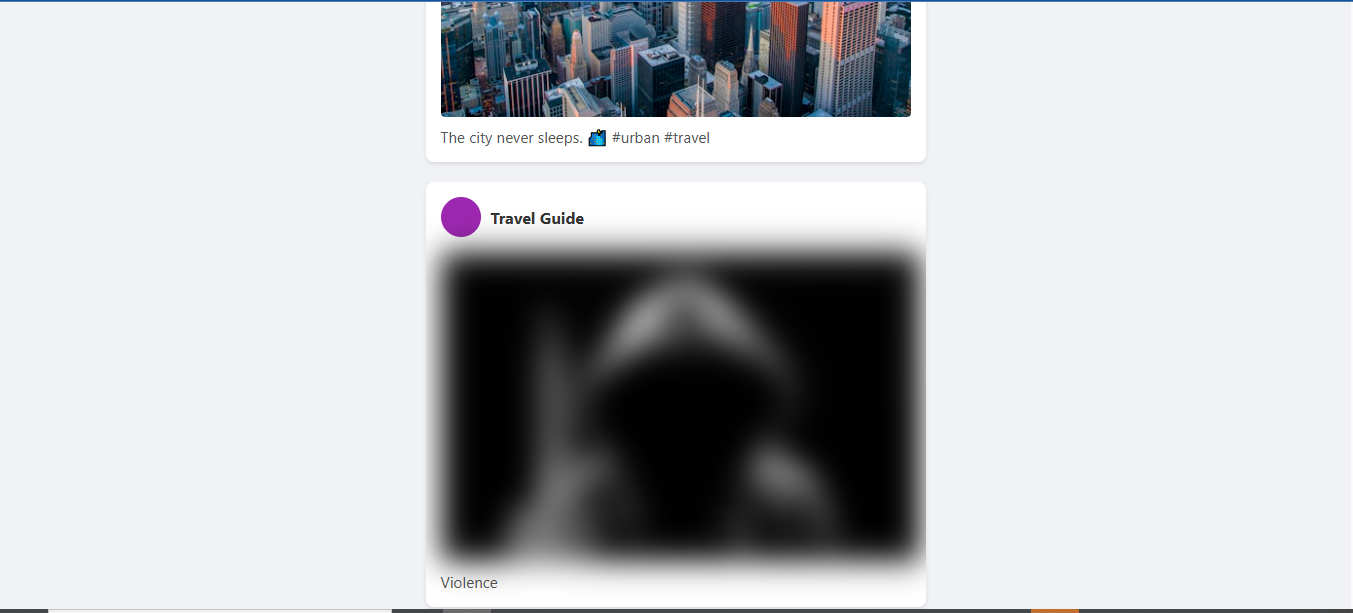
Extension User Interface
-
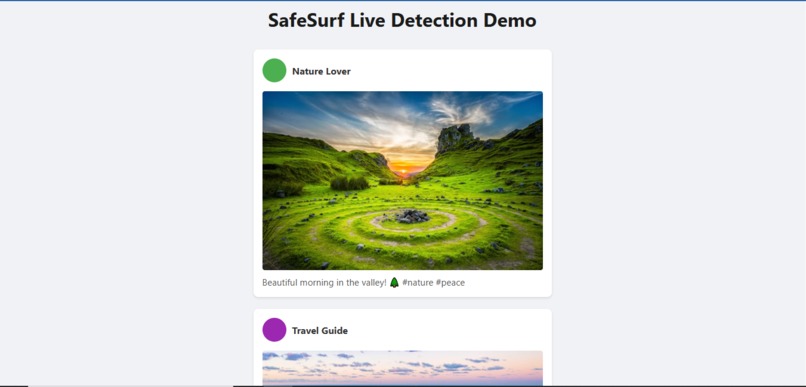
safe images
-
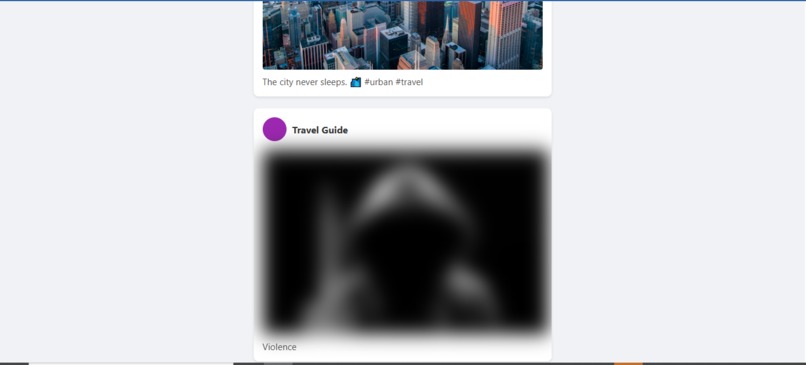
violence content detected
Inspiration
The idea for this project came from my daily experience surfing the internet, where I constantly encounter violent and explicit images. This kind of content is especially harmful for teenagers, who can easily be exposed to it without warnings or protection.
I wanted to build something useful that could help make online platforms safer by detecting sensitive content automatically and in real time.
What it does
- Analyzes images in real time to detect nudity and violent content.
- Accepts images from URLs or external sources for flexible integration.
- Uses the Gemini 3 Flash Preview API for fast and reliable image understanding.
- Automatically flags sensitive content to help protect users, especially teenagers.
- Provides a clear safety decision indicating whether content is safe or inappropriate.
- Designed to be easily integrated into web platforms, applications, and moderation systems. ## How i built it I started by integrating the Gemini API for image analysis. My goal was to classify images based on the presence of nudity or violence.
The workflow is simple:
- Collect an image URL
- Fetch and preprocess the image
- Send it to the Gemini API
- Analyze the response and flag sensitive content
In theory, this can be summarized as:
[ \text{Safety Decision} = f(\text{Image}) \rightarrow {\text{Safe}, \text{Sensitive}} ]
where the function ( f ) is powered by the Gemini vision model.
Challenges i ran into
I encountered several obstacles during development:
- Gemini 1.5 did not work as expected for my use case
- Gemini 2.5 introduced other limitations and unstable responses
- Collecting images and reading them directly from URLs caused parsing and format issues
- Handling real-time performance without delays was challenging
After multiple attempts, I finally found that Gemini 3 Flash Preview API provided the best balance of speed, stability, and vision accuracy, allowing the project to work as intended.
Accomplishments that I'am proud of
- Built a working real-time image detection system capable of identifying nudity and violent content.
- Successfully integrated the Gemini 3 Flash Preview API after overcoming limitations in earlier versions.
- Solved the challenge of fetching and analyzing images directly from URLs, enabling flexible and scalable usage.
- Designed a clear and efficient moderation workflow suitable for websites and platforms.
- Created a project focused on online safety, especially protecting teenagers from harmful visual content.
- Gained hands-on experience in API debugging, model selection, and real-time processing.
What i learned
Through this project, I learned how to:
- Work with AI vision APIs, especially Google’s Gemini models
- Handle image inputs from URLs instead of local files
- Debug API limitations and version incompatibilities
- Design a real-time content moderation workflow ## What's next for Real Time Detection Nudity And Violence Images
- Improve detection accuracy by refining prompts and classification logic.
- Expand support to video and live stream frame analysis.
- Add confidence scores and detailed content labels (e.g., mild vs extreme).
- Build a dashboard for monitoring flagged content in real time.
- Optimize performance for large-scale platforms and social networks.
- Explore ethical AI practices, transparency, and user reporting features.

Log in or sign up for Devpost to join the conversation.