Inspiration
I have no formal background in programming or game development. I had some basic Python and no real Flutter experience, but I always wanted to build a persistent online role-playing world — a real MMORPG, not a prototype. That gap between the idea and the ability to build it is exactly what this project set out to close, using Codex running on GPT-5.6 as my implementation partner.
What it does
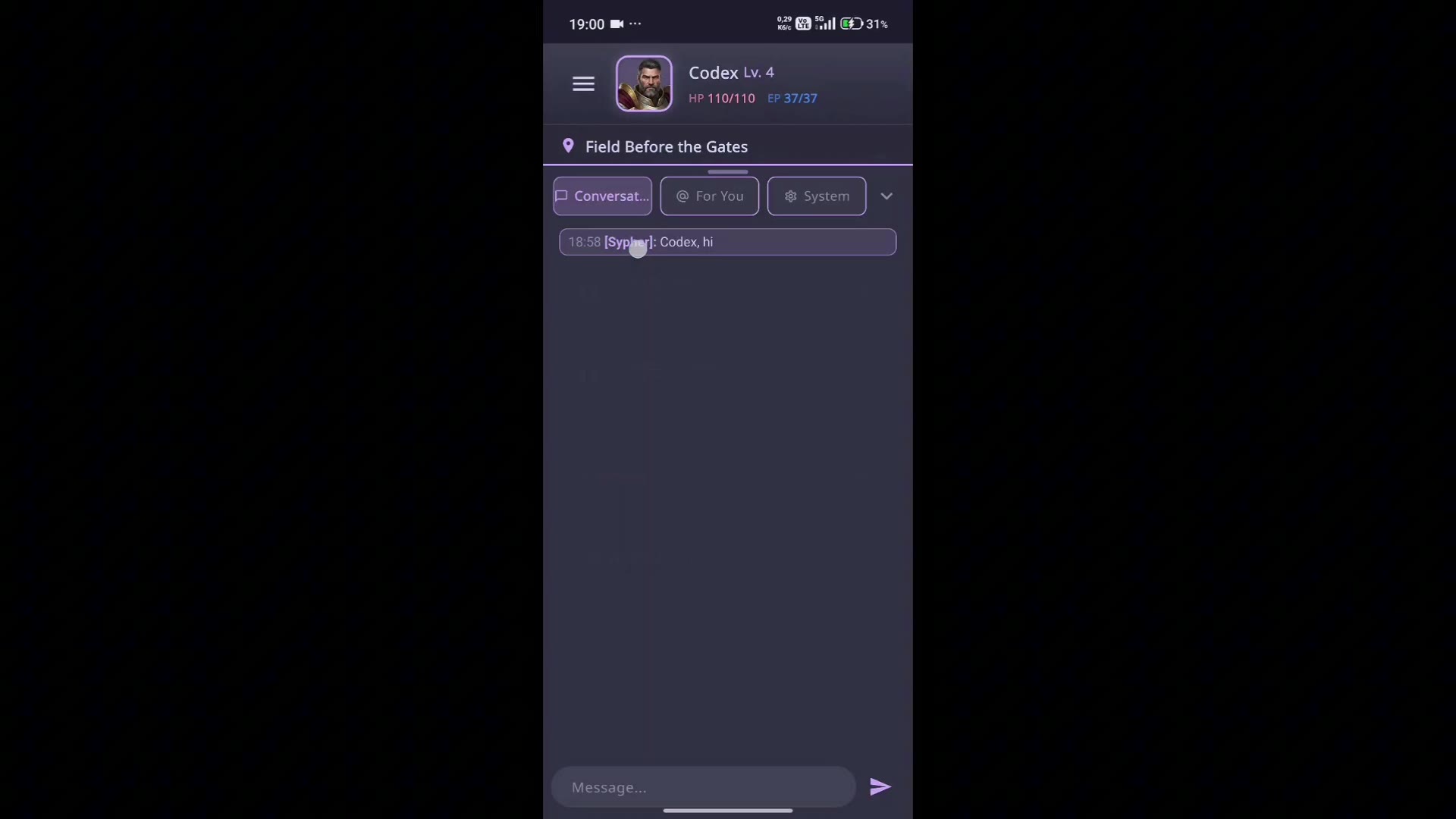
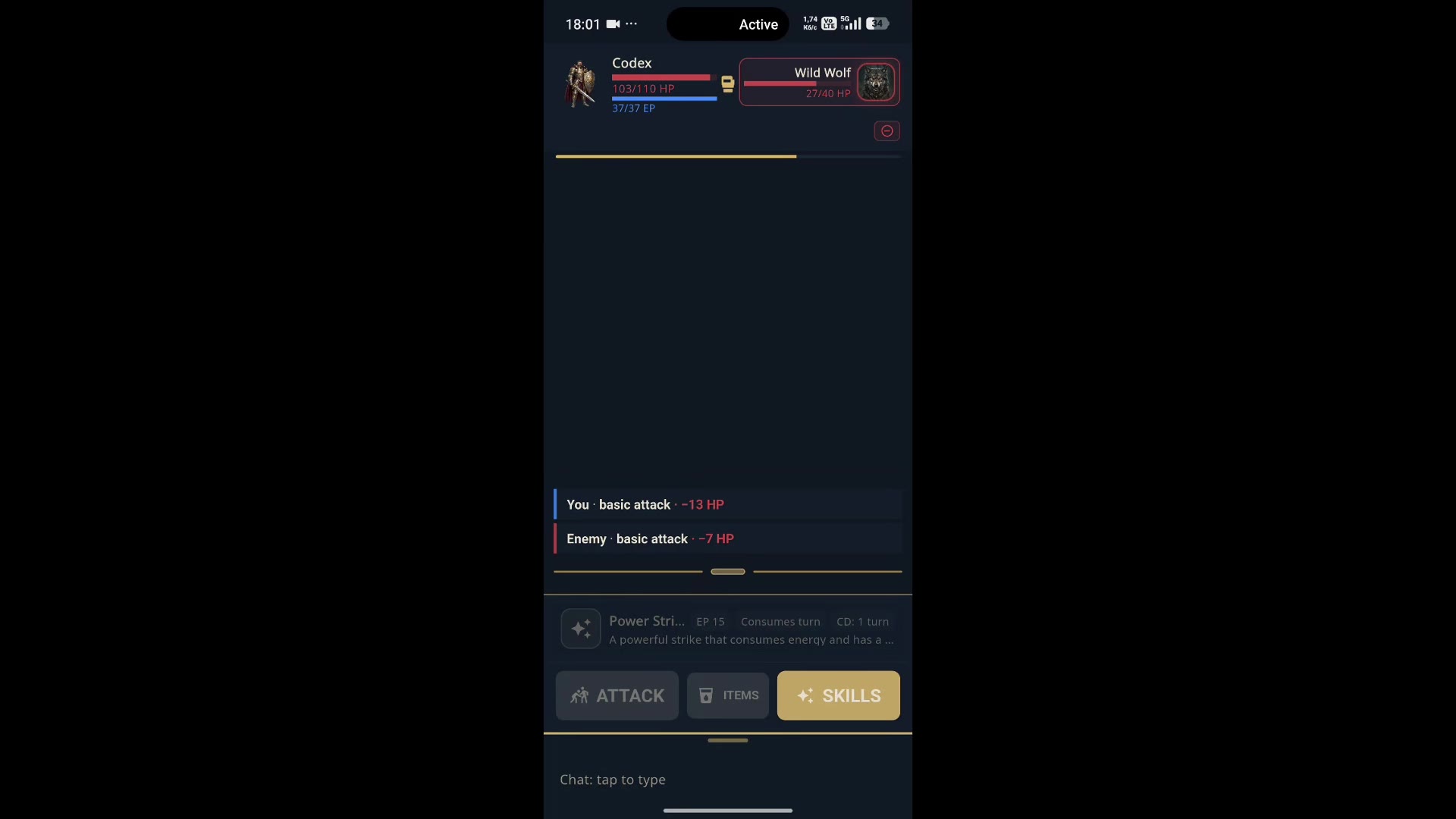
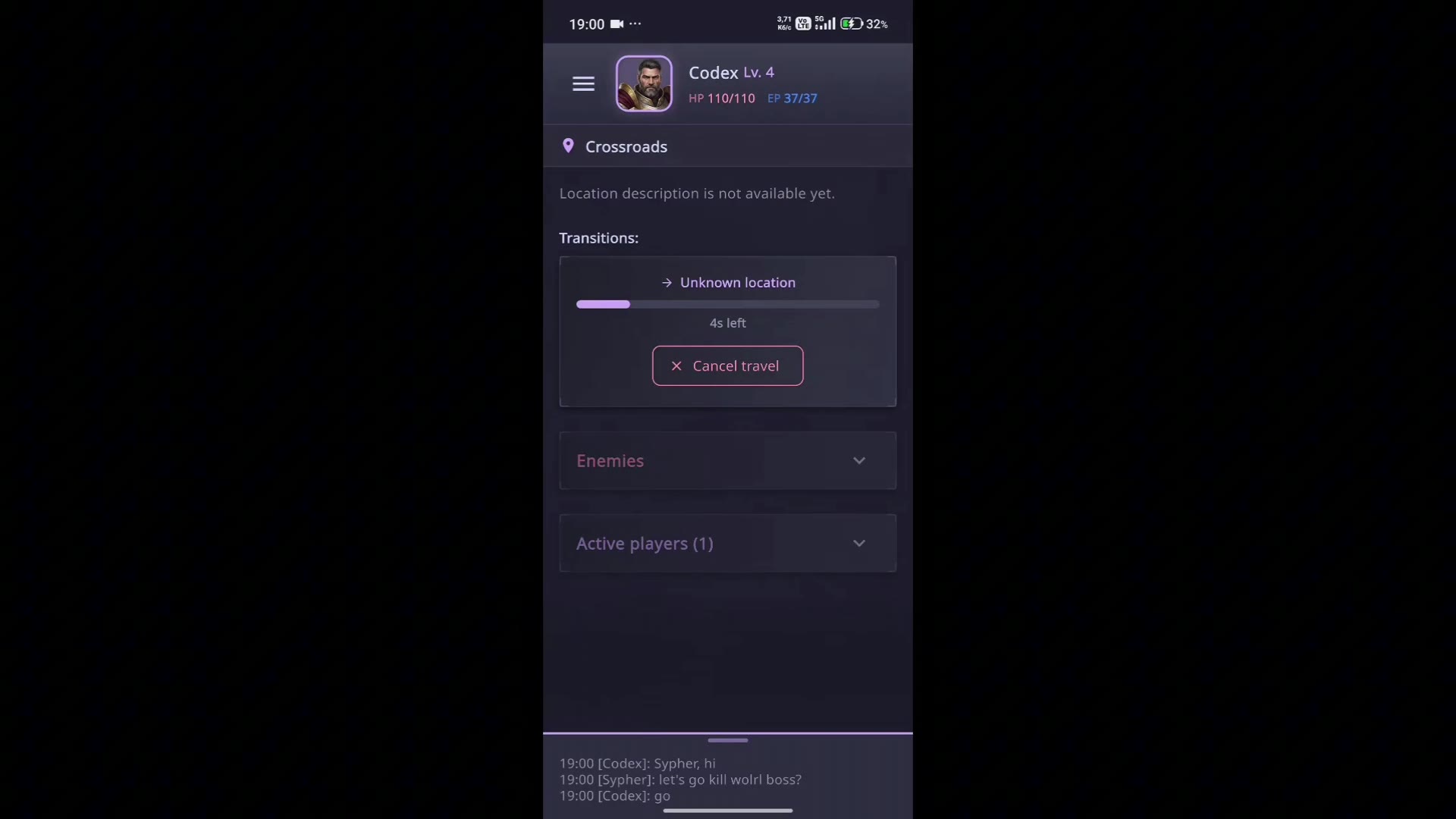
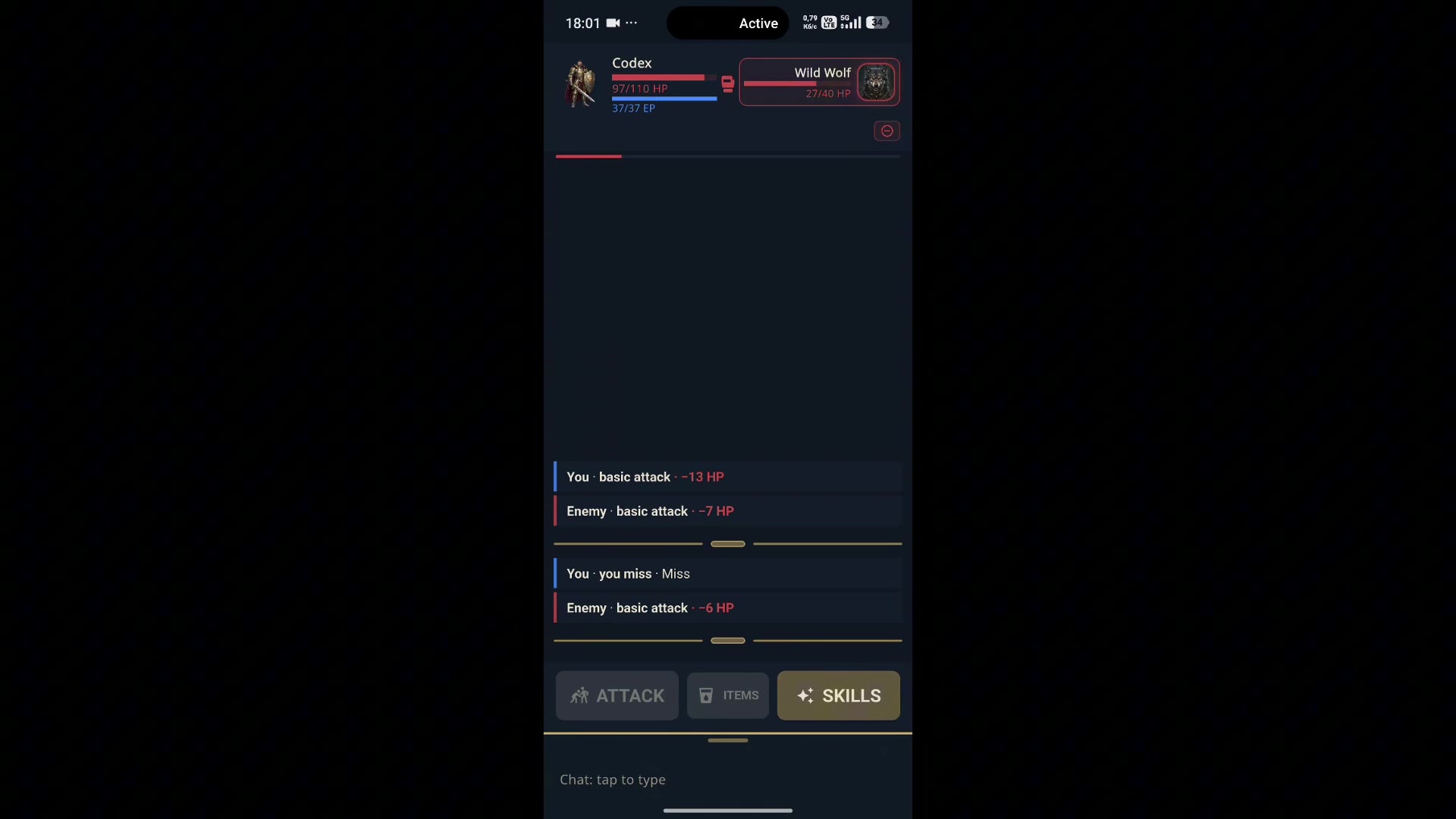
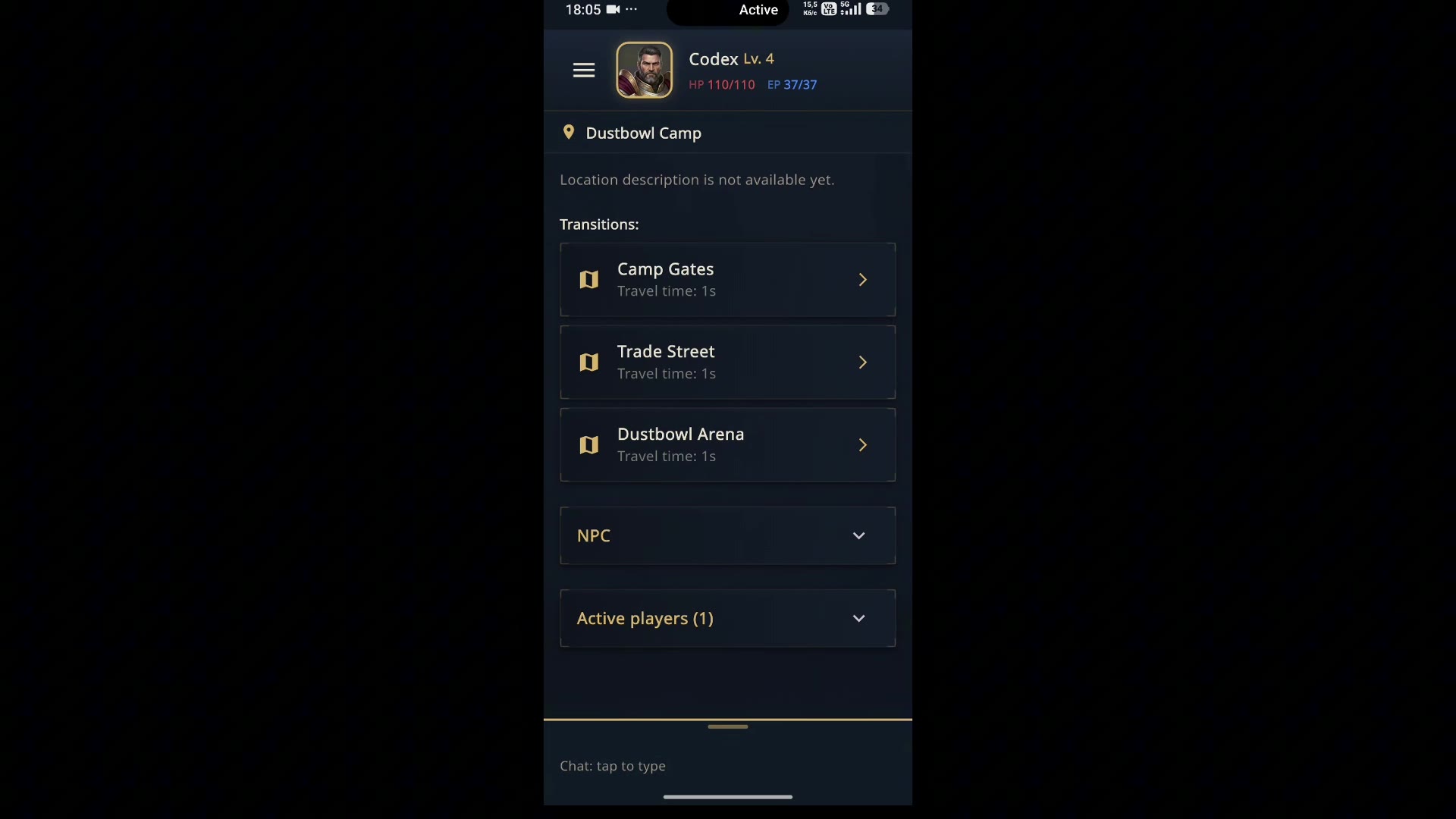
Real RPG Project is a playable text-based mobile MMORPG running on a live test server, with a separate staff/GM application for running the live service.
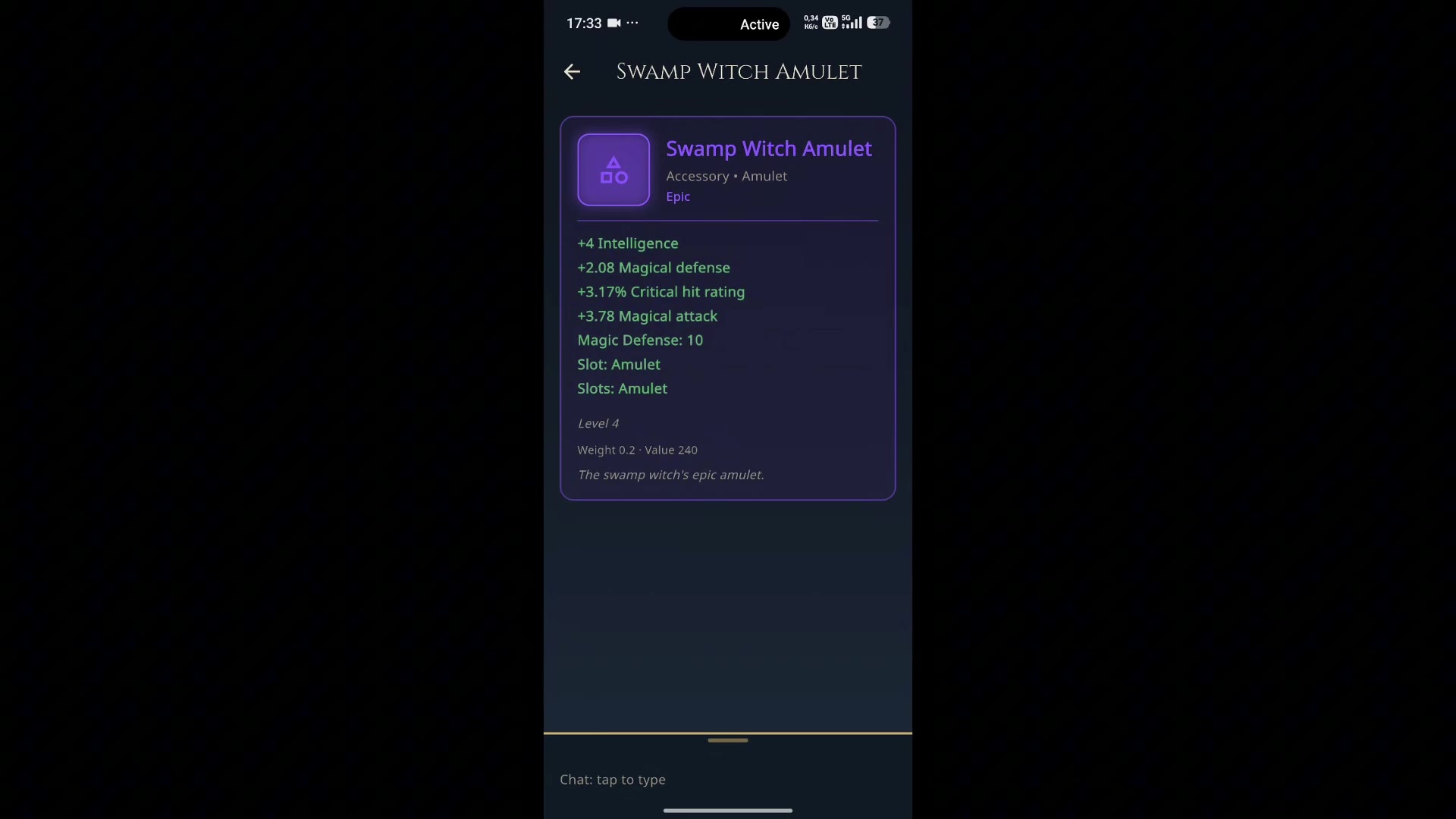
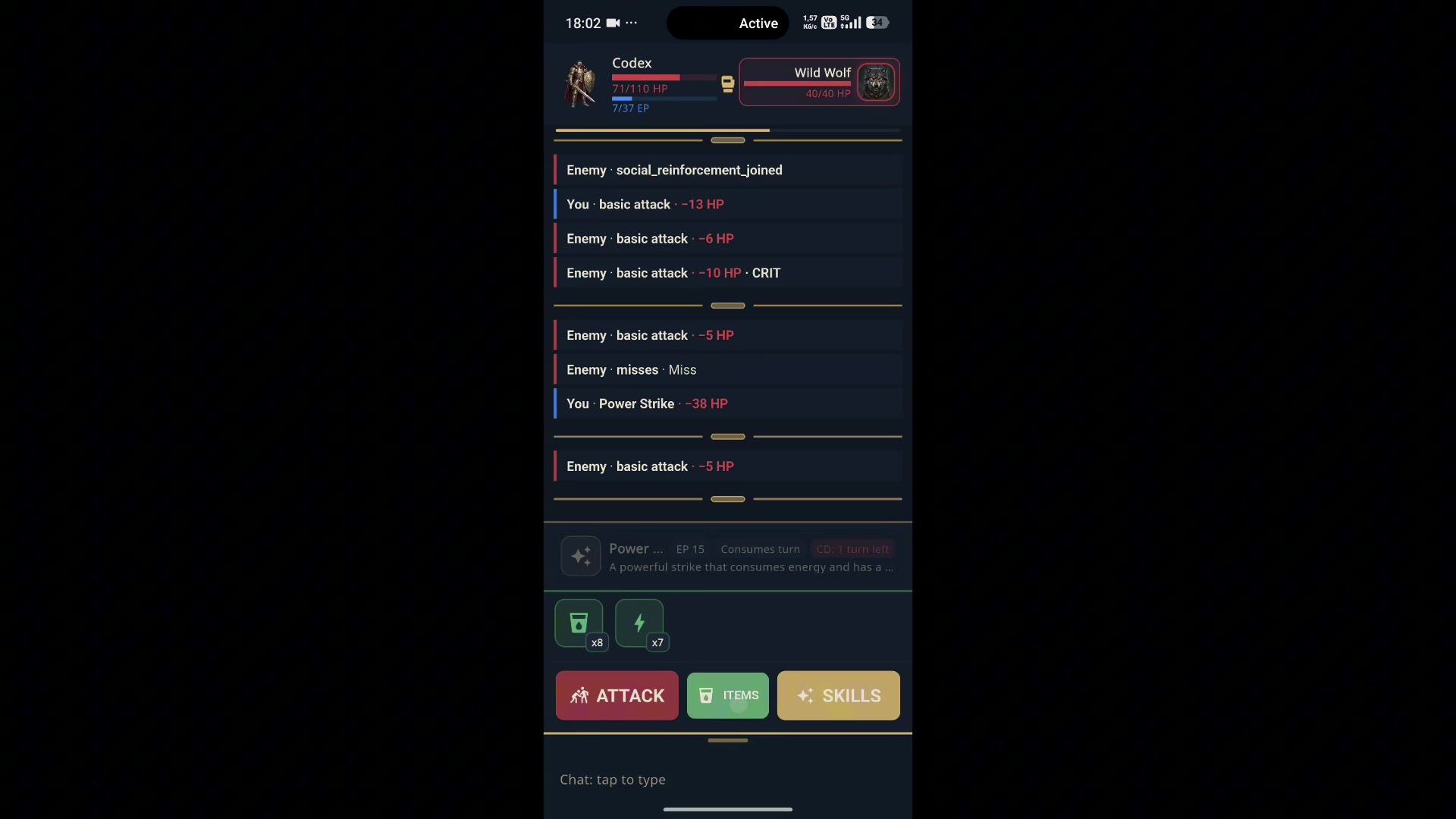
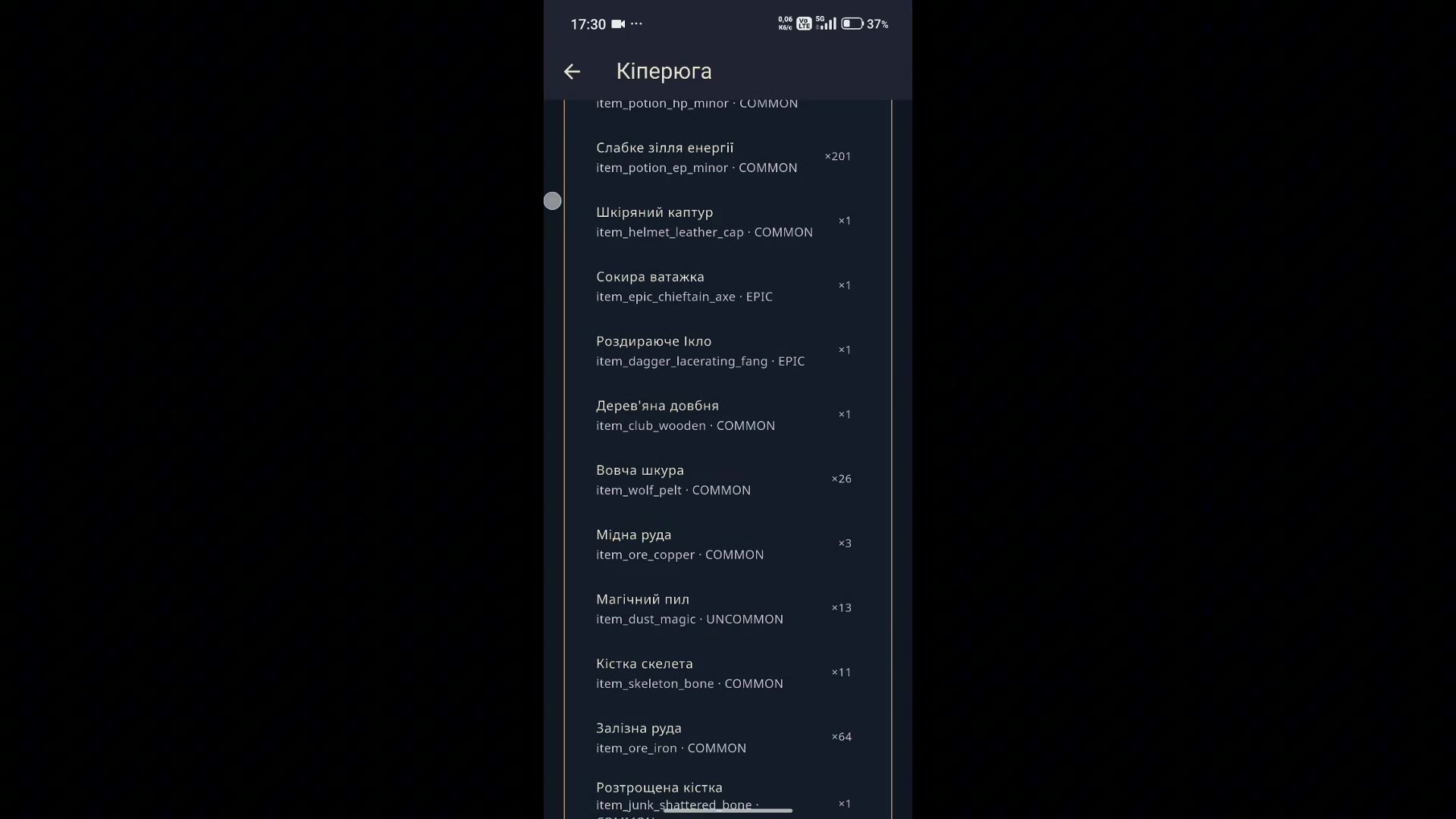
The current build includes character progression, world exploration with fog-of-war discovery, solo combat with multiple independent enemies, social monster reinforcements (monsters that call others of their species into a fight), persistent world-boss events shared between connected players, randomized equipment with rarity and affixes, storage, a bank, a player-driven auction house that shows real item stats before purchase, and real-time chat.
It also includes early support for party combat, PvP, guilds, dungeons, and crafting — systems that exist and run, but are still being expanded and verified, and I say that directly rather than overstate where the project actually is.
Behind the player app is a permission-gated staff application for managing players, content, currencies, moderation, and live operations.
How we built it
The working pattern: I describe a mechanic or a bug in plain language, and Codex investigates the actual codebase, finds the real architectural blocker, designs a solution, and implements it across the FastAPI backend, the Flutter client, database migrations, API contracts, and automated tests — then verifies it against the project's own test suites before it reaches the shared test environment.
Concrete example: I asked for monsters that could call others of their species into an ongoing fight. Codex found that the entire combat data model assumed a fight could only ever have one monster in it, redesigned it into a list of independent combatants with their own health and targeting, and implemented the change across the engine, persistence, API, and tests.
Codex Session ID for the core functionality thread: 019f5653-b933-7153-b795-e38baadbdbbc.
Challenges we ran into
Coordinating a shared Git repository between AI agents without stepping on each other's work was a real, recurring problem — at one point another agent's local commit accidentally swept up in-progress changes; the conflict was caught, named explicitly, fixed under my direction, and re-verified against the full regression suite before continuing. Keeping seed-pipeline redeploys from silently overwriting my own live content edits was another concrete architectural problem that needed a real fix (a dedicated admin_overrides table), not a workaround.
Accomplishments that we're proud of
A real, running, testable MMORPG alpha — not a tech demo — built by one person with no formal programming background, directing AI agents under a disciplined engineering workflow: tests before merge, documented bugs kept public (not hidden), and an honest distinction between what's solid and what's still alpha.
What we learned
That the bottleneck in building software alone was never the idea — it was the implementation gap. Directing an AI agent well means describing the actual problem precisely, verifying its output against real tests and a real running server, and never accepting a change without understanding what it did and why.
What's next
Bringing party combat, PvP, guilds, dungeons, and crafting from "early support" to fully verified systems, and continuing to expand world content on top of the same combat and economy foundation.
Built With
- alembic
- android
- dart
- docker
- fastapi
- flutter
- google-sign-in
- gpt-5.6
- jwt
- nginx
- openai-codex
- postgresql
- python
- redis
- riverpod
- sqlalchemy
- websocket

Log in or sign up for Devpost to join the conversation.