Inspiration
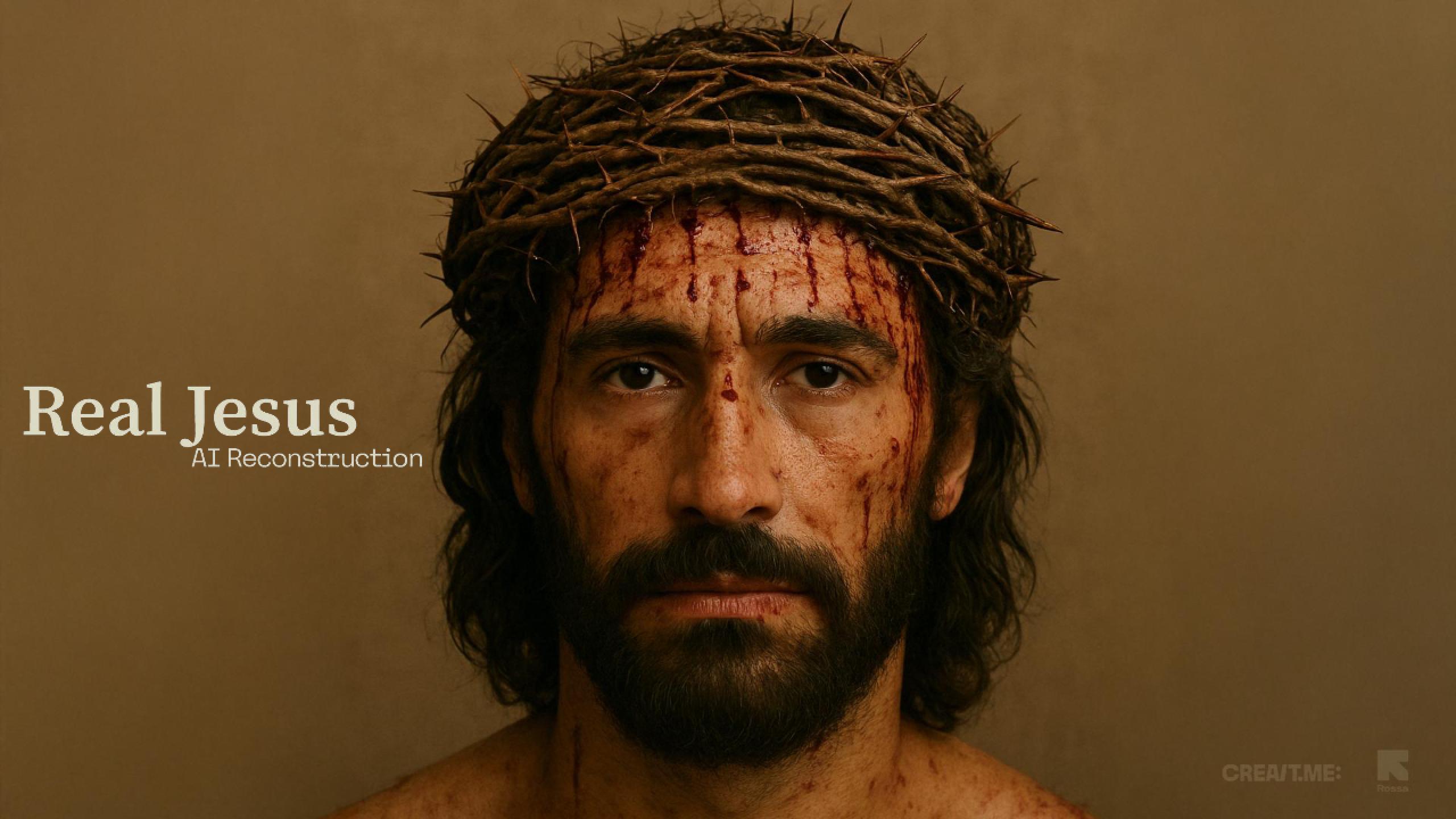
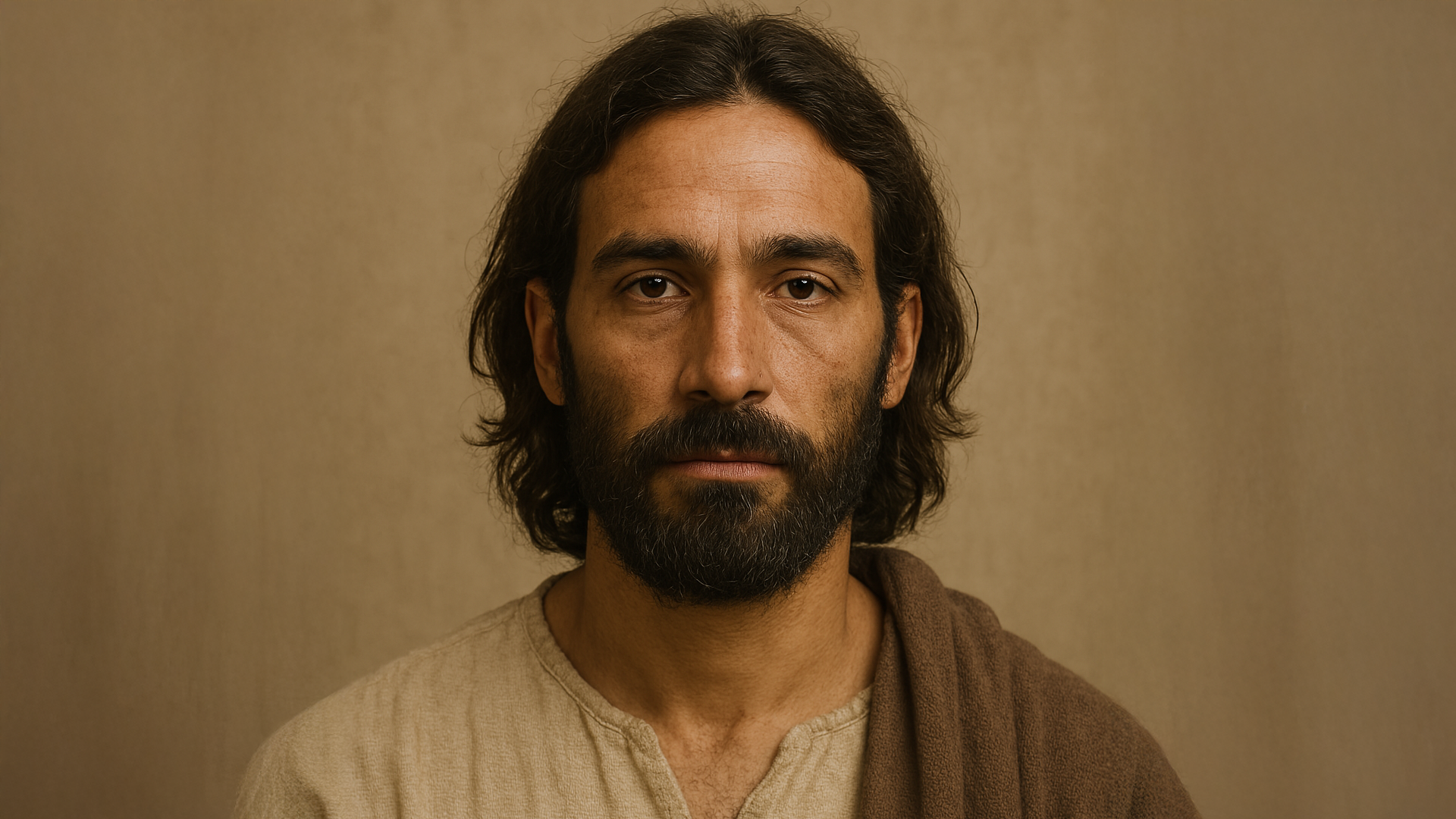
The project was inspired by a simple question: What would Jesus look like if we removed centuries of artistic interpretation and returned to the one physical trace we have — the Shroud of Turin? Instead of repeating established iconography, the goal was to use AI to rebuild a human face shaped by history, anthropology, pain, and dignity. Real, unidealized, unromanticized. A meeting with a person, not a symbol.
What it does
“Real Jesus – AI Reconstruction” creates a hyperrealistic, fully human portrayal of the man from the Shroud of Turin using generative AI, anthropological data, and historical references. The project transforms a religious icon into a lifelike digital human, bridging art, science, and technology. It offers a new way of seeing a figure known primarily through mythology and culture.
How we built it
I combined multiple layers of data and AI processes:
- Detailed facial proportion mapping based directly on the Shroud.
- Anthropological modeling of Semitic features from 1st-century Judea.
- AI-driven texturing, lighting and micro-expression design for realism.
- Generative models for skin fidelity, hair structure, and environmental integration.
- Film-grade color grading and post-production to achieve a cinematic, documentary feel.
- The workflow merged anthropological accuracy with artistic sensitivity. ## Challenges we ran into
- Avoiding idealized or culturally biased interpretations present in centuries of art.
- Translating extremely subtle Shroud facial data into convincing 3D-like depth.
- Balancing historical realism with the emotional weight of the subject matter.
- Ensuring the image remained respectful, non-sensational, and grounded in research.
- Managing model hallucinations and over-stylization typical in generative tools. ## Accomplishments that we're proud of
- Creating one of the most realistic AI reconstructions of the Shroud face to date.
- Building a visual bridge between science, faith, culture, and technology.
- Presenting a version of Jesus that feels deeply human — vulnerable, believable, and historically grounded.
- Developing a workflow that may be applied to other historical or archaeological reconstructions. ## What we learned
- AI can reveal new artistic and anthropological insights when used with discipline and humility.
- Historical reconstructions require constant negotiation between data and interpretation.
- The power of generative AI lies not only in aesthetics but in its ability to challenge cultural assumptions.
- People respond strongly to authenticity — even when it is digitally reconstructed. ## What's next for Real Jesus - AI Reconstruction
- Expanding the project into a short AI documentary combining image, narration, and historical context.
- Creating a multi-stage reconstruction: face, body, clothing, environment.
- Exploring a museum-ready installation with life-size projections and immersive sound.
- Developing an educational version for schools, universities, and cultural institutions.
- Potentially reconstructing other historical figures using a similar methodology.
Built With
- english

Log in or sign up for Devpost to join the conversation.