-
-
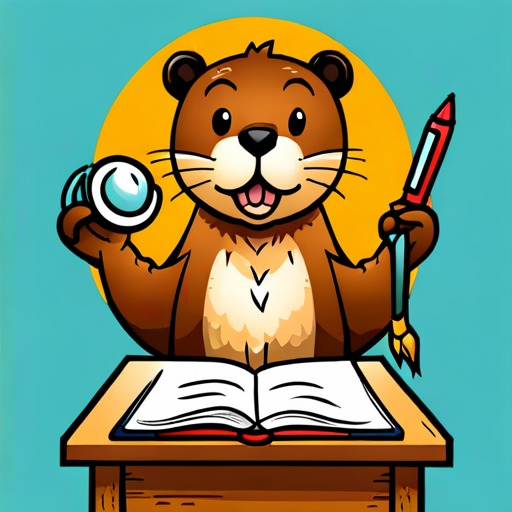
App Mascot - Otto the Otter

Inspiration
In developing the ReaderBuddy app, I was inspired by the crucial role of reading in childhood education, particularly as a parent of a 5-year-old girl with another little one on the way. Childhood literacy is the bedrock on which a child's future learning, communication, and socializing are built upon. Recognizing the challenges many parents face in accessing children's books and catering to their children's voracious appetite for stories, I conceived the idea of leveraging generative AI to democratize storytelling. The vision was to create a platform that would provide parents with access to captivating tales that resonate with their child's imagination, anytime and anywhere. Drawing from the advancements in large language models (LLMs) and the accessibility of AI technologies through platforms like Amazon PartyRock, I set out to democratize learning by making reading material more accessible to all. Throughout the project, I learned the intricacies of AI implementation and user-centered design, ensuring the app's usability and effectiveness in promoting early childhood literacy. Despite facing challenges in fine-tuning the prompts and optimizing the app's performance, the journey reaffirmed my commitment to leveraging technology for the betterment of education and fostering a lifelong love for reading in children.
What it does
In my envisioned usage, the parent assists the child in inputting story ideas and the name of the main character into the app. Utilizing these inputs, the app then generates a personalized story along with accompanying illustrations, fostering a collaborative storytelling experience that immerses both parent and child in the child's imaginative world. Upon reaching the end of the story, the app prompts the parent with comprehension questions, which they can help verbalize and input the child's answers. By providing feedback on the child's responses, the app supports the development of their comprehension skills. Targeting 7-year-olds or Grade 1 students, the ReaderBuddy app aims to enhance literacy engagement and comprehension in young readers while strengthening the bond between parent and child through the magic of storytelling.
How I built it
I built it using Amazon PartyRock!
Challenges I ran into
In the development of the ReaderBuddy app, I encountered challenges in two key areas:
1) Feedback Accuracy: Ensuring the feedback to comprehension questions was consistently accurate required fine-tuning of prompts to align with desired behavior.
2) Content and Illustration Safety: I also needed to ensure that prompts led to child-safe content and illustrations, necessitating careful monitoring and adjustment of content filtering mechanisms and guidelines.
Accomplishments that we're proud of
It's not a perfect product, but I hope it's a usable one. I will be happy if it could bring a smile to a child and his or her parent.
What I learned
In developing the app, I found the Amazon PartyRock platform remarkably intuitive and user-friendly. The process allowed me to refine my prompt engineering skills and heightened my awareness of user-centric design principles.
What's next for ReaderBuddy - Stories and Questions for Kids
Moving forward, I see ReaderBuddy as an iterative process. My goal is to continually improve it, making it even more useful for children and parents alike. I'm committed to enhancing its features and expanding its capabilities to ensure it remains a valuable tool in fostering children's love for reading and learning.
Built With
- partyrock

Log in or sign up for Devpost to join the conversation.