

Inspiration
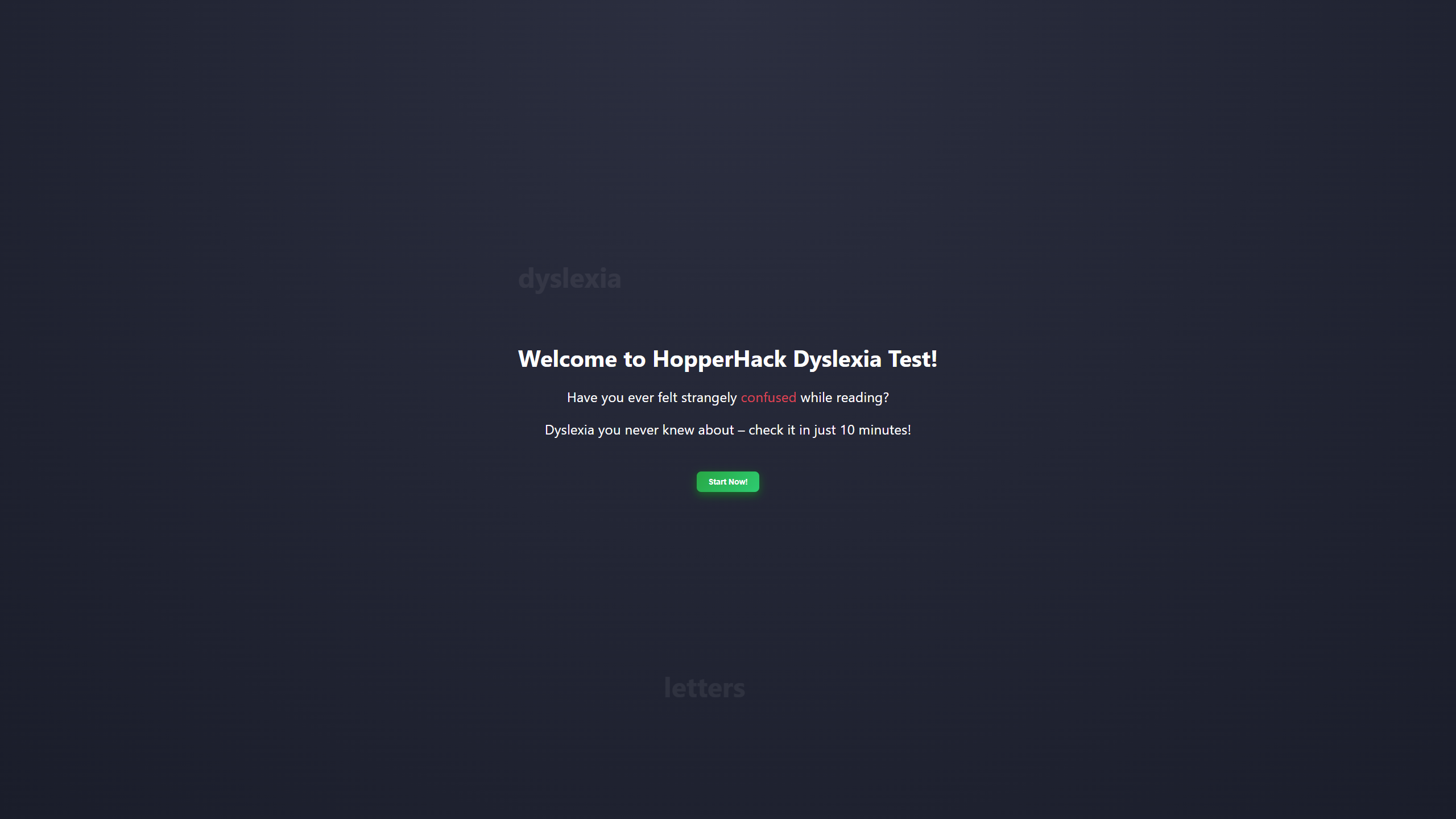
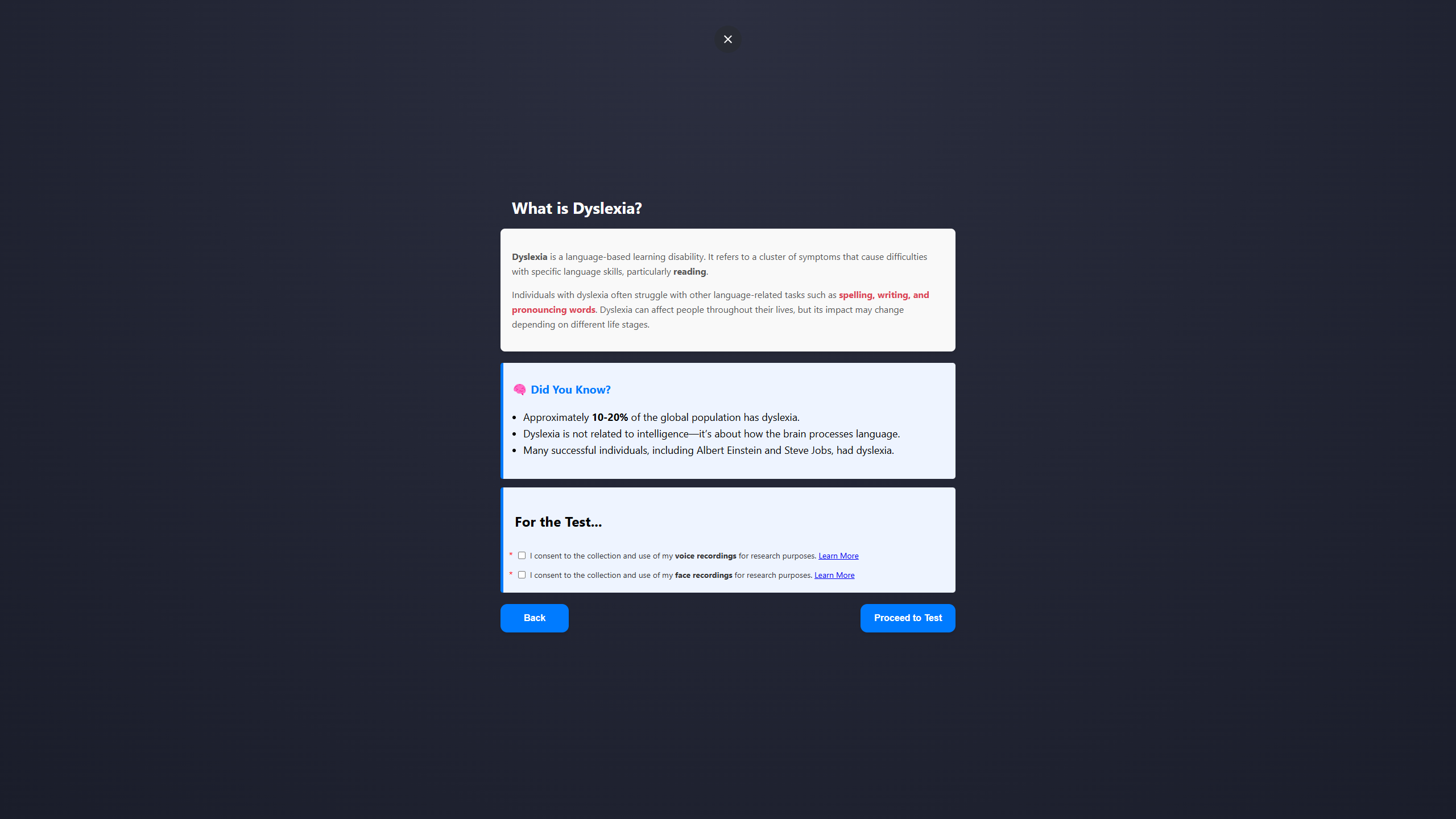
Reading is an essential skill for everyone, yet many individuals struggle due to dyslexia. Traditional dyslexia assessments are often expensive, time-consuming, and inaccessible. Early diagnosis is particularly challenging, leaving many undiagnosed individuals to face persistent difficulties in learning and daily life. To address this issue, we set out to create a fast, efficient, and easily accessible dyslexia detection tool.
How we built it
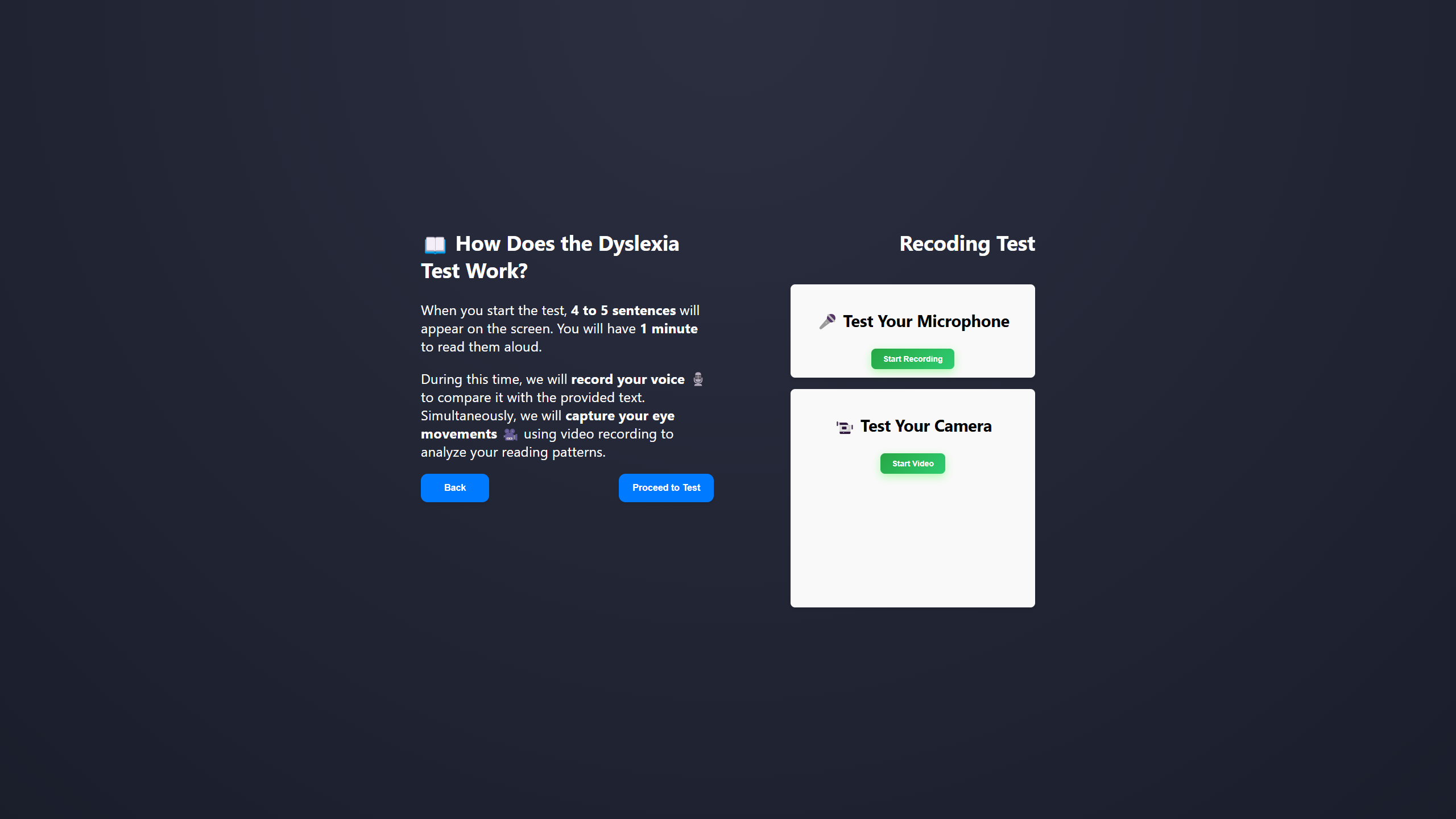
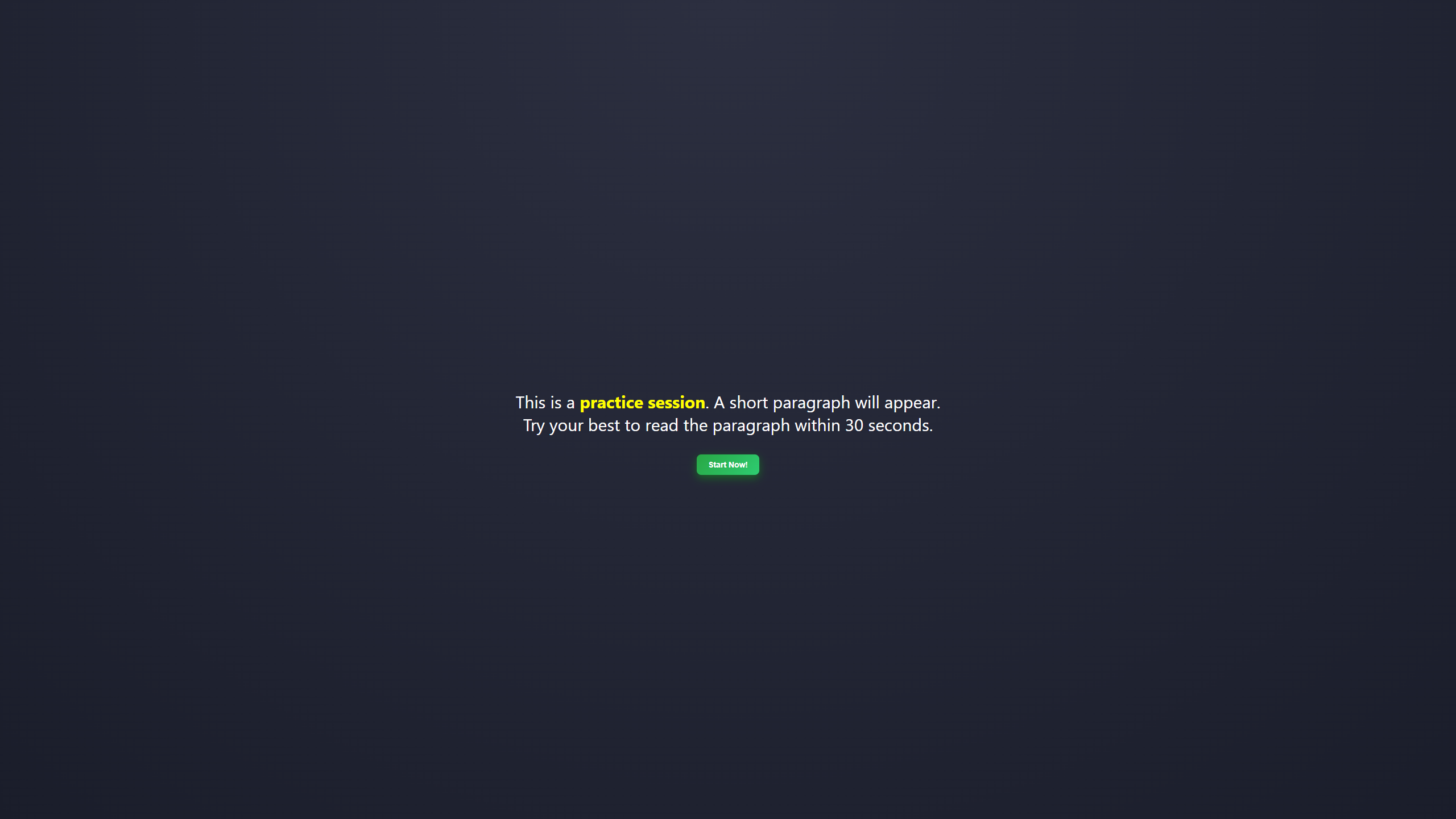
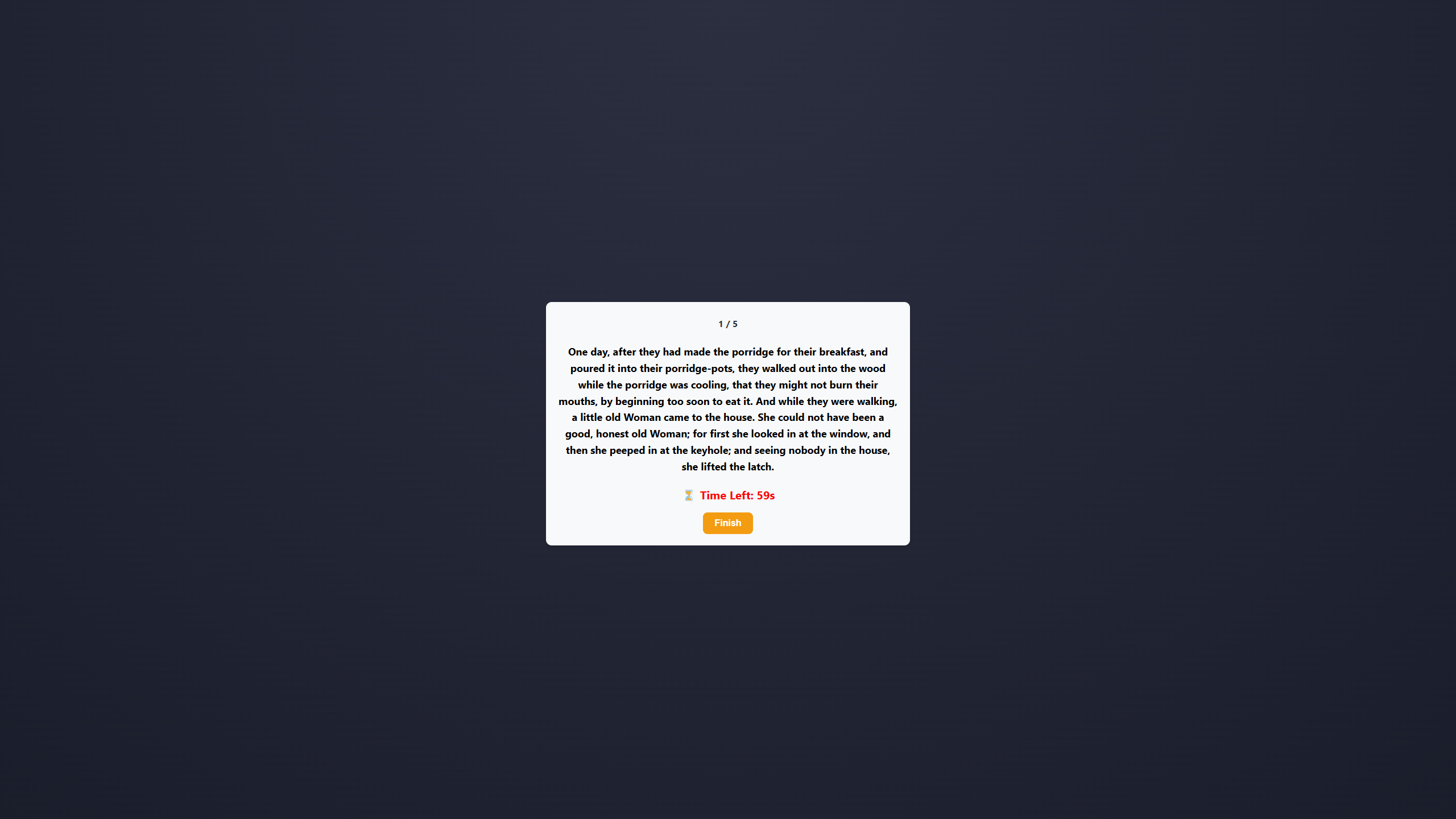
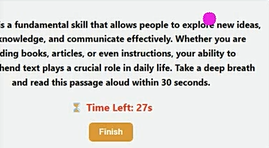
This project combines Speech-to-Text (STT) technology and deep learning-based Object Detection to assess users' reading patterns. Users read a passage displayed on the screen while the system records their speech in real-time to analyze pronunciation accuracy and simultaneously tracks facial and reading behaviors using an Object Detection model. We developed the frontend using React, processed speech and video data with Python, and optimized our analysis using STT models and deep learning-based Object Detection techniques.
Challenges we ran into
One of the most difficult challenges was adjusting the STT model to accurately detect dyslexia-related speech patterns. Standard speech recognition models simply convert speech into text, but our approach required analyzing reading errors and pronunciation inconsistencies. To achieve this, we developed a custom STT model trained on dyslexia-specific reading patterns.
Another challenge was optimizing the deep learning-based Object Detection model. Detecting users' facial and reading behaviors accurately required a large dataset and extensive fine-tuning. We had to ensure the model remained robust against variations in camera angles and lighting conditions. Additionally, real-time analysis demanded careful consideration of network speed, data processing efficiency, and latency reduction, which we tackled through multiple rounds of testing and optimization.
What we learned
Throughout this process, we gained hands-on experience in real-time media processing and the challenges of improving STT model accuracy for dyslexia detection. Additionally, we learned a great deal about optimizing deep learning-based Object Detection models for real-world environments. We discovered that factors such as lighting conditions, camera resolution, and user distance significantly impact detection accuracy, highlighting the importance of model optimization and data preprocessing.
What's next for Readability
By integrating AI, Speech-to-Text (STT), and deep learning-based Object Detection, we have created a tool that facilitates early dyslexia detection. As this technology evolves, we believe it will enable more individuals to identify dyslexia earlier and receive the necessary support. Our ultimate goal is to create an inclusive environment where everyone can read and learn with ease, and we are committed to further advancing this technology to achieve that vision.

Log in or sign up for Devpost to join the conversation.