Inspiration
In our collective experience, one of the most predominant challenges we faced when entering the STEM field lay in our own perception of what STEM consists of and how it links to our world. Many women today lack explicit STEM exposure while growing up, due to their culture, family background, social environment, etc. As a result, STEM and STEM careers become a far-fetched, distant idea that are not even considered as a possibility. As 1A students, our most pleasant surprise was discovering the wide array of engineering applications in our lives - we had not fully noticed the breadth of STEM’s impact on society. Therefore, we aim to develop an app to bridge the gap between the world of STEM and the world of common interest, for the women who have yet to experience its wonders.
What it does
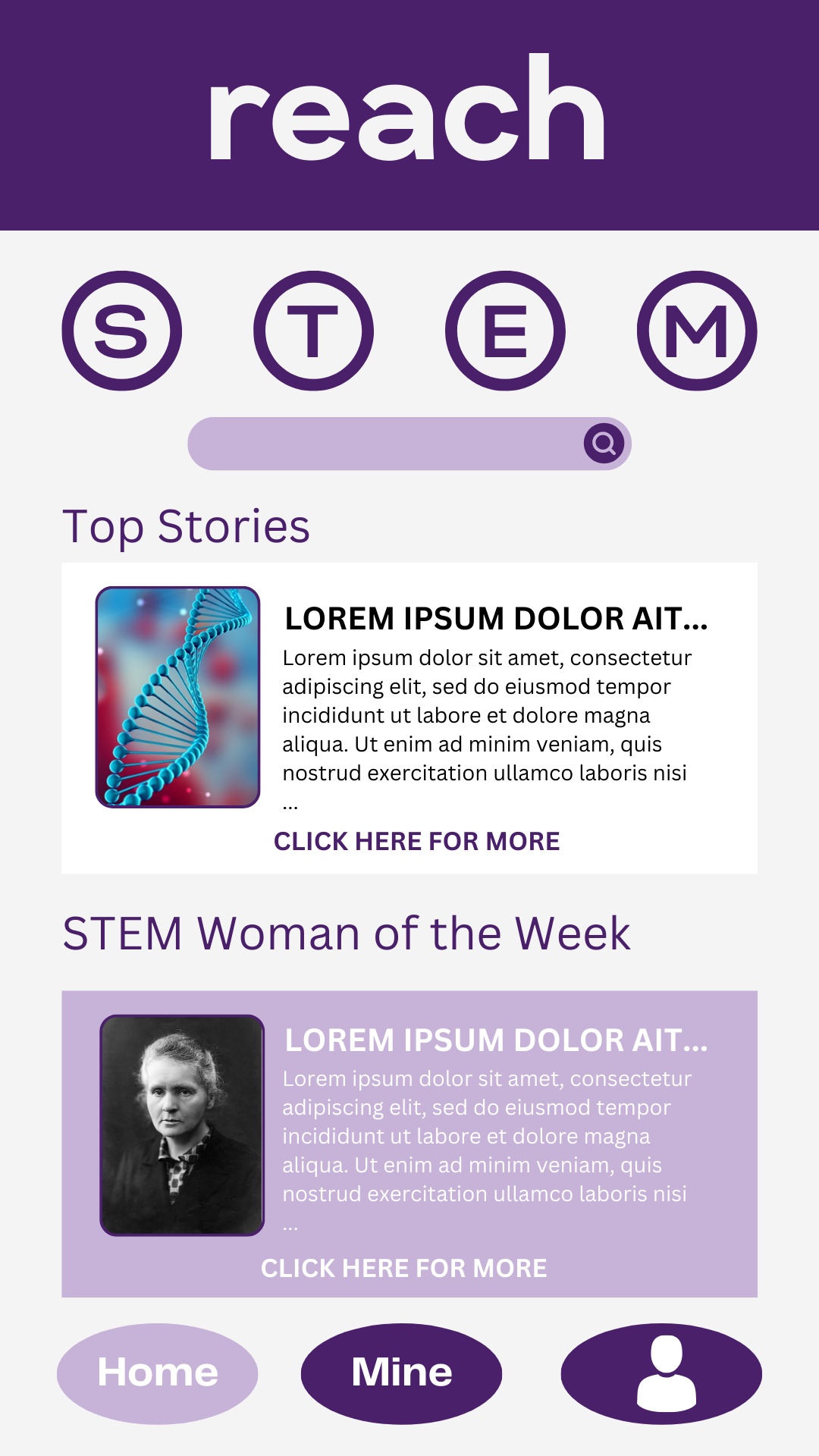
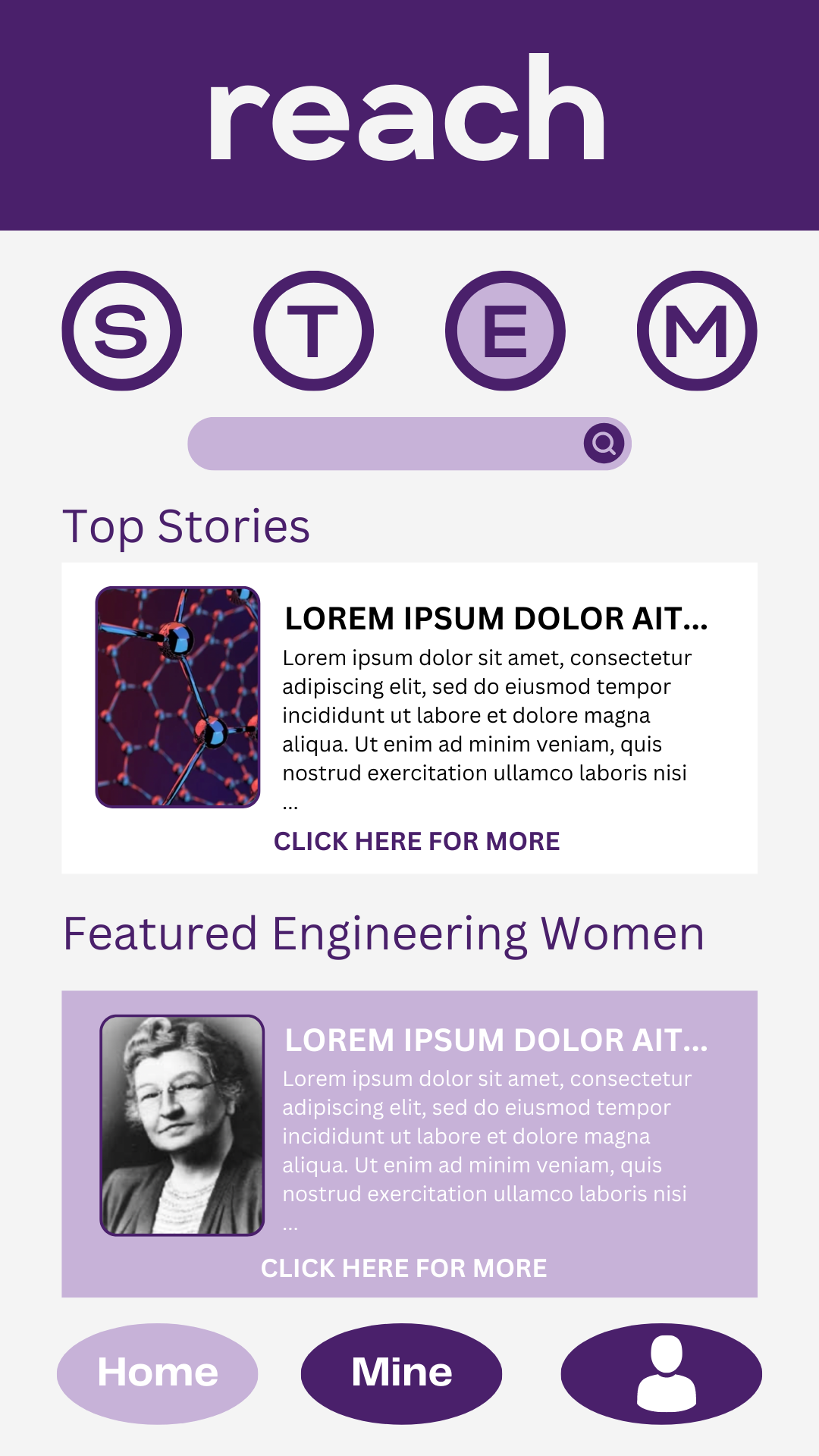
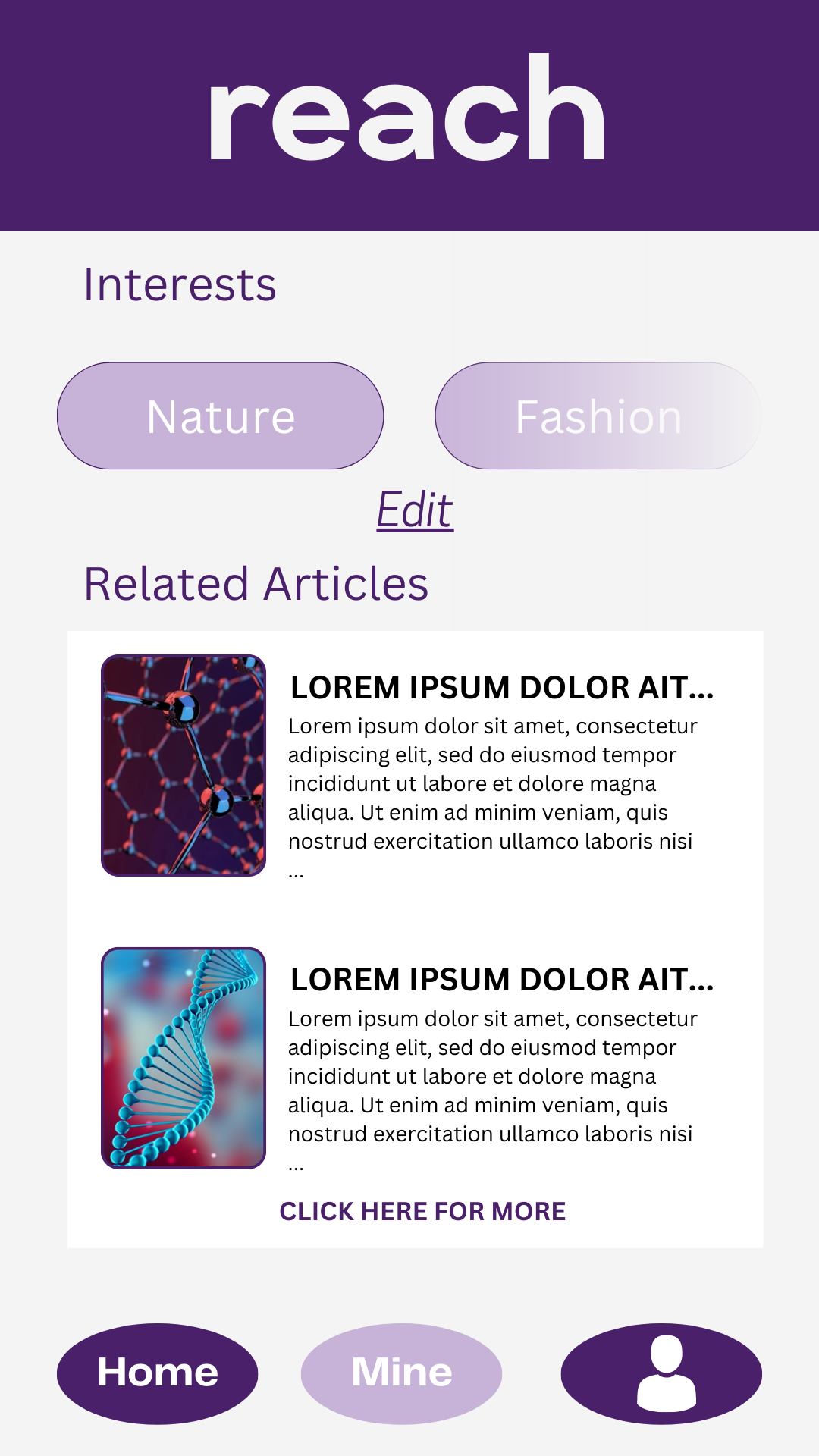
Our project is a newsletter style app that provides commentaries on news articles and common interest stories from a STEM perspective. The commentaries, written in understandable language, are geared towards those that have inquisitive minds but are not necessarily experts in the field. During our brainstorming process we noticed that the inextricable link between STEM and art (something we have been interested in since long before entering STEM fields) changed our perception of STEM as a whole. The concept of STEM is often seen as restricted to the general population. As a result, many don’t realize its links to their everyday life. Our app will feature the agglomeration of articles that tie news stories to their STEM aspects and highlight a new WIS (Woman in STEM) every week. In classes, we noticed that professors are often enthusiastic about the connection between their subject and recent world news but, since this is not syllabus-mandatory content, it is not widely disseminated. Our app will provide a platform for this kind of knowledge exchange while showcasing female members of the STEM community, both past and present.
How we built it
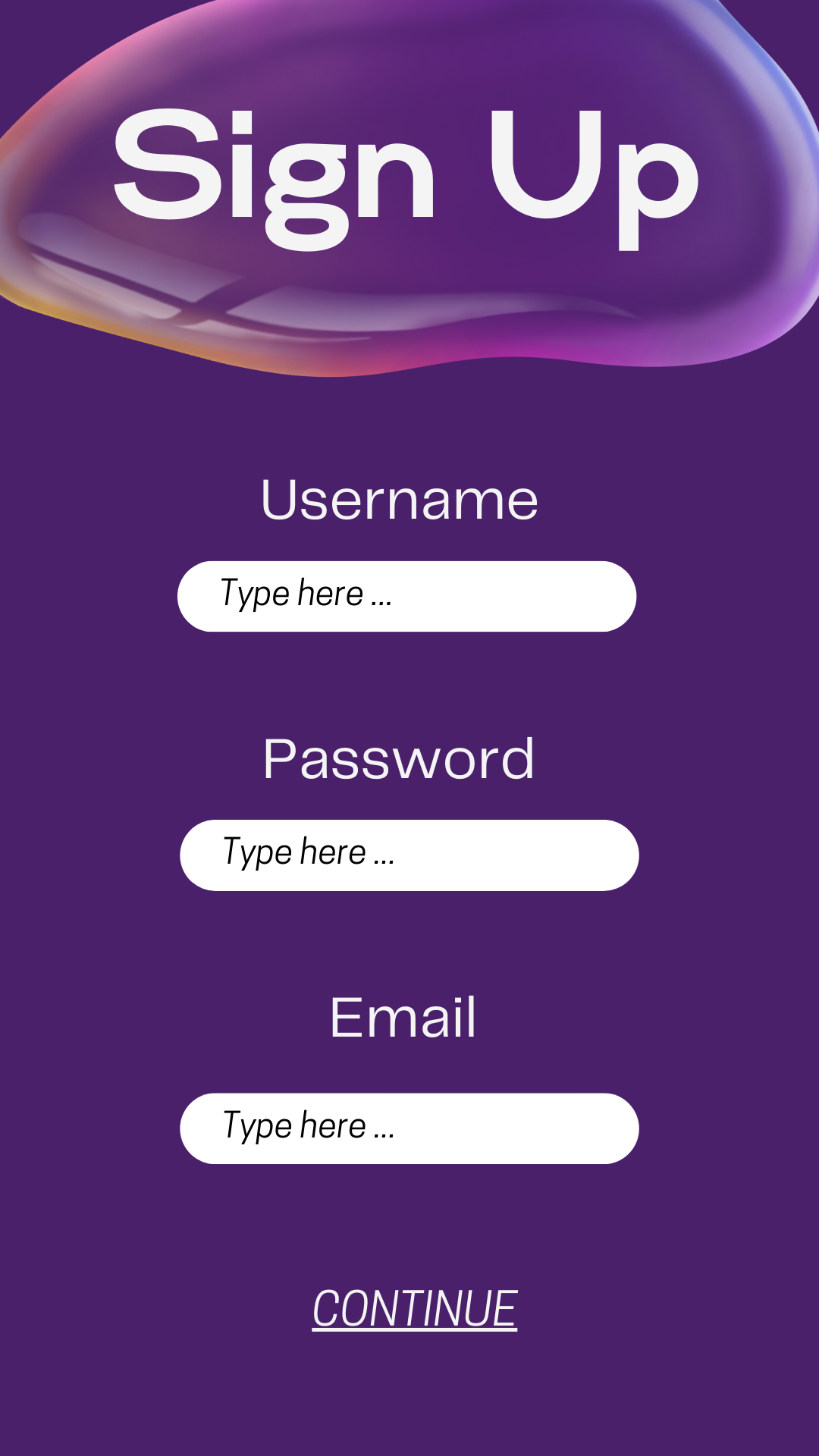
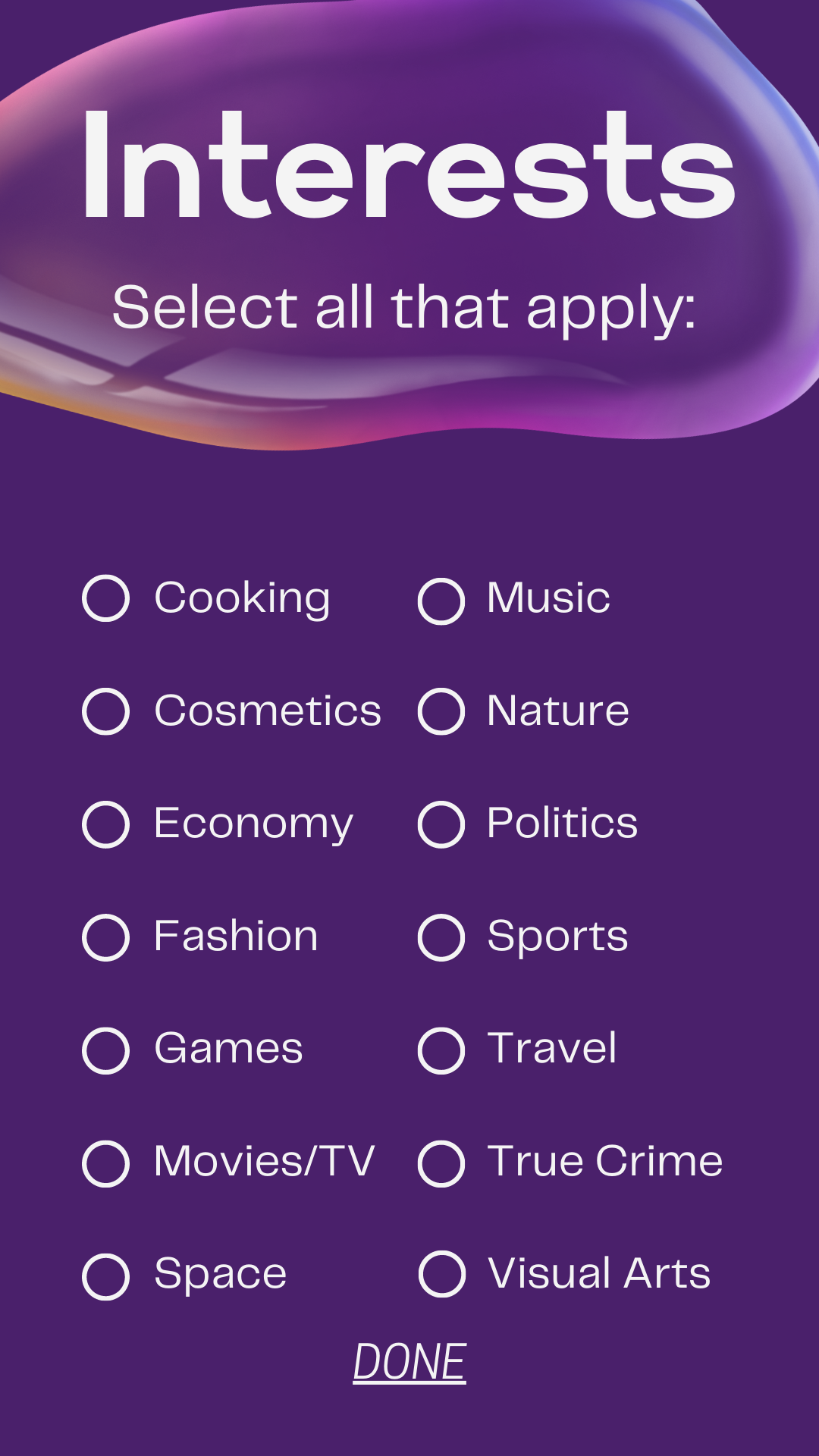
The media submitted today was made on canva and on YouTube. However, with more time to complete the project and more personal experience with coding, reach would be created using languages such as JS, HTML, React and CSS (for final version) and Figma.com (for development of low-fidelity prototype). This app would be created in partnership with a large news company such as CBC or BBC to allow for widespread accessibility, though initially it would be more viable to access a Newsfeed API or an open source.
Challenges we ran into
During this challenge: We are all beginner coders (do not have much experience beyond introductory python that we began learning in class) Our lack of expertise (and understanding) of Figma.com There was an inclination to try and agglomerate every possible resource into the app we were designing (e.g. include scholarship opportunities, internship information, aptitude tests, etc). However, we also knew the importance of an intuitive design with a clear objective, though it was a challenge to narrow it down to a viable idea (Probably) during development: Need access to databases with reliable news sources → Newsfeed API (through partnership with an existing news channel or from opensource for example) which may be challenging for a startup. Need initial inflow of a larger amount of postings → may take time Need willing volunteer professors who are passionate about the applications of STEM on common scenarios/situations → may take time to form links with large platform of professors, though that can be facilitated through connections with professor forums Initial dissemination of the app may be slow without explicit advertisement
Accomplishments that we're proud of
Internal collaboration and contribution form each member within our group (a little unexpected honestly) Being able to condense our profusion of ideas to a concise low-fidelity model We were able to combine several of ideas from each of us
What we learned
As the saying goes: the more we learn the more we realize how little we know. Today we were confronted directly with our lack of experience in coding/programming. We have realized how much we have yet to learn about software development and opened further fields of individual research for all three of us (e.g. we all need/want to start learning JavaScript). Basic concepts of app development (API and apiKeys, as well as the interaction between IDEs and the browser) We were pleased to learn that there are many resources available online to facilitate the app development process
What's next for reach
As a next step, reach would expand to other media forms such as a website, a youtube channel and a podcast. These platforms are proven to improve engagement in STEM through figures like Hank Green and Bill Nye (who are shown to have a high follower count on social media). Our app would also continuously obtain feedback from users and improve the app code and layout accordingly. User surveys would also be implemented alongside user feedback so that we can obtain a clearer image of what areas of the public knowledge of STEM are lacking the most and edit our app accordingly.
Built With
- canva

Log in or sign up for Devpost to join the conversation.