Inspiration
Indonesia faces a critical challenge in managing its growing waste problem. As industrial activities and consumerism increase, so does the volume of waste, particularly recyclable materials like plastics, metals, and electronics that often end up in landfills or the ocean. According to the Ministry of Environment and Forestry, Indonesia generates over 18 million tons of waste annually, with only around 11% being properly recycled. Indonesia is currently the second-largest contributor of ocean plastic pollution after China. At the same time, public awareness and infrastructure for effective waste separation and recycling remain limited. These issues threaten environmental quality, public health, and the achievement of Sustainable Development Goals (SDGs).
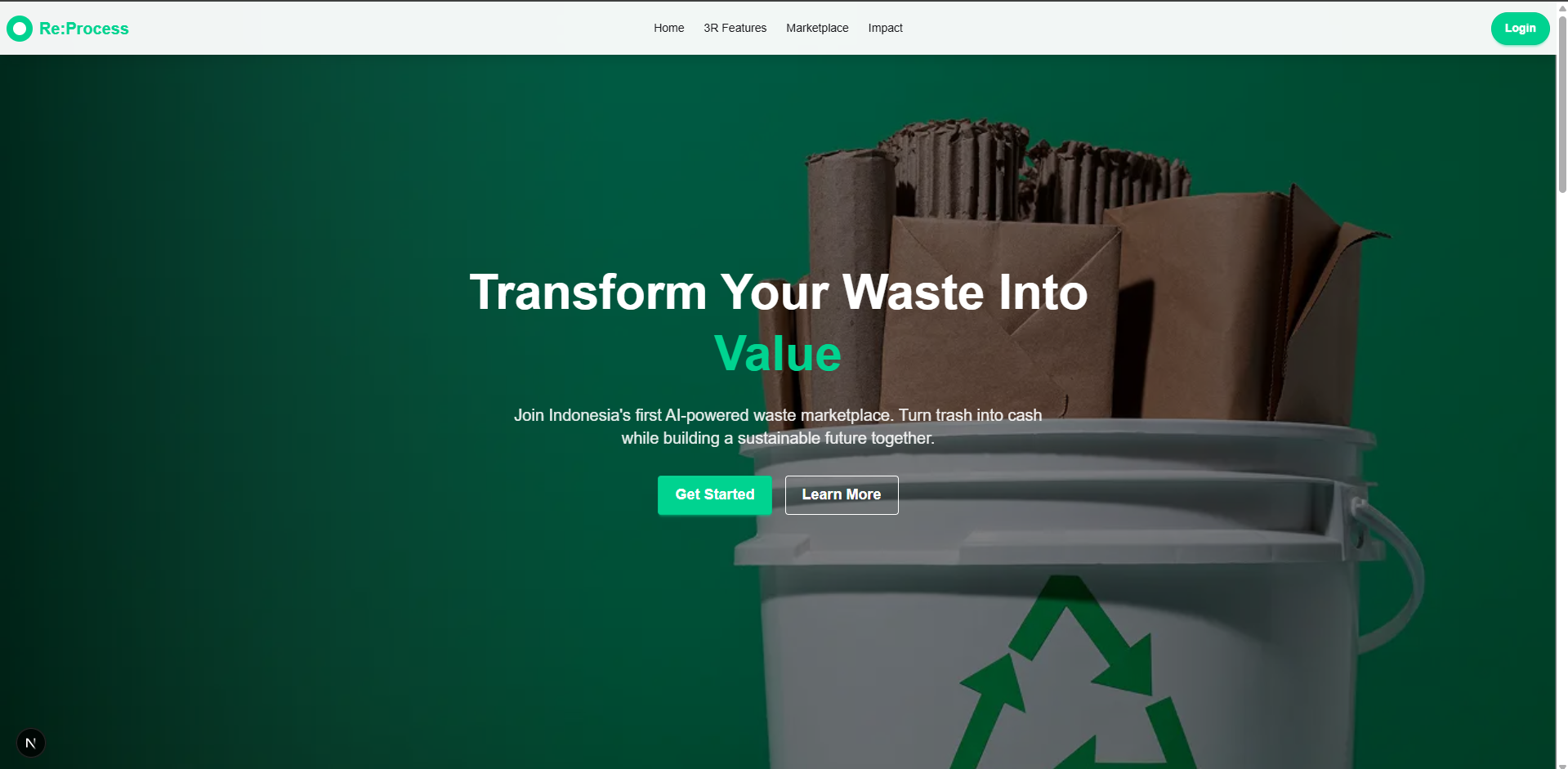
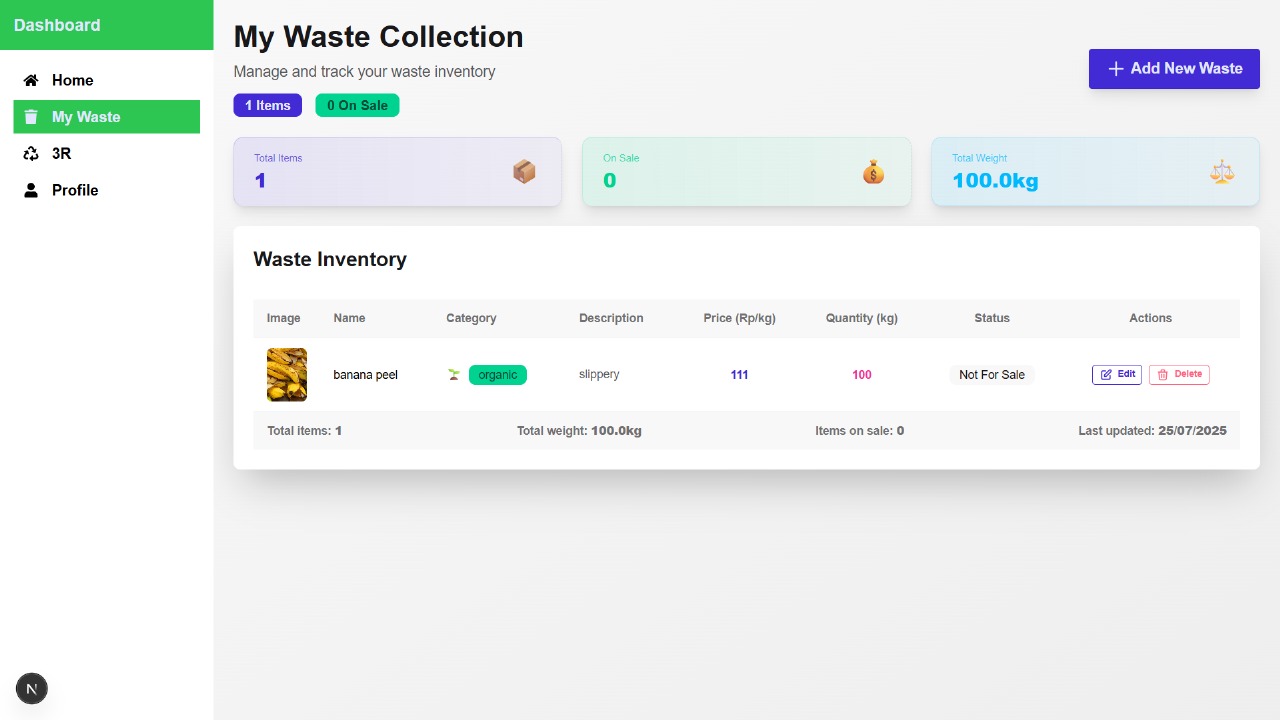
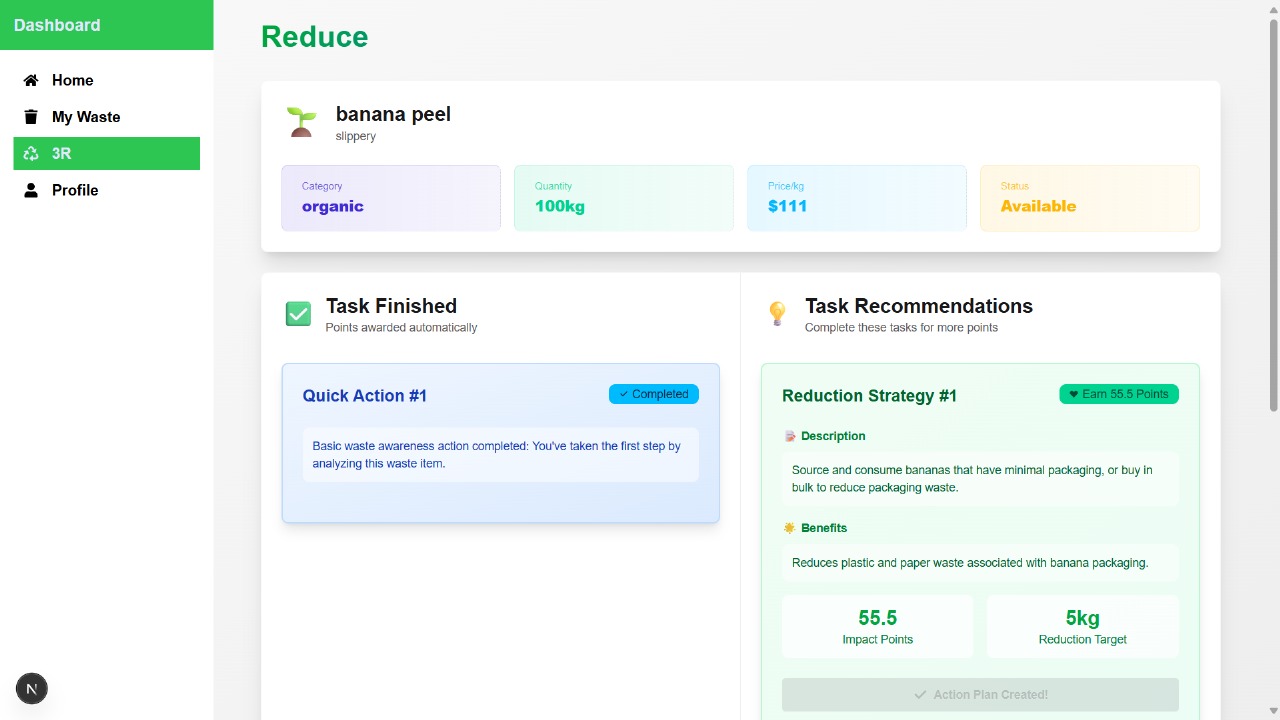
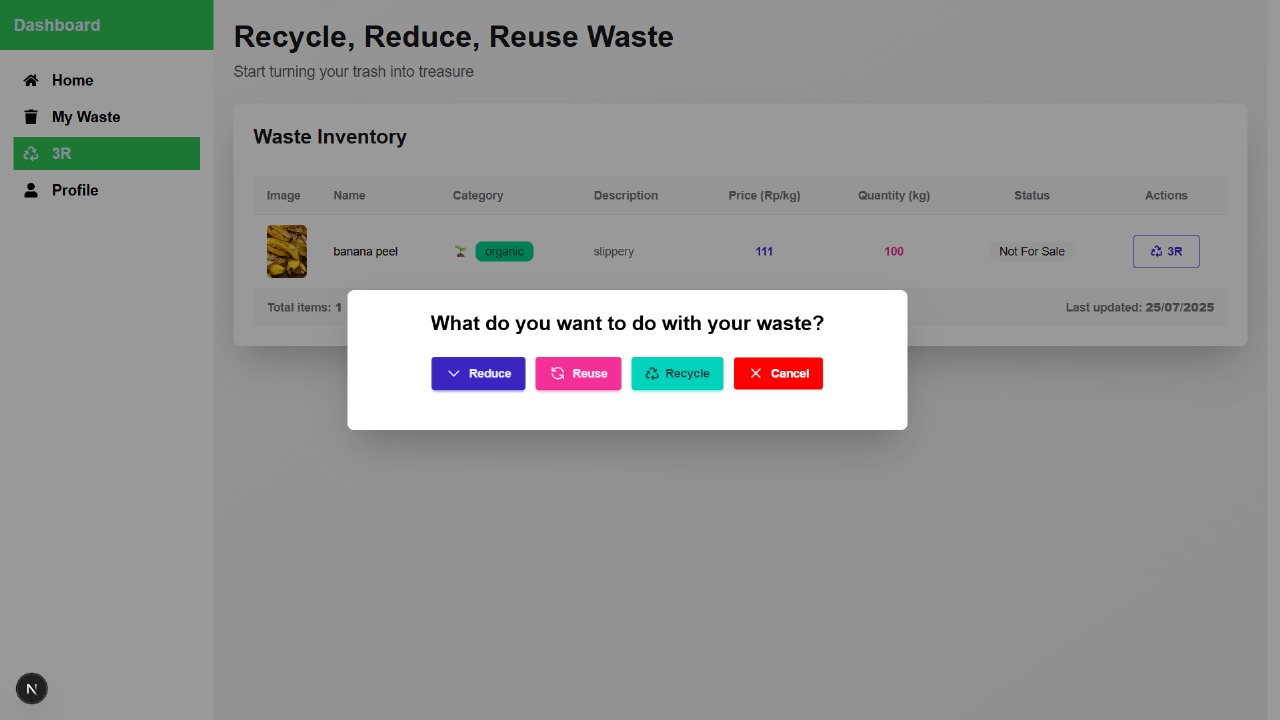
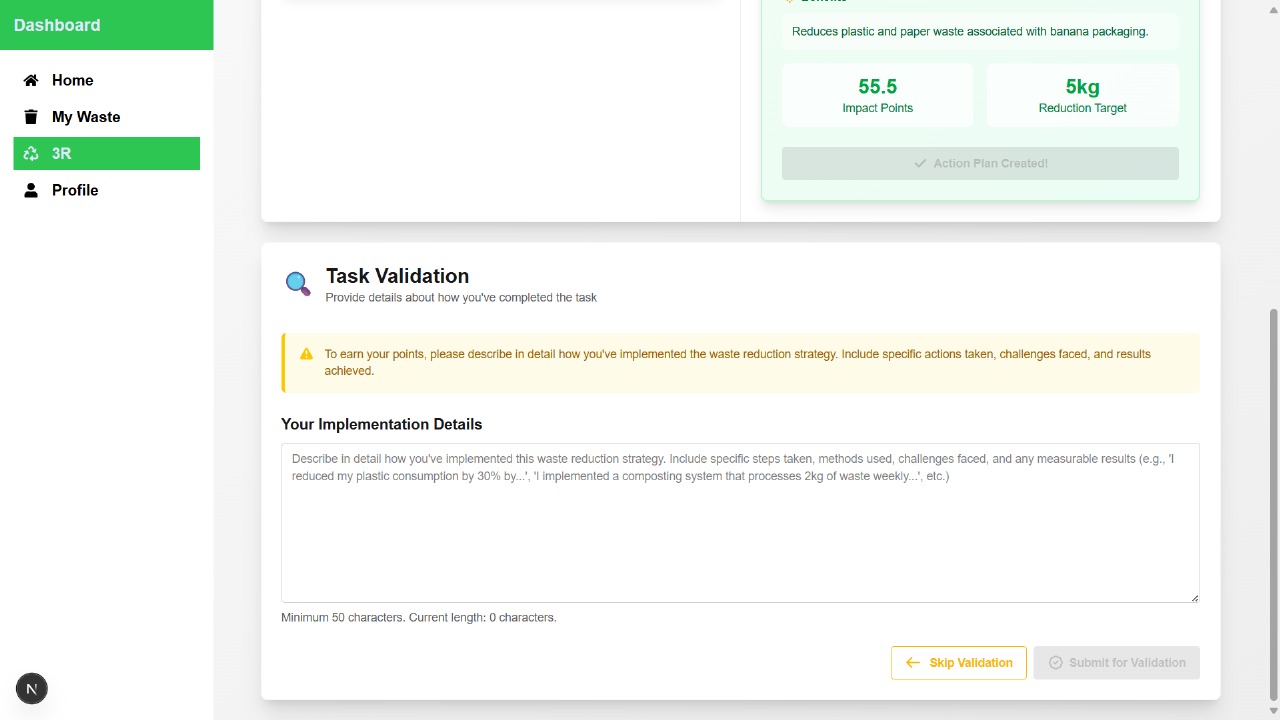
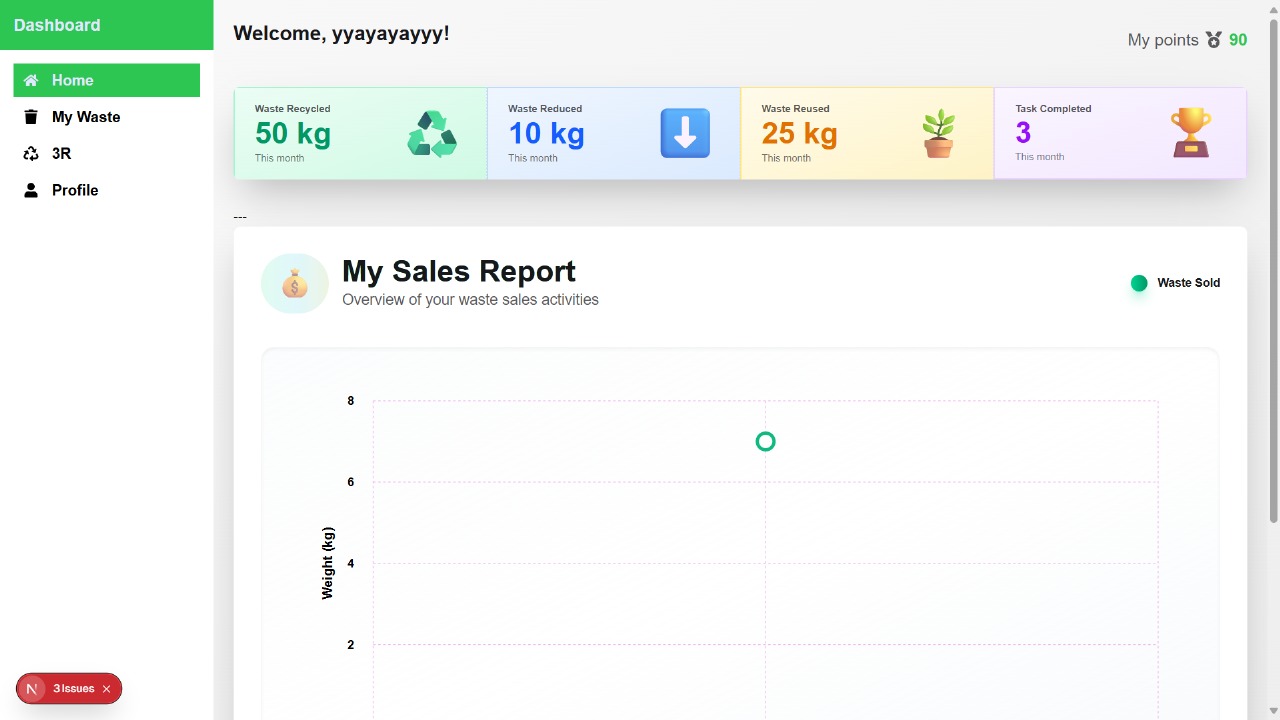
We created RE:Process, a web-based platform that transforms how people manage recyclable waste. It aims to encourage participation in the 3R (Reduce, Reuse, Recycle) principles by creating a digital marketplace and rewarding contribution. Users, whether individuals or companies, can list waste items, find buyers, and complete eco-tasks to earn recognition. It not only addresses waste problems but also builds a culture of responsible consumption through gamified impact tracking and AI support.
What it does
Re:Process connects households and small businesses (MSMEs) with companies that can process waste into value-added materials. It offers a win-win solution between waste producers and businesses that need reusable waste. Contributors earn contribution points, which serve as a "symbol" of their environmental awareness and their ability to manage waste responsibly.
How we built it
The first step in developing RE:Process was conducting in-depth research on Indonesia’s waste management issues to clearly define the problem statement. We explored national and regional data on recycling rates, waste generation, and public behavior toward 3R (Reduce, Reuse, Recycle). This research was crucial in shaping the core features of the platform. We also participated in mentorship sessions focused on business flow, which helped us align the platform’s technical design with practical and scalable sustainability goals.
From a technical perspective, RE:Process is built using Next.js for the frontend, providing a fast, responsive, and modern user experience. For the backend and data storage, we used PocketBase, a lightweight and real-time backend solution, along with SQLite for the database layer. This tech stack allows for quick prototyping, easy deployment, and low infrastructure overhead, which is important for early-stage sustainability platforms that aim to scale gradually.
To empower users with actionable insights, we integrated Google Gemini API, a generative AI solution. This allows the platform to offer personalized suggestions to small business owners on how to enhance the value of their waste materials. For example, the AI can recommend creative reuse ideas, recycling methods, or potential buyers based on material type and quantity.
This combination of user-driven features, lightweight yet powerful tech, and AI-enhanced recommendations forms the foundation of Re:Process, a scalable and accessible platform built to address real-world environmental challenges through smart, community-centered innovation.
Challenges we ran into
During development, we encountered several challenges:
- Building a meaningful and fair contribution point system that reflects user impact while avoiding potential abuse.
- Ensuring transactional safety and trust between unknown parties in a marketplace of waste materials.
- How to attract new user or potential user to use our platform.
Accomplishments that we're proud of
- Successfully building a functional marketplace prototype for recyclable waste.
- Implementing a gamified contribution system that encourages repeated participation and long-term engagement.
- Designing a multi-user architecture that accommodates individuals, businesses, and buyers with separate flows but shared incentives.
- Aligning the platform with several Sustainable Development Goals (SDGs) to increase social impact.
What we learned
- Gamification, when done right, can significantly improve user motivation and retention.
- Even small AI features can have a big impact on user experience, especially in guiding sustainable behavior.
- Collaboration between technology, environmental goals, and user needs is possible and essential for meaningful change.
What's next for Re:Process
RE:Process envisions evolving from a waste management platform into a comprehensive digital ecosystem for sustainability. The platform will expand its offerings to include carbon footprint tracking, a marketplace for eco-friendly products, and a learning hub for sustainability education. By enhancing AI capabilities, RE:Process will deliver smarter, personalized recommendations, such as local recycling events, low-impact alternatives, and regional waste trend analysis. The platform also aims to support local governments and grassroots movements by providing tools to track community recycling efforts and align with SDG progress. For businesses, RE:Process will offer Sustainability-as-a-Service solutions, including ESG reporting tools and verified waste tracking.
Built With
- gemini
- github
- go
- google-ai-studio
- javascript
- next.js
- pocketbase
- sqlite
- tailwind
- vps


Log in or sign up for Devpost to join the conversation.