

Inspiration
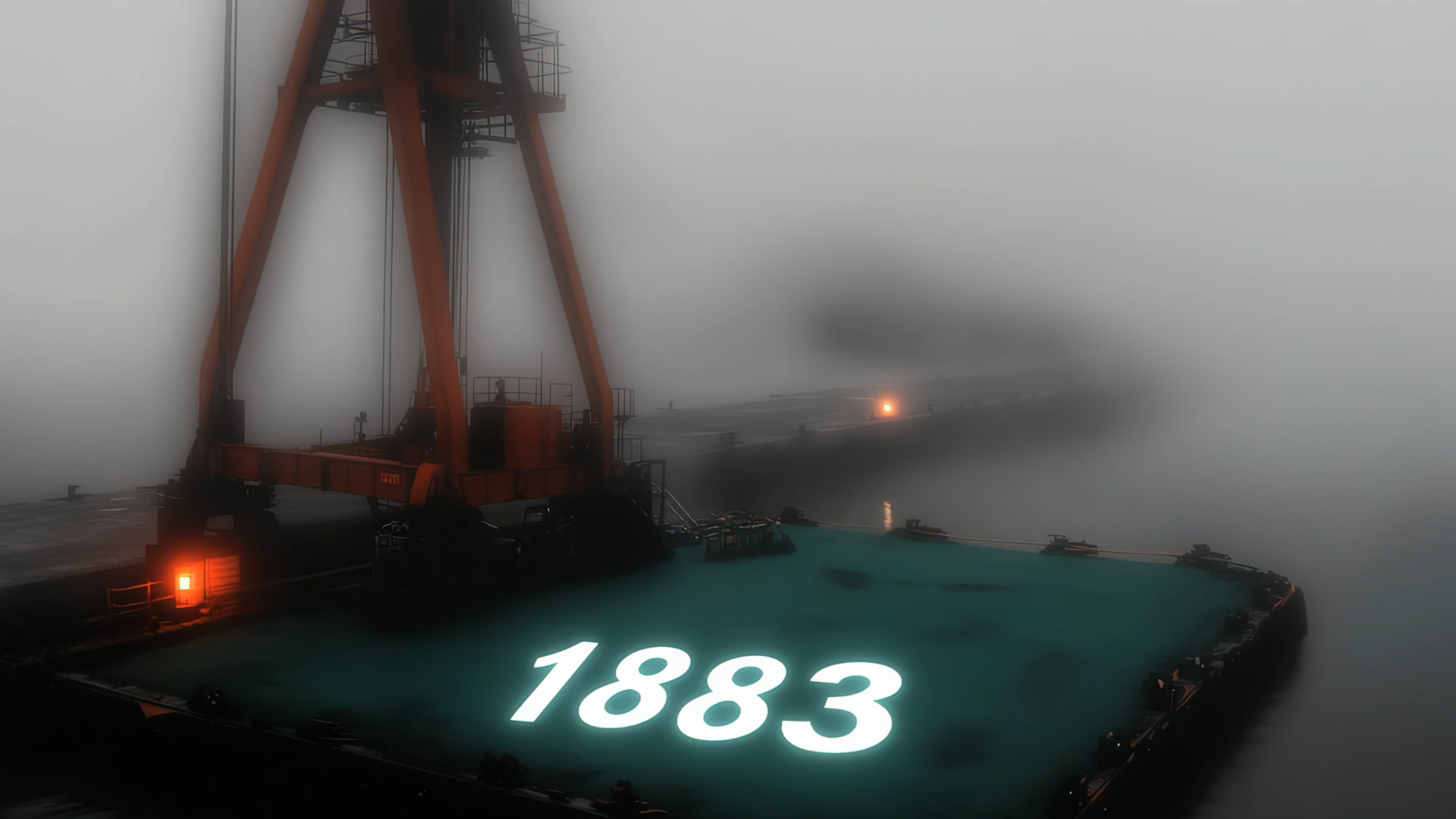
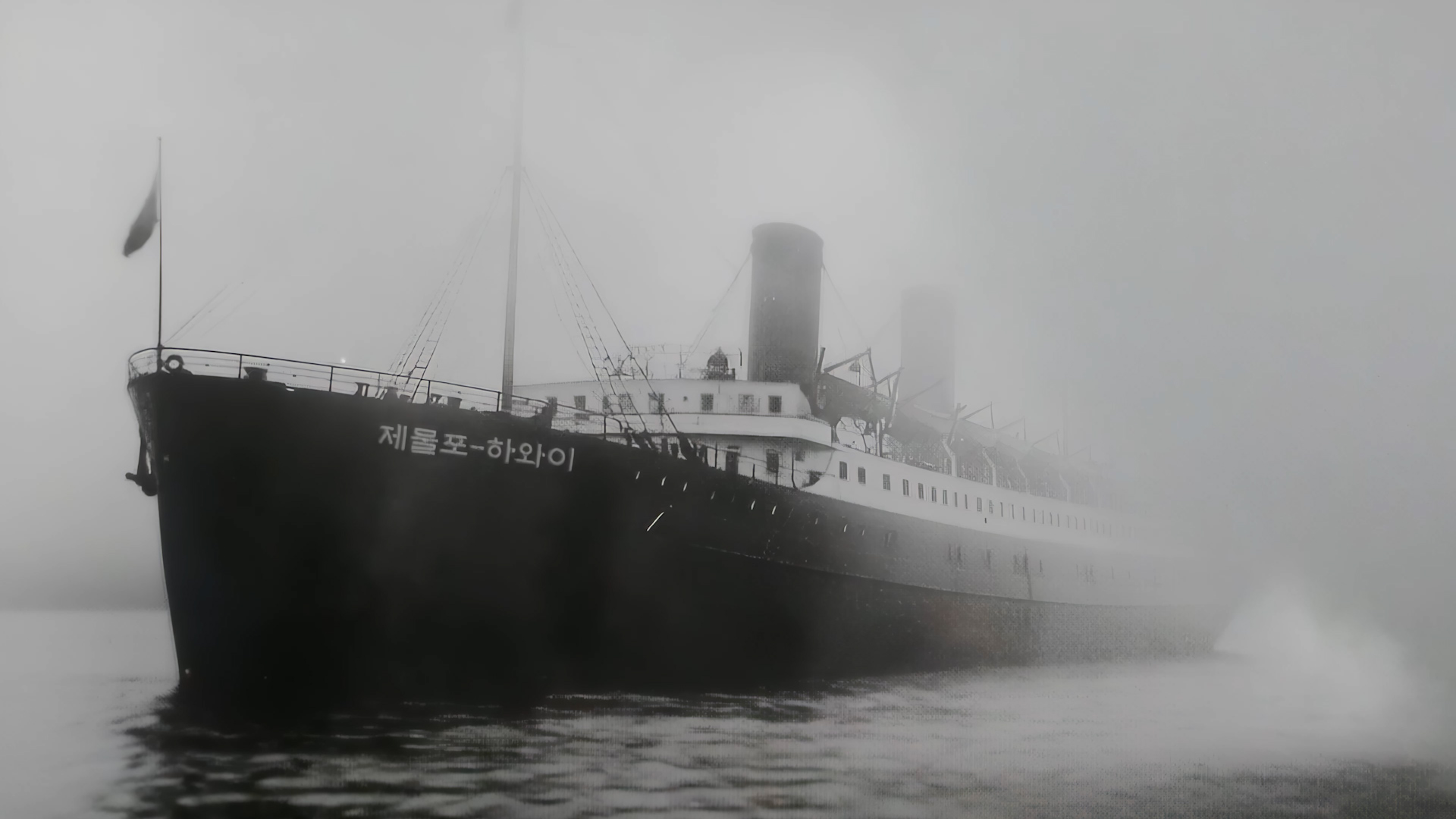
Incheon Inner Port was once a bustling gateway to the world. Today, its heavy machinery is silent, but the "texture of time" remains deeply etched in its rusty docks and vast warehouses. I was inspired by the idea that these spaces shouldn't be erased by rapid development, but rather "re-reported" as a new type of port where the cargo is human creativity.
What I wanted to say
Urban regeneration often forgets the soul of a place in favor of efficiency. Through "Re:poRT," I wanted to emphasize that the value of Incheon Inner Port lies in its layers of history. By transforming abandoned infrastructure into stages and residencies, we prove that a city's past can be the most powerful fuel for its future imagination.
How I built it
I utilized AI tools to visualize the metamorphosis of the port.
- Concept: I developed the "Re:poRT" framework—merging the act of 'Reporting' (documenting history) with 'RT' (sharing through modern social/digital loops).
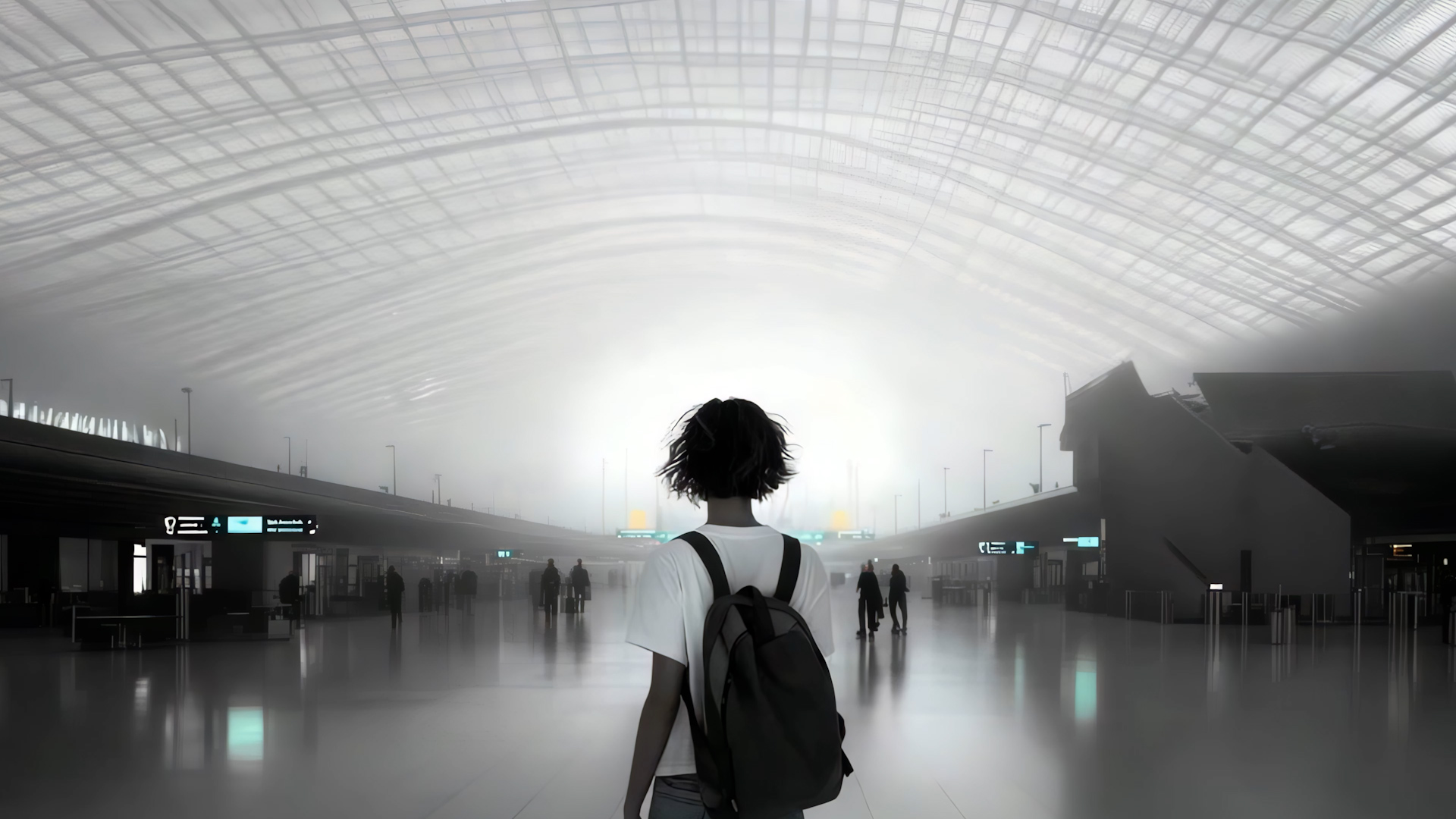
- Visuals: I generated imagery that contrasts the gritty, industrial realism of the old port with vibrant, ethereal light installations and artistic structures.
- Narrative: The flow moves from the static silence of the current port to a dynamic, glowing hub of global cultural exchange.
Production Date: August 2025
Challenges & limitations
The hardest part was capturing the delicate balance between preservation and transformation. I had to choose a "vibe" that felt respectful to the port's industrial heritage while still feeling cutting-edge and futuristic. The trade-off was between hyper-realism and a more evocative, poetic style that highlights the emotional weight of the space.
Takeaway
A port’s true legacy isn't measured in the weight of its cargo, but in the reach of the stories it sends out to the world.
Built With
- chatgpt
- claude
- elevenlabs
- midjourney
- runway


Log in or sign up for Devpost to join the conversation.