🌱 How it Started
We discovered that it is difficult for small farmers in India to obtain affordable technology for their farms. Most of the time, they lose their crops because they are unable to check on them frequently or water them properly. Therefore, we thought of making Re-Leaf - a straightforward and inexpensive device to assist them in monitoring their crops from a distance without the need for any kind of sophisticated tools or going to the fields regularly.
🌾 What it Does
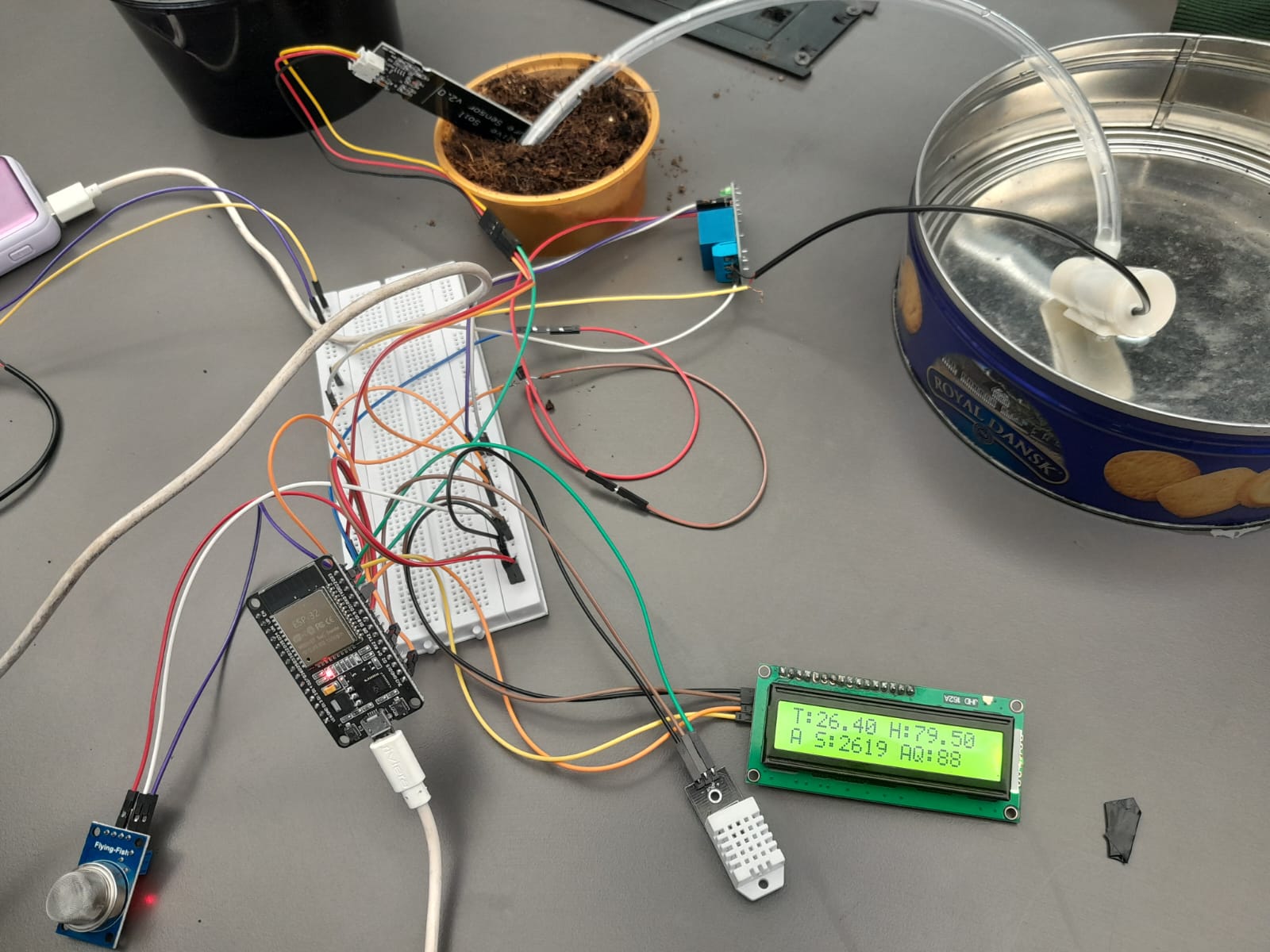
Re-Leaf is a tech device that monitors soil moisture, temperature, humidity, and air quality. It alerts farmers via an app and can also switch water pumps on or off automatically or if the farmer gives the command. In case a farmer is not using a smartphone, there is a screen on the unit that displays the information.
🛠️ How We Made It
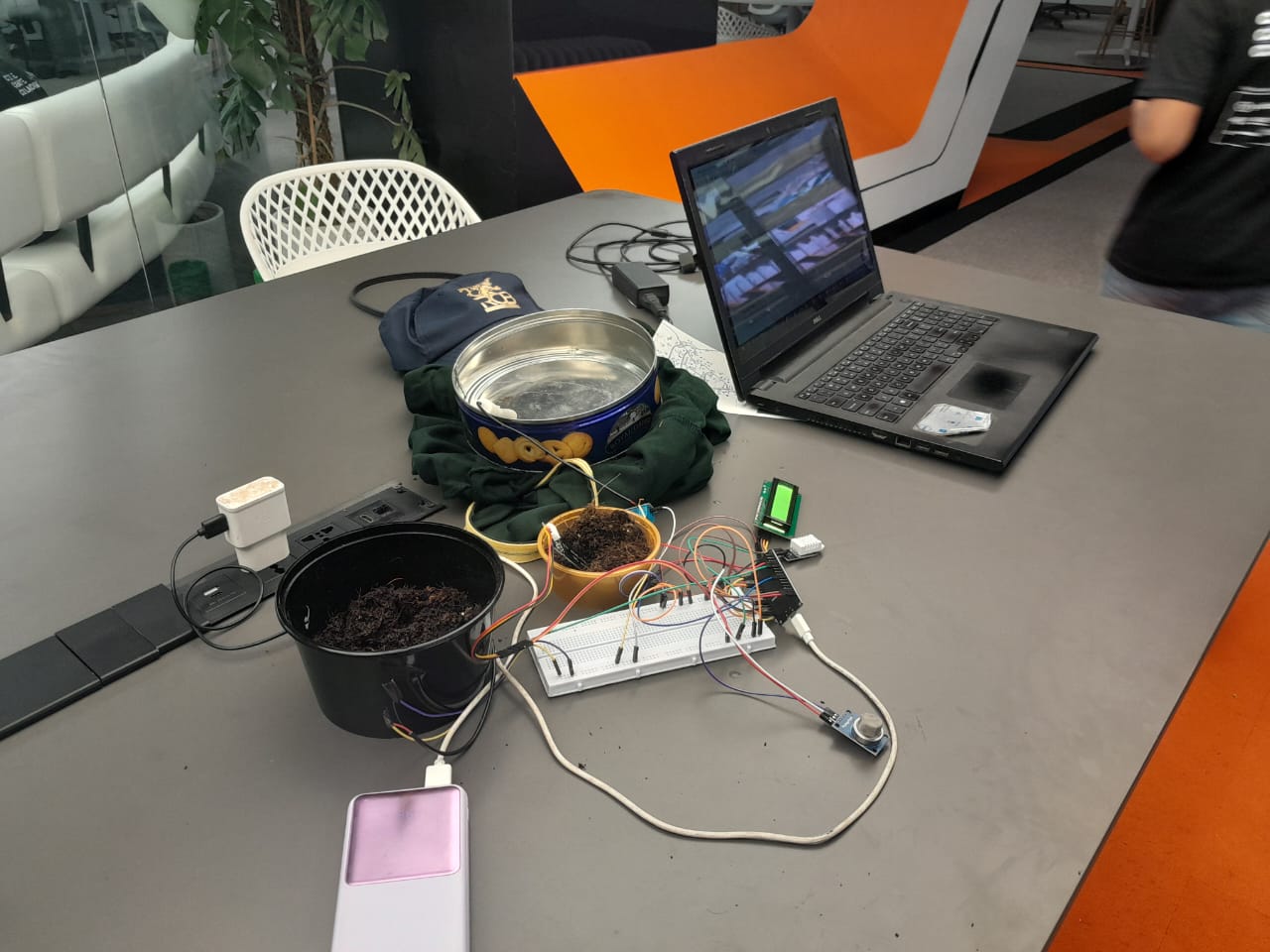
We built an IoT device around a tiny computer chip called ESP32 by assembling the following parts:
A soil moisture sensor that is reliable and accurate
DHT22 sensor for temperature and humidity
MQ135 sensor for air quality
A relay to turn on/off water pumps
A screen for data visualization without a phone
Blynk app for remote control and monitoring
The setup can be automated or operated by the farmer. They can determine the desired soil moisture level through the app. The total cost was about ₹700 (around $8).
🚧 Problems We Faced
Getting the soil sensor to give right readings
Ensuring good Wi-Fi connection in remote areas
Designing the app in a way that is easy for non-tech farmers to use
Keeping the device affordable while still ensuring good functionality
🏆 What We're Happy About
Creating a smart agricultural system with less than ₹700
Making it easy for all kinds of farmers to use, even those without smartphones
Implementing AI to solve sensor issues and create better user manuals
Developing the system in a way that it can scale and get better over time
📚 What We Learned
The knowledge of how to hook up a sensor and program the ESP32 for the best performance
How AI can be used for problem-solving and writing instructions
Designing for inclusivity and creating something that has the potential to grow
Building tech in a way that helps with climate change and gives off a positive social impact
🔮 What's Next for Re-Leaf
The idea of a solar-powered version for areas without electricity
Identifying pests and forecasting rain
App in vernacular languages
Workshops to instruct farmers on how to construct their own Re-Leaf systems

Log in or sign up for Devpost to join the conversation.